Setting up your first aquarium is both thrilling and steady work. Expect about one to two weeks to gather supplies and install equipment, then more time as the ecosystem matures. Patience now keeps your water stable and your pets healthy.
Success looks like clear, balanced water, reliable filtration and heaters, and fish that thrive — not just survive. Plan for cycling and quarantine to prevent early losses and avoid impulse purchases before the system is ready.
Begin with smart choices: tank size, location, and core equipment shape the whole process. Good gear up front reduces stress later, especially for temperature control, filtration, and safe tap-water prep.
This guide turns scattered advice into a clear roadmap focused on practical steps, common U.S. costs (many new setups run $200+), and beginner-safe options. Learn how biological cycling and proper care make the aquarium a living system, not mere decor.
Key Takeaways
- Starting Fish Tank.
- Allow weeks for setup and biological cycling before adding fish.
- Prioritize reliable equipment for long-term stability.
- Quarantine new arrivals to reduce early losses.
- Treat the aquarium as an ecosystem, not decoration.
- Expect initial costs around $200+ in the United States.
- Learn about planted options and supplies via resources like best aquarium plants.
Choose the Right Tank Size and Location for a Strong Start
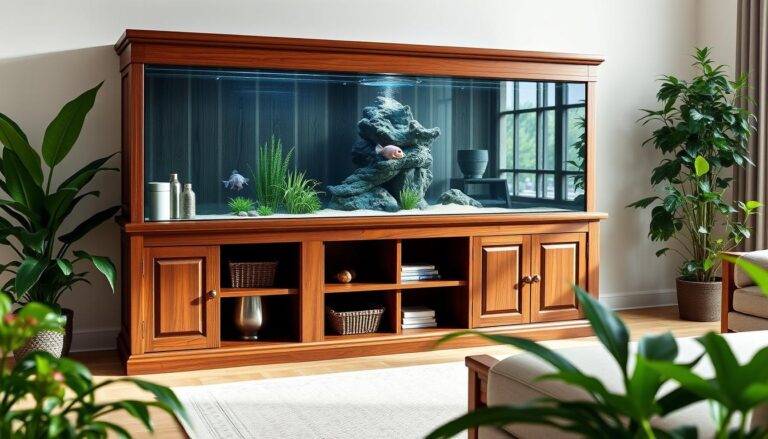
Pick the location first, then buy the tank. This avoids awkward fits and ensures the floor and stand will safely hold the final weight. A filled freshwater tank can exceed 8 lb per gallon, so plan for tens or hundreds of pounds depending on size.
Avoid direct sunlight, outside doors, heat vents, and air conditioning drafts. Sunlight promotes algae and rapid temperature swings. Doors and HVAC create sudden changes that can stress fish and destabilize a new tank.
Make sure the stand or surface is hard, waterproof, and perfectly level. A wobbly or bowed stand creates pressure points. That can crack glass or damage seals over time.
Place the setup near an outlet and a tap water source, and leave room behind for cords, filters, and easy access. Add a dark background before filling to hide tubing, reduce reflections, and help shy fish feel secure.
“One calm decision now saves hours of troubleshooting later.”
- Choose the spot before buying so the tank size fits the space.
- Plan for maintenance flow: power, drain access, and working room.
- Remember: proper placement keeps temperature steady and reduces stress fish face.
Essential Equipment You’ll Be Glad You Bought Up Front
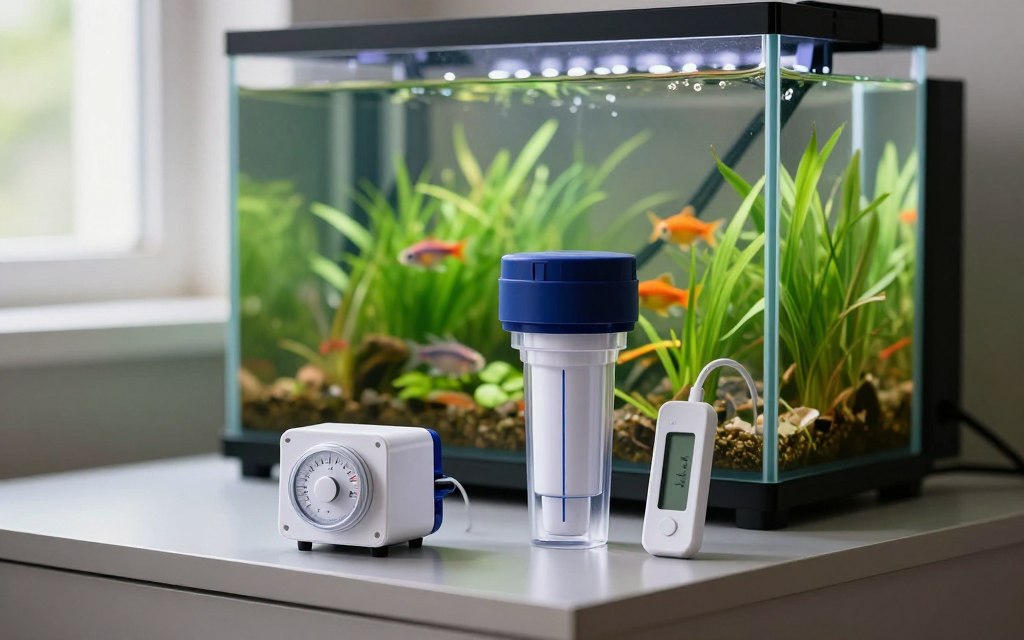
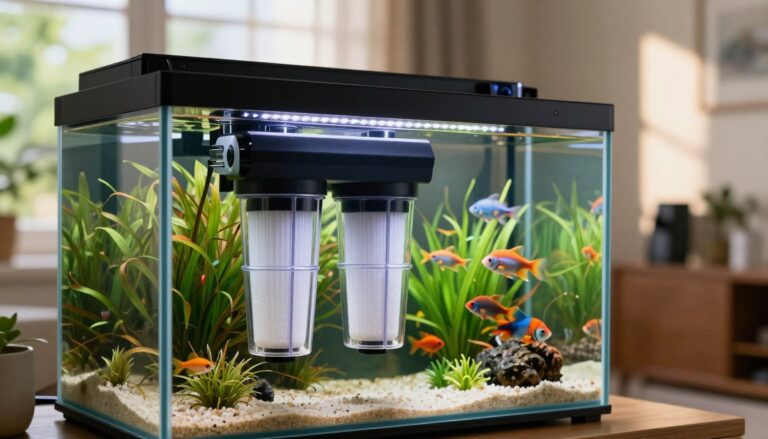
Invest in the right essentials early to keep water stable and avoid surprises. A good lid reduces evaporation and heat loss and stops jumpers. Glass lids are affordable and easy to modify for cords. Acrylic can warp over time, so choose with care.
A practical filter choice
Sponge filters are ideal for beginners: they give gentle flow, are easy to clean monthly, and protect delicate species. Canister filters work well but often demand more time and tools to maintain.
Heater and thermometer: a true pair
Most tropical species prefer 74–80°F (22–27°C). Even a ~2°F swing can stress them. Use an adjustable heater sized ~3–5 watts per gallon and a reliable thermometer to track temperature constantly.
Lighting, water care, and budget
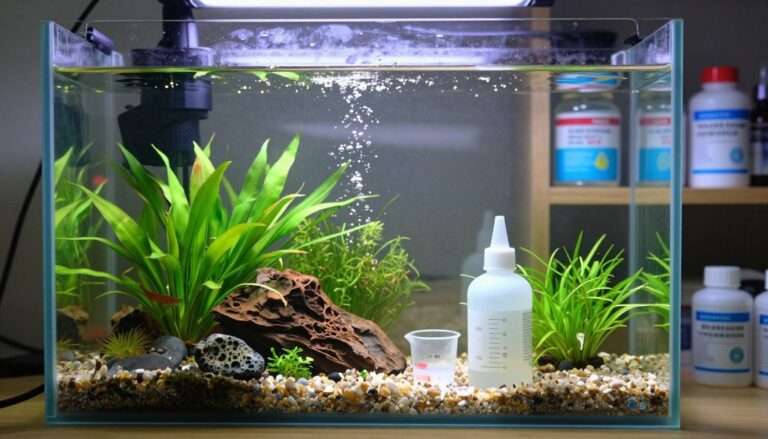
For live plants, pick an LED planted light and a timer; eight hours a day limits algae growth. Treat municipal tap water with a trusted water conditioner—chloramine won’t just evaporate. Test strips let you watch key levels before problems show.
“Good gear up front turns weekly chores into a simple routine.”
- Must-haves: lid, filter, heater + thermometer, water conditioner, test strips.
- Nice-to-haves: planted LED, spare heater for redundancy, quality gravel for planted setups.
- Budget: plan roughly $200+ for new supplies in the United States; watch sales like $1-per-gallon events to save.
Set Fish Tank Setup: Step-by-Step Assembly Without the Stress
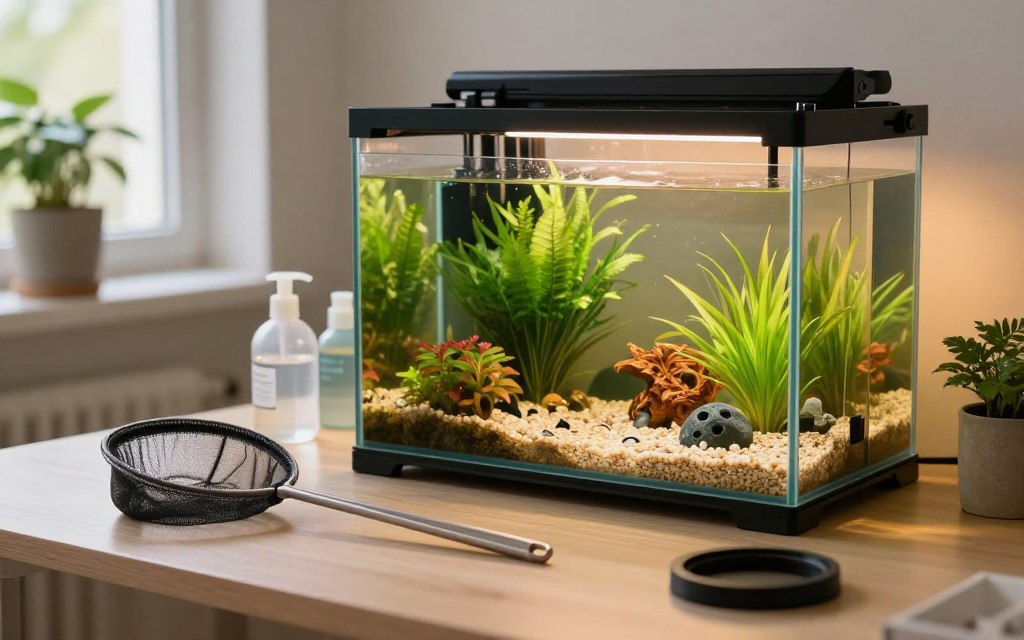
A steady, ordered approach removes guesswork and keeps your new aquarium safe on day one. Follow a calm sequence that protects equipment, promotes a healthy biological filter, and reduces early surprises.
Rinse substrate and décor—no soaps or chemicals
Rinse gravel and decorations thoroughly to remove dust. Use a bucket and running water until the rinse runs clear.
Do not use soap, bleach, or household cleaners—residue can harm fish and disrupt cycling. If stubborn film remains, scrub with clean water and a brush only.
Build the hardscape and add background
Apply the background before you fill tank; dark backgrounds reduce visible algae and help shy fish feel secure.
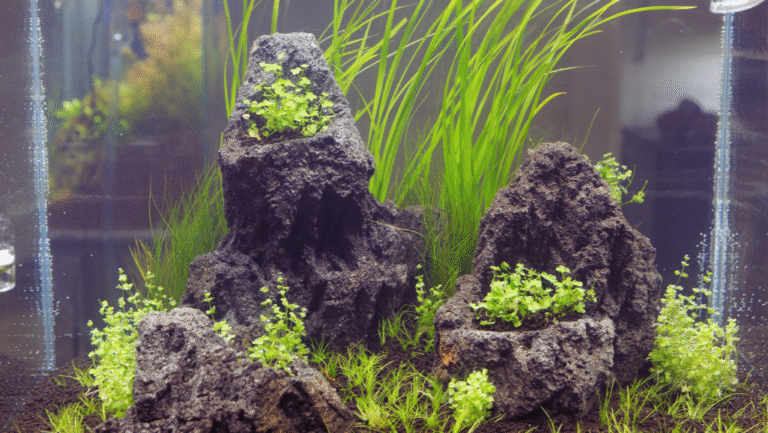
Add substrate, rocks, and wood to create shelters and microhabitats. Break lines of sight so fish can hide and reduce stress.
Fill slowly, condition water, and position equipment
Fill tank slowly—pour onto a plate or saucer to avoid cloudiness. Use room-temperature water and dose dechlorinator as you add water so conditioner mixes evenly.
Install the filter, heater, and air tubing in their planned spots, but do not power them until the tank has water. Let the heater sit ~30 minutes to adjust before turning it on.
Safety checks and patience
Make sure cords form drip loops and use a GFCI outlet where available. Check for leaks by partially filling the aquarium, inspect seams, then wait about 24 hours to confirm stability.
“A careful first day sets the stage for a thriving aquarium.”
- Rinse gravel and décor with water only—avoid chemicals.
- Place background, then substrate and hardscape for shelter.
- Fill slowly, dose dechlorinator during filling, and position equipment before powering.
- Run leak and electrical safety checks; let systems stabilize before cycling.
For planted setups and layout tips that speed healthy cycles, see a helpful guide on beginner planted aquarium.
Water, Temperature, and Oxygen: Build a Safe Environment from Day One
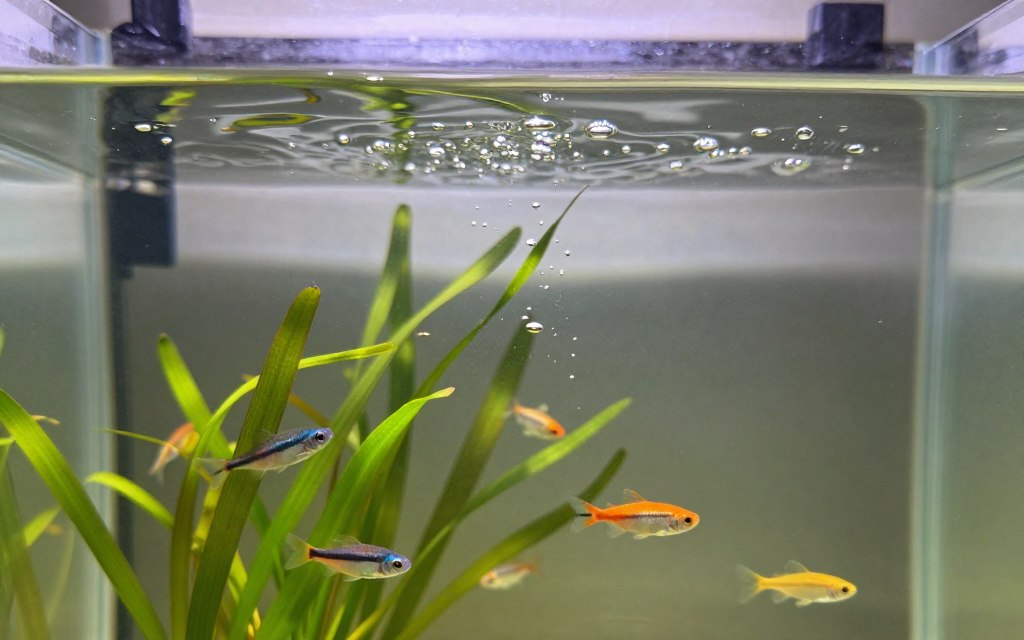
A calm, consistent environment starts with how you treat your water, temperature, and oxygen. Small steps now prevent big problems later and help the aquarium become a joyful focal point.
Condition tap water to neutralize chlorine and chloramine
Tap water looks clean but needs treatment. Chlorine and chloramine are added by utilities and both harm aquatic life. Chloramine does not safely dissipate if you let water sit.
Use a quality water conditioner that specifically removes chloramine. Dose as you fill so levels are safe from the first drop.
Set and protect the right temperature
Most tropical species do best near 74–80°F (22–27°C). Cold-water varieties prefer below 72°F (22°C).
Even ~2°F swings can stress fish, lowering appetite and immunity. Keep a steady temperature to support long-term health.
Choose the right heater wattage and placement
A common rule is 3–5 watts per gallon. Aim closer to 5 W/gal if you need about a 10°F raise above room temperature or you have drafts.
Size up when a room is cool or air-conditioned. An underpowered heater runs constantly and struggles to hold stable levels.
Support oxygen with surface movement and optional aeration
Surface agitation from your biological filter improves gas exchange and keeps oxygen levels healthy. Still water traps gases and risks low oxygen.
Consider an air stone or aerator for heavily stocked setups, warm water (which holds less air), or species that need extra circulation.
“When water and temperature are steady, colors brighten and behavior becomes confident.”
- Water: always condition tap water for chlorine and chloramine removal.
- Temperature: aim 74–80°F (22–27°C) for tropicals; avoid 2°F swings.
- Heater: use 3–5 watts per gallon and size up in cool rooms.
- Oxygen: keep surface movement from the biological filter; add air if needed.
Starting Fish Tank Cycling: Grow Beneficial Bacteria and Avoid New Tank Syndrome
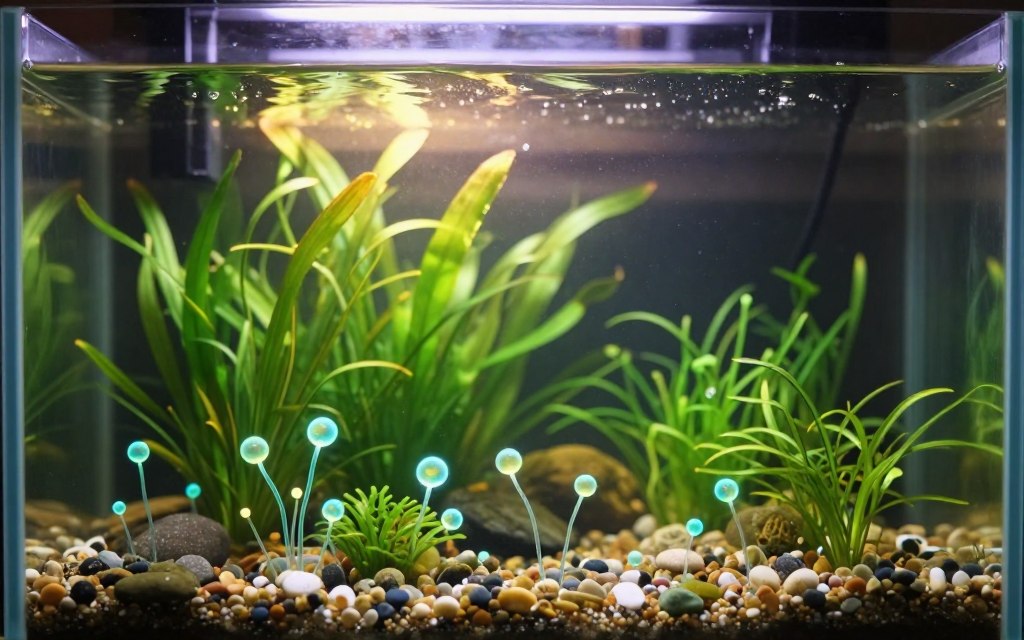
The invisible work of growing beneficial microbes makes your aquarium safe for life. Cycling is simply the process of cultivating beneficial bacteria that convert toxic waste into less harmful compounds. This biofilter is what protects your aquatic animals and keeps water clear.
How the nitrogen process protects water
Bacteria convert ammonia → nitrite → nitrate. Ammonia and nitrite are toxic; nitrate is far less so and is removed with regular water changes.
Typical timelines and ways to speed the cycle
Natural cycling often takes about 4–6 weeks. Adding a bottled nitrifying product or using seeded media from an established system can shorten the tank cycle to days or a few weeks.
What to test and what “good” looks like
Monitor ammonia, nitrite, nitrate, pH, and temperature. Aim for ammonia = 0 ppm and nitrite = 0 ppm before adding more fish. Nitrate will rise then stabilize at low amounts with water changes.
Early surprises and when to act
Cloudy water and a brief algae bloom are common during cycling. They usually clear as bacteria establish. Act if ammonia or nitrite spikes to dangerous levels—perform partial water changes and reduce feeding.
Why patience prevents new tank losses
Adding animals too soon risks new tank syndrome, where toxic levels cause sickness or death. Use a pinch of fish food as a controlled ammonia source, or seed with media — even home bioactive ideas can help when done carefully seeded media or bioactive setups.
“Waiting through the cycle is the most compassionate step you can take for healthy, confident pets.”
- Define cycling: grow beneficial bacteria that process waste.
- Test weekly: ammonia, nitrite, nitrate, pH, temperature.
- Wait for ammonia and nitrite to reach zero before adding more animals.
When You Can Add Fish and How to Do It the Smart Way
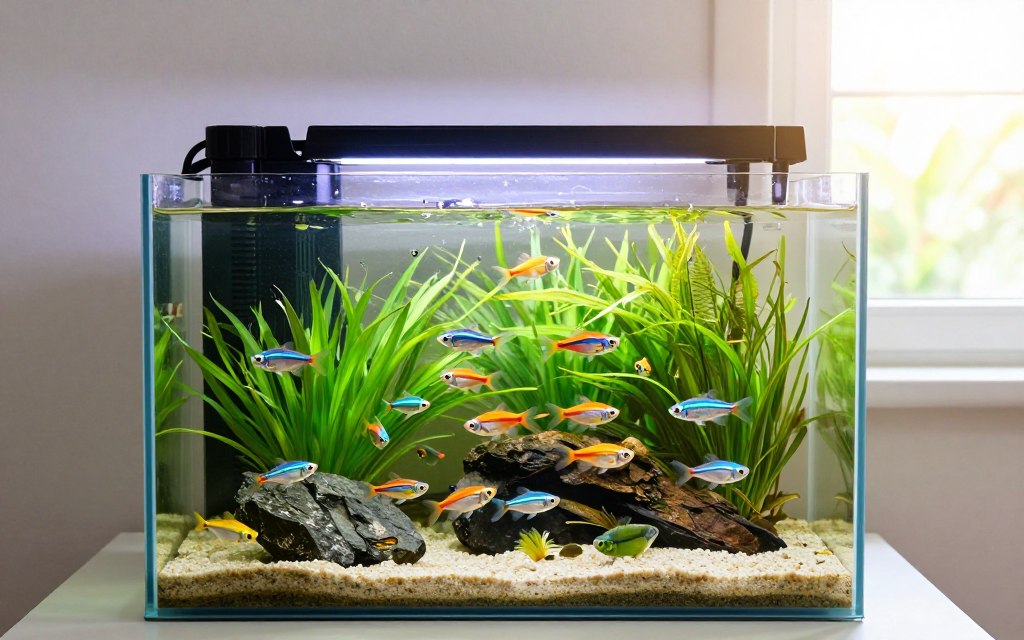
Bring new residents in only when the environment proves steady. Wait until temperature and pH hold steady, and tests show ammonia = 0 and nitrite = 0 for several days. Nitrate should be present but low. These are the clear signs you can put fish in safely.
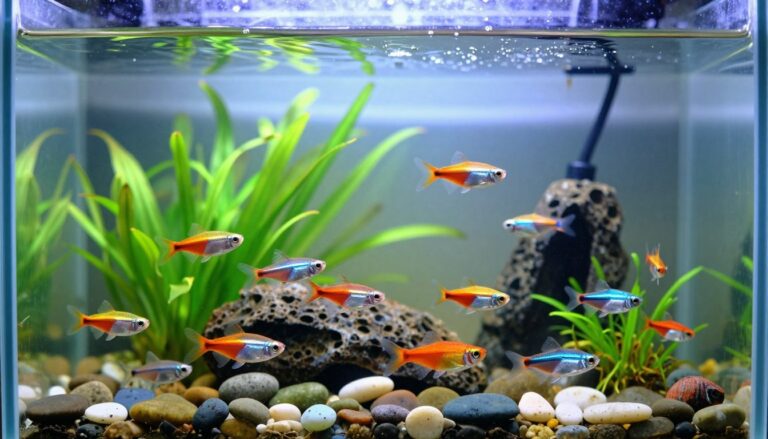
How to add fish without overwhelming the biological filter. Start small. Add one or two compatible companions, then pause for a week. Monitor water and test levels daily at first. This gives the biofilter time to expand as waste rises.
Acclimate each arrival slowly to match water temperature and chemistry. Observe behavior and appetite for at least a week before adding more. Early detection of stress prevents bigger problems.
Quarantine basics to protect the main tank. Use a separate small aquarium with a simple filter and heater. Keep new arrivals isolated for 7–14 days and watch for illness. Treat or return sick specimens before they join the display.
- Ready checklist: stable temperature, stable pH, ammonia = 0, nitrite = 0.
- Add fish gradually; test water after each addition.
- Quarantine new arrivals for observation before transfer.
- Keep consistent feeding, light, and water-change routines to maintain levels.
“A slow, steady process builds confidence and healthier residents over time.”
Conclusion
Treat each week as a chance to learn; slow progress compounds into stable water and thriving residents.
Location and size choices set the stage, and good equipment creates steady support. A well-placed aquarium with the right lid and sensible lighting avoids algae and limits drafts from air conditioning.
The big three: conditioned water, steady temperature, and a mature biofilter. Test simply and often so you know when the tank cycle is safe and when to add more animals.
Most problems come from rushing the process. Add new fish slowly, watch changes for a few weeks, and upgrade toward an aquascape or live plants when stability is proven. Keep observing—small adjustments yield big rewards: clearer water, healthier fish, and an enjoyable centerpiece you can trust.
FAQ
How do I choose the right aquarium size and location?
Pick a spot away from direct sunlight, exterior doors, vents, and air conditioning drafts to reduce temperature swings and algae. Ensure the stand is level, strong, and rated for the filled weight. Place the setup near power outlets and a water source to make maintenance and equipment routing simple.
What essential equipment should I buy first?
Invest in a quality filter with gentle flow, a reliable heater and thermometer for stable temperature, and a lid to cut evaporation and prevent jumpers. Get a water conditioner for tap water and test strips or kits to monitor ammonia, nitrite, nitrate, and pH. Good lighting and basic decor round out a healthy environment.
How should I prepare gravel, decor, and new gear?
Rinse gravel, rock, and decorations with dechlorinated water to remove dust—avoid soaps or detergents. Check seals and tubing on equipment, and position hardscape to create hiding places and microhabitats before you add water or power up gear.
What’s the safest way to fill a new aquarium?
Fill slowly with room-temperature water to avoid disturbing substrate. Dose a water conditioner that neutralizes chlorine and chloramine. Install filter, heater, and airline tubing, then power them on and let the system run while you monitor for temperature and leaks.
How do I manage temperature and oxygen from day one?
Aim for a steady temperature suited to your species; even small swings cause stress. Choose a heater sized by watts-per-gallon and use a reliable thermometer. Promote surface agitation with filter outflow or an air pump to improve oxygen exchange and support the biological filter.
What does “cycling” mean and why is it important?
Cycling is the process where beneficial bacteria establish and convert toxic ammonia to nitrite then nitrate. A mature biofilter prevents chemical spikes that harm livestock. Allow this process to complete before adding many fish to avoid new tank syndrome.
How long does cycling usually take and can I speed it up?
Most cycles take several weeks. You can accelerate growth of beneficial bacteria by adding filter media from an established aquarium, using bottled nitrifying cultures, or starting with a few hardy, well-monitored fish. Test regularly to track progress.
Which water parameters should I test during cycling?
Monitor ammonia, nitrite, nitrate, pH, and temperature. Watch for ammonia and nitrite spikes early; when both drop and nitrate rises, the cycle is progressing. Stable, low ammonia and nitrite levels indicate it’s safer to add more animals.
Is cloudy water or algae normal in a new setup?
Yes. Bacterial bloom can cause cloudiness, and light plus nutrients may trigger algae. These issues often resolve as the biological balance forms. Reduce light duration and avoid overfeeding; test water and perform partial changes only when needed.
When is it safe to add fish to the aquarium?
Add a few hardy individuals only after ammonia and nitrite stay at zero and nitrate is present but controlled. Introduce fish gradually—small groups over weeks—to match the biofilter’s capacity and minimize stress.
How should I acclimate new livestock?
Float sealed bags to equalize temperature, then slowly mix tank water into the bag over 15–30 minutes to adjust chemistry. Release gently using a net. Acclimating reduces shock and improves survival rates.
What are quarantine basics to protect my main display?
Quarantine new arrivals in a separate tank for at least two weeks to observe and treat diseases before introduction. Use separate nets and equipment, and consider basic preventive treatments if issues arise during observation.
How much should I budget for a new freshwater setup in the U.S.?
Plan for the aquarium, stand, filter, heater, lighting, test kit, water conditioner, substrate, and decor. A basic 20–30 gallon setup from reputable brands typically ranges from modest to moderate cost depending on equipment quality; spending a bit more upfront reduces long-term stress and replacement expenses.
Can live plants help during the cycling process?
Yes. Live plants absorb ammonia and nitrates, offer shelter, and support bacterial growth on roots and substrate. Hardy species like Java fern and Anubias are good starters and contribute to a stable ecosystem.
What should I do if ammonia or nitrite spikes after adding fish?
Perform partial water changes to reduce toxins, reduce feeding, and pause adding new fish. Increase aeration to support oxygen levels and test daily. Consider adding beneficial bacteria supplements to boost biofilter populations.
How often should I perform maintenance once established?
Do regular tasks weekly or biweekly: partial water changes (20–30%), gravel vacuuming of uneaten food and waste, filter media rinsing in tank water, and parameter checks. Consistent upkeep prevents problems and keeps the system inspiring and healthy.