Explore Top Cold Water Fish Species for Aquariums

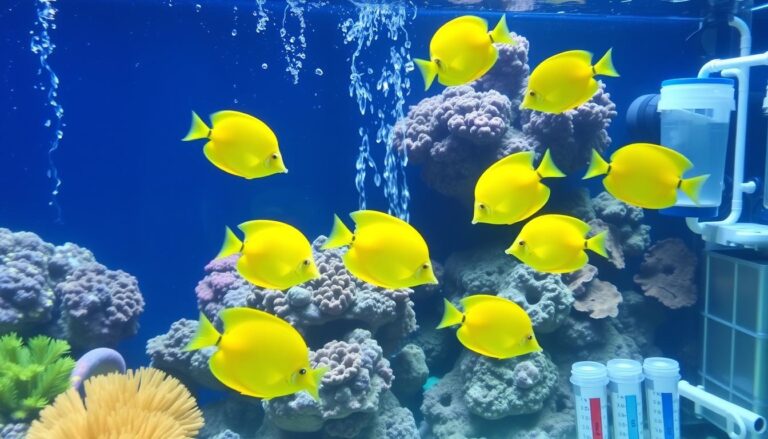
For those eager to explore the world of home aquatics without the heat, finding the best cold water fish for aquariums is exciting. These fish thrive in cooler waters, between 50-65°F. This guide helps you choose from a wide range of species.

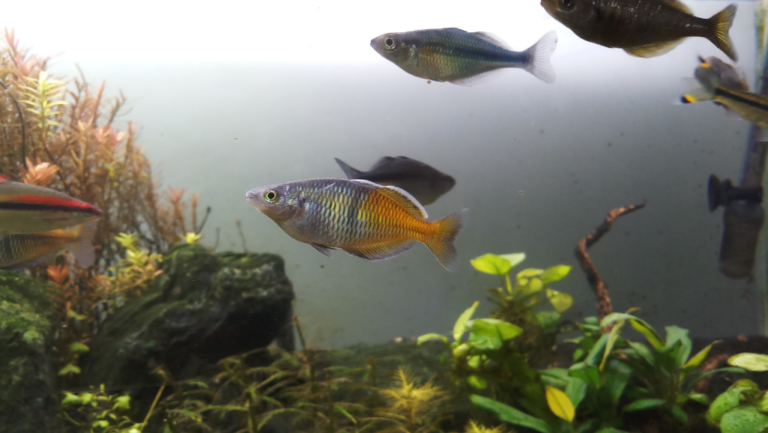
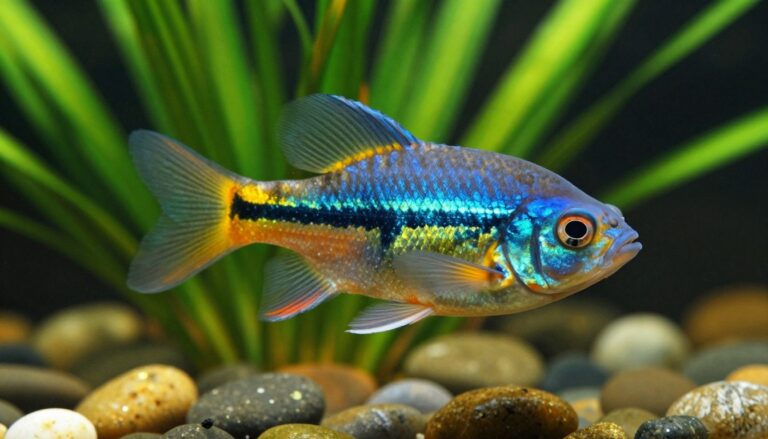
Species like the Guppy and White Cloud Mountain Minnow are lively. The Rainbow Shiners and Comet Goldfish add beauty and space to your tank. Each option is unique and captivating.

Watching a Zebra Danio or a Pygmy Sunfish swim can turn any room into a peaceful oasis. Keeping the top cold water fish for home aquariums brings beauty and calm to your space.

Key Takeaways

  • Explore Top Cold Water Fish Species for Aquariums.
  • Optimal temperature ranges for cold water species are critical for their well-being.
  • Species like the Guppy and White Cloud Mountain Minnow are tailor-made for cooler aquatic environments.
  • Choosing the best cold water fish for aquariums ensures both visual allure and ease of care.
  • Understanding individual species requirements is key to a thriving aquatic ecosystem.
  • With proper attention, cold water fish offer a rewarding and enriching aquarium experience.

Understanding Cold Water Aquatics for Home Aquariums

Exploring home aquariums opens up a magical world of cold water species. These fish are not only beautiful but also easy to care for. This makes them a great choice for many aquarium lovers.

What Qualifies as a Cold Water Aquarium Fish?

Fish that do well in cooler water than tropical tanks are cold water species. They thrive in temperatures from 50°F to 65°F. Examples include goldfish, black moor, and shubunkin.

Benefits of Choosing Cold Water Fish for Tanks

Choosing cold water fish for tanks saves energy. These setups need less heating, which saves money and is better for the planet. Plus, they’re easier to care for because they don’t need strict temperature control.

Essential Tips for Cold Water Fish Tank Setup

Setting up a cold water aquarium starts with knowing your fish’s needs. Think about tank size, filtration, and temperature. Here’s a quick guide to help you:

  1. Choose the Right Tank Size: Cold water fish can grow big. They need a tank that’s at least 20 gallons to have enough space.
  2. Effective Filtration: Cold water fish make more waste. You need a strong filter to keep the water clean. Good filters handle the extra ammonia.
  3. Stable Water Conditions: Cold water tanks don’t need heaters but need a stable temperature. Insulate the tank or keep it in a stable place to avoid sudden temperature changes.

Focus on these key points for a healthy cold water tank. It’s rewarding to care for these beautiful fish. Learn more about their needs and preferences in this detailed discussion.

Whether you’re new or experienced, cold water aquatics are captivating. With the right knowledge, you can create a peaceful and sustainable aquarium at home.

The Iconic Goldfish: A Classic Cold Water Companion
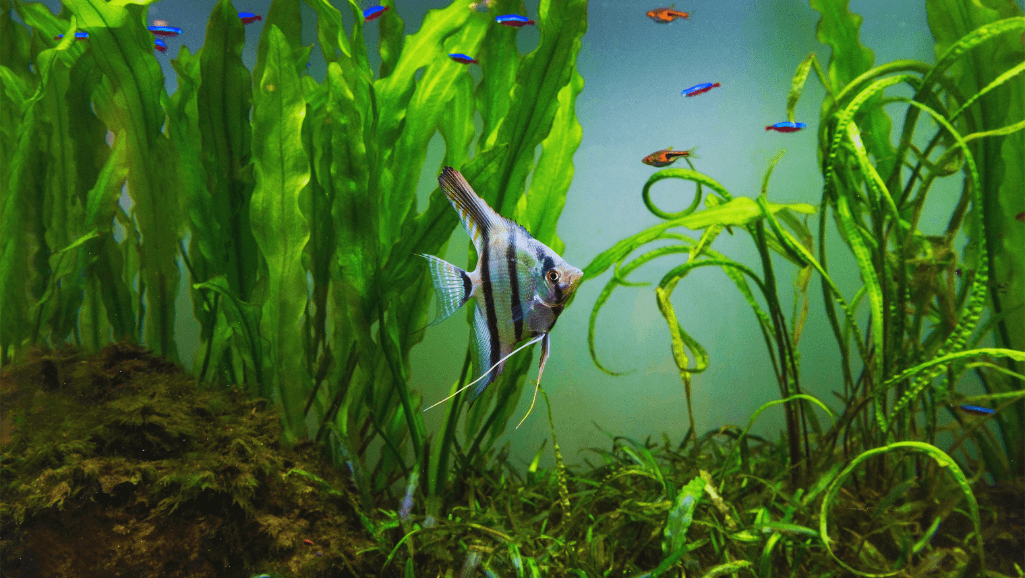
cold water aquarium fish care

The goldfish, or Carassius auratus, is a top pick for cold water tanks. It’s known for its bright colors and lively nature. Goldfish come from China’s cool streams and love temperatures between 65°F and 75°F. They also need lots of room to grow.

Goldfish are social and do well in groups. They are also calm, making them perfect for community tanks. Here are some key cold water fish care tips for a healthy goldfish tank:

  • Keep the water temperature between 68º and 76ºF.
  • Make sure the tank is big enough, at least 30 gallons for grown-up goldfish.
  • Use a good filter to handle their waste.
  • Feed them a mix of foods, like flakes, pellets, bloodworms, and tubifex, two to three times a day.
  • Change the water often to keep it clean and full of oxygen.

When talking about cold water aquarium fish care, goldfish need lots of space and care to avoid diseases. They are easy to care for and add beauty to any tank. But, they need careful feeding and tank upkeep to stay healthy and live long.

Here’s a table showing what goldfish need to stay healthy:

CharacteristicDetail
Lifespan10-15 years, can live up to 44 years with the right care
Common Color VariationsGold, white, black, and calico
Feeding Frequency2-3 times a day
Size Range in CaptivityUp to 12 inches
BehaviorSocial, not speedy, actively explores environment
Plant CompatibilityCompatible with tougher plants like anubias and java fern
Minimum Tank Size30 gallons, with larger being preferable
Water Temperature65°F-75°F
Common DiseasesIch, velvet disease, fin rot

For goldfish to thrive, they need space and consistent care. They are a key part of the cold water aquarium world. With the right care, they can be a joy to watch and keep your tank healthy.

Best Cold Water Fish for Beginner Aquarists
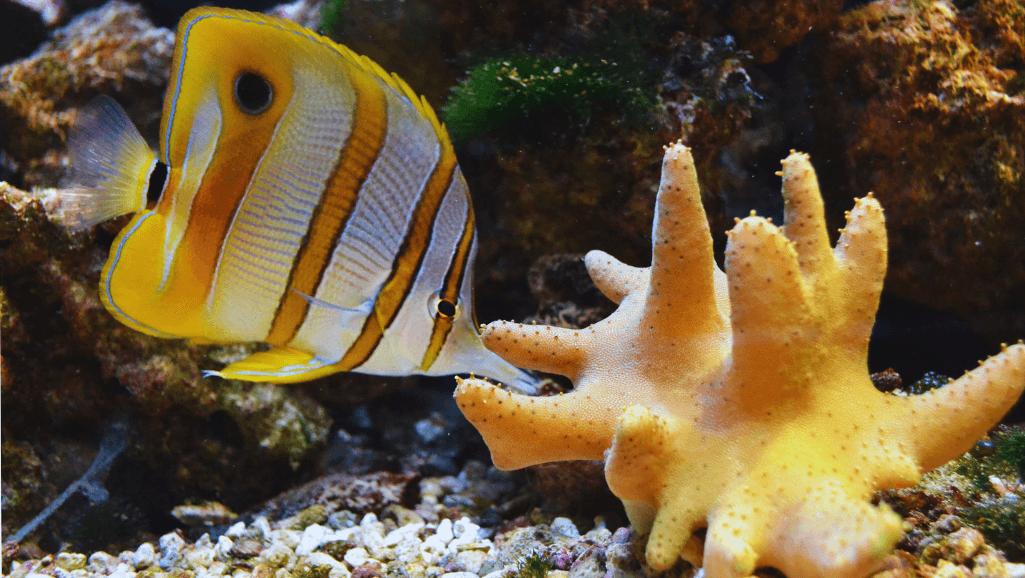
Beginner Cold Water Fish for Aquariums

Starting an aquarium can be thrilling, especially with cold water fish for beginner aquarists. The White Cloud Mountain Minnows, Zebra Danios, and Japanese Ricefish are great for beginners. They are beautiful and easy to care for, perfect for new aquarium keepers.

White Cloud Mountain Minnows are very hardy and can live in different temperatures. They like cooler water, between 60°F and 72°F (15°C and 22°C). These fish are peaceful and love to swim together.

Zebra Danios: Adaptable and Easy to Care For

Zebra Danios are very adaptable, making them suitable cold water fish for aquariums for beginners. They can handle different water conditions and temperatures from 64°F to 75°F (17.8°C to 23.9°C). Their playful nature and hardiness make them easy to care for in a home tank.

Japanese Ricefish: Unique and Adaptable Swimmers

Japanese Ricefish are charming and versatile, surviving in temperatures from 41°F to 86°F (5°C to 30°C). This makes them ideal beginner cold water fish for aquariums, especially for those looking for something unique.

In conclusion, picking the right fish for a new aquarium is crucial. For beginners, cold water fish for beginner aquarists like White Cloud Mountain Minnows, Zebra Danios, and Japanese Ricefish are great. They require little care and can adapt to many conditions, making them perfect for starting your aquarium journey.

Discover Popular Cold Water Aquarium Fish Species
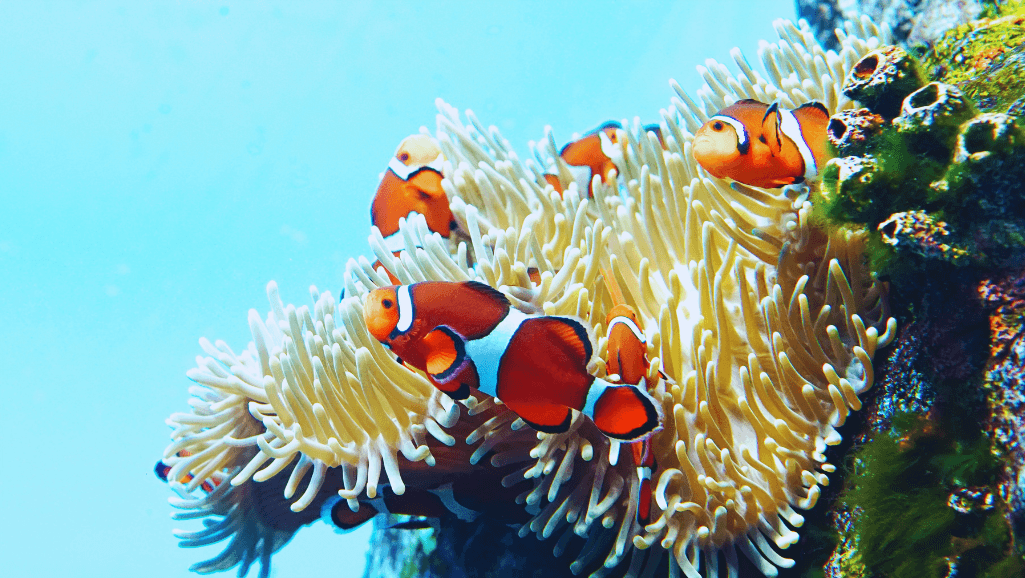
Popular Cold Water Aquarium Fish

Choosing popular cold water aquarium fish is key. Look for species that do well in cooler water and add beauty to your tank. The cold water aquarium fish list includes many stunning options. Pearl Danio, Rosy Barb, and Bloodfin Tetra are just a few examples of top cold water fish for aquariums.

Fish SpeciesTemperature Tolerance (°C)Tank Size (Litres)Group RecommendationOrigin HabitatSocial Behavior
Pearl Danio15.6-2538-76School of 6+Mountain StreamsPeaceful, Active
Rosy Barb15.6-2557+Group of 5+Fast-flowing RiversSemi-aggressive
Bloodfin Tetra15.6-23.938School of 6+River BasinsPeaceful
Buenos Aires Tetra15.6-23.976School of 6+Stream-like ConditionsFinnipping, Active
Gold Barb15.6-2538-76Group of 5+Lakes, Slow StreamsPeaceful
Dojo Loach15.6-2576Solitary or Small GroupCool Water StreamsPeaceful, Playful

These fish are not only good for cold water but also for living together in tanks. Knowing where they come from and how they act helps create a balanced aquarium. This makes your fish healthier and more lively. Adding these cold water aquarium fish to your tank can make it more beautiful and lively.

Cold Water Fish Care & Management
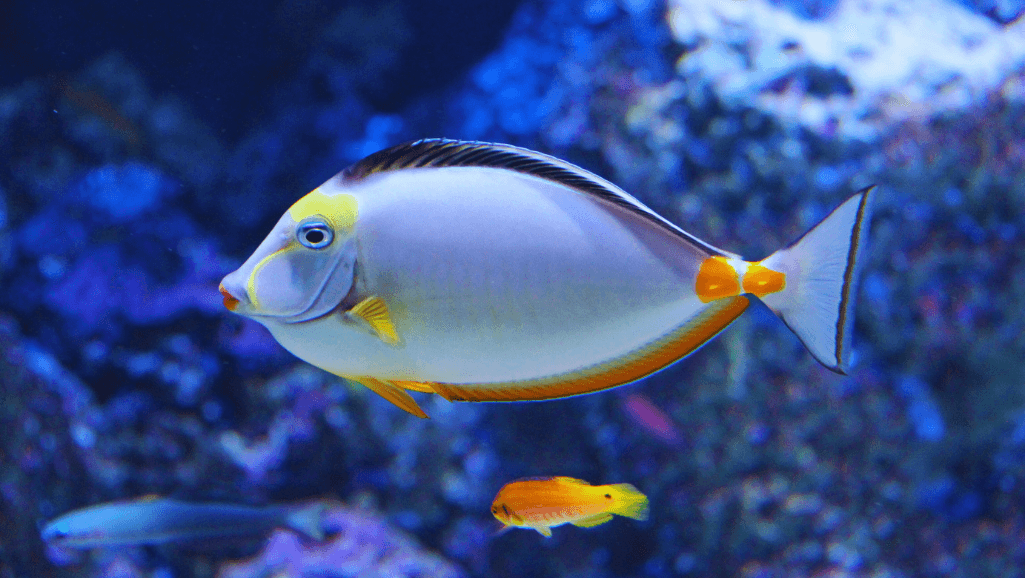
cold water aquarium fish care

When caring for cold water aquarium fish, it’s key to create a healthy environment. Understanding their specific needs helps them thrive in your tank.

Keeping water parameters right is vital for cold water fish. Aim for temperatures between 18–23°C. Also, monitor pH levels and water hardness closely. This is part of a strong cold water fish care guide.

Optimal Water Parameters for Cold Water Species

Temperate fish adapt well to changing conditions, like those found in rocky shores. Keeping your tank stable in temperature and clean helps prevent stress and disease. Using the right cleaning tools helps maintain these conditions.

Feeding: Best Practices for Cold Water Aquarium Fish Food

Feeding is crucial for cold water fish health. A balanced diet of flakes, pellets, and fresh veggies is essential. Knowing what each fish needs is key. For example, Glowlight danios need a varied diet to stay active and colorful.

Signs of Good Health in Cold Water Fish

Look for vibrant colors, active swimming, and regular feeding. These signs show your fish are healthy. Pay extra attention to hardy species like Zebra danios to ensure they stay well.

Fish SpeciesPreferred Temperature (°C)Typical Habitat
Kamoharai Blenny18-23Rocky Shores
Glowlight Danio16-26Freshwater Streams
Zebra Danio17-25Temperate Freshwater
Sparkled Orange Ricefish16-23Brackish Water

Along with temperature and diet, keeping your tank clean is vital. This includes controlling algae and waste. A well-maintained tank ensures your fish live happily and healthily.

Cold Water Fish Compatibility Chart for Peaceful Coexistence

Knowing how cold water fish compatibility works is key for a peaceful aquarium. The cold water fish compatibility chart is a great tool. It shows how different fish get along, helping to keep your tank calm and healthy.

The chart groups fish into ‘compatible’, ‘usually compatible’, and ‘not compatible’ categories. This helps you pick the right cold water tank mates. It also stresses the need to match the tank’s conditions to each fish’s needs. This includes keeping water quality good by checking pH and GH levels often.

When adding new fish, it’s important to prepare well. Match water temperatures and use treatments like Melafix to lower stress and prevent sickness. This helps new fish fit in smoothly with your cold water tank mates.

Some fish, like White Cloud Mountain Minnows and Variatus Platies, are known for being calm and easy to care for. Even Bristlenose Plecos can be good friends for goldfish if they’re fed well to avoid fights.

The chart also talks about dealing with aggressive fish. It suggests adding lots of hiding spots and changing the tank layout to reduce fights. This way, even active fish like Longfin Rosy Barbs can live peacefully together.

Using the cold water fish compatibility chart helps create a calm and happy aquarium. It’s a must-have for anyone who loves cold water fish.

Designing Your Aquarium: Cold Water Aquarium Ideas

Adding smart design elements to your cold water aquarium makes it look great and keeps your fish healthy. Think about where to put plants, what substrate to use, and how to light and filter the water. These choices can make a big difference in your fish’s well-being.

Strategic Plant Placement for Cold Water Tanks

Plants do more than look good; they help keep your aquarium’s ecosystem balanced. For example, Elodea densa and Cabomba caroliniana love cooler water, making them great for cold tanks. They help oxygenate the water and give fish like Goldfish places to hide and eat.

Substrate and Decoration Considerations

Choosing the right substrate is key to creating a natural home for your fish. For instance, Dojo Loaches prefer fine sand or gravel to burrow in. When setting up your tank, think about what your fish like to do and choose decorations and substrates that fit their needs.

Lighting and Filtration Options to Mimic Natural Cold Water Habitats

Lighting not only makes your tank look good but also helps plants grow, improving water quality. Keep the lights on for 9-10 hours a day to support plants without causing algae. A strong filtration system is also crucial to keep the water clean and safe for your fish.

Creating a cold water aquarium is more than just making it look nice. It’s about creating a natural environment for your fish to thrive. Always test your water regularly to keep it healthy for your fish.

Fish SpeciesPreferred pH LevelTemperature Range
Sunset Variatus Platyabove 7.0Room temperature
Celestial Pearl Danio6.8 – 8.0Room temperature
Rainbow ShinerN/ACooler waters
Hillstream Loach6.6 – 7.8Cooler waters
GoldfishVariableRoom temperature (needs large tank)

By following these ideas, you can create a beautiful and healthy home for your fish. Your cold water aquarium will become a stunning part of your home.

cold water fish species for aquariums: Top Picks for Enthusiasts

Looking to add life and color to your aquarium? Cold water tropical fish are a great choice. They thrive in cooler water, perfect for those who don’t want to heat their tanks. Here are some top picks that bring color and character to your tank.

Rosy Barbs: A Splash of Color in Cold Waters

Rosy Barbs are known for their bright colors and calm nature. They’re great for both new and seasoned aquarists. In a group, they create a stunning display of movement and color.

Hillstream Loaches: Unique and Intriguing

Hillstream Loaches are fascinating with their stingray-like shape. They’re not just interesting to look at; they also help keep your tank clean. They prefer well-oxygenated water, making them a great fit for cold tanks.

Paradise Fish: Vibrant Beauty Without the Heat

Paradise Fish add vibrancy to cold water tanks. They have beautiful colors and elegant fins, and are peaceful with the right tank mates. They’re easy to care for and add beauty to your tank.

Featuring Uncommon Species: Unique Cold Water Fish for Tanks

For those looking to add something special to their tank, uncommon cold water fish for tanks are a great choice. These fish not only make your tank look amazing but also help protect rare species.

Species like the Celestial Pearl Danio and the Rainbow Shiner are perfect for colder tanks. They add color and life to your tank. But, they also need special care, making fishkeeping more rewarding.

SpeciesPreferred pH LevelTemperature RangeGrouping Needs
Celestial Pearl Danio6.8 to 8.0Cooler watersBest in groups of 10 or more
Rainbow ShinerN/ACooler watersMinimum school of six
Hillstream Loach6.6 to 7.8Cooler watersThrives with ample algae
Dojo LoachN/ACooler watersPeaceful but needs space due to size
White Cloud Mountain MinnowFlexibleVariable, cool-tolerantHighly adaptable for beginners

Choosing cold water fish types for aquariums that are less common is more than just a hobby. It’s about making fishkeeping more interesting and meaningful. By keeping these unique fish, we help protect biodiversity and get to see interesting behaviors.

How to Maintain the Perfect Environment for Cold Water Aquarium Fish

The journey of maintaining cold water aquariums is rewarding and complex. It ensures your aquatic pets thrive. From setting up the tank to regular upkeep, every step needs attention and knowledge.

Regular Water Changes: How Often and How Much?

Changing the water regularly is key to a healthy aquarium. It’s best to change 25 percent of the water every two to four weeks. This keeps nitrites, nitrates, and ammonia levels in check, supporting fish health. Make sure the new water is the same temperature as the tank to avoid shocking the fish.

The Importance of Aquarium Cycling for Cold Water Fish Health

Knowing the nitrogen cycle is crucial for cold water fish care guide. A healthy cycle starts with a 24-hour run with a good filter like Fluval or Aqua One. This lets beneficial bacteria grow, breaking down harmful waste.

Monitoring and Managing Temperature Fluctuations

Even small temperature changes can harm some cold water fish. Use a reliable thermometer for regular checks. Keeping the temperature stable is key, especially for species like Goldfish and White Cloud Mountain Minnows.

Fish SpeciesPreferred pH RangeTemperature Range (°F)
Goldfish6.0 – 8.0Room Temperature
White Cloud Mountain Minnows6.0 – 8.060 – 75
Clown Killifish6.5 – 7.868 – 75
Hillstream Loach6.6 – 7.868 – 75

Following these guidelines will make your aquarium a thriving ecosystem. The journey of aquatic care is ongoing, needing dedication and learning. This ensures a vibrant, healthy display for your cold water fish.

Conclusion

Exploring cold water fish for home aquarium brings calm and beauty together. It also brings the thrill of a diverse aquatic collection. From Goldfish to Paradise Fish, enthusiasts start a journey filled with biodiversity and personal joy.

We’ve learned about caring for species like Zebra Danios and Japanese Ricefish. We’ve also seen how important their natural habitats are. Keeping the water temperature below 50°F and pH levels right is key for their health and growth.

Keeping an aquarium is not easy. It requires watching water quality, temperature, and how well fish get along. The right conditions help species like trout grow well. But, changes in water temperature can make things harder for them.

Cold-water fish make less waste than tropical ones but need our attention. We must keep an eye on dissolved oxygen levels and give them enough space. This helps prevent overstocking and plan for their growth.

The beauty of cold water fish in a well-kept aquarium reminds us of nature’s balance. Every choice we make, from tank sizes to caring for fast-growing trout, helps. We’re not just keeping an ecosystem; we’re also helping protect their wild friends for future generations.

FAQ

What qualifies as a cold water aquarium fish?

Cold water aquarium fish live in water between 50-65°F (10-18°C). They don’t need a heater, making them perfect for cooler tanks.

What are the benefits of choosing cold water fish for tanks?

Cold water fish save energy since they don’t need heaters. They also face less stress from temperature changes. Plus, they’re often easier to care for.

What essentials are needed for a cold water fish tank setup?

You’ll need a big enough tank, good filtration, and a thermometer. Also, pick the right substrate and decorations. Knowing the specific needs of your fish is key.

How do you care for goldfish in a cold water aquarium?

Goldfish need a big tank and strong filtration. Change the water often and feed them well. They like temperatures between 65-75°F.

Which cold water fish are best for beginner aquarists?

Start with White Cloud Mountain Minnows, Zebra Danios, and Japanese Ricefish. They’re easy to care for and can handle cooler water.

What should I consider when planning the compatibility of cold water fish?

Use a compatibility chart to pick peaceful fish. Think about their size, diet, and habitat needs. A mix of species can reduce stress and aggression.

What role do plants play in cold water tanks?

Plants offer shelter, improve oxygen levels, and help filter the water. They also make the tank look nice. Choose plants that like cooler water.

How often and how much water should I change in a cold water aquarium?

Change 10-15% of the water weekly, depending on your tank. Regular changes keep the water clean and healthy for your fish.

Why is aquarium cycling important for cold water fish health?

Cycling sets up good bacteria that clean the water. It’s vital in cold water tanks where temperature changes can affect bacteria.

How can I ensure the well-being of cold water fish during temperature fluctuations?

Keep the tank away from drafts and direct sunlight. Use a thermometer and adjust the temperature slowly. Consider using a cooler or heater for extreme changes.
wolf cichlid
Wolf Cichlid: Unveiling the Secrets of this Remarkable Aquarium Dweller
Parachromis dovii is a Central American predator that becomes a true dream centerpiece for experienced...
Algae Control
Effective Algae Control for Marine Aquariums
Maintaining a healthy aquarium can be demanding, especially when managing unwanted algae growth. Algae...
Boesemani Rainbow Fish
Care and Breeding of Boesemani Rainbow Fish
Meet the Boesemani Rainbow fish, one of the most striking freshwater species in the aquarium hobby. Valued...
Freshwater Fish
Discover the World of Freshwater Fish
Freshwater Fish: 10 Top Species for Home Aquariums — explore the amazing world of freshwater fish! There...
Easy Freshwater Fish
Top Easy Freshwater Fish for Beginners
Fishkeeping brings joy and calm into your home, but choosing the right fish makes all the difference. Rather than one single “best fish for beginners,” the best choice depends on your goals, tank size, and how much time you want to spend on care. Many easy freshwater fish — from peaceful rasboras and schooling tetras to hardy bettas — offer vibrant color and friendly behavior that brighten any room and fit a wide range of beginner setups. Plenty of low maintenance freshwater fish are both tough and colorful, making them ideal first pets for new aquarists. This guide highlights easy freshwater species that tolerate beginner mistakes, show interesting behaviors, and work well in community or single-species tanks. With the right starter tank and simple routine care, these species help make the fishkeeping hobby rewarding and stress-free. Getting Started with Freshwater Fishkeeping New aquarists usually want fish that are hardy, attractive, and forgiving of small errors. Pick species that match your tank size and experience — for instance, small schooling fish like rasboras or tetras for planted community tanks, or a single betta for a small, peaceful display. Choosing the right species up front reduces surprises and makes learning basic aquarium care easier. Whether you want a tranquil community aquarium or a colorful centerpiece, these beginner-friendly choices will help you enjoy the hobby from day one. Scroll down to see recommended species, simple care steps, and a starter checklist to choose the right tank. Key Takeaways:Choose species that fit your tank size and time — this makes the hobby easier to manage. Beginner-friendly fish like rasboras, tetras, and platies tolerate a range of conditions and are forgiving for novices. Low maintenance freshwater fish provide color and movement without complex care routines. Start with a stable tank setup and regular water checks to prevent common issues. Deciding on a community or single-species tank up front helps you pick compatible fish and reduce stress. Follow the species-specific care notes below and you’ll build confidence quickly in this rewarding hobby.Getting Started with Freshwater FishkeepingStarting your freshwater fishkeeping journey is exciting — especially when you choose beginner-friendly fish species that match your space and schedule. These easy care fish make the hobby rewarding without a steep learning curve. The first step is to pick the right aquarium and plan for minimal-care routines that keep water stable and fish healthy. The Appeal of Low Maintenance Aquariums Low maintenance aquariums are ideal for beginners because they deliver visual impact with a manageable routine. A larger tank (20 gallons or more) is often recommended as a starter because it provides greater stability in water chemistry and temperature, which makes simple freshwater fish care easier. Bigger tanks lessen the risk of rapid parameter swings that stress fish. Popular Types of Beginner Friendly Fish Species Choosing the right fish reduces surprises and keeps the hobby enjoyable. Hardy, easy-keep species include small schooling fish (rasboras and tetras), livebearers (platies), bottom-dwellers (corydoras), and single-display options like bettas. Goldfish are hardy too, but remember they have different size and filtration needs than tropical aquarium fish — pick the species that match your tank size and long-term plans. For a quick reference on starter fish types, see this beginner fish tank fish guide: beginner fish tank fish. Understanding Simple Freshwater Fish Care Keeping a healthy tank requires a few essential tools and a basic routine. Key items include a reliable filter, an appropriately sized heater for tropical setups, a test kit to monitor ammonia, nitrite, and nitrate, and a dechlorinator/water conditioner. Tropical community fish commonly do well around 76–79°F (78°F is often cited as a general target), while coldwater species such as common goldfish prefer cooler ranges. Lighting should mimic a natural day/night cycle — roughly 8–10 hours is a good starting point for planted aquariums, adjusted per plant needs. Critically, cycle your tank before adding fish to establish the nitrogen cycle (beneficial bacteria that convert ammonia to nitrite and then nitrate). Test water regularly during cycling and until levels stabilize. Regular partial water changes (10–25% weekly or biweekly depending on stocking) and monitoring keep conditions safe for fish and plants.Fish SpeciesLifespanTemperature (°F)Care LevelGoldfish Up to 20 years (varies by type) 60–75 Medium (high waste production)Betta 2+ years (often 3–5+ with good care) 76–82 Low–MediumCichlids Up to 15 years (species dependent) 75–80 HighNeon Tetras 2–6 years 72–78 LowBasic equipment examples and rough price ranges to get started: a hang-on-back filter ($20–$60), an adjustable aquarium heater ($15–$40), a liquid test kit ($10–$30), and a good water conditioner ($5–$15). Adding live or hardy plants and natural decorations helps create shelter and reduces stress for community fish. Follow these starter steps: choose a tank size that fits your goals, set up and cycle the tank, add a small group of compatible easy-to-keep fish, and maintain a simple cleaning and testing routine. If you want a ready checklist, check the beginner equipment guide and start your setup checklist to avoid common early mistakes when creating your first freshwater aquarium. Discover the Hardy and Vibrant RasborasStarting your journey in easy freshwater fishkeeping often leads hobbyists to rasboras. These small schooling fish are easy to care for, add bright colors and movement, and perform well in planted, low-maintenance aquariums. Harlequin and Lambchop Rasboras: Nano Fish Wonders The Harlequin and Lambchop rasboras are prized for their hardiness and compact size — typically around 1–2 inches at maturity. They prefer slightly acidic to neutral water (roughly pH 6.0–7.0) and a temperature range near 72–82°F. Offer a varied diet of high-quality flakes, micro-pellets, and occasional frozen foods to keep colors bright and health strong. Minimum Care with Maximum Impact in a Community Tank Rasboras shine in groups, so plan for a school (six is a minimum; 8–10+ is more natural) to encourage comfortable, natural behavior. A planted 10–20 gallon tank with gentle filtration, open swimming space, and hiding spots (floating or stem plants) is an ideal starter setup. They’re peaceful community members and pair well with other small, nonaggressive species such as small tetras and pygmy corydoras. Monitor water quality to prevent common issues like Ich and fin rot; maintaining stable parameters and avoiding overcrowding are the best prevention steps. Rasboras are excellent for beginners who want colorful, schooling fish that are easy to keep and suit a range of simple community tank setups. Why Common Goldfish Make Great Starter PetsCommon goldfish are a classic choice for beginners because they’re hardy, personable, and can thrive in both outdoor ponds and indoor aquariums when given the right space and care. However, “easy” is relative: goldfish grow fairly large and produce a lot of waste, so planning for their adult size is essential for long-term success. The Resilience of Carassius auratus Common goldfish (Carassius auratus) are appreciated for their calm temperaments and long potential lifespans when cared for properly. Many varieties can live a decade or more, and some individuals reach up to 15–20 years in excellent conditions. Depending on the variety, mature lengths commonly range from several inches to a foot or more, so expect growth over months and years. Outdoor Ponds and Indoor Tanks: The Versatility of Goldfish Goldfish can do well in both indoor tanks and outdoor ponds, but requirements differ. Ponds give many varieties the room to truly thrive and often require less frequent tank moves, while indoor aquariums need strong filtration and regular maintenance to handle their higher bioload.Goldfish TypeAverage LifespanLengthMinimum Tank SizeOranda 15–25 years 8–12 inches 20–50 gallons (juvenile); larger as adultComet 5–14 years 4–12 inches 50+ gallons or pondRyukin 10–15 years Up to 10 inches 30–50 gallonsStart goldfish in a larger tank than you might for tropical community fish — a 20-gallon can work for a young single common goldfish, but you should plan to upgrade as it grows. Key care points: high-capacity filtration (rated well above tank volume), more frequent partial water changes (often weekly), and attention to dissolved oxygen and temperature. Monitor ammonia and nitrite closely, as goldfish produce significant waste. Keeping common goldfish teaches long-term care and planning: they reward owners with personality and longevity but require commitment to appropriate tank size and filtration. If you’re unsure about indoor space, a properly designed outdoor pond is an excellent alternative for many goldfish varieties. Picking the Perfect Tetras for Stress-Free FishkeepingStarting your aquarium journey can feel overwhelming, but stress-free fishkeeping is very achievable with low-upkeep tetras. These easy freshwater fish species are colorful, peaceful, and great for beginners when kept in appropriate groups and a stable environment. Simple daily and weekly care routines let these schooling fish thrive in a calm, planted aquarium. Neon and Cardinal Tetras: A Rainbow in Your Aquarium The vibrant neon tetra is famous for its bright blue stripe and red tail area, while the cardinal tetra displays an even more extensive red band. Both are popular beginner-friendly tetras, and they make a striking focal point when kept in schools. Aim for at least 6–10 individuals (more for larger tanks) so they display natural schooling behavior and feel secure. With consistent care, some tetras can live several years; typical lifespans vary by species and conditions. For schooling and comfortable swimming, a planted tank and a minimum of 10 gallons is a starting point for a small group — larger tanks are better for big schools and a peaceful community tank. Good filtration helps keep water clear and safe for aquarium fish. Tetras as the Ideal Choice for Novice Aquarists Tetras are an excellent pick for novice aquarists because their basic needs are straightforward. Key setup points: soft to slightly acidic water for many tetra species (though needs vary), stable temperature, gentle flow, plenty of plants for cover, and regular partial water changes. Feed a varied diet of high-quality flakes or micro-pellets with occasional frozen treats to maintain health and color.Recommended group size: 6–12+ depending on tank size and species. Typical temperature range: generally around 72–78°F for many neon and cardinal tetras (confirm species-specific needs). Substrate & plants: fine substrate with floating and stem plants creates preferred dimmer, planted conditions. Compatible tankmates: peaceful community fish such as small rasboras, pygmy corydoras, and small livebearers — avoid large or fin-nipping species.Using the right aquarium cleaning tools and keeping an eye on water parameters makes maintenance easy for beginners. Choose the tetra species that match your local water conditions (some like cardinals prefer softer water), start with a modest-sized school, and you’ll have a lively, low-stress freshwater aquarium that’s very beginner-friendly. Corydoras: The Active and Amiable Bottom-DwellersCorydoras catfish (commonly called cory catfish) are lively, social bottom-dwellers that make excellent additions to community tanks. They forage along the substrate, help tidy up uneaten food, and add entertaining activity as a small, peaceful catfish species ideal for beginners. Feeding Your Cory Catfish for Optimal Health Feeding corydoras well means offering sinking foods they can reach easily: quality sinking pellets or wafers, occasional frozen or live treats (bloodworms, daphnia), and vegetable matter. Feed small amounts once or twice daily so food reaches the bottom and doesn’t foul the water; remove excess to keep ammonia low. For more on nutrition and tank health, see optimal nutrition for bottom dwellers. The Social Habits of Different Corydoras Species Corydoras are true schooling fish — they feel safest and show their best behavior in groups (aim for at least 6 individuals; pygmy species often do better in slightly larger groups). Popular beginner-friendly species include the Bronze Cory, Bandit Cory, and Pygmy Cory, each with slightly different size and temperature preferences. They thrive on soft, fine substrate (sand or smooth rounded gravel) to protect their delicate barbels and appreciate plenty of hiding spots like caves and dense planted areas. Provide gentle water flow, good oxygenation, and stable water parameters — many corys prefer moderate to slightly cooler temperatures compared with tropical midwater species. Do and Don’t quick list:Do use fine sand or smooth substrate to prevent barbel damage. Do keep cory catfish in groups (6+), and offer sinking foods. Do provide shaded areas and hiding spots with plants or décor. Don’t use sharp gravel or aggressive tankmates that may harass them. Don’t overfeed — excess food raises ammonia and harms bottom tank health.Adding corydoras to a community tank brings useful bottom-cleaning behavior and lively group dynamics. With proper substrate choices, suitable food, and kept groups of their own kind, cory catfish are one of the most rewarding easy-to-care bottom dwellers for beginner aquarists. Platies: Colorful and Easy Care Fish for BeginnersPlaties are classic easy-care platies and popular low maintenance livebearers that bring bright color and friendly activity to beginner aquariums. These hardy aquarium fish are forgiving of small mistakes, breed readily in home tanks, and help new hobbyists learn about fish behavior and basic tank management. Variatus platies and several other varieties are excellent starting choices. Livebearers and Their Simple Reproductive Habits Platies are livebearers, which means females give birth to free-swimming fry rather than laying eggs. A healthy female can produce dozens of fry in a single brood (many sources list typical broods in the 20–50 range, though numbers vary by individual and conditions). Broods can appear frequently if conditions are favorable, so plan for population control if you don’t want many juveniles in the main tank. To improve fry survival, provide plenty of hiding places—dense plants, breeding grass, or breeding traps—and consider a separate rearing tank or mesh breeder box if you want to raise fry. For beginner-friendly fry food, offer infusoria or liquid fry foods at first, progressing to microworms or finely crushed flakes as they grow. Variatus Platies: A Hardy Choice for New Enthusiasts Variatus platies are robust, colorful, and tolerant of a range of water conditions, making them well-suited to new keepers. They typically reach 1–3 inches and can live several years in good conditions (many live up to around five years). They accept a varied diet—flakes, pellets, freeze-dried and frozen foods—and thrive in water roughly between 70–82°F with moderate hardness.CharacteristicValueTypical Size 1–3 inchesLifespan Up to ~5 years (varies)Cost per Fish $2–$4Grouping Recommendation Keep groups with at least 2–3 females per male to reduce male harassmentDiet Flakes, pellets, freeze-dried and frozen foodsIdeal Water Temperature 70–82°FWater Parameters pH 6.8–8.5, GH 10–28 dGH (tolerant)If you enjoy breeding, platies make it easy to observe the full life cycle, but be prepared for rapid population increases. If you prefer not to raise fry, options include separating sexes, rehoming fry, or keeping more females than males. These simple management steps help maintain a balanced aquarium without overwhelming new keepers. Overall, platies and variatus platies are among the most forgiving, colorful, and engaging species for beginners—easy to keep, fun to watch, and a solid choice to start your aquarium journey. Betta Fish: The Crown Jewel of Beginner Aquariums Betta fish are prized for their vivid colors and flowing fins, and they’re a popular choice for beginners who want a striking, low-footprint centerpiece. While bettas are relatively easy to care for, meeting their basic needs—appropriate tank size, stable water, and compatible tank mates—keeps them healthy and displays their best colors and behavior. Creating the right betta fish habitat is central to success. A 5-gallon tank (or larger) is a far better home than a tiny bowl: it provides room to swim, more stable water conditions, and space for gentle filtration and plants that reduce stress and showcase color. Betta Fish Tank Mates and Habitat Requirements Choose calm, non-fin-nipping tank mates to avoid stress and torn fins. Good companions include small corydoras, peaceful small tetras (only some species — research compatibility), and small snails or shrimp where appropriate. Avoid obvious fin nippers and large, aggressive species. Keep water pH around 6.8–7.4 and temperature in the 76–82°F range for most bettas; consistency is more important than small fluctuations. Maintain regular partial water changes to prevent ammonia buildup and keep conditions healthy. Note on plecos: many pleco species grow large; if you want a “pleco” buddy, choose a small, dwarf species and confirm adult size first. Caring for Your Betta: Practical Tips and Tricks Feed your betta a varied diet of high-quality pellets formulated for bettas, supplemented occasionally with freeze-dried or frozen treats like bloodworms or brine shrimp. Avoid overfeeding — one to two small feedings per day is usually sufficient. Good practical betta fishkeeping includes a gentle filter and an adjustable heater to keep water temperature stable. Bettas possess a labyrinth organ that lets them breathe surface air, but this does not replace the need for clean, oxygen-rich water and proper filtration. Provide plants (live or silk), hiding spots, and open swimming areas to create a comfortable environment. Betta quick facts:Recommended tank size: 5–10 gallons for a single betta. Temperature: 76–82°F (stable is key). pH: ~6.8–7.4. Diet: pellets + occasional frozen/live treats. Tank mates: small, peaceful species only; avoid fin-nippers and overly active fish.For a sample beginner community setup, consider a 10-gallon tank with one betta, a small group of pygmy corydoras (4–6), a few peaceful rasboras or small tetras (6–8 total schooling fish), and plenty of plants for cover. Always introduce tank mates carefully and monitor behavior over time. With the right tank, stable water conditions, and thoughtful companions, betta keeping is an accessible, rewarding entry into the freshwater aquarium hobby—beautiful, expressive fish that respond well to attentive but simple care. Easy to Care for Freshwater Fish: The Social and Active Barbs Active freshwater barbs bring lively movement and bright color to community aquariums. Many barb species are hardy and easy to care for, but keep in mind that some types (like tiger barbs) may nip fins — while others, such as cherry barbs, are far more peaceful and suited to beginner tanks. Creating Harmonious Environments for Barbs and Other Fish Barbs are schooling fish that feel safest and show natural behaviors in groups, so plan for proper group sizes (often 8+ for many barb species). To reduce fin-nipping and tension, keep barbs in larger groups, provide plenty of cover with plants and décor, and pair them with robust, fast-swimming or similarly sized community fish rather than slow, long-finned species. Colorful and Low Effort Fish Care with Barbs If you want colorful, low-maintenance fish, many barbs are a great choice — they tolerate a range of conditions and are generally straightforward to feed and care for. Choose the right variety for your tank: cherry barbs are a calmer option for community tanks, while other barbs need larger groups and room to swim.Fish SpeciesGroup Size for ComfortTank Size (Gallons)Green Neon Tetra 6+ 10+Pygmy Corydoras 6+ 10+Serpae Tetras 8–10 15+Celestial Pearl Danio 10+ 10+This table highlights that proper group sizes and adequate tank volume are essential for a harmonious community tank. Small schooling fish feel secure and act naturally when kept in sufficient numbers, while barbs and similar active species need space and visual barriers (plants, rockwork) to reduce stress and nipping. Do/Don’t quick tips:Do choose cherry barbs or other peaceful varieties for smaller community tanks. Do keep barbs in groups (8+ where recommended) to minimize aggression. Do add plants and decorations to break sightlines and give hiding spots. Don’t mix barbs with slow, long-finned species that are likely targets for nipping. Don’t understock — small tanks with too few schooling fish increase stress and aggressive behavior.With the right species choice, adequate group sizes, and thoughtful aquascaping, barbs can be an easy-to-care, colorful addition to beginner freshwater aquariums. Conclusion Starting an aquarium can be easy and immensely rewarding when you choose the right fish and set up a stable environment. Pick 2–3 compatible species that match your tank size and experience level, prepare and cycle the tank, then add fish gradually while monitoring water parameters. Species covered here—rasboras, tetras, platies, corydoras, bettas, and common goldfish—are all beginner-friendly when kept under appropriate conditions. Keeping water quality steady is the single most important factor for fish health. For reference, many community tropical species do well in the mid-70s to low-80s°F (e.g., most tetras and rasboras), while zebra danios tolerate a wider range (about 65–80°F) and common goldfish prefer cooler water. Know the preferred temperature and pH for each species you choose and prioritize stability over chasing perfect numbers. Regular partial water changes, routine testing (ammonia, nitrite, nitrate, pH), and a modest maintenance schedule keep your aquarium balanced. Live or sturdy plants improve water quality and provide shelter for community fish; suitable substrate and decorations create natural hiding places for bottom dwellers like corydoras. Starter community example (adjust by tank size): a 20–30 gallon tank can comfortably house a small community such as 8 rasboras, 6 tetras, and 4 corydoras with plenty of plants and open swimming areas. If you want a centerpiece betta instead, choose tank mates carefully (small corys, peaceful rasboras) and keep the betta in a 5–10 gallon setup with good filtration and heater. Quick action checklist:Choose compatible species that fit your tank size and care capacity. Set up and cycle the aquarium before introducing fish. Test water regularly and perform partial water changes as needed. Provide appropriate filtration, heating (for tropical fish), substrate, and plants. Introduce fish slowly, monitor behavior, and keep a simple feeding and cleaning routine.Want more help? Download a beginner checklist, consult local aquarium clubs or stores for species-specific advice, and use reliable resources on tank cycling, water testing, and stocking calculators to fine-tune your plan. With a little planning and steady care, your freshwater aquarium will become a peaceful, colorful hobby that brings long-term enjoyment.FAQWhat are the best fish for beginners? Good starter choices include betta fish, neon and cardinal tetras, common goldfish (with appropriate tank/pond plans), rasboras, corydoras, and platies. These fish adapt well to beginner conditions when kept in suitable tank sizes and communities. Why are low maintenance aquariums a good choice for novice aquarists? Low maintenance aquariums simplify equipment needs and routine care, are more forgiving of early mistakes, and let newcomers focus on learning water testing, filtration, and basic fish behavior without being overwhelmed. What types of freshwater fish care should beginners understand? Key topics: choosing an appropriate tank size and filter, cycling the tank to establish beneficial bacteria, regular testing and partial water changes, understanding temperature and pH preferences, proper feeding, and compatible stocking and group sizes for community fish. Can the common goldfish live in an outdoor pond? Yes—common goldfish often thrive in outdoor ponds where they have more room to reach adult size. Indoor goldfish require much larger tanks and stronger filtration due to their high waste production. How should I feed my cory catfish? Cory catfish do best on sinking pellets or wafers supplemented with occasional live/frozen treats (bloodworms, daphnia). Ensure food reaches the bottom and avoid overfeeding to protect water quality. Are betta fish easy to care for? Bettas are relatively easy when given proper tank size (5+ gallons), stable warm water, and a filtered environment. Avoid aggressive tank mates and protect their fins from nippers. What are the benefits of choosing platies for a beginner aquarium? Platies are hardy, colorful, and easy to breed, making them rewarding for beginners. They tolerate a range of conditions and brighten community tanks; manage breeding if you don’t want many fry. What should I consider when creating a community tank with barbs? Barbs can be active and some species nip fins. Choose peaceful varieties (like cherry barbs), keep them in larger groups to reduce aggression, and avoid slow, long-finned tank mates. What kind of tank setup do neon and cardinal tetras require? Neon and cardinal tetras prefer soft, slightly acidic water, plenty of plants, dimmer lighting, and calm water flow. Keep them in schools of at least six (more for a natural display) in a planted freshwater aquarium to reduce stress....
Forhadkhan
Forhadkhan
Articles: 235

Leave a Reply

Your email address will not be published. Required fields are marked *