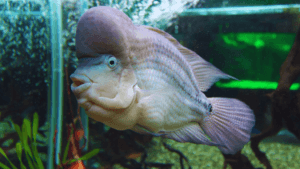
Freshwater Fish: 10 Top Species for Home Aquariums — explore the amazing world of freshwater fish! There are over 15,000 known freshwater species living in lakes, rivers, and streams worldwide, and though freshwater makes up only about 0.3% of Earth’s water, it supports incredible diversity. From tiny nano fish to large predators, these fish display a wide range of colors, shapes, and behaviors.
In this article, we’ll look at 10 examples of freshwater fish that make great additions to home tanks. Whether you’re a beginner or an experienced hobbyist, you’ll find species that match different tank sizes, care levels, and aesthetic preferences. If you’re shopping, check our sale section for current stock and price ranges with a clear guarantee on healthy arrivals.
From vivid bettas to hardworking catfish, each fish brings its own appeal and role in the aquarium. Let’s dive in and discover the best freshwater companions for your tank!
Key Takeaways
- There are over 15,000 recognized freshwater fish species, found in a small share of Earth’s water but showing huge diversity.
- These species vary widely in size, care needs, and temperament—choose fish that match your tank and experience.
- The 10 featured fish are excellent for home aquariums; consult species profiles for tank size, diet, and compatibility before buying.
Introduction to Freshwater Fish Species
Freshwater fish display a huge range of colors, sizes, and behaviors and inhabit environments from fast-flowing rivers to quiet ponds. Estimates vary, but a large share of fish diversity lives in freshwater habitats—this highlights the importance of protecting rivers, lakes, and streams for aquatic life.
The Diversity of Aquatic Life in Freshwater Habitats
In the United States and many regions, hobbyists and scientists group freshwater species by temperature preference: coldwater, coolwater, and warmwater. Coldwater species prefer roughly 50–60°F, while many warmwater species thrive nearer 80°F. Choose aquarium species that match your tank’s temperature to keep fish healthy.
This temperature and habitat diversity is why freshwater fish can occupy so many climates and niches around the world.
Importance of Freshwater Fish in Ecosystems
Freshwater fish play vital roles in food webs, nutrient cycling, and habitat health. Many species are threatened: recent assessments showed a significant portion of freshwater fish face conservation risks due to habitat loss, pollution, and invasive species (see IUCN and FishBase for details). “At risk” typically refers to species listed as Vulnerable, Endangered, or Critically Endangered by conservation assessments.
Regional studies report high percentages of at-risk species in areas affected by pollution and habitat change—read local conservation resources to understand threats where you live.
Popular Freshwater Fish for Aquariums and Angling
Many freshwater species are prized both for aquariums and for sport. For home tanks, species like Bronze corydoras are popular (they favor warmer tropical ranges—check species-specific temperature guidance). For anglers, bass and trout provide sport and food.
What this means for hobbyists: match species to your tank conditions, source fish from reputable sellers, and look for clear health guarantees and transparent sale/pricing info when buying stock.
Colorful Bettas: The Siamese Fighting Fish
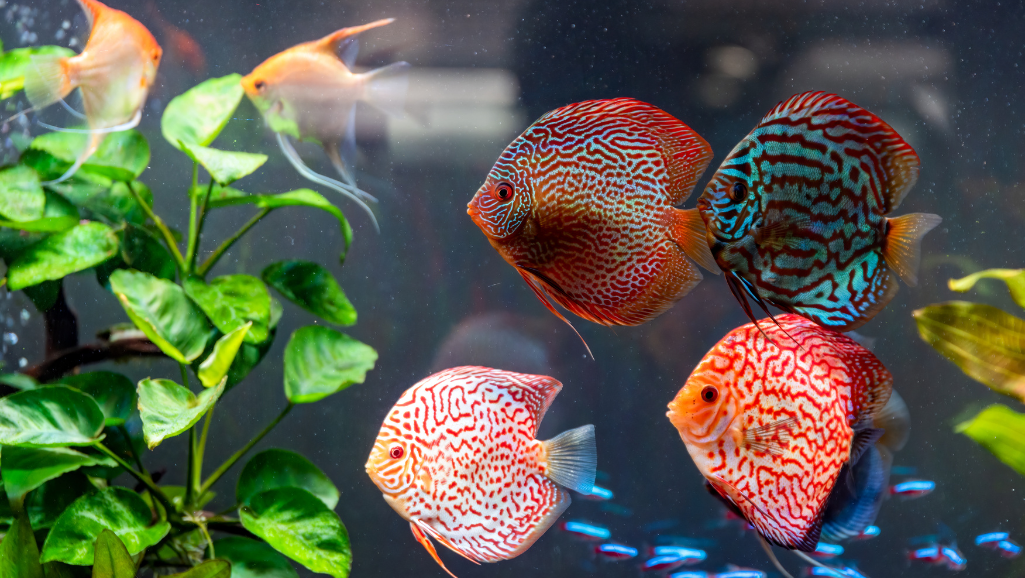
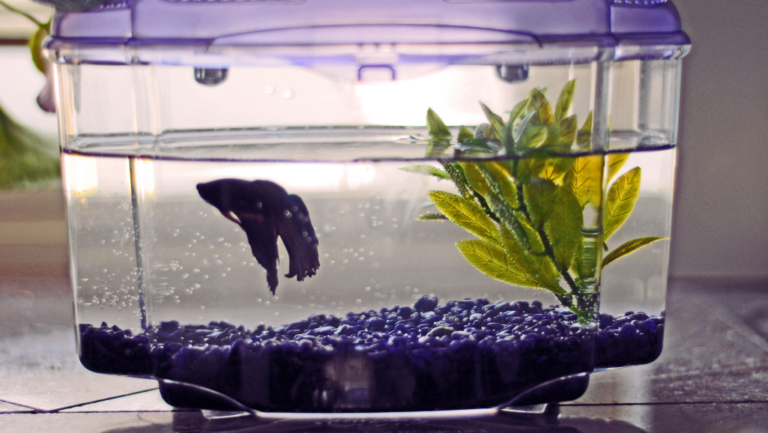
Betta fish, also known as Siamese fighting fish, are among the most striking tropical freshwater fish, prized for their vivid colors and flowing fins. Available in common hues like red and blue as well as many cultivated variants, they add dramatic color to small tanks and planted displays.
In the wild, bettas inhabit shallow, vegetated waters in Southeast Asia such as rice paddies and slow canals. In aquariums, provide at least 5 gallons for long-term health (2.5 gallons is possible short-term but not ideal). Maintain stable warm water, moderate filtration, and feed high-quality pellets or frozen foods—small portions once or twice daily to avoid overfeeding.
Male bettas are territorial and are best housed alone. With proper care they often live up to around five years; monitor for signs of stress (fin clamping, lethargy, loss of appetite) which usually indicate water-quality issues or illness.
“Betta fish are living jewels, each with a unique personality and stunning array of colors.”
Selective breeding has produced many color and pattern varieties. Common trade names include:
| Color VarietyDescription | |
| Super Red | Solid red body and fins with clean coloration |
| Turquoise | Blue-green hues valued in shows |
| Blue Mustard Gas | Blue scales with mustard-toned fins |
| Super Gold | Intense metallic gold/dragon-scale appearance |
| Dark Armageddon Meteor | Rare, dramatic patterning and dark tones |
Care Summary
- Temperature: 76–82°F
- pH: 6.5–7.5
- Minimum tank: 5 gallons recommended
- Diet: high-quality pellets, occasional frozen/live treats
- Compatibility: avoid housing males together; choose peaceful tankmates carefully
If you plan to buy bettas, source them from reputable sellers and check the sale page for current price ranges and a clear health guarantee—ethical sourcing and a seller guarantee improve chances of a healthy arrival.
Betta fish remain a favorite because they combine spectacular appearance with manageable care, making them a great choice for many hobbyists.
Barbs: Hardy and Vibrant Aquarium Favorites
Barbs are bright, active freshwater fish prized for their hardiness and bold patterns. They’re suitable for both new and experienced hobbyists and bring lively movement and color to community tanks.
Popular Barb Species for Beginners
Some beginner-friendly barbs to consider:
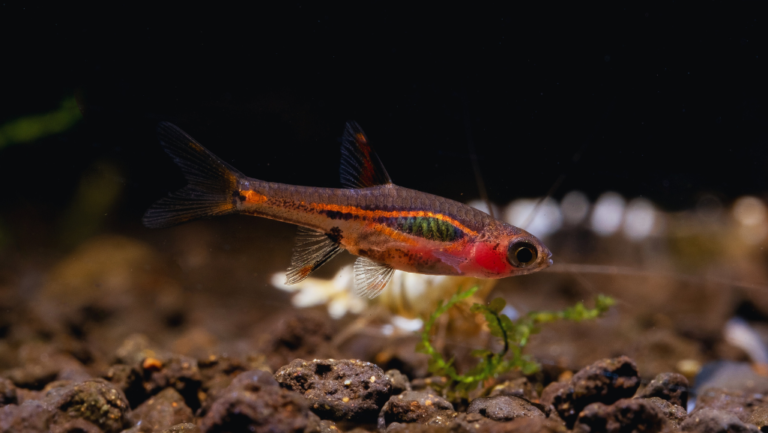
- Cherry Barb — peaceful, great in planted tanks (good community fish)
- Tiger Barb — very active and can nip fins; best in species groups or with robust tankmates
- Rosy Barb — larger and calm, good for bigger community tanks
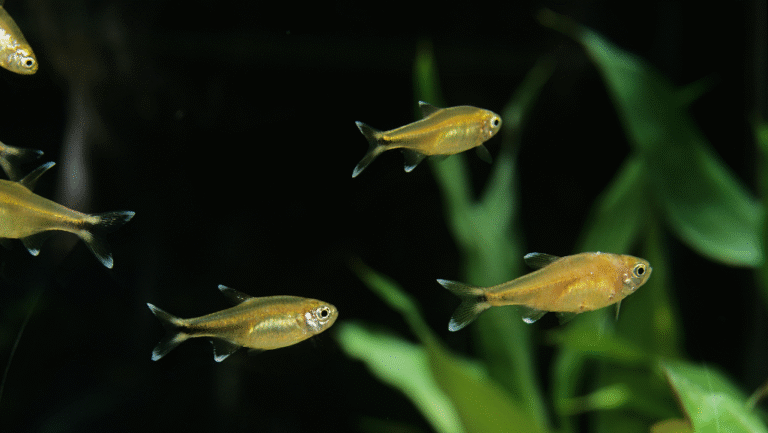
- Gold Barb — attractive color, peaceful
- Checkerboard Barb — unique patterning, enjoys groups
Care Tips for Keeping Barbs
Most barbs do best in groups (typically 6 or more) to reduce aggression and stress. Provide open swimming space, plentiful plants, and hiding spots. Monitor for fin-nipping behavior and avoid slow-finned or long-tailed tankmates when housing more boisterous barb species.
Barb Behavior and Social Dynamics
Barbs are social and energetic — they add movement but can harass slower fish. Mitigate nipping by keeping them in adequate-sized groups and a suitably sized tank with visual barriers and dense planting.
| Barb SpeciesAverage SizePreferred TemperatureMinimum Tank Size | |||
| Cherry Barb | 2 inches | 73–81°F | 20 gallons |
| Tiger Barb | 3 inches | 75–82°F | 30 gallons |
| Rosy Barb | 6 inches | 64–72°F | 30 gallons |
If you’re buying barbs, purchase from reputable sellers — check the sale listings for current availability and price, and look for a clear health guarantee to ensure you receive healthy stock for your tank.
Danios: Active and Adaptable Freshwater Fish

Danios are a favorite among enthusiasts of freshwater aquarium fish for their hardiness, playful behavior, and ease of care. The zebra danio is the classic choice — active, striped, and great for community tanks.
Zebra danios typically reach about 2 inches and, with good care, often live several years. They thrive in groups (five or more) and prefer temperatures around 64–75°F with a neutral to slightly acidic pH (6.5–7.0). Because they are schooling, they bring lively movement to midwater areas of the tank.
| CharacteristicSpecification | |
| Adult Size | ~2 inches |
| Life Expectancy | 3–5 years (with proper care) |
| Minimum Tank Size | 10 gallons (larger for groups) |
| Temperature Range | 64–75°F (18–24°C) |
Breeding danios is straightforward: provide a shallow spawning area or spawning mops, slightly raise the temperature, and the pair will scatter eggs that hatch in a couple of days. Expect moderate egg batches; for reliable guidance follow species-specific breeding notes rather than extreme egg-count claims.
Other danio varieties offer different looks and sizes — for example, giant danios grow much larger and need bigger tanks. If you’re planning to buy danios, check the sale listings for availability and price, and choose sellers who offer a clear health guarantee to ensure healthy arrivals.
Tetras: Schooling Fish with Brilliant Colors
Tetras are among the most popular freshwater aquarium fish thanks to their bright colors, peaceful schooling behavior, and ability to animate midwater areas of the tank. Small, active, and visually striking, they’re a favorite for community setups.
Most Popular Tetra Species
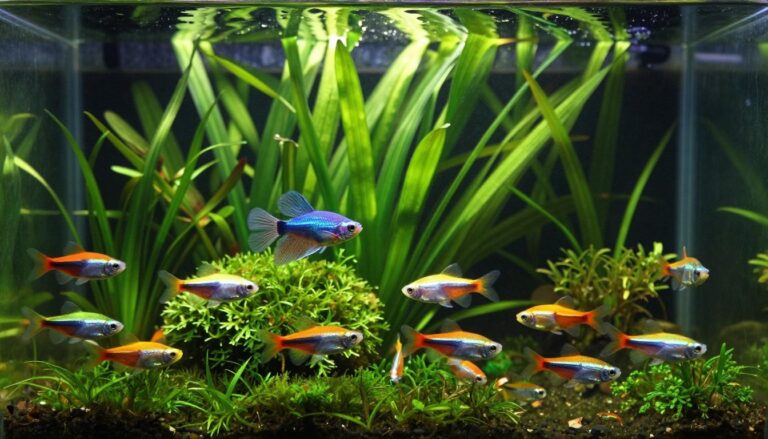
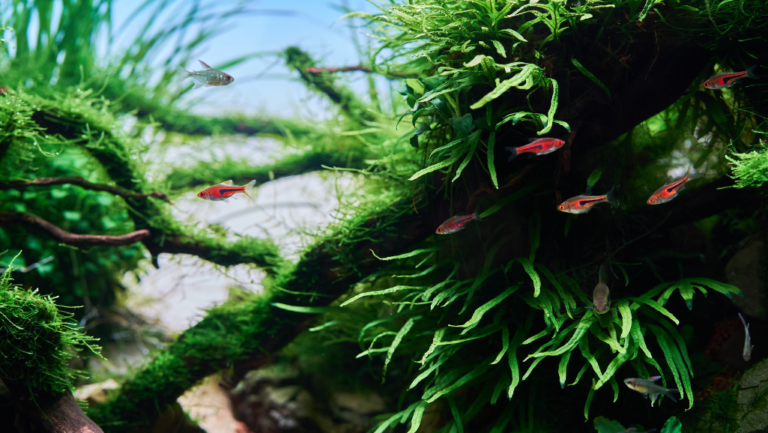
The neon tetra is a classic choice — a tiny, shimmering fish (around 1 inch) that looks best in groups of six or more. Their electric blue and red stripes stand out against planted backgrounds in any freshwater aquarium.
Creating the Perfect Tetra Habitat
To keep tetras healthy and stress-free, mimic their natural environment: well-planted tanks, soft lighting, stable water parameters, and room to school. While small species can start in modest tanks, larger groups and active species benefit from extra space—avoid overcrowding.
Most tetras do well between 72–76°F; adjust specifics by species and always acclimate new fish slowly.
| Tetra SpeciesSize (inches)Recommended Group Size | ||
| Neon Tetra | ~1 | 6+ |
| Congo Tetra | ~3 | 6+ |
| Von Rio Tetra | 1.5–2 | 6+ |
Breeding Tetras: A Beginner’s Guide
Tetras are generally easy to breed: set up a separate breeding tank with soft, slightly acidic water, fine-leaved plants or spawning mops, lower the light level, and gently raise temperature to encourage spawning. Remove adults after spawning; eggs typically hatch in 24–48 hours and fry need infusoria or finely powdered fry food at first.
“Tetras are the jewels of the freshwater aquarium, bringing color and life to any tank they inhabit.”
Health tip: watch for neon tetra disease and signs of stress (clamped fins, loss of color). When buying, check seller reviews and current price ranges—look for reputable sale listings that include a clear health guarantee to improve the chances of healthy arrivals.
Guppies: Prolific Breeders with Stunning Varieties
Guppies are a top pick for freshwater aquarium fish thanks to their bright colors, hardy nature, and ease of care. They display a huge range of color patterns and fin types, making them an attractive choice for both beginners and advanced hobbyists.
Female guppies typically give birth to broods that can range from a few dozen fry up to around 60 in some cases; brood size varies by strain and the female’s condition. Their rapid reproduction makes guppies useful for breeding projects, but it also means you’ll need a plan to manage fry if you keep mixed sexes.
Guppies are adaptable: they do well between about 72–78°F and tolerate a pH from roughly 6.5–8.5. They generally make peaceful tankmates but avoid housing them with aggressive species.
| TraitDescription | |
| Size | 1–2 inches (2.5–5 cm) |
| Lifespan | 1–3 years (depending on care) |
| Breeding | Livebearers — variable brood sizes (often dozens) |
| Color Variations | Many: red, blue, yellow, green, and patterned strains |
| Temperament | Peaceful, social |
Population Control & Buying Tips
To prevent overpopulation, separate males and females or set up a species-only breeding tank and rehome excess fry. If you plan to buy guppies, check sale listings for current price and availability and choose sellers who provide a health guarantee — this reduces the risk of introducing sick fish to your tank.
With good care and responsible breeding, guppies brighten tanks and offer a rewarding hobbyist experience.
10 Examples of Freshwater Fish
Freshwater fish span a wide array of colors, sizes, and behaviors — from vibrant tropical species to hardy pond fish. Below are 10 popular choices that work well for aquariums and, in some cases, recreational angling.
Betta Fish (Siamese Fighting Fish)
Bettas are prized for their dramatic fins and vivid colors; they’re hardy and relatively easy to care for in smaller tanks.
Cherry Barb
Cherry Barbs are peaceful, brightly colored schooling fish that do well in planted community tanks.
Zebra Danio
Zebra Danios are active, striped fish ideal for beginners and lively community aquaria.
Neon Tetra
Neon Tetras are small, shimmering schooling fish whose blue-and-red stripes stand out in planted tanks.
Fancy Guppy
Fancy Guppies are colorful livebearers known for prolific breeding and a wide variety of tail and color patterns.
| Fish SpeciesSizeLifespanTank Size | |||
| Betta Fish | 2–3 inches | 2–5 years | 5+ gallons |
| Cherry Barb | 1–2 inches | 3–7 years | 20+ gallons |
| Zebra Danio | 2–2.5 inches | 3–5 years | 10+ gallons |
| Neon Tetra | ~1 inch | 2–5 years | 10+ gallons |
| Fancy Guppy | 1–2.5 inches | 1–3 years | 10+ gallons |
Buying tips: follow links to species profiles for detailed care and compatibility, and when purchasing check sale listings for current price and a seller health guarantee — reputable sellers help ensure healthy stock for your aquarium.
Catfish Varieties: From Plecos to Cory Cats
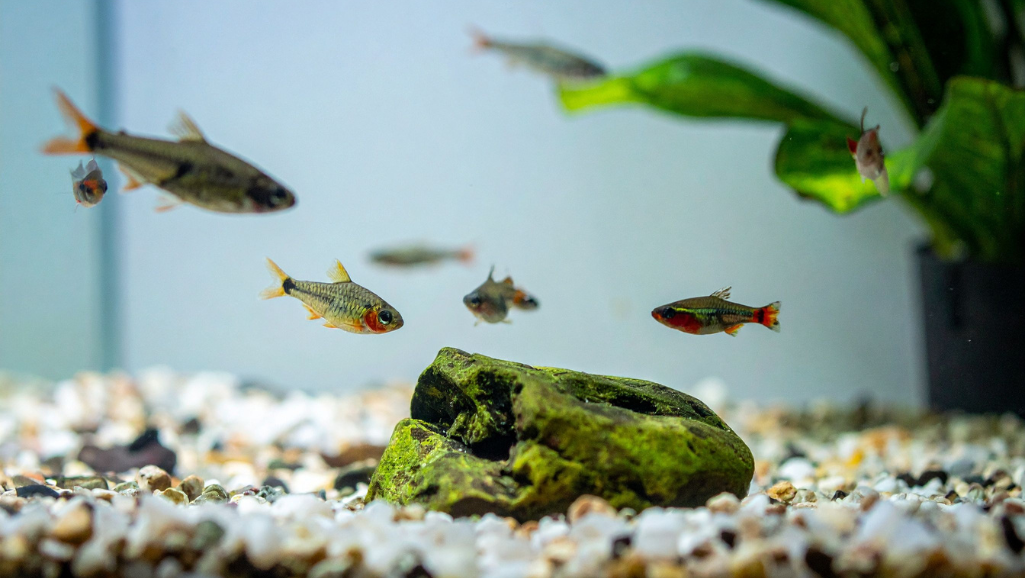
Catfish are popular freshwater fish prized for their unique appearances and bottom-cleaning behaviors. Below are common aquarium catfish groups, their care needs, and practical tips so you can choose the right species for your tank.
Plecostomus: The Algae Eaters
Plecostomus (plecos) are often kept to help control algae; however, their effectiveness varies by species and tank conditions. Some common plecos (like the “common pleco”) can reach large adult sizes—many hobbyists report growth up to 24 inches for large species—while bristlenose plecos stay much smaller (around 4–6 inches). Because of potential large adult size, plan for long-term space needs and supplement their diet with sinking algae wafers and vegetables; plecos do not live on algae alone.
Cory Catfish: Bottom-Dwelling Cleaners
Corydoras catfish (cory cats) are small, peaceful bottom-dwellers that actively sift substrate and help keep uneaten food from accumulating. They are social and should be kept in groups; common species include:
- Panda Cory: ~2 inches, often long-lived with proper care
- Bronze Cory: ~2.5 inches, hardy and popular
- Pepper Cory: ~2–3 inches, active and social
Care Requirements for Catfish Species
Catfish care basics: provide clean, well-oxygenated water, plenty of hiding spots, and species-appropriate diets (plecos benefit from algae wafers and vegetable matter; corydoras do best with sinking pellets and occasional live/frozen treats). Keep corys in groups of six or more for natural behavior. For plecos, research the specific species—many need 50+ gallon tanks as adults, while bristlenose and other dwarf plecos can do well in smaller setups.
Before buying catfish, confirm adult sizes and long-term needs to avoid surprises. Check sale listings for current price estimates and choose sellers who provide a clear health guarantee—this helps ensure healthy arrivals and reduces the risk of introducing illness to your tank.
Unique Freshwater Fish: Kuhli Loaches and Cichlids
Tropical freshwater fish hobbyists often seek out unique species to add personality to their tanks. Kuhli loaches and cichlids are two groups prized for distinct looks and behaviors—each requires different care and tank planning.
Kuhli loaches are eel-like bottom dwellers that prefer soft substrate, lots of hiding spots, and gentle water flow. They are social and should be kept in groups (3–6+). Typical adult size is around 3–4 inches depending on the species; lifespans often range from several years up to a decade with good care. Kuhli loaches do well in moderately warm tropical ranges (roughly 75–82°F) rather than the higher range sometimes reported; provide stable water and plenty of cover for nighttime activity.
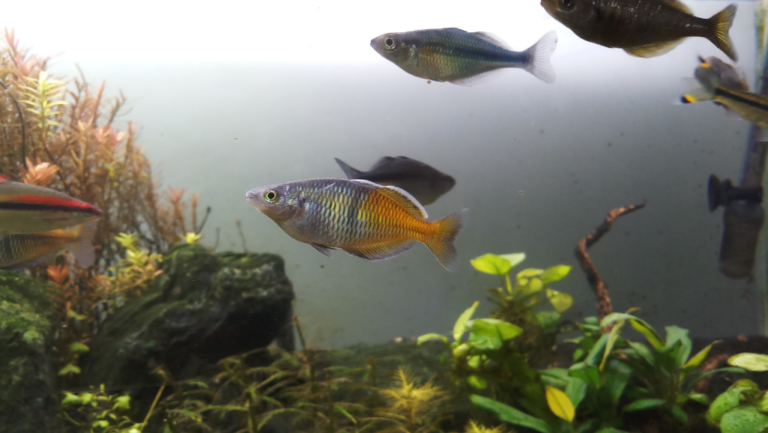
Cichlids are a large family with many colorful and behaviorally complex species. Some are small and relatively peaceful (e.g., Bolivian Ram), while others are large and territorial. For example, a Bolivian Ram reaches about 2.5–3 inches and is often kept in a 20–30 gallon tank with water around 72–79°F. Many African and South American cichlids need specific hardness, pH, and tank layouts and may show aggression—choose species that match your experience and tank size.
| Fish SpeciesMax Size (inches)Lifespan (years)Min Tank Size (gallons)Water Temp (°F) | ||||
| Kuhli Loach | 3–4 | 5–10+ | 20–30 (depending on group) | 75–82 |
| Bolivian Ram | 2.5–3 | 3–6 | 20–30 | 72–79 |
| Bristlenose Plecostomus | 4–6 | 5–10 | 30+ | 74–79 |
| Powder Blue Dwarf Gourami | 3–3.5 | 3–6 | 10–20 | 72–82 |
When choosing between kuhli loaches and cichlids, base your decision on tank size, water chemistry preferences, and how much territorial behavior you can manage. If purchasing these species, review sale listings for current price ranges and select sellers offering a clear health guarantee—this reduces the risk of arrival sickness and ensures better long-term success for your freshwater community.
Gouramis: Labyrinth Fish with Interesting Behaviors
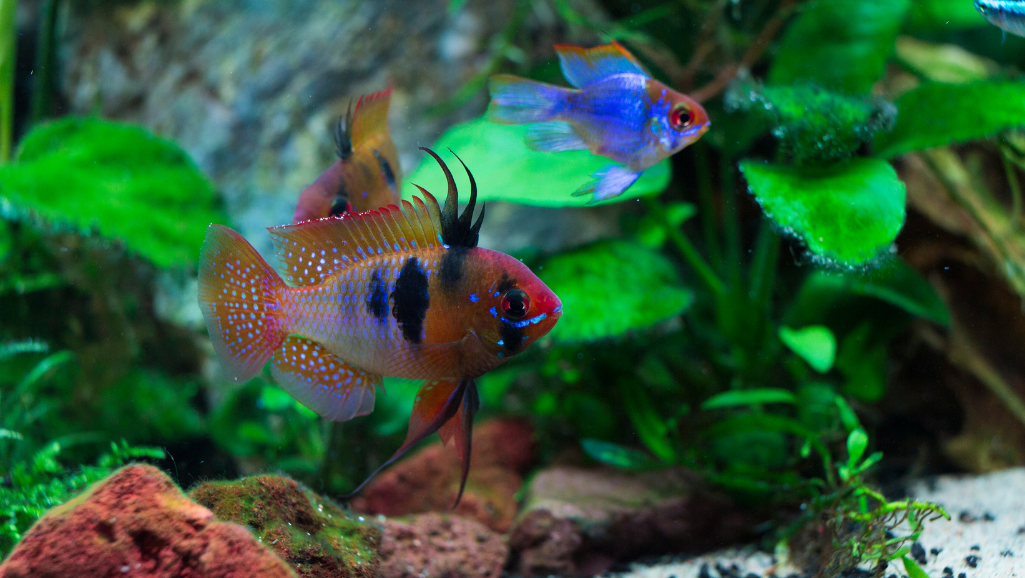
Gouramis are a popular choice for tropical freshwater tanks because of their bright colors, calm temperament, and fascinating behaviors. As members of the Anabantoidei group, many gouramis possess a labyrinth organ that lets them breathe air at the surface—useful in slow, low-oxygen waters but something to account for when arranging tank cover and surface access.
Popular Gourami Species for Aquariums
Common gourami species include:
- Dwarf Gourami — colorful and small, good for planted tanks
- Pearl Gourami — striking pattern, moderately sized and peaceful
- Kissing Gourami — larger, can be semi-aggressive with conspecifics
- Blue Gourami — hardy, may be territorial
- Honey Gourami — small, peaceful, great for community tanks
Special Care Requirements for Gouramis
Gouramis do have species-specific needs; here’s a concise care summary to guide you:
| ParameterRequirement | |
| Tank Size | Varies by species — dwarf types: 10+ gallons; larger species need 30+ gallons |
| pH Range | 6.0–7.5 (species dependent) |
| Water Hardness | 4–10 dGH (check species) |
| Temperature | 72–82°F (22–28°C) |
| Lifespan | 3–6 years typical (depends on species and care) |
Gourami Behavior and Social Dynamics
Many gouramis are peaceful and will build bubble nests during breeding (male-built nests are common). Egg counts and fry development vary by species—some produce hundreds of eggs, but the exact number depends on size and species. Fry typically require microscopic foods at first; brine shrimp nauplii or specialized fry diets are often suitable after the first days depending on species.
When housing gouramis, allow surface access for breathing and avoid overly aggressive tankmates. If purchasing gouramis, check sale listings for current price and availability and prefer sellers that offer a clear health guarantee to ensure healthy arrivals for your freshwater community.
Choosing the Right Freshwater Fish for Your Aquarium
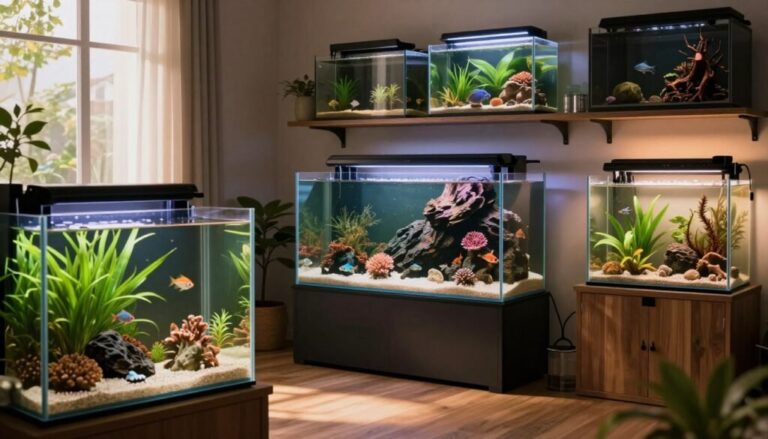
Picking the right fish is the best step toward a healthy, attractive tank. Consider your tank size, water parameters, filtration, and how fish will interact. A 10-gallon tank is a good starting point for many beginners, but match species to the actual volume and equipment you have.
For smaller tanks, choose schooling, small species like neon tetra or cherry barbs — they add color and activity without requiring huge space. Neon tetras reach about 1 inch (1–1.5 inches in some reports) and do best in groups; consult species profiles for exact care. Cherry barbs enjoy planted tanks and are good for community setups.
Kuhli loaches are peaceful bottom dwellers that do well in groups of 3–6 and make friendly tankmates. Fancy guppies also perform well in 10-gallon tanks and are ideal if you want vivid color and easy care.
| Fish SpeciesAdult SizeLife Expectancy | ||
| Neon Tetra | ~1 inch | 2–5 years |
| Fancy Guppy | 1–2 inches | 1–3 years |
| Kuhli Loach | 3–4 inches | 5–10 years |
Basic Equipment & Care Tips
For beginners, invest in a good filter, reliable heater (if keeping tropical fish), aquarium test kits, and a simple substrate and plants. Typical starter prices vary—check sale listings for current cost estimates—and always buy from sellers that offer a health guarantee.
Maintenance: perform weekly water changes (about 10–20% depending on stocking and filtration) and test water regularly to keep nitrates low and fish healthy.
Conclusion
The world of freshwater fish species offers tremendous variety—colors, behaviors, and care needs that reflect the richness of rivers, lakes, and streams. From showy bettas and active tetras to useful catfish and unique kuhli loaches, there’s a species for nearly every aquarium setup and level of experience.
Remember: match your fish to your tank size, water parameters, and community dynamics. A larger tank (for example, a 75-gallon system) can house many species, but only if you pair compatible fish and manage territory, water quality, and filtration carefully.
Ready to add fish? Visit species profiles to research specific requirements, check current sale listings for price ranges, and buy from sellers that provide a clear health guarantee. For next steps, download our care checklist, subscribe for weekly tips, or join our community forum to learn from other hobbyists.