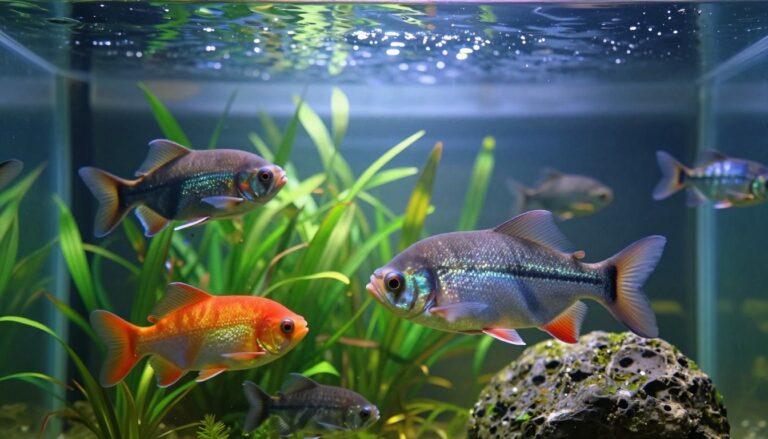
Discover the World of Freshwater Fish
Freshwater Fish: 10 Top Species for Home Aquariums — explore the amazing world of freshwater…
Freshwater Fish: 10 Top Species for Home Aquariums — explore the amazing world of freshwater…
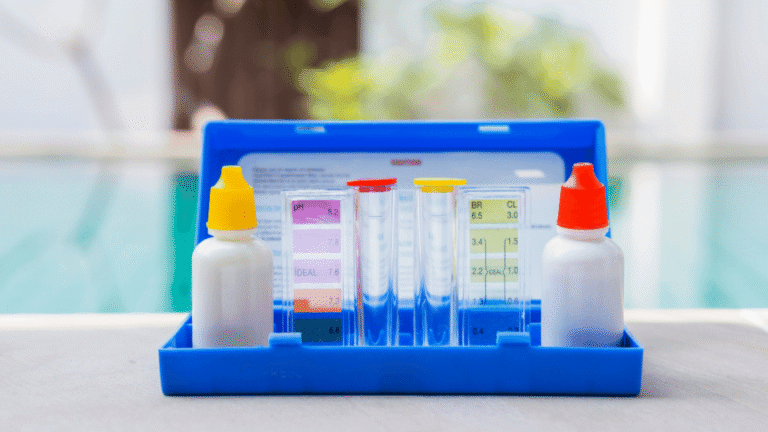
Dive into the world of aquarium basics and begin your Aquarium Setup with confidence. Setting up your first fish tank is exciting — it brings a miniature underwater world into your home and teaches the essentials of water care and tank management. Choosing the right tank size matters: options range from a compact 5-gallon desktop tank to a large 45-gallon display. Keep in mind a full tank’s weight adds up quickly — water alone is roughly 8.34 pounds per gallon, so a 45-gallon tank plus gravel and stand can be several hundred pounds; pick a sturdy location and check floor or stand capacity. Start with the right equipment: a reliable filter, an appropriately sized heater and thermometer, and aquarium lighting. You’ll also need water conditioner, substrate or gravel, and a few decorations or rocks for hiding places and background interest. Adding live plants improves appearance and helps maintain water quality. Key Takeaways Aquariums commonly range from 5 to 45 gallons — choose by space, budget, and the fish you want Essential equipment includes a quality filter, heater, lighting, and water conditioner Allow at least 48 hours for initial water stabilization (filter, heater, and dechlorination) but plan for a full biological cycling period of several weeks before stocking Choose tank size and placement carefully — weight and nearby power outlets matter Live plants enhance aesthetics and contribute to water quality and biological filtration Introduction to the Fascinating World of Aquariums An Aquarium Setup brings a slice of the underwater world into your home and makes an inspiring, living focal point. Whether you want a relaxing hobby, a teaching tool, or a planted aquascape, understanding the basics will help you create a healthy aquarium that fits your space and lifestyle. What is an aquarium? An aquarium is a sealed or open container that holds water, fish, plants, and other aquatic life to create a small, balanced ecosystem. Aquariums come in many sizes — from tiny desktop tanks to large room-sized displays — and each size affects equipment, stocking, and maintenance needs. Benefits of keeping an aquarium Keeping an aquarium offers many benefits: it can reduce stress, improve mood, and add unique visual interest to your home. Learning water care and tank maintenance builds responsibility and an appreciation for aquatic environments, and watching fish can even have measurable calming effects.…
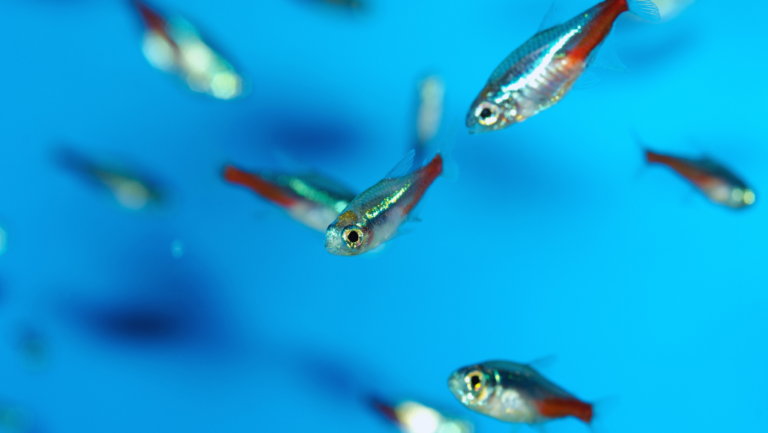
The Neon Tetra is one of the most recognizable freshwater fish, prized for its iridescent blue stripe and vivid red band. Native to the Amazon basin (rivers and tributaries in countries such as Colombia, Brazil, and Peru), these small, peaceful fish bring lively schooling behavior and bright color to planted aquariums. Caring for neon tetras means more than admiring their colors — it means building an environment that matches their natural habitat. That involves stable water chemistry, suitable tank size, compatible tankmates, and proper feeding so your neon tetras can thrive and display their best color. Neon tetras prefer soft, slightly acidic water; monitoring water parameters regularly helps prevent stress and disease. Choose calm, non-aggressive fish as companions, feed a varied diet, and provide planted, dimly lit spaces that mimic their blackwater With consistent care, neon tetras commonly live around 4–6 years in captivity; some individuals may reach longer lifespans with optimal conditions. Creating the right environment—temperature, pH, hardness, filtration, and group size—will maximize their health and longevity. Key Takeaways Neon Tetra Care: aim for a stable temperature (about 74–79°F / 23–26°C) and slightly acidic to neutral pH (around 5.5–7.0). Tank size: provide at least a 10–20 gallon (≈40–75 L) aquarium for a small school; larger tanks are better for visible schooling behavior. Water parameters and routine testing are essential—monitor pH, temperature, and hardness to keep your fish thriving. Diet: offer varied foods (quality flakes, occasional live/frozen brine shrimp and bloodworms) to keep colors vibrant. Group neon tetras in schools (6+ individuals) so they feel secure and show natural schooling behavior. Recreate blackwater-like conditions (plants, driftwood, subdued lighting) when breeding is the goal. Protect their wild habitat: conservation of Amazonian ecosystems supports this species in the wild. Understanding the Neon Tetra: An Introduction Neon tetras (Paracheirodon innesi) are one of the most popular small freshwater fish because of their striking iridescent blue stripe and bright red band. These tetras are a schooling species that display graceful, synchronized swimming when kept in groups — a major reason hobbyists add neon tetras to planted community tanks. The Mesmerizing Appearance of Neon Tetras…
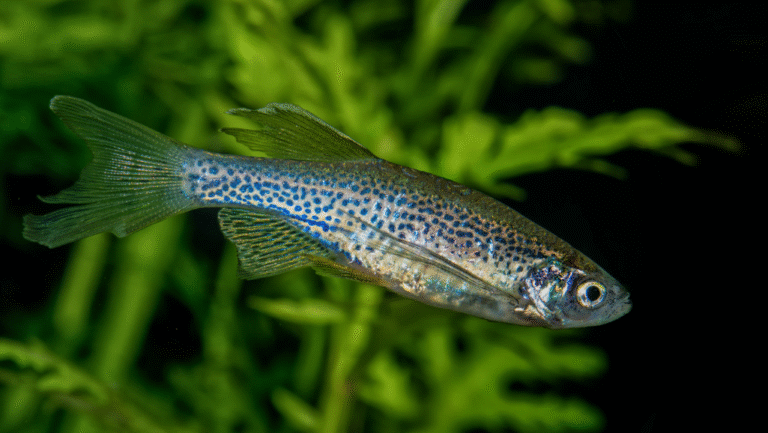
Meet the zebra danio, a small, spirited freshwater fish that brings motion and color to…
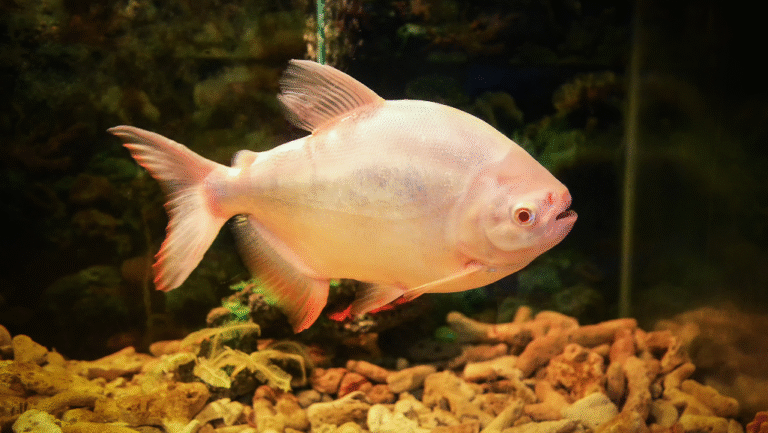
Meet the pacu fish, a striking freshwater species from South America that blends surprising power…

Creating a stunning aquatic environment starts with the right setup. A 110-gallon aquarium offers versatility…
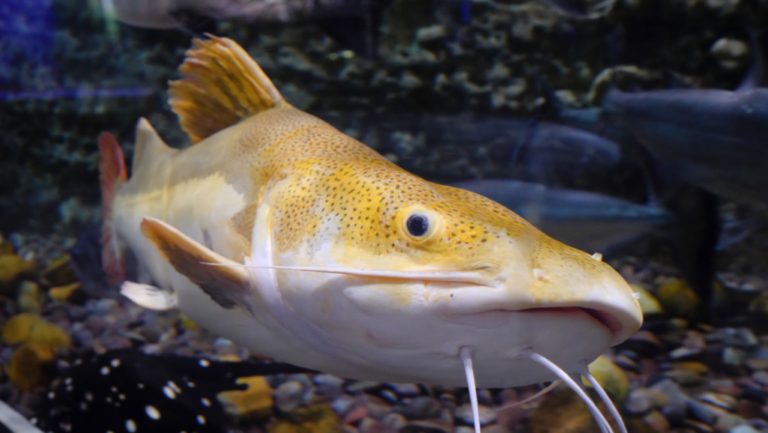
Creating a thriving aquatic environment starts with understanding the right fish to choose. This guide…

Freshwater aquarium fans love the Oscar Fish, or Astronotus ocellatus. These fish come from South…

The Harlequin Rasbora is a favorite in many freshwater aquariums. It’s known for its bright…

Ember Tetras, known as Hyphessobrycon amandae, are a vibrant addition to freshwater fishkeeping. They come…
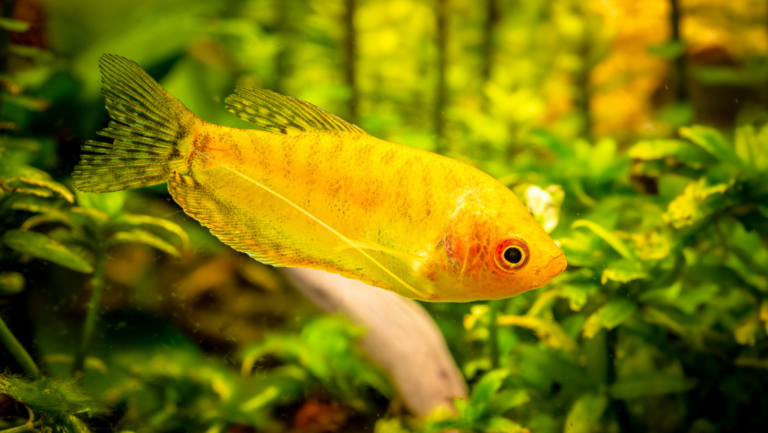
For those who love fishkeeping, the Honey Gourami, or Trichogaster chuna, is a gem. These…

Welcome to the world of fishkeeping, a journey filled with the beauty of aquatic life.…