Pacu Fish: Intriguing Freshwater Creature

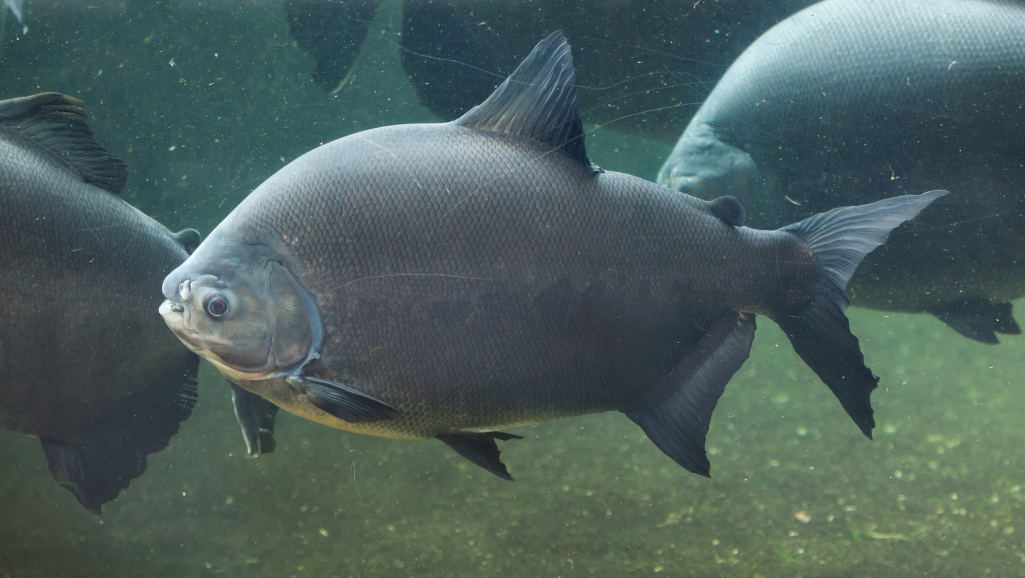
Meet the pacu fish, a striking freshwater species from South America that blends surprising power with gentle eating habits. These relatives of piranhas have distinct, molar-like teeth and a deep, rounded body built for flooded forests and slow rivers.

Curious and adaptable, the pacu reaches impressive sizes in the wild and thrives in lakes, floodplains, and major river basins like the Amazon and Orinoco. The name comes from Tupi-Guaraní roots, and regional labels such as tambaqui and pirapitinga reflect local importance.

This introduction sets the stage for an ultimate guide that explores the term, key characteristics, diet, growth potential, and the real differences from piranha relatives. You’ll also learn about aquaculture uses, cultural value across South American waters, and practical notes for owners in the United States.

Key Takeaways

  • Pacu are a unique South American freshwater species with molar-like teeth and deep bodies.
  • They inhabit rivers, lakes, and floodplain forests across major basins like the Amazon.
  • Size and diet make them important for both aquaculture and local fisheries.
  • Despite links to piranhas, dentition and behavior set them apart.
  • Introductions outside their range can lead to invasive concerns.
  • Responsible ownership matters to protect local waterways.

What Is a Pacu? Taxonomy, Names, and Where This South American Freshwater Fish Fits

This group sits within a lively lineage of characiforms known for sturdy bodies and a serrated abdominal keel. It helps explain why these species look powerful and move with steady strength in slow rivers and floodplains.

Family Serrasalmidae groups these relatives with piranhas, but classification focuses on shared anatomy and DNA as studies evolve. Scientists still refine boundaries between genera, which keeps taxonomy active and interesting.

Names and regional usage

The term comes from Tupi-Guaraní and appears across regions in South America. Local names—tambaqui in Brazil, pirapitinga in some Amazon areas, and pacú or gamitana in Peru—reflect culture and fisheries.

Key genera and notable species

  • Colossoma macropomum (black pacu) — important in Amazonian markets.
  • Piaractus brachypomus (red-bellied pacu) — common in aquaculture and rivers.
  • Piaractus mesopotamicus (small-scaled pacu) — native to the Paraná-Paraguay basin.

Remember: “pacu” can refer to multiple species. Accurate identification matters for conservation, aquaculture, and responsible ownership.

How to Identify Pacu: Human-Like Teeth, Size, and Signature Shape
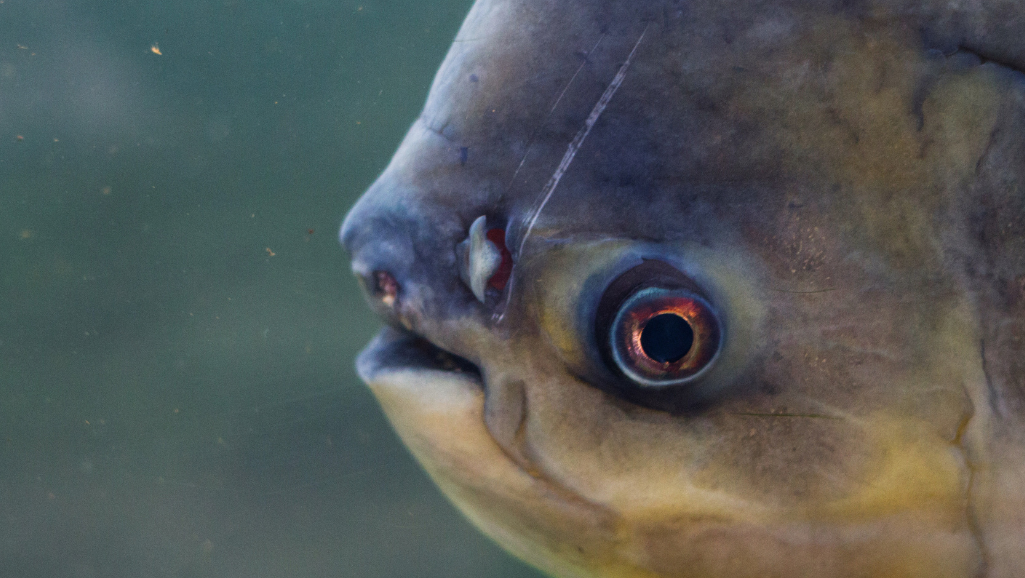
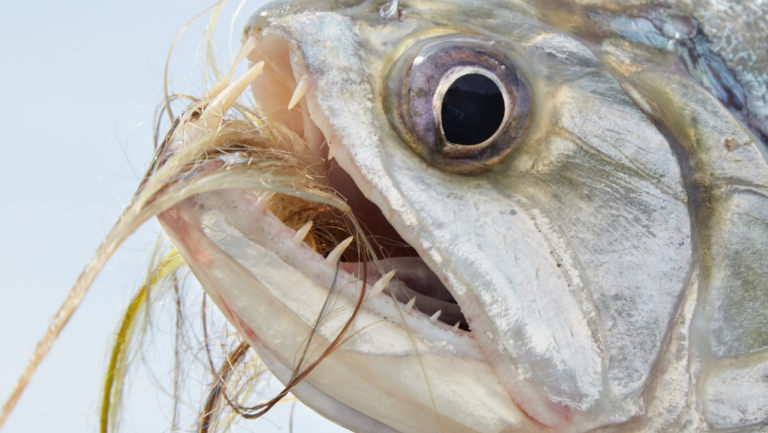
A close-up view of a pacu fish's mouth, revealing its distinctive human-like teeth. The teeth are prominently displayed, showcasing their unusual shape and size in striking detail. The image is captured with a macro lens, highlighting the textural nuances and the shiny, enameled surface of the teeth. The lighting is soft and diffused, creating a natural and lifelike appearance. The background is blurred, keeping the focus solely on the captivating dental features that are the defining characteristic of this freshwater creature.

Notice first the body and bite. A rounded, plate-shaped silhouette pairs with a set of squarer, molar-like teeth — the hallmark human-like teeth that crush fruits, nuts, and seeds rather than slice flesh.

Jaw alignment and dentition

Compared to razor-pointed relatives, these species show a milder overbite or slight under/overbite. Their teeth sit like small molars in rows, a clear diagnostic when you look closely.

Size expectations

Large size is possible. Wild records list individuals up to about 1.08 m and 40 kg, while some black pacu in public collections approach three feet and roughly 65 pounds.

Fins and body shape

The deep body gives stability in flooded woodlands. The dorsal fin limits roll, pectorals steer like rudders, and a strong caudal fin supplies thrust for quick moves through roots and dense cover.

“Look for molar teeth and a broad, rounded profile — those two traits rarely fail.”

  • Color cues: juveniles of red-bellied pacu often show brighter ventral hues that fade with age.
  • Practical tip: early identification helps owners plan for future growth and proper care.

Natural Range and Habitat: Rivers, Floodplains, and Forests of South America
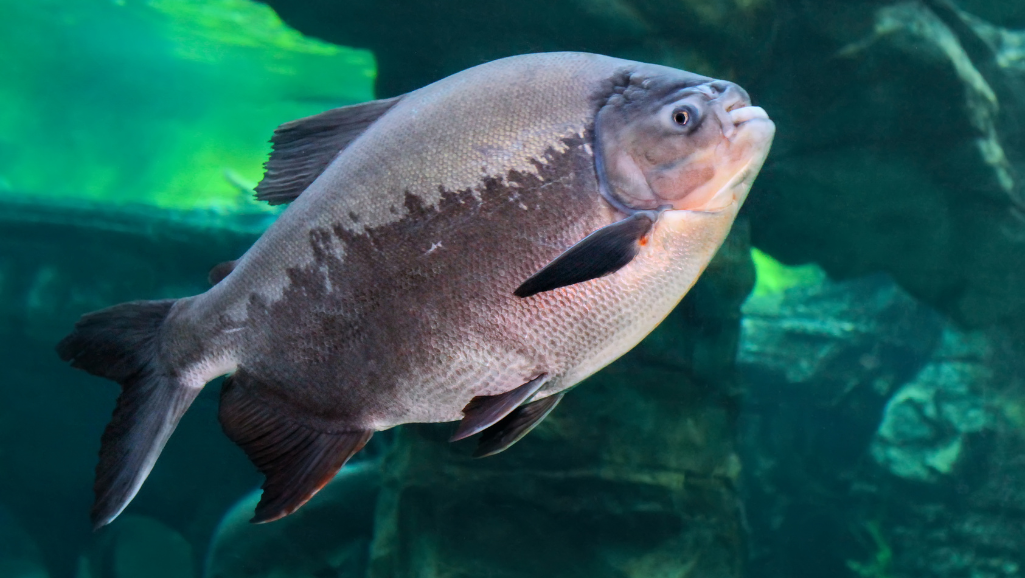
A lush, tropical river winding through a dense, verdant rainforest. In the foreground, a school of vibrant pacu fish glide effortlessly through the gently flowing waters, their distinctive round bodies and large, human-like teeth visible. Towering palm trees and thick vegetation line the riverbanks, casting dappled shadows over the scene. Sunlight filters through the canopy, illuminating the tranquil, mirror-like surface of the river. The atmosphere is one of serene, natural harmony, reflecting the pacu's native habitat in the rivers, floodplains, and forests of South America.

From great river basins to flooded forests, these native species favor calm water and seasonal rhythms. Their natural range covers vast tropical and subtropical zones. They live in rivers, lakes, oxbow lakes, and seasonally flooded forests across several major basins.

Amazon, Orinoco, São Francisco, and Río de la Plata basins

Key basins include the Amazon and Orinoco, plus the São Francisco and Río de la Plata systems. Populations also occur in rivers of the Guianas. Local habitat use shifts by species and by season.

Migratory behaviors and preferences for calm, flooded waters

Many species make seasonal journeys. Rising water opens floodplain nurseries and feeding grounds. Calm, slow-flowing waters provide shelter, abundant fruit and seed resources, and safe places to spawn.

  • Habitat variety: backwater lagoons, oxbows, and forested pools.
  • Ecological role: they help disperse seeds and move energy through river systems.
  • Conservation note: changes in water timing and habitat loss threaten critical life stages.

“Healthy flow regimes sustain the food webs and migrations that these species rely on.”

Diet and Ecology: From Nuts and Seeds to Opportunistic Omnivory
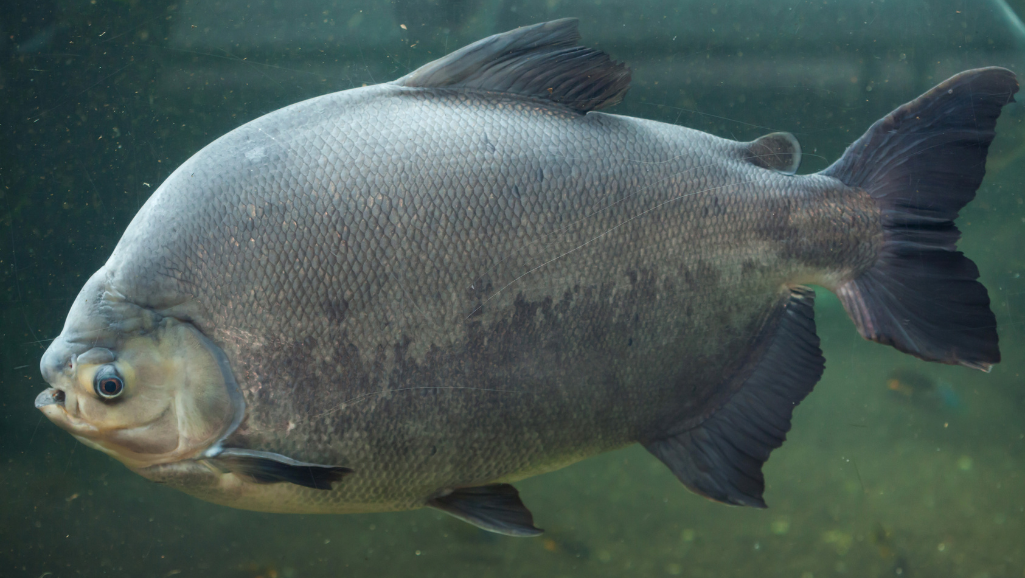
A closeup image of a pacu fish, swimming in a river or lake, surrounded by various nuts, seeds, and other plant-based food sources that make up its diverse diet. The fish is depicted in sharp focus, its round body and distinctive teeth visible, with a lush, naturalistic background featuring submerged logs, aquatic vegetation, and dappled sunlight filtering through the water. The overall scene conveys the pacu's role as an opportunistic omnivore, feeding on a range of plant and animal matter in its freshwater habitat. The lighting is realistic, with warm tones and soft shadows, and the camera angle is positioned slightly below the water's surface to capture the pacu's underwater environment.

When rivers rise, trees rain down a buffet of fruits and nuts for aquatic grazers. Seasonal floods turn forest edges into feeding corridors that feed entire communities of river dwellers.

Primary diet centers on fallen fruits, hard-shelled nuts, and seeds. These items dominate during high-water months and match the strong, crushing dentition that sets this group apart from sharper-toothed relatives like piranhas.

Opportunistic feeding fills gaps. Invertebrates, zooplankton, and occasional small fish add protein when plant foods are scarce. Tambaqui, pirapitinga, and small-scaled species all show this flexible pattern.

Why trees and floods matter

Riparian forests are more than shade; they deliver calories. Seed and nut rain supports growth, fuels long migrations, and helps these species disperse plants across basins in south america and beyond.

  • Human-like molars let them crush tough plant material others ignore.
  • Seasonal shifts cue diet changes and support resilience across hydrological extremes.
  • Diet insights guide aquaculture feeds and aquarium care—favoring fiber-rich, plant-forward options.

“Rivers act as conveyor belts of nutrition, linking forests to freshwater life.”

Pacu Fish Size, Growth, and Characteristics Worth Knowing
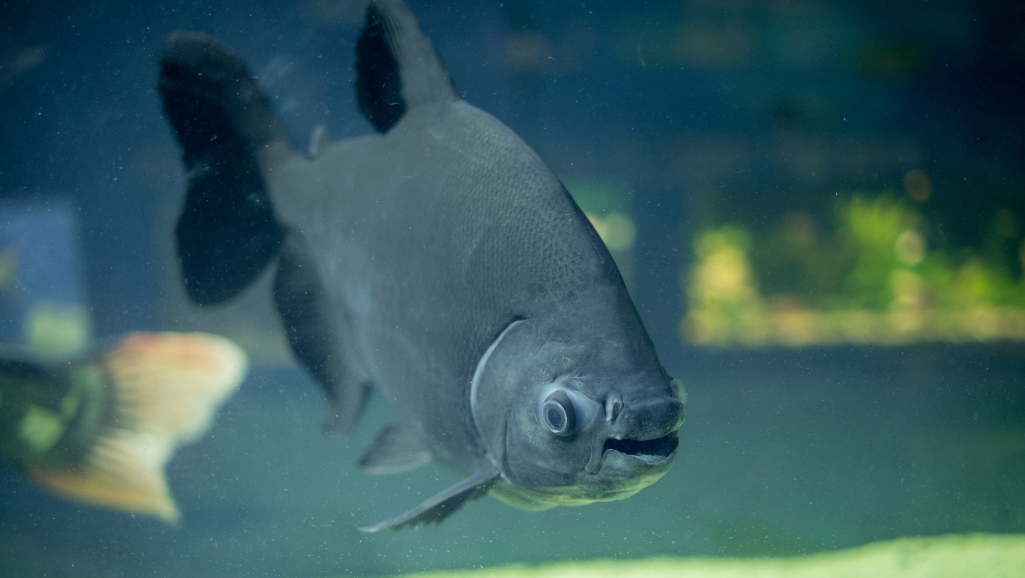
A large, vibrant pacu fish swimming gracefully in a lush, tropical freshwater environment. The fish's rounded body is covered in iridescent scales that shimmer in the dappled sunlight filtering through the verdant foliage. Its powerful fins propel it effortlessly through the crystal-clear water, showcasing its impressive size and natural majesty. The scene is captured with a wide-angle lens, emphasizing the pacu's impressive scale and the rich, immersive aquatic habitat. Soft, warm lighting creates a serene, tranquil atmosphere, inviting the viewer to marvel at the captivating details and natural beauty of this remarkable freshwater creature.

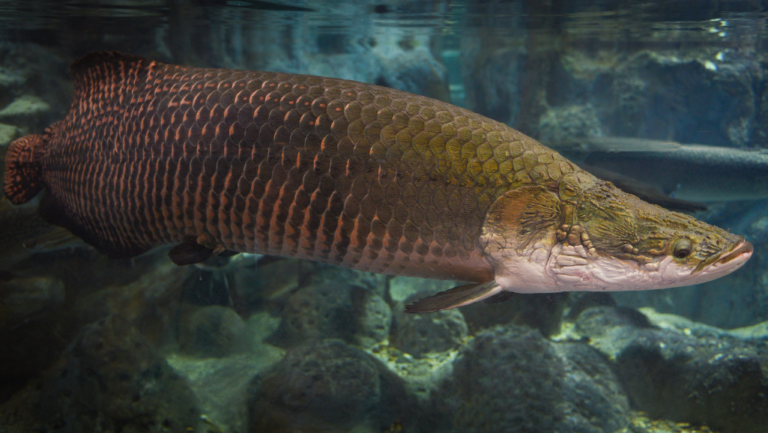
Expect notable growth: some individuals reach lengths over a meter and weigh dozens of kilograms. Reported maxima near 1.08 m and 40 kg show why realistic planning matters for owners and producers.

Growth depends on multiple factors. Genetics, diet quality, space, and water conditions shape outcomes in the wild and in culture. In aquaculture, calm water and plant-forward feeds fuel steady gains with less waste.

Colossoma macropomum has a standout reputation for reaching impressive dimensions when conditions are favorable. That trait makes this species valuable for farms but challenging for average home aquaria.

  • Set expectations: these animals are not small for long and often outgrow standard tanks.
  • Plan for growth: robust filtration, ample volume, and secure decor are essential as size and mass increase.
  • Seasonal surges: wild abundance of fruits and seeds can trigger rapid growth spurts in natural settings.
  • Husbandry lessons: steady water quality and balanced, plant-based diets help unlock consistent growth without excess pollution.

“Think long-term housing, not temporary fixes; respecting growth potential protects animals and equipment.”

Final note: choose species carefully, factor lifespan and large size into ownership, and use aquaculture practices when possible to support ethical, sustainable outcomes for pacus and their environments.

Pacu vs. Piranha: Teeth, Behavior, and Misconceptions

Teeth shape and bite mechanics tell a simple story: diet drives design in these river inhabitants. A quick visual check helps separate the two species and calm exaggerated fears.

Dentition matters. One group has square, molar-like plates built for crushing seeds and nuts. The other bears razor-pointed blades and a pronounced underbite for slicing flesh.

Behavior and diet differ too. The plant-oriented animals tend to be calmer and grow large. Piranhas are carnivorous specialists with sharper, cutting bites.

“Sensational reports about testicle-biting began as a joke and spread quickly; reality points to crushing power used for food, not attacking swimmers.”

  • Use teeth shape, jawline, and body depth to tell them apart in the field.
  • Juvenile coloration can mislead—young brachypomus sometimes resemble piranhas.
  • Accurate labeling and clear reporting protect wildlife and people alike.

For practical ID guidance and balanced context, see a detailed overview at pacu piranha guide.

Aquaculture and Food: From Farm Ponds to “Pacu Ribs” and Global Markets
A lush, expansive pacu fish farm nestled amidst a verdant landscape. In the foreground, a school of plump, silvery pacu swim gracefully in a well-aerated pond, their fins glistening under the soft, warm light of the sun. The middle ground features rows of neatly organized ponds, each teeming with thriving pacu populations. In the background, rolling hills and a cloudy, atmospheric sky create a sense of tranquility and abundance. The scene conveys the careful, sustainable cultivation of this prized freshwater fish, ready to be harvested and enjoyed as "pacu ribs" around the world.

By mid-century, farmers had learned that plant-forward diets and calm ponds unlock rapid, efficient growth in several species. That shift turned some South American natives into reliable products for local and export markets.

History, diets, and pond production

Interest in culturing dates to the 1930s, with commercial scaling in the 1960s–70s and dependable induced spawning by the 1980s. Tambaqui (Colossoma macropomum), pirapitinga, and Piaractus mesopotamicus accept plant-based diet well.

They thrive in pond systems and perform in polyculture with tilapia and carps. Low-oxygen tolerance helps in warm, shallow waters common on farms across multiple countries.

Hybrids, processing, and research

  • Hybrids like tambacu and tambatinga speed growth but risk genetic introgression with wild stocks.
  • Processing is tricky because intramuscular Y bones led to a niche “pacu ribs” market.
  • Emerging research in Brazil seeks broodstock without Y bones to ease processing and boost safety.

“Smart breeding, targeted diets, and responsible pond design will shape sustainable growth in aquaculture.”

Pacu in the United States: Sightings, Aquarium Trade, and Invasive Risks

Reports from many states reveal that juveniles sold in pet stores sometimes turn up in local waterways. In the U.S., one territory has established populations while dozens of single captures appear in places from California to New York.

Where they’ve been found

Puerto Rico hosts persistent populations, while mainland reports include Florida, Texas, Washington, Illinois, and more. Cold winters usually limit long-term survival outside tropical pockets.

Aquarium realities

Small fish sold at 2–3 inches can grow fast. Tank size does not stunt growth; adults reach sizes that exceed home setups and filtration capacity.

Safe, legal options

Never release an unwanted specimen into local waters. Authorities and outreach programs warn that releases harm native species and habitat.

  • Return to the retailer or consult a veterinarian for humane options.
  • Donate to public aquaria, schools, or aquarium societies that can provide proper care.
  • Work with local agencies if you find a wild-caught individual in a creek or pond.

“Owning a powerful, intelligent animal means planning for its whole life — stewardship keeps waters healthy and communities safe.”

Conclusion

Their broad ranges and crushing teeth tell a story of adaptation, harvest, and ongoing study.

These pacu are South American native species that link rivers, people, and markets. They have human-like dentition, large bodies, and flexible diets tuned to seasonal floods.

Responsible ownership, evidence-based aquaculture, and careful biosecurity protect wild range and local waters. Ongoing research aims to solve processing issues and improve feeds for safer, more efficient production.

Celebrate pacus for their ecological role and food value. Plan for growth in the aquarium, support sustainable farms, and work with scientists and managers to keep rivers healthy.

Understanding these fish equips you to protect habitats, support communities, and enjoy a deeper appreciation of the red-bellied pacu and its relatives.

FAQ

What family and broader group does this South American freshwater species belong to?

It sits in the Serrasalmidae family within the Characiformes order, a group that includes relatives like piranhas and several seed- and fruit-eating genera such as Colossoma and Piaractus. These relatives share similar body plans and ecological roles across tropical river basins.

What are the common names and origins of the term used across South America?

The common name derives from Tupi-Guaraní languages and varies regionally. Local names reflect diet, appearance, and cultural significance, and different communities may use distinct labels for closely related species.

Which genera and notable species should I know about?

Key genera include Colossoma, Piaractus, and Mylossoma. Notable species often mentioned are Colossoma macropomum (black variety), Piaractus brachypomus (red-bellied form), and Piaractus mesopotamicus (small-scaled type), each with distinct size and habitat preferences.

How can I tell this animal apart from its piranha cousins?

Look at the teeth and jaws: molar-like, square dentition and broad jaw alignment suit seed and nut crushing, unlike the sharp, triangular teeth of piranhas. Body shape also tends to be deeper and more robust for powerful, steady swimming.

Do these species get very large, and what growth reports exist?

Some species reach impressive sizes in the wild and in ponds, with documented fast growth under rich diets and warm water. Aquarium-kept juveniles can outgrow small tanks, so expect substantial adult length and mass in mature specimens.

Where do these animals live naturally?

Their natural range covers major South American basins: the Amazon, Orinoco, São Francisco, and Río de la Plata systems. They use rivers, floodplains, and seasonally inundated forests, often moving into flooded areas during high water.

What do they eat and why are trees important to their ecology?

Diets are flexible: seasonal fruits, nuts, and seeds form a large portion, while invertebrates and small fish are taken opportunistically. Riparian forests supply critical fruiting resources that sustain populations during flood seasons.

How do molar-like teeth affect feeding behavior compared with razor-toothed relatives?

The square, grinding teeth allow efficient cracking of hard seeds and nuts, enabling an omnivorous diet focused on plant material and tougher prey. This contrasts with sharp-toothed predators that slice soft flesh.

Is the myth that they bite human anatomy true?

Reports of deliberate attacks on humans are extremely rare and often sensationalized. Their dentition suits plant matter; aggressive biting of people is not consistent with typical behavior and ecological role.

How are they used in aquaculture and what advantages do they offer?

They serve as an efficient farmed species due to rapid growth on plant-based diets, making them suitable for ponds and mixed culture with tilapia or carp. Producers value their conversion rates and marketable size in regions across South America and beyond.

What production systems and temperature limits matter for farming?

Common systems include earthen ponds and polyculture groups; optimal growth requires warm, stable temperatures typical of tropical climates. Cold exposure slows growth and can increase mortality, so regional adaptation matters.

What are hybrids like tambacu and tambatinga, and what concerns accompany them?

Hybrids between genera aim to combine growth and hardiness for aquaculture. While beneficial commercially, they raise genetic-conservation concerns if released into wild waters, potentially threatening native gene pools.

What processing challenges do producers face when preparing these for market?

Intramuscular Y-shaped bones complicate filleting and consumer preparation. Researchers and processors work on techniques to reduce waste and improve product appeal while preserving nutritional value.

Where have they been observed in the United States, and what invasive risks exist?

Reports and occasional captures have occurred in several states and territories, often traced to aquarium releases. Escaped or released adults threaten local ecosystems by competing with native species and altering food webs.

What should aquarium owners know about keeping juveniles safely?

Young specimens can appear manageable but grow rapidly. Hobbyists must plan for very large tanks or ponds, ensure proper diet, and have a legal, humane plan for oversized individuals to protect both pets and wild waters.

What legal and ethical options exist for rehoming oversized specimens?

Contact local aquarium societies, aquaculture farms, or authorized wildlife agencies for surrender or rehoming. Never release them into local waterways; doing so risks ecosystems and may violate regulations.

Which related native species are important to conservation efforts?

Native taxa like Colossoma macropomum and Piaractus mesopotamicus are focal points for habitat protection and sustainable management. Conserving riparian forests and river connectivity supports their life cycles and the fisheries that depend on them.
Freshwater Fish
Discover the World of Freshwater Fish
Freshwater Fish: 10 Top Species for Home Aquariums — explore the amazing world of freshwater fish! There...
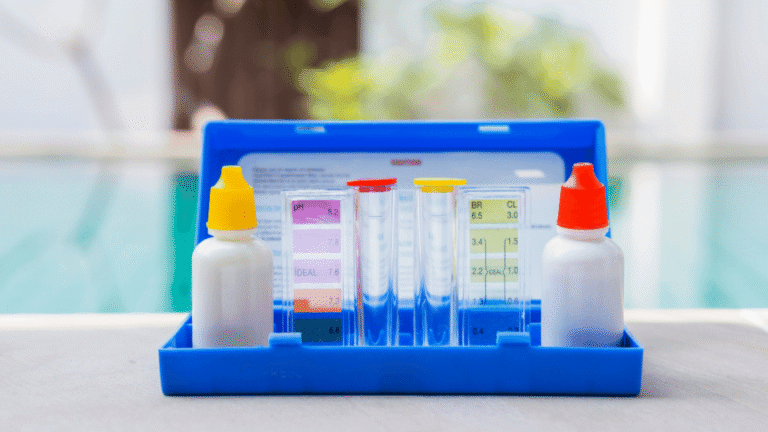
Water parameters testing kit
Aquarium Setup Guide for Beginners
Dive into the world of aquarium basics and begin your Aquarium Setup with confidence. Setting up your first fish tank is exciting — it brings a miniature underwater world into your home and teaches the essentials of water care and tank management. Choosing the right tank size matters: options range from a compact 5-gallon desktop tank to a large 45-gallon display. Keep in mind a full tank’s weight adds up quickly — water alone is roughly 8.34 pounds per gallon, so a 45-gallon tank plus gravel and stand can be several hundred pounds; pick a sturdy location and check floor or stand capacity. Start with the right equipment: a reliable filter, an appropriately sized heater and thermometer, and aquarium lighting. You’ll also need water conditioner, substrate or gravel, and a few decorations or rocks for hiding places and background interest. Adding live plants improves appearance and helps maintain water quality. Key TakeawaysAquariums commonly range from 5 to 45 gallons — choose by space, budget, and the fish you want Essential equipment includes a quality filter, heater, lighting, and water conditioner Allow at least 48 hours for initial water stabilization (filter, heater, and dechlorination) but plan for a full biological cycling period of several weeks before stocking Choose tank size and placement carefully — weight and nearby power outlets matter Live plants enhance aesthetics and contribute to water quality and biological filtrationIntroduction to the Fascinating World of Aquariums An Aquarium Setup brings a slice of the underwater world into your home and makes an inspiring, living focal point. Whether you want a relaxing hobby, a teaching tool, or a planted aquascape, understanding the basics will help you create a healthy aquarium that fits your space and lifestyle. What is an aquarium? An aquarium is a sealed or open container that holds water, fish, plants, and other aquatic life to create a small, balanced ecosystem. Aquariums come in many sizes — from tiny desktop tanks to large room-sized displays — and each size affects equipment, stocking, and maintenance needs. Benefits of keeping an aquarium Keeping an aquarium offers many benefits: it can reduce stress, improve mood, and add unique visual interest to your home. Learning water care and tank maintenance builds responsibility and an appreciation for aquatic environments, and watching fish can even have measurable calming effects. Types of aquariums Choose the type of aquarium based on your experience and goals. Freshwater aquariums are the most beginner-friendly and work well with community fish like guppies, tetras, and corydoras. Saltwater aquariums unlock colorful marine species and reef life but require more advanced water chemistry control. Planted aquariums focus on aquatic plants (Java fern, Anubias, Amazon sword) and create a lush, natural environment that supports biological filtration.Aquarium TypeDifficulty LevelSuitable ForFreshwater Beginner Tropical community fish, easy-care plantsSaltwater Advanced Marine fish, corals, invertebratesPlanted Intermediate Aquatic plants, small schooling fishFor most beginners, a 20–30 gallon freshwater aquarium is an excellent choice: it’s large enough to provide stable water conditions and room for a small community of fish while still being manageable for setup and maintenance. Remember that preparing a tank for fish includes a biological cycling period — typically 4–6 weeks — so plan your Aquarium Setup timeline accordingly. Choosing the Right Aquarium for Your SpacePicking the right tank means balancing size, location, and your lifestyle. Your choice affects how the aquarium looks in your home and how easy it is to maintain water quality and temperature for healthy fish. Understand the weight: water weighs about 8.34 pounds per gallon. Add substrate and decorations (roughly 1.5–2 pounds per gallon) plus the glass and stand—so a 45-gallon tank full of water and gravel can weigh several hundred pounds. Make sure the floor or stand can support the combined weight before you fill the aquarium. Location matters. Place the tank away from direct sunlight and heat sources to avoid temperature swings and algae problems. Most tropical freshwater fish do well between about 75° and 80°F, but always match temperature to the species you plan to keep. Plan equipment access: position the tank near a grounded outlet for filters, heaters, and lighting, and make sure there’s room to service the aquarium. Space and maintenance needs depend on the aquarium type. Freshwater setups are the easiest for beginners; popular starter fish include:Guppies Tetras Betta fish Corydoras catfish Zebra DaniosIf you move to saltwater later, consider hardy starter species like clownfish, damselfish, gobies, or blennies—saltwater tanks typically require tighter water chemistry control and more equipment. Essential Equipment for Your Underwater Ecosystem Creating a thriving aquarium requires the right equipment—choose gear that matches your tank size, the species you plan to keep, and how hands-on you want to be. The right setup makes maintaining water quality and a stable environment much easier. Filtration Systems Filtration systems remove physical debris, support beneficial bacteria, and help keep water chemistry stable. Aim for a filter that turns over the tank volume several times per hour—many hobbyists use a 3–5x turnover guideline for lightly stocked community tanks, while higher bio-loads may need faster turnover. For a 20-gallon tank this often translates to a filter rated around 60–100 gph; canister or hang-on-back filters are popular for larger tanks, while small internal filters suit desktop tanks.When to choose canister/external: larger tanks, heavy stocking, quiet operation. When to choose internal/hang-on-back: smaller tanks, budget setups, easier maintenance.Heaters and Thermometers Aquarium heaters keep the water within a stable temperature range. A common rule is 3–5 watts per gallon for tropical tanks as a starting point—adjust up if the room is cool or the tank is large. Always use a reliable thermometer and consider a heater with a built-in thermostat to avoid dangerous swings. Lighting Options Lighting showcases fish colors and supports plant growth. For basic fish-only tanks, modest LED fixtures are energy-efficient and low-heat. For planted tanks, focus on PAR (photosynthetically active radiation) or lumens suitable for your plant selection instead of relying solely on watts-per-gallon (the watts rule is outdated for modern LEDs). High-light planted tanks need stronger fixtures and possibly a CO2 system. Air Pumps and Decorations Air pumps and air stones increase surface movement and oxygen exchange—useful in heavily stocked tanks or where additional circulation is needed. Decorations—gravel or other substrate, rocks, driftwood, and background pieces—create hiding spots and visual depth. Use an appropriate substrate depth for plants and species (many hobbyists use 1–2 inches for basic setups, with about 1–2 lbs per gallon of substrate as a guideline), and position larger decorations toward the back to create a natural background and open swimming space up front.EquipmentRecommendationFilter Turnover several times/hour (3–5x for light loads; choose capacity by tank and stocking)Heater Start around 3–5 watts per gallon for tropical tanks; use thermostat controlLighting LED preferred; choose PAR/lumen level by plant needs rather than strict W/galSubstrate 1–2 lbs per gallon typical; deeper for rooted plantsUnderstanding Water Chemistry and Parameters Maintaining correct water chemistry is the foundation of a healthy aquarium. Key parameters to monitor are pH, ammonia, nitrite, nitrate, and water hardness (GH/KH). Regular testing lets you spot issues early and keep the aquarium environment stable for fish and plants. pH measures how acidic or alkaline the water is. Most common tropical freshwater species do well in a pH range near 6.5–7.5, but individual needs vary—research your chosen fish and plants and avoid sudden pH swings. Carbonate hardness (KH) acts as a buffer that helps hold pH steady. Ammonianitrite are toxic even at low concentrations. The safe target for both is 0 ppm; sustained measurable levels can damage gills and reduce oxygen transport. Nitrate is less toxic but should be kept low (many hobbyists aim for under ~20 ppm for sensitive communities) because high nitrate over time can stress fish and affect growth and breeding. Water hardnessParameterIdeal RangeEffectsAmmonia 0 ppm Toxic; causes gill and respiratory stressNitrite 0 ppm Impairs oxygen transport; toxicNitrate <20 ppm (target varies by species) Chronic stress, impacts growth and breedingpH 6.5–7.5 (species-dependent) Too high/low causes stress; match species needsGH 4–8 dGH (general guideline) Affects osmoregulation; varies by speciesHow to test and correct issues: use reliable test kits or strips for regular monitoring (weekly at minimum during setup or after changes). If ammonia or nitrite appears, perform partial water changes (10–20%) and reduce feeding; add biological enhancers (beneficial bacteria products) to speed recovery. To raise GH/KH, use aquarium-specific remineralizers; to lower hardness or pH slowly, use RO/DI water mixed with tap water or purpose-made buffers—always change parameters gradually and retest. Make sure you dose products according to instructions and consider the needs of both fish and live plants when adjusting levels. Aquarium Basics: Setting Up Your Tank Setting up your aquarium is the hands-on part of your Aquarium Setup — a few careful preparation steps will create a stable, attractive environment for fish and plants. Follow these steps to position, dress, and fill your new aquarium correctly. Preparing the Tank Start by rinsing the tank with warm water only — never use soap or household cleaners because residues can be toxic to fish. Place the tank in its final location on a sturdy, level stand that can support the filled weight. Make sure the floor and stand are rated for the combined weight of glass, water, substrate, and decorations. Double-check the place for nearby grounded outlets for the filter, heater, and lighting, and avoid spots with direct sunlight or large temperature swings. Adding Substrate and Decorations Choose substrate based on your goals: inert gravel or sand for community tanks, nutrient-rich substrate for planted aquariums. For a 20-gallon tank you’ll typically need about 30–40 pounds of substrate (the common guideline of ~1.5–2 lbs per gallon is a useful starting point) — rinse it thoroughly until the water runs clear to remove dust. Arrange larger items like rocks and driftwood toward the back to build a natural background and leave open swimming space in front. Use caves or plants to provide hiding spots. Place heavier decorations directly on the substrate and avoid sharp edges that could damage fish or silicone seams. Filling the Tank and Treating Water When you fill aquarium water, pour slowly onto a plate or saucer resting on the substrate to avoid disturbing the layout. Treat tap water with a quality water conditioner to remove chlorine and chloramine and to detoxify metals. Install the heater and thermometer, aim for a general starting temperature around 76–78°F for many tropical community fish (adjust for species), and make sure the heater is fully submerged and functioning before adding livestock.Clean tank thoroughly with warm water only Add substrate (≈1.5–2 lbs per gallon) and rinse well Position decorations for aesthetics and fish safety; create background depth Fill aquarium slowly onto a plate; treat water with conditioner Install filter, heater, and thermometer; verify operationWith equipment running and water treated, your tank is ready to begin the cycling process. For fishless cycling, add a source of ammonia (fish food or pure ammonia) and beneficial bacteria products to jump-start the nitrogen cycle — follow product instructions and monitor parameters closely during the several-week setup period. Cycling Your Aquarium: The Crucial First StepAquarium cycling establishes the beneficial bacteria colonies that convert toxic waste into less harmful compounds — the core of the nitrogen cycle. Ammonia (from fish waste and uneaten food) is converted to nitrite by one group of bacteria, and nitrite is then converted to nitrate by another group. Without a completed cycle, ammonia and nitrite can build up and harm fish. How long it takes: most new aquarium setups form a stable bacterial community in about 4–8 weeks, depending on temperature, stocking, and whether you seed the tank with bacteria. During cycling, maintain stable conditions (avoid big daily pH or temperature swings). Aim for comfortable tropical temperatures around 76–82°F for most setups — higher temperatures speed bacterial activity but can stress some fish and plants, so match the temperature to your target livestock. Testing schedule and safe thresholds: test ammonia, nitrite, and nitrate regularly — every few days during active cycling, then weekly once established. The safe targets are 0 ppm for ammonia and nitrite; nitrates will rise as the cycle completes and are ideally kept below ~20 ppm for sensitive communities. If ammonia spikes above ~0.25–0.5 ppm, perform a partial water change (10–20%) and reduce any sources of ammonia (feed less, remove decaying matter).ParameterAcceptable Range / GoalTesting Frequency (during cycle)Ammonia 0 ppm (action if >0.25–0.5 ppm) Every 2–3 daysNitrite 0 ppm (end goal) Every 2–3 daysNitrate Detectable during cycle; keep <20 ppm for sensitive tanks Every 3–7 daysTwo common cycling methods:Fishless cycling (recommended): add a controlled ammonia source (pure ammonia or a measured amount of fish food) and optionally a bottled beneficial bacteria product to establish bacteria without exposing fish to toxins. This method is kinder and allows you to bring ammonia/nitrite to measurable levels for bacteria to colonize safely. Fish-in cycling (less recommended for beginners): add a few hardy fish and monitor carefully. Keep feeding minimal, test frequently, and perform small, regular water changes to keep ammonia and nitrite in safe ranges.Practical timeline example (fishless): Day 0 — set up tank, add substrate, start filter and heater; Day 1 — dose ammonia or fish food and add bacteria starter; Week 1–2 — monitor levels, add bacteria as directed; Week 3–6 — watch ammonia and nitrite peak and fall; when ammonia and nitrite are consistently 0 and nitrates are present, the tank is cycled and ready for gradual stocking. Throughout, make sure you adjust only one parameter at a time, perform partial water changes as needed, and avoid rapid temperature swings. Selecting Fish for Your AquariumChoosing the right fish is vital to a healthy Aquarium Setup. Think about tank size, water parameters, temperament, and long-term adult size to create a compatible, low-stress community. Popular Beginner-Friendly Fish Species These species are forgiving and make great first fish for a freshwater aquarium:Guppies — colorful, livebearers, easy to feed Tetras (neon, cardinal) — small schooling fish that thrive in groups Bettas — bright and hardy, best kept singly or in carefully planned communities Corydoras catfish — peaceful bottom-dwellers that help clean the substrateFor saltwater beginners, hardy options include clownfish, damselfish, gobies, and blennies — but note that saltwater tanks generally require tighter water chemistry control. Compatibility Considerations — Do / Don’tDo check temperament: avoid mixing aggressive species with peaceful community fish. Do match water needs: schooling species prefer consistent temperatures and pH suited to their group. Do consider adult size: plan stocking around full-grown fish, not juvenile size. Don’t overcrowd: avoid impulse additions — add fish slowly over weeks to let filtration and bacteria adjust. Don’t mix very different water types (e.g., freshwater and saltwater species).Stocking Guidelines and Quick Reference Stock carefully — understocking is safer than overstocking. Here are common minimums and group suggestions for beginner species:Fish TypeMinimum Tank SizeGroup SizeGuppies 10 gallons 3–5Neon/Cardinal Tetras 20 gallons 6+Bettas (male) 5–10 gallons 1 (or community with compatible species)Goldfish (common) 20–50 gallons per fish 1–2 (varies by species)Quick match tip: guppies and tetras prefer similar warm, slightly acidic to neutral freshwater; corydoras like soft substrate and will appreciate a group; goldfish need much larger, cooler tanks and produce more waste. Before buying, make sure you research each species’ temperature, pH, and hardness needs and use a compatibility chart or tool to double-check pairings. Introducing Live Plants to Your Aquatic EnvironmentAdding live plants turns your aquarium into a living, breathing underwater garden. Plants uptake carbon dioxide and some nitrogenous waste, help stabilize water chemistry, provide shelter for fish, and improve the natural appearance of your tank while contributing to biological filtration. Choose plants based on light needs and maintenance level. Low‑light, easy-care options for beginners include Java fern and Anubias (attach to wood or rocks) and Cryptocoryne (rooted). For mid- to high-light setups, Amazon sword and stem plants grow faster and fill space quickly. Lighting for planted tanks should be matched to plant needs. LED fixtures are efficient and run cool; rather than relying only on watts-per-gallon (an outdated rule for modern LEDs), consider PAR or lumens and the plant types you want. As a general guideline, aim for 8–10 hours of light daily for many planted tanks, reducing hours slightly if you see algae problems or increasing light intensity for demanding species. Fertilizers keep plants healthy: choose substrate fertilizers for rooted plants, root tabs for heavy root feeders, or liquid fertilizers for regular dosing through the water column. If you want faster growth and a fuller planted look, consider CO2 injection (pressurized CO2) or liquid carbon products for lower-tech tanks — dose carefully and monitor water parameters.Improves water quality and oxygen dynamics Provides shelter and breeding sites for fish Enhances natural appearance and background depth Contributes to biological filtration and nutrient uptakeTiming and setup tips: allow planted layouts to settle before heavy stocking — many hobbyists wait 2–3 weeks after planting before adding fish, though longer is better if you’re establishing a robust plant system. Make sure you check pH, GH/KH, and nitrate levels before stocking and adjust slowly. To minimize algae, balance light, nutrients, and grazing pressure (snails or algae-eating fish) and avoid direct sunlight on the tank.Plant TypeLight RequirementGrowth RateDifficultyJava Fern Low to Medium Slow EasyAnubias Low to Medium Slow EasyAmazon Sword Medium to High Moderate ModerateCryptocoryne Low to Medium Slow EasyFeeding Your Fish: Proper Nutrition and SchedulesFeeding your fish the right foods on a consistent schedule is essential for a healthy aquarium. Overfeeding is one of the most common mistakes and leads to poor water quality, algae, and sick fish—so aim for measured, species-appropriate portions. Adult community fish typically do well with one feeding per day; younger or fast-growing fish may need 2–3 small feedings. Offer only what your fish can fully consume in about five minutes and remove uneaten food promptly to prevent ammonia spikes. Different species have different dietary needs: herbivores need more plant-based matter, omnivores benefit from a mix, and carnivores require protein-rich foods. As a starting guideline, many hobbyists feed roughly 1%–3% of a fish’s body weight per day (adjust by species and activity). For nocturnal species, feed in the evening when they are active. Provide nutritional variety: use quality flakes or pellets as a staple, supplemented with frozen or freeze-dried foods, algae wafers for herbivores, and occasional live or frozen protein treats. Tailor the feeding schedule to your tank’s inhabitants and observe appetite and waste as guides to adjust portions.Fish TypeFeeding FrequencyFood Amount / NoteGuppies Once daily Small portions; variety of flakes and micro pelletsTetras Once daily Consumed within ~5 minutes; feed in small amountsBettas Once daily (or 5x/week) Protein-rich pellets or frozen foods; avoid overfeedingYoung Fish / Fry 2–3 times daily Small, frequent portions; appropriate-sized foodDo not overfeed—it’s safer to underfeed than overfeed. Adult fish can sometimes tolerate a missed meal, but juveniles need more consistent feeding. Monitor your fish and tank parameters; if you see increased waste or rising ammonia/nitrite, reduce food immediately. With a good feeding schedule and balanced nutrition, your fish will thrive and your aquarium water will stay cleaner. Regular Maintenance and Care RoutinesConsistent maintenance keeps your aquarium healthy, your water clear, and your fish thriving. Use a simple calendar of daily, weekly, and monthly tasks to make upkeep manageable and ensure filtration and water chemistry stay stable. Maintenance calendar (quick)Daily: Check fish for unusual behavior, top off evaporated water, and make sure equipment (filter, heater, lights) is running. Weekly: Test water parameters (ammonia, nitrite, nitrate, pH) and remove 10–20% of the water for a partial change as needed; siphon the substrate to remove debris. Monthly: Rinse mechanical filter media in removed tank water, replace chemical media if required, trim plants, and deep-clean glass or background as needed.Water changes and substrate cleaning Regular partial water changes remove dissolved wastes and replenish trace elements. A common approach is 10–25% weekly or 20–25% every 2–4 weeks depending on stocking and nitrate levels—adjust to your tank’s needs. Use a gravel vacuum to remove uneaten food and waste from the bottom; make sure you vacuum gently around plants and avoid removing too much beneficial substrate if using planted or seeded media. Filter care and filtration tips Filters are the heart of aquarium filtration—maintain them to protect beneficial bacteria. Clean mechanical media (sponges, pads) in tank water you remove during a water change to avoid killing bacteria with chlorinated tap water. Replace chemical media (activated carbon, resins) on the schedule recommended by the manufacturer (commonly every 4–6 weeks). Biological media should usually be left alone unless damaged—keep it wet and in tank water while cleaning other parts. Monitoring fish health and environment Watch fish daily for appetite, unusual swimming, or visible signs of illness. Keep tank temperature steady (many tropical community fish do well between 74–82°F / 23–28°C) and check the thermometer after maintenance. Test water weekly with a reliable test kit and act quickly on out-of-range readings: partial water changes, reducing feeding, and checking filter flow are common corrective steps.Use a test kit weekly (API MASTER TEST KITS or similar) When cleaning filter media, rinse in removed aquarium water — never tap water Keep spare replacement media and basic supplies on hand (carbon, replacement pads, water conditioner) Make sure you verify heater and thermometer after major maintenanceRegular, predictable maintenance prevents most issues. By testing water, caring for filters, and observing fish behavior, you’ll maintain a stable home and reduce the chance of surprises. Troubleshooting Common Aquarium Issues Aquarium problems can occur even with careful care. The most important tool for prevention and diagnosis is regular testing of water parameters (pH, ammonia, nitrite, nitrate) and observing fish behavior. Below are common symptoms, likely causes, and clear actions to fix them.SymptomLikely CauseActionCloudy or green water Free-floating algae bloom (excess light or nutrients) Reduce lighting hours/intensity, cut feeding, perform a 20–30% water change, consider an algae-eating cleanup crew; test nitrates and phosphates.Brown film on glass or decorations Diatoms (common in new aquariums) Light scrubbing, regular water changes, and patience; diatoms often decline as the tank matures.Fish gasping at surface Low oxygen, high ammonia, or chlorine in tap water Test ammonia and nitrite immediately; increase surface agitation (filter/outflow), perform a partial water change, and make sure water was treated with conditioner to remove chlorine/chloramine.High ammonia or nitrite readings Incomplete cycle, overfeeding, or overstocking Do a 10–30% water change, reduce feeding, check filter function, add beneficial bacteria boosters if desired, and test daily until levels drop.Persistent algae on plants Light/nutrient imbalance or low plant competition Adjust light duration (try 7–8 hours), dose appropriate fertilizers carefully, add fast-growing plants or algae grazers, and avoid direct sunlight.Consolidated routine fixes and checks:Test water weekly (more often if issues arise) and record results to spot trends in levels. Perform partial water changes routinely—10–25% weekly is a common approach; adjust frequency based on stocking, nitrate readings, and tank demands. Quarantine new fish for 2–4 weeks in a separate tank to prevent introducing disease to your display. When treating problems, change only one variable at a time (e.g., light or feeding), and retest to assess the effect.If you see a problem, act quickly but calmly: test first, then apply the least invasive correction (partial water changes, reduce feeding, improve filtration). Make sure you document what you change so you can repeat successful fixes and avoid compounding issues. A stable environment and consistent care are the best defenses against most aquarium problems. Conclusion Starting the aquarium hobby brings a living piece of nature into your home and rewards careful planning and consistent care. Create a realistic action plan: choose an appropriate tank size, set up reliable equipment, and learn to manage water quality and stocking over time. Quick starter recommendations: for most beginners a 20–30 gallon freshwater aquarium is a practical balance of stability and manageability; a larger 55-gallon tank is also excellent if you have the space and support. When planning, account for glass, substrate, decorations, and water weight so your stand and floor can safely carry the load. Successful fish keeping depends on steady routines more than perfect knowledge: pick the right filters, maintain regular water testing and changes, and choose fish that match your tank’s conditions. Adding live plants improves the tank’s appearance and supports biological filtration, but plan their lighting, substrate, and nutrient needs before stocking heavily. Actionable next stepsChoose your tank size (20–30 gal recommended for beginners) and confirm the place and stand can support the filled tank. Gather essential equipment: filter sized for your tank, heater + thermometer, LED lighting, substrate, and a water test kit. Set up and start the tank, then cycle it (fishless cycling recommended) — expect 4–6 weeks for a stable bacterial community. Stock slowly, research each species’ adult size and water needs, and quarantine new fish before adding them to the display.FAQ (short answers) What is an aquarium? An aquarium is a contained aquatic environment for fish, plants, and other organisms — a small ecosystem you manage for health and balance. What types of aquariums are there? Common types are freshwater, saltwater (marine/reef), planted (focus on aquatic plants), and brackish; freshwater is best for most beginners. How do I pick size and location? Pick a size that fits your space, budget, and the fish you want. Place the tank away from direct sunlight, near a grounded outlet, and on a sturdy, level stand. What equipment do I need? Basic equipment includes a filter, heater, lighting, thermometer, and water testing kit; decorations like gravel and background items improve appearance and provide hiding places. Why is water chemistry important? Water chemistry (pH, ammonia, nitrite, nitrate, GH/KH) determines fish health; test regularly and correct issues gradually to avoid stress. How do I set up the tank? Clean and level the tank, add substrate and decorations, fill aquarium slowly with treated water, install equipment, and begin cycling before stocking. What is cycling? Cycling establishes beneficial bacteria that convert ammonia to nitrite and then nitrate; fishless cycling is recommended and typically takes 4–6 weeks. How do I choose fish? Match fish to tank size and water parameters, consider temperament and adult size, and add fish gradually to avoid overloading filtration. Should I add live plants? Yes—live plants add beauty and biological benefits, but select species appropriate for your lighting, substrate, and maintenance level. How do I maintain the tank? Follow a routine of daily checks, weekly testing and partial water changes, and monthly filter and substrate care to keep the environment stable. Ready to get started? Download our Aquarium Setup Checklist or shop a beginner starter kit to simplify your setup and make sure you have the right equipment and supplies for success....
Neon Tetra Care
Neon Tetra Care: Tips for a Thriving Aquarium
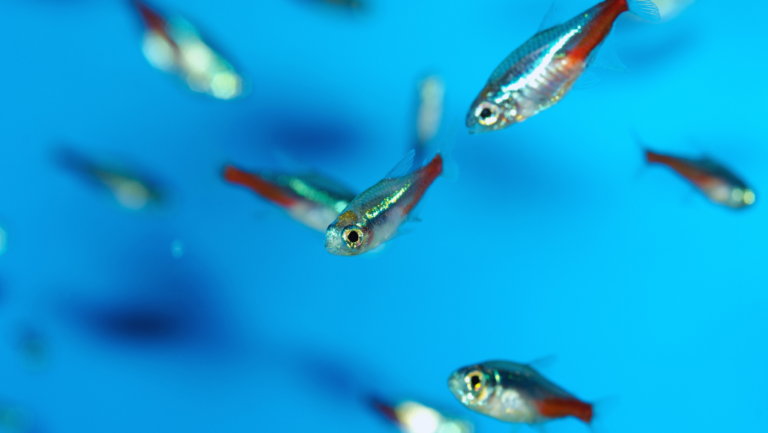
The Neon Tetra is one of the most recognizable freshwater fish, prized for its iridescent blue stripe and vivid red band. Native to the Amazon basin (rivers and tributaries in countries such as Colombia, Brazil, and Peru), these small, peaceful fish bring lively schooling behavior and bright color to planted aquariums. Caring for neon tetras means more than admiring their colors — it means building an environment that matches their natural habitat. That involves stable water chemistry, suitable tank size, compatible tankmates, and proper feeding so your neon tetras can thrive and display their best color. Neon tetras prefer soft, slightly acidic water; monitoring water parameters regularly helps prevent stress and disease. Choose calm, non-aggressive fish as companions, feed a varied diet, and provide planted, dimly lit spaces that mimic their blackwater/clearwater origins. With consistent care, neon tetras commonly live around 4–6 years in captivity; some individuals may reach longer lifespans with optimal conditions. Creating the right environment—temperature, pH, hardness, filtration, and group size—will maximize their health and longevity. Key TakeawaysNeon Tetra Care: aim for a stable temperature (about 74–79°F / 23–26°C) and slightly acidic to neutral pH (around 5.5–7.0). Tank size: provide at least a 10–20 gallon (≈40–75 L) aquarium for a small school; larger tanks are better for visible schooling behavior. Water parameters and routine testing are essential—monitor pH, temperature, and hardness to keep your fish thriving. Diet: offer varied foods (quality flakes, occasional live/frozen brine shrimp and bloodworms) to keep colors vibrant. Group neon tetras in schools (6+ individuals) so they feel secure and show natural schooling behavior. Recreate blackwater-like conditions (plants, driftwood, subdued lighting) when breeding is the goal. Protect their wild habitat: conservation of Amazonian ecosystems supports this species in the wild.Understanding the Neon Tetra: An IntroductionNeon tetras (Paracheirodon innesi) are one of the most popular small freshwater fish because of their striking iridescent blue stripe and bright red band. These tetras are a schooling species that display graceful, synchronized swimming when kept in groups — a major reason hobbyists add neon tetras to planted community tanks. The Mesmerizing Appearance of Neon Tetras Neon tetras are instantly recognizable: a slender body with a shimmering electric-blue stripe from snout to adipose fin and a vivid red stripe along the lower half of the body. Adults typically reach about 1.2–1.5 inches (3–3.8 cm) in length. Those visual cues — the blue “neon” line and red tail area — are what make neon tetras so eye-catching under subdued aquarium lighting. Origins and Natural Habitat of Neon Tetras The natural Neon Tetra habitat is the blackwater and clearwater tributaries of the Amazon Basin in South America (places in Colombia, Brazil, and Peru). In the wild they live in soft, acidic water shaded by dense vegetation and leaf litter; reproducing those conditions in the tank (soft water, tannin-rich driftwood, lots of plants, low light) helps neon tetras feel secure and show their best color. For further reading, see Keeping Tropical Fish. Social and Behavioral Aspects of Neon Tetras Neon tetra behavior is strongly social: they are true schooling fish and should be kept in groups. A minimum school size of six is often recommended for visible schooling and reduced stress, though larger groups (10+) produce more natural behavior and a striking visual effect. With consistent care and stable water conditions, neon tetras commonly live about 4–6 years in captivity; a few well-cared-for individuals may live longer. Routine maintenance — regular water changes, monitoring of water parameters, and gentle filtration — keeps neon tetras healthy and reduces the chance of disease. Helpful maintenance tips and cleaning tools can be found at Aqua Joy Life. Creating the Perfect Neon Tetra EnvironmentNeon tetras do best in aquariums that recreate their Amazonian home: soft, slightly acidic water, gentle currents, abundant plants and shaded areas. Getting the water parameters, tank layout, and filtration right gives your neon tetras the stable environment they need to thrive and display vivid color. Essential Aquarium Setup for Neon Tetras Start with the right tank size and equipment. A planted community aquarium of at least 10–20 gallons (≈40–75 L) is appropriate for a small school (6–10 fish); if you want more dramatic schooling behavior, choose a larger tank. Use a gentle, reliable filter (hang-on-back or canister with adjustable flow) to maintain water quality without creating a strong current that stresses these small fish. Provide plenty of mid-level swimming space and calm zones using driftwood, rock caves, and floating plants. Water Parameters: Achieving the Ideal ConditionsMaintain stable parameters: temperature around 74–79°F (23–26°C), pH roughly 5.5–7.0 (slightly acidic to near-neutral), and soft to moderately soft hardness (GH ~1–8 dGH). Test your water regularly — frequent monitoring prevents sudden swings that can harm neon tetras. For breeding, slightly softer, more acidic water (pH near 5.0–6.0) and lower hardness are often used to mimic blackwater conditions. Neon Tetra Tank Decorations and Plant Recommendations Live plants improve water quality and comfort. Choose low- to medium-light species that tolerate soft water, such as Java Fern, Anubias, Cryptocoryne, Java Moss, and Amazon sword. Arrange dark substrate (fine sand or dark aquarium gravel) and add driftwood or leaf litter to release tannins and create a subdued, blackwater-like tone that helps neon colors pop. Keep lighting moderate to low—this reduces stress and mirrors their shady natural habitat. Match decorations and plants with the needs of your species selections: understory plants and hiding spots benefit timid schooling fish and reduce aggression from more boisterous tankmates.Fish TypeCompatibility with Neon TetrasAverage CostGold Neon Tetra High $2 – $3Long-finned Tetra High $2.50Diamond Neon Tetra High $3Filtration, Flow, and Maintenance Choose filtration that provides biological and mechanical filtration with gentle flow—sponge filters, hang-on-back units with flow controls, or canister filters with adjustable outputs work well. Aim for low to moderate water movement; neon tetras prefer calm midwater lanes. Perform regular maintenance: 20–30% weekly water changes (or as needed based on testing), vacuum the substrate lightly, and monitor ammonia, nitrite, nitrate, pH, and hardness using a reliable water test kit. Checklist: Quick Setup SummaryTank: minimum 10–20 gallons (40–75 L) for a small school; larger for more fish. Temp: 74–79°F (23–26°C). pH: 5.5–7.0; breeding may require ~5.0–6.0. Hardness: soft to moderately soft (GH ~1–8 dGH). Filtration: biological + mechanical, gentle flow (sponge, HOB, or canister with flow control). Substrate & decor: dark substrate, driftwood/leaf litter, plenty of plants (Java Fern, Anubias, Crypts, Java Moss). Group size: 6+ neon tetras; 10+ preferred for natural schooling.Following these setup and water parameters recommendations helps neon tetras stay healthy, reduces stress, and increases the likelihood of breeding in a planted home aquarium. For step-by-step product suggestions (filters, test kits, plant packages), consider a starter bundle linking tested equipment and plant lists to get your tank stable quickly. Feeding Your Neon Tetra: A Balanced DietA balanced diet is one of the easiest ways to keep neon tetras healthy and colorful. These small omnivores do best on a mix of high-quality dry foods plus occasional live or frozen treats to supply protein, vitamins, and variety that support vibrant color and overall health. Food Varieties and Nutritional Needs for Neon Tetras Offer a base diet of quality flake or micro-pellets formulated for small tropical fish. Look for products with a good mix of protein and plant matter (many hobbyists use flakes or pellets with roughly 30–40% protein—avoid extremely high-protein specialist feeds meant for larger carnivores). Supplement the dry foods several times a week with live or frozen options such as brine shrimp, daphnia, microworms, and bloodworms to enhance color and vitality.Variety is key in the Neon Tetra diet—alternate flakes/pellets with live/frozen foods. Introduce live foods like brine shrimp and bloodworms periodically to boost color and natural foraging behavior. Include small amounts of plant matter (blanched spinach or crushed peas) occasionally for fiber.Feeding Frequency and Portion Sizes Feed small amounts 1–2 times per day or offer several very small feeds throughout the day. A useful rule: only provide what the school consumes within 2–3 minutes. Overfeeding leads to poor water quality, which directly harms neon tetras. Practical portion guideline: for a small school (6–10 neon tetras), a pinch of flakes or a few micro-pellets per feeding is usually enough; adjust by observing how quickly the food is eaten. If uneaten food remains after 3 minutes, reduce the next feeding.Tip: feed complete meals in short bursts—this reduces waste, stabilizes water parameters, and encourages natural schooling feeding behavior.Supplements, Treats, and Food Preparation Supplements are optional but can help recovery or coloration after illness. Use vitamin-enriched flakes or occasional immune-boosting supplements when recommended by a vet or experienced hobbyist. Treats like frozen daphnia or thawed brine shrimp are safe and attractive to neon tetras—thaw frozen foods in tank water and strain excess liquid to avoid contaminating the tank. If you culture live foods (e.g., brine shrimp nauplii or microworms), ensure hygiene to prevent introducing parasites. Avoid feeding citrus fruits; small amounts of blanched peas are a safer plant-based treat. Keeping feeding consistent and monitoring nitrate levels with a reliable test kit helps maintain a healthy environment. For supplies, check trusted sources for flakes, pellets, and live/frozen brine shrimp products. Following these feeding guidelines will help your neon tetras maintain bright colors and stay active for years with proper overall care. The Social Community: Choosing Compatible Tank Mates for Neon TetrasNeon tetras are peaceful, visual schooling species that do best in calm community aquariums. When selecting tankmates, match water parameters (temperature, pH, hardness), temperament, and swimming level so all fish can thrive. Choosing non-aggressive, small-bodied companions helps neon tetras feel secure and reduces stress-related color loss or illness. Consider the specific needs of potential tank mates neon candidates: some bottom-dwellers need fine substrate and hiding places; midwater swimmers require open lanes; and all should tolerate soft, slightly acidic water common for neon tetras. Examples and general notes on common companions:SpeciesGroup SizeWater PreferenceCompatibility NoteZebra Danios At least 5 Temperate to warm, pH 6.5–7.5 Active but generally peaceful; can be more boisterous—monitor compatibility in smaller tanksHarlequin Rasboras 6 or more Slightly acidic to neutral, 72–79°F Peaceful, visually complementary; excellent midwater companionsOtocinclus Catfish 3 to 5 Soft, slightly acidic, similar temp Great algae eaters; peaceful bottom dwellers that help keep the tank cleanCherry Barbs 5 to 6 (more females) Slightly warmer, adaptable Generally compatible if stocking favors more females to limit male aggressionKuhli Loaches 3–6 Soft, slightly acidic Nocturnal, peaceful bottom dwellers that won’t disturb midwater neon tetrasDo / Don’t Checklist for Tankmate SelectionDo choose small, peaceful, non-aggressive fish that share similar tank conditions (temp ~74–79°F / pH ~5.5–7.0). Do add companions in suitable group sizes—many community species are schooling themselves and appreciate company. Don’t add large or aggressive fish that may bully or eat neon tetras (cichlids, large barbs, aggressive gouramis). Don’t mix species with very different water parameter needs (e.g., very hard/alkaline water species).Three Safe Community Layout Examples10–20 gallon tank: 8–10 neon tetras + 3 Otocinclus + 1–2 kuhli loaches (plenty of plants and hiding spots). 20–40+ gallon planted tank: 12–15 neon tetras + 6 Harlequin Rasboras + 3 Corydoras (ample midwater and bottom structure). Larger community (40+ gallons): 20 neon tetras + small school of Celestial Pearl Danios or peaceful small rasboras + 4–6 shrimp or Otos for algae control (ensure shrimp compatibility and plenty of cover).Other good companions sometimes recommended include Dwarf Gouramis (monitor for male aggression), Celestial Pearl Danios, and small peaceful catfish. Always research each species’ specific conditions (pH, temperature, diet) before adding them to the tank. Choosing the right freshwater fish species and matching parameters ensures your neon tetras and their tankmates will thrive together. For an easy decision, try a compatibility chart or quiz to match species by temperament and water needs before you buy. Conclusion Caring for Neon Tetra is a rewarding mix of simple daily routines and attention to water chemistry and community dynamics. These colorful freshwater fish come from the Amazon Basin, where soft, tannin-rich waters and dense plant cover shape their behavior and needs. Recreating those stable conditions in your tank will keep neon tetras healthy, colorful, and active. Quick Reference: Verified Care ParametersParameterRecommended RangeTemperature 74–79°F (23–26°C)pH 5.5–7.0 (breeding often uses ~5.0–6.0)Hardness (GH) Soft to moderately soft: ~1–8 dGHTank size Minimum 10–20 gallons (40–75 L) for a small school; larger preferred for visible schoolingGroup size 6+ (10+ recommended for best schooling)Diet High-quality flakes/pellets + occasional live/frozen brine shrimp, daphnia, bloodwormsLifespan Commonly 4–6 years in captivity; some may live longer with excellent careSigns of Illness & First-Aid Steps Common issues include stress-related color loss, fin rot, ich, and bacterial infections (often grouped under “neon tetra disease” in hobbyist resources). Watch for faded color, clamped fins, lack of appetite, erratic swimming, or white spots. If you spot symptoms:Check water parameters immediately and perform a partial water change (20–30%). Quarantine sick fish when possible to prevent spread. Adjust temperature and maintain stable conditions; treat diagnosed diseases with targeted medication per label instructions. Address root causes: poor water quality, overcrowding, or incompatible tankmates.Breeding Overview Breeding neon tetras requires blackwater-like conditions: dim light, soft acidic water (pH ≈5.0–6.0), and fine-leaved plants or spawning mops. Use a separate breeding tank to protect eggs and fry; parents may eat their own eggs. Maintain very gentle filtration and keep water spotless during the spawning and rearing period. Final Notes & Resources Consistent care—stable water parameters, a balanced food plan, proper tank size, and suitable tank mates neon—is the key to healthy neon tetras. For a printable checklist (“Everything you need to know”) and a shopping bundle (test kit + recommended filter + plant list), consider linking to trusted suppliers and community guides. Protecting their Amazonian home matters too: conservation of wild habitats helps sustain neon tetra populations and the ecosystems they depend on. Frequently Asked Questions Q: How do I properly care for Neon Tetras? A: Maintain stable water (74–79°F / 23–26°C; pH 5.5–7.0), soft-to-moderate hardness, weekly partial water changes, gentle filtration, varied diet, and schools of 6+. Monitor water parameters regularly and avoid overcrowding. Q: What does a Neon Tetra’s natural habitat look like? A: They originate from shaded, tannin-stained streams and tributaries of the Amazon Basin (places in Colombia, Brazil, and Peru) with soft, slightly acidic water and heavy plant cover. Q: Can you describe the typical behavior of Neon Tetras? A: Neon tetras are peaceful, schooling tetras that prefer midwater lanes. They are shy but active in groups and rarely aggressive when kept with compatible species. Q: What’s the lifespan of a Neon Tetra in captivity? A: Expect 4–6 years on average with good care; exceptional individuals may live longer under ideal conditions. Q: What is the ideal tank setup for Neon Tetras? A: A planted 10–20+ gallon tank with dark substrate, driftwood/leaf litter for tannins, moderate lighting, gentle filtration, and room for schooling movement is ideal. Q: How do breeding conditions differ for Neon Tetras? A: Breeding uses softer, more acidic water (pH ~5.0), dim lighting, and a separate breeding tank to protect eggs and fry. Q: What decorations are best for a Neon Tetra tank? A: Live plants (Java Moss, Anubias, Java Fern, Cryptocoryne), driftwood, leaf litter, and smooth rocks—avoid sharp decor that can damage fins. Q: What are the ideal diet and feeding guidelines for Neon Tetras? A: Feed quality flakes or micro-pellets as a staple, supplement with brine shrimp, daphnia, or bloodworms occasionally, and provide small portions that are consumed within 2–3 minutes to prevent overfeeding. Q: How should supplements and treats be used in a Neon Tetra’s diet? A: Use fortified flakes or occasional vitamin supplements when recovering from illness or to enhance color; rely mostly on a balanced diet and fresh/frozen treats for variety. Q: What are some compatible tank mates for Neon Tetras? A: Compatible companions include small, peaceful species such as harlequin rasboras, otocinclus, corydoras, and other non-aggressive schooling fish—avoid large or aggressive species....
Zebra Danio Care
Zebra Danio Care: Tips for a Thriving Aquarium
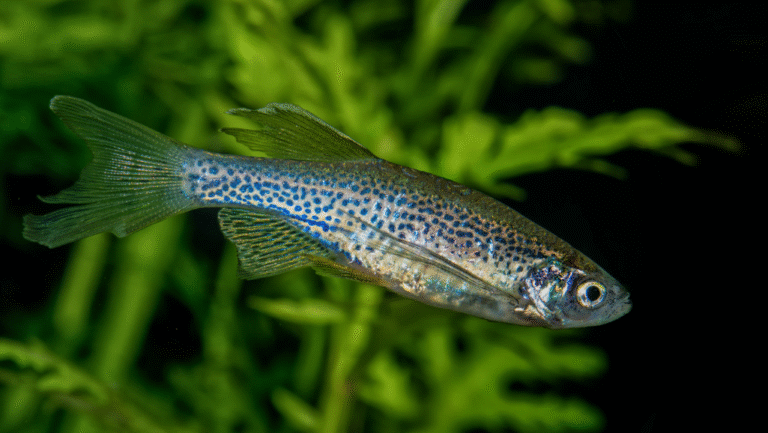
Meet the zebra danio, a small, spirited freshwater fish that brings motion and color to any aquarium....
Mbu Puffer
Mbu Puffer: Unique Freshwater Puffer Fish
Meet a giant of the aquarium world. The mbu puffer (Tetraodon mbu) is a striking freshwater species from...

Leave a Reply

Your email address will not be published. Required fields are marked *