New Tank Syndrome: if you’re starting with aquariums, this common problem can quietly threaten your fish and your hard work. Toxic ammonia and nitrite spikes in a new tank can cause harm in as little as days and commonly present risks across a two- to twelve-week window as the aquarium nitrogen cycle establishes itself—so act quickly and test often.
Watch for early warning signs: sluggish or gasping fish, reduced appetite, or cloudy water. If you spot any of these, test the water immediately and follow quick emergency steps (partial water change, increase aeration, reduce feeding) to protect your livestock.
Remember: building reliable biological filtration takes time—typically about four to six weeks—so avoid adding many fish at once. Seeding a new aquarium with mature filter media or reputable bacterial supplements can help, but always take precautions to avoid transferring disease.
Follow trusted aquarium care practices like those linked here (aquarium care practices) and keep a simple routine: test, change a portion of the water when needed, add fish slowly. With patience and regular checks, you can prevent New Tank Syndrome and keep your tank healthy.
Key Takeaways
Quick actions now can stop New Tank Syndrome from becoming deadly—test, act, and add fish slowly.
- Test immediately: Check ammonia and nitrite levels at the first sign of stress—testing is the fastest way to detect trouble.
- Act fast on high ammonia: Ammonia is toxic even at low levels (toxicity depends on pH and temperature); if tests show any ammonia, perform partial water changes and increase aeration.
- Build biological filtration: Beneficial bacteria need time—expect about four to six weeks for a new tank’s filter to mature.
- Add fish gradually: Introduce only a few fish at a time so the tank can stabilize and bacterial colonies can keep up with waste.
- Understand the nitrogen cycle: Knowing how ammonia → nitrite → nitrate works helps you prevent spikes and manage levels.
- Use fish-less cycling when possible: Fish-less cycling or seeding with mature filter media speeds up the process and reduces risk to live fish.
- Regular maintenance: Routine water changes and monitoring of levels keep the tank healthy—establish a simple testing and water-change schedule.
Understanding New Tank Syndrome and Its Impact on Aquatic Life
New Tank Syndrome occurs when a new aquarium (or an older tank that loses its beneficial bacteria) cannot establish stable biological filtration. During this period the aquarium nitrogen cycle is not yet fully functional, so ammonia and nitrite levels can rise and injure or kill fish if you don’t monitor and act.
Definition of New Tank Syndrome
New Tank Syndrome is essentially a failure—or immaturity—of the biological filter. Without sufficient colonies of nitrifying bacteria, ammonia (from fish waste and uneaten food) accumulates and converts to nitrite, both of which are toxic at elevated levels. This problem can affect any new aquarium and can reappear in established tanks after heavy cleaning, medication, or filter media loss.
Common Symptoms in Fish Due to New Tank Syndrome
- Reduced appetite, lethargy, or hiding
- Gasping at the surface or rapid gill movement
- Cloudy water and increased slime production
- Reddened or inflamed gills in severe cases
When you see these signs, test immediately for ammonia and nitrite and take corrective action (see checklist below). Early detection through testing is the best way to protect your fish.
The Duration Required for Biological Filtration to Mature
Building a stable biological filter usually takes about four to six weeks in a typical new tank, though conditions such as temperature, initial stocking, and added bacteria can shorten or lengthen that window. During this time, make sure to test water regularly (ammonia, nitrite, nitrate) and avoid adding many fish at once.
If you want to speed up cycling, seeding the new aquarium with mature filter media from a healthy tank or using a reputable bacterial supplement can help—but be cautious: transferring media can also transfer pathogens. If you do seed media from another tank, quarantine new fish and inspect for disease first. Practical immediate checklist: test ammonia/nitrite/nitrate, perform partial water changes if levels are elevated, reduce feeding, increase aeration, and add mature media or trusted bacteria products when appropriate.
The Critical Role of the Aquarium Nitrogen Cycle
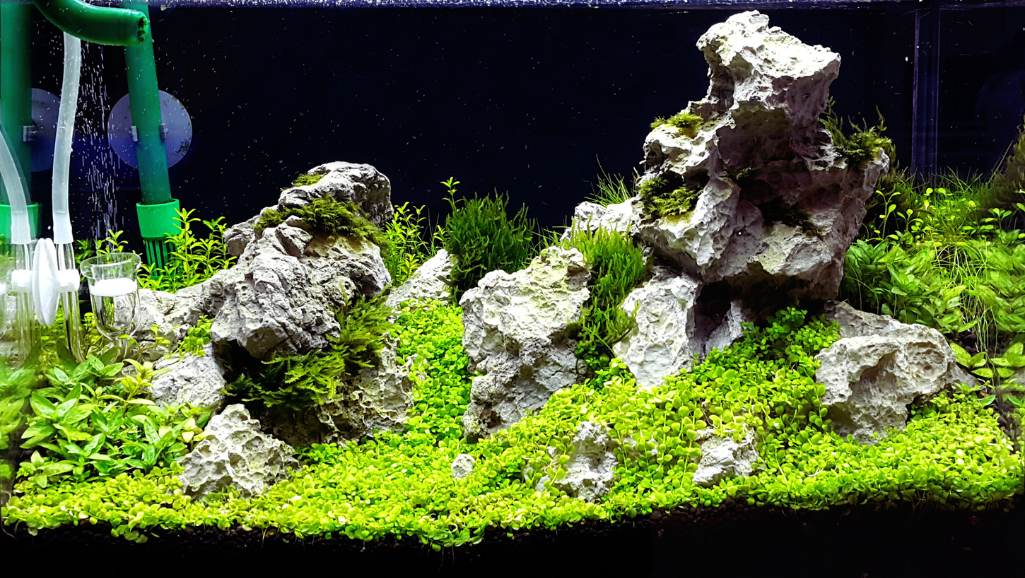
A healthy fish tank depends on the fish tank cycling process: a natural sequence of chemical conversions driven by beneficial bacteria that turns toxic waste into less harmful compounds. Understanding this nitrogen cycle prevents New Tank Syndrome and helps you manage water quality while the filter matures.
Breaking Down the Stages of the Nitrogen Cycle
When a new tank is set up, waste from fish and uneaten food releases ammonia. Nitrifying bacteria colonize the filter and other surfaces, converting ammonia into nitrite, and then another group of bacteria convert nitrite into nitrate. Each stage reduces toxicity, but both ammonia and nitrite are dangerous at elevated levels.
- Common test-value guidance (typical goals): ammonia ≈ 0 ppm, nitrite ≈ 0 ppm (keep well under 0.5 mg/L), nitrate < 20–40 ppm depending on species—monitor and adjust per your fish’s needs.
- Initial bacterial growth often becomes evident within the first week, but reliable nitrite-to-nitrate conversion commonly develops over several weeks; many tanks reach steady-state in about four to six weeks.
- If nitrite spikes occur, temporary measures (partial water changes, increased aeration) help while you support bacterial establishment.
How Beneficial Bacteria Convert Toxic Waste into Safer Products
Beneficial bacteria (the filter bacteria) live on surfaces and in filter media; roughly most of your colony is concentrated in the filter where there is high oxygen and surface area. These bacteria consume ammonia and nitrite as energy sources, transforming them into nitrate. Nitrate is far less acutely toxic than ammonia or nitrite, but it must be managed via water changes or plant uptake to prevent long-term stress.
Practical, non-branded ways to manage the cycle:
- Fish-less cycling: add an ammonia source (pure ammonia or decaying food) and monitor ammonia → nitrite → nitrate until the cycle completes before adding fish.
- Seeding with mature filter media: transfer a small portion of media from a healthy filter to jump-start bacteria—do this carefully to avoid transferring disease.
- Use trusted bacterial supplements from reputable sources to speed colonization when needed; these complement, not replace, good cycling practices.
Keep test kits on hand and log ammonia, nitrite, and nitrate regularly during the first weeks. Managing the nitrogen cycle with regular testing, cautious stocking, and steady maintenance keeps your tank stable and minimizes the chance of New Tank Syndrome.
How Fast Will New Tank Syndrome Kill a Fish

New Tank Syndrome can injure or kill fish quickly if ammonia and nitrite spike and you don’t respond. Larger or high-biomass setups can develop dangerous levels faster because they produce more waste, but small tanks with many fish are also at high risk. The key is recognizing symptoms fast and prioritizing emergency steps.
Emergency steps (first 24 hours)
If you suspect toxic ammonia or nitrite levels, follow this prioritized checklist:
- Test first: Measure ammonia, nitrite and pH immediately to know what you’re dealing with.
- Partial water change: Perform an immediate partial change (commonly 25–50%) using dechlorinated water that matches tank temperature and pH—this dilutes toxins and reduces acute stress.
- Increase aeration: Boost oxygen with an air stone or increased filter flow to help fish breathe as gill function is impaired by ammonia.
- Reduce waste input: Stop feeding for 24 hours and remove any uneaten food or excess detritus to lower further ammonia production.
- Seed beneficial bacteria: Add a small amount of mature filter media or a trusted bacterial supplement to speed colonization—handle media carefully to avoid introducing pathogens.
Important caveats: match temperature and pH when doing large water changes to avoid shock, and use multiple smaller changes if you cannot match parameters precisely. Ammonia toxicity is influenced by pH and temperature—higher pH and temperature increase the proportion of toxic un-ionized ammonia.
Remember: signs of ammonia poisoning include rapid gill movement, gasping at the surface, lethargy, and inflamed gills. If fish continue to decline after emergency measures, consult a local aquatic vet or experienced hobbyist group.
Being patient and testing water often is crucial when treating ammonia in fish tanks. Spotting ammonia poisoning signs early can save lives.
Stabilizing chemical levels in a new tank typically takes weeks as bacterial colonies grow. Daily testing during the first days and weekly monitoring thereafter will help you spot nitrite or ammonia spikes early and act before they become lethal.
Preventing Fish Tank Ammonia Spikes: Tips and Methods

Preventing ammonia spikes is one of the best ways to keep a new tank healthy. Spikes most often come from overstocking, overfeeding, or inadequate filtration—so a clear plan for stocking, feeding, and maintenance will reduce risk and protect your fish.
Here are focused, practical steps you can take:
- Stock carefully — introduce fish gradually: Start with just a few hardy fish rather than many fish at once. For example, add 1–2 small community fish to a small tank and wait a week or more before adding more so the bacteria can keep up with increased waste.
- Establish a feeding routine: Feed only what fish consume in 2–3 minutes, once or twice a day. Excess food breaks down into ammonia—manageable feeding prevents spikes.
- Monitor and test water regularly: Test water weekly during cycling (ammonia, nitrite, nitrate, pH). In the early days test daily or every other day until values stabilize. Keep a log so you spot trends early.
- Regular water changes: Do routine water changes (commonly 10–20% weekly) to dilute waste and nitrates; in new tanks increase frequency as needed. For emergencies, larger partial changes are appropriate—see emergency guidance in the plan.
- Boost biological filtration: Use sufficient filter capacity sized for your tank and consider seeding with mature filter media or adding trusted beneficial bacteria supplements to accelerate colonization. Avoid over-cleaning filter media—clean gently to preserve beneficial bacteria.
Additional tips: vacuum substrate to remove trapped waste, avoid keeping too many sensitive species in a new tank, and match stocking plans to the tank’s filtration and intended species. If you own multiple tanks, be cautious when transferring media between tanks—this speeds cycling but can also move pathogens unless handled properly.
By following a simple maintenance schedule—test water, change a portion of water, tidy the substrate, and add fish slowly—you minimize ammonia-related problems and create a stable environment for your fish and plants.
“An ounce of prevention is worth a pound of cure.” A consistent routine now prevents stressful and toxic spikes later.
Diagnosing and Treating Ammonia Poisoning in Fish Tanks
Water quality is the foundation of a healthy aquarium, and ammonia is one of the most dangerous water chemistry problems you can face. Knowing how to diagnose New Tank Syndrome and respond quickly to ammonia spikes can mean the difference between recovery and fish loss.
Common signs of ammonia or nitrite stress include lethargy, loss of appetite, rapid gill movement or gasping at the surface, and changes in gill color. If you spot these, test immediately and follow an ordered response.
Tools and Techniques for Testing Water Parameters
- Ammonia test kits: Use a reliable liquid or strip test to measure total ammonia; repeat tests until levels are stable.
- pH meters or test kits: pH affects ammonia toxicity—the same ammonia concentration is more toxic at higher pH.
- Nitrite and nitrate kits: Monitor nitrite levels as part of the nitrogen cycle; persistent nitrite indicates incomplete cycling.
Order of operations — Immediate actions to mitigate high ammonia
- Test first: Confirm ammonia and nitrite concentrations and record pH and temperature.
- Perform partial water changes: Replace 25–50% of the tank water with dechlorinated water that matches temperature and pH to dilute toxins safely.
- Increase aeration and circulation: Add air stones or boost filter flow to improve oxygen levels and reduce stress on gills.
- Reduce input: Stop feeding for 24 hours and remove uneaten food and visible waste to prevent further ammonia production.
- Use ammonia-reducing products carefully: Ammonia binders can provide short-term relief by converting ammonia to less toxic forms; they do not replace long-term cycling and should be used as a temporary measure.
- Introduce beneficial bacteria or seed media: Add bacterial supplements or a small portion of mature filter media to accelerate nitrifier establishment—handle media cautiously to avoid moving pathogens.
Practical thresholds to watch for (subject to species tolerance): many hobbyists take action if ammonia exceeds ~0.25 ppm or if nitrite is detectable; exact thresholds depend on pH, temperature, and species sensitivity—test and act conservatively. If fish are not improving after emergency measures, seek advice from an aquatic veterinarian or experienced local keeper.
Stabilizing Your Fish Tank Water Parameters for a Healthy Habitat
Keeping a new tank healthy means actively managing fish tank water parameters while the aquarium nitrogen cycle finishes establishing. Regular monitoring and gentle, consistent maintenance protect fish from sudden swings in ammonia, nitrite, pH, temperature, and oxygen levels.
- Regular water changes: Routine partial changes (commonly 10–20% weekly) help dilute nitrates and other buildup. Avoid changing more than ~50% at once unless you must—large swaps risk shocking fish if temperature or pH differ.
- Use plants strategically: Live plants absorb nitrate and help stabilize water quality. Aim for good plant coverage to support filtration, but understand “25% coverage” is a practical guideline—not a fixed rule—and suitability depends on tank size and species.
- Maintain steady pH: Sudden pH shifts stress fish. Target pH and acceptable ranges depend on species (many community setups do well between ~6.5–7.5); make changes slowly and test often to make sure levels remain stable.
- Control temperature carefully: Keep tank temperature consistent and avoid direct sunlight or drafts; change temperature gradually to prevent shock. Match replacement water temperature when doing water changes.
Good biofiltration is essential: much of your filter bacteria (the nitrifying colonies) live on filter media and surfaces where water moves. Provide adequate filter size and flow to give bacteria surface area and oxygen—their activity directly controls ammonia and nitrite levels.
Quick weekly checklist to stabilize water quality:
- Test ammonia, nitrite, nitrate, and pH at least weekly during cycling (more often in the first days).
- Perform a 10–20% water change weekly; increase frequency in new or heavily stocked tanks.
- Clean filters gently—rinse media in tank water, don’t scrub away all bacteria.
- Check temperature and oxygen/flow; add aeration if fish gasp at the surface.
Make sure you match care to your chosen species: some need softer, more acidic water or different temperature ranges. With steady testing, cautious water changes, and proper filter media care, you’ll keep water quality stable and give your fish the best chance to thrive.
Conclusion
Creating a thriving aquarium comes down to balance: a working biological filter, stable water quality, and careful stocking. New tank syndrome remains a leading cause of early fish loss, so understanding ammonia toxicity and allowing time for beneficial bacteria to grow is essential.
Follow the fish tank cycling process before heavy stocking—adding too many fish too soon is the most common mistake, even if initial ammonia tests read low. Regular partial water changes, routine testing, and live plants all help manage toxins and support a healthy tank environment.
Starting a new tank is rewarding but requires patience. Learn species-specific needs (temperature, pH, hardness) and use reputable care guides like Aqua Joy Life for reference. If you’re unsure, quarantine new fish, test water regularly, and reach out to local aquarium clubs or an aquatic vet for help.
FAQ
What is New Tank Syndrome and how fast can it kill fish?
What are the common symptoms in fish due to New Tank Syndrome?
How long does it take for biological filtration to mature in a new aquarium?
What are the stages of the nitrogen cycle in an aquarium?
How do beneficial bacteria convert toxic waste into safer products?
How can you prevent ammonia spikes in a new fish tank?
What immediate actions can be taken to mitigate high ammonia levels in fish tanks?
How can you stabilize water parameters in a fish tank?