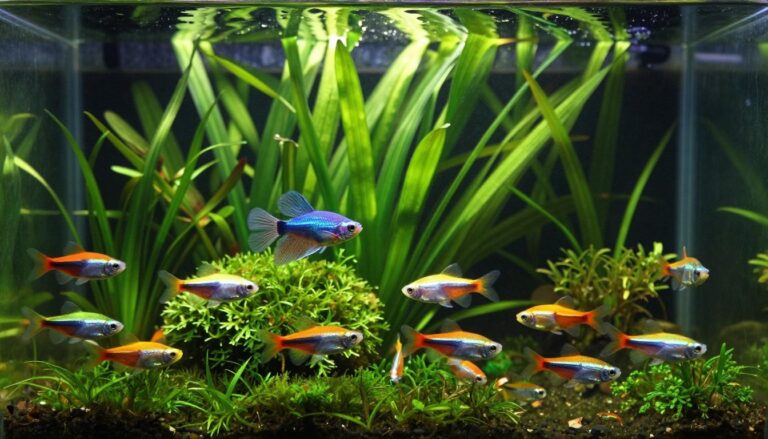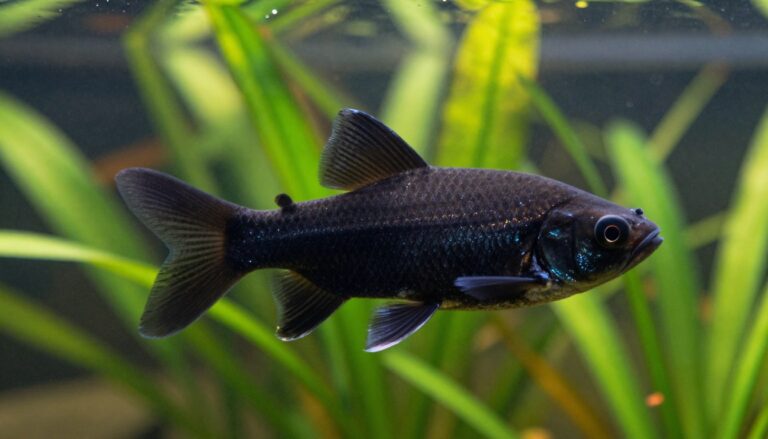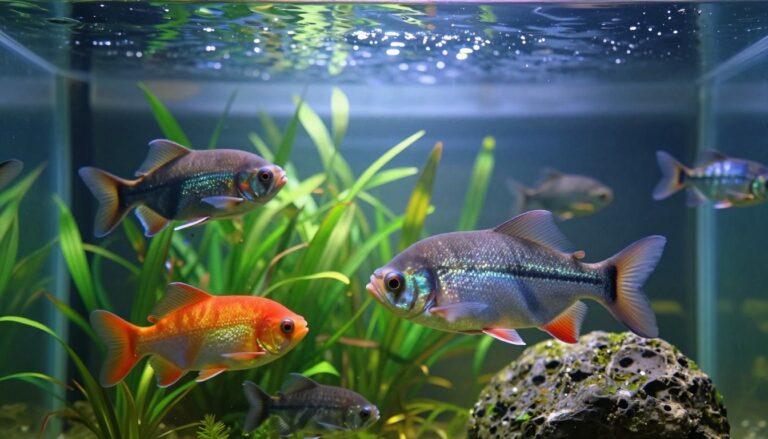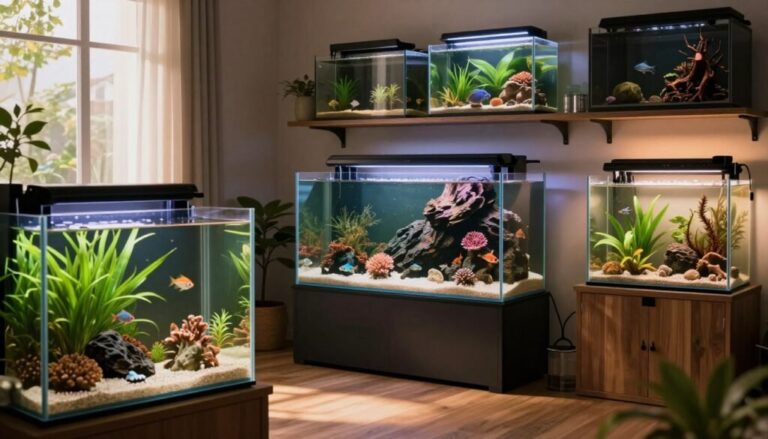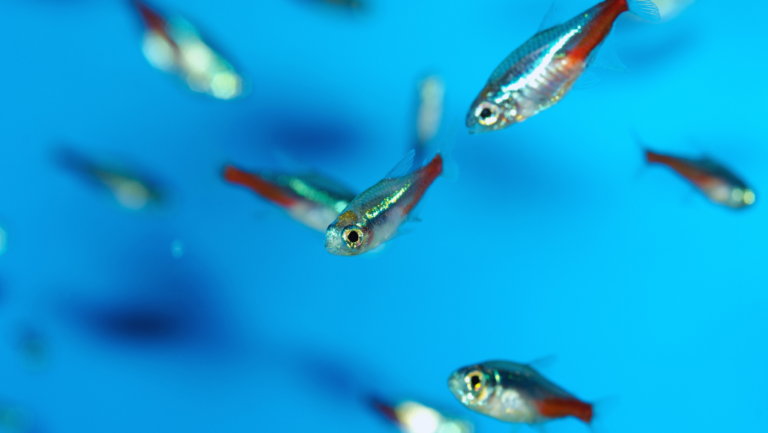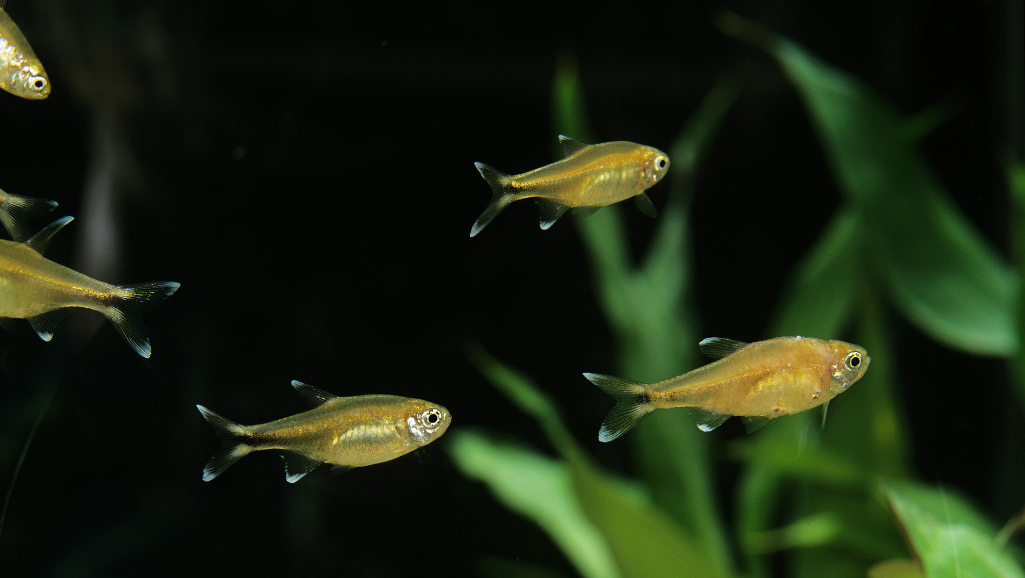
The Silvertip Tetra (Hasemania nana) is a striking small freshwater fish from Brazil, prized for its bright orange, silver-tipped fins and active, schooling nature. Friendly and hardy, it’s an excellent choice for beginners building a colorful community aquarium.
Silvertip Tetras thrive in groups (they love to swim together) and reach about 1.2–2 inches as adults. With consistent care they typically live around 3–5 years in captivity. They’re widely available for sale and are an affordable way to add lots of movement and quality to your tank. Read on for practical care, feeding, breeding tips, and setup advice.
Key Takeaways
- Silvertip tetras are active, colorful fish that shine in peaceful community setups.
- Hardy and adaptable when kept in stable conditions, they make a great pick for beginners.
- Keep them as a schooling fish: minimum 6 individuals, ideally 8–20 depending on tank size, to encourage natural behavior.
- With proper care, these small freshwater fish add long-lasting vibrancy to your aquarium.
- Omnivorous diet needs variety—flakes or nano pellets plus live/frozen supplements ensure good health.
- They’re generally low-maintenance but can be susceptible to common issues (Ich, fin rot); maintain water quality and quarantine new additions.
- Provide warm, stable water, a slightly acidic to neutral pH, and lots of planted space for best results — see Care and Breeding sections below for setup and feeding tips.
Introduction to Silvertip Tetra
Silvertip Tetra (Hasemania nana) is a lively, colorful member of the characid order prized in the aquarium trade. Native to Brazil—including populations reported from the São Francisco River basin—this small fish is admired for its energetic schooling behavior and bright, silver-tipped fins. Its hardy nature and peaceful temperament make it a favorite for community tanks.
Overview of the Species
Adults typically range from about 1.2 to 2 inches in length, depending on diet and aquarium conditions. Described scientifically in the 19th century, Hasemania nana is a classic small tetra: active, social, and best kept in groups to display natural behavior. As a schooling species, it relies on conspecifics for security and vibrant displays.
Natural Habitat and Distribution
In the wild, Silvertip Tetras inhabit slow-moving streams and tributaries with a mix of clear, blackwater and tannin-stained waters. They tolerate a range of conditions but prefer warmer water and slightly acidic to neutral pH. Typical recommended captive ranges reflect this natural tolerance: water temperatures around 74–82°F and pH roughly 6.0–7.5, though they can accept a bit wider variation if changes are gradual and stable.
Because they are adaptable to different water types and plant-rich environments, Silvertip Tetras transition well into planted community aquariums. Their omnivorous diet in the wild includes small invertebrates and plant matter, so provide a mix of quality flake/pellet foods plus live or frozen protein to match natural foods and support optimal growth.
Physical Characteristics of Silvertip Tetra
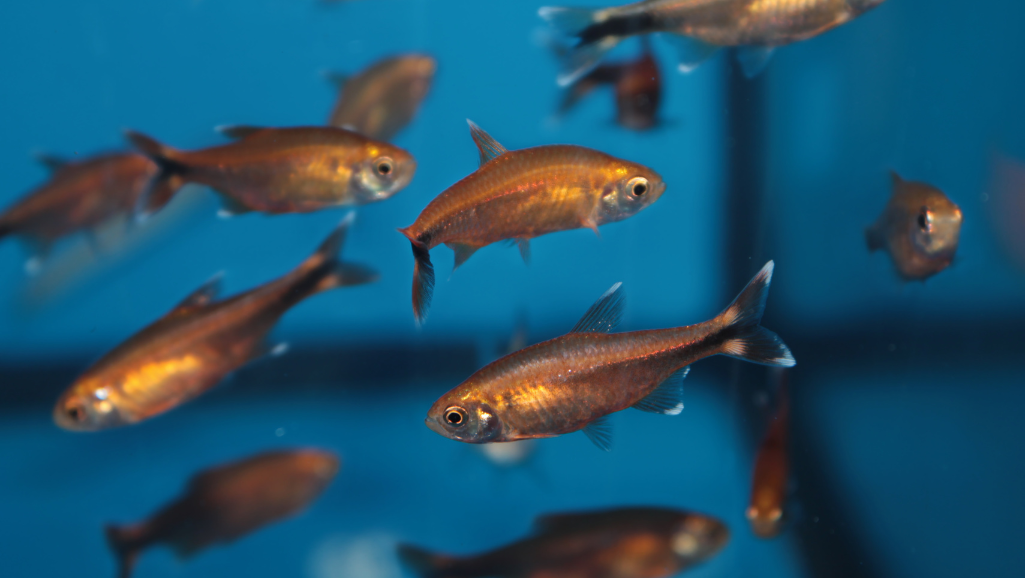
The Silvertip Tetra is a striking small freshwater fish prized for its lively colors and active swimming. Native to South America, this compact species brings motion and contrast to planted tanks.
Size and Appearance
Adults typically reach about 1.2 to 2 inches in length — roughly the diameter of a silver dollar — making them a true nano-to-small-tank friendly tetra. Their sleek, torpedo-shaped bodies allow quick, agile movement when schooling.
Coloration and Distinctive Features
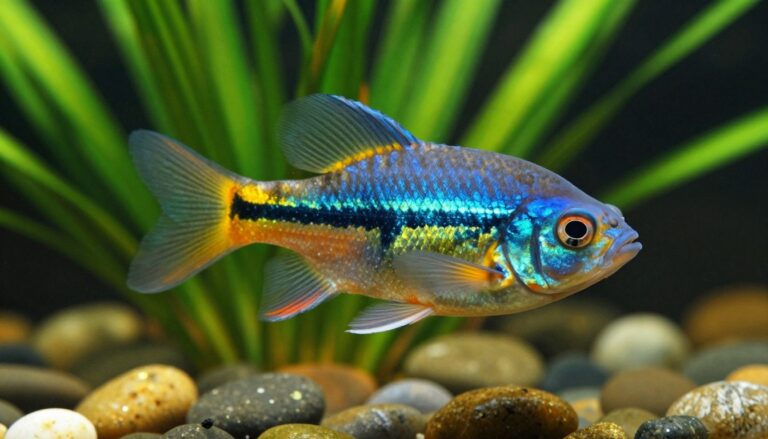
Their common name comes from the bright silver tips on the fins. A small, distinctive black mark at the base of the caudal (tail) fin is another ID feature. Males usually show a stronger coppery sheen and slightly slimmer profile, while females are often a bit rounder with subtler silver/ yellow tones when viewed side-on.
Key quick facts:
- Adult size: 1.2–2 in (3–5 cm)
- Sexual dimorphism: males more coppery; females rounder when gravid
- Suitable for: nano and larger planted aquariums
- Visual ID: silver-tipped fins + black caudal spot
Tip: include lots of live plants and floating cover (java moss and other dense plantings) to let their colors and schooling behavior shine; high-quality water and diet will enhance adult coloration and health.
Behavioral Traits and Tank Mates
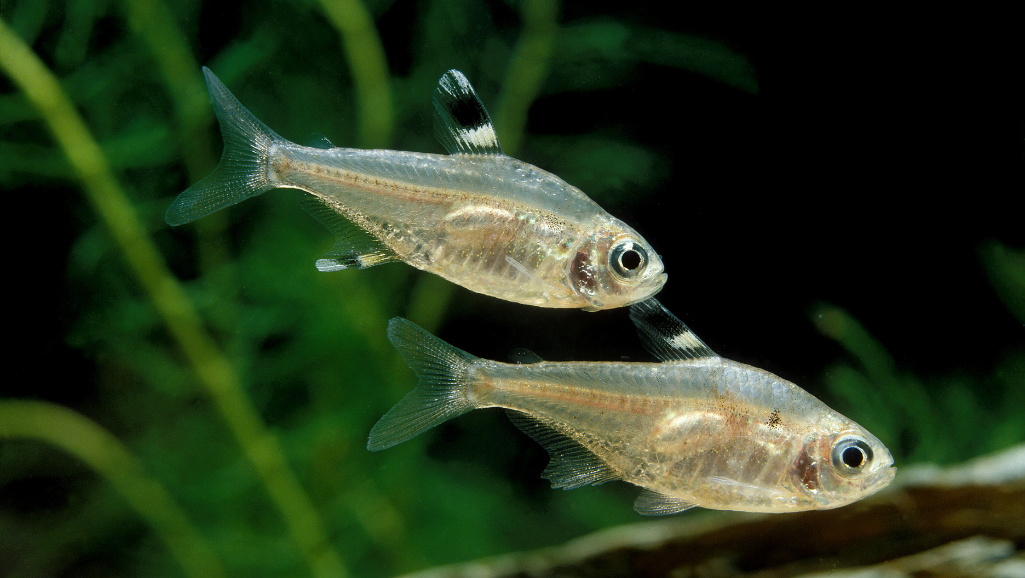
The Silvertip Tetra is a true schooling fish and shines in a planted community tank. Peaceful by nature, it prefers the company of its own kind and other non-aggressive fish, creating lively, safe shoals that reduce stress and display attractive group behaviors.
Recommended group sizes: minimum 6–8 individuals to prevent skittishness or aggression; ideal groups are 8–20 depending on tank capacity (smaller nano setups should stick to the lower end). Larger groups in roomy tanks produce the best schooling displays and social structure.
Social Behavior and Community Setup
Silvertip Tetras do best in tanks that combine open swimming areas with dense plant cover. Provide lots of mid- and background plants (including java moss, floating cover, and leafy hiding spots) plus smooth driftwood to mimic their South American habitat. This mix supports natural shoaling, reduces fin-nipping, and offers shelter for shy individuals and juveniles.
Suitable Tank Mates for Silvertip Tetra
Choose tank mates with similar water needs and temperaments — active but non-aggressive species that won’t pick at fins. Good companions include:
- Smaller, peaceful barbs (non-aggressive varieties)
- Zebra danios
- Platies and mollies
- Corydoras catfish
- Small plecos or other peaceful algae eaters
Avoid long-finned, very slow fish (which may be nipped) and highly territorial species. If keeping shrimp, choose larger dwarf shrimp species only in well-planted tanks, as very small shrimp may be eaten by hungry tetras.
Tip: keep water and diet consistent and use high-quality filtration; healthy, well-fed Silvertip Tetras are less likely to nip. See the Care and Breeding sections for detailed setup, stocking guidelines, and feeding tips to create a harmonious community aquarium.
Care Requirements for Silvertip Tetra

Healthy Silvertip Tetras need stable water conditions, a varied diet, and a well-planned aquarium. Below are practical, beginner-friendly recommendations to keep a vibrant, stress-free shoal.
Ideal Tank Conditions
Match their natural warm, plant-rich habitat. A 20-gallon (75 L) tank is a good starting point for a small group (6–8); larger groups (8–20) will need proportionally more space. Aim for steady parameters rather than extremes:
- Water temperature: 74–82°F (23–28°C) — ideal 76–80°F for color and activity
- pH: preferred 6.0–7.5 (they tolerate up to ~8.0 if acclimated)
- Hardness: soft to moderately hard (2–15 dGH)
- Substrate & decor: fine sand, driftwood, lots of live plants (java moss, stems, and floating cover), and open swimming areas
Tip: provide plenty of mid- and background plants and some floating cover — this mimics their wild environment and reduces stress while still giving them lots of room to school.
Feeding and Nutrition Tips
Silvertip Tetras are omnivores. Offer a base of high-quality flake or nano pellet food, and rotate in protein-rich options to bring out their best color and health.
- Primary diet: high-quality flakes or nano pellets daily (small portions they can finish in 2–3 minutes)
- Supplemental foods: frozen foods (frozen brine shrimp, frozen daphnia), freeze-dried daphnia or tubifex, and occasional live foods (brine shrimp, micro-worms) to condition for breeding
- Feeding schedule: 1–3 small feedings per day rather than one large meal; adjust portions to avoid overfeeding and water deterioration
Use varied foods to meet dietary needs and maintain water quality. Healthy, well-fed tetras are less likely to show fin-nipping behavior.
Water Quality & Maintenance
Consistent maintenance prevents common ailments. Recommended routines:
- Weekly water change: 20–30% of tank volume (more often for heavily stocked setups or fry)
- Filtration: efficient, gentle-flow filter; avoid very strong currents in planted community tanks
- Monitor: check temperature, pH, ammonia, nitrite, and nitrate regularly
- Quarantine: always quarantine new arrivals for at least 2 weeks to prevent disease introduction
Health Considerations
Silvertip Tetras can suffer from Ich, fin rot, and velvet if water quality or nutrition is poor. Watch for lethargy, clamped fins, white spots, frayed fins, or rapid breathing. Early detection plus clean water and appropriate treatment usually yield good recovery.
If keeping shrimp: larger dwarf shrimp in heavily planted tanks can coexist, but very small shrimp or baby shrimp may be eaten — plan your tank community accordingly.
For breeders: consider using a fine mesh or spawning mop in a separate breeding tank to protect eggs and later fry (mesh prevents adults from eating eggs and gives fry shelter).
Following these care guidelines—stable water, varied high-quality diet, regular maintenance, and lots of plants—will help your Silvertip Tetras thrive from juvenile to adult.
Breeding Silvertip Tetra
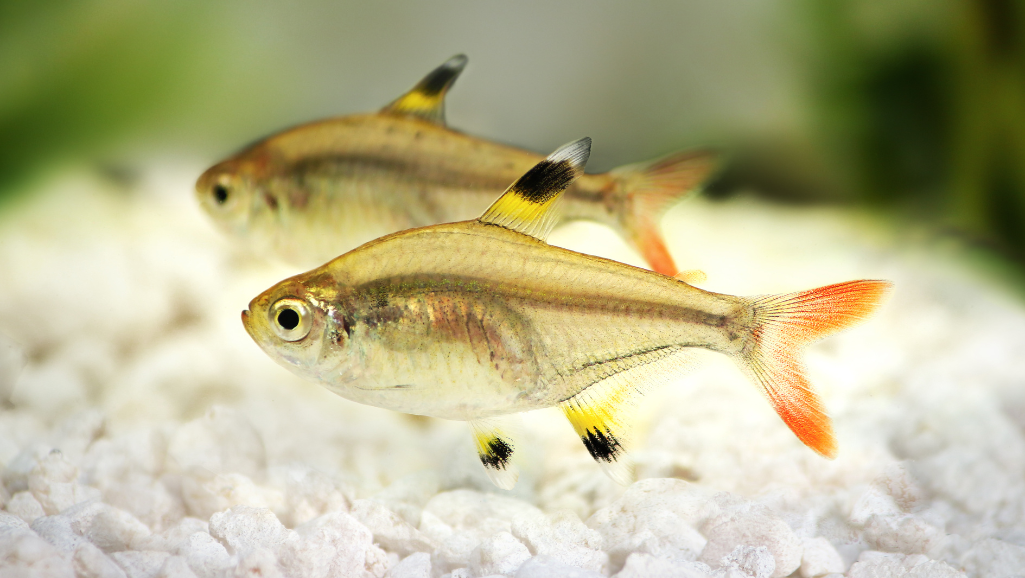
Breeding the Silvertip Tetra (Hasemania nana) is rewarding and achievable for hobbyists who follow a few clear steps. Use a dedicated breeding tank, condition adults with high-protein foods, and replicate soft, slightly acidic water to trigger spawning.
Breeding Process and Requirements
Set up a separate 10-gallon breeding tank with dim lighting, fine-leaved plants or spawning mops (java moss works well), and a gentle sponge filter. Recommended water for spawning: temperature 80–86°F (27–30°C) and pH near 6.0–6.5 — slightly warmer and softer than the community tank to encourage spawning. Condition prospective parents (especially males and females) for 1–2 weeks on a protein-rich diet of live or frozen foods such as brine shrimp and daphnia.
Introduce a conditioned pair or small group in the evening; Silvertip Tetras are egg-scatterers and will deposit eggs among plants or on mop material. To protect the eggs, remove adults shortly after spawning (adults commonly eat eggs).
Caring for Eggs and Fry
Eggs typically hatch within about 24 to 36 hours depending on temperature. After hatching, fry subsist on their yolk sacs for the first 2–3 days. Once free-swimming (about day 3–4), begin feeding tiny, nutritious foods:
- Day 0–3: leave in breeding tank until fry absorb yolk
- Day 3–7: offer infusoria or powdered liquid fry food several times daily
- After day 7: introduce baby brine shrimp (BBS) and finely crushed high-quality frozen foods (frozen daphnia, micro-worms) as the fry grow
Use a fine mesh or breeding trap if you prefer to separate eggs from adults without moving the eggs; mesh prevents adults from reaching eggs while allowing water flow. Keep the water very clean with small, frequent water changes (replace with conditioned water matching tank parameters) and avoid strong currents that can stress fry.
Practical Tips & Troubleshooting
- Conditioning: feed adult males and females live/frozen brine shrimp and daphnia for 7–14 days before spawning to increase egg quality.
- Egg losses: high temperatures, poor water quality, or fungal growth can reduce hatch rates — maintain spotless water and consider a methylene blue treatment if fungus appears (use carefully and follow directions).
- Stocking for breeders: a small group (2–3 males with several females) often encourages more natural courtship than a single pair.
- Ethics & sourcing: use captive-bred stock where possible; quarantine new breeders for at least two weeks before introducing them to spawning tanks.
With patient conditioning, the right setup (plants or java moss, gentle filtration, and mesh or mop to protect eggs), and a progression of appropriate foods from infusoria to baby brine shrimp and fine frozen foods, you can successfully raise healthy fry to juvenile and adult stages.
FAQ
What is a Silvertip Tetra?
What are the ideal tank conditions for Silvertip Tetras?
How big do Silvertip Tetras get?
What do Silvertip Tetras eat?
Can Silvertip Tetras be bred in captivity?
What are some suitable tank mates for Silvertip Tetras?
How do you care for Silvertip Tetra fry?
Are Silvertip Tetras prone to any specific health issues?
How many Silvertip Tetras should be kept together?
What’s the lifespan of a Silvertip Tetra?
Where can I buy Silvertip Tetras?