Best Fish for 25 Gallon Aquarium: Complete Guide

Setting up a 25 gallon aquarium is exciting for both new and experienced fish lovers. This guide will help you pick the best fish for your tank. You’ll create a beautiful and healthy underwater world.

If you’re starting or upgrading your aquarium, this article is for you. We’ll share tips on choosing the right fish and setting up your tank. You’ll learn how to create a great home for your fish.

Key Takeaways:

  • Best Fish for 25 Gallon Aquarium
  • A 25 gallon aquarium offers ample space for a diverse range of fish species
  • Proper tank setup and maintenance are essential for your fish’s health
  • Choosing compatible fish species is key to avoiding aggression and stress
  • Consider water parameters, adult fish size, and tank mate compatibility when picking fish
  • Regular care, including optimal feeding and water quality management, ensures a thriving aquatic environment

Overview of a 25 Gallon Aquarium

Choosing the right tank size is key when setting up an aquarium. A 25 gallon tank is perfect for both new and seasoned fish keepers. It balances space for fish with easy maintenance.

Importance of Tank Size

The tank size is vital for your fish’s health. A small tank can cause poor water quality and stress. But, a 25 gallon tank offers better water stability and filtration, leading to happier fish.

Remember, one gallon of water is needed for each inch of fish. So, a 25 gallon tank can hold small to medium-sized fish. Examples include:

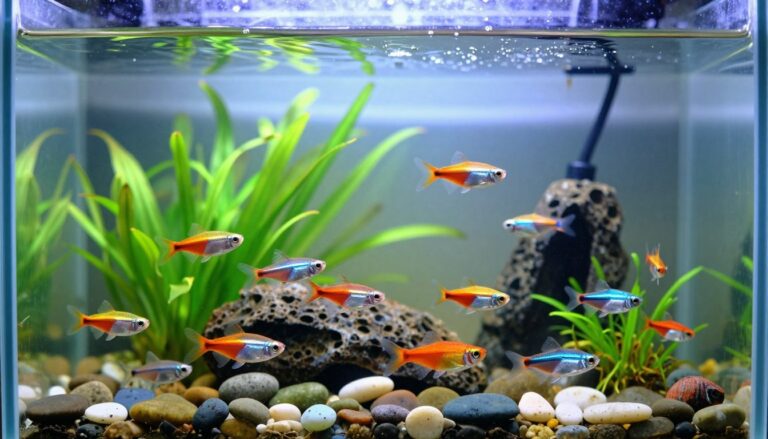
  • Neon Tetras
  • Guppies
  • White Cloud Mountain Minnows
  • Zebra Danios

Benefits of a 25 Gallon Setup

A 25 gallon aquarium has many advantages:

  1. Stability: Its larger water volume resists sudden changes in temperature and chemistry, keeping your fish stable.
  2. Flexibility: You can create a diverse aquarium with fish, plants, and decorations in a 25 gallon tank.
  3. Ease of maintenance: While it needs regular care, a 25 gallon tank is easy to maintain for most people.

“The key to success with any aquarium setup is research and planning. A 25 gallon tank is a great choice for those looking to create a thriving underwater world.”

Factors to Consider When Choosing Fish
compatible fish species in aquarium

When picking fish for your 25 gallon tank, think about a few key things. These help make a great underwater world. Look at water needs, who can live together, and how big the fish will get. This way, your fish will be happy and healthy.

Water Parameters

Water conditions are very important for your fish. Each fish needs certain water temperatures, pH levels, and hardness. For example, tropical fish like warm water, while coldwater fish prefer cooler temperatures.

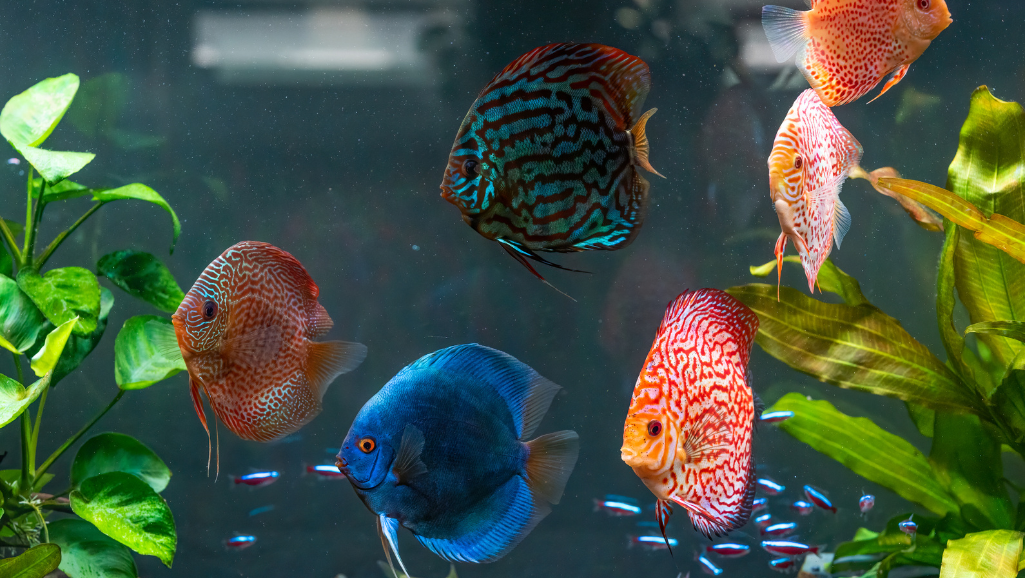
Also, pH levels and water hardness matter a lot. Some fish, like discus and cardinal tetras, need soft, acidic water. Others, like African cichlids, like hard, alkaline water. Make sure you know what your fish need for a good home.

Tank Mates Compatibility

It’s also important to think about who can live together. Not all fish get along, and some can be mean to others. Choose fish that like the same water and are calm.

For example, guppies, neon tetras, and cherry barbs are peaceful and can live together well. But, mixing aggressive fish like tiger barbs with calm ones can cause stress and harm.

“The key to a successful aquarium is to create a balanced ecosystem where all fish can coexist harmoniously.”

Fish Size and Adult Growth

Think about how big your fish will get. Some fish look small but grow a lot. If your tank is too small, it can get dirty and make your fish sick.

As a rule, give one gallon of water for every inch of fish. But, some fish need more space because they swim a lot or are territorial. Always check how big your fish will get and how much space they need.

By thinking about water, who can live together, and how big your fish will get, you can make a great aquarium. Do your research and plan well to have a beautiful underwater world in your 25 gallon tank.

Popular Fish Species for 25 Gallon Aquariums
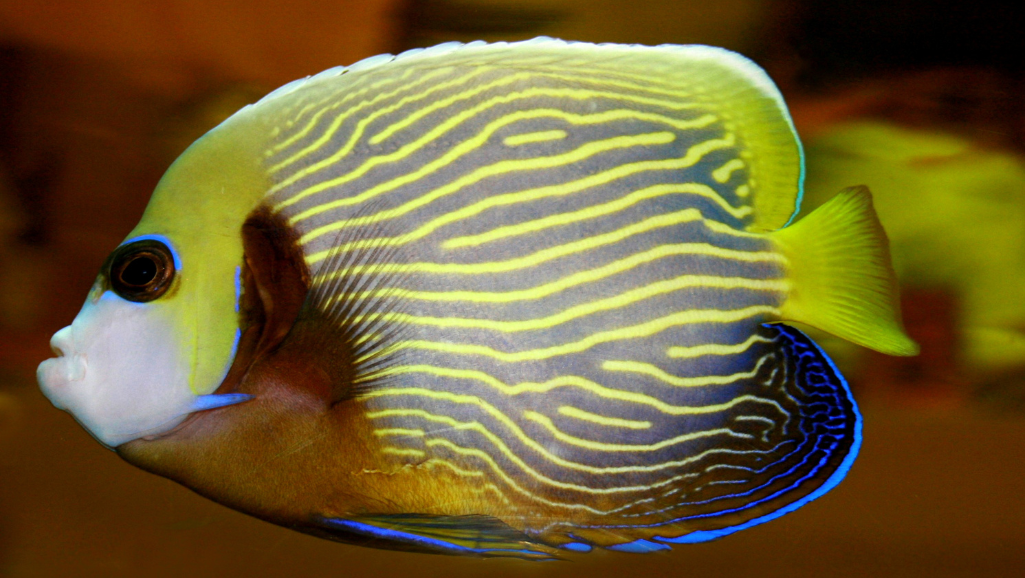
tropical fish care

Choosing the right fish for a 25 gallon aquarium is key. You want species that get along and fit the tank size. Here are some top picks for tropical fish care in a 25 gallon tank:

Tropical Fish Options

Guppies, neon tetras, and mollies are perfect for a 25 gallon tropical tank. They’re colorful, easy to care for, and peaceful. Make sure to pick fish that match your tank’s size and temperature needs.

Coldwater Fish Choices

For a coldwater tank, white cloud mountain minnows and zebra danios are great. They’re active and add beauty to your tank. Coldwater fish are also good for beginners because they’re hardier.

Freshwater Community Fish

For a diverse and calm tank, try these fish in your 25 gallon aquarium:

  • Corydoras catfish
  • Harlequin rasboras
  • Cherry barbs
  • Platies

Thesecompatible fish species come in many colors and sizes. They make your tank look great. Just remember to learn how to care for each fish to keep your tank healthy.

“The key to a successful community tank is selecting fish that have similar water parameter requirements and peaceful temperaments.” – Aquarium Expert

By picking the right mix of fish for your 25 gallon tank, you can make a beautiful underwater world. Focus on choosing fish that get along and need the right care. This way, your fish will be happy and healthy for a long time.

Best Setup for a 25 Gallon Tank
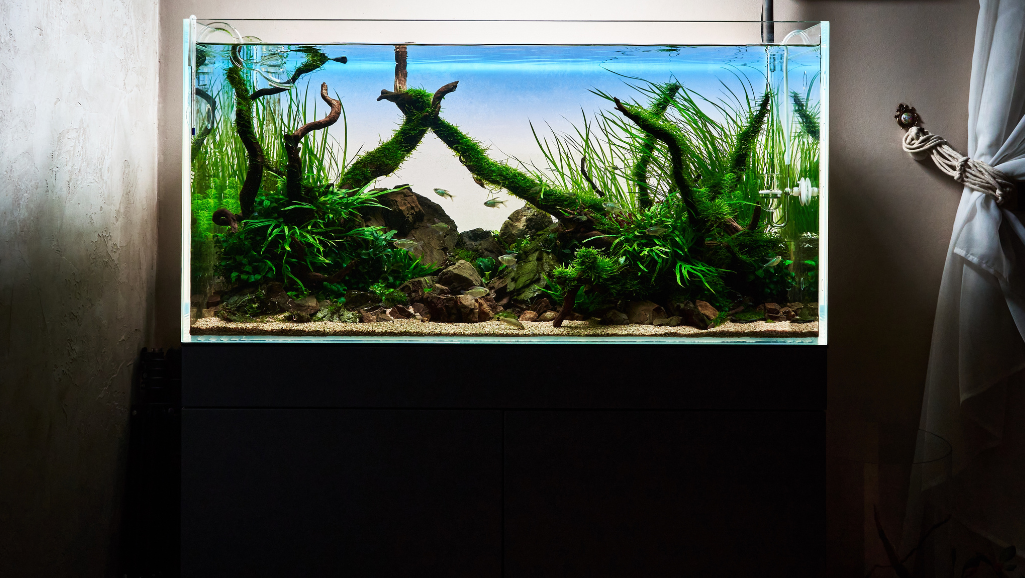
live plants for aquarium setups

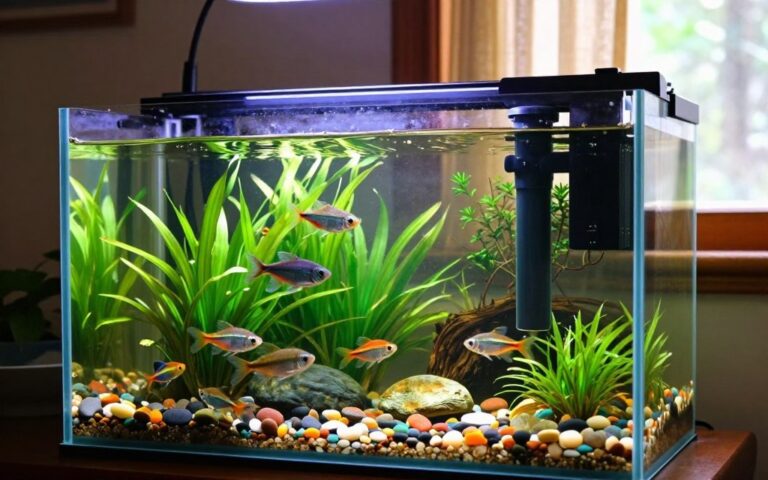
Setting up a 25 gallon aquarium for your fish needs careful thought. You’ll want to pick the best aquarium filter systems. Add beautiful aquascaping and keep the water at the right temperature. This way, your fish will love their new home.

Filtration Systems

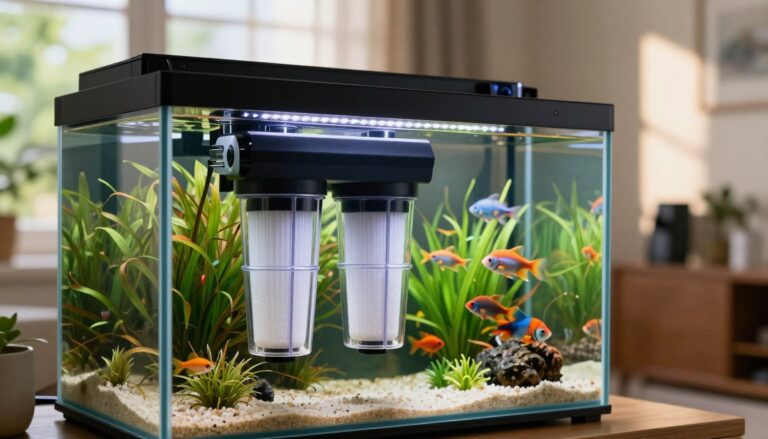
A good filter is key for clean water in your 25 gallon tank. Look for a filter that cleans out debris, toxins, and extra nutrients. It should also help beneficial bacteria grow. Canister and hang-on-back filters are great for this size tank, as they filter well mechanically, chemically, and biologically.

Aquascaping Ideas

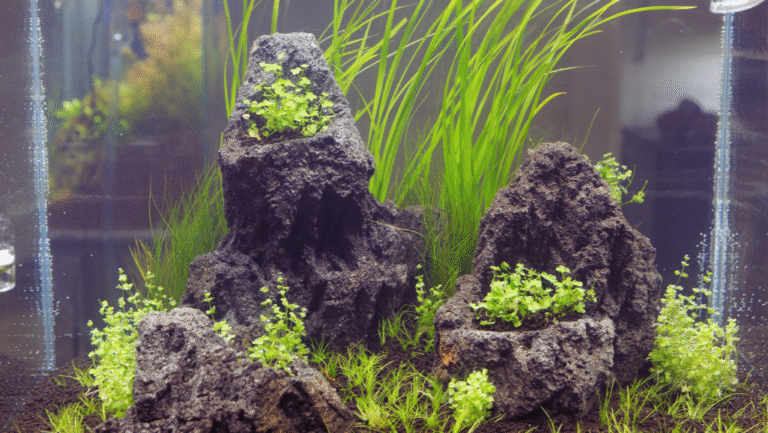
Aquascaping lets you make a beautiful underwater world for your fish. Use live plants for aquarium setups like java fern, anubias, and amazon sword. They give your fish places to hide, help fight algae, and add oxygen. Add driftwood, rocks, and substrate to make your aquascape interesting and deep.

“A well-designed aquascape not only enhances the aesthetic appeal of your aquarium but also contributes to the overall health and well-being of your fish.”

Heater Requirements

Tropical fish need water between 72°F and 82°F (22°C to 28°C) to be happy. Get a good aquarium heater to keep the water at a steady temperature. Think about aquarium lighting requirements when picking a heater, as lights can change the water temperature. Always check the temperature with a thermometer to keep your fish healthy and happy.

By focusing on filtration, aquascaping, and keeping the water at the right temperature, you can make a 25 gallon aquarium that’s great for your fish. It will be a healthy and beautiful place for them to live.

Recommended Fish Species
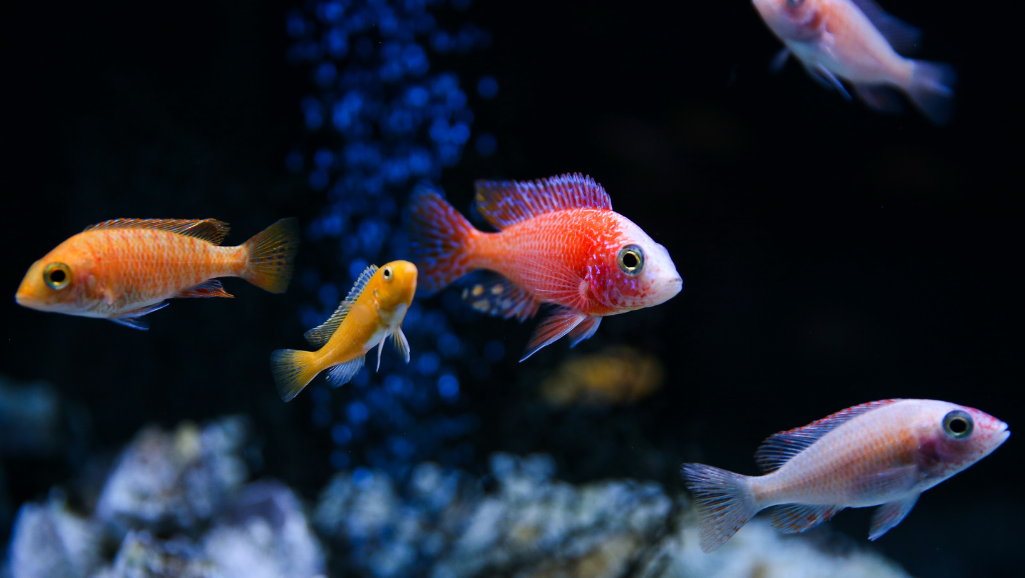
compatible fish species for 25 gallon aquarium

Choosing the right fish for your 25 gallon aquarium is key. You want species that fit well together and thrive in the space. Here are some top picks:

Betta Fish

Betta fish, or Siamese fighting fish, are loved by many. They’re perfect for a 25 gallon tank. Males are known for their bright colors and flowing fins. Females are smaller and less aggressive.

It’s important to give bettas a well-planted tank and a gentle filter. This helps them feel at home.

Neon Tetras

Neon tetras are small and colorful, adding life to your tank. They’re great for a 25 gallon community tank. These peaceful fish do best in groups of at least six.

They love well-planted tanks with soft lighting. This reminds them of their natural habitat in South America’s shaded streams.

“Neon tetras are like the jewels of the aquarium, always sparkling and catching the eye.”

Guppies

Guppies are popular for their lively and colorful nature. They’re easy to care for and can handle different water conditions. Guppies give birth to live young, so it’s important to manage their numbers.

To avoid overcrowding, keep only one male guppy for every two to three females.

When picking fish for your 25 gallon tank, think about their size, temperament, and water needs. A mix of bettas, neon tetras, and guppies can create a beautiful underwater world.

Adding Fish to Your Aquarium

When you add new fish to your 25 gallon aquarium, it’s important to do it right. This ensures a smooth transition and keeps stress low for all fish. Cycling your aquarium first is key. It lets beneficial bacteria grow and keep the water healthy.

Acclimatization Process

Before putting new fish in your tank, they need to get used to the water. This means slowly introducing them to the tank’s water. The drip acclimatization method is great for this. It involves adding small amounts of tank water to the bag with the new fish.

Introducing Fish Gradually

When adding new fish, do it one or two at a time. This lets the other fish get used to the new ones. It also helps avoid fights or territorial issues. Space out the introductions over a few weeks.

“Patience is key when adding new fish to your aquarium. Take the time to acclimate them properly and introduce them gradually to ensure a harmonious and thriving community.”

Monitoring Behavior

Keep an eye on how the new fish act with the others. Look for signs of stress, aggression, or sickness. Regular tank care, like water changes and checks, is vital for a healthy home for your fish.

By being careful and patient, you can create a lively and healthy underwater world in your 25 gallon aquarium.

Feeding and Care for Your Fish

Keeping your fish healthy in a 25 gallon aquarium is key. Knowing what to feed them, how often, and keeping the tank clean is important. This ensures your fish stay happy and healthy.

Optimal Diet Choices

Choosing the right food is vital for tropical fish care. Pick high-quality foods that meet your fish’s needs. A good mix includes:

  • Flake or pellet foods made for tropical fish
  • Frozen or live foods like brine shrimp, bloodworms, or daphnia
  • Vegetable-based foods for herbivorous fish

Feeding Frequency and Portion Control

Feeding too much is a common mistake in fish tank maintenance. It can harm your fish and the water quality. Here’s how to avoid it:

  • Feed small amounts, just what they can eat in 2-3 minutes
  • Feed 2-3 times a day for most tropical fish
  • Adjust the amount based on your fish’s size and hunger

It’s better to slightly underfeed than overfeed your fish.

Regular Maintenance Tasks

Regular fish tank maintenance is essential for a healthy aquarium. Make sure to:

  1. Do weekly water changes, replacing 10-20% of the tank water
  2. Clean the filter media every month, replacing it as needed
  3. Remove uneaten food and debris daily to keep the water clean
  4. Check water parameters often and adjust as necessary

By focusing on proper feeding and care, you’ll create a great home for your fish in your 25 gallon aquarium.

Common Issues and Solutions

Even the best 25 gallon aquariums can face problems. By using good disease prevention, keeping water quality high, and reducing stress, you can make a great home for your fish. Let’s look at some common problems and how to solve them to keep your aquarium healthy and lively.

Disease Prevention Strategies

Stopping diseases from spreading is key in fish tank care. Watching your fish closely can help you spot health problems early. Here are some important steps:

  • Quarantining new fish before introducing them to the main tank
  • Maintaining proper water parameters through regular testing
  • Avoiding overcrowding, which can lead to stress and weakened immune systems
  • Providing a balanced diet to support overall health

“An ounce of prevention is worth a pound of cure.” – Benjamin Franklin

Water Quality Management

Keeping water quality high is vital for your fish’s health. Regularly cycling your tank and doing water changes can help. Here are some tips:

  • Test water parameters weekly and adjust as needed
  • Perform partial water changes (10-20%) every 1-2 weeks
  • Use a high-quality filtration system to remove debris and toxins
  • Avoid overfeeding, which can lead to excess waste and poor water quality

Stress Reduction Techniques

Stress is a big problem for aquarium fish. To reduce stress, try these methods:

  • Provide plenty of hiding spots and vegetation for fish to feel secure
  • Maintain stable water parameters and temperature
  • Introduce new fish gradually to allow for peaceful acclimation
  • Avoid overcrowding the tank, which can lead to territorial disputes

By being proactive and quickly solving common problems, you can make a thriving 25 gallon aquarium. It will bring joy and beauty to your home for many years.

Conclusion: Creating a Thriving Aquarium

By following this guide, you now know how to pick the best fish for a 25 gallon aquarium. This knowledge helps you create a beautiful beginner’s aquarium that adds joy to your home. A 25 gallon tank is just the right size. It lets you keep a variety of fish while keeping the ecosystem stable.

Recap of Key Points

When choosing fish, think about water conditions, who can live together, and how big the fish will get. Betta fish, neon tetras, and guppies are good choices for a 25 gallon tank. It’s important to set up the tank right, including the filter, plants, and heater, for your fish’s health.

Final Tips for Success

Start your aquarium journey by doing regular maintenance like water changes and checking water quality. Feed your fish well and on time to keep them healthy. By preventing diseases and keeping the environment stable, you’ll have a thriving aquarium.

With hard work, patience, and the right information, you’ll find joy in caring for a 25 gallon aquarium. Keep learning and ask for help when you need it. Enjoy the amazing world of fishkeeping.

FAQ

How many fish can I keep in a 25 gallon aquarium?

The number of fish for a 25 gallon tank depends on the fish size. A rule of thumb is one inch of fish per gallon. But, you must research each fish species to ensure they have enough room to live well.

What are some compatible fish species for a 25 gallon aquarium?

Good fish for a 25 gallon tank include:– Betta fish– Neon tetras– Guppies– White cloud mountain minnows– Cherry barbs– Harlequin rasborasAlways check if different fish can live together before adding them to your tank.

How often should I perform water changes in my 25 gallon aquarium?

Change 10-15% of the water every week to keep it clean. But, this might change based on how many fish you have and how often you feed them. Testing the water often will help you figure out when to change it.

What type of filtration system is best for a 25 gallon aquarium?

A good filter for a 25 gallon tank should clean mechanically and biologically. HOB and canister filters are good because they clean well and are easy to care for. Make sure the filter’s flow rate fits your tank and fish.

Can I keep live plants in my 25 gallon aquarium?

Yes, live plants are great for a 25 gallon tank. They make your tank look better, help clean the water, and add oxygen. Easy plants for beginners include:– Java fern– Anubias– Amazon sword– Marimo moss ballsChoose plants that go well with your fish and get enough light for them to grow.

How long does it take to cycle a new 25 gallon aquarium?
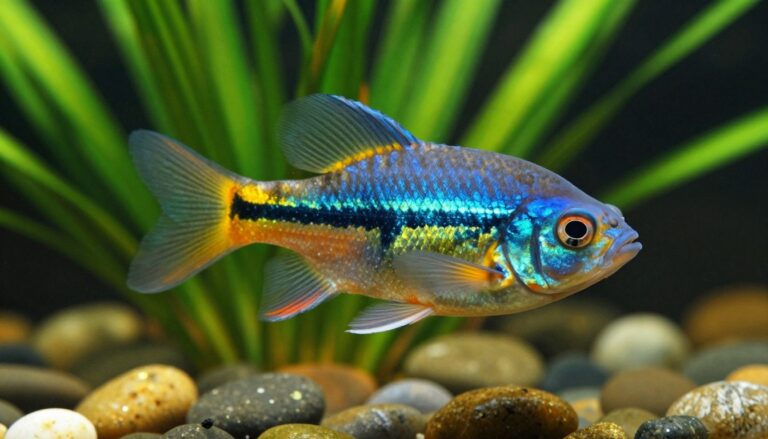
Cycling a new 25 gallon tank takes 4-6 weeks. During this time, good bacteria grow and clean the water. It’s important to watch the water closely and not add too many fish at once to avoid harming them.
aggressive freshwater fish
Aggressive Freshwater Fish: A Guide to Identifying and Caring for Them
Welcome. This guide frames the term aggressive freshwater fish as a description of natural behavior, not a moral judgment. We explain how the name covers a range of actions, from territorial displays to true attacks. This piece serves curious beginners and confident keepers who want a more challenging lineup. You will learn how to spot early warning signs and build systems that help each species thrive long term. Expect clear profiles, real tank guidelines, and step-by-step care tips you can apply today. A strong aquarium plan begins with adult needs, not the fish’s size at the store. With the right setup and steady observation, many once-problem individuals become manageable. Key Takeaways“Aggressive” refers to behavior patterns, not bad temperament. Learn early signs to prevent problems before they escalate. Design tanks around adult needs, not juvenile size. Profiles and care steps help with species selection and planning. Observation and proper setup make keeping these fish practical.Why “Aggressive” Fish Can Be the Most Rewarding Aquarium SpeciesBold personalities in the tank often reward careful keepers with unforgettable behavior. Two common types of aggression show up in tanks: social bullies that harass and injure tankmates, and predators that see smaller tankmates as food. Recognizing these types helps you plan space, decor, and stocking. Labeling a species as aggressive fish should mean “needs a plan,” not “avoid.” With the right layout and filtration, many become reliable centerpiece animals that anchor an aquascape. Experienced aquarists love strong characters for their big personalities, intelligent interactions, and bold feeding responses. These behaviors turn a simple hobby into a living study of instinct.Understand the difference between bullying and predation. Design the tank to match adult size and temperament. Accept responsibility: powerful species need smarter filtration and stocking.When you learn behavior, chaos becomes confidence. That intentional approach makes a home aquarium both safer and far more rewarding. How to Identify Aggression Before It Turns Into DamageSpotting trouble early in your aquarium begins with learning a few simple pressure behaviors. Watch for warning signs: short chases, repeated posturing, guarding a cave, and fin nipping. Frequency matters more than a single incident. A pair of quick snaps is different from relentless harassment. When a predator shift occurs, you will see tracking, night strikes, or repeated lunges at smaller tankmates. This is when a bully moves from harassment to viewing others as food.Spot pressure behaviors early: short chases, guarding, posture repeats. Note classic bullying: nipped fins, cornering, persistent chasing. Identify predation cues: tracking, nocturnal strikes, testing lunges. Link form to function: streamlined body and pointed fins signal speed; thick jaws and sharp teeth signal predation. Keep observation routines: feed watches, post–water change checks, and after lights-off rounds.Size mismatches are one of the fastest ways a semi-tolerant community becomes lethal. Match adult size and behavior for safer long-term success. Essential Management Rules for Aggressive Freshwater FishA clear set of rules helps keep strong personalities from dominating a shared aquarium. Think like a systems builder: your goal is to shape behavior into predictable boundaries, not erase it. Make sure space matches adult size: inches, feet, and gallons that matter Plan for the adult, not the juvenile. Inches show growth potential, feet show territory length, and gallons give filtration and stability. Match tank footprint to swimming style and social needs. Rearranging decor to reset territories Move rocks, driftwood, and caves to break sightlines. A quick reshuffle forces a reset of established turf and lowers repeated harassment. Feeding strategies that prevent crowding Spread food across the surface and feed multiple zones. Avoid one hotspot so a dominant fish cannot gatekeep the food. Using a breeding cage “time out” A breeding cage can isolate the bully without tearing down the whole tank. It’s low-drama and gives others space to recover. When a single-species tank is the safest option For true predators or intolerant species, a single-species tank is humane and practical. If fights persist, isolation protects the rest of the community.Core rule: plan enough space for adults. Behavioral tools: aquascape, feeding spread, and temporary isolation. Outcome: controlled boundaries that make aquariums safer and more rewarding.Aggressive Cichlids That Rule the AquariumCichlids often top lists of high-impact aquarium residents because they blend clever behavior with territorial drive. Oscar profile Oscar reach 12–18 inches and make personable centerpieces. Plan for 55+ gallons, a secure hood, and regular enrichment. Oscars jump and thrive on interaction. Jaguar cichlid The jaguar cichlid has an elongated body built for fast strikes. Expect 16–24 inches and roughly a 70-gallon baseline with strong filtration and hide spaces. Wolf cichlid (Parachromis dovii) The wolf is a high-impact species. Adults hit 24–30 inches and need 125 gallons minimum. This one tests your system footprint and handling skills. Midas cichlid Midas may defend a four-foot nest zone during breeding. Tank length matters—around a six-foot layout gives room for nesting and reduces conflict. Red devil cichlid Red devil varieties show pointed fins and bold color. They can destroy plants and decor, so choose robust hardscape and plan separate quarters if needed. Jack Dempsey Jack Dempsey are hardy, warm-water lovers that need caves and line-of-sight breaks. A 55-gallon tank with multiple hides lowers stress and keeps size-related disputes in check.“Respect adult size, stable water, and planned decor — those three steps make bold species rewarding.”Predatory Monsters for Advanced Aquarists Keeping top-level hunters in a home setup means building a system around their needs, not the other way around. These are lifestyle animals. You buy the system as much as the specimen. In captivity they need volume, secure lids, and heavy filtration. Arowana profile Long-bodied surface hunters reach 2–3 feet and often need ~250 gallons. They are best kept singly and will eat smaller tankmates. Peacock bass profile Cichlid-like predators that jump, eat smaller fish, and do best in 150–300 gallons with open water and a tight hood. Snakehead and redtail catfish notes Snakeheads behave like apex hunters—secure lids and predator-proof stocking are essential. Redtail catfish grow to 3–4 feet fast; adult systems can require 1500–2000 gallons and industrial filtration. Ambush and nocturnal predators Hoplias aimara have sharp teeth and ambush style; plan for 300+ gallons. Afer knife species prefer planted, driftwood cover and protein-forward feeding in 150–200 gallons. Bichir caution Ornate bichir are bottom-dwelling living fossils that may mistake small tankmates for food. Sand substrate and roomy layouts reduce risk.“Respect the wild instincts—build the tank to fit the hunter.”Plan adult size in feet and gallons before buying. Secure lids, strong filters, and realistic stocking are non-negotiable. Treat these predators as long-term commitments, not starter pets.Small but Mighty Aggressive Fish for Compact TanksSmall aquariums can still feel dramatic when you choose species that match the space and behavior you can manage. Pea puffers (dwarf puffers) Pea puffers are tiny—often under 1.5 inches—but they show big personalities. Their nips and constant harassment make community setups risky. Stable water and careful feeding matter. Many keepers house them alone or in species-only groups. Dense planting, broken sightlines, and small hides let each individual disengage and reduce stress. Tiger barbs Tiger barbs are active and famous for fin-nipping. Long-finned tankmates suffer if barbs are kept in small numbers. Keeping a proper school (6+ individuals) spreads aggression and lowers bullying. A ~30 gallon tank with multiple swim zones and visual barriers helps maintain balance. Bucktooth tetra (Exodon) Bucktooth tetras are notorious scale-eaters and can escalate in mixed communities. They grow to about 5–6 inches and demand space and strong filtration. Groups of ~12 reduce dominance fights and focus their behavior inward. In a ~55 gallon layout, purposeful aquascaping and planned stocking keep colors and movement dramatic without casualties.“A compact tank can be bold — plan for behavior, not just size.”Tip: Match adult size and social needs before you buy. Design: Use plants and decor to create escape routes and broken sightlines. Watch: Small aggressive species demand frequent observation and steady maintenance.Sharks That Aren’t Sharks: Red Tail and Rainbow “Sharks”Red tail and rainbow varieties look shark-like but behave very differently. These bottom-oriented patrols stake small territories and shine when given lanes and retreats. Treat the label as a visual cue, not a behavior sentence. Red tail profile and tank planning Red tail sharks prefer the lower third of the water column and hold a clear bottom zone. Plan a 55-gallon footprint so the tail shark can claim length without cornering others. Provide caves, shaded hides, and overhangs. These refuges stop constant chasing and let timid tankmates escape patrol routes. Current, flow, and behavior Many tail sharks become calmer and more confident in moving water. Flow boosts oxygen and mimics riverine habitats, which reduces skittish reactions.Place returns to create gentle lanes along the substrate. Wavemakers or pumps can increase activity without creating turbulence everywhere. Keep calm corners so weaker swimmers can rest.“Space plus hiding spots turn tail sharks from bullies into energetic show fish.”Tank Setup That Prevents Territorial Wars A successful layout thinks in lanes and rooms instead of only counting gallons. Start by planning the tank footprint: length often matters more than total volume for large, territorial cichlids and predators. Aquarium size and footprint Think in feet, not just gallons. A long tank creates separate neighborhoods and reduces line-of-sight stress. For Midas and similar species, extra length prevents a single nest from dominating the whole layout. Hardscape and plants Use rocks, driftwood, and caves to divide territory. Offer many claimable shelters so no one fish owns every hide. Choose hardy plants or use them as visual cover. Robust hardscape should be the permanent boundary; plants are the soft buffer. Secure lids for jumpers Secure lids are safety gear, not accessories. Oscars and peacock bass can launch during feeding or spooks. A tight lid prevents escapes and injuries. Substrate choices for bottom dwellers Sand supports natural foraging and protects bellies for ornate bichirs and other bottom dwellers. Rough gravel can abrade skin and fins over time.Length creates more separate zones than depth. Hardscape + plants = visible breaks and claimable spots. Safe lids and correct substrate cut conflicts dramatically.“Space + boundaries + safe lids + appropriate substrate equals fewer territorial wars.”Feeding, Water Quality, and Filtration for High-Impact Fish Feeding choices and filter capacity together shape behavior and water quality in any big-tank setup. Treat nutrition and mechanical systems as a single plan. This approach reduces stress and unwanted hunting behavior in captivity. Protein-forward diets vs. omnivore needs Carnivores like peacock bass and many large cichlids need protein-heavy food. Use pellets as a base and add safe frozen or prepared proteins instead of random live prey. Omnivores such as oscars accept pellets plus vegetable fare. Matching food to natural diet limits hunger-driven aggression. Managing waste and sizing filtration Big, messy species produce heavy waste. Oversize your filter and plan frequent maintenance to keep nitrates low.Choose filtration rated above the tank’s gallons per hour. Perform targeted water changes based on measured ammonia and nitrate. Use mechanical pre-filters and biological media for steady water quality.Stable parameters for sensitive species Dwarf and pea puffers need rock-solid temperature and chemistry. Small swings trigger stress and sudden aggression.“Routine care beats emergency fixes—consistent checks protect both behavior and health.”Choosing Tank Mates Without the Drama Picking compatible tank mates begins with a simple rule that guards against midnight predation. Core rule: if one animal can swallow another, it likely will try — often at night or when food runs low. Size matching: inches matter Use inches as a quick screen. Match mates that are the same size or larger to reduce predation risk. Temperament still matters. Two similarly sized species can fight if one is particularly bold. When to skip mates entirely Avoid mixing when adults are ultra-territorial, proven bullies, or known predators that test-bite others. Some specimens do best in single-species tanks to protect both them and the others. Planning a semi-aggressive setup Create territory zones, add line-of-sight breaks, and place multiple shelters so subdominant mates can disengage.Plan B: make sure you have a divider, spare tank, or rehoming option before mixing. Keep stocking light — the aim is a stable ecosystem, not a crowded display.“Match size, design space, and have a backup plan — peace in the tank follows planning.”Breeding and Seasonal Aggression You Should Expect When breeding starts, instinct and hormones can rewrite a tank’s pecking order in hours. Spawning triggers include warmer water, richer feeding, steady conditions, and the arrival of a suitable cave or flat stone. These cues tell many cichlids that it’s time to reproduce. A specimen that was calm yesterday can become fiercely protective today. Why territories expand during mating Parents guard eggs and fry by creating clear “no-go zones.” In the wild this protects young across meters; in a home tank it can mean several feet of claimed space. Signs that breeding defense has startedFlaring fins and rigid bodies. Repeated charges, lip-locking, and cornering. Persistent chasing of any intruder that comes near the nest.Species to watch closely Midas cichlids may defend about four feet around a nest. Wolf cichlids escalate rapidly when spawning. Red devil and similar devil cichlid types pair nesting with high confidence and can destabilize mixed tanks.“Plan for breeding behavior before it happens; prevention keeps both fry and tankmates safe.”Separation strategies that work Use dividers, a breeding cage, temporary relocation, or quick re-scaping to disrupt a nest. These options protect other tank inhabitants and let parents complete their cycle with less collateral harm. For planning resources on matching temperament and tank species, see top aggressive tank species. Conclusion Good planning turns bold tank residents into unforgettable companions. A confident keeper frames aggressive freshwater fish as high‑personality animals that reward leadership, calm routines, and steady care. Success rests on clear pillars: plan adult inches and gallons, shape the aquascape with plenty of hiding spots and broken sightlines, oversize filtration, and keep tight water routines. Choose species that match your life and space — whether a red tail patrols a long, structured tank or a single centerpiece cichlid anchors a dedicated system. Pick one specimen you truly want, build the environment it deserves, and let natural behavior become the most fascinating part of your home aquarium. Remember: these instincts come from the wild; your role is to translate them into a safe, stable setup for years of rewarding displays.FAQ What do aquarists mean when they call a species aggressive? Aggression in a tank describes behaviors like chasing, fin nipping, cornering, or killing other inhabitants. It can be territorial defense, mating-driven nest protection, or predatory hunting. Watch for repeated targeting of the same tank mate, damaged fins, or missing fish as clear signs. How can I tell if a fish will grow too large for my aquarium? Check adult size specifications from reliable sources such as Aquarium Co-Op or Practical Fishkeeping. Measure tank length and compare recommended minimum gallons and feet of swimming space. Species like arowana, redtail catfish, and many large cichlids need far more room than juveniles suggest. What tank size do common cichlids need? Size varies by species: oscars generally need 55+ gallons and 3–4 feet of length as adults; jaguar cichlids benefit from 70+ gallons and longer tanks; wolf cichlids can require 125 gallons or more. Always plan for the adult length and territorial space, not the juvenile size. Can I keep aggressive species with community fish? Often no. Many predatory or territorial species see smaller or slower fish as food or targets. If you try mixed stocking, match or exceed size, provide ample hiding spots, and monitor closely. For truly dominant species, a single-species tank is usually safest. What habitat changes reduce territorial fights? Rearranging decor, adding caves, driftwood, and rock barriers helps reset territories. Break clear lines of sight and provide multiple refuge zones so weaker fish can escape. Plants that tolerate disturbance can soften borders, but tough cichlids will still uproot delicate foliage. How should I feed large predators to minimize surface crowds and fights? Use multiple feeding stations, scatter food across the tank, and offer protein-rich items on a schedule. For ambush predators, provide sinking meaty options. Regular, adequate feeding reduces competition; avoid overfeeding, which stresses filtration and water quality. When is a breeding cage or separator useful? Use a breeding cage to protect fry or to isolate a dominant individual temporarily. It can calm a bully while others recover, or keep a territorial pair separated during nest defense. Always monitor oxygen and flow inside the cage to avoid harm. Are there compact species that still cause problems in small tanks? Yes. Pea puffers and tiger barbs are small but can be very combative; pea puffers nip and injure slower fish, while tiger barbs will gang up unless kept in proper shoals. Bucktooth tetras (Exodon) are notorious scale-eaters and need careful group management or species-only setups. What precautions do tail sharks (red tail, rainbow) require? Tail sharks are territorial bottom dwellers that need hiding spots and at least 55 gallons for red tail sharks. They prefer moderate to strong flow and clear territories, so provide caves and a long footprint to reduce conflicts with similarly shaped species. How do I match filtration and water quality to high-biomass species? Choose filters rated well above tank volume for heavy waste producers and use mechanical + biological stages. Frequent water changes, strong circulation, and large media banks help manage ammonia and nitrates. Powerful filtration is essential for species like redtail catfish and hoplias. What tank mate rules prevent predation? Match or exceed adult size, avoid slow or long-finned species, and select robust swimmers. Provide multiple territories and escape routes. When in doubt, use a species-only approach or choose similarly tempered, large-bodied companions. How does breeding change behavior and tank needs? Many species become hyper-territorial during spawning, expanding a “no-go” zone around nests. Expect heightened aggression and protect other fish with separation or extra hiding places. Increase tank footprint or temporarily isolate breeding pairs to avoid casualties. Which predators are only for advanced keepers? Arowana, peacock bass, snakehead, redtail catfish, and hoplias require massive tanks, strong lids, and experience. They grow quickly, need protein-forward diets, and can jump or attack tank mates. Only attempt these species with long-term planning and industrial-grade filtration. Can plants survive with burrowing or digging cichlids? Tough plants like Anubias, Java fern, and Vallisneria can sometimes survive, but many large cichlids uproot and eat plants. Use heavy pots, rock anchors, or accept a hardscaped look with driftwood and rock caves for realistic long-term setups. What are safe emergency steps if one fish repeatedly attacks others? Remove the aggressor to a quarantine or holding tank, rearrange the main tank decor to disrupt territories, and provide extra hiding places. If wounds are severe, treat injured fish in a hospital tank and monitor water quality closely to speed recovery....
fish for 2 gallon aquarium
Best Fish for 2 Gallon Aquarium
This is a true nano setup. A tiny desktop habitat changes everything. Very small water volume makes stability...
starting fish tank
Starting Fish Tank: Tips for New Aquarium Owners
Setting up your first aquarium is both thrilling and steady work. Expect about one to two weeks to gather...
A vivid close-up of a chili rasbora (Boraras brigittae), a small, brightly-colored freshwater fish. The subject is centered in the frame, its vibrant red and orange fins contrasted against a softly blurred, aquamarine background that suggests an aquarium setting. The lighting is natural and diffused, creating subtle highlights and shadows that accentuate the fish's delicate features and intricate scale patterns. The depth of field is shallow, allowing the viewer to focus intently on the mesmerizing details of this tiny, captivating creature.
Care Guide for Chili Rasbora in Nano Tanks
Meet the chili rasbora — Boraras brigittae — a tiny jewel for your nano tank that turns a small setup...
Potted Aquarium Plants
Potted Aquarium Plants: Benefits and Care Tips
Transform your tank into living art with a simple, smart approach that brings movement, color, and balance...
Forhadkhan
Forhadkhan
Articles: 253

Leave a Reply

Your email address will not be published. Required fields are marked *