Fish Tank and Equipment: Setup and Maintenance Tips

Creating a thriving aquatic environment starts with the right setup and reliable products. Whether you’re a beginner or an experienced hobbyist, understanding the essentials is key to success. This guide will walk you through the initial steps, maintenance tips, and product selection to ensure your system runs smoothly.

High-quality equipment forms the backbone of any successful aquatic setup. Brands like AquaEuro Chillers and Current USA Lighting are trusted for their durability and performance. From pumps to lighting, choosing the right products can make all the difference.

This article draws on over 20 years of industry experience to provide practical, tested advice. Whether you’re setting up a new system or maintaining an existing one, these tips will help you create a healthy and sustainable environment for your aquatic life.

Key Takeaways

  • Fish Tank and Equipment.
  • Proper setup ensures a thriving aquatic environment.
  • High-quality products are essential for long-term success.
  • Industry expertise guides reliable product selection.
  • Maintenance tips help sustain a healthy system.
  • Practical advice benefits both beginners and professionals.

Introduction to Aquarium Setup and Essentials

The key to a successful aquarium lies in thoughtful design and preparation. A well-planned system ensures a healthy environment for aquatic life while reducing long-term maintenance stress. Whether you’re setting up a freshwater or marine habitat, understanding the basics is essential.

Understanding the Basics of Aquarium Design

Choosing the right size and layout is the first step. A larger system provides more stability, while a smaller one is easier to manage. Freshwater setups are ideal for beginners, while marine designs cater to advanced hobbyists, especially those interested in reef ecosystems.

An efficient pump ensures proper water circulation, which is vital for maintaining water quality. Lighting also plays a crucial role. Blue LED lights enhance decorative aesthetics and support coral growth in marine setups.

Benefits of a Well-Planned Aquarium

Planning ahead offers numerous advantages. It improves water quality, reduces the need for frequent maintenance, and ensures a balanced ecosystem. Properly integrated equipment, like pumps and lighting, enhances both functionality and visual appeal.

Industry leaders like Aquarium Specialty and Aquatic Warehouse emphasize the importance of a solid foundation. Their expertise highlights how thoughtful design leads to long-term success. With the right approach, your aquarium can thrive for years to come.

Choosing the Right Fish Tank and Equipment

aquarium supplies

Selecting the perfect aquarium setup requires careful consideration of both design and functionality. Whether you’re a beginner or an experienced hobbyist, understanding the options available is crucial for creating a healthy aquatic environment.

Exploring Various Fish Tank Types

Aquariums come in different types, each suited for specific needs. Freshwater setups are ideal for beginners due to their simplicity and lower maintenance requirements. They are perfect for housing a variety of species and creating vibrant underwater landscapes.

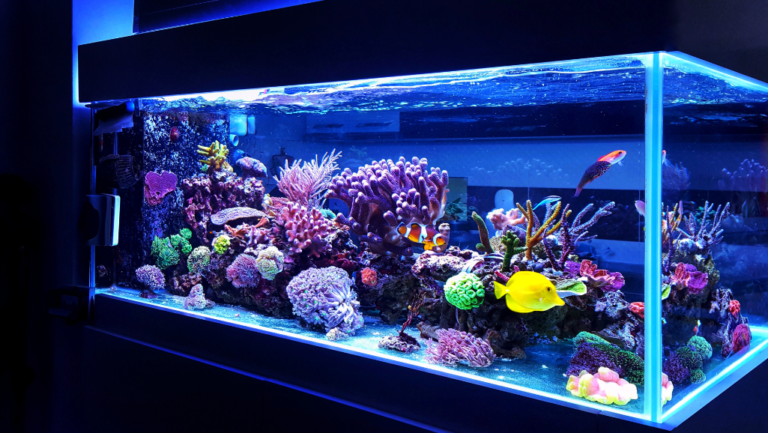
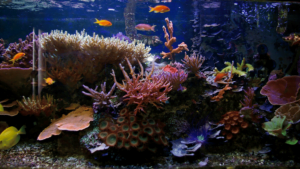
Reef tanks, on the other hand, cater to advanced hobbyists. These systems are designed to support coral growth and mimic the conditions of the sea. While more complex, they offer stunning visual appeal and a rewarding experience for dedicated enthusiasts.

Selecting Quality Equipment for Long-Term Success

High-quality equipment is the backbone of any successful aquarium. A reliable pump ensures proper water circulation, while a robust filter maintains cleanliness. These components work together to create a balanced ecosystem.

Investing in professional-grade supplies minimizes future maintenance challenges. Brands like AquaEuro and Current USA are trusted for their durability and performance. Their products are designed to integrate seamlessly into your system, ensuring long-term success.

When choosing equipment, consider factors like tank size, water volume, and proper airflow. These elements play a critical role in maintaining a healthy environment for your aquatic life. For more tips on setting up a thriving aquarium, check out this guide.

Essential Aquarium Equipment and Supplies

The right tools and supplies ensure a healthy and sustainable aquatic habitat. From maintaining water quality to supporting coral growth, every piece of equipment plays a vital role. Whether you’re setting up a freshwater or marine system, choosing the right products is essential for long-term success.

Filters, Heaters, and Pumps Explained

Filters are the backbone of any aquarium. They remove debris, toxins, and harmful substances, ensuring clean and safe water. Canister filters, like those from Fluval, are ideal for larger setups, while hang-on models work well for smaller systems. Efficient water circulation is critical, and a reliable pump ensures proper flow throughout the tank.

Heaters maintain stable temperatures, which is crucial for tropical species. Brands like AquaEuro offer durable options that match your tank’s size. For larger systems, using two smaller heaters ensures even heat distribution. This approach prevents hot spots and keeps the environment consistent.

Lighting Options and LED Technologies

Lighting is more than just aesthetics. It supports plant growth and enhances coral health in marine setups. LED technologies, such as those from Current USA, provide energy-efficient solutions with customizable colors. Blue LEDs mimic the sea’s natural environment, while red wavelengths promote plant photosynthesis.

Advanced systems also integrate chillers to stabilize temperatures, especially in warmer climates. These devices prevent overheating, ensuring a balanced ecosystem. For more essential information for setting up and maintaining an, explore our detailed guide.

In-Depth Look at Lighting, Pumps, and Filters

aquarium lighting and filters

Modern aquarium technology has revolutionized how we maintain aquatic ecosystems. From advanced lighting systems to efficient pumps and filters, these innovations ensure a healthier environment for aquatic life. Understanding the latest tools and their benefits can help you create a thriving underwater habitat.

Innovations in Protein Skimmers and UV Sterilizers

Protein skimmers are essential for marine setups. They remove organic waste, improving water quality and reducing harmful substances. UV sterilizers, like the TMC 8 & 15 Watt Vecton, prevent diseases by eliminating bacteria and parasites. These tools are especially useful in larger systems where maintaining cleanliness is challenging.

Understanding Chillers and Aquarium Water Systems

Chillers play a vital role in stabilizing temperatures, especially in warmer climates. Devices like the AquaEuro chiller prevent overheating, ensuring a balanced ecosystem. Water systems, including efficient pumps and filters, work together to maintain proper circulation and cleanliness. For larger setups, multiple chillers or canister filters like the Rena Filstar XPL are recommended.

Highlighting Top Brands and Products

Brands like Current USA and Fluval are trusted for their innovative solutions. Current USA’s LED lighting systems, such as the AquaRay GroBeam, offer customizable colors and energy efficiency. Fluval’s AquaSky 2.0 Bluetooth LED Lighting is perfect for both freshwater and marine setups. These products are designed to integrate seamlessly into your system, ensuring long-term success.

  • Protein skimmers enhance water quality by removing organic waste.
  • UV sterilizers prevent diseases in both small and large systems.
  • Chillers stabilize temperatures, especially in warmer climates.
  • LED lighting systems provide energy-efficient and customizable solutions.
  • Top brands like Current USA and Fluval offer reliable and innovative products.

By incorporating these advancements, you can create a balanced and thriving aquatic environment. Whether you’re a beginner or an experienced hobbyist, these tools make maintenance easier and more effective.

Aquarium Maintenance and Cleaning Tips

aquarium maintenance

Maintaining a clean and balanced aquatic environment is essential for the health of your system. Regular upkeep ensures optimal water quality, prevents algae buildup, and extends the life of your equipment. Whether you have a freshwater or marine setup, following a consistent routine is key to success.

Routine Cleaning Practices for Freshwater and Marine Tanks

Weekly water changes are a cornerstone of aquarium care. For freshwater systems, replace 10-15% of the water to remove toxins and debris. Marine setups may require 20-25% changes to maintain salinity levels. Use a gravel vacuum to clean the substrate, removing waste without disturbing beneficial bacteria.

Algae control is another critical aspect. Scrape the glass regularly and trim overgrown plants. For marine tanks, monitor coral health and remove any dead or decaying matter. Always test water parameters like pH, ammonia, and nitrate levels to ensure a safe environment.

Proper Techniques for Equipment Maintenance

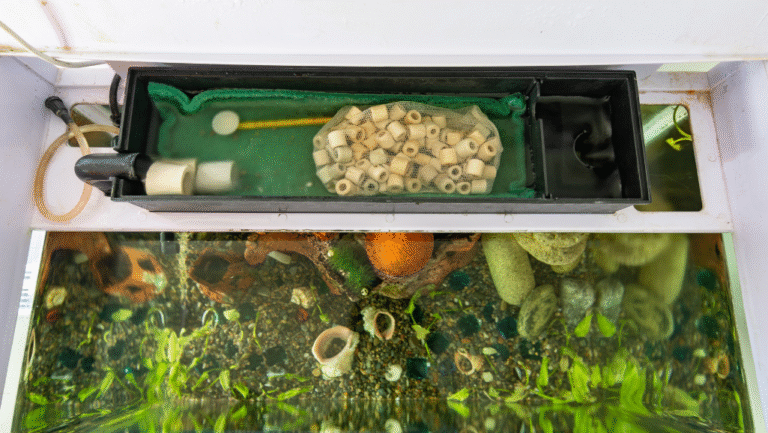
Your pump and filter are vital components that need regular attention. Clean the filter media monthly, but avoid replacing all media at once to preserve beneficial bacteria. Inspect the pump for debris and ensure it’s functioning efficiently.

Heaters and LED lighting also require upkeep. Check the heater’s temperature settings and clean the exterior to prevent malfunctions. Wipe down LED fixtures to maintain brightness and efficiency. Trusted brands like Fluval and Current USA offer durable supplies designed for long-term use.

  • Perform weekly water changes to maintain quality.
  • Use a gravel vacuum to clean the substrate effectively.
  • Monitor and control algae growth regularly.
  • Clean filter media monthly without disrupting bacteria.
  • Inspect and maintain heaters and lighting for optimal performance.

By following these practices, you can create a thriving environment for your aquatic life. Consistent care not only enhances the beauty of your setup but also ensures the well-being of its inhabitants.

Customizing and Upgrading Your Aquarium System

aquarium customization

Personalizing your aquatic space can transform it into a vibrant, natural ecosystem. Whether you’re enhancing a freshwater setup or a reef system, creative upgrades bring both beauty and functionality to your environment. From natural decor to advanced technologies, these changes can make your aquarium truly unique.

Decor and Rock Configurations for a Natural Look

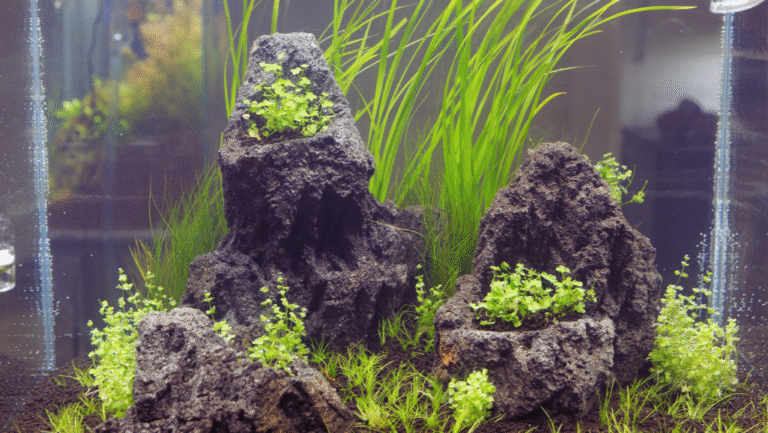
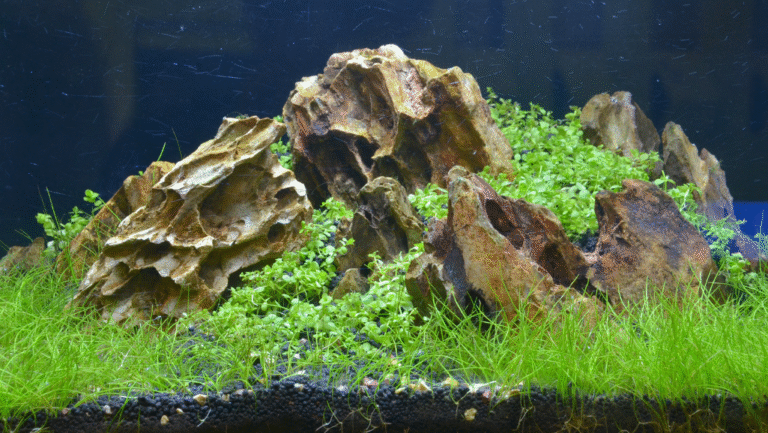
Natural decor, like rock formations and aquatic plants, creates a visually appealing habitat. For reef systems, carefully arranged live rock supports coral growth and provides hiding spots for aquatic life. In freshwater setups, driftwood and stones mimic natural riverbeds, enhancing the overall aesthetic.

When selecting decor, consider compatibility with your system’s size and inhabitants. Proper placement ensures water flow isn’t disrupted, maintaining a healthy environment. For inspiration, explore aquascaping techniques that balance form and function.

Integrating Modern Aquarium Technologies

Modern technologies like LED lighting and chillers elevate both functionality and aesthetics. LED systems offer customizable colors, enhancing the visual appeal while supporting plant and coral growth. Chillers stabilize temperatures, especially in warmer climates, ensuring a balanced ecosystem.

Upgrading to advanced tools, such as efficient pumps and filtration systems, reduces long-term maintenance. Brands like Custom Aquariums offer solutions designed for seamless integration. These upgrades not only improve performance but also enhance the overall experience of maintaining your aquatic habitat.

Investing in compatible upgrades ensures your system remains healthy and visually stunning. With thoughtful customization, your aquarium can become a centerpiece of natural beauty and innovation.

Expert Advice on Freshwater and Marine Aquariums

aquarium expert advice

Expert guidance can make all the difference in creating a thriving aquatic environment. Whether you’re setting up a freshwater system or a reef tank, insights from industry specialists ensure success. From product selection to maintenance, professional advice simplifies the process and enhances results.

Insights from Industry Specialists

Seasoned professionals emphasize the importance of proper planning. For freshwater setups, they recommend starting with hardy species and gradually adding more sensitive ones. In marine systems, live rock and soft corals like green star polyps are ideal for beginners.

“A well-planned system reduces maintenance stress and ensures long-term success,” says a specialist from Aquarium Specialty.

Experts also highlight the role of advanced tools. Efficient pumps and LED lighting systems, such as those from Current USA, enhance both functionality and aesthetics. Regular water testing and proper filtration are critical for maintaining a balanced ecosystem.

Tailored Service and Wholesale Solutions

Established shops like Aquatic Warehouse offer personalized support and wholesale solutions. Their product range includes everything from filters to chillers, catering to both hobbyists and professionals.

  • Customized product recommendations based on your system’s needs.
  • Expert assistance available during store hours for setup and troubleshooting.
  • Wholesale options for bulk orders, ideal for larger setups or businesses.

By ordering from trusted brands, you gain access to reliable supplies and expert advice. This ensures your aquarium remains healthy and visually stunning. For more information, visit their website or contact their customer service team.

Conclusion

Building a thriving aquatic habitat requires careful planning and the right tools. Quality products like pumps, heaters, and filters are essential for maintaining a balanced environment. Regular cleaning practices, such as water changes and substrate care, ensure long-term success.

Whether you’re managing a freshwater or marine system, expert advice can simplify the process. Proper setup reduces maintenance challenges over time, allowing you to focus on enjoying your aquatic space. Trusted brands offer reliable solutions tailored to your needs.

Explore more tips and products at AquaJoyLife. A well-maintained aquarium not only enhances your space but also supports vibrant aquatic life. Start your journey today and create a thriving ecosystem with confidence.

FAQ

What are the key components needed for a successful aquarium setup?

Essential components include a filter, heater, pump, and proper lighting. For marine setups, a protein skimmer and live rock are also crucial. Always choose quality equipment from trusted brands like Red Sea or Eheim for long-term success.

How do I choose the right lighting for my aquarium?

LED lighting is energy-efficient and versatile, ideal for both freshwater and marine setups. For coral growth, opt for full-spectrum LEDs that mimic natural sunlight. Brands like Kessil and AI Prime offer advanced options.

What is the purpose of a chiller in an aquarium system?

A chiller helps regulate water temperature, especially in marine or reef setups where overheating can harm coral and other sensitive organisms. It’s a must-have for maintaining stable conditions in warmer climates.

How often should I clean my aquarium and its equipment?

Perform routine cleaning every 2-4 weeks, including water changes and filter maintenance. Check pumps and heaters monthly to ensure they’re functioning properly. Regular upkeep prevents algae buildup and keeps the system healthy.

Can I use the same equipment for freshwater and marine aquariums?

Some equipment, like pumps and LED lights, can be used for both. However, marine setups often require additional items like protein skimmers and live rock. Always research specific needs before setting up.

What are the benefits of using a protein skimmer?

A protein skimmer removes organic waste from marine and reef systems, improving water quality and reducing the need for frequent water changes. It’s a valuable tool for maintaining a healthy aquarium environment.

How do I create a natural-looking aquarium with decor and rocks?

Use live rock for marine setups and driftwood or stone for freshwater tanks. Arrange decor to mimic natural habitats, providing hiding spots and visual appeal. Brands like CaribSea offer high-quality options.

What are the latest innovations in aquarium technology?

Modern advancements include smart LED lighting, Wi-Fi-controlled pumps, and UV sterilizers for cleaner water. Brands like EcoTech Marine and Hydor are leading the way with cutting-edge products.

Where can I find expert advice for my aquarium setup?
Consult with local aquarium shops or online forums like Reef2Reef. Many brands also offer tailored service and support to help you create the perfect system for your needs.
aggressive freshwater fish
Aggressive Freshwater Fish: A Guide to Identifying and Caring for Them
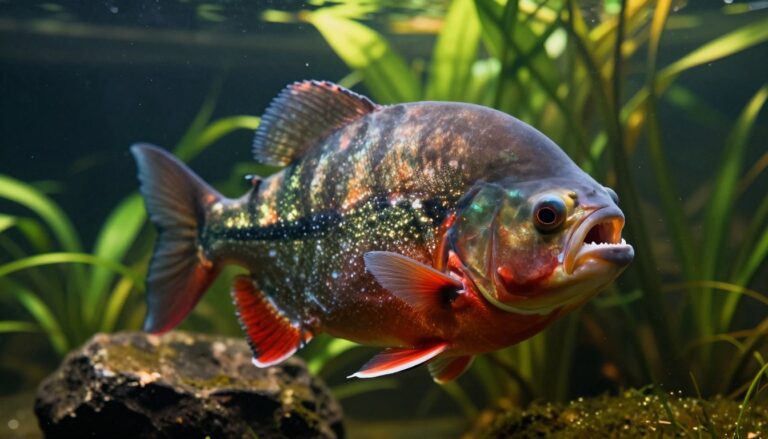
Welcome. This guide frames the term aggressive freshwater fish as a description of natural behavior, not a moral judgment. We explain how the name covers a range of actions, from territorial displays to true attacks. This piece serves curious beginners and confident keepers who want a more challenging lineup. You will learn how to spot early warning signs and build systems that help each species thrive long term. Expect clear profiles, real tank guidelines, and step-by-step care tips you can apply today. A strong aquarium plan begins with adult needs, not the fish’s size at the store. With the right setup and steady observation, many once-problem individuals become manageable. Key Takeaways“Aggressive” refers to behavior patterns, not bad temperament. Learn early signs to prevent problems before they escalate. Design tanks around adult needs, not juvenile size. Profiles and care steps help with species selection and planning. Observation and proper setup make keeping these fish practical.Why “Aggressive” Fish Can Be the Most Rewarding Aquarium SpeciesBold personalities in the tank often reward careful keepers with unforgettable behavior. Two common types of aggression show up in tanks: social bullies that harass and injure tankmates, and predators that see smaller tankmates as food. Recognizing these types helps you plan space, decor, and stocking. Labeling a species as aggressive fish should mean “needs a plan,” not “avoid.” With the right layout and filtration, many become reliable centerpiece animals that anchor an aquascape. Experienced aquarists love strong characters for their big personalities, intelligent interactions, and bold feeding responses. These behaviors turn a simple hobby into a living study of instinct.Understand the difference between bullying and predation. Design the tank to match adult size and temperament. Accept responsibility: powerful species need smarter filtration and stocking.When you learn behavior, chaos becomes confidence. That intentional approach makes a home aquarium both safer and far more rewarding. How to Identify Aggression Before It Turns Into DamageSpotting trouble early in your aquarium begins with learning a few simple pressure behaviors. Watch for warning signs: short chases, repeated posturing, guarding a cave, and fin nipping. Frequency matters more than a single incident. A pair of quick snaps is different from relentless harassment. When a predator shift occurs, you will see tracking, night strikes, or repeated lunges at smaller tankmates. This is when a bully moves from harassment to viewing others as food.Spot pressure behaviors early: short chases, guarding, posture repeats. Note classic bullying: nipped fins, cornering, persistent chasing. Identify predation cues: tracking, nocturnal strikes, testing lunges. Link form to function: streamlined body and pointed fins signal speed; thick jaws and sharp teeth signal predation. Keep observation routines: feed watches, post–water change checks, and after lights-off rounds.Size mismatches are one of the fastest ways a semi-tolerant community becomes lethal. Match adult size and behavior for safer long-term success. Essential Management Rules for Aggressive Freshwater FishA clear set of rules helps keep strong personalities from dominating a shared aquarium. Think like a systems builder: your goal is to shape behavior into predictable boundaries, not erase it. Make sure space matches adult size: inches, feet, and gallons that matter Plan for the adult, not the juvenile. Inches show growth potential, feet show territory length, and gallons give filtration and stability. Match tank footprint to swimming style and social needs. Rearranging decor to reset territories Move rocks, driftwood, and caves to break sightlines. A quick reshuffle forces a reset of established turf and lowers repeated harassment. Feeding strategies that prevent crowding Spread food across the surface and feed multiple zones. Avoid one hotspot so a dominant fish cannot gatekeep the food. Using a breeding cage “time out” A breeding cage can isolate the bully without tearing down the whole tank. It’s low-drama and gives others space to recover. When a single-species tank is the safest option For true predators or intolerant species, a single-species tank is humane and practical. If fights persist, isolation protects the rest of the community.Core rule: plan enough space for adults. Behavioral tools: aquascape, feeding spread, and temporary isolation. Outcome: controlled boundaries that make aquariums safer and more rewarding.Aggressive Cichlids That Rule the AquariumCichlids often top lists of high-impact aquarium residents because they blend clever behavior with territorial drive. Oscar profile Oscar reach 12–18 inches and make personable centerpieces. Plan for 55+ gallons, a secure hood, and regular enrichment. Oscars jump and thrive on interaction. Jaguar cichlid The jaguar cichlid has an elongated body built for fast strikes. Expect 16–24 inches and roughly a 70-gallon baseline with strong filtration and hide spaces. Wolf cichlid (Parachromis dovii) The wolf is a high-impact species. Adults hit 24–30 inches and need 125 gallons minimum. This one tests your system footprint and handling skills. Midas cichlid Midas may defend a four-foot nest zone during breeding. Tank length matters—around a six-foot layout gives room for nesting and reduces conflict. Red devil cichlid Red devil varieties show pointed fins and bold color. They can destroy plants and decor, so choose robust hardscape and plan separate quarters if needed. Jack Dempsey Jack Dempsey are hardy, warm-water lovers that need caves and line-of-sight breaks. A 55-gallon tank with multiple hides lowers stress and keeps size-related disputes in check.“Respect adult size, stable water, and planned decor — those three steps make bold species rewarding.”Predatory Monsters for Advanced Aquarists Keeping top-level hunters in a home setup means building a system around their needs, not the other way around. These are lifestyle animals. You buy the system as much as the specimen. In captivity they need volume, secure lids, and heavy filtration. Arowana profile Long-bodied surface hunters reach 2–3 feet and often need ~250 gallons. They are best kept singly and will eat smaller tankmates. Peacock bass profile Cichlid-like predators that jump, eat smaller fish, and do best in 150–300 gallons with open water and a tight hood. Snakehead and redtail catfish notes Snakeheads behave like apex hunters—secure lids and predator-proof stocking are essential. Redtail catfish grow to 3–4 feet fast; adult systems can require 1500–2000 gallons and industrial filtration. Ambush and nocturnal predators Hoplias aimara have sharp teeth and ambush style; plan for 300+ gallons. Afer knife species prefer planted, driftwood cover and protein-forward feeding in 150–200 gallons. Bichir caution Ornate bichir are bottom-dwelling living fossils that may mistake small tankmates for food. Sand substrate and roomy layouts reduce risk.“Respect the wild instincts—build the tank to fit the hunter.”Plan adult size in feet and gallons before buying. Secure lids, strong filters, and realistic stocking are non-negotiable. Treat these predators as long-term commitments, not starter pets.Small but Mighty Aggressive Fish for Compact TanksSmall aquariums can still feel dramatic when you choose species that match the space and behavior you can manage. Pea puffers (dwarf puffers) Pea puffers are tiny—often under 1.5 inches—but they show big personalities. Their nips and constant harassment make community setups risky. Stable water and careful feeding matter. Many keepers house them alone or in species-only groups. Dense planting, broken sightlines, and small hides let each individual disengage and reduce stress. Tiger barbs Tiger barbs are active and famous for fin-nipping. Long-finned tankmates suffer if barbs are kept in small numbers. Keeping a proper school (6+ individuals) spreads aggression and lowers bullying. A ~30 gallon tank with multiple swim zones and visual barriers helps maintain balance. Bucktooth tetra (Exodon) Bucktooth tetras are notorious scale-eaters and can escalate in mixed communities. They grow to about 5–6 inches and demand space and strong filtration. Groups of ~12 reduce dominance fights and focus their behavior inward. In a ~55 gallon layout, purposeful aquascaping and planned stocking keep colors and movement dramatic without casualties.“A compact tank can be bold — plan for behavior, not just size.”Tip: Match adult size and social needs before you buy. Design: Use plants and decor to create escape routes and broken sightlines. Watch: Small aggressive species demand frequent observation and steady maintenance.Sharks That Aren’t Sharks: Red Tail and Rainbow “Sharks”Red tail and rainbow varieties look shark-like but behave very differently. These bottom-oriented patrols stake small territories and shine when given lanes and retreats. Treat the label as a visual cue, not a behavior sentence. Red tail profile and tank planning Red tail sharks prefer the lower third of the water column and hold a clear bottom zone. Plan a 55-gallon footprint so the tail shark can claim length without cornering others. Provide caves, shaded hides, and overhangs. These refuges stop constant chasing and let timid tankmates escape patrol routes. Current, flow, and behavior Many tail sharks become calmer and more confident in moving water. Flow boosts oxygen and mimics riverine habitats, which reduces skittish reactions.Place returns to create gentle lanes along the substrate. Wavemakers or pumps can increase activity without creating turbulence everywhere. Keep calm corners so weaker swimmers can rest.“Space plus hiding spots turn tail sharks from bullies into energetic show fish.”Tank Setup That Prevents Territorial Wars A successful layout thinks in lanes and rooms instead of only counting gallons. Start by planning the tank footprint: length often matters more than total volume for large, territorial cichlids and predators. Aquarium size and footprint Think in feet, not just gallons. A long tank creates separate neighborhoods and reduces line-of-sight stress. For Midas and similar species, extra length prevents a single nest from dominating the whole layout. Hardscape and plants Use rocks, driftwood, and caves to divide territory. Offer many claimable shelters so no one fish owns every hide. Choose hardy plants or use them as visual cover. Robust hardscape should be the permanent boundary; plants are the soft buffer. Secure lids for jumpers Secure lids are safety gear, not accessories. Oscars and peacock bass can launch during feeding or spooks. A tight lid prevents escapes and injuries. Substrate choices for bottom dwellers Sand supports natural foraging and protects bellies for ornate bichirs and other bottom dwellers. Rough gravel can abrade skin and fins over time.Length creates more separate zones than depth. Hardscape + plants = visible breaks and claimable spots. Safe lids and correct substrate cut conflicts dramatically.“Space + boundaries + safe lids + appropriate substrate equals fewer territorial wars.”Feeding, Water Quality, and Filtration for High-Impact Fish Feeding choices and filter capacity together shape behavior and water quality in any big-tank setup. Treat nutrition and mechanical systems as a single plan. This approach reduces stress and unwanted hunting behavior in captivity. Protein-forward diets vs. omnivore needs Carnivores like peacock bass and many large cichlids need protein-heavy food. Use pellets as a base and add safe frozen or prepared proteins instead of random live prey. Omnivores such as oscars accept pellets plus vegetable fare. Matching food to natural diet limits hunger-driven aggression. Managing waste and sizing filtration Big, messy species produce heavy waste. Oversize your filter and plan frequent maintenance to keep nitrates low.Choose filtration rated above the tank’s gallons per hour. Perform targeted water changes based on measured ammonia and nitrate. Use mechanical pre-filters and biological media for steady water quality.Stable parameters for sensitive species Dwarf and pea puffers need rock-solid temperature and chemistry. Small swings trigger stress and sudden aggression.“Routine care beats emergency fixes—consistent checks protect both behavior and health.”Choosing Tank Mates Without the Drama Picking compatible tank mates begins with a simple rule that guards against midnight predation. Core rule: if one animal can swallow another, it likely will try — often at night or when food runs low. Size matching: inches matter Use inches as a quick screen. Match mates that are the same size or larger to reduce predation risk. Temperament still matters. Two similarly sized species can fight if one is particularly bold. When to skip mates entirely Avoid mixing when adults are ultra-territorial, proven bullies, or known predators that test-bite others. Some specimens do best in single-species tanks to protect both them and the others. Planning a semi-aggressive setup Create territory zones, add line-of-sight breaks, and place multiple shelters so subdominant mates can disengage.Plan B: make sure you have a divider, spare tank, or rehoming option before mixing. Keep stocking light — the aim is a stable ecosystem, not a crowded display.“Match size, design space, and have a backup plan — peace in the tank follows planning.”Breeding and Seasonal Aggression You Should Expect When breeding starts, instinct and hormones can rewrite a tank’s pecking order in hours. Spawning triggers include warmer water, richer feeding, steady conditions, and the arrival of a suitable cave or flat stone. These cues tell many cichlids that it’s time to reproduce. A specimen that was calm yesterday can become fiercely protective today. Why territories expand during mating Parents guard eggs and fry by creating clear “no-go zones.” In the wild this protects young across meters; in a home tank it can mean several feet of claimed space. Signs that breeding defense has startedFlaring fins and rigid bodies. Repeated charges, lip-locking, and cornering. Persistent chasing of any intruder that comes near the nest.Species to watch closely Midas cichlids may defend about four feet around a nest. Wolf cichlids escalate rapidly when spawning. Red devil and similar devil cichlid types pair nesting with high confidence and can destabilize mixed tanks.“Plan for breeding behavior before it happens; prevention keeps both fry and tankmates safe.”Separation strategies that work Use dividers, a breeding cage, temporary relocation, or quick re-scaping to disrupt a nest. These options protect other tank inhabitants and let parents complete their cycle with less collateral harm. For planning resources on matching temperament and tank species, see top aggressive tank species. Conclusion Good planning turns bold tank residents into unforgettable companions. A confident keeper frames aggressive freshwater fish as high‑personality animals that reward leadership, calm routines, and steady care. Success rests on clear pillars: plan adult inches and gallons, shape the aquascape with plenty of hiding spots and broken sightlines, oversize filtration, and keep tight water routines. Choose species that match your life and space — whether a red tail patrols a long, structured tank or a single centerpiece cichlid anchors a dedicated system. Pick one specimen you truly want, build the environment it deserves, and let natural behavior become the most fascinating part of your home aquarium. Remember: these instincts come from the wild; your role is to translate them into a safe, stable setup for years of rewarding displays.FAQ What do aquarists mean when they call a species aggressive? Aggression in a tank describes behaviors like chasing, fin nipping, cornering, or killing other inhabitants. It can be territorial defense, mating-driven nest protection, or predatory hunting. Watch for repeated targeting of the same tank mate, damaged fins, or missing fish as clear signs. How can I tell if a fish will grow too large for my aquarium? Check adult size specifications from reliable sources such as Aquarium Co-Op or Practical Fishkeeping. Measure tank length and compare recommended minimum gallons and feet of swimming space. Species like arowana, redtail catfish, and many large cichlids need far more room than juveniles suggest. What tank size do common cichlids need? Size varies by species: oscars generally need 55+ gallons and 3–4 feet of length as adults; jaguar cichlids benefit from 70+ gallons and longer tanks; wolf cichlids can require 125 gallons or more. Always plan for the adult length and territorial space, not the juvenile size. Can I keep aggressive species with community fish? Often no. Many predatory or territorial species see smaller or slower fish as food or targets. If you try mixed stocking, match or exceed size, provide ample hiding spots, and monitor closely. For truly dominant species, a single-species tank is usually safest. What habitat changes reduce territorial fights? Rearranging decor, adding caves, driftwood, and rock barriers helps reset territories. Break clear lines of sight and provide multiple refuge zones so weaker fish can escape. Plants that tolerate disturbance can soften borders, but tough cichlids will still uproot delicate foliage. How should I feed large predators to minimize surface crowds and fights? Use multiple feeding stations, scatter food across the tank, and offer protein-rich items on a schedule. For ambush predators, provide sinking meaty options. Regular, adequate feeding reduces competition; avoid overfeeding, which stresses filtration and water quality. When is a breeding cage or separator useful? Use a breeding cage to protect fry or to isolate a dominant individual temporarily. It can calm a bully while others recover, or keep a territorial pair separated during nest defense. Always monitor oxygen and flow inside the cage to avoid harm. Are there compact species that still cause problems in small tanks? Yes. Pea puffers and tiger barbs are small but can be very combative; pea puffers nip and injure slower fish, while tiger barbs will gang up unless kept in proper shoals. Bucktooth tetras (Exodon) are notorious scale-eaters and need careful group management or species-only setups. What precautions do tail sharks (red tail, rainbow) require? Tail sharks are territorial bottom dwellers that need hiding spots and at least 55 gallons for red tail sharks. They prefer moderate to strong flow and clear territories, so provide caves and a long footprint to reduce conflicts with similarly shaped species. How do I match filtration and water quality to high-biomass species? Choose filters rated well above tank volume for heavy waste producers and use mechanical + biological stages. Frequent water changes, strong circulation, and large media banks help manage ammonia and nitrates. Powerful filtration is essential for species like redtail catfish and hoplias. What tank mate rules prevent predation? Match or exceed adult size, avoid slow or long-finned species, and select robust swimmers. Provide multiple territories and escape routes. When in doubt, use a species-only approach or choose similarly tempered, large-bodied companions. How does breeding change behavior and tank needs? Many species become hyper-territorial during spawning, expanding a “no-go” zone around nests. Expect heightened aggression and protect other fish with separation or extra hiding places. Increase tank footprint or temporarily isolate breeding pairs to avoid casualties. Which predators are only for advanced keepers? Arowana, peacock bass, snakehead, redtail catfish, and hoplias require massive tanks, strong lids, and experience. They grow quickly, need protein-forward diets, and can jump or attack tank mates. Only attempt these species with long-term planning and industrial-grade filtration. Can plants survive with burrowing or digging cichlids? Tough plants like Anubias, Java fern, and Vallisneria can sometimes survive, but many large cichlids uproot and eat plants. Use heavy pots, rock anchors, or accept a hardscaped look with driftwood and rock caves for realistic long-term setups. What are safe emergency steps if one fish repeatedly attacks others? Remove the aggressor to a quarantine or holding tank, rearrange the main tank decor to disrupt territories, and provide extra hiding places. If wounds are severe, treat injured fish in a hospital tank and monitor water quality closely to speed recovery....
fish for 2 gallon aquarium
Best Fish for 2 Gallon Aquarium
This is a true nano setup. A tiny desktop habitat changes everything. Very small water volume makes stability...
starting fish tank
Starting Fish Tank: Tips for New Aquarium Owners
Setting up your first aquarium is both thrilling and steady work. Expect about one to two weeks to gather...
Community Aquarium
Community Aquarium Basics: Choosing Fish and Setting Up a Small Fish Tank
Starting a small community aquarium is an exciting and relatively easy way to get into the hobby. Choosing the right fish and understanding how adult size and temperament affect compatibility are the first steps to a thriving setup. Many species are well-suited for smaller tanks, but note that very small systems (like 5-gallon tanks) limit your choices and require extra attention to water quality and stocking. This guide covers practical tank setup, how to pick compatible fish, and the maintenance habits that keep a healthy freshwater aquarium. Whether you’re planning a 5‑gallon nano or a 20‑gallon community tank, you’ll get clear steps, species suggestions, and real-world tips to create a balanced, attractive display. Follow this guide to set up your first community aquarium confidently—whether you’re looking for a peaceful display of schooling fish or a mixed community with bottom dwellers. The sections below explain setup essentials, choosing friendly species, acclimation, maintenance, and when to upgrade as your skills grow. Key TakeawaysPick fish that will fit your tank at full adult size to avoid overcrowding. Focus on species that thrive in small community setups and get along well together. Proper setup and regular maintenance are essential—especially in smaller tanks where conditions change more quickly. Compatibility (size, temperament, and water needs) prevents conflict and stress among community fish. If you want a relatively easy start, choose hardy freshwater species and follow step-by-step care guidance in this content.Introduction to Aquarium Fish KeepingKeeping a community aquarium is a rewarding hobby that combines creativity, responsibility, and the simple pleasure of watching aquatic life thrive. Whether you’re attracted to the bright colors of tropical fish or the calm of a planted freshwater display, a well-planned fish tank can fit many lifestyles and living spaces. A community aquarium is a tank stocked with multiple compatible fish species that coexist peacefully — typically a mix of schooling mid‑water species, peaceful top swimmers, and bottom dwellers. Choosing the right species is the foundation: many beginners find livebearers like guppies to be one popular, hardy option because of their small adult size and adaptability. However, remember that nano tanks (5–10 gallons) limit options and need stricter water quality control. Proper care and routine water testing sustain a healthy environment. Local fish stores are valuable allies — ask them about water testing services, current stock levels, and species compatibility for the tank size you’re planning. If you’re just starting, look for hardy freshwater species and merchandise labeled “community” or “beginner‑friendly.” What begins as a casual interest can become a year‑round commitment to learning and improving your setup. From selecting compatible fish to mastering basic maintenance, the process is educational and enjoyable. If you’re looking for an in-depth, step-by-step walkthrough, see this step-by-step resource to get started. Setting Up Your Aquarium for SuccessCreating a thriving aquatic display begins with choosing the right tank and arranging the proper environment. The tank you pick affects water stability, filtration needs, and how comfortably your fish can live and grow. Thoughtful selection and setup reduce stress on livestock and make routine maintenance easier. Selecting the Right Tank Size and Environment The size of your tank directly influences water chemistry and fish growth. For many beginners, a 20-gallon tank is a practical sweet spot: it’s large enough to support a small community and more forgiving of maintenance mistakes than nano setups. Very small tanks (5–10 gallons) are possible but keep in mind they limit species choices and require more frequent attention to parameters. Larger tanks dilute pollutants more effectively and provide more stable conditions, which is why many hobbyists upgrade as they gain experience. Always keep the adult size of planned fish in mind when calculating stocking — small fish in number can still create a heavy bioload. Essential Equipment and Water Parameters Equip your fish tank with reliable basics: a filter sized to your tank’s flow needs, a heater appropriate for the volume and target temperature, a test kit, and lighting suited to your décor or plants. Rather than relying on a single rule, think in terms of flow and turnover: aim for a filter capable of roughly 3–5× the tank volume per hour (for many community setups, 4× is a good target). For example, for a 20-gallon tank aim for a filter that moves ~80 gallons per hour. Heater sizing is a guideline — older rules of thumb suggest about 5 watts per gallon, but modern heaters and well‑insulated tanks can vary. Use the wattage suggestion as a starting point and monitor water temperature with a reliable thermometer to fine-tune. Consistent water testing is vital: track ammonia, nitrite, nitrate, and pH during startup and regularly after stocking. Cycling a new tank builds beneficial bacteria and is essential before adding fish. While a natural cycle can take several weeks to a few months, using seeded media, filter media from an established tank, or commercial bacterial starters can shorten the process. You’ll know the cycle is complete when ammonia and nitrite test at 0 ppm and nitrate is detectable. Must-Have Setup ChecklistTank sized for your planned stocking (20 gallons recommended for most beginners) Filter rated for 3–5× turnover per hour (example: ~80 GPH for 20 gallons) Appropriate heater and reliable thermometer Water test kit (ammonia, nitrite, nitrate, pH) Substrate (consider 1.5–2 lb per gallon as a general guideline for gravel; adjust for planted/sand setups) Dechlorinator and basic maintenance tools (siphon, algae scrub)For a step-by-step setup walkthrough and product suggestions, see this step-by-step resource. Download our setup checklist to guide your first installation and keep important specs handy while you plan. Choosing Friendly Fish for Your Community AquariumSelecting the right aquatic companions is essential to building a peaceful, visually appealing community fish tank. The best combinations balance color, size, and temperament so that all inhabitants can get along and display natural behavior. Keep in mind your tank’s dimensions and the adult size of each fish when planning a stocking list. Color, Size, and Temperament Considerations Vibrant species like the neon tetra add instant color to a setup, while patterned mid‑water swimmers create movement and interest. However, aesthetics must be balanced with practicality: always check adult size to avoid overcrowding — many tetras reach roughly 1.2–1.8 inches, making them ideal for smaller tanks when kept in groups. Temperament matters just as much. Peaceful community fish such as corydoras or platies are beginner‑friendly and tend to coexist quite well with schooling mid‑water species. Avoid mixing known fin‑nippers or territorial species with long‑finned or timid fish. Understanding Fish Compatibility in a Community Tank Compatibility is largely about matching size, water requirements, and temperament. Small, non‑aggressive species are generally safer together; for example, tetras and guppies can get along because both are small and peaceful, but be sure their temperature and pH needs overlap. Group dynamics are important: many schooling fish show their best colors and behavior when kept in groups. Typical minimums to keep in mind: neon tetras — 6–8, rasboras — 6+, and corydoras — 4–6. Groups reduce bullying and help fish feel secure. Recommended Small‑Tank Pairings (compatibility matrix)Neon tetra + Corydoras + Small livebearer (e.g., guppy) — good for a 20-gallon community tank; schooling + bottom cleaners + colorful browsers. Pearl danios or celestial pearl danios + Otocinclus + small rasbora — peaceful schooling community for nano to small tanks. Platy + Corydoras + 6 small tetras — hardy, colorful community with varied levels occupied (top, middle, bottom).Red Flags & Quick Compatibility ChecklistFin‑nippers (some barbs) — avoid with long‑finned species. Large predatory or territorial species — don’t mix with small schooling fish. Mismatched water needs — temperate goldfish vs. tropical species is a no‑go. Single schooling species kept alone — always keep at least the species’ recommended minimum group size.When planning, research each species’ adult size, temperament, and specific water parameters. Prioritize peaceful community fish and smaller fish that get along, and you’ll build a harmonious display that’s enjoyable and stable. For more pairings and a printable compatibility chart, see the full fish compatibility chart. Freshwater Tropical, Coldwater, and Marine Options ExplainedChoosing between freshwater tropical, coldwater, or marine systems determines the types of fish you can keep, the equipment you’ll need, and the ongoing commitment required. A small freshwater community is often the most accessible path for beginners, while marine tanks offer a wider visual range of species but bring greater complexity and cost. Understanding these differences will help you pick the best match for your space and schedule. Pros and Cons of Tropical and Coldwater Fishes Freshwater tropical setups are popular because they support a huge variety of colorful fish — neon tetras, rasboras, and many livebearers provide vivid movement and pattern. Tropical systems usually require consistent water temperatures (commonly in the 72–82°F range for many tropical community species), so plan to include a reliable heater and thermometer. Coldwater tanks are sometimes simpler to run because they don’t require a heater for typical room temperatures, but that doesn’t mean they’re lower maintenance. Goldfish, a common coldwater choice, grow large and produce a heavy bioload, so they need much larger tanks than many beginners expect — they are not ideal for small 10–20 gallon setups despite being coldwater species. Starter Marine Fish Recommendations Marine aquariums display an incredible range of color and behavior, but saltwater systems demand stricter parameter control and additional equipment (protein skimmers, dosing systems, and accurate test kits). If you’re drawn to saltwater, consider starting with hardy, one popular beginner species such as clownfish or damselfish in a properly sized tank. Note that many marine hobbyists recommend starting with a 30+ gallon tank rather than very small nano systems to improve stability; nano marine tanks are possible but require advanced attention to water chemistry. Quick Pros & ConsFreshwater community: Relatively easy to start, wide variety of fish, good for small tanks when you choose smaller species. Coldwater: No heater needed in many homes, but species like goldfish need large tanks and produce more waste. Marine: Stunning diversity and colors, but higher complexity, cost, and equipment needs; better suited to hobbyists prepared for precise care.If you’re looking for straightforward success, a freshwater aquarium stocked with hardy, community‑minded species is often the best first choice. For deeper reading on which species fit each system, see this detailed guide and consider taking a short quiz to decide which tank type fits your lifestyle. Popular Species for Beginner Aquarists Diving into the world of aquatic pets offers endless opportunities for learning and enjoyment. Selecting the right species is the single most important decision for creating a thriving, low‑stress community. Below are beginner‑friendly fish that combine bright color, peaceful behavior, and relatively easy care. Top Freshwater Fish Selections These species are widely recommended for new hobbyists because they tolerate a range of conditions and are forgiving of small mistakes. Pay attention to adult size and group requirements when planning stocking for your tank. Guppy Guppies are one popular choice for beginners — colorful, small (about 1–2 inches), and hardy. Ideal tank: 10–20 gallons. Temperature: 72–82°F. Temperament: peaceful; do well in community tanks. Diet: flakes, frozen foods. Note: they breed easily — control numbers if you don’t want fry. Platy Platies are peaceful, easy care community fish that add bright color. Adult size: ~2–3 inches. Ideal tank: 20+ gallons. Temperature: 70–77°F. Temperament: calm and social. Diet: omnivorous — flakes and vegetable matter. Molly Mollies adapt to various water conditions and make hardy community members. Adult size: up to ~4–5 inches depending on variety. Ideal tank: 20+ gallons. Temperature: 72–78°F. Temperament: peaceful but can be slightly more active than platies. Note: some varieties prefer slightly higher hardness and salinity. Livebearers, Tetras, and Corydoras Highlights Combining mid‑water schooling fish with bottom dwellers creates a dynamic, balanced display that fills different levels of the aquarium. Neon Tetra Neon tetras are classic schooling schooling fish with vivid color. Adult size: ~1.2–1.8 inches. Keep in groups of 6–10 or more for best color and behavior. Ideal tank: 10–20 gallons (20+ preferred for larger groups). Temperature: 70–78°F. Temperament: peaceful; excellent for smaller community tanks. Corydoras (Cory Catfish) Cory catfish are ideal bottom tank cleaners and a peaceful community addition. Adult size: 1–3 inches depending on species. Keep in groups of 4–6+. Ideal tank: 10–20+ gallons. Diet: sinking pellets, wafers, and occasional frozen foods. They help keep substrate clean and display active social behavior. Pearl Danios / Celestial Pearl Danios Pearl danios and celestial pearl danios (smaller pearl types) are great for nano and small tanks due to their small size and schooling nature. Keep in groups of 6+. Ideal tank: 10–20 gallons. Temperament: peaceful and active; excellent in peaceful community setups. Small Community Stocking Ideas20-gallon community: 6 neon tetras + 4 corydoras + 3 platies — occupies top, middle, and bottom levels. Nano peaceful tank (10 gallons): small group of celestial pearl danios + 3–4 otocinclus (if tank is well cycled and planted). Beginner easy-care mix: guppies + corydoras + a small school of rasboras — hardy and visually varied.Warnings & Practical TipsLivebearer overpopulation: guppies and platies breed readily — plan for population control (separate breeding tank, remove fry, or keep only males). Avoid pairing fin‑nippers with long‑finned species (e.g., some tiger barbs with fancy guppies). Match temperature and pH preferences when pairing species — compatibility is more than temperament.“Choosing the right mix of species ensures a balanced and harmonious environment.”For a printable list of the best community species and quick compatibility checks, see the full guide on best freshwater fish. With thoughtful selection and proper tank sizing, even beginners can maintain a colorful, peaceful community aquarium. Expert Tips on Fish Introduction and AcclimationIntroducing new fish to your community tank is a critical moment — done right, it minimizes stress and disease risk; done poorly, it can cause major setbacks. Take your time, follow a reliable acclimation routine, and consider quarantining new additions when possible to protect your established stock. Steps to Properly Acclimate New Fish 1) Float the sealed bag in the tank for 15–20 minutes to equalize temperature. 2) Open the bag and, every 5 minutes, add a small cup of tank water to the bag (or use a slow drip) to gradually match water chemistry. Continue this for 45–60 minutes. 3) After parameters are close, gently net the fish and release them into the tank — avoid dumping bag water into your display to reduce risk of contamination. Monitor behavior closely for the first 24–48 hours. Signs like clamped fins, rapid gill movement, or erratic swimming indicate stress or incompatible conditions and may require water parameter checks or temporary isolation. Quick Acclimation ChecklistTemperature equalized (15–20 minutes) Drip or cup acclimation for 45–60 minutes Net and release — do not add bag water Observe for 24–48 hours; check filters and water parameters if stress appearsQuarantine and Alternatives Quarantining new additions for 7–14 days in a separate tank is the safest way to prevent disease introduction — observe for parasites, fungus, or unusual behavior before adding fish to your main display. If you lack a quarantine tank, be extra cautious with seller hygiene and monitor your main tank more frequently after introduction. Reducing Stress During Fish Transport During transport, keep fish in a sturdy, insulated container to maintain stable temperatures. Add a water conditioner (for example, API STRESS COAT™) to protect slime coats. Once home, it’s generally best not to feed new arrivals for 24 hours to allow them to recover from shipping stress and to avoid overloading the biological filter. Low‑Tech Acclimation Methods If you don’t have drip tubing, use the cup method: float the sealed bag, then pour small amounts of tank water into a clean container and transfer fish with a net when ready. Another simple way is adding a few tablespoons of tank water into the bag every 5 minutes until acclimated.“Careful acclimation is the key to long-term health and harmony in your tank.”By taking the time to acclimate and quarantining when possible, you’ll give new community fish the best chance to settle in and thrive. For convenience, download our step‑by‑step acclimation checklist PDF to keep near your aquarium during every introduction. Maintaining a Healthy Aquarium EnvironmentKeeping a stable, attractive tank takes consistent effort but becomes routine once you have a system in place. Regular maintenance protects water quality, reduces disease risk, and helps your fish show their best colors and behavior. Below are practical, easy‑to‑follow practices for weekly, monthly, and seasonal care. Effective Tank Maintenance and Water Testing Do basic upkeep weekly: clean the glass, vacuum substrate, and inspect equipment. Substrate recommendations vary by setup — for many gravel tanks, 1.5–2 lb per gallon is a common guideline, but planted or sand tanks require different depths and materials, so keep that in mind when planning. Water changes are the single most important maintenance task. Replace roughly 15–25% of the water every 1–2 weeks for typical community setups; heavily stocked tanks may need more frequent changes. Always treat tap water with a dechlorinator before adding it to your aquarium. Test water parameters regularly — at minimum weekly for ammonia, nitrite, nitrate, and pH during new setups and after changes. For established tanks, a consistent rhythm (weekly quick checks, monthly deeper tests) helps catch trends early. Aim for ammonia and nitrite at 0 ppm and keep nitrate low (many hobbyists target under 20–40 ppm depending on species sensitivity). Maintenance Calendar (quick view)Daily/Every other day: quick visual check — fish behavior, filter running, heater/temp stable. Weekly: 15–25% water change, glass cleaning, gravel vacuum, empty skimmer cup (if used). Monthly: clean filter media (in tank water), check equipment, full parameter test, replace light bulbs as needed.Essential Dietary and Care Practices A balanced diet is central to health. Feed small amounts twice a day, offering only what your fish can eat in about five minutes. Overfeeding leads to excess waste, poor water quality, and extra work. Use high‑quality staples (flakes or pellets) supplemented occasionally with frozen or live foods tailored to species. Bottom dwellers such as catfish (corydoras, larger catfish, and plecos) are valuable for algae control and substrate cleaning. Feed catfish sinking pellets or algae wafers and include some vegetable matter for species that require it. Keep catfish in appropriate group sizes and tank conditions — they often prefer softer substrate and plenty of hiding spaces. Monitor fish size and behavior over time. Juveniles may need more frequent feeding than adults; adjust portions and frequency as fish grow. Record measurements or photos occasionally to track growth and spot health issues early.“Consistent maintenance and proper care are the foundation of a thriving aquatic ecosystem.”By following a simple calendar and testing routine, you’ll keep water and conditions stable so your community tanks remain healthy and attractive. Want a ready plan? Download our 30‑day aquarium maintenance planner to get started with step‑by‑step tasks and checklists. Advanced Guidance for Future Tank Upgrades Upgrading your aquatic setup is a natural next step as your skills and ambition grow. Larger tanks give your fish more space to swim, improve water stability, and open up a wider range of species and aquascape possibilities. Thoughtful planning reduces stress on livestock and makes the transition smooth for both you and your aquatic community. When and How to Expand Your Aquarium Signs it’s time to upgrade: frequent territorial disputes, visibly crowded swimming space, or water quality that’s hard to maintain despite regular care. Moving up to a bigger size — for example, from a 20‑gallon to a 40‑gallon — often solves these issues because increased volume dilutes waste and provides more stable conditions. Plan equipment changes ahead: a larger tank will need a filter and heater rated for the new volume and possibly a stronger circulation system. When planning filtration, factor flow (turnover) and biological capacity rather than relying on simple “filter size” labels. Step‑by‑Step Upgrade ChecklistMeasure the space and confirm stand/room support and access for maintenance. Budget for a stronger filter, heater, and any new lighting or stands. Cycle the new tank before moving fish — use biomedia or filter media from your current tank to seed beneficial bacteria and speed up cycling. Move livestock in stages: transfer non‑territorial schooling fish first, then bottom dwellers, and finally larger or territorial adults to reduce stress. Monitor water parameters closely for several weeks after the move and be prepared to perform extra water changes as the new system stabilizes.Mini Case: Upgrading from 20 to 40 Gallons (Practical Timeline) Week 0: Set up the 40‑gallon with substrate, heater, filter, and decor; seed with existing filter media and start cycling. Week 1: Add plants and check daily parameters; perform small water changes if ammonia/nitrite spikes. Week 2: If ammonia and nitrite are at 0 ppm and nitrate is present, start moving peaceful schooling fish over in small groups. Week 3–4: Introduce bottom dwellers and any remaining species, observing interactions and water chemistry closely; plan equipment tweaks if needed. Balancing Older Adults with New Additions When adding smaller or younger fish to a tank with established adults, pay attention to temperament and feeding competition. Some adult species may not accept much smaller fish — angelfish, for instance, may not coexist quite well with tiny tetras when hungry or territorial. Introduce new fish slowly, provide hiding places, and consider using feeding rings or target feeding to ensure juveniles get food.“A well-planned upgrade enhances both the health and beauty of your aquatic ecosystem.”If you’re ready to expand, use an upgrade planner to map space, costs, and a staged transfer timeline. Upgrading your community tank is rewarding — it increases stability, gives fish more room to express natural behavior, and opens the door to new species and aquascaping ideas for committed hobbyists. Conclusion Building a thriving community aquarium starts with the right knowledge, equipment, and patience. From selecting compatible fish to sizing and setting up a balanced tank, each decision affects long‑term success. Maintain stable water conditions with a simple testing routine and a consistent maintenance plan to keep your aquatic companions healthy and vibrant. Visit a local fish store to see live examples of species like livebearers or catfish, ask about current stock and water testing services, and get product recommendations tailored to your tank size. A well‑kept aquarium is more than a hobby — it’s a living ecosystem that brings relaxation and ongoing learning. Remember: success comes with time and attention to detail. Whether you’re starting with a small nano or planning to expand to larger community tanks, use the step‑by‑step guidance in this guide to build confidence and avoid common mistakes. If you’re looking for quick next steps, download the setup checklist, the 30‑day maintenance planner, and the species compatibility chart to plan your first stocking.FAQWhat size tank is best for beginners? A 20‑gallon tank is a practical starting point for many beginners — it offers stable water conditions and room for a small community. Very small tanks (5–10 gallons) are possible but limit species choices and require closer attention. Which fish are easy to care for in a freshwater tank? Guppies, platies, neon tetras, and corydoras are commonly recommended for beginners. They are hardy, adapt well to community setups, and are known for being relatively easy to keep. How do I choose compatible fish for my aquarium? Match size, temperament, and water requirements. Prioritize peaceful community fish and schooling species, keep recommended group sizes (for example, neon tetras and pearl danios in groups of 6+), and avoid mixing aggressive species with smaller, timid fish. What equipment is essential for a beginner’s aquarium? A reliable filter, heater (for tropical setups), lighting, and a test kit for pH, ammonia, nitrite, and nitrate are must‑haves. Choose equipment rated for your tank’s volume and aim for appropriate filter turnover for community tanks. How often should I test water and perform maintenance? Quick checks for behavior and equipment daily. Test key parameters (ammonia, nitrite, nitrate, pH) weekly during and after setup; once stable, keep a regular rhythm (weekly spot checks, monthly in‑depth testing). Perform 15–25% water changes every 1–2 weeks depending on stocking and observed water quality. Can I keep goldfish in a tropical tank? No — goldfish are coldwater species and prefer cooler temperatures. They also produce a heavy bioload and need much larger tanks than similarly sized tropical fish. What are the benefits of livebearers like mollies and platies? Livebearers are hardy, colorful, and often one of the best community choices for beginners. Keep in mind they breed readily — plan for population control if you don’t want fry. How do I acclimate new fish to my aquarium? Float the sealed bag for 15–20 minutes to equalize temperature, then add small amounts of tank water over 45–60 minutes (cup or drip method). Net and release fish into the tank; observe them for 24–48 hours for signs of stress. When should I consider upgrading my tank? Consider an upgrade if your fish appear crowded, water quality is hard to maintain, or you want to keep a wider range of species. When upgrading, cycle the new tank (seed with biomedia from your current tank), transfer fish gradually, and monitor water parameters closely. If you’re ready to get started, pick a practical tank size for your space, choose peaceful community fish freshwater species that match each other’s needs, and plan slow, careful introductions. With consistent care and time, your community aquarium will become a rewarding, living centerpiece....
Aquarium lighting options
Aquarium Care and Maintenance: A Practical Guide
Welcome to the world of aquariums — compact, living ecosystems that bring color and motion to any room....
Forhadkhan
Forhadkhan
Articles: 249

Leave a Reply

Your email address will not be published. Required fields are marked *