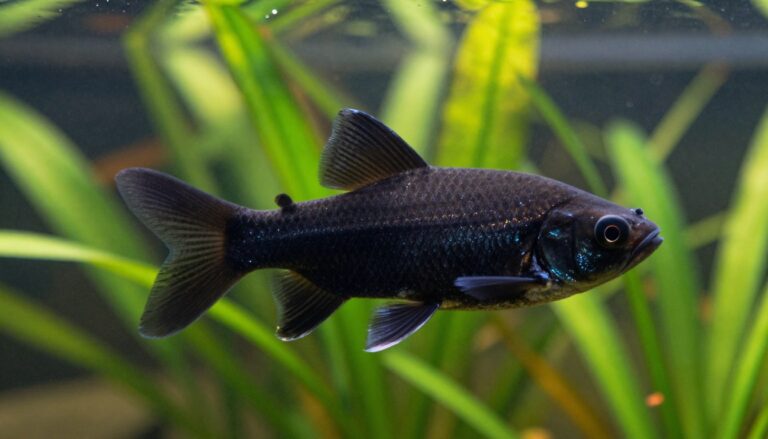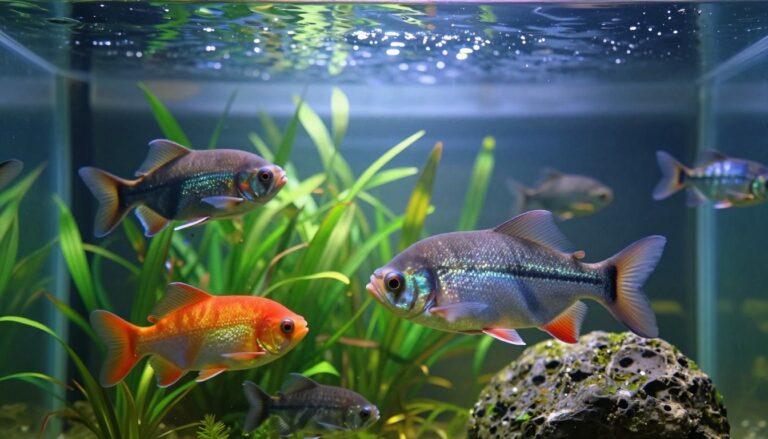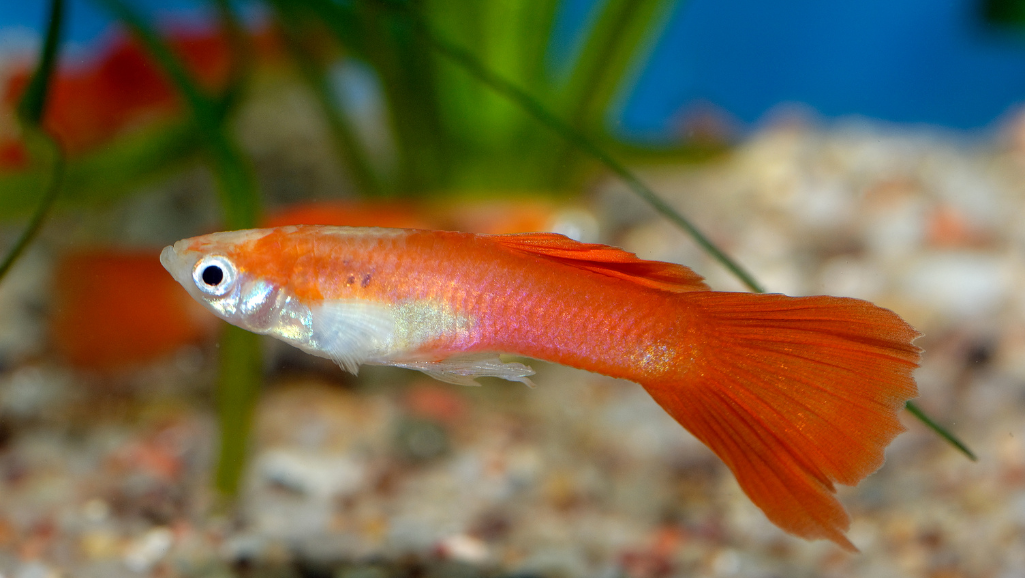
Discover a lively, low-stress way to bring motion and color to your home tank. Mollies (Poecilia sp.) are peaceful, hardy live-bearers that thrive as mid-dwellers in community setups.
With simple, steady care, these freshwater favorites flourish in warm water near 75–80°F, higher pH, and mineral-rich conditions. A clean 20+ gallon aquarium and routine maintenance help them live for about five years and show their best behavior.
They accept many omnivore foods and even graze algae, which supports a balanced tank. You can spot males by a gonopodium and females by a fan-shaped anal fin. Their vivid colors — from velvety black to dalmatian and gold dust — make them an inspiring small fish choice for beginners and seasoned keepers alike.
Key Takeaways
- Peaceful community pets: Molly Fish well with other calm species in a 20+ gallon aquarium.
- Simple habitat needs: warm, hard water and stable chemistry support long, healthy lives.
- Natural cleaners: they graze algae and accept varied foods, aiding tank balance.
- Easy sexing: males have a gonopodium; females show a fan-shaped anal fin.
- Vivid colors: a range of hues lets you design an attractive aquascape.
Meet the Molly: Species Basics, Colors, and What Makes Them Ideal
Bright patterns and dramatic fins make these livebearers a joy to watch. Two core species dominate the hobby: Poecilia sphenops (short-fin) and Poecilia latipinna (sailfin). Each species brings a different silhouette and stage presence to your tank.
Short-fin versus sailfin
Short-fin lines show sleek bodies and modest dorsal fins. By contrast, sailfin varieties boast very large dorsal fins, especially in males.
Sexing is simple: males have a gonopodium, while a female shows a fan-shaped anal fin. Males with large dorsal fins often display more during breeding season and attract attention.
Popular varieties and size
Selective breeding created many colors and shapes: solid black, dalmatian, lyretail, gold dust, balloon, albino, marble, and creamsicle.
“Adults typically reach about 3 to 5.5 inches, with sailfin types growing up to 5–6 inches in roomy setups.”
- Pick the right size: choose taller tanks for sailfin mollies and planted lanes for lyretails.
- Consider temperament: males may posture with their dorsal fins; balance groups to reduce stress.
- Mind morphs: balloon-bodied varieties need gentle flow and careful feeding.
How to Set Up a Molly Aquarium the Right Way

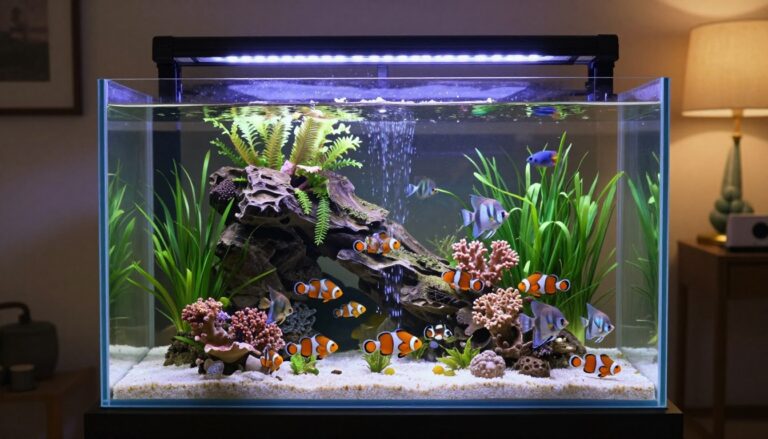
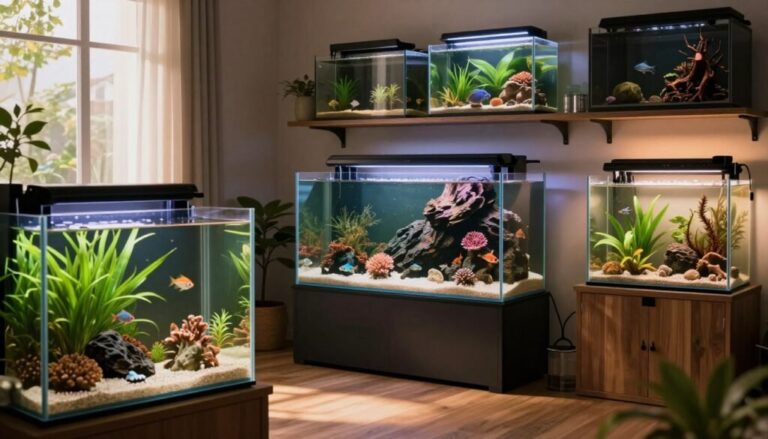
The right layout lets active mid-dwellers shine. Choose an aquarium that gives room to cruise: start at 20 gallons, while 29–55 gallons suits larger sailfin forms. Plan open swimming lanes in the center and frame them with hardscape and plants along the sides.
Tank size and layout
Size matters: adults reach roughly 3–5.5 inches, so scale decor and stocking to adult size. Keep taller tanks for sailfin varieties to protect the dorsal fin and allow natural displays.
Essential equipment
Heat to a steady 75–80°F with a reliable heater and thermometer. Pick a filter that supplies smooth, oxygen-rich flow—baffle if the current is too strong. Provide lighting that supports plant growth without pushing runaway algae.
Aquascaping with purpose
Use live plants like water sprite, water wisteria, and Pogostemon stellatus ‘octopus’ to offer shelter and fry cover. Leave some surfaces for a light algae film so mollies can graze between meals.
- Cycle the tank fully and test parameters before visiting a pet store.
- Add stock gradually, observe behavior, and fine-tune flow and scape.
- Design grazing walls and clear lanes to keep a relaxed freshwater community.
Water Parameters That Keep Mollies Thriving

Stable tank chemistry is the unsung hero behind vibrant, long-lived mollies.
Target the sweet spot: keep temperature at 75–80°F, pH between 7.5 and 8.5, and hardness near 15–30 dGH. These settings support color, immunity, and reproduction.
Temperature, pH, and hardness targets
Test often and adjust slowly. Use a reliable liquid kit to check GH, KH, and pH so changes are precise.
Freshwater vs. brackish nuance
Many selectively bred species come from mineral-rich, brackish systems. Moving them straight into very soft freshwater can cause shock.
If your tap water is soft, add mineral supplements such as Wonder Shells or Seachem Equilibrium to raise calcium and magnesium safely.
Preventing “shimmies” and stress
Shimmying is usually environmental stress, not disease. Insulate the tank from drafts, avoid sudden swings, and maintain steady aeration.
“Consistent, mineral-rich water and careful acclimation will help your mollies live about five years and stay active.”
- Acclimate new arrivals from the pet store with a slow drip to match your parameters.
- Pair proper temperature with surface agitation for oxygen-rich water.
- Perform weekly partial changes and routine filter care to keep minerals balanced.
Molly fish Diet and Daily Care

Offer a varied diet and your aquarium will reward you with color and lively behavior.
Omnivore menu: staples and treats
Base the diet on high-quality flakes and pellets that list protein near the top. Add spirulina-rich flakes for color and plant matter, plus blanched spinach or zucchini for fiber.
Feed occasional live or frozen baby brine shrimp to boost conditioning and activity. Rotate offerings so no single food dominates the plate.
Algae grazing: nature’s cleanup crew
Mollies naturally nibble algae and hair algae with their flat mouths. Let a light film grow on decor so grazing becomes a constant snack and helps keep the tank tidy.
Feeding routines and balloon considerations
Offer small portions once or twice daily. Use scatter-feeding so shy tankmates find food. If you see long strings of normal-colored feces, cut portions back.
Balloon morphs need modest rations and close observation to avoid digestive stress.
- Balanced menu: rotate flakes, pellets, greens, and occasional baby shrimp.
- Intentional grazing: encourage algae nibbling for a healthier display.
- Portion control: small meals 1–2 times daily prevent overfeeding.
- Scatter-feed: helps timid companions and evens out feeding.
- Keep clean: remove uneaten veggies after a few hours to protect water quality.
Consistent timing and gentle observation are the simple care habits that keep colors bright and activity high.
Peaceful Community Builders: Stocking Ratios and Tank Mates

Building a peaceful community starts with smart ratios and compatible neighbors. Thoughtful stocking reduces stress and helps every pet look confident and healthy.
Female-heavy groups work best: keep about 2–3 females per male to spread attention and curb harassment. This simple ratio calms social tension and lowers aggression during displays.
- Choose active, peaceful neighbors: pair mollies with tetras, danios, cory catfish, loaches, barbs, and other livebearers for a lively, balanced scene.
- Align water needs: pick tank mates that prefer warm, mineral-rich water so everyone thrives together.
- Protect tiny residents: avoid keeping small invertebrates with larger mollies—shrimp and snails may become snacks.
Avoid mismatch stress: skip slow, long-finned species that can attract nips. Match sizes so curiosity doesn’t become predation or intimidation.
Introduce new arrivals in stages and use plants or hardscape as sight breaks. These small steps help small fish decompress, show natural behavior, and make the community a stunning, serene display.
Breeding Livebearers with Confidence: From Pregnancy to Fry
A confident approach to breeding starts with knowing how to spot sexes and creating safe nurseries for newborns.
Sexing and courtship cues
Sex with certainty: males show a pointed gonopodium while a female has a fan-shaped anal fin. Males often flash larger dorsal fins during courting displays.
Gestation and birth rhythm
These livebearers carry fertilized eggs internally and give live birth every 30–60 days. First-time females may drop a few fry; experienced females can release 50+ at once.
“Expect a steady rhythm: monthly broods are common once adults settle.”
Raising fry successfully
Protect the babies: adults will eat fry, so pack the nursery with dense plants like water sprite, water wisteria, and Pogostemon stellatus ‘octopus’. These plants create safe microhabitats.
- Feed crushed flakes, powdered gel foods, or live baby brine shrimp from day one.
- Consider a grow-out tank or leave fry in a planted display for natural selection.
- With steady warmth and rich food, juveniles reach rehoming size in about 4–9 months.
For practical guidance on livebearing care and to deepen your breeding plan, see this short guide on livebearers.
Conclusion
Set up right, and molly fish bring years of lively display.
Give them space, steady warmth (75–80°F), and mineral-rich water so short-fin Poecilia sphenops and sailfin Poecilia latipinna can thrive. A 20–55 gallon aquarium with dense plants offers shelter for fry and grazing algae to supplement food.
Keep chemistry stable—higher pH and hardness support color, fins, and breeding rhythm. Stock female-heavy groups, feed a varied omnivore diet, and plan a simple fry strategy.
With regular maintenance and minor mineral boosts where tap water is soft, mollies repay careful care with confidence, motion, and striking colors for many rewarding years.
FAQ
What makes the sailfin molly a great choice for a home aquarium?
Sailfin mollies offer striking large dorsal fins and lively colors while staying peaceful and hardy. They thrive in planted tanks with mid-level swimming lanes, adapt to a range of temperatures, and help control algae. Their ease of care and striking appearance make them inspiring centerpiece pets for hobbyists seeking active, colorful freshwater companions.
How do short-fin and sailfin varieties differ in shape and behavior?
Short-fin varieties have a compact body and smaller dorsal fins, while sailfin types display an exaggerated large dorsal that creates a bold profile. Both have a fan-shaped anal fin typical of livebearers, but sailfins are more showy and may need slightly larger tanks to display natural courtship and swimming patterns without stress.
Which color varieties are most common and beginner-friendly?
Popular types include black, dalmatian, lyretail, gold dust, and balloon-bodied strains. Black and dalmatian varieties are robust and forgiving for new keepers, while lyretails and gold dust provide ornamental flair. Balloon-bodied strains need extra monitoring due to body-shape issues, so approach those carefully.
What tank size and layout suit these livebearers best?
Aim for a 20–55 gallon aquarium depending on group size. Provide open mid-water swimming lanes, spots of dense planting for shelter and fry protection, and stable surfaces where algae grows for grazing. Thoughtful layout reduces territory stress and showcases large dorsal fins.
What essential equipment should I install for optimal health?
Use a reliable heater to keep 75–80°F, a medium-flow filter that won’t blast swimmers, and full-spectrum lighting to support live plants and controlled algae growth. Include smooth decor and hiding pockets so timid individuals and pregnant females can rest safely.
Should I keep mollies in freshwater or brackish setups?
They do well in freshwater but benefit from slightly mineral-rich or mildly brackish water if your tap water is very soft. A gentle addition of aquarium salts or marine minerals can mimic natural hardness and improve health. Monitor parameters to avoid sudden shifts.
What are the ideal water parameters to prevent stress and “shimmies”?
Maintain 75–80°F, pH around 7.5–8.5, and moderate to high hardness. Stable conditions, regular partial water changes, and steady filtration reduce trembling or “shimmies” caused by poor water quality or rapid changes.
What should their diet include for vibrant color and growth?
Offer a balanced omnivore menu: spirulina flakes, quality pellets, blanched vegetables (zucchini, spinach), and protein treats like baby brine shrimp. Rotate foods to prevent deficiencies and to support color and fertility.
How can I use algae grazing to my advantage without over-relying on it?
Livebearers enjoy grazing on algae, which supplements their diet and helps tank hygiene. Keep algae as a secondary food source and provide prepared foods for balanced nutrition. Maintain regular cleaning so algae doesn’t overrun the tank.
How often and how much should I feed to avoid overfeeding?
Feed small portions once or twice daily that they can consume within two minutes. Use portion control and occasional scatter-feeding to mimic natural foraging. Balloon-bodied strains may need more careful portioning to prevent digestive stress.
What stocking ratios reduce male harassment and stress?
Keep groups with more females than males — about two to three females per male — to spread attention and reduce relentless courting. This female-heavy ratio promotes calmer social dynamics and better overall health.
Which tank mates pair well without causing nippy behavior?
Choose peaceful companions like tetras, danios, Corydoras catfish, and small loaches. These species share similar water needs and won’t nip fins. Avoid long-finned, slow swimmers and tiny invertebrates that could be bullied or eaten.
How can I spot male versus female individuals quickly?
Males develop a gonopodium — a modified anal fin for mating — while females retain a fan-shaped anal fin and often appear rounder when gravid. Males also frequently show larger dorsal fins and brighter colors when courting.
What does gestation and birth look like for livebearers?
Females carry fertilized eggs internally and give birth to free-swimming fry roughly every 4–6 weeks, depending on conditions. Broods arrive live, fully formed, and ready to dart into plants or shelter at birth.
How do I protect and raise newborn fry successfully?
Provide dense planting or breeding traps to give fry hiding spots from adults. Feed fine powdered foods, infusoria, or freshly hatched baby brine shrimp several times daily. Keep stable water and plan rehoming once juveniles reach a few weeks and start showing adult features.