Best Aquarium Water Testing Kits for Healthy Fish

Keeping your aquarium water clean is crucial for your fish’s health. You need a reliable best aquarium water testing kit to spot hidden dangers—like toxic ammonia or elevated nitrate—from waste and other sources. Clear water isn’t always safe; testing makes sure every drop supports healthy fish and plants.

Managing an aquarium ecosystem is a careful balance. Even experienced keepers check aquarium water quality test results regularly to catch problems early. Whether you’re new or seasoned, this guide will help you test smarter, interpret results, and make changes that protect your tank.

Key Takeaways

  • Invest in a reliable best aquarium water testing kit to detect harmful compounds early—regular testing prevents small issues from becoming tank-wide problems.
  • Perform routine aquarium water quality tests to maintain a safe environment for fish and plants; use results to guide water changes and treatments.
  • Keep ammonia at 0 ppm and nitrite at 0 ppm whenever possible to protect fish health and tank stability.
  • Store aquarium water testing supplies properly (cool, dry, sealed) so strips and reagents stay accurate for years.
  • Expired or improperly stored test kits can produce misleading results and put sensitive aquariums at risk—make sure you check expiration dates.
  • Monitor parameters like pH, nitrate, GH and KH regularly; routine checks are the best defense against the leading causes of fish mortality.
  • Match your testing routine to your fish and system—different species and setups need different targets and response plans.

The Hidden Dangers in Your Aquarium Water

Keeping your aquarium healthy starts with identifying the hidden dangers in the water. Common problems include toxic compounds from waste, nutrient overloads that drive algae, and shifts in carbonate or mineral levels that destabilize pH and stress fish and plants.

Tools that help: using aquarium water quality testers, freshwater aquarium test kits, and saltwater aquarium test kits gives you the quick data you need to act—whether that means a partial water change, filter maintenance, or a change in feeding.

Algae: what each type signals

Algae can be a useful indicator of water issues:

  • Green algae often means excess nutrients from overfeeding or organic waste—reduce feeding and increase partial water changes.
  • Blue‑green algae (cyanobacteria) forms slimy mats and signals poor water quality and low flow—boost circulation and test for high nitrates or phosphates.
  • Brown algae in new tanks is commonly tied to silicates leaching from substrates or decorations—regular testing and targeted media can help.

Carbonates and hardness — what to watch

Carbonate hardness (KH) affects pH stability. In many freshwater setups, carbonate levels around 50–150 ppm support stable pH, while sustained levels above ~200 ppm can drive pH upward and stress some species. Use a freshwater aquarium test kit or a saltwater aquarium test kit to monitor KH and GH and verify with a secondary test if results seem off.

Practical fixes for high carbonate hardness:

  • Regular partial water changes to dilute minerals.
  • Use reverse osmosis (RO) water blended to target hardness for slow, controllable adjustments.
  • Add natural softening agents like peat moss or driftwood to gradually lower hardness.
  • When needed, use commercial conditioners formulated to adjust carbonate hardness—follow product instructions and retest after each treatment.

Test your aquarium water often with a dependable aquarium water quality tester so you can spot trends early and take targeted action. Small, consistent steps—testing, logging results, and making measured changes—keep your tank thriving.

Understanding the Essential Aquarium Water Parameters

Video resource:

— a concise walkthrough of common test methods and parameter targets (watch for visual demos of strip and liquid reagent tests).

Keeping core water parameters in range is the foundation of aquarium health. The right best water test kit for aquariums — whether strips, drop (test tube) kits, or digital meters — helps you monitor conditions and act before problems escalate.

A Guide to Ammonia, Nitrite, and Nitrate Levels

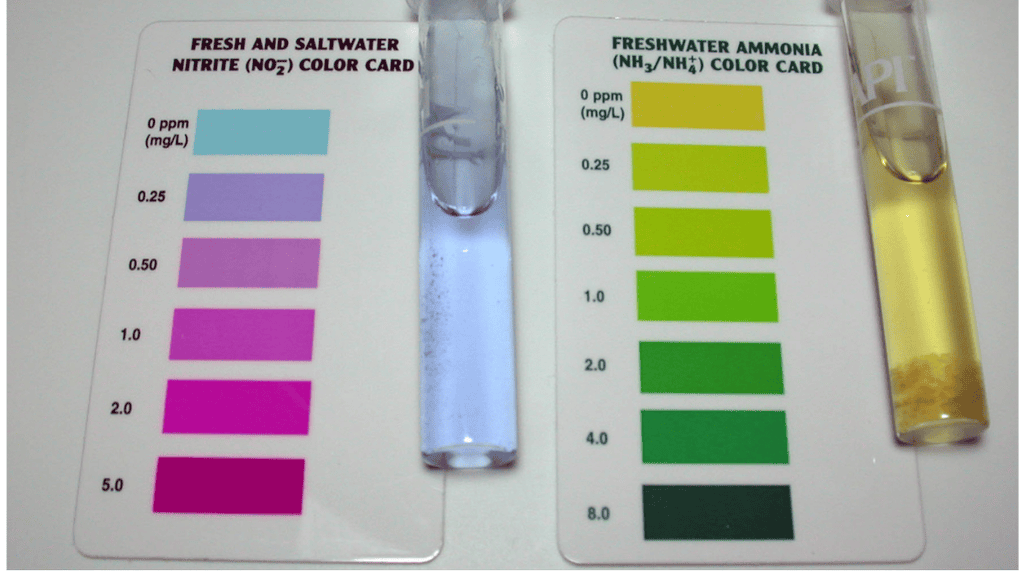
Ammonia is highly toxic and should be 0 ppm in a cycled tank; in new setups test ammonia daily during the nitrogen cycle. Use ammonia test strips or liquid test kits (test tubes) for quick readings and confirm unexpected results with a second method.

Nitrite is also dangerous at any detectable level — aim for 0 ppm and test frequently until your biological filtration is established. Nitrate is less acutely toxic but still matters: general guidance is to keep nitrate below 20–40 ppm for planted or sensitive freshwater systems and under 50 ppm for hardy community tanks.

The Importance of pH, GH, and KH in Fish Health

pH affects many chemical reactions in the tank; most freshwater community fish do well between pH 6.5 and 8.0, but target ranges depend on species. Measure pH regularly and after any water changes or treatments.

General hardness (GH) indicates dissolved calcium and magnesium; many freshwater aquariums aim for 4–12 dGH (70–200 ppm) depending on species. Carbonate hardness (KH) buffers pH — typical stable KH for many freshwater tanks is about 3–8 dKH (50–140 ppm). Use a test tube drop kit or digital checker for GH/KH readings and retest if pH swings occur.

Monitoring Chlorine, Phosphate, and Copper

Chlorine and chloramine in tap water must be removed with an appropriate conditioner before adding water to the tank — test source water when switching suppliers or after municipal treatment alerts. Phosphate promotes algae growth; keep phosphate low (often <0.5–1.0 ppm for planted tanks with heavy lighting) and test when algae blooms occur.

Copper test kits are important when using copper-based treatments because copper is toxic to invertebrates and some sensitive fish — always follow dosage guidance and test during medication.

Digital aquarium water tester devices give numeric readings for pH, TDS, and salinity and are great for repeatable results; for broader element analysis consider professional test kits or lab services when dealing with persistent or unexplained issues.

Use the testing schedule and quick-reference parameter chart (see downloadable chart suggestion) to track trends: testing often and logging results is the fastest way to spot problems and protect your aquarium.

Choosing the Right Aquarium Water Testing Kits
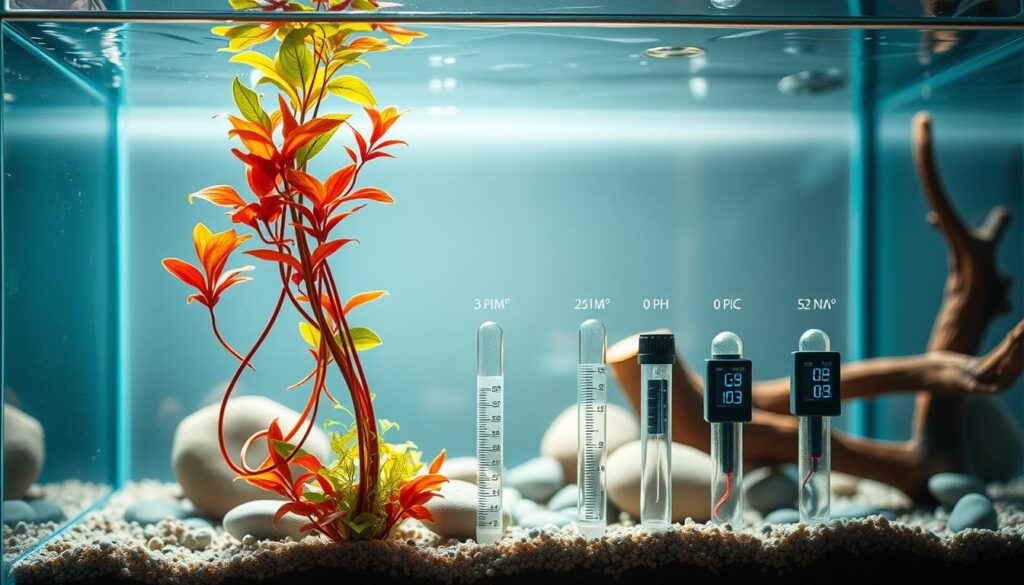
A meticulously detailed illustration of water parameters in a home aquarium setting. In the foreground, a glass tank filled with crystal-clear water, illuminated by natural sunlight filtering through the surface. Suspended within, delicate water plants sway gracefully, their vibrant greens and reds creating a serene underwater landscape. In the middle ground, various scientific instruments precisely measuring temperature, pH, dissolved oxygen, and other crucial parameters are displayed, their digital readouts conveying the ideal conditions for a thriving aquarium ecosystem. In the background, a subtly blurred array of aquarium decor, including smooth river rocks and driftwood, sets the mood of a tranquil, well-maintained environment. Soft, diffused lighting casts a warm, inviting glow, evoking the calming ambiance of an expertly curated freshwater habitat.

Keeping water quality in check is essential for your fish’s health. Choosing the right water quality test kits for aquariums means matching kit type to your experience level and tank goals. Below we compare common options—from accurate aquarium water test strips for quick checks to advanced aquarium water testing supplies for precision—so you can pick the best test kit for your needs.

Advantages of Test Strips Over Test Tubes

Test strips are popular because they are fast, simple, and inexpensive—ideal for routine monitoring. A typical strip pack offers dozens of uses (package counts vary by brand), and you can get results in about a minute: dip, wait a few seconds, then compare the pad to a color chart for a quick reading. Strips are excellent for spotting trends across multiple water parameters without the fuss of reagents or timed chemistry.

Use strips when you want frequent, low-effort checks (e.g., weekly maintenance or after feedings). For confirmation of outlier readings, follow up with a drop (test tube) kit or digital meter.

Options for Digital Aquarium Water Testers

Digital testers give numeric values (no color interpretation) and are extremely useful for pH, TDS, and salinity measurements. Many hobbyists use a digital meter as their day‑to‑day tool and reserve chemical drop kits for parameters that need titration. Digital devices deliver immediate, repeatable numbers—helpful for advanced aquarists managing delicate bioloads or dosing regimens.

Recommended use-cases: digital meters for continuous monitoring of pH/salinity/TDS; strips for quick multi-parameter checks; drop/test tube kits for higher-accuracy results when precise levels matter.

Navigating Through Different Brand Reviews

Reading aquarium water testing kit reviews helps identify reliable models. Brands like API are known for user-friendly master kits (the API Water Test Kit checks nitrite, nitrate, ammonia, and pH), while other producers focus on specialty or professional tools. Look for consistent accuracy, clear instructions, and transparent component counts when comparing products.

Who each kit suits (quick matrix): beginners — strip test kits for easy readings; hobbyists — API-style master test kits for core chemistry; advanced users — digital meters and titration/drop kits for precision.

Good water care is preventive: choose a kit that fits your routine and tank type, and pair it with a log or simple chart to track results over time. If you want, use the internal link to compare top models and view a downloadable color chart for strip interpretation.

Type of TestAccuracyTime for ResultsEase of Use
Strip TestsGood1 minute (dip & read)Very Easy
Digital TestsVery HighImmediate (numeric)Easy
Drop TestsHigh1–10 minutes (timed reagents, test tubes)Moderate
Permanent TestsModerateContinuousSetup Required

How to Test Aquarium Water Correctly

Knowing how to test aquarium water correctly is one of the fastest ways to prevent fish loss and chronic issues. Aquarium water quality testing kits come as strips, digital meters, or liquid/drop (test tube) kits—each has strengths. Strips are great for quick multi-parameter checks, drop kits (test tubes) give higher chemical accuracy, and digital meters deliver numeric readings (pH, TDS, salinity) for repeatable results.

Own your testing: even if stores offer testing, having a kit at home lets you check often and respond quickly. Key parameters to monitor at home are ammonia, nitrite, nitrate, and pH.

  • Ammonia: Target 0.0 ppm in cycled tanks. In new tanks, test daily during the cycle and after additions.
  • Nitrite: Aim for 0.0 ppm; any detectable nitrite requires immediate attention.
  • Nitrate: Keep nitrate generally below 20–40 ppm for planted or sensitive freshwater setups; up to 50 ppm is acceptable for hardy community tanks—pick a target based on your fish and stick to it consistently.
  • pH Levels: Many freshwater community fish prefer pH ~6.5–7.5; saltwater systems usually target pH ≥8.0. Test pH monthly and after big changes (water changes, substrate additions, or medication).

Using fish tank water test strips is simple: dip the strip for a few seconds, wait the listed time, then compare the pads to the color chart. For unexpected or critical readings, confirm with a drop (test tube) kit or a digital meter for accuracy.

Quick testing routine:

  1. Test pH and ammonia weekly in established tanks; test daily for ammonia/nitrite in new setups until cycling completes.
  2. Log results to spot trends. If nitrate climbs, reduce feeding and do a partial water change (25% is a common starting point), then retest within 24 hours.
  3. If you use medications or add new livestock, test before and after changes to confirm stability.

Aquarium Water Testing Kits for Freshwater vs. Saltwater Tanks

Choose a freshwater aquarium water testing kit or a saltwater aquarium water testing kit based on the parameters you need. Freshwater kits typically focus on pH, nitrate, nitrite, and ammonia; saltwater kits add salinity and may include alkalinity and calcium checks for marine systems.

The best water testing kit for fish tank setups depends on your priorities: the API Master Test Kit covers core freshwater chemistry (pH, ammonia, nitrite, nitrate) and is a solid mid-range choice, but you may need separate KH, phosphate, or GH tests depending on your goals.

Common specialist options:

  • API Master Test Kit: Good core set (pH, ammonia, nitrite, nitrate) for freshwater hobbyists; note that KH, phosphate, and GH are not included.
  • Salifert Test Kits: Specialty saltwater kits with high accuracy for marine parameters—excellent for reef or advanced marine systems.
  • Hanna Checkers: Precise digital/colorimeter devices for alkalinity, phosphate, and other parameters—recommended when accuracy outweighs cost.

Be aware: some liquid reagents (including certain API ammonia reagents) can degrade after opening or over weeks; store reagents as directed and replace them per manufacturer guidance to avoid inaccurate readings (check expiration dates and the product sheet). Hobbyists on forums like Reef Central often report and discuss reagent shelf life and accuracy concerns—use those community insights but verify with fresh tests.

Many experienced aquarists combine methods: use strips for frequent spot checks, a master or drop kit for confirmation, and a digital meter for ongoing numeric monitoring. That mix gives the best balance of convenience, accuracy, and cost over time. If you want, compare freshwater vs saltwater kit models side-by-side to pick the best combination for your tank.

Top Rated Aquarium Water Testing Kits
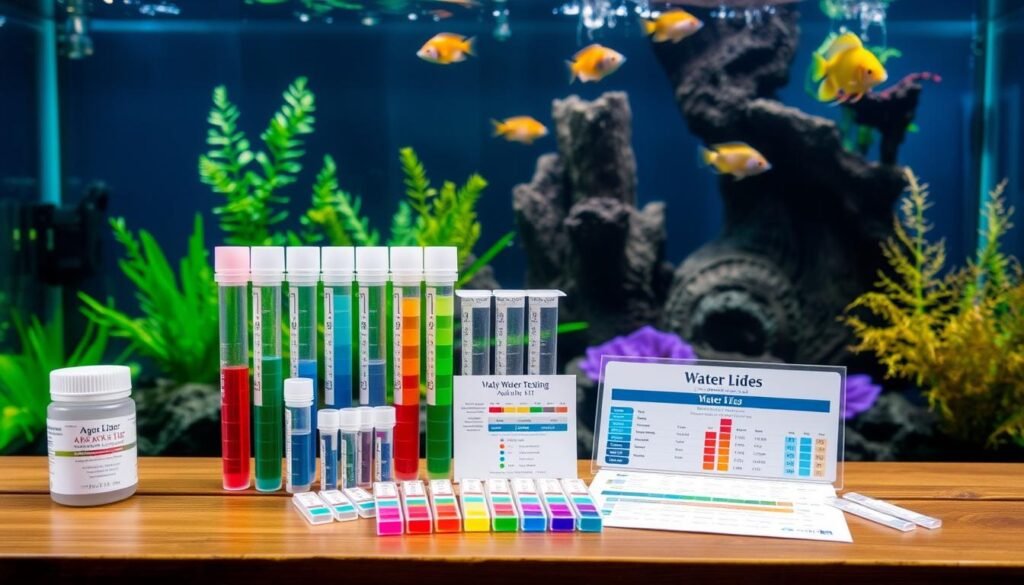
Accurate Aquarium Water Testing Kits

Picking the right tools is one of the best investments you can make for long-term aquarium health. The top rated aquarium water test kits combine accuracy, reliability, and coverage of the parameters you care about—setting brands like API, Fritz, Salifert, and select digital makers apart.

Comparing API, Fritz, and Other Industry Leaders

The API Aquarium Test Kit is a widely used master kit for freshwater hobbyists; it covers pH, ammonia, nitrite, and nitrate reliably for routine monitoring. Fritz and Salifert provide specialty kits—especially for marine setups—focusing on phosphate, copper, and other reef-relevant metrics. Digital brands (Hanna, Hanna Checkers, Digital Aquatics) offer precision instruments for alkalinity, pH, TDS, and more.

What Makes a Water Testing Kit Reliable and Accurate

Reliability comes down to consistency, clear instructions, and reagent stability. Liquid titration and drop (test tube) kits are preferred where higher accuracy is needed (for example, phosphate or alkalinity titrations), while test strips are best for fast, frequent trend checks. Digital meters remove color-interpretation error by producing direct numeric readings for pH, TDS, and salinity.

The best professional aquarium water testing kits and devices cover a broad parameter set and are supported by clear documentation and stable reagents or calibration procedures. For critical or unexplained issues, lab testing or professional services provide the deepest analysis.

Kit TypeParameters TestedSuitability
API Freshwater Master Test KitpH, Ammonia, Nitrite, NitrateFreshwater hobbyists (budget/mid-level)
Fritz / Salifert Specialty KitsPhosphate, Copper, specific marine metricsMarine / reef or specialist needs
Digital Aquatics / Hanna CheckersAlkalinity, pH, TDS, colorimetric checksAdvanced monitoring / precision

Quick “Best For” Picks

  • Best budget / starter: API Master Test Kit — covers core freshwater chemistry, easy to use, good value for routine testing.
  • Best saltwater / reef accuracy: Salifert or Fritz specialty kits — more targeted reagents for marine parameters like phosphate and copper.
  • Best digital / precision: Hanna/Hanna Checkers or Digital Aquatics — numeric accuracy for alkalinity, pH, and other repeatable measurements.

When and How Often to Test Your Aquarium Water

How often you test depends on tank age and stability. New tanks: test daily (ammonia, nitrite, nitrate) during the nitrogen cycle. Established tanks: test every two weeks to monthly for core parameters, and immediately after changes like medication, new livestock, or significant maintenance.

  • Daily (new setups): ammonia, nitrite, nitrate.
  • Weekly to monthly (established tanks): pH, nitrate, and spot-checks for ammonia/nitrite.
  • After changes: test immediately after water changes, treatments, or adding livestock.

Testing triggers include fish illness, algae blooms, strange odor, or sudden behavior changes in fish—test immediately and follow with corrective actions based on results.

Cost-Effective Solutions: Affordable Aquarium Water Testing Kits
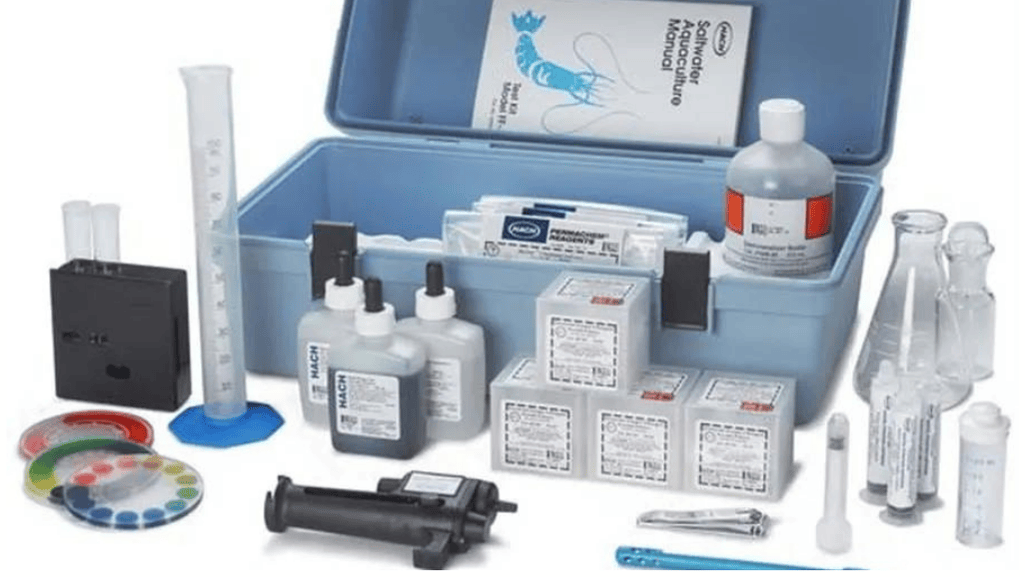
Affordable Aquarium Water Testing Kits

Keeping costs reasonable doesn’t mean sacrificing care—many cost-effective kits provide the parameters most hobbyists need. The API Master Test Kit remains a solid value for basic freshwater testing. For targeted or advanced needs (KH, phosphate, trace elements), consider supplementing with individual tests or occasional lab analysis.

  • API Master Test Kit — good core coverage at a low price.
  • Individual phosphate or GH/KH kits — add only what your tank requires.
  • Consider a single digital meter for pH/TDS if you want repeatable numeric results that reduce repeat reagent purchases.

Liquid titration kits cost more but deliver greater precision and fewer repeat purchases for some parameters. Test strips are inexpensive and convenient but can lose accuracy over time—buy from reputable sellers, store per instructions, and validate surprising readings with a secondary method.

Test Kit ComponentAPI Master Test KitNecessity After CyclingRemarks
NitrateIncludedEssentialContinuous monitoring advisable
PhosphateNot includedEssential for algae controlBuy separately if algae is an issue
General Hardness (GH)Not includedEssential for some speciesConsider GH test if keeping sensitive plants or fish
Carbonate Hardness (KH)Not includedEssential for stable pHBuy KH test for pH stability checks

Choosing the best water test kit for aquariums is about your tank’s needs and your budget: combine strips for routine monitoring, a master test kit for chemistry checks, and a digital meter or occasional lab testing for precision. Make sure to store reagents correctly and replace them per manufacturer guidance for reliable results over time. For detailed product comparisons or to download a testing schedule, see the linked resources.

Professional Aquarium Water Testing Kits for Advanced Hobbyists

For serious hobbyists and reef keepers, professional aquarium water testing kits and lab analyses are invaluable. These options measure many trace elements and micronutrients that in-home kits can miss, helping you optimize conditions for sensitive corals, invertebrates, and specialty fish.

Advanced aquarium water testing supplies from labs and pro services (and brands like ATI and Triton) provide deeper insight into your water chemistry. Use them when you face unexplained die-offs, persistent algae or coral color loss, or when you want to fine-tune dosing for a reef system.

ICP-OES analysis (Inductively Coupled Plasma Optical Emission Spectrometry) is a standout lab method that detects low‑level elements and contaminants. Typical turnaround and parameter coverage vary by provider; here are common options and approximate capabilities:

BrandParameters CoveredTechnology UsedTurnaround
CoralVue (ICP-Analysis.com)40+ICP-OES~48 hours
ATI Lab43ICP-OES, barcoded vials~2 weeks
Triton Lab36ICP-OES, proprietary indicatorsVaries
Aqua Medic AWT13Colorimeters, spectrometersStandard lab time

When to choose lab testing vs in-home kits:

  • Choose in-home test kits (strips, drop tests, digital) for routine monitoring and troubleshooting common parameters (ammonia, nitrite, nitrate, pH, KH, GH).
  • Opt for professional ICP-OES or comprehensive lab panels when problems persist despite correct in-home readings, or when managing high-value reefs where trace elements matter.

Maximizing the Lifespan of Your Aquarium Testing Supplies
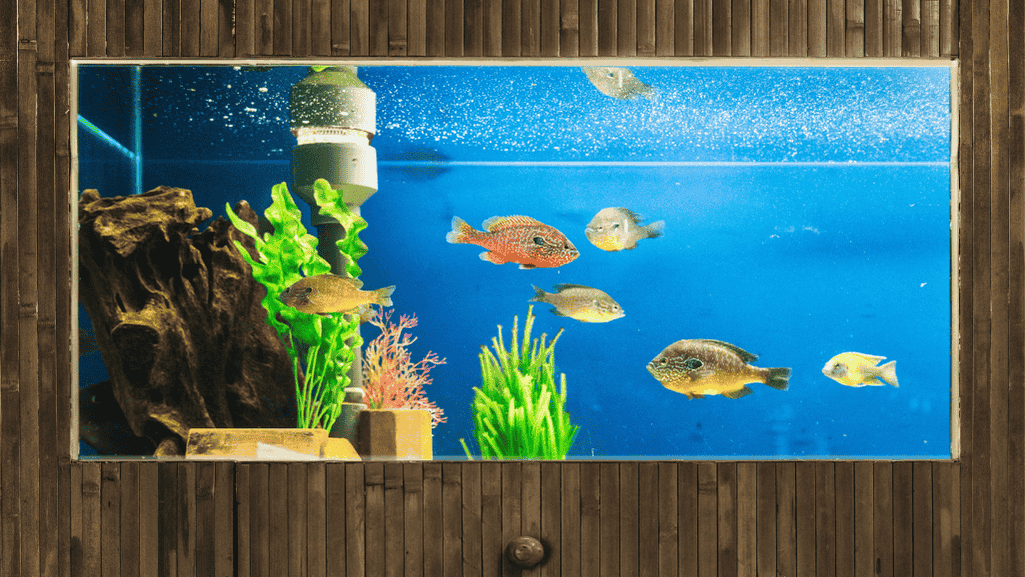
Proper Aquarium Test Kit Storage

Proper storage and maintenance of test kit components keep your results reliable and extend the life of reagents, strips, and digital devices. Follow manufacturer storage instructions and replace reagents on the schedule recommended in product literature.

Best-practice maintenance:

Test Kit ComponentStorage TipsMaintenance Tips
Test StripsStore in original sealed container in a cool, dry place; limit humidity exposure.Do not touch reactive pads; close container promptly; use before expiration.
Digital TestersKeep away from extreme temps; store upright in a protective case.Calibrate per manufacturer (pH meters often weekly or before critical tests); replace batteries regularly.
Liquid / Drop KitsAvoid direct sunlight and temperature swings; keep caps tight.Note manufacture date; discard reagents after expiration or if color changes occur; cap tightly to prevent evaporation.

Recommended replacement and calibration cadence (general guidance): calibrate pH meters before important tests or monthly for regular users; replace opened liquid reagents within the manufacturer-recommended window (commonly months to a year depending on product); check strip expiry dates and storage integrity before use.

Record-keeping: keep a simple log (date, kit/product used, parameters tested, numeric results, actions taken). A short CSV or spreadsheet template makes trend spotting easier and helps professionals or labs interpret your sample history if you send water for analysis.

Following these steps lengthens the useful life of your testing supplies and ensures the data you collect supports confident adjustments to dosing, water changes, and maintenance—helping you maintain a healthy freshwater aquarium or complex reef system.

Diagnosing and Solving Common Fish Tank Issues with Water Tests

Maintaining stable water chemistry is the fastest way to prevent common fish tank problems. Using reliable water test kits helps you diagnose issues early and apply targeted solutions so your fish and plants recover quickly.

By using water test kits effectively, you can detect dangerous spikes in ammonia or nitrite (both should be 0 ppm in a healthy tank) and spot trends in pH, alkalinity, and nitrate that indicate underlying issues. Test regularly and act on the results to avoid losses.

ParameterIdeal Conditions (guidance)Recommended Testing Method
Ammonia0 ppm — toxic to fishAmmonia test strips or liquid test (confirm with drop test)
Nitrite0 ppm — harmfulMulti-test strips or drop kits
NitrateKeep generally below 20–40 ppm for sensitive/planted tanks; ≤50 ppm for hardy community tanksMulti-test strips or liquid kits
Chlorine / Chloramine0 ppm in tank water (treat source water)Multi-test strips; test source (tap) water if concerned
pH (Freshwater)6.5 – 8.0 (species dependent)Multi-test strips, digital meter, or test tubes
General Hardness (GH)~4–12 dGH (70–200 ppm) depending on speciesLiquid GH test (test tubes) or strip
Carbonate Hardness (KH)~3–8 dKH (50–140 ppm) for pH stabilityKH test (drop/test tube)
Phosphate0.1–1.0 ppm for most tanks; 0.5–3 ppm guidance varies with lighting and plantsFritz Phosphate Test Kit or similar
CopperDepends on medication use — toxic to invertebratesFritz Copper Test Kit or equivalent
CO2Varies with planted tank conditionsDennerle CO2 Quick Test or drop kit

Regular testing keeps your tank stable and helps plants thrive and fish stay healthy. When a parameter is out of range, use targeted solutions rather than broad changes—this reduces stress on livestock.

Quick troubleshooting steps

  • High ammonia or nitrite: do an immediate 25–50% partial water change, check filter function, reduce feeding, and consider adding ammonia detoxifier while resolving the biological filter.
  • High nitrate: perform a 25% water change, reduce feeding, clean substrate if needed, and increase plant uptake or use nitrate-specific media.
  • pH swings: check KH (buffering). If KH is low, raise it gradually with buffering products or partial water changes; if KH is high, use RO water blends to adjust slowly.
  • Algae blooms: test phosphate and nitrate; reduce light or nutrients, perform partial water changes, and consider phosphate-absorbing media.

Conclusion

Maintaining a healthy aquarium requires consistent testing and measured responses. The right aquarium water testing kits—used with a clear testing schedule and a simple log—let you track trends, spot problems early, and apply effective solutions.

Some kits give fast, easy readings; others provide deeper, more precise data. Combine methods (strips for quick checks, drop kits for confirmation, digital meters for numeric tracking) to cover both routine maintenance and detailed troubleshooting.

Use this guide as a checklist: test first, interpret results, then apply the least invasive fix. Make sure to log your readings and repeat tests after corrective actions so you can confirm recovery.

FAQ

What is the best aquarium water testing kit?

There’s no single “best” kit—choose based on tank type and needs. API’s Master Test Kit is a solid, budget-friendly option for freshwater basics; saltwater or reef setups often need specialty kits like Salifert or Fritz. Combine a master kit with a digital meter for best results.

Why is it important to test aquarium water?

Testing pinpoints harmful levels of ammonia, nitrite, and other parameters before fish show symptoms. Early detection allows targeted fixes, reducing fish stress and mortality.

What are the essential parameters to test?

At minimum test pH, ammonia, nitrite, and nitrate regularly. Add KH, GH, phosphate, and salinity as needed for your tank type.

How often should I test my aquarium water?

New tanks: daily for ammonia and nitrite during cycling. Established tanks: test core parameters every 1–4 weeks depending on stability; test immediately after adding livestock, medications, or major maintenance.

Are digital testers better than test strips?

Digital testers give repeatable numeric readings and remove color-interpretation error; strips are convenient for quick trend checks. Use both: strips for routine spot-checks and digital or liquid kits for confirmation.

Can I use the same kit for freshwater and saltwater?

Some kits cover both basic freshwater and saltwater parameters, but marine systems require salinity and often alkalinity/calcium checks—use a kit designed for your tank type for accurate results.

How do I fix high ammonia?

Perform immediate partial water changes (25–50%), reduce feeding, check filtration (clean or restart biological media if necessary), and use an ammonia detoxifier as a temporary measure while the biofilter recovers.
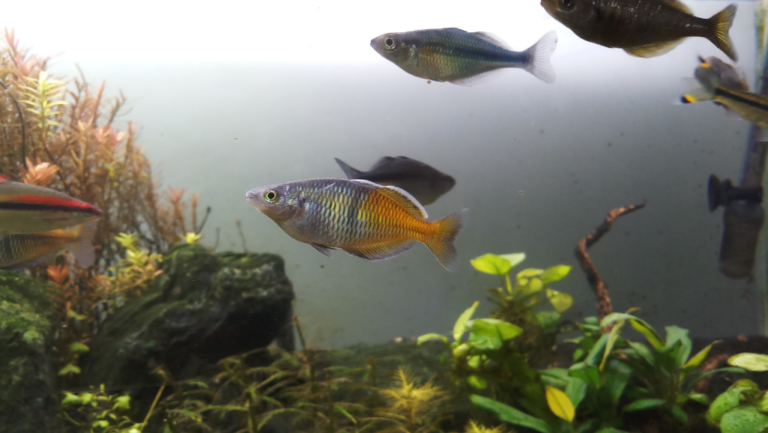
Boesemani Rainbow Fish
Care and Breeding of Boesemani Rainbow Fish
Meet the Boesemani Rainbow fish, one of the most striking freshwater species in the aquarium hobby. Valued...
saltwater aquarium
Saltwater Aquarium 101: Tips for Successful Setup and Maintenance
Starting right makes everything easier. Earl Clay reminds new keepers that the basics form the foundation....
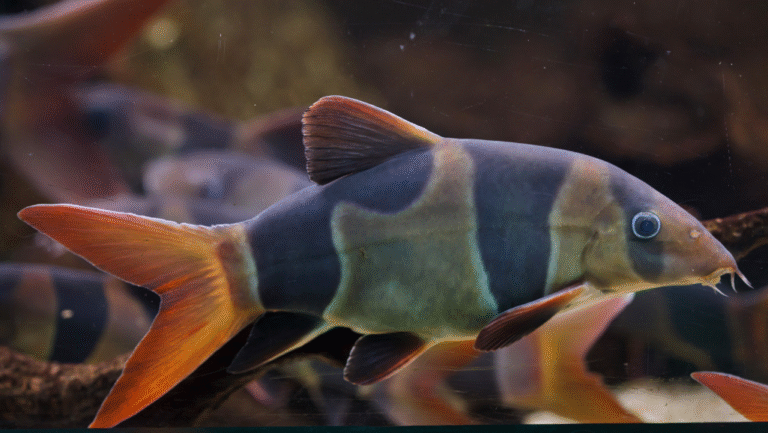
Clown Loach Care
Clown Loach Care: Tips for a Thriving Aquarium
Clown Loach Care: Chromobotia macracanthus at a Glance — Meet Chromobotia macracanthus, a striking bottom-dwelling clown loach that brings bold black stripes and red-orange fins to the freshwater aquarium. This charismatic fish is beloved by hobbyists who love fish and enjoy lively community tanks, but it has long-term needs you should plan for. Adults typically reach about 12–13 inches, so map tank upgrades now rather than later; these loaches are not ideal for small, short tanks. They belong to the Botiidae family and are the sole member of their genus, making this species a special addition for keepers who value accurate information and stewardship. Expect playful, crepuscular behavior: soft clicking, synchronized chases, and occasional side-lying rests that can alarm new owners but are usually normal when water is stable. They’re most active at dawn and dusk — a great time to watch a confident school display natural behavior. Key TakeawaysCommon name: the Clown Loach (Chromobotia macracanthus). Appearance: a vivid freshwater species with three dark bands, bright orange-yellow body, and red-orange fins. Size planning: plan for adult size of about 12–13 inches and provide a robust aquarium long-term. Activity: crepuscular—most active at dawn and dusk. Care note: watch for barbels and small eye spines when handling; use soft nets and stable water. Reward: interactive and social, clown loaches give years of enjoyment to committed stewards.Start Here: Your How-To Roadmap to a Thriving Clown Loach AquariumBegin with stable water, warm temps, and plenty of hiding places to speed acclimation and reduce stress. This short guide gives practical, current steps you can use immediately to set up a healthy clown loach tank. What you’ll learn in this guide:How to maintain steady 82–86°F water and prevent temperature shocks using reliable heaters and backups (aim for 3–5 W per gallon as a rule of thumb). Quarantine steps to catch ich early and when to safely use treatments like Ich‑X or aquarium salt (follow product dosing instructions). Simple aquascape tips—soft plants, caves, and tannin sources like Indian almond leaves—that create calming cover and improve water quality.Quick-start checklist (Must do → Helpful):Must do: Set up a quarantine tank and test kits; maintain steady water temperature and stable parameters before adding fish. Must do: Start with at least a 55‑gallon tank for juveniles and plan upgrades as they grow; prioritize length over height for swimming room. Helpful: Add dither fish (rainbowfish, Congo tetras, tiger barbs) to encourage shy loaches to explore. Helpful: Equip the tank with robust filtration (aim for a filter turnover of ~4–6× tank volume per hour), sinking pellets and frozen worms for feeding, and Indian almond leaves for tannins. Supplies: reliable heater plus a backup, accurate thermometer, test kits, and spare filter media.Clown Loach Care and Behavior Quick ID: look for three bold black bands on a bright orange-yellow body, red-orange fins, and a pair of sensory barbels around the mouth. Some sources describe small, retractable eye spines—handle with care and soft nets to avoid injury. Behavior is part of their charm. Clown loaches are lively, social freshwater fish that make soft clicking noises during play or minor disputes. They sometimes rest on their side or appear upside down; when water quality and conditions are stable, this theatrical behavior is usually normal. Group dynamics and daily rhythm Clown loaches are crepuscular—most activity occurs at dawn and dusk—so you’ll see the best displays during low-light periods. Keep them in a group (aim for at least 4–6; six or more encourages exploration and reduces hiding). School hierarchies form naturally; while some hobby accounts report dominant females leading groups, leadership can vary by individual aquarium. Community compatibility and safety They do best with midwater, outgoing dither fish that reduce timidity. Good examples: rainbowfish, Congo tetras, and larger tetras. Avoid tiny tankmates (e.g., small rasboras or shrimp that can be eaten) and fin-nippers that stress loaches. Protect prized snails—many clown loaches will eat smaller pest snails and other small invertebrates.“Stable water, roomy hiding places, and a confident group make these fish lively, social stars of the aquarium.”Signs of normal behavior: synchronized foraging, soft clicking, short sparring bouts, and crepuscular bursts of activity. Signs of stress: prolonged hiding, faded color, erratic swimming, or persistent aggression—check water quality immediately. Care tip: provide plenty of hiding spots and caves so shy individuals can retreat and join the group when comfortable.How to Set Up the Tank and Water for Loaches That FlourishA thoughtfully arranged aquarium gives these active bottom-dwellers room to grow and show off their stripes. Space matters Do: start with at least a 55-gallon tank for juveniles and plan staged upgrades as they grow. Aim for a long tank (length matters more than height) so adults — which can reach 12–13 inches — have horizontal swimming room. Example milestone: move toward a 125–150+ gallon setup as your group approaches adult size. Adults can reach 12–13 inches, so map size milestones now and avoid last-minute moves that stress fish. Heat and stability Do: keep water steady at 82–86°F (28–30°C) and target pH 6.0–7.5 with moderate hardness (5–13 dGH). Stability is more important than hitting exact numbers—consistent heaters and gradual changes protect sensitive barbels. Do: use a reliable heater plus a backup, and an accurate thermometer. For power outages consider battery-powered air pumps or a UPS for critical equipment. Aquascape with purpose Do: choose a soft, sandy substrate (fine sand, 1–2 mm grain) and rounded decor to protect delicate barbels. Add driftwood, caves, and plenty of hiding places so shy individuals can retreat. Live plants such as Anubias, Java fern, and Vallisneria tolerate tannins and low light while providing cover. Do: provide gentle flow—avoid blasting resting spots—and arrange plenty of open bottom space for foraging. Lighting, tannins, and quarantine Do: use dimmer lighting cycles and add Indian almond leaves or driftwood to introduce calming tannins. Test kits, routine siphoning, and scheduled water changes keep water quality predictable. Do: quarantine all new arrivals—observe feeding, treat ich early with appropriate products (follow label directions), and never rush a transfer into the display tank.“Quarantine new arrivals: observe feeding, treat ich early with Ich‑X or salt, and never rush a transfer.”Do: keep an upgrade plan; track size and tank capacity over time and budget for filter capacity increases as biomass grows. Do: stock basic aquarium supplies—spare heater, thermometer, reliable filter with replacement media, and test kits. Don’t: place sharp rocks or coarse gravel that can damage barbels; avoid strong, direct flows that prevent bottom foraging.Feeding the Bottom Stars: Diet, Snail Control, and Daily CareFeed time is one of the best chances to watch behavior, assess health, and tune the diet for your bottom-dwelling clown loaches. Keep meals simple, frequent, and protein-focused to match their warm-water metabolism and promote bright color. Protein-forward menu Base most meals on quality sinking pellets and frozen or fresh protein: options like frozen bloodworms, defrosted tubifex (preferably sourced frozen to reduce parasite risk), and shelled mollusks supply essential amino acids. Rotate in a gel food such as Repashy Bottom Feeder formula and occasional blanched vegetables (zucchini, peas) to add fiber and variety. Sample feeding rhythm and portions Higher temperatures increase metabolism—offer small, frequent portions rather than one large feeding. A practical schedule: two to three small feedings per day, each amount the loaches can finish in 2–3 minutes. For pellets, feed roughly a fist-sized pinch per 4–6 medium juveniles and scale up as they grow; always observe bellies and adjust if fish look bloated or thin. Choose foods that sink quickly so bottom feeders get first access. Use feeding tongs for larger morsels and spread food across the substrate to reduce competition. Supplements and veggie matter Include a weekly vegetable offering (blanched zucchini, cucumber, or spinach) and occasional calcium-rich treats if you keep snails. Consider a marine-derived shellfish option once a week (e.g., mussel) for pigment and protein support. Clean-water routine and snail control Strong filtration and moderate flow reduce detritus and maintain bright fins—aim for effective mechanical and biological filtration and a turnover rate appropriate for your stock. Pre-rinse frozen foods to remove excess liquid and rotate food types to lower waste load. Clown loaches will eat many pest snails and can help reduce small snail populations, but they are not a guaranteed single-method control—do not keep prized snails with them. Combine natural predation with manual removal and good maintenance for best results.“Their lively meal ‘dance’ is a useful health check—use feeding times to spot issues early.”Keep a feeding log: note preferred foods, portion sizes, and responses to new items. Feeding troubleshooting: refusal to eat—check water quality and quaran­tine history; bloating—reduce portion size and add vegetable fiber; uneven feeding—increase feeding frequency or add more feeding spots. Stock supplies: quality sinking pellets (bottom-feeder formulas), frozen food trays, tongs, and a spare sponge filter for nitrate control. Habitat tip: add live plants and shaded zones so shy individuals can forage without being bullied.Breeding, Growth, and Long-Term PlanningLikelihood of success: low to moderate for most hobbyists. Clown loach breeding is possible in home aquaria but remains challenging; most successful reports come from large, well-conditioned groups or commercial farms that mimic seasonal cues. Expect patience, space, and careful conditioning before attempting breeding. Sexing is subtle and takes time. Males are often slimmer with brighter fins; females appear broader-bodied when carrying eggs. Verify sex over months as individuals mature and body shapes change. Sexing and seasonal cues Maturity matters: reports suggest fish older than three years and over about 4 inches are more likely to produce clutches. A typical conditioning protocol used by breeders:Increase high-quality protein feedings for 2–4 weeks (live/frozen meaty foods). Maintain warm conditioning temps (~82°F / 28°C) and stable pH near neutral. Simulate rainy-season triggers: perform larger, cooler water changes to drop temp to ~78°F (25–26°C) and slightly lower pH for a few days, then return to conditioning temps.Farms often use similar cues at scale; exact parameters vary, so track responses carefully and change one variable at a time. Reality check and fry care Eggs are scattered and receive no parental care—remove adults promptly to protect eggs. Use fine-leaved plants or a spawning grid to hold eggs in place. Expect eggs and fry to be delicate: keep excellent water quality and low flow. Fry rearing basics: provide a small separate rearing tank with gentle aeration, stable temps (around 78–82°F / 25–28°C), and frequent tiny feedings of live baby brine shrimp or microworms. Start with 5–10% daily water changes or careful slow exchanges to maintain pristine conditions.“Captive breeding is rare; most retail stock is wild-caught and captive-bred lines are usually pricier.”Have fry foods ready: live baby brine shrimp, microworms, and finely crushed high-quality micro diets. Plan long-term: clown loaches become large and need robust filtration, increasing tank size, and stronger equipment as they grow. Keep backup supplies (spare heaters, air pumps, extra filter media) during any breeding effort to avoid sudden losses.Ethics and sourcing: because captive breeding is uncommon, consider buying from reputable breeders or suppliers that disclose captive-bred vs. wild-caught origins. For more practical husbandry and sourcing information, see the linked care and breeding guide. Conclusion Small, steady improvements to water quality and hiding places yield big rewards in behavior and color. Keep water temperature steady in the 82–86°F (28–30°C) range, quarantine new arrivals, and plan tank upgrades by size so growth stays comfortable for adult clown loaches. Feed with intention: offer varied, protein-forward sinking foods and watch how the bottom of the aquarium responds. Good filtration, dimmer lighting, tannins from Indian almond leaves, and plenty of caves help shy individuals join a confident school. If you only do three things: quarantine new fish, maintain stable temperature and water quality, and keep a proper group size (4–6+ loaches). With consistent care and the right setup, clown loach and other loaches become lively, long-lived members of your freshwater tank that reward the time you invest.Top actions: 1) Quarantine and observe; 2) steady water and reliable heater/backup; 3) provide hiding spots and plan for larger tanks as they grow. Next steps: Consult the quick-start roadmap above or the FAQ for supplies and a simple maintenance checklist.FAQWhat is the best tank size to start with for a juvenile Chromobotia macracanthus?Quick answer: Start with at least a 55-gallon tank for juveniles. Why: clown loaches grow large (often 10–12+ inches as adults) and need horizontal swimming room to stay healthy. How to do it: choose a long tank rather than a tall one; plan staged upgrades (e.g., move toward 125–150+ gallons as the group approaches adult size).How many should I keep together for healthy group behavior?Quick answer: Keep a school of at least 4–6 clown loaches; six or more is better if your tank and budget allow. Why: These loaches are social—a proper group reduces stress, encourages natural behavior, and decreases hiding. How to do it: ensure plenty of hiding spots and increase tank size as group size grows to prevent aggression.What water temperature and chemistry do they prefer?Quick answer: Maintain steady 82–86°F (28–30°C), pH ~6.0–7.5, and moderate hardness (5–13 dGH). Why: warm, stable water supports metabolism, activity, and digestion in these freshwater fish. How to do it: use a reliable heater + backup, test kits, and weekly monitoring; stability is more important than exact numbers.What should I feed for optimal health and color?Quick answer: Offer a protein-forward diet: sinking pellets, frozen or live worms, mollusks, and occasional blanched vegetables. Why: warm-water clown loaches need higher protein for growth and color, with some fiber for gut health. How to do it: feed small, frequent meals using sinking foods so bottom feeders get first access; rotate foods and include Repashy or similar gel diets weekly.Do these fish control snails in my tank?Quick answer: They can reduce populations of many pest snails but are not a guaranteed sole control method. Why: clown loaches will eat small snails and other invertebrates as part of natural foraging. How to do it: combine loaches with manual removal and good maintenance; do not keep prized snails with a loach group.How do I design the aquascape for their wellbeing?Quick answer: Use a soft, sandy substrate, sturdy plants, driftwood, caves, and many hiding spots. Why: barbels are delicate and need soft substrate; tannins and shaded areas reduce stress and simulate habitat. How to do it: include Anubias and Java fern (plant-tolerant tannins), rounded decor, and open bottom space for foraging.Are they compatible with community tanks and which mates are safe?Quick answer: Yes—pair with peaceful, mid-to-large community fish that won’t nip fins. Why: fin-nippers stress clown loaches and tiny fish may be eaten. How to do it: good tankmates include rainbowfish and Congo tetras; avoid very small shrimp or tiny rasboras and aggressive barbs that nip fins.What common behaviors should I expect and when are they most active?Quick answer: Expect crepuscular activity—most movement at dawn and dusk—plus synchronized foraging, soft clicking, and occasional side-resting. Why: clown loaches are naturally more active in low light and display group behaviors that signal wellbeing. How to do it: observe during low-light periods and provide dimmer cycles to encourage natural rhythms.How do I prevent and handle common health issues?Quick answer: Quarantine new arrivals, monitor for ich and parasites, and keep water pristine with good filtration and regular water changes. Why: prevention (quarantine and stable water) is far easier than treating sick fish. How to do it: isolate sick fish, follow product dosing carefully, and keep backup heaters to maintain temperature stability.Can these fish be bred in home aquariums?Quick answer: Captive breeding is rare and challenging for hobbyists. Why: spawning often requires mature groups, careful conditioning, and seasonal cues similar to rainy-season changes. How to do it: condition adults on high-protein diets, then simulate cooler/wetter water changes to trigger spawning; be prepared with fry tanks and micro-foods.What daily and weekly maintenance keeps them healthy?Quick answer: Feed small, frequent meals; test water weekly; do partial water changes and clean filters as needed. Why: routine care prevents nitrate buildup and preserves bright fins and vibrant stripes. How to do it: keep a maintenance checklist—weekly water tests, 10–25% water changes as needed, and regular filter media swaps.How quickly do they grow, and what should I plan for long-term?Quick answer: Growth is steady over years; expect gradual increases and plan for adult size when budgeting tanks and filters. Why: diet, water conditions, and stocking density affect growth rate and final body size. How to do it: increase tank size and filtration as the group grows; track size milestones and upgrade before crowding occurs....
Community Aquarium
Community Aquarium Basics: Choosing Fish and Setting Up a Small Fish Tank
Starting a small community aquarium is an exciting and relatively easy way to get into the hobby. Choosing the right fish and understanding how adult size and temperament affect compatibility are the first steps to a thriving setup. Many species are well-suited for smaller tanks, but note that very small systems (like 5-gallon tanks) limit your choices and require extra attention to water quality and stocking. This guide covers practical tank setup, how to pick compatible fish, and the maintenance habits that keep a healthy freshwater aquarium. Whether you’re planning a 5‑gallon nano or a 20‑gallon community tank, you’ll get clear steps, species suggestions, and real-world tips to create a balanced, attractive display. Follow this guide to set up your first community aquarium confidently—whether you’re looking for a peaceful display of schooling fish or a mixed community with bottom dwellers. The sections below explain setup essentials, choosing friendly species, acclimation, maintenance, and when to upgrade as your skills grow. Key TakeawaysPick fish that will fit your tank at full adult size to avoid overcrowding. Focus on species that thrive in small community setups and get along well together. Proper setup and regular maintenance are essential—especially in smaller tanks where conditions change more quickly. Compatibility (size, temperament, and water needs) prevents conflict and stress among community fish. If you want a relatively easy start, choose hardy freshwater species and follow step-by-step care guidance in this content.Introduction to Aquarium Fish KeepingKeeping a community aquarium is a rewarding hobby that combines creativity, responsibility, and the simple pleasure of watching aquatic life thrive. Whether you’re attracted to the bright colors of tropical fish or the calm of a planted freshwater display, a well-planned fish tank can fit many lifestyles and living spaces. A community aquarium is a tank stocked with multiple compatible fish species that coexist peacefully — typically a mix of schooling mid‑water species, peaceful top swimmers, and bottom dwellers. Choosing the right species is the foundation: many beginners find livebearers like guppies to be one popular, hardy option because of their small adult size and adaptability. However, remember that nano tanks (5–10 gallons) limit options and need stricter water quality control. Proper care and routine water testing sustain a healthy environment. Local fish stores are valuable allies — ask them about water testing services, current stock levels, and species compatibility for the tank size you’re planning. If you’re just starting, look for hardy freshwater species and merchandise labeled “community” or “beginner‑friendly.” What begins as a casual interest can become a year‑round commitment to learning and improving your setup. From selecting compatible fish to mastering basic maintenance, the process is educational and enjoyable. If you’re looking for an in-depth, step-by-step walkthrough, see this step-by-step resource to get started. Setting Up Your Aquarium for SuccessCreating a thriving aquatic display begins with choosing the right tank and arranging the proper environment. The tank you pick affects water stability, filtration needs, and how comfortably your fish can live and grow. Thoughtful selection and setup reduce stress on livestock and make routine maintenance easier. Selecting the Right Tank Size and Environment The size of your tank directly influences water chemistry and fish growth. For many beginners, a 20-gallon tank is a practical sweet spot: it’s large enough to support a small community and more forgiving of maintenance mistakes than nano setups. Very small tanks (5–10 gallons) are possible but keep in mind they limit species choices and require more frequent attention to parameters. Larger tanks dilute pollutants more effectively and provide more stable conditions, which is why many hobbyists upgrade as they gain experience. Always keep the adult size of planned fish in mind when calculating stocking — small fish in number can still create a heavy bioload. Essential Equipment and Water Parameters Equip your fish tank with reliable basics: a filter sized to your tank’s flow needs, a heater appropriate for the volume and target temperature, a test kit, and lighting suited to your décor or plants. Rather than relying on a single rule, think in terms of flow and turnover: aim for a filter capable of roughly 3–5× the tank volume per hour (for many community setups, 4× is a good target). For example, for a 20-gallon tank aim for a filter that moves ~80 gallons per hour. Heater sizing is a guideline — older rules of thumb suggest about 5 watts per gallon, but modern heaters and well‑insulated tanks can vary. Use the wattage suggestion as a starting point and monitor water temperature with a reliable thermometer to fine-tune. Consistent water testing is vital: track ammonia, nitrite, nitrate, and pH during startup and regularly after stocking. Cycling a new tank builds beneficial bacteria and is essential before adding fish. While a natural cycle can take several weeks to a few months, using seeded media, filter media from an established tank, or commercial bacterial starters can shorten the process. You’ll know the cycle is complete when ammonia and nitrite test at 0 ppm and nitrate is detectable. Must-Have Setup ChecklistTank sized for your planned stocking (20 gallons recommended for most beginners) Filter rated for 3–5× turnover per hour (example: ~80 GPH for 20 gallons) Appropriate heater and reliable thermometer Water test kit (ammonia, nitrite, nitrate, pH) Substrate (consider 1.5–2 lb per gallon as a general guideline for gravel; adjust for planted/sand setups) Dechlorinator and basic maintenance tools (siphon, algae scrub)For a step-by-step setup walkthrough and product suggestions, see this step-by-step resource. Download our setup checklist to guide your first installation and keep important specs handy while you plan. Choosing Friendly Fish for Your Community AquariumSelecting the right aquatic companions is essential to building a peaceful, visually appealing community fish tank. The best combinations balance color, size, and temperament so that all inhabitants can get along and display natural behavior. Keep in mind your tank’s dimensions and the adult size of each fish when planning a stocking list. Color, Size, and Temperament Considerations Vibrant species like the neon tetra add instant color to a setup, while patterned mid‑water swimmers create movement and interest. However, aesthetics must be balanced with practicality: always check adult size to avoid overcrowding — many tetras reach roughly 1.2–1.8 inches, making them ideal for smaller tanks when kept in groups. Temperament matters just as much. Peaceful community fish such as corydoras or platies are beginner‑friendly and tend to coexist quite well with schooling mid‑water species. Avoid mixing known fin‑nippers or territorial species with long‑finned or timid fish. Understanding Fish Compatibility in a Community Tank Compatibility is largely about matching size, water requirements, and temperament. Small, non‑aggressive species are generally safer together; for example, tetras and guppies can get along because both are small and peaceful, but be sure their temperature and pH needs overlap. Group dynamics are important: many schooling fish show their best colors and behavior when kept in groups. Typical minimums to keep in mind: neon tetras — 6–8, rasboras — 6+, and corydoras — 4–6. Groups reduce bullying and help fish feel secure. Recommended Small‑Tank Pairings (compatibility matrix)Neon tetra + Corydoras + Small livebearer (e.g., guppy) — good for a 20-gallon community tank; schooling + bottom cleaners + colorful browsers. Pearl danios or celestial pearl danios + Otocinclus + small rasbora — peaceful schooling community for nano to small tanks. Platy + Corydoras + 6 small tetras — hardy, colorful community with varied levels occupied (top, middle, bottom).Red Flags & Quick Compatibility ChecklistFin‑nippers (some barbs) — avoid with long‑finned species. Large predatory or territorial species — don’t mix with small schooling fish. Mismatched water needs — temperate goldfish vs. tropical species is a no‑go. Single schooling species kept alone — always keep at least the species’ recommended minimum group size.When planning, research each species’ adult size, temperament, and specific water parameters. Prioritize peaceful community fish and smaller fish that get along, and you’ll build a harmonious display that’s enjoyable and stable. For more pairings and a printable compatibility chart, see the full fish compatibility chart. Freshwater Tropical, Coldwater, and Marine Options ExplainedChoosing between freshwater tropical, coldwater, or marine systems determines the types of fish you can keep, the equipment you’ll need, and the ongoing commitment required. A small freshwater community is often the most accessible path for beginners, while marine tanks offer a wider visual range of species but bring greater complexity and cost. Understanding these differences will help you pick the best match for your space and schedule. Pros and Cons of Tropical and Coldwater Fishes Freshwater tropical setups are popular because they support a huge variety of colorful fish — neon tetras, rasboras, and many livebearers provide vivid movement and pattern. Tropical systems usually require consistent water temperatures (commonly in the 72–82°F range for many tropical community species), so plan to include a reliable heater and thermometer. Coldwater tanks are sometimes simpler to run because they don’t require a heater for typical room temperatures, but that doesn’t mean they’re lower maintenance. Goldfish, a common coldwater choice, grow large and produce a heavy bioload, so they need much larger tanks than many beginners expect — they are not ideal for small 10–20 gallon setups despite being coldwater species. Starter Marine Fish Recommendations Marine aquariums display an incredible range of color and behavior, but saltwater systems demand stricter parameter control and additional equipment (protein skimmers, dosing systems, and accurate test kits). If you’re drawn to saltwater, consider starting with hardy, one popular beginner species such as clownfish or damselfish in a properly sized tank. Note that many marine hobbyists recommend starting with a 30+ gallon tank rather than very small nano systems to improve stability; nano marine tanks are possible but require advanced attention to water chemistry. Quick Pros & ConsFreshwater community: Relatively easy to start, wide variety of fish, good for small tanks when you choose smaller species. Coldwater: No heater needed in many homes, but species like goldfish need large tanks and produce more waste. Marine: Stunning diversity and colors, but higher complexity, cost, and equipment needs; better suited to hobbyists prepared for precise care.If you’re looking for straightforward success, a freshwater aquarium stocked with hardy, community‑minded species is often the best first choice. For deeper reading on which species fit each system, see this detailed guide and consider taking a short quiz to decide which tank type fits your lifestyle. Popular Species for Beginner Aquarists Diving into the world of aquatic pets offers endless opportunities for learning and enjoyment. Selecting the right species is the single most important decision for creating a thriving, low‑stress community. Below are beginner‑friendly fish that combine bright color, peaceful behavior, and relatively easy care. Top Freshwater Fish Selections These species are widely recommended for new hobbyists because they tolerate a range of conditions and are forgiving of small mistakes. Pay attention to adult size and group requirements when planning stocking for your tank. Guppy Guppies are one popular choice for beginners — colorful, small (about 1–2 inches), and hardy. Ideal tank: 10–20 gallons. Temperature: 72–82°F. Temperament: peaceful; do well in community tanks. Diet: flakes, frozen foods. Note: they breed easily — control numbers if you don’t want fry. Platy Platies are peaceful, easy care community fish that add bright color. Adult size: ~2–3 inches. Ideal tank: 20+ gallons. Temperature: 70–77°F. Temperament: calm and social. Diet: omnivorous — flakes and vegetable matter. Molly Mollies adapt to various water conditions and make hardy community members. Adult size: up to ~4–5 inches depending on variety. Ideal tank: 20+ gallons. Temperature: 72–78°F. Temperament: peaceful but can be slightly more active than platies. Note: some varieties prefer slightly higher hardness and salinity. Livebearers, Tetras, and Corydoras Highlights Combining mid‑water schooling fish with bottom dwellers creates a dynamic, balanced display that fills different levels of the aquarium. Neon Tetra Neon tetras are classic schooling schooling fish with vivid color. Adult size: ~1.2–1.8 inches. Keep in groups of 6–10 or more for best color and behavior. Ideal tank: 10–20 gallons (20+ preferred for larger groups). Temperature: 70–78°F. Temperament: peaceful; excellent for smaller community tanks. Corydoras (Cory Catfish) Cory catfish are ideal bottom tank cleaners and a peaceful community addition. Adult size: 1–3 inches depending on species. Keep in groups of 4–6+. Ideal tank: 10–20+ gallons. Diet: sinking pellets, wafers, and occasional frozen foods. They help keep substrate clean and display active social behavior. Pearl Danios / Celestial Pearl Danios Pearl danios and celestial pearl danios (smaller pearl types) are great for nano and small tanks due to their small size and schooling nature. Keep in groups of 6+. Ideal tank: 10–20 gallons. Temperament: peaceful and active; excellent in peaceful community setups. Small Community Stocking Ideas20-gallon community: 6 neon tetras + 4 corydoras + 3 platies — occupies top, middle, and bottom levels. Nano peaceful tank (10 gallons): small group of celestial pearl danios + 3–4 otocinclus (if tank is well cycled and planted). Beginner easy-care mix: guppies + corydoras + a small school of rasboras — hardy and visually varied.Warnings & Practical TipsLivebearer overpopulation: guppies and platies breed readily — plan for population control (separate breeding tank, remove fry, or keep only males). Avoid pairing fin‑nippers with long‑finned species (e.g., some tiger barbs with fancy guppies). Match temperature and pH preferences when pairing species — compatibility is more than temperament.“Choosing the right mix of species ensures a balanced and harmonious environment.”For a printable list of the best community species and quick compatibility checks, see the full guide on best freshwater fish. With thoughtful selection and proper tank sizing, even beginners can maintain a colorful, peaceful community aquarium. Expert Tips on Fish Introduction and AcclimationIntroducing new fish to your community tank is a critical moment — done right, it minimizes stress and disease risk; done poorly, it can cause major setbacks. Take your time, follow a reliable acclimation routine, and consider quarantining new additions when possible to protect your established stock. Steps to Properly Acclimate New Fish 1) Float the sealed bag in the tank for 15–20 minutes to equalize temperature. 2) Open the bag and, every 5 minutes, add a small cup of tank water to the bag (or use a slow drip) to gradually match water chemistry. Continue this for 45–60 minutes. 3) After parameters are close, gently net the fish and release them into the tank — avoid dumping bag water into your display to reduce risk of contamination. Monitor behavior closely for the first 24–48 hours. Signs like clamped fins, rapid gill movement, or erratic swimming indicate stress or incompatible conditions and may require water parameter checks or temporary isolation. Quick Acclimation ChecklistTemperature equalized (15–20 minutes) Drip or cup acclimation for 45–60 minutes Net and release — do not add bag water Observe for 24–48 hours; check filters and water parameters if stress appearsQuarantine and Alternatives Quarantining new additions for 7–14 days in a separate tank is the safest way to prevent disease introduction — observe for parasites, fungus, or unusual behavior before adding fish to your main display. If you lack a quarantine tank, be extra cautious with seller hygiene and monitor your main tank more frequently after introduction. Reducing Stress During Fish Transport During transport, keep fish in a sturdy, insulated container to maintain stable temperatures. Add a water conditioner (for example, API STRESS COAT™) to protect slime coats. Once home, it’s generally best not to feed new arrivals for 24 hours to allow them to recover from shipping stress and to avoid overloading the biological filter. Low‑Tech Acclimation Methods If you don’t have drip tubing, use the cup method: float the sealed bag, then pour small amounts of tank water into a clean container and transfer fish with a net when ready. Another simple way is adding a few tablespoons of tank water into the bag every 5 minutes until acclimated.“Careful acclimation is the key to long-term health and harmony in your tank.”By taking the time to acclimate and quarantining when possible, you’ll give new community fish the best chance to settle in and thrive. For convenience, download our step‑by‑step acclimation checklist PDF to keep near your aquarium during every introduction. Maintaining a Healthy Aquarium EnvironmentKeeping a stable, attractive tank takes consistent effort but becomes routine once you have a system in place. Regular maintenance protects water quality, reduces disease risk, and helps your fish show their best colors and behavior. Below are practical, easy‑to‑follow practices for weekly, monthly, and seasonal care. Effective Tank Maintenance and Water Testing Do basic upkeep weekly: clean the glass, vacuum substrate, and inspect equipment. Substrate recommendations vary by setup — for many gravel tanks, 1.5–2 lb per gallon is a common guideline, but planted or sand tanks require different depths and materials, so keep that in mind when planning. Water changes are the single most important maintenance task. Replace roughly 15–25% of the water every 1–2 weeks for typical community setups; heavily stocked tanks may need more frequent changes. Always treat tap water with a dechlorinator before adding it to your aquarium. Test water parameters regularly — at minimum weekly for ammonia, nitrite, nitrate, and pH during new setups and after changes. For established tanks, a consistent rhythm (weekly quick checks, monthly deeper tests) helps catch trends early. Aim for ammonia and nitrite at 0 ppm and keep nitrate low (many hobbyists target under 20–40 ppm depending on species sensitivity). Maintenance Calendar (quick view)Daily/Every other day: quick visual check — fish behavior, filter running, heater/temp stable. Weekly: 15–25% water change, glass cleaning, gravel vacuum, empty skimmer cup (if used). Monthly: clean filter media (in tank water), check equipment, full parameter test, replace light bulbs as needed.Essential Dietary and Care Practices A balanced diet is central to health. Feed small amounts twice a day, offering only what your fish can eat in about five minutes. Overfeeding leads to excess waste, poor water quality, and extra work. Use high‑quality staples (flakes or pellets) supplemented occasionally with frozen or live foods tailored to species. Bottom dwellers such as catfish (corydoras, larger catfish, and plecos) are valuable for algae control and substrate cleaning. Feed catfish sinking pellets or algae wafers and include some vegetable matter for species that require it. Keep catfish in appropriate group sizes and tank conditions — they often prefer softer substrate and plenty of hiding spaces. Monitor fish size and behavior over time. Juveniles may need more frequent feeding than adults; adjust portions and frequency as fish grow. Record measurements or photos occasionally to track growth and spot health issues early.“Consistent maintenance and proper care are the foundation of a thriving aquatic ecosystem.”By following a simple calendar and testing routine, you’ll keep water and conditions stable so your community tanks remain healthy and attractive. Want a ready plan? Download our 30‑day aquarium maintenance planner to get started with step‑by‑step tasks and checklists. Advanced Guidance for Future Tank Upgrades Upgrading your aquatic setup is a natural next step as your skills and ambition grow. Larger tanks give your fish more space to swim, improve water stability, and open up a wider range of species and aquascape possibilities. Thoughtful planning reduces stress on livestock and makes the transition smooth for both you and your aquatic community. When and How to Expand Your Aquarium Signs it’s time to upgrade: frequent territorial disputes, visibly crowded swimming space, or water quality that’s hard to maintain despite regular care. Moving up to a bigger size — for example, from a 20‑gallon to a 40‑gallon — often solves these issues because increased volume dilutes waste and provides more stable conditions. Plan equipment changes ahead: a larger tank will need a filter and heater rated for the new volume and possibly a stronger circulation system. When planning filtration, factor flow (turnover) and biological capacity rather than relying on simple “filter size” labels. Step‑by‑Step Upgrade ChecklistMeasure the space and confirm stand/room support and access for maintenance. Budget for a stronger filter, heater, and any new lighting or stands. Cycle the new tank before moving fish — use biomedia or filter media from your current tank to seed beneficial bacteria and speed up cycling. Move livestock in stages: transfer non‑territorial schooling fish first, then bottom dwellers, and finally larger or territorial adults to reduce stress. Monitor water parameters closely for several weeks after the move and be prepared to perform extra water changes as the new system stabilizes.Mini Case: Upgrading from 20 to 40 Gallons (Practical Timeline) Week 0: Set up the 40‑gallon with substrate, heater, filter, and decor; seed with existing filter media and start cycling. Week 1: Add plants and check daily parameters; perform small water changes if ammonia/nitrite spikes. Week 2: If ammonia and nitrite are at 0 ppm and nitrate is present, start moving peaceful schooling fish over in small groups. Week 3–4: Introduce bottom dwellers and any remaining species, observing interactions and water chemistry closely; plan equipment tweaks if needed. Balancing Older Adults with New Additions When adding smaller or younger fish to a tank with established adults, pay attention to temperament and feeding competition. Some adult species may not accept much smaller fish — angelfish, for instance, may not coexist quite well with tiny tetras when hungry or territorial. Introduce new fish slowly, provide hiding places, and consider using feeding rings or target feeding to ensure juveniles get food.“A well-planned upgrade enhances both the health and beauty of your aquatic ecosystem.”If you’re ready to expand, use an upgrade planner to map space, costs, and a staged transfer timeline. Upgrading your community tank is rewarding — it increases stability, gives fish more room to express natural behavior, and opens the door to new species and aquascaping ideas for committed hobbyists. Conclusion Building a thriving community aquarium starts with the right knowledge, equipment, and patience. From selecting compatible fish to sizing and setting up a balanced tank, each decision affects long‑term success. Maintain stable water conditions with a simple testing routine and a consistent maintenance plan to keep your aquatic companions healthy and vibrant. Visit a local fish store to see live examples of species like livebearers or catfish, ask about current stock and water testing services, and get product recommendations tailored to your tank size. A well‑kept aquarium is more than a hobby — it’s a living ecosystem that brings relaxation and ongoing learning. Remember: success comes with time and attention to detail. Whether you’re starting with a small nano or planning to expand to larger community tanks, use the step‑by‑step guidance in this guide to build confidence and avoid common mistakes. If you’re looking for quick next steps, download the setup checklist, the 30‑day maintenance planner, and the species compatibility chart to plan your first stocking.FAQWhat size tank is best for beginners? A 20‑gallon tank is a practical starting point for many beginners — it offers stable water conditions and room for a small community. Very small tanks (5–10 gallons) are possible but limit species choices and require closer attention. Which fish are easy to care for in a freshwater tank? Guppies, platies, neon tetras, and corydoras are commonly recommended for beginners. They are hardy, adapt well to community setups, and are known for being relatively easy to keep. How do I choose compatible fish for my aquarium? Match size, temperament, and water requirements. Prioritize peaceful community fish and schooling species, keep recommended group sizes (for example, neon tetras and pearl danios in groups of 6+), and avoid mixing aggressive species with smaller, timid fish. What equipment is essential for a beginner’s aquarium? A reliable filter, heater (for tropical setups), lighting, and a test kit for pH, ammonia, nitrite, and nitrate are must‑haves. Choose equipment rated for your tank’s volume and aim for appropriate filter turnover for community tanks. How often should I test water and perform maintenance? Quick checks for behavior and equipment daily. Test key parameters (ammonia, nitrite, nitrate, pH) weekly during and after setup; once stable, keep a regular rhythm (weekly spot checks, monthly in‑depth testing). Perform 15–25% water changes every 1–2 weeks depending on stocking and observed water quality. Can I keep goldfish in a tropical tank? No — goldfish are coldwater species and prefer cooler temperatures. They also produce a heavy bioload and need much larger tanks than similarly sized tropical fish. What are the benefits of livebearers like mollies and platies? Livebearers are hardy, colorful, and often one of the best community choices for beginners. Keep in mind they breed readily — plan for population control if you don’t want fry. How do I acclimate new fish to my aquarium? Float the sealed bag for 15–20 minutes to equalize temperature, then add small amounts of tank water over 45–60 minutes (cup or drip method). Net and release fish into the tank; observe them for 24–48 hours for signs of stress. When should I consider upgrading my tank? Consider an upgrade if your fish appear crowded, water quality is hard to maintain, or you want to keep a wider range of species. When upgrading, cycle the new tank (seed with biomedia from your current tank), transfer fish gradually, and monitor water parameters closely. If you’re ready to get started, pick a practical tank size for your space, choose peaceful community fish freshwater species that match each other’s needs, and plan slow, careful introductions. With consistent care and time, your community aquarium will become a rewarding, living centerpiece....
aquarium water quality
Optimize Aquarium Water Quality Tips
Keeping your aquarium water in top shape is key to a healthy environment for your fish. Simple actions—regular...

Leave a Reply

Your email address will not be published. Required fields are marked *