Aquascape Aquarium Kit Guide for Beginners

Turn a glass tank into living art. An Aquascape Aquarium Kit makes it easier to transform glass, plants, rocks, driftwood, and substrate into a calm, natural scene you can enjoy every day—whether you’re setting up a small cube on a desk or a dramatic rimless showpiece in the living room.

This buyer’s guide walks beginners and experienced hobbyists through the essentials — from compact 7.13 gallon cube sets like Mr Aqua Pure to larger rimless displays such as Miotke’s 71‑gallon options. Learn what typically arrives in a kit, what extras to add for thriving plants and fish, and how design choices affect both the tank’s view and ongoing maintenance.

We’ll cover style directions (Dutch, Jungle, Iwagumi, and Nature Aquarium), core gear choices, and practical tips for timing purchases from U.S. retailers like Glass Aqua so you can catch restocks and curated products when they appear.

Key Takeaways

  • Start with style: pick a nature aquarium look that fits your space and skill level.
  • Check kit inclusions vs. extras — substrate, hardscape, and plants often come separately.
  • Smaller cubes suit beginners; larger rimless aquariums deliver more cinematic views and design room.
  • Watch retailer stock and restocks to grab popular models and accessories.
  • Combine creative aquascape design with reliable equipment for a setup that thrives over time.

Scroll to the section that matches your experience—beginner kits, show tanks, or planting and maintenance—to find the right tank for your space and schedule.

Why Choose an Aquascape Aquarium Kit Today

Choosing an Aquascape Aquarium Kit simplifies decisions and helps you create a calming planted display in any room. A curated aquascape tank bundles compatible parts so your idea moves quickly from concept to a living view—less time sourcing gear, more time arranging plants and hardscape.

Transforming your space with living design

Good lighting and dependable filtration amplify plant growth and keep fish healthy, turning the aquarium into a low-stress focal point that softens a busy room.

Starter sets speed the learning curve: many include a matched light and basic filter so you see plant growth sooner and pick up skills like layout, trimming, and routine care without hunting for compatible components. Always check the product page to confirm exact inclusions.

  • Benefits: fewer compatibility headaches, faster setup, and matched performance.
  • Who it’s for: beginners who want a turn-key project and intermediate hobbyists who value matched gear.
  • Quick checklist: confirm whether the kit includes a light, filter, hood, and any substrate before you buy.

Understanding the aquascape aquarium kit

Start by knowing what arrives in the box and what you’ll need to add later to complete a planted display.

What’s included vs. what you add: Many entry-level aquarium kit packages include the glass tank, a matched LED light, and a basic filter—examples like the Mr Aqua Pure 7.13 Gallon illustrate the compact, all‑in‑one approach. Premium aquascape kits or shrimp-focused bundles may add clearer glass, refined finishes, or upgraded hardware; some 10‑gallon scaper bundles also expand included gear. (Check the product page to confirm current listings and pricing.)

What you’ll usually order: substrate, rocks, driftwood, live plants, planting tools, and optional CO2 or fertilizer. These extras shape your layout, running costs, and long-term plant growth.

Kit value compared to piecemeal builds

Curated aquarium kits cut guesswork and compatibility problems: a balanced light-and-filter combo reduces setup time and the risk of returns. For many hobbyists, the convenience outweighs the marginal cost difference compared with sourcing every part separately.

  • Verify inclusions: some bundles add a stand, media, or a hood—others are intentionally minimal.
  • Plan upgrades: choose common tank dimensions and filter formats so future swaps and add-ons are easy.
  • Check support: return policies, part availability, and warranty information matter for maintenance and livestock health.

Before you buy, open the product specifications and confirm exactly which parts are included so your order arrives ready for planting.

Core components: tank, light, filter, and more

The right combination of tank, light, filter, and substrate sets the stage for long-term success. Start by matching a level, load-rated stand to the tank — the two must share weight so seams and glass stay protected. Many rimless displays deliver an ultra clear view and gallery-style lines when paired with a purpose-built stand.

Tank and stand synergy for stability and style

Choose furniture rated for the filled weight of the tank plus hardscape. A sturdy base preserves glass joins and keeps sightlines clean for rimless aquariums. Quick checklist for tanks: glass thickness, drilled holes (if needed), seam quality, and footprint vs. stand rating.

Tip: If a kit omits a stand, confirm your furniture can safely support water, rocks, and driftwood before you fill the tank.

Lighting that drives plant growth and color

Pick a light that balances output (PAR) and spectrum so plants grow evenly and colors pop. WRGB-style fixtures render vivid greens and reds; popular options include slim WRGB LED kits that offer tuning and shading. For most planted layouts, choose lights that let you adjust intensity and spectrum rather than fixed-output units.

Use shades or diffusers to aim illumination where foreground carpets or background stems need it most — this reduces glare for viewers and helps control algae hotspots.

Filtration for crystal-clear, healthy water

Match filter turnover to tank volume and scape density. As a rule of thumb, moderate planted tanks do well with roughly 4–8× volume turnover depending on layout and livestock; higher flow suits open, hardscape-heavy scenes while dense jungles prefer gentler circulation. Combine mechanical, biological, and chemical media to trap debris, nurture beneficial bacteria, and polish water.

Design for serviceability: quick-disconnect hoses, accessible inlets, and reachable media bays cut maintenance time and make routine cleaning less disruptive.

Substrate and hardscape as your design foundation

Place nutrient-rich substrate where root feeders will anchor and reserve inert cap layers for hardscape-forward scapes. Use stones and driftwood to shape sightlines and create depth; test-fit the layout dry and pre-rinse rocks before the final fill to avoid surprises. Popular rock choices (Seiryu, Dragon/Ohko, lava) pair well with nutrient bases when planned intentionally.

Preflight your build: rinse hardscape, test-fit the filter and light, and plan cable paths before adding water so the finished tank stays tidy and functional.

  • Keep tools handy: design access for tweezers, scissors, and long-nosed tools to speed trimming and placement.
  • Plan media: layer mechanical, biological, and chemical media so water stabilizes quickly for fish and plants.
  • Preflight: test-fit components, confirm stand rating, and pre-rinse hardscape to start with an ultra clean tank.

Right size, right impact: gallons, dimensions, and placement
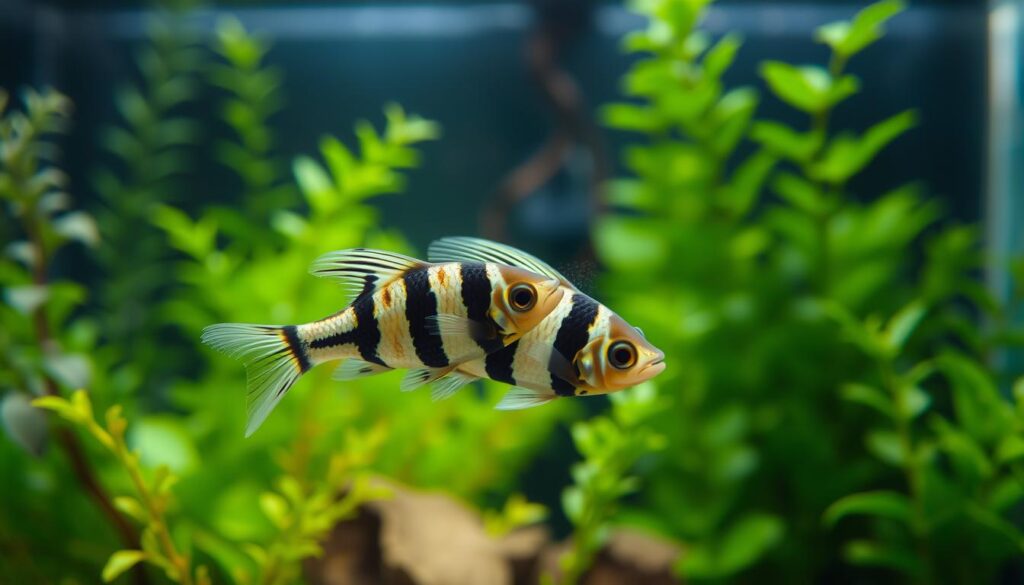
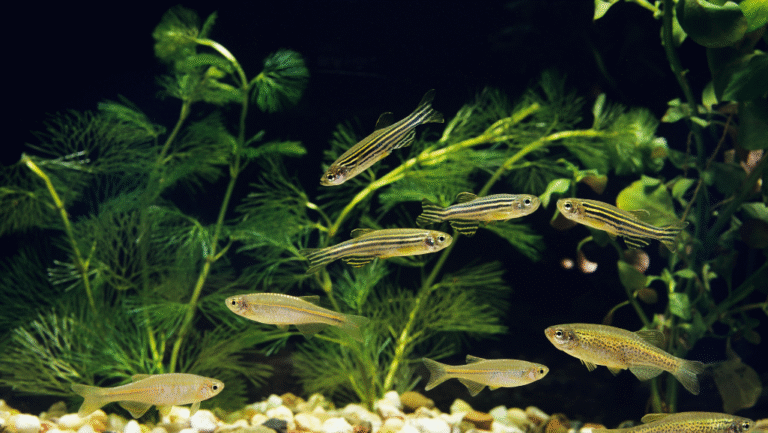
A close-up view of two zebra danio fish (Danio rerio) swimming together in a lush, planted aquarium. The foreground captures the vibrant stripes and graceful movements of the breeding pair, their fins delicately intertwined. The middle ground showcases a variety of freshwater plants, providing a natural, verdant backdrop. Soft, diffused lighting from the overhead aquarium illuminates the scene, creating a serene, underwater atmosphere. The camera angle is slightly elevated, offering an intimate perspective on the mating behavior of these small, schooling fish. The image conveys the beauty and intricate details of successful zebra danio breeding in a community tank setting.

Picking the right tank size shapes both the visual impact and daily routine of your living display. Think about where the aquarium will sit, how much time you can commit to maintenance, and what kind of view you want from your main seating areas.

From compact cubes to rimless showpieces

7.13 gallon — 11.8 × 11.8 × 11.8 inches — best for: desktops, small nooks, and quick starter projects. The compact cube fits tight spaces and keeps routine care simple.

30 gallon rimless — 35.4 × 11.8 × 17.7 inches — best for: living-room displays that want cinematic depth and longer sightlines for plant layers and fish shoals.

Miotke 71 gal — 35.4 × 23.6 × 19.7 inches — best for: statement aquariums with sweeping hardscape, larger schools, and more complex aquascapes.

Measuring for fit, viewing, and maintenance

Measure inches carefully for stand footprint and wall clearance. Allow swing room for hoses, tools, and easy access to the filter and light so routine maintenance stays comfortable.

Tip: Place tanks away from direct sun and heavy foot traffic to keep conditions steady for plants and fish and to protect the view from glare.

  • Match ambition with access: larger aquariums give stability of parameters but need more water changes and time.
  • Height matters: an eye-level tank offers an immersive view and reduces neck strain during long sessions.
  • Power and layout: confirm outlets are nearby and elevated; tidy cable management improves safety and the overall appearance.

Measure twice before you buy: a well-chosen aquarium size keeps the hobby enjoyable long after setup day.

Aquascaping styles to guide your kit choice

Style choices shape both the look and the work required to keep a planted display healthy and beautiful. Pick a direction early and your gear, plants, and maintenance plan will fall into place.

Dutch: plant-focused abundance

Go Dutch if you love layered rows, color contrasts, and frequent pruning. Best for intermediate hobbyists who enjoy hands-on trimming and color-driven layouts.

This style emphasizes dense groups of stem plants and varied textures, so you’ll want stronger lighting, steady nutrient dosing, and a regular pruning schedule to keep carpets and tall stems balanced.

Jungle: wild, low-maintenance depth

The Jungle look favors large-leafed species, tangles of roots, and forgiving growth — perfect for owners who prefer relaxed upkeep and hiding places for shy fish.

Use broad plants and driftwood to create natural cavities and cover; this approach reduces the need for precise trimming and tolerates a slightly higher bioload as plants fill in.

Iwagumi: rock-led minimalism

Iwagumi centers on hero rocks and open space — ideal for minimalists who want a meditative focal point with tidy planting and crisp sightlines.

This style requires careful rock placement, a clear foreground (usually carpet plants), and disciplined maintenance so the negative space and stone angles remain striking.

Nature Aquarium: a snapshot of the wild

Nature-style scapes mimic hills, riverbanks, or forest scenes using stones, driftwood, and mixed plants. Best for hobbyists who want a believable sense of depth and variation without rigid geometry.

Longer tanks suit sweeping valleys and layered plantings, while cubes highlight vertical wood forms. Collect reference photos and aquascaping ideas ahead of buying plants and hardscape so your plant lists and stone angles support the intended scene.

  • Match style to gear: plant-heavy aquascaping needs stronger lights and stable CO2; rock-led layouts benefit from rimless tanks and clear views.
  • Gather ideas: bookmark aquascaping ideas and study plant lists, stone angles, and spacing before you commit.
  • Plan your role: choose a style that fits the time you want to spend trimming and maintenance — some scapes demand weekly attention, others are more forgiving.

Lighting essentials: LED output, spectrum, and control
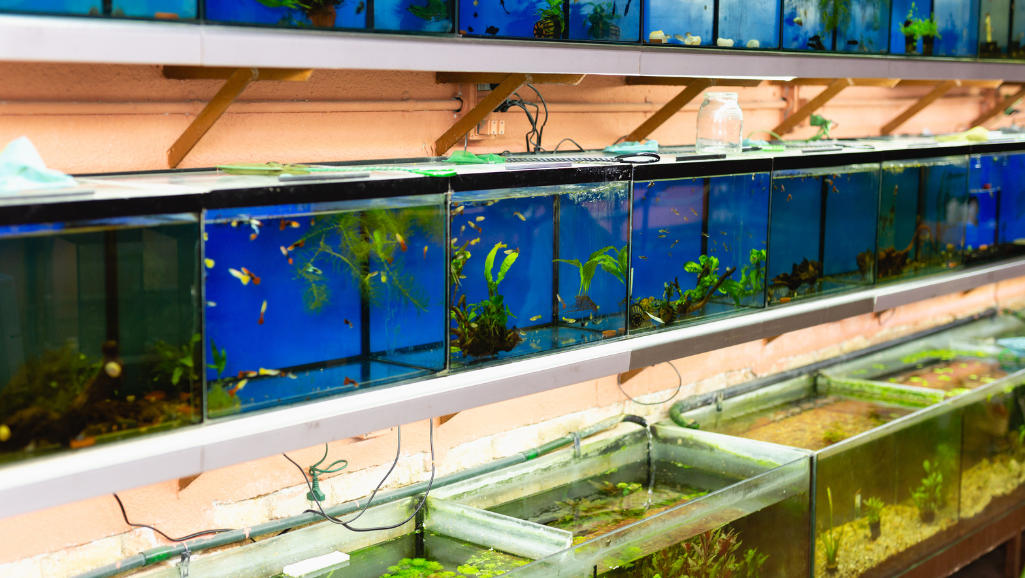
A vibrant aquarium lit by an array of LED lights, casting a warm, natural glow across the underwater landscape. The lighting system is carefully designed to mimic the sun's spectrum, with a balance of red, blue, and white LEDs that bring out the vivid colors of the aquatic plants and fish. The lighting is dimmable, allowing for precise control over the brightness and mood, creating the perfect atmosphere for an immersive aquascape experience. The luminaire is sleek and modern, complementing the overall aesthetic of the aquarium setup. The lighting is dimmable, allowing for precise control over the brightness and mood, creating the perfect atmosphere for an immersive aquascape experience.

Good lighting defines how plants show color and how a tank feels in a room. Choose lights that balance intensity and spectrum so greens stay vibrant, red tones pop, and the overall view is pleasing without harsh glare.

WRGB spectrum for vivid greens and reds

WRGB-calibrated LEDs deliver flexible color tuning that helps highlight plant hues. Fixtures like WRGB slim LED kits let you emphasize reds for stem plants or boost greens for carpets while keeping an adjustable spectrum for balanced growth.

Matching intensity to plant selection

Match output to species: low-light epiphytes (Anubias, Java fern) need moderate illumination; carpeting plants demand higher PAR near the substrate. A practical approach is to start in the low–moderate range and increase intensity as needed for foreground growth.

Tip: Begin with 6–8 hours of light and increase in 15–30 minute steps over several weeks if plants need more energy—monitor growth and algae response closely.

Timers and shades for algae management

Use timers to set a stable photoperiod—start conservative to limit algae while plants establish. Shades and diffusers focus light on the layout, cut spill into the room, and reduce hotspots that encourage algae.

When upgrading light for faster growth, pair it with balanced nutrients and CO2 so plants use available energy rather than algae.

  • Quick light guide: low (beginners, epiphytes) — moderate output; medium (mixed plantings) — moderate-high; high (carpets & demanding stems) — high PAR with CO2.
  • Monitor plant response for two weeks and tweak intensity incrementally rather than large jumps.
  • Keep lenses clean with a microfiber cloth to sustain output and protect your light investment.

Filtration and water treatment for thriving plants and fish

Clean, balanced water is the invisible foundation that lets plants flourish and fish behave naturally. Pairing appropriate flow with solid chemistry gives your display stamina and reduces surprises.

Mechanical, biological, and chemical balance

Effective filtration performs three jobs: capture debris, grow beneficial bacteria, and polish water. Choose media and filter type to match your tank’s size and planted density.

  • Mechanical: pads and prefilters trap waste before it clogs media; replace or rinse these frequently.
  • Biological: porous media (ceramic rings, bio-balls, sponges) nurture colonies that break down ammonia and nitrite.
  • Chemical: resins or activated carbon remove discoloration, odors, or occasional contaminants.

Water conditioners, parameters, and stability

Use a trusted water conditioner at every change to neutralize chlorine and chloramine. Track core parameters—temperature, pH, KH, and GH—and keep conditions steady as plants and livestock establish.

  • Filter choice by tank: sponge filters work well for shrimp and nano systems; hang-on-back or canister filters suit most beginner to mid-size planted tanks; larger aquariums often pair best with canisters or external systems for capacity and serviceability.
  • Match filter size to bioload: aim for steady, gentle circulation rather than aggressive surge—adjust flow if plants or shrimp prefer calmer water.
  • Spare parts checklist: keep extra impellers, O-rings, and a supply of filter media so maintenance is fast and downtime is minimal.

Quick kit add-ons to order: a water test kit, conditioner, spare media, and a basic filter-service toolset—these save time and keep your aquarium stable from day one.

Substrates and gravel: fueling root growth and layout
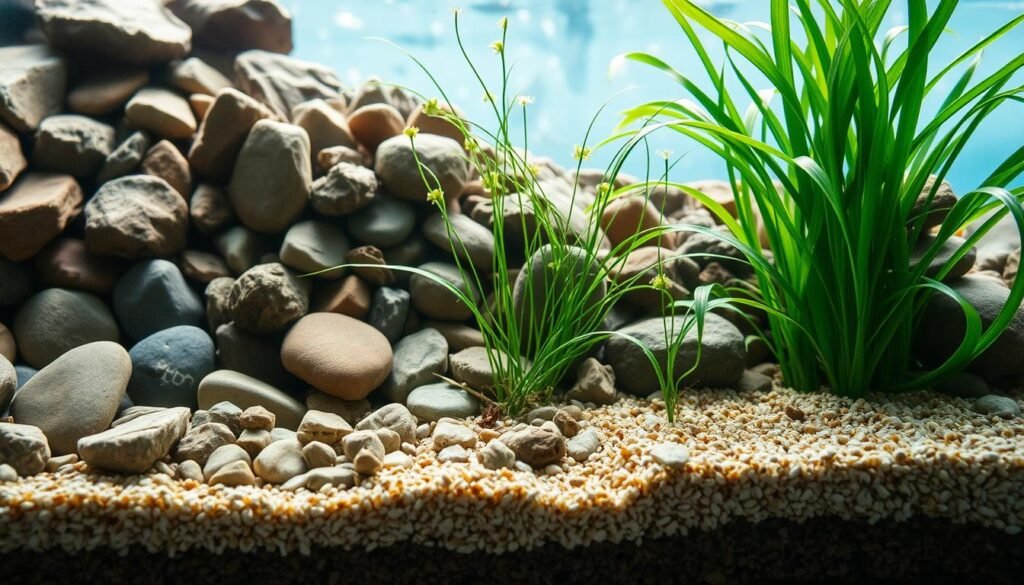
A close-up, detailed view of various aquarium substrates arranged in an artful, natural-looking composition. The foreground features an array of smooth river rocks, pebbles, and coarse sand in earthy tones of brown, gray, and beige, with subtle variations in texture and size. The middle ground introduces lush, verdant aquatic plants with delicate stems and leaves, their roots delving into the substrate. Dappled lighting creates highlights and shadows, lending depth and dimension to the scene. In the background, a soft, blurred underwater environment sets the mood, suggesting the rich, vibrant world that this substrate will support. The overall image conveys the importance of careful substrate selection to nurture a thriving, natural-looking aquascape.

The base layer you pick determines how plants anchor, access nutrients like iron, and show their best colors.

Choose enriched bases when you plan heavy rooting plants. Nutrient-rich substrate feeds root-feeders and sustains growth over months; examples include planted aquarium soils that supply iron and other micro‑nutrients. For hardscape-led layouts or epiphyte-focused designs, inert sand or gravel keeps chemistry stable and highlights stones or wood.

Nutrient-rich bases versus inert sands

Enriched soils supply long-term nutrients and reduce early dosing—they’re ideal under heavy feeders and tall stems that draw from the substrate.

Inert sands and gravels work well when plants get nutrition from the water column or from root tabs, and when you want a clean, hardscape-forward look.

Grain size, slope, and long-term maintenance

Mix grain sizes for texture and stability: finer grains in the foreground help carpets root, while coarser material toward the back resists compaction and holds structure.

  • Sculpt a forward slope to create perceived depth and channel debris to an easy-to-clean area.
  • Add root tabs under heavy feeders to extend nutrient life and preserve color between rescapes.
  • Rinse inert gravels well to reduce early clouding; avoid over‑rinsing enriched soils so nutrients remain effective.

Plan maintenance with a light gravel vacuum on open areas and minimal disturbance near dense roots—use a small, precise tool to spot-clean and protect growth momentum.

Substrate shopping checklist: pick the base type (enriched vs inert), decide on grain sizes for foreground/mid/back, order root tabs if needed, and include enough depth for carpets and root feeders.

For a deeper dive on substrate options and matching soil types to plant goals, see the linked guide and verify specific product claims for nutrient lifespan and iron content before purchase.

Hardscape choices: rocks, stones, and driftwood

The right stones and driftwood turn glass into a landscape you want to visit every day. Hardscape choices set scale, guide plant placement, and shape fish movement across tanks of any size.

Seiryu, Dragon (Ohko), and lava: color, texture, scale

Seiryu stone offers cool grays and crisp veining for dramatic focal points—use it to create clean lines and contrast with green carpets. Dragon (Ohko) brings warm, weathered texture and natural planting pockets for a lived-in look. Black lava is porous and lightweight, useful for building height without heavy mass; combine it with gravel accents for natural transitions.

Driftwood types and anchoring techniques

Malaysian and spider wood provide sweeping branches and strong silhouettes. Pre‑soak pieces to reduce buoyancy and leach tannins, and consider boiling small pieces to speed the process if time allows.

  • Anchor methods: pin driftwood to slate, zip‑tie it to stones, or bury bases in substrate for stability—test each method dry before final placement.
  • Visual tips: repeat stone types and angles to create cohesion; apply the rule of thirds for focal placement so compositions feel balanced.
  • Safety check: test suspicious rocks with vinegar (no fizz = generally safe) and avoid calcareous stone that can raise pH unless that fits your plan.

Tip: Plan caves and overhangs for shelter but keep swim lanes open so fish move naturally. Dry-test and photograph layouts, then make small micro‑adjustments before the first fill to save hours of rework.

Planting the aquascape: species, stocking, and layout
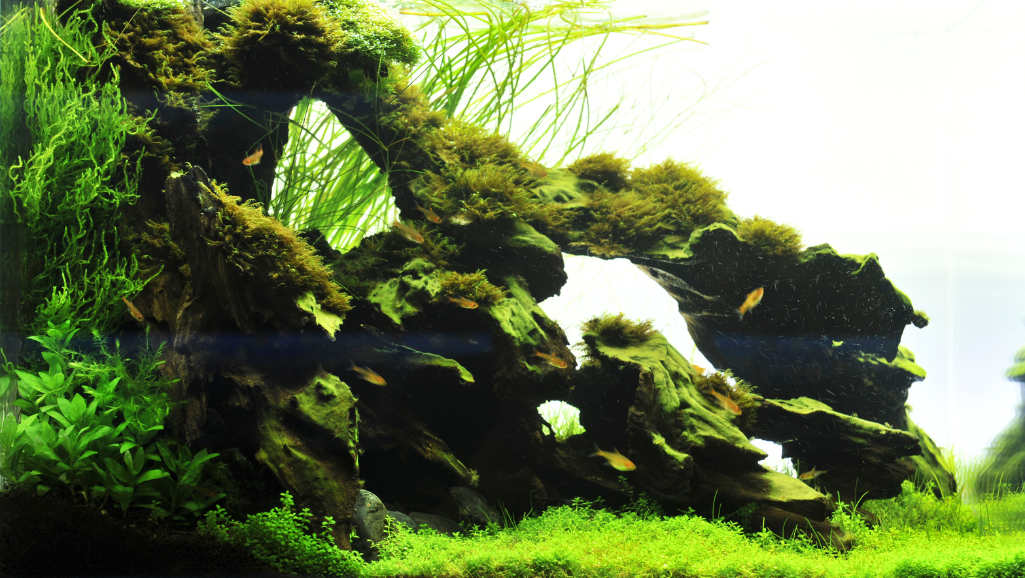
A lush, underwater scene of a well-planted aquascape. In the foreground, aquatic plants such as Cryptocoryne, Anubias, and Java Fern sway gently in the current, their vibrant green fronds reaching towards the surface. In the middle ground, schools of neon tetras and shimmering Corydoras catfish dart between the meticulously arranged driftwood and rocks, creating a sense of depth and natural harmony. The background is bathed in warm, diffuse lighting, casting a golden glow over the submerged landscape, and hinting at the presence of a hidden canopy above. The overall composition conveys a sense of tranquility and balance, inviting the viewer to imagine themselves immersed in this calming, nature-inspired aquatic haven.

Layering plants by height and role gives instant depth and purpose to your layout. Plan foreground carpets, midground accents, and tall background stems so the viewer’s eye moves naturally across your hardscape lines.

Foreground carpets, midground accents, background height

Start dense in the front to outcompete algae and establish a stable carpet. Low-tech foreground options: Java moss, Anubias nana petite (as a foreground cluster), or Monte Carlo for moderate light. Midground and epiphytes include Bucephalandra, Cryptocoryne varieties, and small rosette plants. Background stems—Hygrophila, Rotala, or tall Ludwigia—provide height and motion.

Low-tech versus high-tech plant selections

Low-tech setups favor hardy, low-light plants (Anubias, Java fern, mosses) and moderate lighting with less frequent dosing. High-tech builds pair high-output lights, CO2 injection, and faster-dominating carpet species (Hemianthus, glossostigma) for rapid growth and denser scapes—expect more trimming and nutrient management.

“Rinse new plants and inspect for hitchhikers before planting — a tidy start cuts early cleaning.”

Planting workflow (simple step-by-step)

  • Dry layout: arrange rocks and wood, photograph variations to choose the best composition.
  • Foreground first: plant carpets or low forms to establish the front plane.
  • Midground next: place clumps and epiphytes to complement stones/wood.
  • Background last: add tall stems and adjust flow so plants sway naturally.
  • Tools & trim: use tweezers and scissors for precise placement and routine pruning.
  • Feed root feeders with root tabs and dose the water column for stems and fast growers.
  • Introduce fish only after plants root and water parameters stabilize—this helps the layout and livestock settle together.
  • Monitor growth and prune on a schedule to keep sightlines clear and promote healthy regrowth.

Livestock harmony: shrimp, nano fish, and bioload

Good stocking choices keep your planted aquarium calm, clear, and lively. Match livestock to your filter capacity and planted density to avoid spikes and stress.

Match stock to filter capacity

Build a plan that respects your filter’s flow and biological capacity. A modest bioload keeps water clear and fish behavior natural—estimate impact by species (waste production) rather than raw numbers.

  • Stage additions so beneficial bacteria in the filter can cycle up between introductions.
  • Keep spare sponges and media on hand and a small quarantine tub ready for new arrivals.
  • Sample stocking guide: 7–10 gal — a shrimp colony plus 4–6 small nano fish; 30+ gal — room for larger shoals or mixed communities with hearty filtration.

Shrimp and nano fish choices

Shrimp (Amano, Neocaridina) make excellent algae helpers and add delicate motion in plant-rich scapes. Pair shrimp with peaceful nano fish—ember tetras, rasboras, or small rasboras make good companions—avoiding species that hunt juveniles.

Betta compatibility: some bettas will coexist in heavily planted tanks with abundant hiding spots, but many are territorial; research temperament and test cautiously.

Feeding, compatibility, and care

Feed lightly and consistently—overfeeding clouds water and stresses plants, shrimp, and fish. Always research adult size and temperament before stocking to prevent predation and keep community dynamics stable.

Quarantine & acclimation checklist

  1. Quarantine new livestock for 7–14 days and observe for disease.
  2. Float bag or drip-acclimate to match temperature and parameters.
  3. Add animals gradually, allowing the filter’s bacteria to adapt between batches.

Preventing algae: balance, cleaning, and routine

Algae growth is a symptom — and balance is the cure: meter light, nutrients, and filtration to steady the system. A predictable routine keeps water clear and lets plants thrive. Small, consistent steps protect the look and health of your tank.

Light, nutrients, and CO2 equilibrium

Keep light, nutrients, and CO2 in sync. Excess of any one invites algae, while balance favors healthy plants. Start with a conservative photoperiod and raise it slowly as growth stabilizes—adjust in 15–30 minute steps and observe plant response.

Targeted cleaning tools and time-saving tips

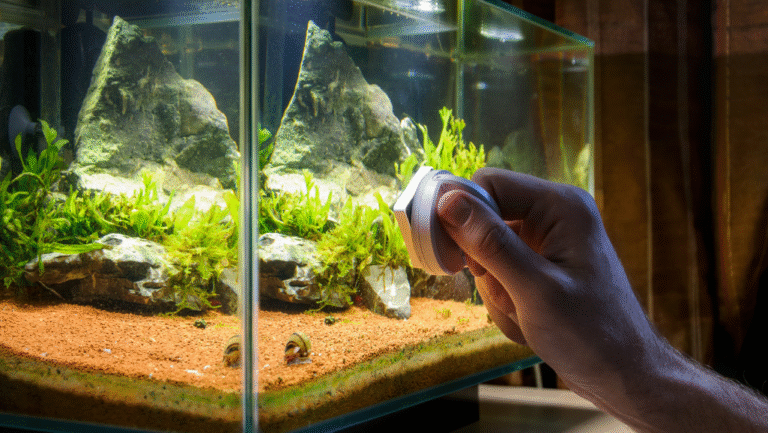
Use targeted tools—razor scrapers, a soft toothbrush, and a fine airline—to clear glass, rocks, and crevices without harming roots. Add a small roster of algae-eaters (Amano shrimp, nerite snails) where appropriate to help control growth naturally.

  • Check light duration first, then nutrient dosing and CO2 if algae persists (light → nutrients → CO2 → maintenance).
  • Clean filters on schedule but avoid over-sanitizing so beneficial bacteria stay intact.
  • Prune plants before they shade themselves; open canopies improve light distribution and flow.
  • Feed fish modestly and remove uneaten food to cut nutrient spikes and reduce algae fuel.

Routine beats emergency. A short weekly check—glass, plants, filter, and parameters—prevents most algae problems and keeps the aquascape looking its best.

Compare kits: beginner-friendly to premium builds

Not every size or price point fits every hobbyist. Decide whether you want a simple starter or a statement aquascape tank before you order. Size, included lighting, and glass clarity shape both the look and the maintenance you’ll perform.

Compact cubes and 7.13 gal options

Compact elegance: Small kits — like common 7.13 gal cube bundles — pack a matched light and filter into an easy 11.8‑inch footprint. These kits are best for beginners or tight spaces: low maintenance, focused view, and quick setup.

10 gal starter scapes

Room to grow: A 10 gallon starter kit gives more planting room and hardscape flexibility while keeping costs and maintenance reasonable. Look for bundles that balance a suitable light and filter so plants and livestock thrive sooner.

30–71 gallon rimless showpieces

Statement displays: Larger rimless kits (30–71 gal) provide sweeping sightlines and an ultra clear view for dramatic rock work and richer plant compositions. These sets often require stands, more robust filtration, and a longer commitment to maintenance—but they deliver cinematic gardens and smoother fish movement.

  • Compare what’s included: glass clarity, lighting specs, filter type, and whether a stand or hood is provided.
  • Check stock often—popular kit sizes and LED packages sell out quickly after restocks.
  • Order stones and matching lighting together so color temperature and tone feel cohesive in the final view.

Tip: create a quick comparison table before you buy—size, included items, estimated price range, and maintenance level—to match a kit to your goals and experience.

Buying smart in the United States

Timing your purchase around restocks can mean the difference between grabbing the size you want and waiting weeks.

Restocked kits, price match options, and payment plans

Set stock alerts on vendor pages and sign up for newsletters so you receive restock notices the moment popular kits return—high-demand sizes and LED packages often sell out quickly.

Use price-match policies when available but read exclusions carefully; some sellers exclude certain brands or charge for shipping. Consider payment plans (installment options) to spread cost across stands, substrate, and hardscape without delaying your project.

Domestic shipping, international notes, and live plant considerations

For U.S. buyers, domestic shipping shortens transit and reduces the risk of damage for glass tanks and heavy items. Verify lead times on stands and drilled tanks so your setup schedule stays on track.

International listings may exclude live plants—if you spot a good product abroad, buy the tank domestically and source shrimp and plants locally to protect timing and health.

  • Check carrier packaging, handling, and insurance for tanks before you order.
  • Confirm seller hours and response times for pre-order questions.
  • Use a pre-order checklist—stand, substrate, hardscape, lighting, filter—to ensure your package arrives complete.

From box to brilliance: assembly, setup, and first 30 days

Getting a new tank live is about careful steps, not speed. Spend time on day one to plan placement, cable runs, and where tools will live—this small pause prevents rework and preserves your design.

Dry layout to planting workflow

  1. Before you fill: unbox the aquarium kit, set the stand level, and dry‑fit the light, filter, and hoses to confirm reach and cable paths.
  2. Hardscape first: build and photograph several dry layouts of stones and wood; small rotations often reveal the strongest lines.
  3. Plant in stages: foreground carpets first, midground clusters next, then background stems—use tweezers and scissors for precise placement and minimal substrate disturbance.

Initial water treatment, cycling, and livestock timing

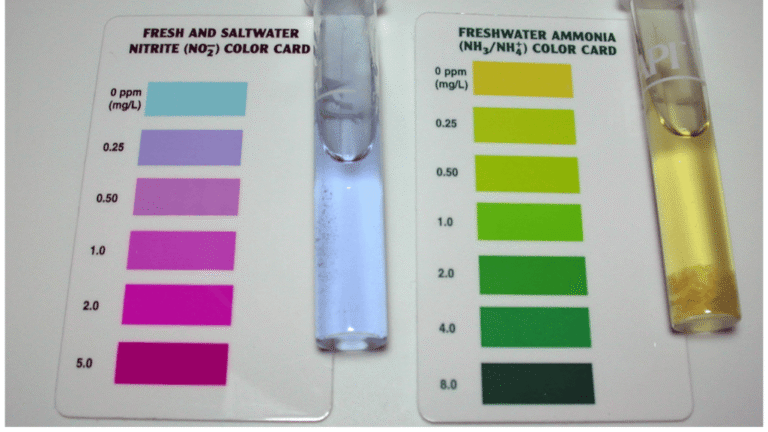
Fill slowly (pour over a plate or bag to avoid displacing the layout). Dose water treatment at every fill to neutralize chlorine and chloramine. Start cycling with seeded media or a bacterial starter and test ammonia and nitrite every few days; only add shrimp or fish after both read zero.

  • Timed routine: establish a modest light schedule (6–8 hours) and increase gradually as plants root to avoid algae surges.
  • Maintenance items to order early: spare filter media, tweezers, scissors, a gravel vacuum, and water test kits so you’re ready when adjustments are needed.
  • Patience pays: resist rushing—steady progress in the first 30 days builds stability that keeps maintenance easier over time.

“Small, deliberate steps at setup save time and trouble later.”

Conclusion

Wrap up your plan by choosing durable, compatible combinations that let you enjoy the view more than the chores.

Let your selected style guide gear and plant choices, then refine with simple routines that make care intuitive and results long‑lasting.

Watch U.S. retailers for restocks of rimless tanks, WRGB lighting, and hardscape so you can pick the exact size and ultra clear displays that fit your space and workflow. Use price-match promotions or payment plans when they help you complete the order without compromising key items.

Trust proven combinations: balanced lighting, capable filtration, and supportive substrate keep growth steady and reduce surprises.

Next steps: choose a kit → order substrate & hardscape → set up and dry‑fit → plant and cycle → add livestock gradually. Start thoughtfully, monitor progress, and enjoy each chapter as your aquascape matures.

FAQ

What comes in a typical aquascape aquarium kit and what do I need to add?

Typical kit inclusions: many starter aquarium kits include the glass tank, an integrated LED light, a cartridge or sponge filter, a basic substrate layer, and a simple hood or lid. Common add-ons: live plants, hardscape materials (rocks, driftwood), water conditioner, and livestock such as shrimp or small nano fish. For fuller plant growth, consider liquid fertilizer, CO2 (for high‑tech setups), and basic planting tools like tweezers and scissors.

How do I choose the right tank size and placement for my room?

Pick a size that suits your space and maintenance comfort. Small 7–10 gallon cubes work well for desktops and beginners; 30–71 gallon rimless tanks create strong, immersive views for living rooms. Measure height, width, and depth in inches to confirm stand fit and sightlines. Place tanks away from direct sunlight, heavy foot traffic, and heating vents to keep parameters steady and protect the view from glare.

What kind of lighting do plants need and how long should lights run?

Use a broad‑spectrum LED (WRGB where possible) to bring out green and red tones and support photosynthesis. Match intensity to plant choice—low‑light stems and epiphytes need moderate output; carpets and demanding stems need higher PAR and often CO2. Start with 6–8 hours per day, use a timer for consistency, and increase duration or intensity slowly while watching for algae.

How does filtration affect water clarity and plant health?

A properly sized filter supplies mechanical, biological, and sometimes chemical filtration. Mechanical media trap debris, biological media host beneficial bacteria that process ammonia and nitrite, and chemical media (resins, carbon) polish water. Size your filter to the tank’s gallon capacity and stock level so water stays clear and fish or shrimp remain healthy.

Which substrates are best for planted layouts and root feeders?

Nutrient‑rich planted substrates feed roots and promote lush growth; inert sands or gravels give a clean hardscape look but rely on root tabs or water‑column dosing. Consider grain size and slope for depth: finer grain in the foreground helps carpets root, coarser grain at the back resists compaction. A layered approach—enriched base capped with fine substrate—works well for many scapes.

What hardscape materials should I pick: Seiryu, Ohko, lava, or driftwood?

Choose by color, texture, and scale. Seiryu and Ohko (Dragon stone) create dramatic lines and contrast; lava adds rugged texture and lightweight height; driftwood supplies natural curves and shelter. Dry‑test pieces, pre‑rinse rocks, and pre‑soak or boil driftwood to reduce tannins. Secure driftwood by pinning or partially burying its base, and avoid calcareous stones unless your plan tolerates higher pH.

How do I plan plant layout for foreground, midground, and background?

Use low carpets (Monte Carlo, hairgrass) in the foreground, medium‑height rosettes or clumps in the midground, and tall stems in the background to create depth. Balance color, leaf shape, and growth rate. Start with a dry hardscape layout and plant from back to front for easier placement and maintenance.

Can I keep shrimp and nano fish together, and how do I manage bioload?

Shrimp pair well with peaceful nano fish like ember tetras or small rasboras when plenty of hiding spots exist. Match stocking to filtration and tank size—overcrowding raises ammonia and algae risk. Quarantine new livestock and add animals gradually so the biological filter can adapt.

What steps prevent and control algae without chemicals?

Balance light duration, nutrients, and CO2 to limit algae. Regular water changes, targeted cleaning with scrapers or brushes, and natural cleaners such as Amano shrimp or nerite snails help control growth. Maintain a consistent routine and avoid overfeeding to reduce organic buildup.

How do I cycle a new tank and when can I add fish or shrimp?

Cycle the tank by establishing beneficial bacteria—use seeded media, bottled starters, or fishless cycling with ammonia. Monitor ammonia, nitrite, and nitrate until ammonia and nitrite read zero. Add livestock gradually over several weeks to avoid shocking the biological filter and to keep water clear.

Are plug-and-play kits good for beginners, or should I build a custom system?

Plug‑and‑play aquarium kits are excellent for beginners and busy keepers: they offer matched lighting and filtration and simplify setup. Hobbyists wanting advanced control or specific aquascaping goals often mix higher‑output lights, external canister filters, and CO2 systems to tailor growth and aesthetics.

What maintenance schedule keeps a planted tank healthy?

A weekly routine—small water changes (10–30%), spot pruning, and quick equipment checks—keeps systems stable. Clean filter media gently in tank water monthly and replace consumables per manufacturer guidance. Regular checks prevent most major issues.

How do shipping and live plant orders work in the United States?

Many U.S. vendors restock regularly and ship live plants with protective packaging and acclimation instructions. Domestic shipping reduces transit time and risk for glass tanks. Check seller return policies, lead times for drilled tanks or stands, and whether live plants or livestock are available for domestic shipping.

What tools and supplies should I order alongside my kit?

Order plant tweezers and scissors, a water test kit, dechlorinator/water conditioner, fertilizers, a siphon for water changes, and spare filter media. For advanced growth, add a CO2 regulator, drop checker, and pH control tools so you can manage both root and water‑column feeding strategies.

How do I design a nature-style layout versus a Dutch or Iwagumi scape?
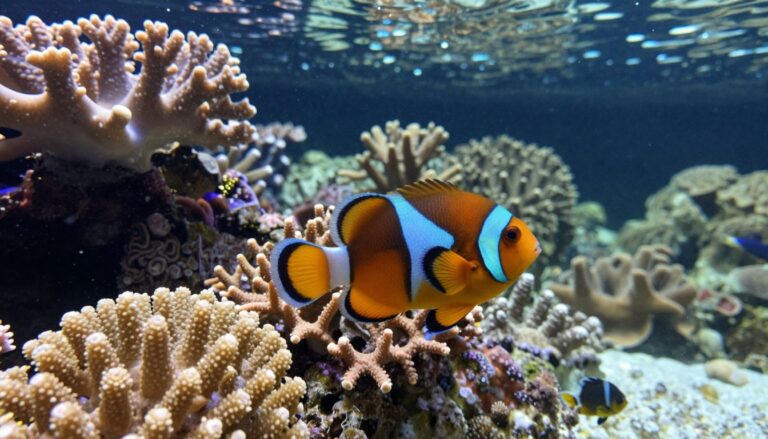
Nature‑style favors natural irregularity—mix plants and wood for a wild look. Dutch scapes emphasize dense, colorful plant groupings with minimal hardscape. Iwagumi centers on carefully arranged rocks and negative space. Choose a style, study reference images, and sketch a plan before buying plants and hardscape so your kit and items match the intended build.
Coral Beauty Angelfish Care
Coral Beauty Angelfish Care: Tips for a Thriving Aquarium
Centropyge bispinosa is a compact, colorful dwarf from the Pomacanthidae family that rewards steady attention....
Aquarium Plants Turning Brown
Aquarium Plants Turning Brown? Here's What to Do
Seeing discolored leaves can feel alarming, but this signal is usually solvable. Most tanks recover quickly...
Community Aquarium
Community Aquarium Basics: Choosing Fish and Setting Up a Small Fish Tank
Starting a small community aquarium is an exciting and relatively easy way to get into the hobby. Choosing the right fish and understanding how adult size and temperament affect compatibility are the first steps to a thriving setup. Many species are well-suited for smaller tanks, but note that very small systems (like 5-gallon tanks) limit your choices and require extra attention to water quality and stocking. This guide covers practical tank setup, how to pick compatible fish, and the maintenance habits that keep a healthy freshwater aquarium. Whether you’re planning a 5‑gallon nano or a 20‑gallon community tank, you’ll get clear steps, species suggestions, and real-world tips to create a balanced, attractive display. Follow this guide to set up your first community aquarium confidently—whether you’re looking for a peaceful display of schooling fish or a mixed community with bottom dwellers. The sections below explain setup essentials, choosing friendly species, acclimation, maintenance, and when to upgrade as your skills grow. Key TakeawaysPick fish that will fit your tank at full adult size to avoid overcrowding. Focus on species that thrive in small community setups and get along well together. Proper setup and regular maintenance are essential—especially in smaller tanks where conditions change more quickly. Compatibility (size, temperament, and water needs) prevents conflict and stress among community fish. If you want a relatively easy start, choose hardy freshwater species and follow step-by-step care guidance in this content.Introduction to Aquarium Fish KeepingKeeping a community aquarium is a rewarding hobby that combines creativity, responsibility, and the simple pleasure of watching aquatic life thrive. Whether you’re attracted to the bright colors of tropical fish or the calm of a planted freshwater display, a well-planned fish tank can fit many lifestyles and living spaces. A community aquarium is a tank stocked with multiple compatible fish species that coexist peacefully — typically a mix of schooling mid‑water species, peaceful top swimmers, and bottom dwellers. Choosing the right species is the foundation: many beginners find livebearers like guppies to be one popular, hardy option because of their small adult size and adaptability. However, remember that nano tanks (5–10 gallons) limit options and need stricter water quality control. Proper care and routine water testing sustain a healthy environment. Local fish stores are valuable allies — ask them about water testing services, current stock levels, and species compatibility for the tank size you’re planning. If you’re just starting, look for hardy freshwater species and merchandise labeled “community” or “beginner‑friendly.” What begins as a casual interest can become a year‑round commitment to learning and improving your setup. From selecting compatible fish to mastering basic maintenance, the process is educational and enjoyable. If you’re looking for an in-depth, step-by-step walkthrough, see this step-by-step resource to get started. Setting Up Your Aquarium for SuccessCreating a thriving aquatic display begins with choosing the right tank and arranging the proper environment. The tank you pick affects water stability, filtration needs, and how comfortably your fish can live and grow. Thoughtful selection and setup reduce stress on livestock and make routine maintenance easier. Selecting the Right Tank Size and Environment The size of your tank directly influences water chemistry and fish growth. For many beginners, a 20-gallon tank is a practical sweet spot: it’s large enough to support a small community and more forgiving of maintenance mistakes than nano setups. Very small tanks (5–10 gallons) are possible but keep in mind they limit species choices and require more frequent attention to parameters. Larger tanks dilute pollutants more effectively and provide more stable conditions, which is why many hobbyists upgrade as they gain experience. Always keep the adult size of planned fish in mind when calculating stocking — small fish in number can still create a heavy bioload. Essential Equipment and Water Parameters Equip your fish tank with reliable basics: a filter sized to your tank’s flow needs, a heater appropriate for the volume and target temperature, a test kit, and lighting suited to your décor or plants. Rather than relying on a single rule, think in terms of flow and turnover: aim for a filter capable of roughly 3–5× the tank volume per hour (for many community setups, 4× is a good target). For example, for a 20-gallon tank aim for a filter that moves ~80 gallons per hour. Heater sizing is a guideline — older rules of thumb suggest about 5 watts per gallon, but modern heaters and well‑insulated tanks can vary. Use the wattage suggestion as a starting point and monitor water temperature with a reliable thermometer to fine-tune. Consistent water testing is vital: track ammonia, nitrite, nitrate, and pH during startup and regularly after stocking. Cycling a new tank builds beneficial bacteria and is essential before adding fish. While a natural cycle can take several weeks to a few months, using seeded media, filter media from an established tank, or commercial bacterial starters can shorten the process. You’ll know the cycle is complete when ammonia and nitrite test at 0 ppm and nitrate is detectable. Must-Have Setup ChecklistTank sized for your planned stocking (20 gallons recommended for most beginners) Filter rated for 3–5× turnover per hour (example: ~80 GPH for 20 gallons) Appropriate heater and reliable thermometer Water test kit (ammonia, nitrite, nitrate, pH) Substrate (consider 1.5–2 lb per gallon as a general guideline for gravel; adjust for planted/sand setups) Dechlorinator and basic maintenance tools (siphon, algae scrub)For a step-by-step setup walkthrough and product suggestions, see this step-by-step resource. Download our setup checklist to guide your first installation and keep important specs handy while you plan. Choosing Friendly Fish for Your Community AquariumSelecting the right aquatic companions is essential to building a peaceful, visually appealing community fish tank. The best combinations balance color, size, and temperament so that all inhabitants can get along and display natural behavior. Keep in mind your tank’s dimensions and the adult size of each fish when planning a stocking list. Color, Size, and Temperament Considerations Vibrant species like the neon tetra add instant color to a setup, while patterned mid‑water swimmers create movement and interest. However, aesthetics must be balanced with practicality: always check adult size to avoid overcrowding — many tetras reach roughly 1.2–1.8 inches, making them ideal for smaller tanks when kept in groups. Temperament matters just as much. Peaceful community fish such as corydoras or platies are beginner‑friendly and tend to coexist quite well with schooling mid‑water species. Avoid mixing known fin‑nippers or territorial species with long‑finned or timid fish. Understanding Fish Compatibility in a Community Tank Compatibility is largely about matching size, water requirements, and temperament. Small, non‑aggressive species are generally safer together; for example, tetras and guppies can get along because both are small and peaceful, but be sure their temperature and pH needs overlap. Group dynamics are important: many schooling fish show their best colors and behavior when kept in groups. Typical minimums to keep in mind: neon tetras — 6–8, rasboras — 6+, and corydoras — 4–6. Groups reduce bullying and help fish feel secure. Recommended Small‑Tank Pairings (compatibility matrix)Neon tetra + Corydoras + Small livebearer (e.g., guppy) — good for a 20-gallon community tank; schooling + bottom cleaners + colorful browsers. Pearl danios or celestial pearl danios + Otocinclus + small rasbora — peaceful schooling community for nano to small tanks. Platy + Corydoras + 6 small tetras — hardy, colorful community with varied levels occupied (top, middle, bottom).Red Flags & Quick Compatibility ChecklistFin‑nippers (some barbs) — avoid with long‑finned species. Large predatory or territorial species — don’t mix with small schooling fish. Mismatched water needs — temperate goldfish vs. tropical species is a no‑go. Single schooling species kept alone — always keep at least the species’ recommended minimum group size.When planning, research each species’ adult size, temperament, and specific water parameters. Prioritize peaceful community fish and smaller fish that get along, and you’ll build a harmonious display that’s enjoyable and stable. For more pairings and a printable compatibility chart, see the full fish compatibility chart. Freshwater Tropical, Coldwater, and Marine Options ExplainedChoosing between freshwater tropical, coldwater, or marine systems determines the types of fish you can keep, the equipment you’ll need, and the ongoing commitment required. A small freshwater community is often the most accessible path for beginners, while marine tanks offer a wider visual range of species but bring greater complexity and cost. Understanding these differences will help you pick the best match for your space and schedule. Pros and Cons of Tropical and Coldwater Fishes Freshwater tropical setups are popular because they support a huge variety of colorful fish — neon tetras, rasboras, and many livebearers provide vivid movement and pattern. Tropical systems usually require consistent water temperatures (commonly in the 72–82°F range for many tropical community species), so plan to include a reliable heater and thermometer. Coldwater tanks are sometimes simpler to run because they don’t require a heater for typical room temperatures, but that doesn’t mean they’re lower maintenance. Goldfish, a common coldwater choice, grow large and produce a heavy bioload, so they need much larger tanks than many beginners expect — they are not ideal for small 10–20 gallon setups despite being coldwater species. Starter Marine Fish Recommendations Marine aquariums display an incredible range of color and behavior, but saltwater systems demand stricter parameter control and additional equipment (protein skimmers, dosing systems, and accurate test kits). If you’re drawn to saltwater, consider starting with hardy, one popular beginner species such as clownfish or damselfish in a properly sized tank. Note that many marine hobbyists recommend starting with a 30+ gallon tank rather than very small nano systems to improve stability; nano marine tanks are possible but require advanced attention to water chemistry. Quick Pros & ConsFreshwater community: Relatively easy to start, wide variety of fish, good for small tanks when you choose smaller species. Coldwater: No heater needed in many homes, but species like goldfish need large tanks and produce more waste. Marine: Stunning diversity and colors, but higher complexity, cost, and equipment needs; better suited to hobbyists prepared for precise care.If you’re looking for straightforward success, a freshwater aquarium stocked with hardy, community‑minded species is often the best first choice. For deeper reading on which species fit each system, see this detailed guide and consider taking a short quiz to decide which tank type fits your lifestyle. Popular Species for Beginner Aquarists Diving into the world of aquatic pets offers endless opportunities for learning and enjoyment. Selecting the right species is the single most important decision for creating a thriving, low‑stress community. Below are beginner‑friendly fish that combine bright color, peaceful behavior, and relatively easy care. Top Freshwater Fish Selections These species are widely recommended for new hobbyists because they tolerate a range of conditions and are forgiving of small mistakes. Pay attention to adult size and group requirements when planning stocking for your tank. Guppy Guppies are one popular choice for beginners — colorful, small (about 1–2 inches), and hardy. Ideal tank: 10–20 gallons. Temperature: 72–82°F. Temperament: peaceful; do well in community tanks. Diet: flakes, frozen foods. Note: they breed easily — control numbers if you don’t want fry. Platy Platies are peaceful, easy care community fish that add bright color. Adult size: ~2–3 inches. Ideal tank: 20+ gallons. Temperature: 70–77°F. Temperament: calm and social. Diet: omnivorous — flakes and vegetable matter. Molly Mollies adapt to various water conditions and make hardy community members. Adult size: up to ~4–5 inches depending on variety. Ideal tank: 20+ gallons. Temperature: 72–78°F. Temperament: peaceful but can be slightly more active than platies. Note: some varieties prefer slightly higher hardness and salinity. Livebearers, Tetras, and Corydoras Highlights Combining mid‑water schooling fish with bottom dwellers creates a dynamic, balanced display that fills different levels of the aquarium. Neon Tetra Neon tetras are classic schooling schooling fish with vivid color. Adult size: ~1.2–1.8 inches. Keep in groups of 6–10 or more for best color and behavior. Ideal tank: 10–20 gallons (20+ preferred for larger groups). Temperature: 70–78°F. Temperament: peaceful; excellent for smaller community tanks. Corydoras (Cory Catfish) Cory catfish are ideal bottom tank cleaners and a peaceful community addition. Adult size: 1–3 inches depending on species. Keep in groups of 4–6+. Ideal tank: 10–20+ gallons. Diet: sinking pellets, wafers, and occasional frozen foods. They help keep substrate clean and display active social behavior. Pearl Danios / Celestial Pearl Danios Pearl danios and celestial pearl danios (smaller pearl types) are great for nano and small tanks due to their small size and schooling nature. Keep in groups of 6+. Ideal tank: 10–20 gallons. Temperament: peaceful and active; excellent in peaceful community setups. Small Community Stocking Ideas20-gallon community: 6 neon tetras + 4 corydoras + 3 platies — occupies top, middle, and bottom levels. Nano peaceful tank (10 gallons): small group of celestial pearl danios + 3–4 otocinclus (if tank is well cycled and planted). Beginner easy-care mix: guppies + corydoras + a small school of rasboras — hardy and visually varied.Warnings & Practical TipsLivebearer overpopulation: guppies and platies breed readily — plan for population control (separate breeding tank, remove fry, or keep only males). Avoid pairing fin‑nippers with long‑finned species (e.g., some tiger barbs with fancy guppies). Match temperature and pH preferences when pairing species — compatibility is more than temperament.“Choosing the right mix of species ensures a balanced and harmonious environment.”For a printable list of the best community species and quick compatibility checks, see the full guide on best freshwater fish. With thoughtful selection and proper tank sizing, even beginners can maintain a colorful, peaceful community aquarium. Expert Tips on Fish Introduction and AcclimationIntroducing new fish to your community tank is a critical moment — done right, it minimizes stress and disease risk; done poorly, it can cause major setbacks. Take your time, follow a reliable acclimation routine, and consider quarantining new additions when possible to protect your established stock. Steps to Properly Acclimate New Fish 1) Float the sealed bag in the tank for 15–20 minutes to equalize temperature. 2) Open the bag and, every 5 minutes, add a small cup of tank water to the bag (or use a slow drip) to gradually match water chemistry. Continue this for 45–60 minutes. 3) After parameters are close, gently net the fish and release them into the tank — avoid dumping bag water into your display to reduce risk of contamination. Monitor behavior closely for the first 24–48 hours. Signs like clamped fins, rapid gill movement, or erratic swimming indicate stress or incompatible conditions and may require water parameter checks or temporary isolation. Quick Acclimation ChecklistTemperature equalized (15–20 minutes) Drip or cup acclimation for 45–60 minutes Net and release — do not add bag water Observe for 24–48 hours; check filters and water parameters if stress appearsQuarantine and Alternatives Quarantining new additions for 7–14 days in a separate tank is the safest way to prevent disease introduction — observe for parasites, fungus, or unusual behavior before adding fish to your main display. If you lack a quarantine tank, be extra cautious with seller hygiene and monitor your main tank more frequently after introduction. Reducing Stress During Fish Transport During transport, keep fish in a sturdy, insulated container to maintain stable temperatures. Add a water conditioner (for example, API STRESS COAT™) to protect slime coats. Once home, it’s generally best not to feed new arrivals for 24 hours to allow them to recover from shipping stress and to avoid overloading the biological filter. Low‑Tech Acclimation Methods If you don’t have drip tubing, use the cup method: float the sealed bag, then pour small amounts of tank water into a clean container and transfer fish with a net when ready. Another simple way is adding a few tablespoons of tank water into the bag every 5 minutes until acclimated.“Careful acclimation is the key to long-term health and harmony in your tank.”By taking the time to acclimate and quarantining when possible, you’ll give new community fish the best chance to settle in and thrive. For convenience, download our step‑by‑step acclimation checklist PDF to keep near your aquarium during every introduction. Maintaining a Healthy Aquarium EnvironmentKeeping a stable, attractive tank takes consistent effort but becomes routine once you have a system in place. Regular maintenance protects water quality, reduces disease risk, and helps your fish show their best colors and behavior. Below are practical, easy‑to‑follow practices for weekly, monthly, and seasonal care. Effective Tank Maintenance and Water Testing Do basic upkeep weekly: clean the glass, vacuum substrate, and inspect equipment. Substrate recommendations vary by setup — for many gravel tanks, 1.5–2 lb per gallon is a common guideline, but planted or sand tanks require different depths and materials, so keep that in mind when planning. Water changes are the single most important maintenance task. Replace roughly 15–25% of the water every 1–2 weeks for typical community setups; heavily stocked tanks may need more frequent changes. Always treat tap water with a dechlorinator before adding it to your aquarium. Test water parameters regularly — at minimum weekly for ammonia, nitrite, nitrate, and pH during new setups and after changes. For established tanks, a consistent rhythm (weekly quick checks, monthly deeper tests) helps catch trends early. Aim for ammonia and nitrite at 0 ppm and keep nitrate low (many hobbyists target under 20–40 ppm depending on species sensitivity). Maintenance Calendar (quick view)Daily/Every other day: quick visual check — fish behavior, filter running, heater/temp stable. Weekly: 15–25% water change, glass cleaning, gravel vacuum, empty skimmer cup (if used). Monthly: clean filter media (in tank water), check equipment, full parameter test, replace light bulbs as needed.Essential Dietary and Care Practices A balanced diet is central to health. Feed small amounts twice a day, offering only what your fish can eat in about five minutes. Overfeeding leads to excess waste, poor water quality, and extra work. Use high‑quality staples (flakes or pellets) supplemented occasionally with frozen or live foods tailored to species. Bottom dwellers such as catfish (corydoras, larger catfish, and plecos) are valuable for algae control and substrate cleaning. Feed catfish sinking pellets or algae wafers and include some vegetable matter for species that require it. Keep catfish in appropriate group sizes and tank conditions — they often prefer softer substrate and plenty of hiding spaces. Monitor fish size and behavior over time. Juveniles may need more frequent feeding than adults; adjust portions and frequency as fish grow. Record measurements or photos occasionally to track growth and spot health issues early.“Consistent maintenance and proper care are the foundation of a thriving aquatic ecosystem.”By following a simple calendar and testing routine, you’ll keep water and conditions stable so your community tanks remain healthy and attractive. Want a ready plan? Download our 30‑day aquarium maintenance planner to get started with step‑by‑step tasks and checklists. Advanced Guidance for Future Tank Upgrades Upgrading your aquatic setup is a natural next step as your skills and ambition grow. Larger tanks give your fish more space to swim, improve water stability, and open up a wider range of species and aquascape possibilities. Thoughtful planning reduces stress on livestock and makes the transition smooth for both you and your aquatic community. When and How to Expand Your Aquarium Signs it’s time to upgrade: frequent territorial disputes, visibly crowded swimming space, or water quality that’s hard to maintain despite regular care. Moving up to a bigger size — for example, from a 20‑gallon to a 40‑gallon — often solves these issues because increased volume dilutes waste and provides more stable conditions. Plan equipment changes ahead: a larger tank will need a filter and heater rated for the new volume and possibly a stronger circulation system. When planning filtration, factor flow (turnover) and biological capacity rather than relying on simple “filter size” labels. Step‑by‑Step Upgrade ChecklistMeasure the space and confirm stand/room support and access for maintenance. Budget for a stronger filter, heater, and any new lighting or stands. Cycle the new tank before moving fish — use biomedia or filter media from your current tank to seed beneficial bacteria and speed up cycling. Move livestock in stages: transfer non‑territorial schooling fish first, then bottom dwellers, and finally larger or territorial adults to reduce stress. Monitor water parameters closely for several weeks after the move and be prepared to perform extra water changes as the new system stabilizes.Mini Case: Upgrading from 20 to 40 Gallons (Practical Timeline) Week 0: Set up the 40‑gallon with substrate, heater, filter, and decor; seed with existing filter media and start cycling. Week 1: Add plants and check daily parameters; perform small water changes if ammonia/nitrite spikes. Week 2: If ammonia and nitrite are at 0 ppm and nitrate is present, start moving peaceful schooling fish over in small groups. Week 3–4: Introduce bottom dwellers and any remaining species, observing interactions and water chemistry closely; plan equipment tweaks if needed. Balancing Older Adults with New Additions When adding smaller or younger fish to a tank with established adults, pay attention to temperament and feeding competition. Some adult species may not accept much smaller fish — angelfish, for instance, may not coexist quite well with tiny tetras when hungry or territorial. Introduce new fish slowly, provide hiding places, and consider using feeding rings or target feeding to ensure juveniles get food.“A well-planned upgrade enhances both the health and beauty of your aquatic ecosystem.”If you’re ready to expand, use an upgrade planner to map space, costs, and a staged transfer timeline. Upgrading your community tank is rewarding — it increases stability, gives fish more room to express natural behavior, and opens the door to new species and aquascaping ideas for committed hobbyists. Conclusion Building a thriving community aquarium starts with the right knowledge, equipment, and patience. From selecting compatible fish to sizing and setting up a balanced tank, each decision affects long‑term success. Maintain stable water conditions with a simple testing routine and a consistent maintenance plan to keep your aquatic companions healthy and vibrant. Visit a local fish store to see live examples of species like livebearers or catfish, ask about current stock and water testing services, and get product recommendations tailored to your tank size. A well‑kept aquarium is more than a hobby — it’s a living ecosystem that brings relaxation and ongoing learning. Remember: success comes with time and attention to detail. Whether you’re starting with a small nano or planning to expand to larger community tanks, use the step‑by‑step guidance in this guide to build confidence and avoid common mistakes. If you’re looking for quick next steps, download the setup checklist, the 30‑day maintenance planner, and the species compatibility chart to plan your first stocking.FAQWhat size tank is best for beginners? A 20‑gallon tank is a practical starting point for many beginners — it offers stable water conditions and room for a small community. Very small tanks (5–10 gallons) are possible but limit species choices and require closer attention. Which fish are easy to care for in a freshwater tank? Guppies, platies, neon tetras, and corydoras are commonly recommended for beginners. They are hardy, adapt well to community setups, and are known for being relatively easy to keep. How do I choose compatible fish for my aquarium? Match size, temperament, and water requirements. Prioritize peaceful community fish and schooling species, keep recommended group sizes (for example, neon tetras and pearl danios in groups of 6+), and avoid mixing aggressive species with smaller, timid fish. What equipment is essential for a beginner’s aquarium? A reliable filter, heater (for tropical setups), lighting, and a test kit for pH, ammonia, nitrite, and nitrate are must‑haves. Choose equipment rated for your tank’s volume and aim for appropriate filter turnover for community tanks. How often should I test water and perform maintenance? Quick checks for behavior and equipment daily. Test key parameters (ammonia, nitrite, nitrate, pH) weekly during and after setup; once stable, keep a regular rhythm (weekly spot checks, monthly in‑depth testing). Perform 15–25% water changes every 1–2 weeks depending on stocking and observed water quality. Can I keep goldfish in a tropical tank? No — goldfish are coldwater species and prefer cooler temperatures. They also produce a heavy bioload and need much larger tanks than similarly sized tropical fish. What are the benefits of livebearers like mollies and platies? Livebearers are hardy, colorful, and often one of the best community choices for beginners. Keep in mind they breed readily — plan for population control if you don’t want fry. How do I acclimate new fish to my aquarium? Float the sealed bag for 15–20 minutes to equalize temperature, then add small amounts of tank water over 45–60 minutes (cup or drip method). Net and release fish into the tank; observe them for 24–48 hours for signs of stress. When should I consider upgrading my tank? Consider an upgrade if your fish appear crowded, water quality is hard to maintain, or you want to keep a wider range of species. When upgrading, cycle the new tank (seed with biomedia from your current tank), transfer fish gradually, and monitor water parameters closely. If you’re ready to get started, pick a practical tank size for your space, choose peaceful community fish freshwater species that match each other’s needs, and plan slow, careful introductions. With consistent care and time, your community aquarium will become a rewarding, living centerpiece....
Aquarium Water Testing Kits
Best Aquarium Water Testing Kits for Healthy Fish
Keeping your aquarium water clean is crucial for your fish’s health. You need a reliable best aquarium...
A large, meticulously detailed aquarium fills the frame, showcasing a comprehensive sizing guide. The glass tank dominates the foreground, its clean lines and seamless construction highlighting the impressive scale. Inside, a vibrant underwater ecosystem comes to life, with lush plants, colorful gravel, and a variety of ornaments strategically placed to demonstrate scale. The middle ground features a clean, minimalist background, allowing the aquarium to be the central focus. Soft, natural lighting filters through the water, creating captivating reflections and shadows that enhance the sense of depth. The overall mood is one of tranquility and sophisticated design, perfectly complementing the subject of "Stunning Large Aquarium Ornaments for a Captivating Display."
Stunning Large Aquarium Ornaments for a Captivating Display
Turn your fish tank into a gallery for the home. A single statement piece can guide the eye across flowing...

Leave a Reply

Your email address will not be published. Required fields are marked *