Set a clear vision: center your betta fish diet on prey that matches their natural habits to boost color, vigor, and long-term health.
These small predators excel when fed worms, crustaceans, and surface insects. In the wild, mosquito larvae and shrimp are staples that give nutrients and stimulation.
Smart owners favor moisture-rich options that aid digestion and activity over dry-only choices. Safe sourcing matters: avoid dirty water and store delicate larvae in the fridge for up to two weeks.
Practical help: this guide shows how to pick top foods, from mosquito larvae and microworms to brine shrimp and daphnia. You’ll get quick culture tips (microworms in 3-4 days), storage advice, and feeding rhythms that fit busy schedules.
Keep it simple: small, consistent upgrades to water and diet compound into big gains in aquarium health. Expect clear, brand-aware tips so you can choose quality sources the first time.
Key Takeaways
- Live Betta Food.
- Match diet to natural prey for better color and vigor in your fish.
- Use moisture-rich foods and safe sources to protect tank health.
- Microworms and brine shrimp offer fast, reliable feeding options.
- Store mosquito larvae properly and avoid contaminated water.
- Reserve iron-rich treats like bloodworms for occasional use.
Why Live Nutrition Matters for Betta Fish Right Now
A diet built on small, water-rich prey supports natural digestion and peak energy in bettas. These fish evolved to process high-protein, moisture-heavy insect larvae and tiny crustaceans. That mix fits their short digestive tract and fuels active, surface-hunting behavior.
The “too rich” warning is often misleading. Problems usually arise when prey lacks fibrous exoskeletons. Those fibers act like gentle roughage and keep digestion regular.
Adopt variety and a simple weekly rhythm. Offer different prey types and include one fasting day to reset the gut. Breeders use this strategy to boost color, courtship, and resilience.
- Natural alignment: insects, mosquito larvae, daphnia, and small shrimp analogs match wild diets.
- Digestive balance: fiber from exoskeletons reduces bloating and supports stool regularity.
- Fry advantage: appropriately sized prey dramatically improves growth and survival.
When people replace guesswork with purposeful choices, water stays cleaner and fish show better health. Use prey thoughtfully to reconnect bettas with the nutrition they were built to eat.
How to Choose Live Betta Food: Quality, Nutrition, and Convenience
Quality beats quantity: pick prey that delivers high protein, ample moisture, and a natural match to your fish’s hunting style. Good choices mimic worms, tiny crustaceans, and insect larvae so each bite supplies usable nutrients rather than fillers.
Inspect the source closely. Look for clear water, active movement, and no foul odors in cultures. Healthy cultures cut parasite risk and protect tank water.
What to look for
Match prey size to mouths: nauplii and micro prey suit fry while larger worms and shrimp satisfy adults. Favor options with moisture to aid digestion over dry-only pellets.
Quality checks
- Prefer disease-free cultures or reputable store suppliers to reduce contamination.
- Avoid random wild harvests—wild daphnia can carry toxins; home cultures are safer.
- San Francisco Bay Brand frozen lines at Petco and PetSmart fill gaps when fresh sources run short.
Convenience factors
Simple cultures save time: microworm setups produce in 3–4 days and are low-maintenance. Many keepers hatch brine shrimp on a schedule for steady supply.
“Start small, plan batches, and document results — consistency yields healthier, more vibrant betta fish.”
Best Live Foods for Bettas: What to Buy and When to Use It
Pick reliable prey items that fit mouths and life stages to simplify feeding and boost vigor. Below are practical options, when to use them, and safety notes so your fish thrive.
Mosquito larvae
Mosquito larvae match surface-hunting instincts. Harvest only from clear, clean water to avoid pathogens. Refrigerate collected larvae in a covered jar for up to two weeks.
Brine shrimp (baby and adult)
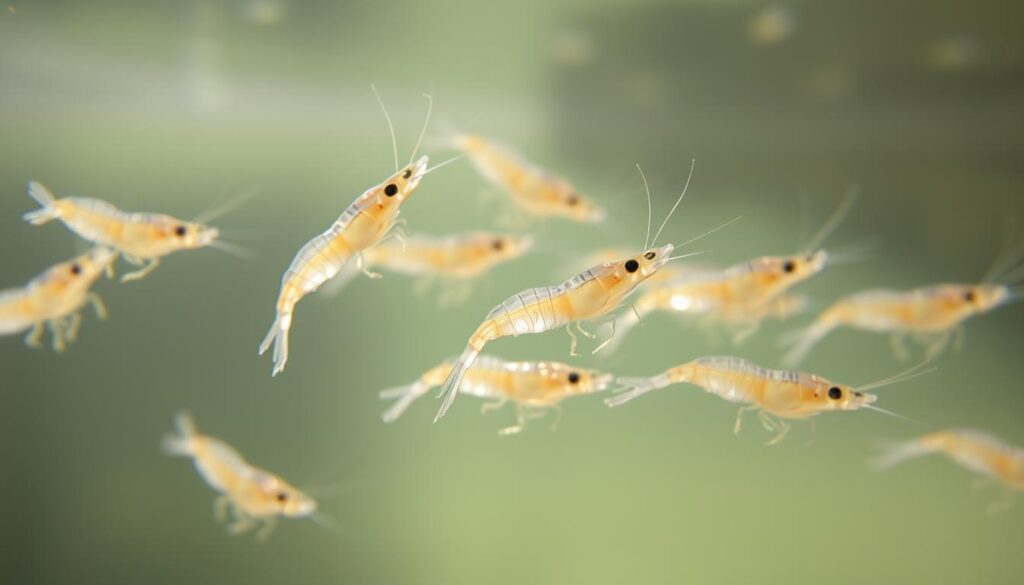
Brine shrimp are nutrient-rich. Baby brine shrimp fuel fry growth; adult shrimp satisfy larger fish. Many keepers hatch artemia at home for steady supply.
Daphnia
Choose cultured daphnia (D. magna, D. pulex, D. moina) for gentle fiber that aids digestion. Avoid wild-caught crustaceans to reduce toxin and parasite risk.
Bloodworms
Bloodworms deliver iron but lack some amino acids. Use them as a treat once or twice weekly to add enrichment without imbalance.
Microworms and small prey
Microworms and mini-microworms are fast to culture (3–4 days) and perfect for tiny mouths and fry. Keep a starter culture for emergencies.
Earthworms, mysis, and insects
Chopped earthworms, mysis, and flightless fruit flies add protein and fiber. Rotate these to keep feeding varied and engaging.
Frozen alternatives
If live options are unavailable, rely on frozen brine shrimp, mysis, and bloodworms from trusted brands to maintain routine and water quality.
“Variety, safe sourcing, and portion control keep fish healthy and water clear.”
Feeding Strategy: Portions, Frequency, and a Healthy Weekly Rhythm
Small, timed portions and a weekly reset keep appetite steady and tanks cleaner. Build a simple routine that favors moisture-rich choices and clear portion limits.
Daily and weekly schedule
Feed two to three small meals each day, aiming for portions your betta fish can eat in under a minute.
Reserve one fasting day each week to reset digestion and reduce waste. Add one or two treat days for bloodworms to boost enrichment without upsetting balance.
Portion control and tank health
Measure meals by observation. If leftovers remain, cut portions back. Smaller, consistent feeds protect water and lower maintenance.
- Feed what is eaten in ~60 seconds to prevent overfeeding.
- Soak pellets sparingly to raise moisture when pellets are used.
- Pair protein choices with fiber-bearing crustaceans to prevent bloating.
Fry versus adults
For fry, offer protein-dense baby brine shrimp or microworms two to several times per day to support growth and nutrients.
Adult betta fish do best with a rotation: brine shrimp, daphnia, occasional chopped earthworms, and limited pellets to cover missing elements.
“A short, disciplined routine yields clearer water, better color, and steady health over days and weeks.”
Safety First: Debunking “Too Rich” Myths and Avoiding Common Pitfalls
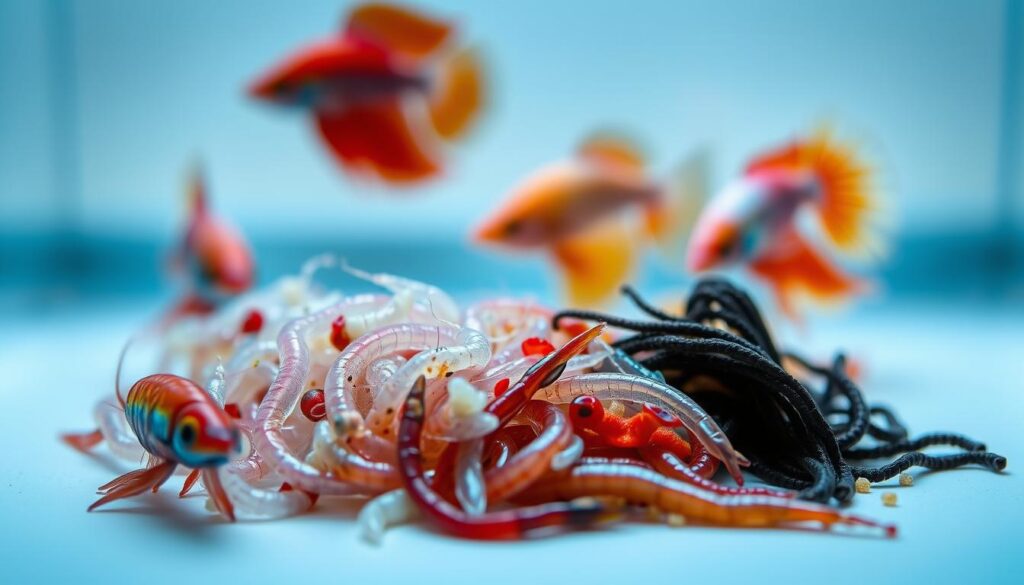
Misplaced fear of “too rich” foods distracts owners from real risks like poor sourcing and overfeeding. Fish evolved to eat high-protein, moisture-forward prey, so the right diet supports digestion rather than harms it.
The moisture and fiber point matters: crustaceans and small shrimp carry exoskeleton fiber that helps gut regularity. Rotate these with insects or chopped earthworm treats so meals deliver gentle roughage.
The “too rich” myth explained
Problems usually come from dry pellets and overfeeding, not from properly chosen prey. Pellets can swell inside a fish and cause blockages if portions are too large.
Risk management and clean culture practices
Avoid wild-caught daphnia or other wild harvests that may carry parasites or toxins. Quarantine new cultures and rinse prey in clean water before offering them to the tank.
- Weekly cadence: keep one fasting day each week to reset digestion and reduce waste.
- Keep frozen foods on hand: quality frozen brands sold at Petco and PetSmart bridge gaps when fresh prey is scarce.
- Plan like an owner: label culture dates, feed measured portions, and favor reputable store sources over unknown collections.
“Small planning steps—clean sources, measured feeds, and a weekly fast—prevent most common problems.”
Conclusion
Finish strong by committing to a simple, varied menu that mirrors wild prey and fits your daily aquarium routine.
A mixed diet of fresh prey and quality frozen fish food boosts nutrients, growth, and longevity for your betta fish. Start small: hatch brine shrimp or keep frozen mysis and bloodworms as backups. Brine shrimp eggs store for years and save time.
Choose trusted sources — home culture, reputable brands, or local stores — so your bettas always have access without gaps. Measure portions, keep a weekly reset day, and watch water and tank clarity improve.
For practical steps and feeding rhythms, see our feeding guide. Trust the process, observe, and adjust; your freshwater pet will reward you with brighter color and steady health.
FAQ
What makes live nutrition important for bettas right now?
Live prey delivers natural movement, varied textures, and bioavailable protein that spark feeding instincts and support muscle tone, color, and immune health. Fresh sources like brine shrimp, daphnia, and small insect larvae give nutrients many processed diets lack, helping fish adapt to seasonal changes and boosting vitality.
How often should I feed high-protein prey versus pellets or flakes?
Offer nutrient-dense prey as part of a mixed weekly plan: small portions daily with one fasting day, and designate two treat days for richer items like bloodworms or mysis. Rotate crustaceans and insect larvae across the week to balance protein, moisture, and fiber without overwhelming digestion.
What are the safest live options to buy in the United States?
Choose reputable brands and local aquarium stores that sell quarantined cultures: frozen or packaged brine shrimp, cultured daphnia, and certified microworms are dependable. If buying fresh, pick vendors who can verify clean culture water and disease-free stock to minimize pathogen risk.
How do I check quality when sourcing prey from a store or online?
Inspect cultures for clear, odor-free water, active movement, and absence of visible parasites or cloudiness. Ask sellers about culture age, feeding regimen, and any quarantine steps. For mail orders, look for insulated packaging and rapid shipping options to reduce stress on organisms.
Are mosquito larvae safe to feed, and how do I harvest them responsibly?
When raised in clean, controlled containers, mosquito larvae are a nutritious, natural option. Never collect from unknown bodies of water. Use screened containers, change water frequently, and quarantine larvae briefly before feeding to limit contaminants and pathogens.
Can frozen alternatives replace live prey effectively?
High-quality frozen brine shrimp, mysis, and bloodworms are excellent substitutes when fresh cultures aren’t available. They retain much of the nutrient value and reduce contamination risk. Thaw properly, rinse if needed, and offer small portions to maintain water quality.
How do I prevent overfeeding and protect tank water quality?
Use portion control: feed only what a fish consumes within 2–3 minutes, remove uneaten items promptly, and perform regular partial water changes. A weekly fasting day helps digestion and lowers waste buildup, keeping ammonia and nitrite levels safe.
What should I feed baby fish (fry) versus adult specimens?
Fry need tiny, nutrient-rich prey like baby brine shrimp or microworms to support rapid growth. Adults benefit from larger prey and a varied diet that includes daphnia for fiber and occasional bloodworms for iron. Adjust portion size and frequency according to age and appetite.
Is the “too rich” diet real, and how do moisture and fiber affect it?
The idea that prey is inherently “too rich” is misleading. Problems usually come from low-fiber, high-fat meals or excessive portions. Including moist, fibrous items like daphnia and balancing treats with routine portions prevents constipation and bloating.
How can I reduce contamination risk from wild-caught organisms?
Avoid wild-harvested prey unless you can verify source safety. Quarantine new cultures in separate tanks, use UV sterilization or gentle rinses for purchased items, and maintain clean culture practices—regular water changes, controlled feedings, and sanitary containers—to limit pathogens.
What role do crustaceans and insects play in overall fish health?
Crustaceans like brine shrimp and daphnia provide high-quality protein and digestive fiber, while insects and larvae offer varied amino acids and micronutrients that support color, growth, and reproductive health. A diverse diet strengthens immunity and keeps behavior natural.
How should I store live cultures and frozen alternatives to maximize shelf life?
Keep live cultures in stable, aerated containers with regular partial water changes and moderate temperatures. Store frozen options at consistent freezer temperatures and avoid refreezing thawed portions. Label dates and use older stock first to maintain freshness.
Are there convenient, low-time options for busy owners?
Yes. Cultured microworms and frozen mysis are low-maintenance choices. Microworm cultures require minimal daily care, and frozen packs can be portioned and stored easily. These options balance nutrition with convenience for active lifestyles.