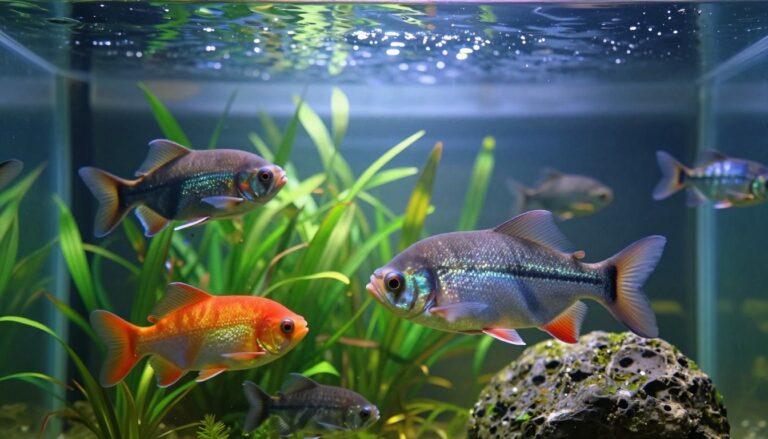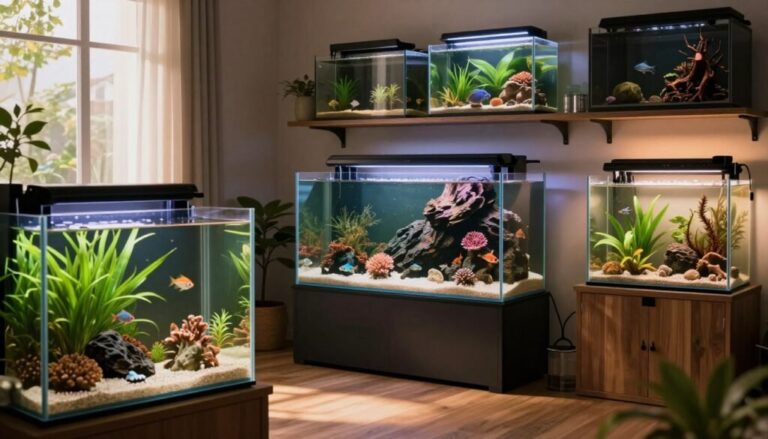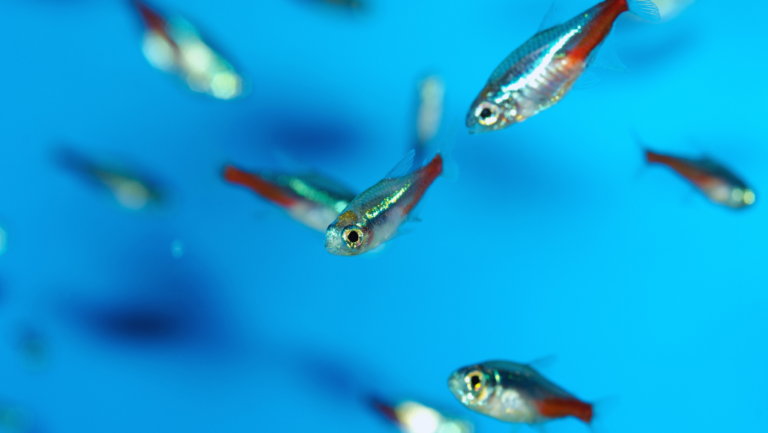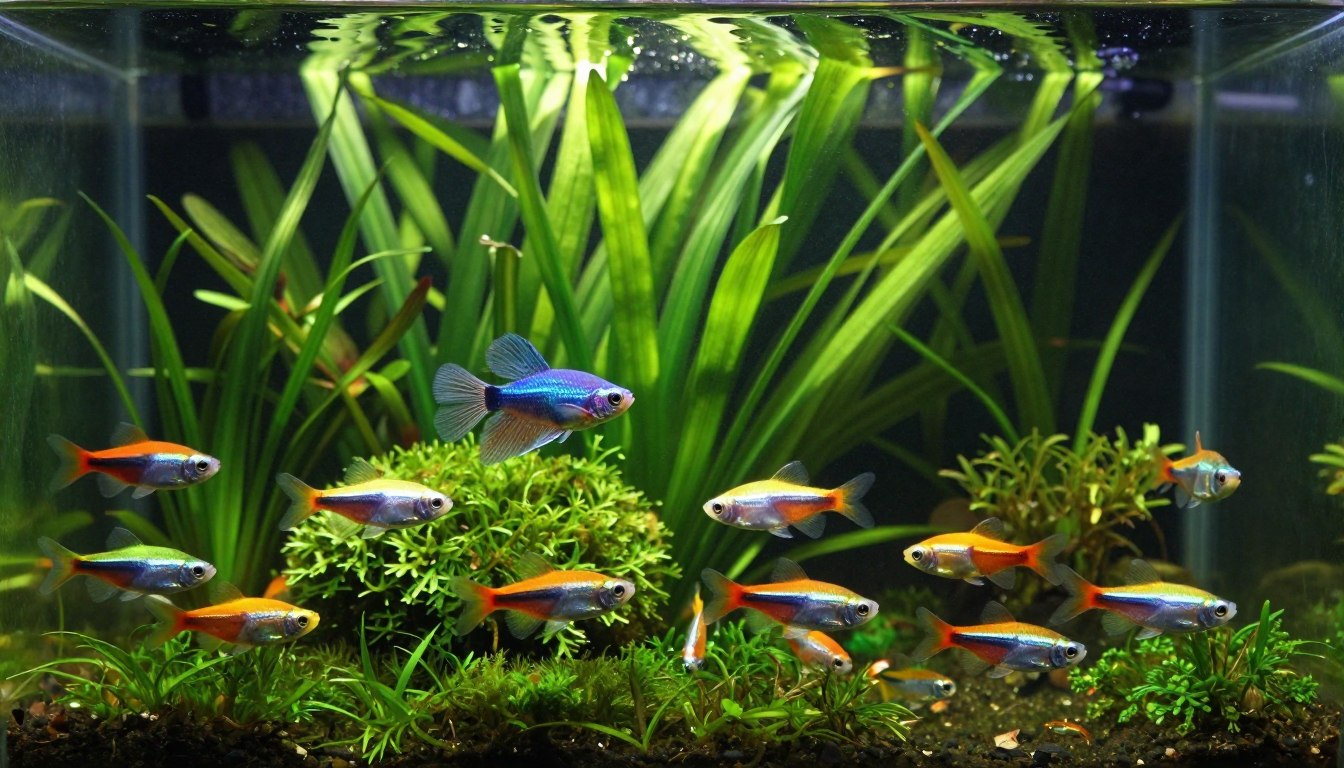
This guide helps you pick species that let plants and livestock thrive together. You will learn how to choose stock that won’t uproot, shred, or constantly graze leaves. The goal is a living landscape where animals show natural behavior among real roots and foliage.
Expect a clear list grouped by tank size, behavior layer, and job. We show schooling options, centerpiece choices, and algae-control helpers so hobbyists can match species to space and style.
Before the list, find a simple decision framework: stocking limits, compatibility, and how plants change maintenance and stability. Plan around adult size, filtration needs, and long-term care—avoid impulse buys.
Key Takeaways
- Best Fish for Planted Aquariums.
- Plants improve water quality and reduce algae, helping a stable aquarium.
- “Plant-friendly” means non-destructive feeders that fit your tank’s water and space.
- Species are grouped by tank size, layer, and role to simplify choices.
- Follow stocking limits and compatibility rules before adding fish.
- Prioritize adult size, filtration, and long-term planning over quick purchases.
Why Planted Aquariums Create Healthier, More Beautiful Fish Tanks
Plants in an aquarium pull double duty: they create a living backdrop and act as a natural nutrient filter that helps keep water clear between changes.
How live plants keep water cleaner by absorbing nitrates
Live plants take up nitrate produced by the nitrogen cycle. That reduces nitrate buildup and lowers the chance of sudden water quality problems.
Why dense planting reduces algae and cuts maintenance over the years
When plants outcompete algae for nutrients, the tank stays clearer. Dense planting also stabilizes the aquarium so small mistakes are less likely to cause big spikes.
Enrichment benefits: cover, hiding places for fry, and natural behavior
Plant mass gives fish places to explore, hide, and claim as territory. Fry use fine stems as safe zones, and adult fish show calmer, more natural behaviors among leaves and stems.
- Plants act like a nutrient sponge that supports clearer water.
- Heavy planting keeps algae in check and makes maintenance easier over years.
- Dense cover boosts color saturation and reduces stress in fish by offering shelter.
Practical note: a well-planted tank can support heavier stocking—within reason—if filtration and flow are sized correctly. This balance is the key to a thriving planted aquarium.
How to Choose Plant-Friendly Fish for Your Planted Tank
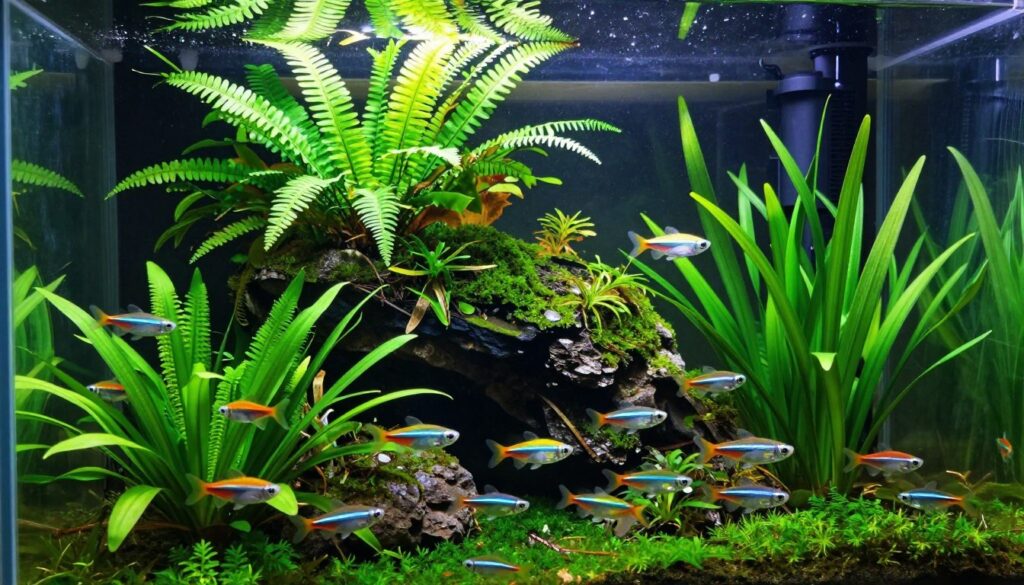
Start by matching adult size to the usable swimming volume so plants don’t become obstacles.
Match size to swimming space
Use a simple filter: aim for fish whose adult length is about one-tenth of the tank length. Example: ~1-inch fish in 10 gallons works as a quick reality check.
Watch behavior. If fish bump into decor or look stressed, the layout needs more open lanes or smaller species.
Schooling vs. centerpiece choices
Schooling fish fill midwater and add motion; a single centerpiece occupies the middle and draws the eye. Plan layers—surface, mid, bottom—so plants and stock share space.
Temperament and water limits
Temperament matters: some barbs nip long fins, so avoid mixing nippy and slow species. Also note that very hot water, high pH, or hard water can limit which plants thrive.
- Size-first rule keeps plants intact and paths open.
- Use inches and gallons as a quick reality check, then observe.
- Try several plant types and pick fish that suit the stable water you get. Hobbyists learn a bit by testing what grows best.
Stocking a Planted Aquarium Without Overcrowding
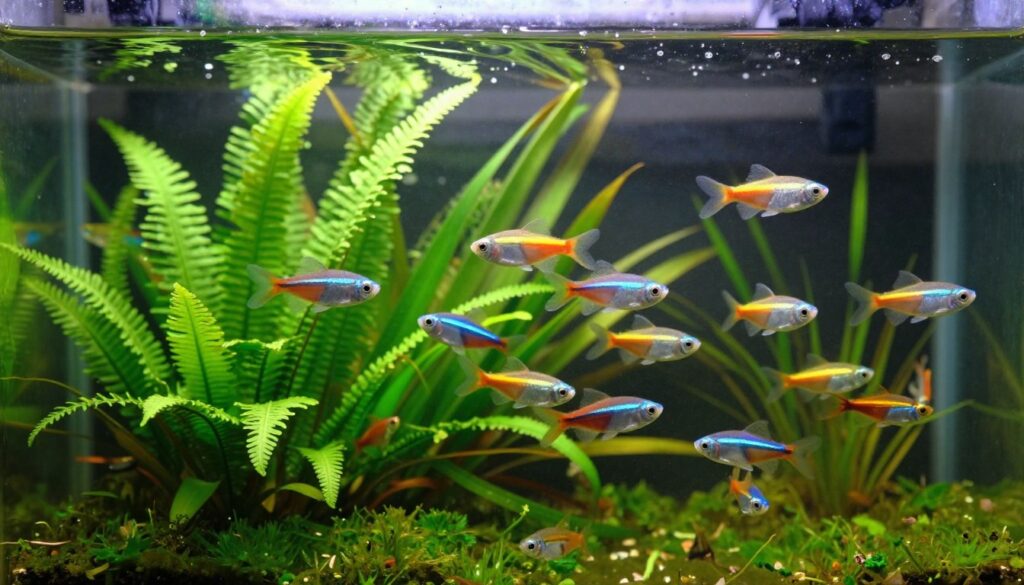
Smart stocking starts with a plan that grows with the tank, not a cart full of impulse purchases. Think of adding livestock as a stepwise process: plants and filter bacteria need time to adapt. This keeps water stable and reduces the chance of algae or cloudy episodes.
Smart guidelines: inches and gallons as a reality check
Use simple rules only as a starting point. A quick rule is inches per gallon, but adult size and behavior matter more. Match adult length to usable space and avoid aggressive or digging species.
After adding stock: test next-day and act fast
Test ammonia and nitrates the morning after new arrivals. If ammonia appears, do partial water changes until filtration catches up. Frequent short changes are safer than waiting for trouble.
“After adding new stock, test ammonia and nitrates the next day; if ammonia appears, do a water change until filtration catches up.” — Captain Grant
Filtration and flow when you add lots of animals
Plants can support more bioload, but only if filtration and oxygen keep pace. Strong sponge filters and good circulation let heavily planted setups host many small animals. For inspiration, a well-planted 10-gallon with dense cover and double sponge filtration can support 60+ Endlers when managed responsibly.
- Plan stocking as long-term, not one-day shopping.
- Use inches-and-gallons as a reality check, then watch adult behavior.
- Test water the next day; prioritize ammonia safety with changes.
- Upgrade filtration and flow before adding lots more animals.
For practical stocking ideas in small systems, see 10-gallon stocking ideas to match layout, care, and long-term success.
Light, Flow, CO2, and Fertilizers: Setting Fish Up for Success in Planted Tanks
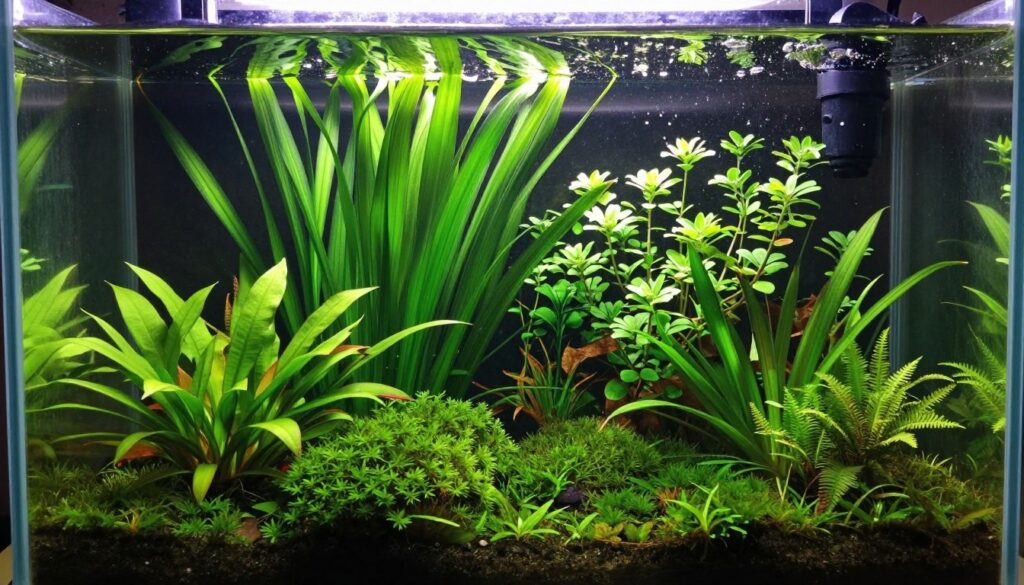
Good planted setups rest on three things: bright light for plants, steady CO2 when used, and consistent nutrients. Together they create cleaner, oxygen-rich water that helps fish show natural color and behavior.
Keeping light bright (and why fish don’t mind)
Plants need strong light to flourish. Bright lighting usually benefits plant health and does not stress fish when you provide shaded pockets and floating cover. Fish use leaves and stems to rest out of glare.
Surface flow and calmer zones
Aim for good surface agitation to improve gas exchange. That reduces CO2 spikes and helps oxygen reach all levels of the tank.
At the same time, create a calmer dead spot behind rocks or tall plants so long-finned fish can rest without constant current.
CO2 safety and fertilizer notes
With a proper regulator and gradual tuning, CO2 is safe and unlocks denser growth that cuts algae on leaves.
Be careful with copper in some fertilizers — it can harm shrimp and snails. Make sure to choose copper-free dosing if you keep invertebrates.
- Outcome: healthier plants = less algae and steadier water.
- Equipment choices directly shape tank stability and hobby success.
Best Fish for Planted Aquariums in Small Tanks
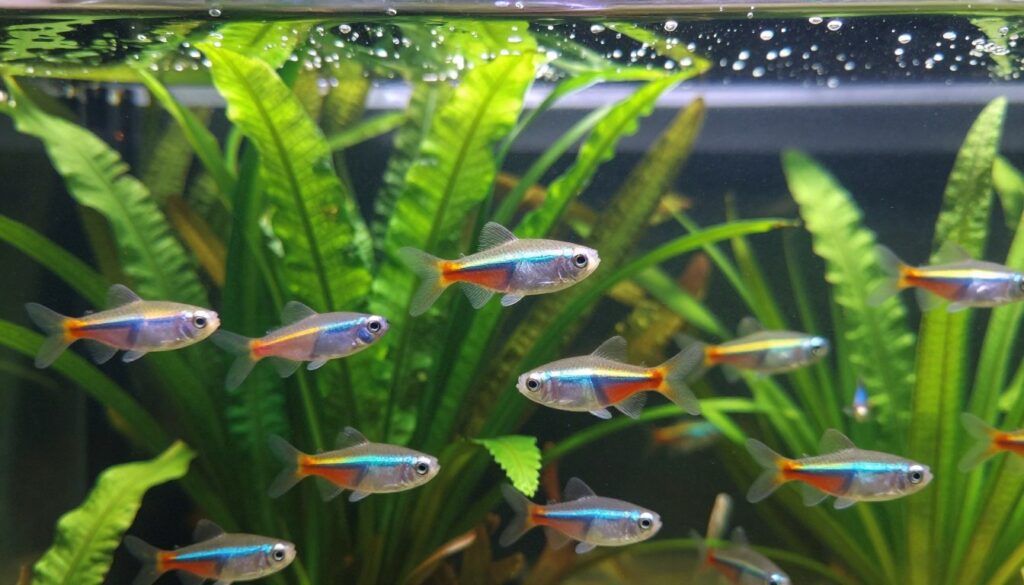
A small planted tank is a chance to craft a jewel-box ecosystem where tiny species look larger-than-life against green leaves. Pick fish that add motion and color without disturbing roots or stems. Follow tank size rules and plan for adult lengths and behavior before adding stock.
Endlers and guppies bring nonstop motion and vivid colors
Endlers and guppies shine in 5-gallon-plus setups. They are lively, colorful livebearers that move constantly through plants. Expect quick reproduction, so hobbyists should plan where fry will grow.
Small tetras that glow against greenery
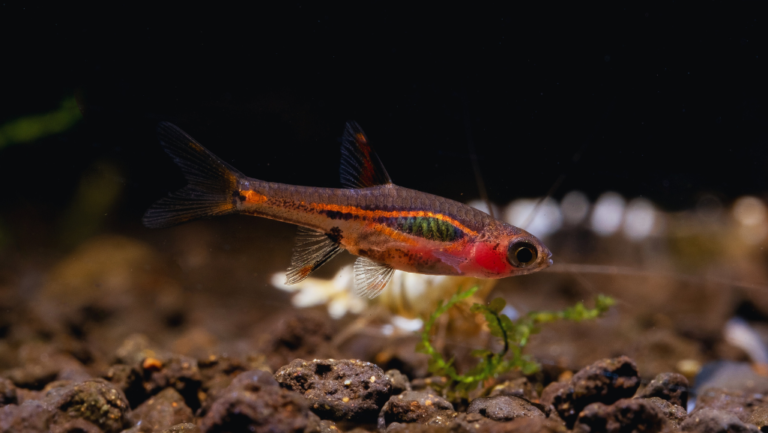
Ember tetras reach about 0.8 inches and form a tight, glowing school that pops against leaves. Use modest numbers so adult inches stay balanced with tank volume.
Celestial pearl danios as a starry schooling choice
Celestial pearl danios show star-like spots and active schooling behavior. They work best in groups; avoid overstocking — about 15 per 20 gallons is a sensible guide.
Betta as a planted centerpiece in 5 gallons+
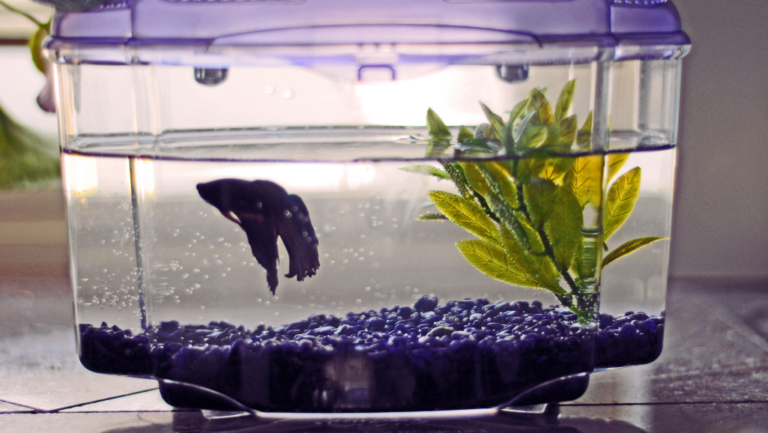
A single betta makes a dramatic centerpiece when given plant cover and gentle flow. Choose soft-leaved hiding spots so long fins stay intact and stress stays low.
Rasboras and medaka ricefish: tiny bodies, big impact
Rasboras thread through dense planting and add delicate motion. Medaka ricefish suit unheated planted tanks and help hobbyists in cooler rooms keep a thriving setup.
Schooling Fish That Transform a Planted Aquarium Into a Living Landscape
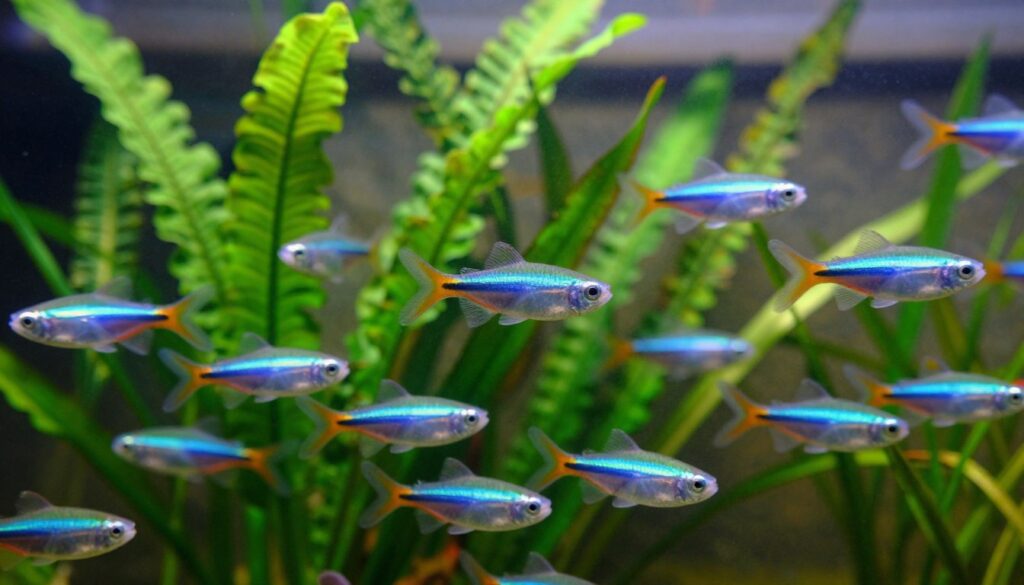
Nothing animates a planted tank faster than a tight school sweeping through stems and leaves. A coordinated group adds motion, depth, and seasonal shifts that feel like living weather across the green terrain.
Rummy-nose tetras: big groups, dramatic effect
Rummy-nose tetras look spectacular in large numbers. Aim for 15, 30, or even 100 in a 55-gallon tank to get that synchronized schooling impact.
Danios: constant motion through stems and leaves
Danios are high-energy swimmers that weave among plants and make the midwater layer feel alive. They work well when you want steady activity without a single centerpiece fish.
Cherry and rosy barbs: bold midwater color
Cherry barbs and rosy barbs bring bright colors and busy energy. Keep them in groups of 6–10 and match them with active tankmates to avoid nipping issues.
Congo tetras: flowing tails and standout presence
At roughly 3 inches, Congo tetras offer long tails and complementary hues. Avoid pairing them with known nippers; their flowing fins are part of the visual reward.
- Why schooling matters: a school turns plants into terrain and swimmers into shifting weather.
- Plan groups: larger schools amplify motion—think beyond “six and done.”
- Mind fin dynamics: never mix heavy nippers with long-tailed species.
Bottom Dwellers That Respect Plants and Keep the Substrate Active
Bottom dwellers act as the tank’s maintenance crew, quietly tending roots and sifting the substrate. They keep detritus moving and improve nutrient cycling without tearing up stems.
Corydoras: gentle sift-and-shuffle cleaners
Smaller corydoras species are ideal around rooted plants. A school of 6–12 conspecific corydoras gently cleans near roots. They sift fine substrate and pick up leftovers without bulldozing plants.
Kuhli loaches: eel-like charm in the substrate
Kuhli loaches add nocturnal motion and burrowing habit. They hide in dense planting and sift the top layer. These species like soft substrate and plenty of hiding spots to feel secure.
Plecos that fit planted tanks: bristlenose and small options
Bristlenose plecos suit 10-gallon+ tanks and help with algae. Choose smaller specialty plecos if space allows and provide driftwood for grazing. Know adult size and nocturnal habits to avoid surprises.
- Position them as a maintenance crew that respects plant roots.
- Match adult inches to substrate depth and tank volume.
- Watch nightly activity and substrate interaction to guide long-term care.
Algae Eaters and Cleanup Crew for Planted Tanks
A targeted cleanup crew keeps leaves gleaming and glass clear without upsetting your planted layout. Start with strong plant growth; healthy plants reduce nutrient loads and make a cleanup team far more effective.
Otocinclus for nano tanks — gentle but fragile
Otocinclus excel in small planted tanks. They stay small and rarely disturb roots. Hobbyists should only add them to a mature aquarium with stable water and steady algae or supplemental food. These species do best in groups and calm flow.
Bristlenose catfish for reliable algae control
Bristlenose catfish are the hardy default for 10 gallons and up. They eat surface algae and biofilm and tolerate varied conditions. Their manageable adult size makes them a safe long-term helper in many planted setups.
Siamese algae eater for bigger jobs
Siamese algae eaters shine in medium to large aquariums but can become territorial as adults. If an SAE favors food over algae, a short fast—about a week—often refocuses grazing behavior. Use caution with tankmates and space.
Amano and cherry shrimp plus nerite snails
Amano shrimp are unmatched when kept in groups; they clear hair and green algae across hardscape. Pair them with cherry shrimp for constant micro-grazing and a color boost. Cherry shrimp breed easily and add almost no bioload, though soft water may need mineral support.
Nerite snails are ideal for small tanks as glass and leaf cleaners. They don’t reproduce in freshwater and are a tidy, low-impact choice. As always, make sure every cleanup species fits your livestock plan and water chemistry.
- Layered strategy: healthy plants first, then targeted grazers to polish leaves and glass.
- Match species to tank size: otos for nanos, bristlenose for 10+ gallons, SAE for larger systems.
- Combine invertebrates: amano + cherry shrimp + nerites = continuous, low-bioload cleanup.
Peaceful Centerpiece Fish That Shine Among Aquarium Plants
A well-chosen centerpiece draws the eye through plant layers and anchors the aquarium’s composition. A centerpiece is one fish—or a small, compatible group—that becomes the focus without uprooting stems or dominating the community.
Gouramis that own the midwater lanes
Gouramis naturally occupy the middle of the tank and show off gently among stems and floating cover. Their rounded body and slow movement look graceful against tall plants.
Use soft sight breaks of plants so a gourami can pause and display without stressing smaller schooling species.
Angelfish as an elegant, tall presence
Angelfish bring a vertical silhouette that complements stem plants. Their tall body and slow glide create a calm focal point in larger planted aquarium layouts.
Plan around adult size so an angelfish’s height becomes a design asset, not a crowding problem.
Rainbowfish for motion and shimmering appeal
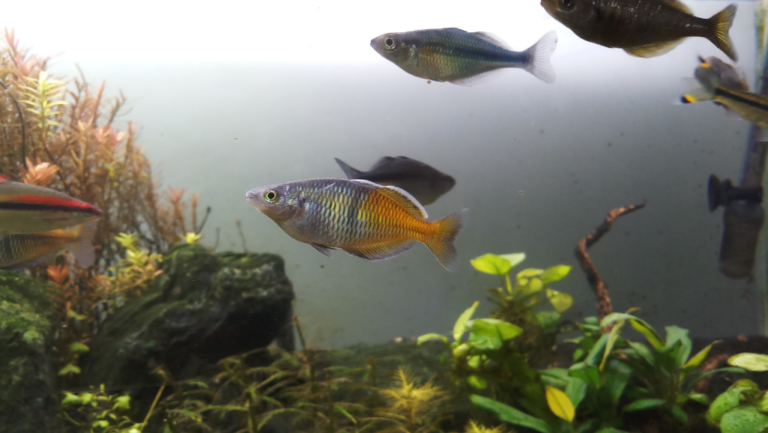
Rainbowfish add nonstop motion and shimmering hues that lift a big tank from pleasant to memorable. They pair well with similarly sized species like Congo tetras and help animate open midwater lanes.
Match size and temperament: avoid fin-nippers and pick tankmates that respect long fins and gentle behavior.
- Define centerpiece: focal without destruction.
- Size planning: adult size must fit the aquarium footprint.
- Compatibility tip: build the community around calm, plant-friendly species.
Plant-Friendly Cichlids and Larger Species for Medium to Big Planted Tanks
Some larger species bring drama to a planted layout, but success depends on careful setup and steady care.
Apistogrammas and rams: color with respect for roots
Apistogrammas and rams are dwarf cichlids that deliver vivid color without relentless plant destruction. Give them soft sand, caves, and leafy cover to reduce digging and territorial damage.
Electric Blue Acara: interactive, roughly 7 inches
Electric Blue Acara reaches about 7 inches and offers striking blue tones and steady interaction. Plan a roomy tank and compatible midwater species so size and behavior match.
Discus: the high-end planted showpiece
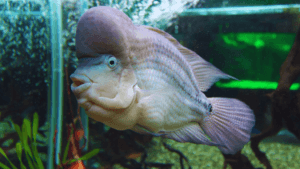
Discus shine in well-planted setups but need large gallons (75+), very stable water, and time to mature. They reward careful keepers with calm presence and exceptional color.
African cichlids: when rooted plants stand a chance
Many African cichlids dig rather than eat plants. If plants are firmly rooted and substrate is deep, some species can coexist. Think in years—these cichlids change tank rhythm and require long-term planning.
- Rule: match adult size to tank space and habitat.
- Tip: secure roots and add territorial breaks so plants and cichlids thrive together.
Unique Picks for Advanced Planted Aquariums and Special Behaviors
Some species turn a planted tank into a living story rather than just a display piece. These picks suit hobbyists who want behavior, mystery, and design that plants actually enable.
Elephant nose: nocturnal forager that needs shadows
Elephant nose grows to about 9 inches and prefers dim light and heavy plant cover that creates natural shadows. Give it peaceful tankmates and feed at night so this nocturnal species isn’t outcompeted.
Hatchetfish: surface-dwellers that finish the top layer
Hatchetfish fill the surface layer and balance sightlines from top to bottom. They are jumpy—make sure the lid is tight with no gaps. A secure top keeps them safe and keeps your display intact.
Leopard bush fish: leaf-like ambush predator
Leopard bush fish (Ctenopoma acutirostre) reaches about 6 inches and needs a 55-gallon or larger tank. It mimics leaves, waits in cover, and will eat nano species. Match adult inches and water volume to prevent stress and losses.
“Plants here are functional habitat — they unlock natural behaviors you rarely see in bare tanks.”
- Advanced joy: these species make planted tanks feel alive and dynamic.
- Plan adult inches and gallons before adding them.
- Use dense planting and gentle neighbors to let natural behavior shine.
Fish to Avoid in Planted Tanks and How to Handle Diggers
A healthy aquascape starts by saying no to animals that shred leaves or upheave roots. The easiest way to protect plants is to avoid species known for eating or destroying vegetation.
Notorious plant eaters to skip
Skip clear offenders: oscars, goldfish, silver dollars, turtles, tinfoil barbs, and many monster species will chew or uproot plants. Chinese algae eaters can turn aggressive and harm your layout.
Digging fish strategy
Some cichlids and other diggers don’t eat plants; they move substrate and uproot stems. Use a three-part strategy to protect roots:
- Go deep on substrate so roots anchor better.
- Add a pea-gravel underlayer that’s harder to shift.
- Plant first and wait at least a week so roots establish before adding diggers.
Big waste producers to think twice about
Watch waste: giant plecos and other large cleaners produce lots of waste that can overload filtration, spike nutrients, and feed algae over years. If you want large cleaners, plan bigger tanks, stronger filters, and accept the maintenance trade-off.
“Give your aquascape a bit of patience up front; it pays back in steadier water and longer-lasting plant success.” — Captain Grant
Conclusion
Let your next stocking decision focus on size, temperament, and daily care so plants and animals thrive.
Most species do well in a planted tank when they don’t eat or uproot leaves. Healthy plants improve water and add habitat, turning an aquarium into a living landscape.
Use the list by role—schooling motion, bottom support, algae control, or a peaceful centerpiece—to create balance. Plan around adult body size, long-term compatibility, and steady food routines rather than a quick impulse.
With smart stocking, proper flow, and steady care, planted setups often get easier over years. Pick one favorite category to start, add slowly, and enjoy the process as the system matures.
FAQ
How do live plants help keep water cleaner by absorbing nitrates?
Live plants take up nitrates and other dissolved nutrients as food, reducing the buildup that fuels algae. Fast-growing stem plants and floating species are especially effective at using excess nitrates, which helps stabilize water quality and lowers the frequency of large water changes.
Why does dense planting reduce algae and cut maintenance over the years?
Dense planting outcompetes algae for light and nutrients, creating shaded zones and reducing available resources for algal blooms. Over time, a mature plant carpet and tall stems create a self-regulating ecosystem that needs less trimming and fewer chemical fixes.
How do plants provide enrichment and cover for fish and fry?
Plants add hiding spots, shelter, and territorial boundaries that let fish show natural behaviors. Fine-leaved plants and floating cover protect fry and shy species, increasing survival rates and reducing stress for the whole community.
How should I match fish size to tank size and swimming space?
Choose species whose adult size suits your tank dimensions and swimming zones. Active midwater swimmers need open space; small tanks suit micro species like ember tetras or Endlers, while larger species require bigger, deeper aquariums to thrive.
When should I choose schooling fish versus a solo centerpiece species?
Schooling fish create motion and safety in numbers; pick them if you want dynamic group behavior. A solo centerpiece—like a gourami or betta—works when you want a focal point, but avoid solitary, territorial species in small planted setups unless tank size and hiding spots are adequate.
How can I spot and avoid fin-nippers such as some barbs?
Research temperament before buying. Look for species labeled “semi-aggressive” and avoid long-finned tankmates with them. If you try barbs, keep them in larger schools and provide robust plants and hardscape so nippy behavior disperses within the group.
Which water parameters most affect plant growth and which fish tolerate those conditions?
Temperature, pH, and hardness all influence plant health. Many common plants do best in 72–82°F, slightly acidic to neutral pH, and moderate hardness. Select fish that match those ranges—tetras, rasboras, and corydoras often do well under typical planted-tank conditions.
How can I stock a planted tank without overcrowding?
Use sensible stocking rules: consider adult fish size, activity level, and bioload rather than a strict inches-per-gallon rule. Start conservatively, add a few fish at a time, and monitor water parameters for ammonia and nitrates to keep the ecosystem balanced.
After adding fish, when should I test ammonia and nitrates and perform water changes?
Test water 24–48 hours after adding new fish, then daily for the first week. If ammonia or nitrite rises above 0 ppm or nitrates climb over 40 ppm, do a partial water change and reassess stocking or filtration.
Why do filtration and flow matter more as I add lots of fish?
More fish produce more waste, so biological and mechanical filtration must keep pace. Adequate flow prevents dead zones and helps oxygen distribution, while good biological media supports beneficial bacteria that process ammonia and nitrite.
How bright should lighting be for plants, and will that bother fish?
Provide light tuned to plant needs—moderate to high depending on species—while using photoperiod control (6–10 hours/day) to avoid algae. Most fish tolerate or prefer stable lighting; add shaded spots and floating plants for species that need dimmer areas.
How does surface flow affect long-finned fish and plant layout?
Strong surface flow can stress long-finned or weak-swimming species. Create calmer backwater zones and plant thickets where tails won’t get damaged. Directional flow helps nutrient distribution but should be adjustable for sensitive inhabitants.
Is CO2 safe to use in planted tanks and how do I regulate it?
CO2 boosts plant growth when dosed correctly. Use a reliable regulator and a drop checker or pH-based monitoring to keep CO2 at safe levels (usually 20–30 mg/L target for many setups). Sudden spikes or oxygen drops can harm fish, so add CO2 gradually and monitor behavior.
Can fertilizers harm shrimp and snails with copper or other toxins?
Some liquid fertilizers and trace mixes contain copper or high concentrations of certain micronutrients that can stress invertebrates. Choose shrimp-safe formulas, dose slowly, and research product labels to protect cherry and Amano shrimp as well as nerite snails.
Which small species work well in tiny planted tanks?
Micro species such as Endler’s livebearers, lightly kept guppies, ember tetras, celestial pearl danios, small rasboras, and medaka ricefish excel in small, densely planted aquariums. Bettas can serve as a centerpiece in 5 gallons or larger when plants and hiding spots are abundant.
What schooling species create the biggest visual impact in a planted landscape?
Large schools of rummy-nose tetras, danios, cherry barbs, rosy barbs, and Congo tetras provide synchronized motion and color that turn plants into a living stage. Aim for groups of at least 8–12 individuals for confident schooling behavior.
Which bottom dwellers respect plants and help keep the substrate healthy?
Corydoras (smaller species), kuhli loaches, and appropriately sized plecos like bristlenose catfish move sediment gently and clean surfaces without uprooting roots when the substrate and plants are established.
Which algae eaters and cleanup crew are best for planted tanks?
Otocinclus are excellent for nano systems but need mature tanks; bristlenose catfish work well in 10 gallons or larger; Siamese algae eaters handle tougher algae in medium to large tanks. Amano and cherry shrimp and nerite snails are reliable grazers for glass and plant leaves.
Which peaceful centerpiece species shine among plants?
Gouramis, angelfish in larger setups, and rainbowfish offer color and presence while generally coexisting with plants. Choose species that match tank size and water parameters, and give long-finned centerpiece fish calm zones to rest.
Can cichlids be kept in planted aquariums?
Some dwarf cichlids like Apistogramma and rams can coexist with plants if territories are respected and plants are well-rooted. Larger species like discus or electric blue acara can also work in big, heavily planted tanks, but many African cichlids are too destructive for soft-leaved plants.
What unique or advanced species suit specialized planted setups?
Elephantnose fish prefer dim light and heavy cover and feed at night; hatchetfish occupy the surface layer and need a secure lid; leopard bush fish use leaf-like camouflage and need ample hiding spots. These species fit advanced, carefully planned aquascapes.
Which species should I avoid in planted tanks and how do I manage diggers?
Avoid notorious plant eaters and diggers such as goldfish, oscars, and silver dollars if you want persistent plants. For diggers you can use deeper substrate, a pea-gravel foundation, and let plants establish strong roots before introducing disruptive species.