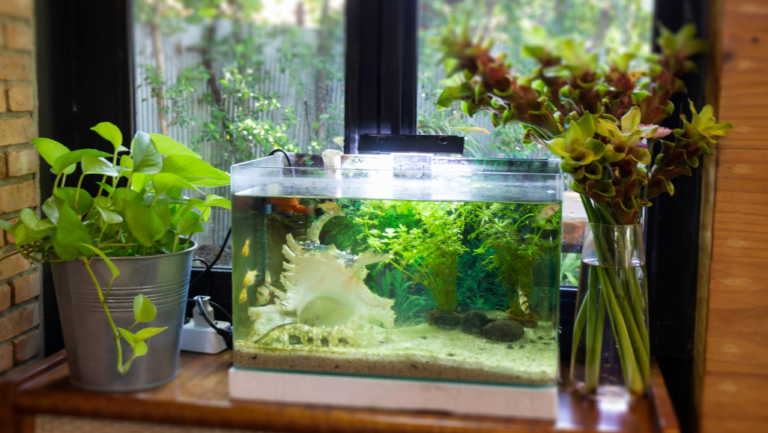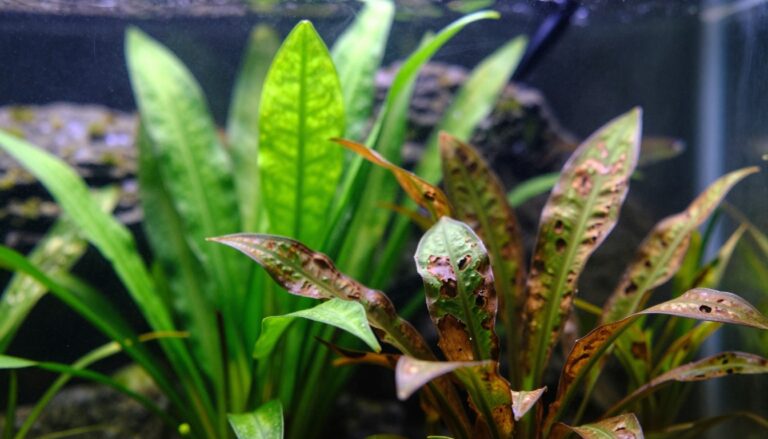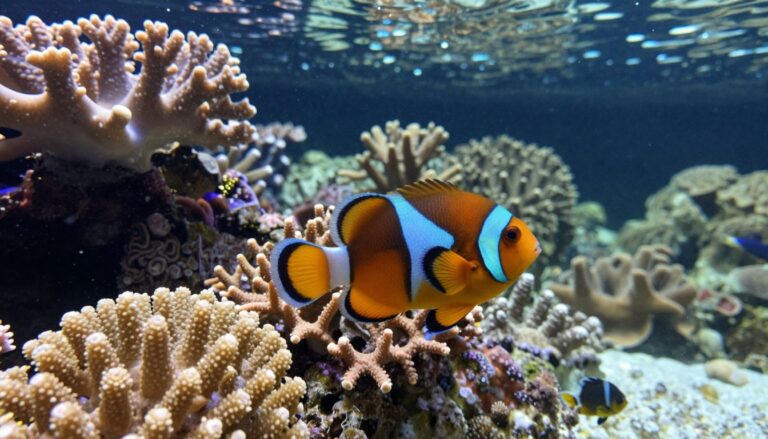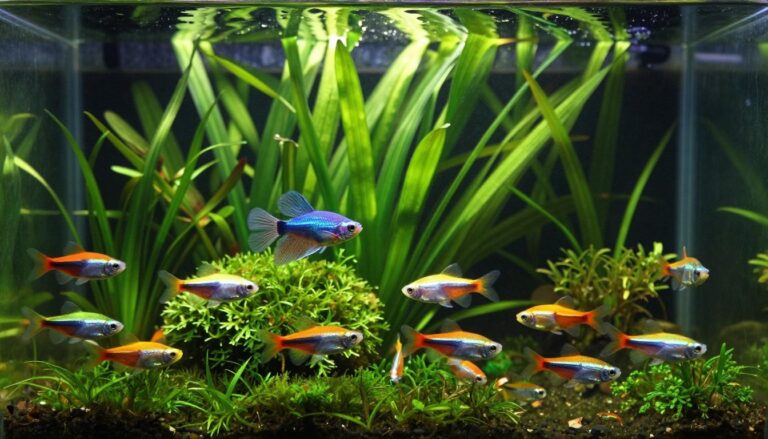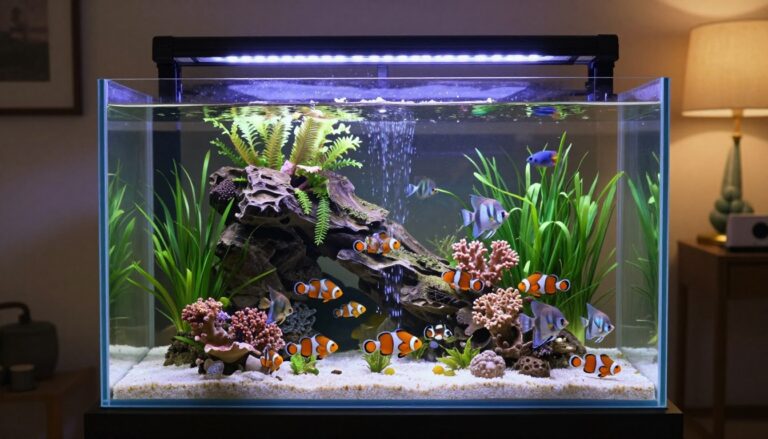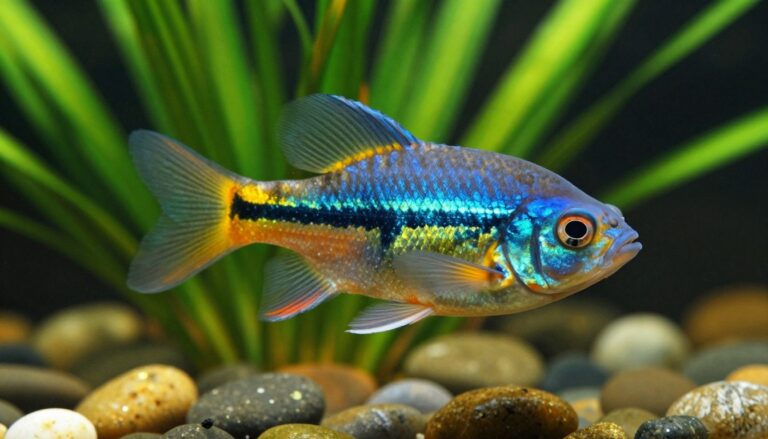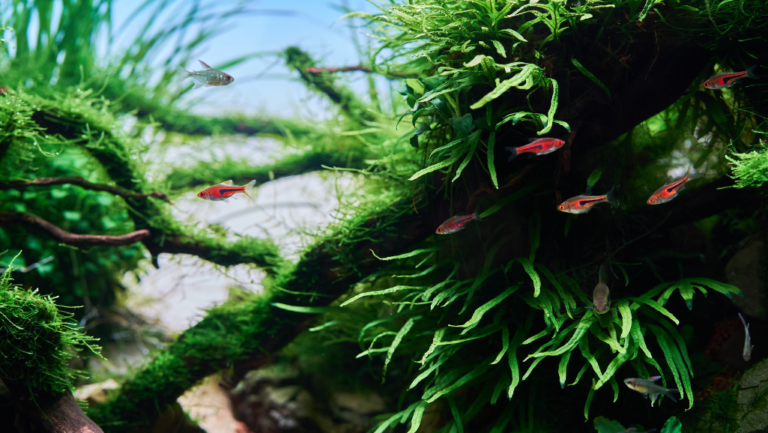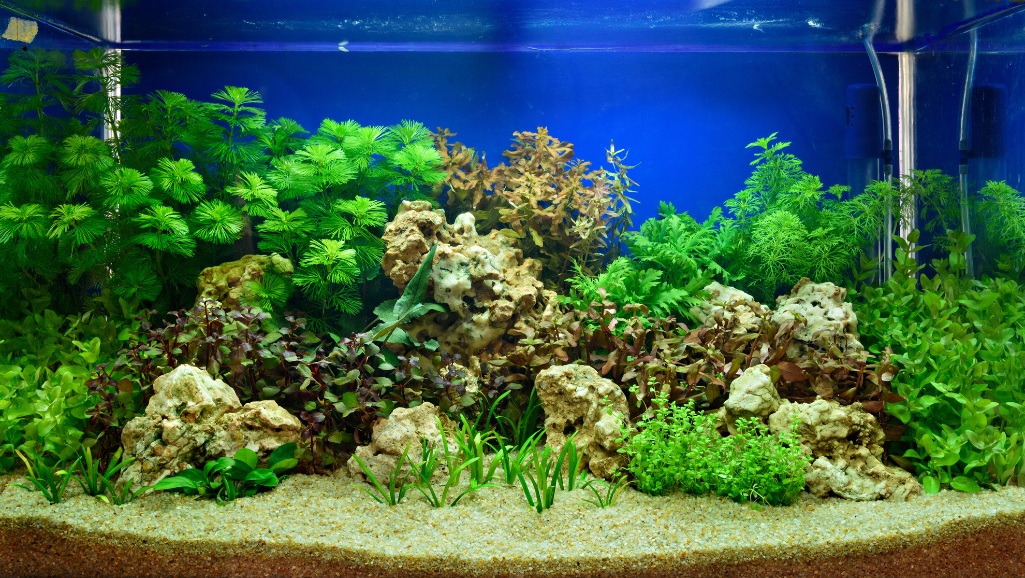
Welcome to a curated journey through the best choices that make a Planted Aquarium Fish glow. This guide highlights species that bring color and motion while fitting the living architecture created by healthy plants.
Live plants polish water quality by absorbing nitrate and competing with algae, which reduces maintenance and helps fish show natural behavior. Well-planted aquariums can safely support more stock when filtration matches the bioload—add new animals gradually, test ammonia and nitrates 24–48 hours after stocking, and monitor again over the following week.
Keep surface flow gentle and even so leaves stay healthy; properly regulated CO2 dosing (commonly monitored with a drop checker and aiming for community-safe ranges) supports plant growth without harming occupants when done carefully. Avoid fertilizers that contain copper if you keep shrimp or snails—choose copper-free products to protect invertebrates.
This listicle presents practical, experience-backed picks for every tank size — centerpiece, schooling, and cleanup crew — so you can mix and match species that pop against a planted background. Ready a sketch of your ideal layout, then layer in fish and cleaners that complete the design.
Key Takeaways
- Plants improve water and reduce algae, helping fish thrive in planted tanks.
- Add new stock slowly; test ammonia and nitrates 24–48 hours after stocking and again during the first week.
- Manage flow and CO2 for plant health without stressing inhabitants; monitor CO2 with a reliable method.
- Pick species by role: centerpiece, schooling, or cleanup crew to balance movement and maintenance.
- Avoid copper-containing fertilizers if you keep shrimp or snails—use copper-free alternatives.
Why Planted Aquariums Make Fish Thrive
Live plants act as active water cleaners: aquatic plants take up nitrate—the end product of the nitrogen cycle—and help stabilize chemistry while limiting nuisance algae. That biological filtering is a major reason many planted aquariums stay clearer and require fewer large water changes when the system is well balanced.
Dense green growth functions like a living filter and habitat. A well-planted tank can reduce routine maintenance and safely support more stock when filtration and surface flow match the bioload.
Leaves and stems create shelter and microhabitats that reduce stress and encourage natural behavior, from foraging to spawning. In a thoughtfully arranged layout, plants and fish don’t compete; they complement one another—plants improve water quality while fish add motion and life.
- Check water 24–48 hours after adding new animals: test ammonia and nitrates (acceptable ammonia = 0 ppm; nitrates under 20–40 ppm for many community setups) and perform a partial change if ammonia is detectable.
- Keep gentle surface movement for gas exchange without stripping CO2; steady, even flow also spreads nutrients to leaves.
- Healthy plants outcompete algae—patience while plants establish pays off with clearer water and brighter, less-stressed fish.
Stocking Principles for a Well Planted Tank
Good stocking starts by picturing how large each species will be at full growth. Plan around adult size, not juvenile appearance—this prevents surprise crowding and reduces stress for existing residents.
Tank size, gallons, and adult size
Use a practical rule of thumb: for small, low‑bioload species, roughly one inch of adult fish per ten gallons is a starting guideline. Treat this as an approximation—adjust down for larger, messy, or territorial species and up for tiny schooling fish that need room to shoal. Example: a 20‑gallon long could comfortably host a school of 10–15 ember tetras plus a small group of pygmy corydoras, whereas a single larger centerpiece (betta or dwarf cichlid) will occupy the visual space without adding a heavy bioload.
Stage additions so the biofilter can adapt: add a few fish, test ammonia/nitrate 24–48 hours later, and then reassess after one week before adding more.
Flow, surface movement, and filtration balance
Design circulation to handle the expected bioload without blasting plants. Aim for gentle, even flow that moves nutrients and oxygen across leaves while preserving calm swimming lanes for schooling species.
- Fit intakes with guards to protect fry, shrimplets, and tiny schooling fish.
- Keep surface movement steady for gas exchange but avoid over‑agitation that strips CO2 and stresses plants.
- Plan maintenance: heavier stocking requires more frequent filter service and careful portioned feeding to limit waste.
Quarantine and acclimation: quarantine new arrivals when possible and acclimate slowly (drip acclimation for sensitive species) to prevent disease and sudden chemistry shocks.
Outcome: thoughtful gallons‑to‑size matching, staged stocking, and balanced flow deliver colorful, low‑stress communities and lasting plant growth in planted tanks.
Best Fish for Small Planted Tanks
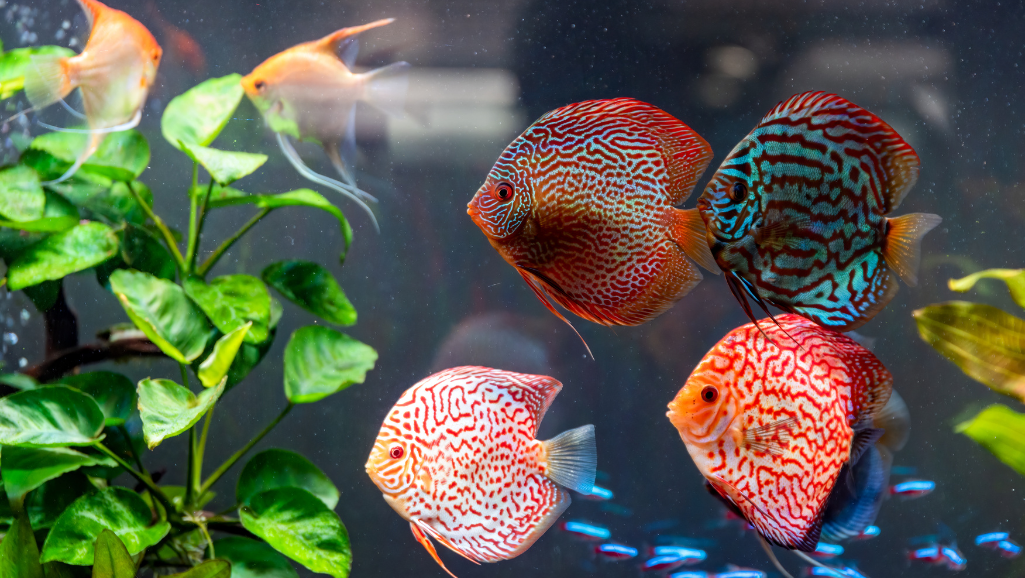
Small planted tanks reward thoughtful pairings that pack color and behavior into tight spaces. Build a simple formula: one bold centerpiece, a schooling layer for motion, and a low-impact cleaner to keep the scene tidy.
Centerpiece
Galaxy Koi Betta and other centerpiece options
Galaxy Koi Bettas (and similar betta variants) make striking centerpieces in 5 gallons or larger when kept singly. They provide vivid color and personality without the space or bioload of larger centerpiece fish—perfect when you want a single show specimen in a nano planted aquarium.
Schooling stunners
Ember tetras are tiny (around 0.8″) and shine against green backdrops when kept in groups; aim for 8–15 to see natural schooling. Other small schooling picks include chili rasboras and micro danios—these give kinetic shimmer and social behavior without demanding lots of space.
Tiny bottom buddies
Pygmy corydoras are ideal micro bottom dwellers that sift substrate and tidy detritus without disturbing roots. For a varied bottom layer, consider kuhli loaches (for slightly larger nano tanks) or small Otocinclus where established biofilm is present.
Nano oddballs & cleanup
Rocket clown killifish are interesting surface dwellers—note they are jumpers, so use a tight lid. Pea puffers add personality but require specialized feeding and careful tankmate selection. For algae control and micro-cleanup, add Amano shrimp and Nerite snails; they contribute low bioload and help keep leaves and glass clean.
- Feeding tip: feed small portions more often to limit waste and maintain water quality in small tanks.
- Plant pick: fine-leaved stems (dwarf hairgrass, HC) and mosses (Java moss, Christmas moss) create depth and hiding places for small fish and fry.
Standout Picks for Medium Planted Tanks
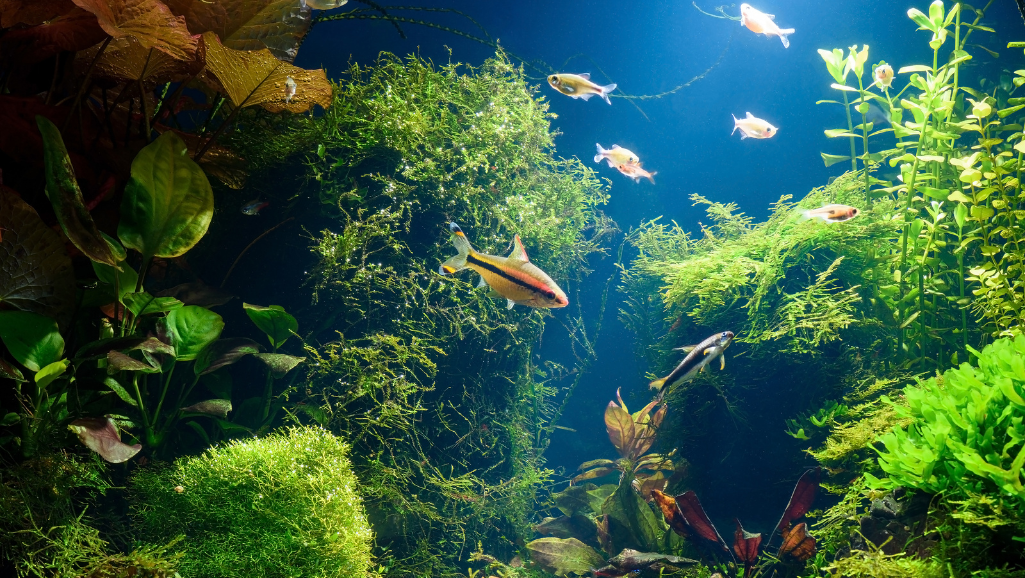
In tanks around 20–40 gallons you can layer movement, color, and a few showy singles while keeping care manageable. This size allows shoals to behave naturally and supports modest centerpiece choices without crowding plants.
Celestial Pearl Danios & mid-water color
Celestial pearl danios and similar small danios form beautiful shoals—about 10–15 in a 20-gallon provides a dense, shimmering group. Pair mid-water colors like cherry barbs and Emperor-type tetras (Emperor tetras reach roughly 1.5–2″ as adults) to create layered movement.
Dwarf cichlid zones
Dwarf cichlids such as Rams and Apistogrammas work well in structured areas with sand and caves. Keep stocking conservative (for example, one German Blue Ram per 20 gallons unless you provide distinct territories) to reduce territorial disputes and let plants and caves define territories.
Show plecos that fit
Choose compact plecos for medium planted tanks—examples include Queen Arabesque (L260) and other small Loricariids that rasp on wood and respect planted areas when well-fed. Be aware of adult sizes and avoid species that will outgrow the setup.
- Flow: provide circulation that sweeps mid-water but preserves calmer corners for shy species.
- Plants: mix tall stems, mid-height rosettes, and low moss to break lines of sight and support layered communities.
- Care: stable water and regular maintenance help medium communities display vivid colors and natural behavior.
Statement Fish for Large Planted Tanks
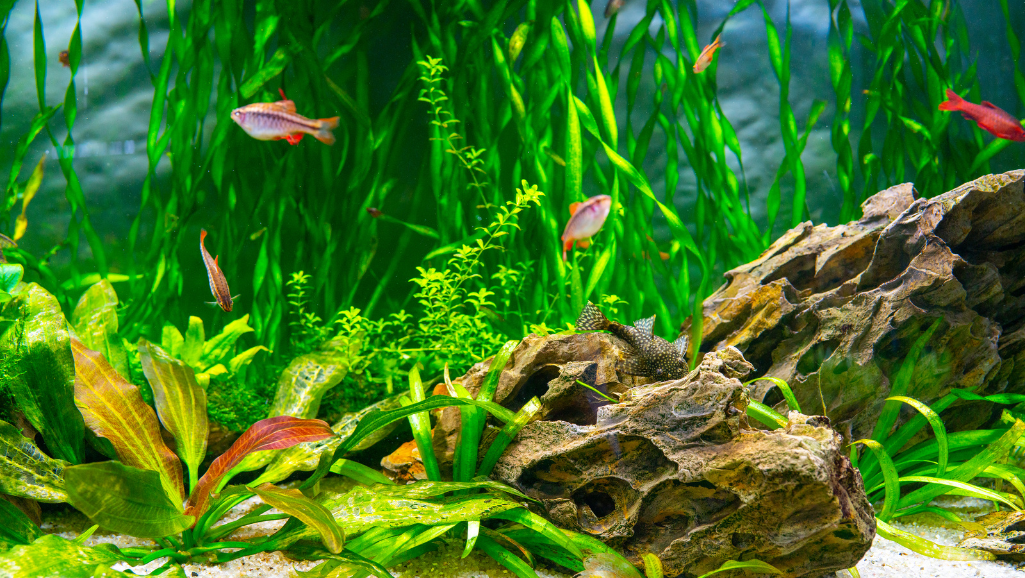
Large planted tanks invite bold, sculptural species that act as living focal points. Use tall stems, sweepy hardscape, and deep substrate to match the scale of larger fish and to protect roots from digging.
Discus for mature setups
Discus are best reserved for experienced keepers with mature, stable planted aquariums. They thrive in soft, warm water and are rewarding when water chemistry and maintenance are consistent—considered a specialty choice rather than a beginner pick.
Electric Blue Acara & peaceful cichlids
The Electric Blue Acara is an example of a peaceful, colorful cichlid that reaches around 6–7″ and can be a long-lived centerpiece (reports of up to ~10 years in good care). Provide open swim lanes, strong filtration, and planted refuges to keep these fish healthy and plants intact.
Cautious picks: Jewel and Kenyi cichlids
Jewel and Kenyi cichlids can be territorial—introduce them only after roots and rhizomes are well established (months). Favor hardy rhizome plants tied to wood or rock to avoid losses from digging.
- Stock conservatively—favor a species focus or single show pair to reduce aggression.
- Provide robust filtration and measured flow to handle the higher bioload without uprooting plants.
- Allow plants to establish deeply and keep water parameters steady over time so both flora and fauna thrive.
Algae Eaters Great for Planted Tanks

Choosing the right grazers brings balance: they clear film and thread algae while protecting plant leaves and roots. A mix of small specialists and steady workhorses covers niches so your planted tanks stay clean and vibrant.
Small grazers: Otocinclus and Amano shrimp
Otocinclus are gentle algae grazers that thrive on biofilm and soft algae in established aquariums. They are best added to mature systems and should be introduced in groups so they feel secure. Note: otos cannot survive on attachable algae alone; a stable biofilm and occasional supplemental foods help them thrive.
Amano shrimp are hardworking scrubbers that remove hair and soft filamentous algae from leaves and hardscape. They pair well with otos but are sensitive to copper and susceptible to predation in tanks with large, aggressive fish—choose tankmates accordingly.
Workhorse plecos: Bristlenose and Green Dragon
Bristlenose plecos are among the most plant-friendly plecostomus options for planted aquariums 10 gallons and up; they clean glass and broad leaves without the massive size or waste of giant plecos.
Smaller “Green Dragon” or similarly sized Loricariids can add character and rasp on driftwood; many reach a few inches as adults (some variants approach ~6″ depending on species), so confirm adult size before adding them to a planted setup.
Siamese algae eater and nerite snails
True Siamese algae eaters are effective at tackling filamentous algae when given open swimming lanes; beware of misidentified Chinese varieties that can become aggressive. Nerite snails are excellent for spot-cleaning diatoms and film on glass and leaves while contributing almost no bioload.
“A balanced clean-up crew reduces maintenance and lets plants and fish show their best.”
- Mix roles: otos for delicate leaf zones, Amanos for heavy leaf cleaning, nerites for glass and spot cleaning.
- Keep water stable and surface movement modest to maintain oxygen without stripping CO2.
- Remember: cleanup crews help, but proper light, feeding, and routine care are essential—algae-eaters rarely eliminate a full algae problem on their own.
Quick chooser (by tank & algae type): small tanks/new tanks—nerite snails + Amano shrimp (if established); medium established tanks—otos + bristlenose pleco; heavy filamentous algae—true Siamese algae eater in larger, open tanks. Always supplement grazers’ diets when natural biofilm is insufficient.
For more on matching grazers to your needs, see this guide to algae eaters.
Planted Aquarium Fish to Avoid (and Why)
Some popular showy species quietly undo hours of planting work by grazing or digging. Know which types to skip so your green layout survives and thrives.
Classic leaf-shredders include Oscars, goldfish, and silver dollars. These fish commonly nibble or tear leaves and will quickly strip soft stems and broad foliage, making them poor choices for planted aquariums unless you accept heavy plant loss.
Giant plecos often start small but grow very large, uproot plants while foraging, and produce high waste that strains filtration. Their adult size and appetite frequently clash with carefully designed scapes.
- Chinese vs. Siamese algae eaters: Chinese algae eater varieties are frequently misidentified and can become aggressive and territorial; true Siamese algae eaters are generally more peaceful and useful in planted tanks.
- Puffers: many larger puffers nip fins and pick at plants—these species usually belong in species-only systems rather than mixed planted communities.
- Safe try: if you must keep nibblers, choose tough plants (Anubias, Vallisneria, Java fern) and accept some cosmetic damage rather than delicate stemmed species.
“Mismatched size and appetite are the biggest reasons plants fail — pick species that match the scale and care level of your tank.”
Practical way forward: verify adult size, known behaviors, and care needs before purchase. Tanks housing larger grazers require stronger filtration, more frequent maintenance, and a planting strategy that accounts for digging. If you inherit destructive stock, consult rehoming channels and community forums to avoid rescape crises.
Keeping Cichlids in Planted Aquariums the Right Way
A resilient base lets bold cichlids show color without turning your layout into chaos. A layered approach protects roots, reduces uprooting, and helps territorial species behave—so both plants and cichlids can thrive in the same tank.
African cichlids, substrate depth, and rooting time
Many African cichlids are natural diggers and benefit from deeper substrate that allows plants to anchor. Start with a coarse pea‑gravel underlayer to reduce displacement, then add a finer aquasoil or sand cap for planting. Aim for a planted substrate depth of roughly 2–3 inches (5–8 cm) over a coarser base for most setups, and allow planted areas at least several weeks to establish before introducing highly territorial cichlids.
For South American and dwarf cichlids (Apistogramma, Rams), shallower sand beds with plenty of caves and planted refuges often work better—these species tolerate, and sometimes prefer, softer substrates and more complex cover.
Rhizome plants on rock and wood for diggers
Tie Anubias, Java fern, and Bucephalandra to hardscape instead of burying their rhizomes. These plants hold up well in cichlid conditions and resist uprooting when attached to wood or rock. Reserve heavy root feeders (large Cryptocoryne, Vallisneria) for protected pockets or planters where digging is unlikely.
- Stabilize substrate: a pea gravel base under finer soil reduces displacement and helps rooted stems stay put during digging behavior.
- Design channels: arrange rockwork and driftwood to direct digging away from delicate plant groups and create intentional burrowing zones.
- Stock gradually: introduce calmer or smaller cichlid individuals first and monitor behavior before adding more territorial fish.
- Feed smart: scheduled, plentiful feedings reduce boredom-driven digging; match diet to species to reduce foraging that upsets the substrate.
Quick cichlid checklist: African rock‑dwellers—deep sand/gravel, hardy plants on rock; South American cichlids—softer sand, dense midground plants and caves; dwarf cichlids—structured territories with planted hiding spots. Match species to substrate and plants for stable, long‑term success.
“A tough foundation and patience reward you with vivid cichlids weaving through hardy greens and wood.”
Planted Aquarium Fish: Choosing Peaceful Tank Mates
Assign clear roles for each inhabitant so every resident has space to feed, hide, and show its colors. Thoughtful role assignments reduce stress and create calm, layered motion through leaves and swim lanes.
Schooling layers: surface, mid-water, and bottom
Surface sentinels (for example, Rocket clown killifish) prefer open top lanes and are jump-prone—use a secure lid and give them unobstructed surface space to patrol.
Mid-water shoals—such as Ember or Emperor tetras—provide synchronized movement and bright accents among stems. Keep them in appropriate school sizes so they display natural schooling behavior.
Gentle bottom companions like Pygmy corydoras complete the vertical tapestry by softly sifting substrate and occupying lower zones without uprooting roots.
Colors and contrast without crowding
Choose one or two bold hues and let green plants be the canvas. A small group of Cherry barbs or a trio of platies can add pace and contrast; allow time for pecking orders and territorial settling so behavior calms.
- Assign a surface sentinel, a cohesive mid-water school, and soft bottom companions to cover the water column.
- Keep schools large enough for natural behavior (small shoals often stress) and leave open swim lanes for active species.
- Stagger feeding so every mate gets food—watch for dominant feeders chasing smaller fish during meals.
Sample combinations (quick ideas): 10‑gallon nano — 1 betta centerpiece + 8 ember tetras + 3 pygmy corydoras; 20–40 gallon — school of 15 Celestial or Ember tetras + 6 cherry barbs + 4 corydoras; 55+ gallon — larger mixed schools with a peaceful centerpiece like Electric Blue Acara and bottom crew of bristlenose pleco and corydoras. Adjust species by water parameters and tank space.
Outcome: role-based pairing and attention to schooling sizes produce peaceful communities where fish feel secure and plants remain undisturbed—leading to a tranquil, well-balanced planted tank you’ll enjoy watching.
Setup Basics That Help Fish and Plants
Start light levels low and increase them gradually to give new greenery a head start without triggering an algae surge. Gentle initial photoperiods let roots and stems anchor while biofilm and beneficial bacteria stabilize.
Light intensity and duration to limit algae
Begin modestly: use a short daily photoperiod (4–6 hours) at reduced intensity for the first 2–4 weeks, then extend by 15–30 minutes per week until you reach your target. Watch for new growth before increasing light further—if hair or filamentous algae appear, pause the ramp or reduce intensity.
CO2, surface agitation, and gas balance
Target a safe CO2 range: many community planted tanks aim for roughly 8–15 ppm CO2 during the daylight period, often measured indirectly with a drop checker. Limit excessive surface agitation that strips CO2, but maintain gentle surface movement for gas exchange and oxygenation. Balance CO2 dosing with plants’ needs and the tank’s inhabitants—monitor fish behavior (gasping or lethargy can indicate CO2 problems) and test regularly.
Substrate and root tabs for strong plant anchoring
Use a nutrient-rich substrate for heavy root feeders and place root tabs under large rosettes or sword-type plants. Expect some stems to die back initially; allow time for re-leafing underwater before increasing macro dosing. For planted tanks with a mix of root feeders and epiphytes, combine aquasoil caps with localized root tab placement.
Tap water first: when to tweak GH, KH, and pH
Begin with regular tap water unless your local chemistry is unsuitable for target species. If general hardness (GH) is very low (e.g., <2 dGH) or pH is outside a species’ preferred range (>8.0 for some), adjust slowly—raise GH to about 3–6 dGH with measured additions (calcium sulfate and magnesium sulfate are commonly used). Change one variable at a time and monitor tank response with tests.
- Ramp fertilizer only after you see steady new growth; too much too soon encourages algae.
- Pick easy, forgiving plants (Anubias, Java fern, Cryptocoryne) when starting to shorten the learning curve.
- Consistent maintenance—regular small water changes, measured feeding, and scheduled trimming—protects both fish and plants.
Quick setup checklist
- Lighting: start 4–6 hours/day, ramp slowly over 4–8 weeks.
- CO2: aim ~8–15 ppm (use a drop checker) and observe fish behavior.
- Substrate: nutrient aquasoil or layered substrate with root tabs for heavy feeders.
- Filtration & flow: rated above tank volume but softened with diffusers/spraybars to avoid uprooting plants.
- Test kit: ammonia, nitrite, nitrate, GH, KH, pH; test after stocking and weekly during the initial months.
“A tuned planted tank becomes a steady stage where plants pearl and inhabitants glow.”
Care Routines to Keep Fish, Plants, and Water in Harmony
Simple daily checks keep water chemistry stable. A brief habit of observation and testing prevents small issues from becoming emergencies. Make quick checks part of your routine—look for unusual behavior, check filter flow, and note any visible algae or plant decline.
After adding new stock, test ammonia and nitrates 24–48 hours later. If ammonia is above 0 ppm, perform a partial water change immediately and continue testing daily until readings return to safe levels. This protects fish while the biological filter adapts to the increased bioload.
Daily / Weekly / Monthly checklist
- Daily: visual check of fish behavior, filter operation, and plant condition; top off evaporated water.
- Weekly: test ammonia (should be 0 ppm), nitrite (0 ppm), nitrate (ideally <20–40 ppm for many community tanks); perform a 10–25% water change as needed; trim fast-growing stems.
- Monthly: deep clean or service filter media as manufacturer recommends (avoid removing all beneficial bacteria at once), inspect CO2 system and lights, and review fertilizer dosing.
Trimming, algae control, and slow fertilizer ramp-up
Trim plants regularly so light reaches lower leaves and encourages new shoots; remove dead or heavily damaged leaves promptly. Delay full-dose fertilization until you observe steady new growth—then increase dosing gradually to match plant uptake. Rapidly increasing nutrients or light typically invites algae outbreaks.
Algae control relies on balance: correct light duration/intensity, stable CO2, measured fertilization, and a suitable cleanup crew. If algae appears, address causes (reduce light, check dosing, improve maintenance) before relying solely on algae-eaters.
- If ammonia appears: do a 25–50% water change, check feeding amounts, and reduce additions until the filter stabilizes.
- Trimming tip: remove old leaves near roots to redirect energy into healthy growth; thin stem plants to improve circulation.
- Fertilizer ramp: start at 25–50% of recommended dose, increase gradually over several weeks while monitoring algae and plant response.
Quarantine, logs, and special notes
Quarantine new fish when possible to reduce disease risk and limit chemical surprises. Keep a simple log (date, water values, changes made) for the first 6–8 weeks—this helps spot trends and makes troubleshooting far easier. Fry and very small species are especially sensitive to water swings, so plan stock additions conservatively.
“Many tanks lose some plants in the first two months—patience and steady care win.”
Small, steady actions—regular testing, measured feeding, gentle trimming, and gradual dosing—produce the healthiest planted tanks. Track changes, celebrate improvements, and enjoy watching your planted aquarium mature.
Conclusion
Build your planted layout around one standout specimen, then layer schools and grazers that respect adult size and root systems. Reserve Discus for mature, very stable setups; if you want a colorful yet calmer centerpiece, consider an Electric Blue Acara instead.
Match size to gallons: pair tetras, danios, corydoras, cherry barbs, and rams to cover surface, mid‑water, and bottom roles without crowding. Add shrimp and small algae eaters for fine‑detail cleaning and lower maintenance.
Plan substrate and hardscape with your target species in mind, use root tabs for heavy root feeders, start with tap water where appropriate, and ramp light and CO2 slowly. Always test ammonia and nitrates after introducing new stock to protect water quality and help plants and fish settle.
Your reward: a living canvas where plants, water, and carefully chosen companions create calm motion and color for years. Next steps: sketch a tank plan, pick your planted tank fish by adult size and role, and follow the setup and care checklists to begin.
FAQ
What are the best stocked species for a well planted tank and how do I choose them?
How does dense planting help fish thrive?
What tank size and flow should I match to adult fish size?
Which species are best for small planted tanks under 20 gallons?
What are standout picks for medium tanks (20–50 gallons)?
Which statement species fit large, mature planted tanks?
What are the best algae eaters that won’t harm plants?
Which species should I avoid with dense planting and why?
Can cichlids coexist with rooted plants, and how do I protect growth?
How do I choose peaceful tank mates that won’t overcrowd or clash?
What basic setup elements protect plants and residents from algae and imbalance?
What routine care keeps water chemistry safe after adding new inhabitants?