Build a safe, resilient DIY turtle pond that supports healthy, happy turtles and becomes a calm focal point in your yard. This introduction helps you set a clear vision, pick the right location, and plan for lasting stability so your pet thrives whether you have a small suburban lot or a larger property.
Begin by deciding the pond’s primary purpose: visual display, daily enrichment, or long-term housing. That choice drives size and features — for example, larger aquatic turtles need more open swim space, while hatchlings benefit from extended shallow shelves. Balance sunlight and shade so turtles can bask and cool off naturally; include both shallow resting shelves and deeper swimming areas so every animal can find its preferred temperature and depth.
Use durable materials — a robust liner with geotextile underlayment, smooth rocks, a thin sand layer on shelves, and non-toxic plants — to create a natural look that resists punctures and leaks. Install an appropriately sized filter and plan routine water care: test temperature, pH (aim near neutral, roughly 6.8–7.6 depending on species), and ammonia weekly, and perform small 15–20% partial water changes as needed to keep pond water stable. Make sure access points, secure edges, and safe handling procedures are in place to protect animals and people.
Key Takeaways
- DIY turtle pond — plan for the size and features your turtles need.
- Plan with purpose: decide display, enrichment, or long-term care before you dig.
- Pick a location with mixed light and shade for reliable basking and cooling.
- Provide shallow and deep zones plus easy entry and exit points for all life stages.
- Invest in a quality liner, underlayment, filter, and turtle-safe plants.
- Monitor water and perform small partial changes to keep conditions stable.
- Secure the area and practice safe handling to reduce health risks and keep your home family-safe.
Plan the perfect location and size for your turtle pond
Watch a short planning walkthrough:
Choose a level, sheltered spot that gets both morning sun and afternoon shade so reptiles can bask and cool off naturally. Mark the footprint with stakes and string, then leave a 2–3 ft working perimeter for maintenance and planting.
Balance sunlight and shade for healthy basking and heat relief
Pick a calm area away from heavy leaf drop and invasive roots. Morning sun helps turtles warm up while afternoon shade prevents overheating and reduces algae growth on the surface. Observe the planned site across a sunny day before digging—note where sun moves and how long basking spots receive direct light.
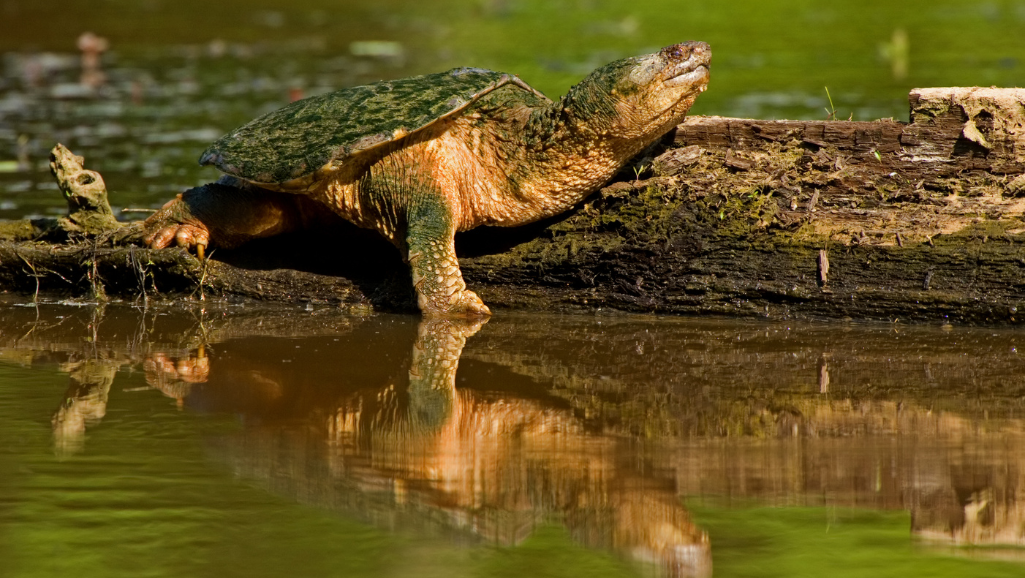
Place a reliable basking spot in full morning or midday sun, and provide shaded retreats (overhangs, marginal plants, or a raised platform) nearby so turtles can thermoregulate on their own.
Right size, depth, and tiers for swimming, resting, and hibernation
Size the excavation to match your turtles and climate. Design distinct shallow shelves for feeding and hatchlings, mid-depth swim lanes for adults, and a 3–4 ft deep pocket only where winters are cold enough to require hibernation. For many hobby ponds, larger volumes stabilize temperature and water chemistry.
Quick sizing rule (example): pond gallons ≈ length × width × average depth (ft) × 7.5. As a practical guideline, allow roughly 10 gallons of water per inch of shell for small backyard setups, but increase space and depth for larger turtle species and multi-turtle groups.
Sample size ideas (square feet): a single small pet turtle — 20–40 sq ft surface; two medium turtles — 50–80 sq ft; multiple large turtles or an outdoor pond for long-term housing — 100+ sq ft. Adjust depth and swim area based on species-specific needs.
Materials checklist: pond liner, filtration, rocks, sand, and plants
Assemble core supplies before you dig and plan for power access for the pump and filtration; protect outlets with a GFCI and conduit per local code.
- Geotextile landscaping fabric underlayment and a durable pond liner (size liner to dimensions + generous overlap)
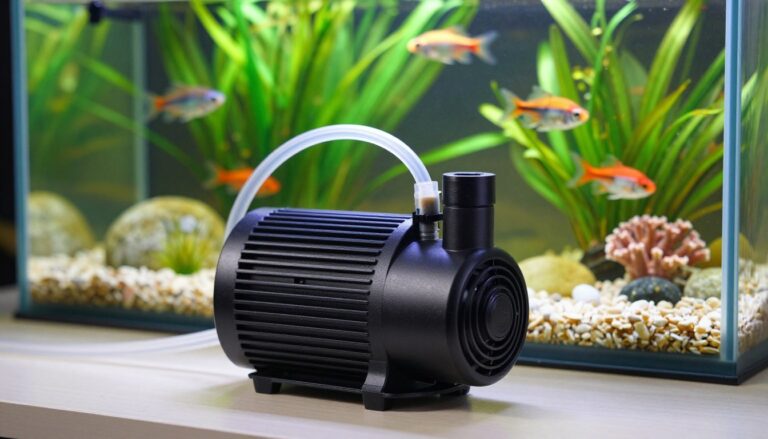
- Pump and appropriately sized filtration (calculate GPH to handle pond volume and animals), plus protected electrical access
- Smooth rocks or field stones, 1–2 inches of sand to cushion shelves, and hardy aquatic plants
Before you build pond edges, sketch a simple tier diagram: shallow shelf at 0–6 inches, mid-shelf 1–2 ft, main swim zone to desired depth, and the deep pocket if needed. Measure length and width carefully to calculate liner and filter requirements.
“Good planning turns a backyard space into a lasting habitat.”
Start digging, shape the pond, and install the pond liner

Ready the site with care — clear a 2–3 foot work perimeter free of roots, rocks, and sharp debris before you start digging. Use stakes and string to mark the exact footprint, photograph the layout for reference, and keep a level or laser handy to check slope as you go.
Create gentle slopes, shallow areas, and a deep zone
Work in clear steps: mark and remove topsoil, then dig down to form distinct tiers. Carve gradual slopes into the basin so turtles can enter and exit without slipping — a gentle ramp or textured stone steps from the shallow shelf to the water is ideal. Include a shallow shelf (0–6 inches) for hatchlings and feeding, a mid-depth swim area for active adults, and consider a 3–4 ft deep pocket only if your climate and species require hibernation.
Plan the deep zone on the leeward side of prevailing winds to reduce leaf accumulation and keep water calmer in winter. Add flat stepping stones or a textured ramp at entry points for safe human and service access. Where possible slope the bottom slightly toward a low-point drain or sump to make future cleaning and bottom waste removal easier.
Lay underlayment and pond liner, secure around edges with stone and soil
Before lowering the liner, remove remaining stones and roots and smooth the excavation. Dry-fit geotextile landscaping fabric as underlayment to protect the liner from punctures, then slowly lower the pond liner so it seats into shelves and contours. Smooth wrinkles and leave generous overlap at the rim for anchoring.
- Add 1–2 inches of clean, sharp sand on shelf areas to cushion the liner and help potted or planted shelves anchor (this depth protects liner but is shallow enough to avoid burying plant crowns).
- Choose a robust liner: EPDM (ethylene propylene diene monomer) at 45–60 mil is common for longevity; PVC is thinner and cheaper but less UV-resistant. Size the liner by adding at least 2–3 feet overlap to your planned length and width — a quick calculation: required liner length = pond length + (2 × max depth) + 4 ft overlap; required width = pond width + (2 × max depth) + 4 ft overlap.
- Place anchor rocks, brick, or concrete blocks around edges to hold the liner in place; do a partial test-fill (a few inches) to check fit, adjust folds, and confirm slope integrity before a full fill.
- Rinse sanded areas lightly to settle dust, check seams and connections, and prepare filtration and pump hookups before completing the final fill.
Finish the step by trimming excess liner only after the pond holds its shape under partial fill and there is no slippage. Tuck the liner edge under soil and cap with stones so the rim looks natural and resists erosion. Photograph the finished excavation and liner layout for your records — it helps when troubleshooting later.
“Good excavation and a well-seated liner set the foundation for a healthy habitat.”
Tools and quick checklist: shovel, spade, wheelbarrow, tamper, level/laser, utility knife for trimming liner, seam cleaner/adhesive (manufacturer-recommended), gloves, and safety glasses. For an illustrated how-to on digging technique and tool selection, see this how to dig a pond guide.
Filtration system and water quality: keep pond water clean and safe
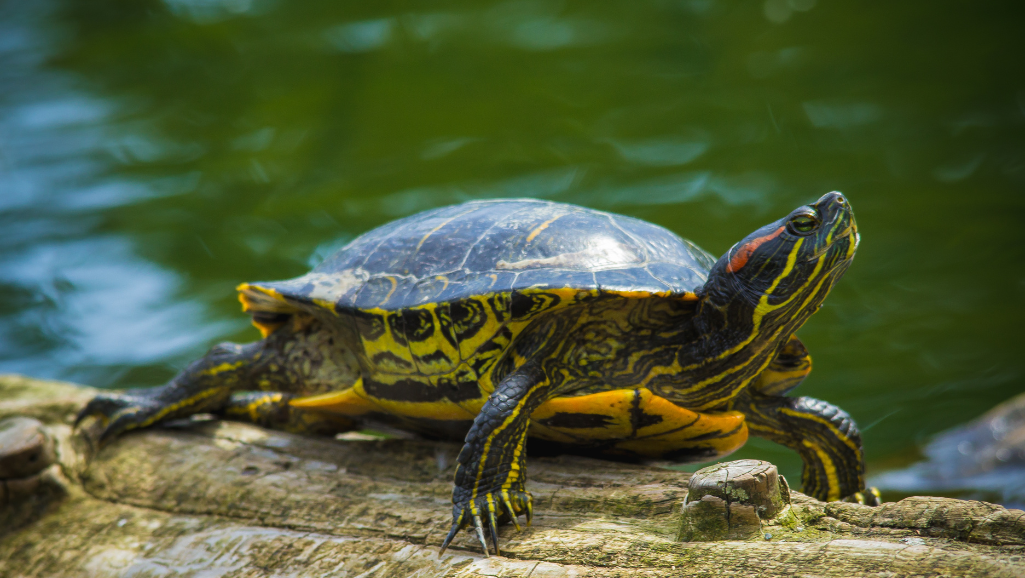
Clean, circulating water is the backbone of a healthy habitat and starts with the right filtration choices.
Choose a combined filtration system sized to your pond volume and expected bioload. A good system pairs mechanical media to trap solids with generous biological media to house nitrifying bacteria that convert ammonia and nitrite. In bright months consider adding a UV clarifier to control free-floating algae and keep the pond surface clear.
When you first fill the basin, use dechlorinated water and run the filter continuously for several days to establish beneficial bacteria before adding any turtles. Use a surface skimmer or netting to catch leaves and floating debris — leaf litter can lower pH at the surface and clog pre-filters.
Quick water-test target ranges
Monitor pond water weekly for temperature, pH, and ammonia. Target ranges are species-dependent, but a general starting range is pH 6.8–7.6 and ammonia as close to 0 ppm as possible. Keep a simple log of readings and note trends rather than single values.
Filter sizing and examples
Match filter flow to pond gallons and animals: a useful rule is filter turnover ≈ 2–4× pond volume per hour for turtle ponds (higher if heavily stocked). Example: a 2,000-gallon pond needs a filter/pump capable of 4,000–8,000 GPH depending on bioload and plant cover. For heavy solids, choose units with good mechanical pre-filtering plus a biological chamber or a separate bio-sump.
- Place the pump intake in calmer zones to capture solids without disturbing resting turtles on shallow shelves.
- Rinse or replace mechanical media regularly (weekly to monthly depending on load), but retain bio-media where possible — do not clean bio-media vigorously to avoid killing beneficial colonies.
- Consider a low-point drain or protected sump to remove bottom waste and make routine maintenance easier.
Maintenance routine and seasonal notes
Make small 15–20% partial water changes as needed (frequency depends on bioload and pond size) to stabilize conditions without shocking animals. In warmer months you may need more frequent skimming and pre-filter cleaning; in cooler months, maintain circulation to avoid total freeze and monitor oxygen levels if turtles will overwinter outdoors.
“A reliable filtration setup turns routine care into a simple, repeatable step that keeps water clear and animals healthy.”
Safety tip: mount electrical components on GFCI-protected outlets well above splash zones and provide drip loops. Consult a licensed electrician for outdoor wiring. Keep a short maintenance log of filter cleanings, water-level changes, and test readings so you can spot gradual issues before they affect animals.
Plants, rocks, and basking spots: design a natural turtle habitat
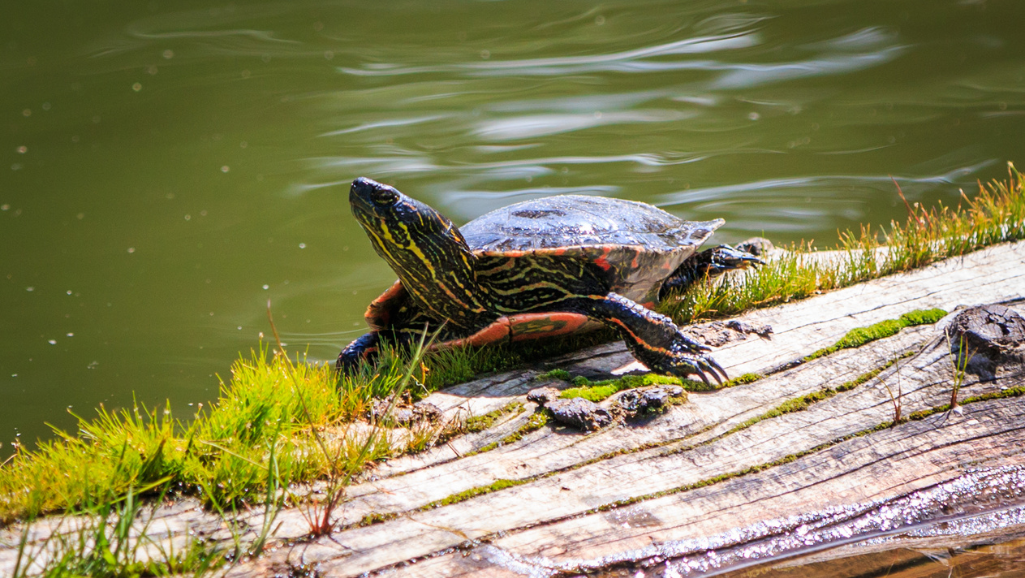
Layering plants, rocks, and logs creates microzones that help turtles feed, hide, and bask with confidence.
Select turtle-safe aquatic plants that will benefit water quality and provide cover. Good starter choices (where not invasive locally) include anacharis for oxygenation and nutrient uptake, and floating species such as water lettuce to shade the surface and reduce algae. Note: water hyacinth and water lettuce are restricted in some states — always choose native alternatives if required. Marginal plants such as cattails, iris, and pickerel weed at the rim give structure without blocking open swim lanes.
Arrange taller vegetation at the back of the pond and shorter species toward the front to keep sightlines clear and allow basking areas to receive light. Anchor floating plants or contain them in shallow baskets so they help filter pond water without forming an impenetrable mat across the surface.
Build stable basking spots and hiding places using broad, flat rocks, partially submerged logs, or secure platforms. Test each platform for load-bearing — stack stones on the platform to simulate multiple turtles before leaving it in place. Smooth edges and textured surfaces (coarse sand or concrete with added grit) help turtles climb without slipping.
Use sand pockets or shallow pots on shelves to root hardy marginal species and create gentle resting grips. Place submerged logs and rock crevices around the edges and deeper areas to provide hiding places and encourage natural foraging behavior.
- Balance beauty and function with a mixed plant palette that filters water, offers shade, and creates varied microhabitats.
- Keep navigation channels open so turtles and any cohabiting fish can swim freely; avoid dense plant mats that reduce oxygen exchange at the bottom.
- Trim and divide overgrowth seasonally to prevent mats, allow light penetration, and preserve healthy gas exchange.
If you plan to keep fish with aquatic turtles, choose hardy species and expect higher maintenance — fish increase bioload, which affects filter sizing and water chemistry. For aquatic turtles, provide ample sun-exposed basking areas and shallow approach zones so they can climb out easily.
“A layered, natural layout helps animals thermoregulate, forage, and feel secure.”
DIY turtle pond safety, predators, and ongoing maintenance
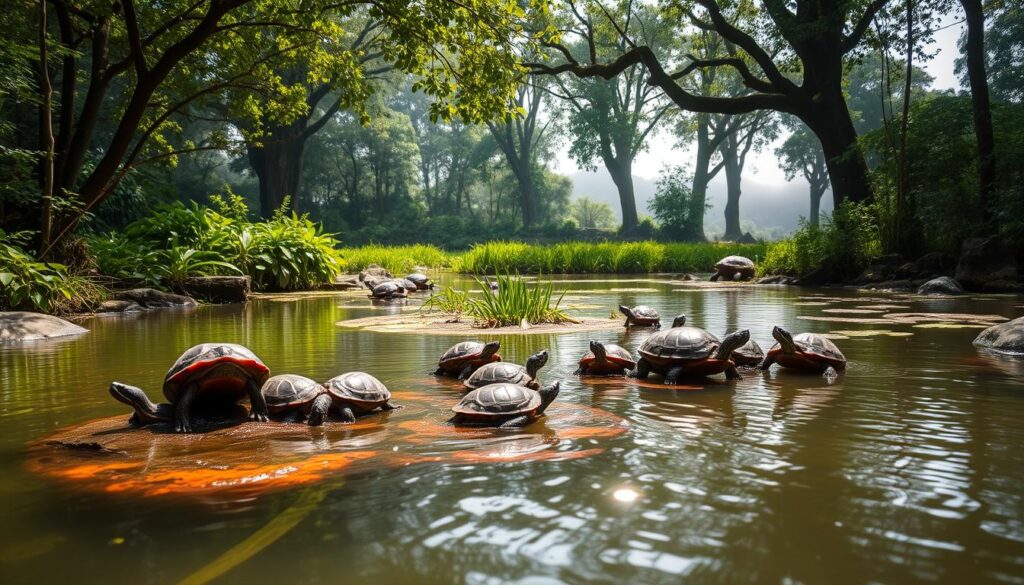
A secure setup and a steady maintenance routine cut risks and keep water clear year‑round.
Make sure the pond is escape-proof by building barriers at least 18 inches high with stone edging, buried low fencing, or a short retaining wall; for determined diggers, bury the bottom of the fence several inches into the ground. Use slanted, textured sides or gradual ramps so turtles can climb out easily while discouraging accidental escapes. Select smooth rim materials so shells and feet don’t catch.
Protect from predators
Common predators include raccoons, neighborhood dogs, feral cats, and large birds. Use tight mesh netting over the pond at night, install motion-activated lights or sprinklers, and position the pond where you can monitor it from your house. Keep vegetation trimmed around the perimeter to remove ambush cover and consider a motion-sensor camera if predators are persistent. If raccoon visits are frequent, heavier-duty wired covers or buried perimeter fencing are effective long-term solutions.
Troubleshoot water and basking issues
If you see algae blooms or cloudy water, first cut feeding and remove any decaying plant material. Check and clean pre-filters and mechanical media, then verify biological media is intact (do not over-clean bio-media). A UV clarifier can control green water during bright months, and a liner repair kit should be on hand to patch pinholes quickly. If turtles avoid a basking spot, check for instability, excessive heat, or poor lighting and adjust platform placement or surface texture.
Ongoing and seasonal maintenance
- Weekly: skim surface debris, empty skimmer baskets, rinse mechanical filter media, and change 15–20% of the water as needed to control nutrient buildup.
- Monthly: inspect liners and stone edges for abrasion or shifting, test basic water chemistry (pH, ammonia, temperature), and log results to spot trends.
- Spring / Summer: increase skimming and pre-filter cleaning, trim marginal plants, and check pump performance during peak growth months.
- Fall / Winter: remove fallen leaves before they decay, and in cold climates maintain a deep unfrozen zone for hibernation or bring vulnerable pet turtles indoors—prevent complete freezing by using a de-icer or maintaining a circulation hole if turtles will overwinter outdoors.
“A predictable maintenance rhythm keeps animals healthy and reduces surprises.”
Safety reminder: always wash hands after handling animals, water, or equipment to reduce salmonella risk and keep your household safe. For long-term success, match care to the species — some aquatic turtles need more space and deeper wintering areas, so plan pond size and features to meet what your turtles need. Join a local pond or turtle-keeper group to learn region-specific predator tips, legal considerations, and seasonal best practices.
Conclusion
Finish strong by running a final checklist: inspect edges and stonework, verify clear access paths for maintenance, and confirm that the filtration system and pump are running at the expected flow. Always fill with dechlorinated water (use a neutralizer or let tap water sit per product instructions) and top up to the correct water level for your design so pond water chemistry remains stable.
Make sure basking spots are secure and positioned to receive the right light throughout the day. Size and place platforms so turtles can easily move between sun and shaded retreats — consider the species’ preferred temperatures when placing basking areas.
Keep weekly tasks small and consistent: skim the surface, test key parameters (temperature, pH, ammonia), and perform 15–20% partial water changes as needed based on readings and pond size. Log filter maintenance, water tests, and notable observations so you can track trends and catch issues early.
With careful planning, proper depth tiers, protected edges, and a reliable pond liner and filter, you now have a blueprint for a DIY turtle pond that blends function, resilience, and beauty. Start your build with the checklist, and share photos or questions with local pond communities — they’re a great source of region-specific tips and seasonal advice. Stand back and enjoy the living space you created.