Parachromis dovii is a Central American predator that becomes a true dream centerpiece for experienced keepers. This species is praised for its large size, power, and a commanding personality in the tank.
This fish lives mostly in middle tank levels and can reach a lifespan of about 15 years with proper care. It is best suited to a dedicated aquarium built for a big, territorial predator rather than a casual community setup.
Plan your system from day one: ample space, robust filtration, and secure equipment placement matter more than luck. Sourcing also matters—specialty sellers like Imperial Tropicals offer long-standing live shipping and healthy arrival policies for large live fish.
This page acts as a buyer’s guide to help you decide whether to keep a single centerpiece or attempt compatible tank mates. Expect practical advice on tank sizing, feeding predator-grade diets, and managing aggression so this species can shine as an interactive showpiece at your home aquarium.
Key Takeaways
- Wolf Cichlid Care Guide.
- This species is a bold centerpiece for experienced aquarium keepers.
- Parachromis dovii shows size, power, and strong tank personality.
- Success requires space, filtration, and secure equipment at home.
- Buy from trusted specialty sellers for healthy live arrival.
- Decide early on single keeping vs. tank mates and predator-grade nutrition.
Why the Parachromis dovii Is a True Centerpiece Fish
Parachromis dovii comes from river systems in Central America and brings wild expectations into the home aquarium. Its origin explains why this fish needs warm water, ample territory, and strong structure to thrive.
Natural range and origin
The species’ range spans Honduras, Nicaragua and parts of Costa Rica, including the Lake Nicaragua region.
This nature of habitat favors open water lanes, rock cover, and steady temperatures—conditions to mimic in captivity.
Temperament reality check
Expect high aggression and a territorial baseline. This temperament influences tank size, mates, and daily care.
Buyers should plan for a single focal fish or a very large, carefully matched setup.
Where they swim in the aquarium
These fish claim the mid-level as their stage. They use sightlines to patrol and react to movement near the glass.
- Mid-water dominance shapes décor placement.
- Active feeding response mirrors wild predatory habits.
- Mixed communities work only in very large systems with deliberate planning.
Is a wolf cichlid the Right Fit for Your Home Aquarium?
Deciding if this powerful predator belongs in your living room starts with an honest look at long-term commitment and daily demands. These fish reward dedicated keepers with a striking presence, but they will not fit a casual or peaceful community setup.
Best for experienced keepers, not a beginner community fish. If you want a calm community aquarium, this species fights that goal. They need large systems, heavy filtration, and handlers who expect strong territorial behavior.
Time and commitment: up to 15 years of ownership
Plan ahead: these fish can live roughly 15 years. That means moves, upgrades, and long-term costs are likely. Buying one is a multi-year promise, not a short-term hobby purchase.
What “predator fish” means for daily care and safety
Predator status changes daily routines. Expect strong feeding responses, greater waste, and more frequent water changes to protect water quality and overall health.
- Use tools, not bare hands, during maintenance to reduce bite risk.
- Schedule big water changes regularly; shortcuts lead to illness fast.
- Respect aggression spikes during breeding—plan maintenance times carefully.
In short, these are for keepers who build around the fish, not try to tame it. If you have the gear, the patience, and the passion, the reward is a dramatic, long-lived centerpiece.
Size, Color, and Sex Differences to Know Before You Buy
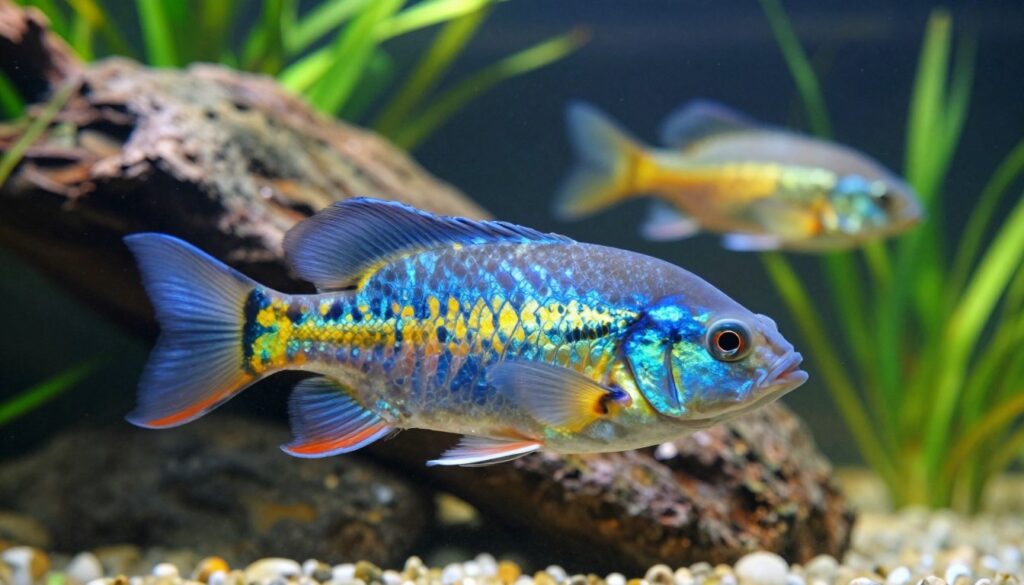
Understanding adult size helps set realistic expectations. In home aquariums this species typically reaches 15.75–27.56 inches (40–70 cm). That range means what seems like a “big tank” for a juvenile will often be too small later.
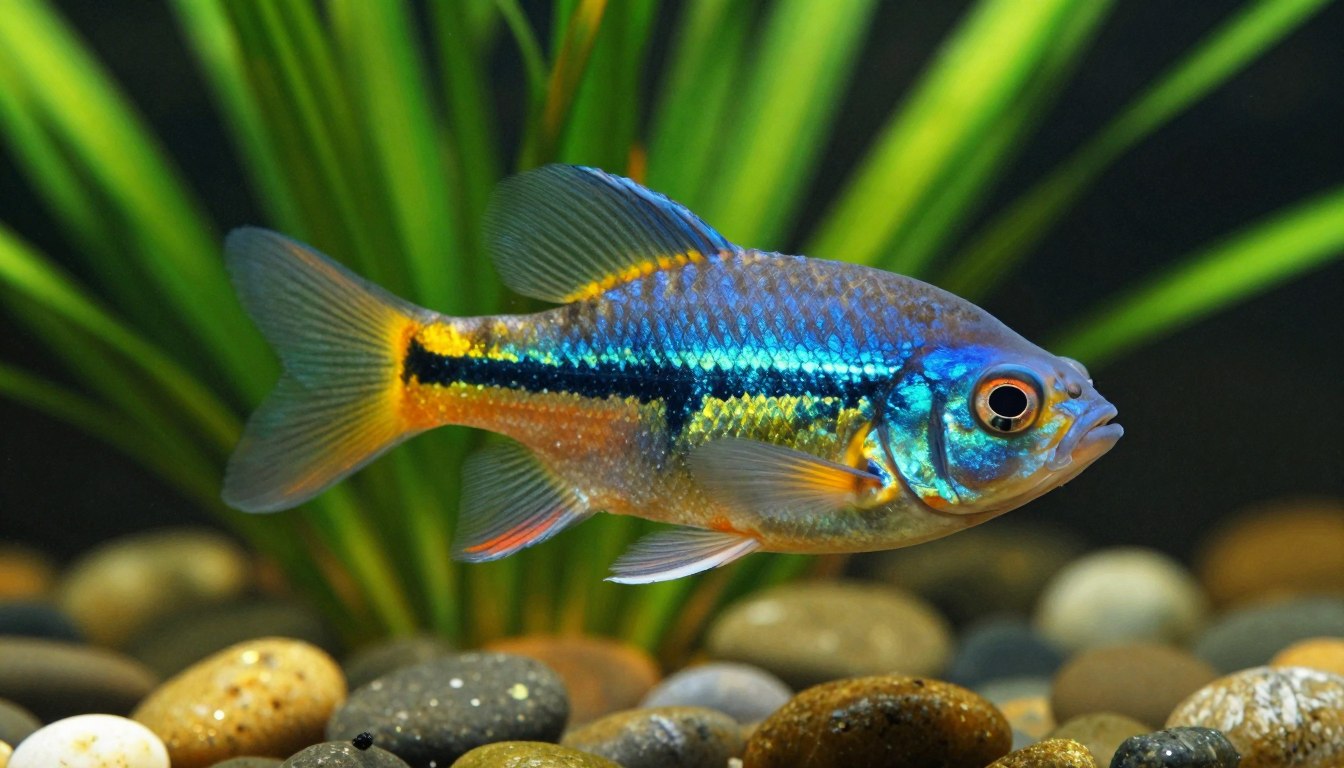
Males and females display clear visual cues. Males grow larger and show extended fins plus distinctive black spots on the head. Females tend to have a more yellowish background and usually lack head spots.
Size ties directly to cost and logistics: thicker glass, stronger stands, heavy-duty filters, and careful room placement all scale up as the fish grows. Plan the endgame now so upgrades aren’t urgent in a few years.
- Expect juveniles to change color and pattern with stress, dominance, or breeding condition.
- Ask sellers for current length and recent photos — inches today predict months-to-upgrade tomorrow.
- Good nutrition and stable water promote brighter color and healthier fins more than additives.
Tank Size and Setup Requirements for a Healthy Wolf Cichlid
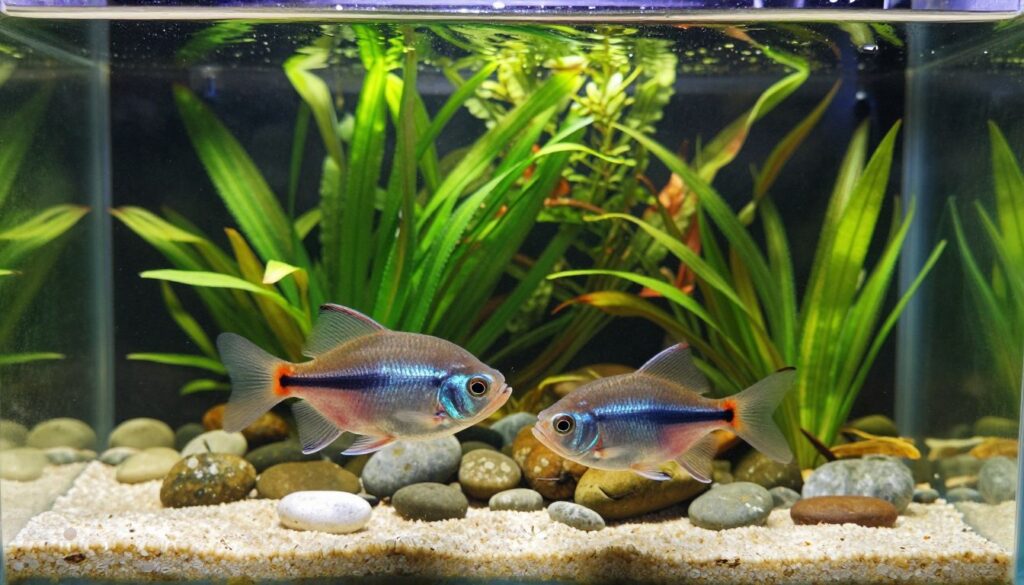
Choosing the right tank footprint and layout is the single biggest step toward a long, healthy life for this large predator. Minimum practical volume begins near 500 L (~132 gallons), but many keepers prefer 1200 L for a truly comfortable adult. Bigger tanks cut stress, reduce constant territorial clashes, and lower long-term damage to décor and glass.
Minimum gallons vs. a comfortable range
Accept ~132 gallons as a baseline for juveniles to grow safely, but plan for at least 1200 L if you expect full adult size.
Larger systems mean fewer forced encounters and better water stability.
Rockwork, caves, and territories
Use anchored rocks and purpose-built caves to form clear territories. Secure hardscape with aquarium-safe epoxy or silicone to prevent collapses that could injure fish or crack glass.
Plants and décor realities
Most plants get uprooted or shredded. Choose hardy species, protect planting zones with rock borders, or accept a mostly hardscape look.
Protecting equipment
Hide heaters, guard filter intakes, and mount outflows where the fish can’t ram them. Place key gear out of direct sightlines to reduce curiosity and damage.
Filtration and flow
Large cichlids produce heavy waste. Oversize canister or sump filtration is essential, plus plan for easy mechanical media changes to keep water clear.
- Confirm the tank is fully cycled before you order.
- Verify the stand is rated for the filled aquarium weight.
- Make sure core gear arrives in the box before the live product is shipped; check seller details such as species care notes.
Water Quality Targets and Maintenance That Keep Them Thriving
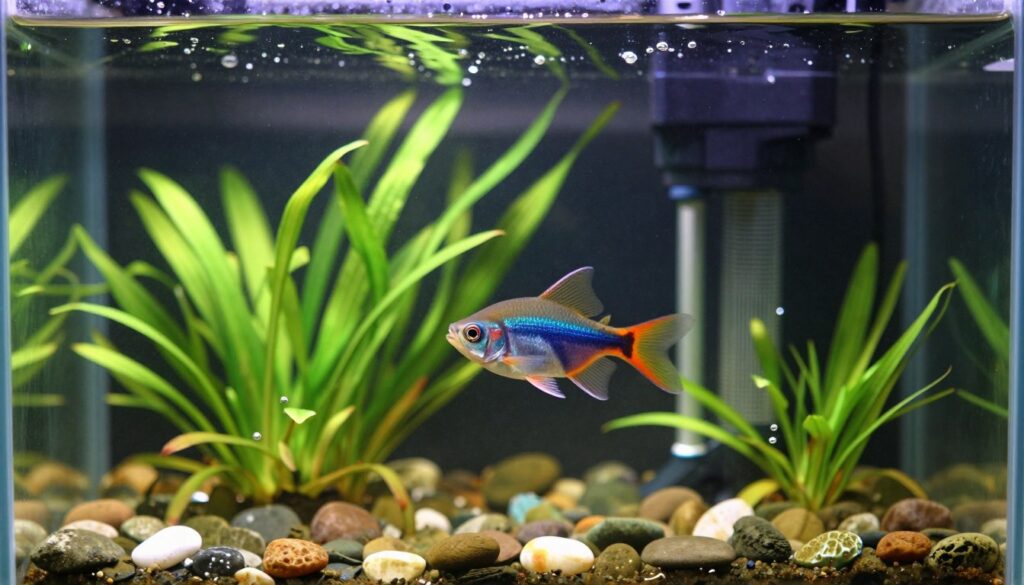
Stable tank chemistry is the foundation that keeps large predators active, colorful, and feeding well. Aim for 24–28°C (75.2–82.4°F), pH 7.0–8.0, and hardness near 12–18°N (214–321 ppm). Match these ranges to your tap water before you commit.
Water changes that actually matter
For large specimens, small top-offs won’t cut it. Schedule regular, sizable water changes—weekly or biweekly swaps of 20–40%, and larger 40–60% changes when load is high.
Signs your water is slipping
Loss of appetite, darker color, hiding, or increased irritation often precede obvious illness. Test immediately if you see these behaviors.
Fast-response checklist
- Test ammonia, nitrite, nitrate, pH, and temperature right away.
- Increase aeration and flow to help oxygen and gas exchange.
- Perform a significant water change and check filter media and circulation.
Think system, not shortcuts. Powerful filtration plus disciplined maintenance protects long-term health and reduces stress-driven aggression in the aquarium.
Feeding and Food Shopping Guide for Predator-Grade Nutrition
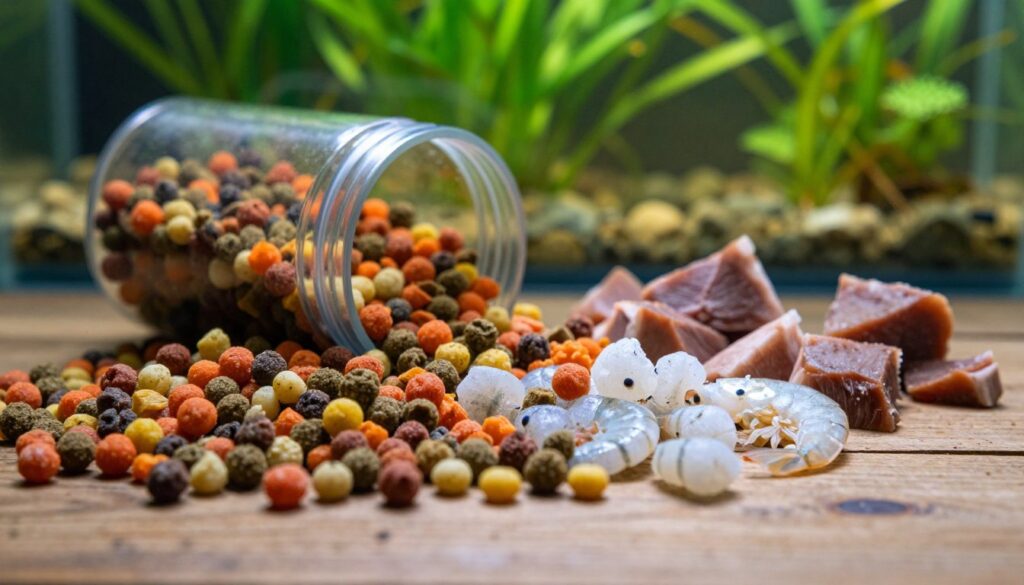
A focused feeding plan is the single best investment you can make for a big, active aquarium predator. Intentional nutrition improves color, growth, and temperament while preventing common health and water problems.
High-protein staples
Build a shopping list around premium cichlid pellets, frozen brine shrimp or mysis, and occasional beef heart. These staples deliver consistent protein and quality nutrition without the disease risk of cheap options.
Live fish and safer alternatives
Feeder or live fish can introduce parasites and bacteria. If your predator insists on live food, use quarantined, disease-free sources or train it to accept frozen and prepared food with steady presentation.
Portions, timing, and water impact
Feed small, protein-dense portions twice daily for juveniles, once or twice for adults. Avoid overfeeding: excess waste harms tank water and triggers illness.
- Order staple frozen items before the fish arrives so you never panic-feed.
- Keep freezer backups and a top-rated pellet product on hand.
- Monitor body condition and reduce portions if the fish gains weight.
Intentional care pays off: when feeding is planned, the aquarium shows brighter color, better vigor, and fewer health surprises.
Tank Mates, Aggression, and Managing a One-Fish “Community”
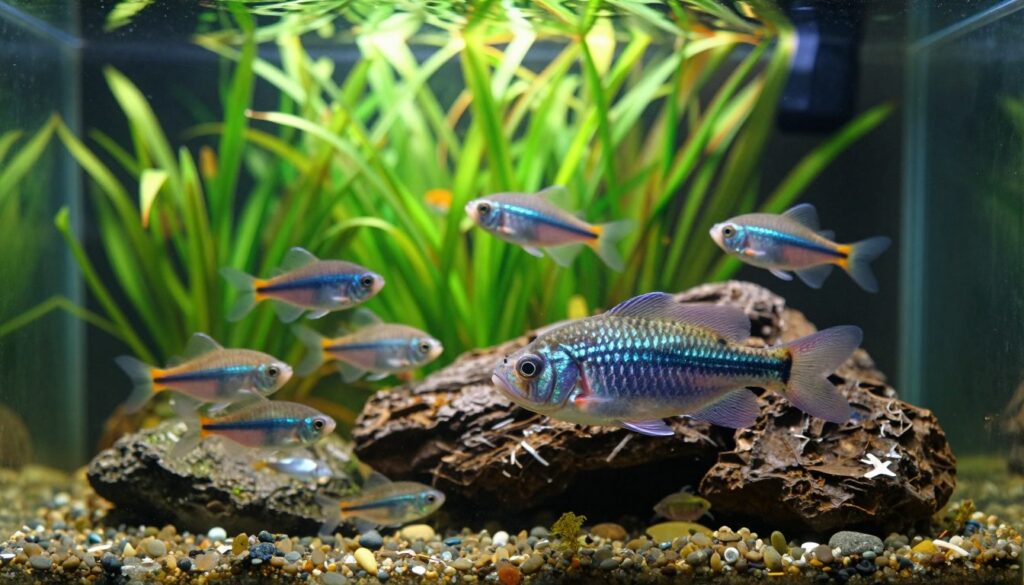
Mixing large predators with tank companions demands caution and a clear escape plan. For many keepers, the best community is a single specimen that shows off its personality without constant conflict.
When tank mates can work
Only very large, robust species stand a chance in an oversized aquarium. Think big catfish or similarly sized cichlids that are sturdy and calm.
Even then, success needs room, hiding zones, and plans to separate fish if aggression rises.
Why smaller fish become food
Make one rule memorable: if it fits in the mouth, it becomes food. Juveniles often outgrow companions fast, so “maybe” turns into “when” as the fish grows.
Intraspecies aggression and single vs. pair decisions
These fish are highly territorial toward their own kind. Keeping a single adult is usually safer than forcing a pair.
Pairs need huge tanks, matched temperaments, and an exit plan—extra tanks or dividers ready before trouble starts.
Territory triggers and layout strategies
Sightlines, open patrol lanes, and defined zones reduce constant harassment. Use rockwork and caves to break direct lines of sight.
Even with good layout, adults may still claim most of the aquarium—plan contingencies before you mix species.
- Realistic expectation: a one-fish setup often protects both the centerpiece and smaller fish.
- When mixing: choose only very large, robust species and have a backup tank ready.
- Layout tip: reduce sightlines and create clear zones to lower daily aggression.
Breeding Parachromis dovii and Raising Fry Without Losing Your Sanity
Successful breeding of Parachromis dovii starts with a compatible pair, stable water, and a spawning setup that offers flat surfaces, caves, and cleaned rock they can claim. Provide choices so the parents pick a spot and feel secure.
Eggs and timeline to plan around
Clutches range widely — from a few hundred to over a thousand eggs. Expect hatch in roughly 3–5 days and free-swimming fry about 4–7 days after hatch. Mark these days on your calendar and plan care steps in advance.
Feeding fry and reducing losses
Start Artemia nauplii as soon as fry are free-swimming. Offer cyclops, daphnia, and crushed flakes as they grow. Feed small, frequent portions to encourage steady growth and lower cannibalism.
Safety, aggression, and practical prep
Breeding spurs peak aggression and makes routine maintenance risky. Use tools, move slowly, and schedule water work when parents are calm. Prepare a small box of essentials before they hatch — nets, tubs, food, and separation gear.
- Manage size: grade fry by size or remove larger ones to cut cannibalism.
- Expect intensity: breeding is spectacular, but it raises aggression and upkeep.
- Share honestly: when you share success, note space and care realities so new keepers know what to expect.
Conclusion</h2>
Smart preparation and steady upkeep let an impressive centerpiece thrive rather than merely survive. A well-sized aquarium and a secure tank layout are non-negotiable for a show-quality wolf cichlid, and consistent routines protect that investment.
Expect a long commitment: these fish can reach nearly 28 inches and live up to 15 years. Maintain pH 7.0–8.0, 75.2–82.4°F, and solid hardness, and schedule meaningful water changes to keep health and color strong.
Respect aggression, avoid risky feeder sources, and plan breeding or mixing only if space and experience match the challenge. Great care is simple when it is steady: measured feeding, routine maintenance, and protected equipment reduce surprises.
Before you order, confirm the tank is cycled and your schedule supports real upkeep. Bookmark this page as a quick checklist for setup, water targets, feeding, and safety. When preparation meets commitment, Parachromis dovii doesn’t just live in your tank — it defines it.
FAQ
What makes Parachromis dovii a true centerpiece fish for an aquarium?
Is this species suitable for beginner keepers or small community tanks?
How big do adult Parachromis dovii grow in home aquaria?
How do males and females differ in appearance and behavior?
What minimum tank size is recommended, and what’s better for comfort?
How should I design the layout—rocks, caves, and plants—while preventing damage?
What filtration and flow should I provide given this fish’s waste production?
What water parameters should I target and how often should I change water?
What are signs of deteriorating water quality and how should I respond?
What diet keeps this predator healthy and colorful?
Are live feeder fish recommended?
How should I portion and schedule feedings to prevent obesity?
Can I keep tank mates with Parachromis dovii, and what are safe options?
How does mouth size influence what this fish can eat and cohabit with?
What triggers territorial aggression and how can I minimize it?
How do I set up a successful spawning environment?
What should I expect for egg counts, hatch times, and fry development?
How do I feed and raise fry while preventing cannibalism?
What precautions should I take during breeding when aggression peaks?
How much daily and weekly maintenance does this species demand?