Pygmy Corydoras: Care and Breeding Tips

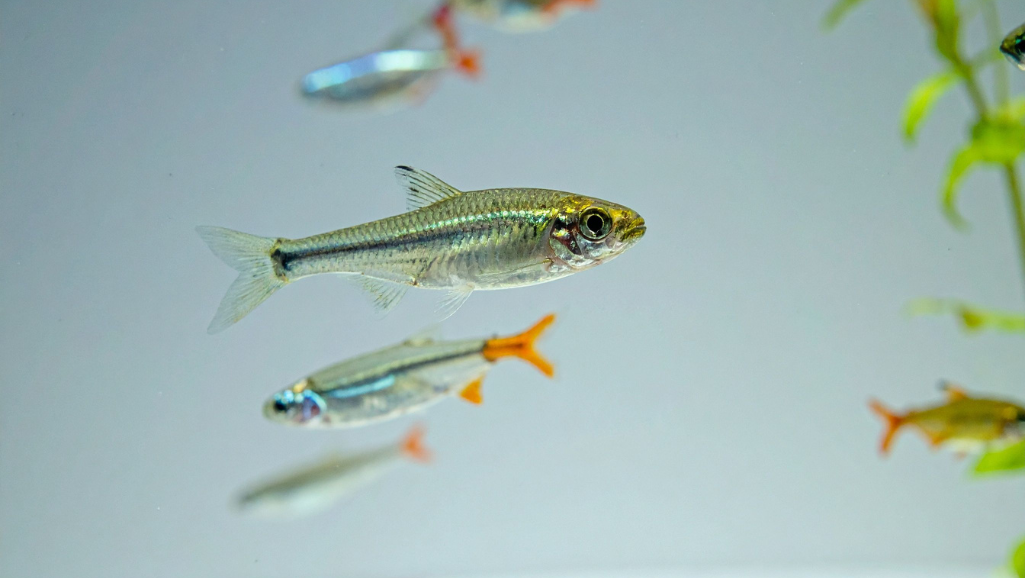
The pygmy corydoras is a tiny South American dwarf catfish that makes an outsized impact in nano setups — a perfect subject for anyone researching Pygmy Corydoras Care. At about one inch as an adult, this silver-bodied species shows a thin black horizontal stripe and brings lively, confident movement to a planted aquarium.

These peaceful fish school near midwater, perch on leaves, and periodically dart to the surface to gulp air — a normal behavior in calm, plant-rich waters. A well-planted tank with gentle flow and soft, slightly acidic to neutral water closely matches their natural habitat and keeps them comfortable.

Keep a group of at least 8–12 in a 10-gallon or larger tank so the school displays natural activity and confidence. Thoughtful scaping, fine sand substrate, reliable filtration, and cooler temperatures around 72–78°F help this small catfish thrive and become a centerpiece rather than just a background cleaner.

Key Takeaways

  • Ideal for nano aquascapes — small size, big personality.
  • Schooling (8–12) encourages natural, confident behavior.
  • Soft, slightly acidic to neutral water and 72–78°F suit them best.
  • Planted, low-flow tanks mimic their South American natural habitat.
  • Occasional surface gulps for air are normal — monitor for excess breathing.

Pygmy Corydoras

Before you buy, learn how size, sex, and subtle patterns separate closely related small species. This brief identification snapshot helps you plan stocking, breeding, and display goals with confidence.

Species snapshot: size, lifespan, and native range

This tiny corydoras (Corydoras pygmaeus) reaches about an inch at maturity and has a streamlined body. Females are generally a bit larger and rounder than males, which is helpful when sexing a group for breeding or stocking.

With steady care pygmy corydoras typically live roughly three to five years in aquariums. In the wild they occupy calm tributaries and floodplain edges in parts of western Amazonia—recorded from the Nanay River (Peru), the Aguarico (Ecuador), and sections of the Madeira basin in Brazil.

How to tell pygmaeus from habrosus and hastatus

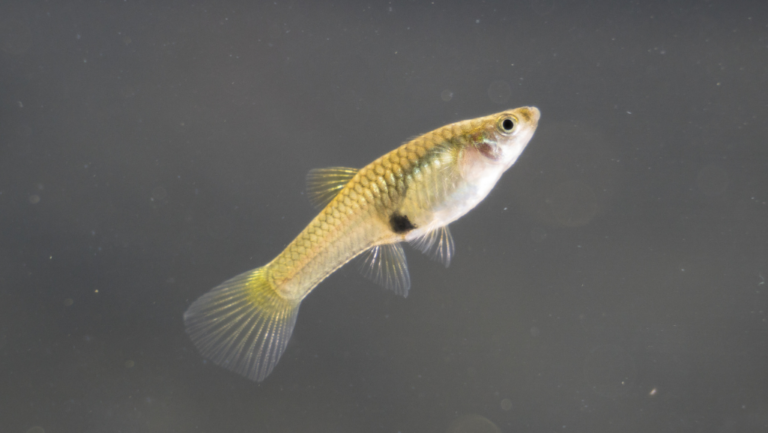
Correct identification matters because similar small species can differ in behavior and care. C. pygmaeus usually shows a thin, continuous horizontal black stripe on a clean silver body, and tends to hover in midwater.

  • C. habrosus – salt-and-pepper or broken stripe pattern with a more mottled body and a distinctly banded tail.
  • C. hastatus – marked by a large black spot at the base of the tail often accompanied by white dots and a different swimming posture.

When you see midwater hovering plus the thin stripe, you’re likely looking at C. pygmaeus. Always check seller labels and compare patterns carefully—mixtures and mislabels among these tiny corydoras species are common in the trade.

Setting Up the Ideal Nano Aquarium

Designing a compact, calm habitat is the first step toward a thriving nano community. When possible choose a longer footprint (a longer, lower tank) so a lively school can shoal, hover, and explore without feeling cramped — length matters more than height for midwater activity.

Quick setup checklist

  • Tank: 10-gallon long (minimum) — larger is easier to maintain.
  • School size: 8–12 pygmy corydoras for natural behavior and confidence.
  • Substrate: fine sand to protect barbels and support natural foraging.
  • Plants & hardscape: dense carpeting and fine-leaved stems (Java moss, dwarf hairgrass), driftwood, and leaf litter for cover.
  • Filter & flow: sponge filter or adjustable-output filter for gentle, even circulation.
  • Lid: tight-fitting hood to prevent jumps during surface gulps.

Tank size, space, and school size for a happy community

Minimum recommended: a 10-gallon tank with horizontal space helps natural behavior and reduces stress. If you want an easier-maintenance display or breeding room, choose a 15–20 gallon long. Make sure your tank footprint gives the school room to form loose groups and travel.

Substrate, plants, and hardscape that protect delicate barbels

Use fine, rounded sand (not sharp gravel) to prevent barbel damage and infection. Add dense plants such as anubias (tied to wood), Java moss, and fine-leaved stem plants plus floating cover; these create safe foraging lanes and microhabitats. Incorporate driftwood and leaf litter to introduce tannins and hiding spots that mirror their natural habitat.

Filtration, flow, lids, and acclimation

Select a sponge filter or a canister filter with adjustable output to provide biological filtration and low direct suction. Position flow to create gentle circulation without blasting the midwater zone where pygmy corydoras hover. Fit a secure lid to prevent jumping while they gulp surface air.

“Acclimate calmly and efficiently — minimize stress to avoid toxin release in small aquariums.”

  • Pre-filter intakes with sponge guards to protect tiny fish and fry.
  • Use float-and-drip acclimation for 30–60 minutes; keep the process steady but not overly long.
  • Maintain stable water at 72–78°F and add fish slowly so the biofilter can mature.

Water Parameters and Quality Management
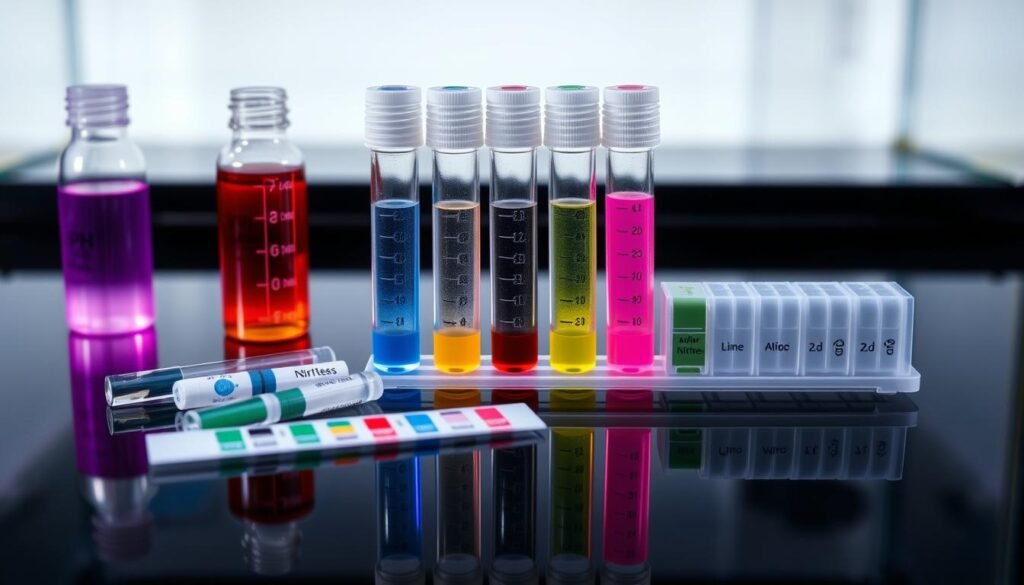
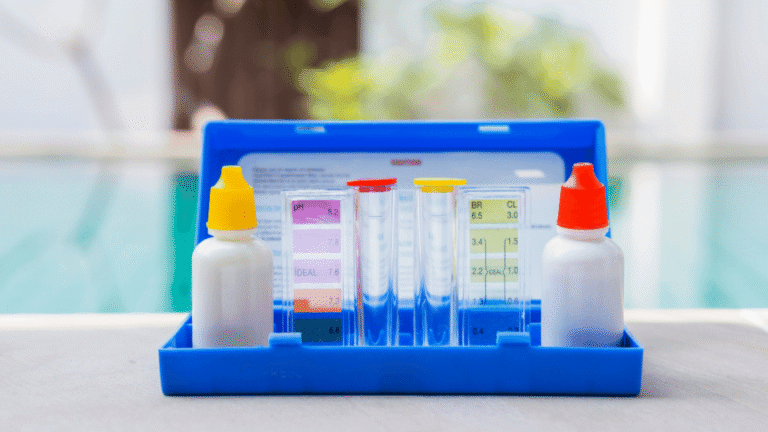
A close-up photograph of a water test kit with various color-coded vials and test strips arranged on a dark, reflective surface. The lighting is soft and diffused, creating a serene, scientific atmosphere. The test kit components are carefully positioned to showcase the different water parameters, such as pH, ammonia, nitrites, and nitrates. The composition emphasizes the precision and attention to detail required for maintaining optimal water quality for a pygmy corydoras aquarium.

Keeping water steady rewards you with active, confident schooling and fewer surprises. Aim for predictable routines so the aquarium feels like a small, calm stream.

Temperature, pH, and mineral balance

Target a stable temperature of 72–78°F and a pH roughly between 6.2 and 7.5. For many hobbyists in typical tap-water regions, that means aiming for soft to mildly mineralized water; if your tap is hard, use a remineralizer or blended source water to make sure sudden swings are avoided. Note: KH (carbonate hardness) buffers pH — keep KH moderate and steady rather than chasing a single number.

Soft water, tannins, and gentle flow

Favor soft, slightly acidic to neutral water that mimics their natural habitat. Add leaf litter or botanicals for tannins and a mild tea-stained look that can reduce stress. Use low to moderate flow so filtration cleans quietly without pushing the school from its midwater hangouts.

Testing, changes, and routine care

  • Test regularly (ammonia, nitrite, nitrate, pH) and log readings to detect trends early — a simple spreadsheet or notebook works well.
  • Perform small, consistent water changes (weekly 20–30% is a practical target for most stocked nano tanks) rather than occasional large swaps to protect stability.
  • Match replacement water: measure your tap’s GH/KH and pH and use conditioners or remineralizers to adjust—this prevents parameter shock when you top up or change water.

“Stability matters more than perfection—choose realistic targets and keep them steady.”

Troubleshooting quick tips

  • Ammonia or nitrite spike: do an immediate 25% water change, check filter function, and reduce feeding until levels normalize.
  • Sudden pH drift: halt water changes, test source water, and correct slowly using buffered replacement water or reverse-osmosis blends.
  • Low oxygen signs (excessive gasping): increase surface agitation or add gentle aeration and confirm filtration flow is unobstructed.

Feeding the Pygmy Cory: Small Foods, Big Nutrition
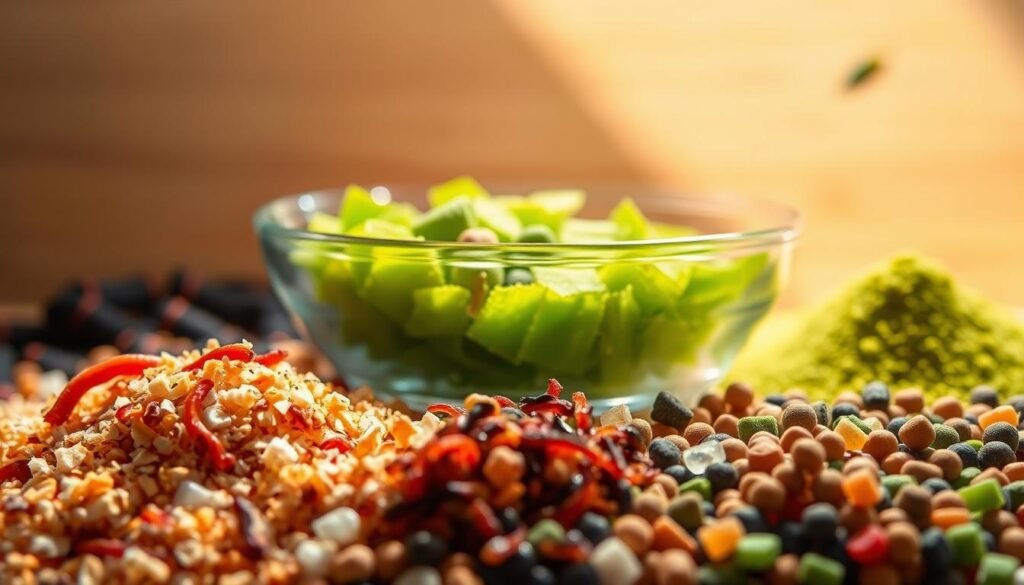
A vibrant still life of small, diverse foods suitable for feeding a school of pygmy corydoras. In the foreground, an array of tiny, nutrient-rich morsels - live microworms, crushed flakes, and frozen bloodworms. The middle ground features a shallow glass bowl of lush, green algae wafers. In the background, a scattering of sinking pellets and a sprinkle of powdered spirulina. Warm, natural lighting filters through the scene, casting soft shadows and creating an inviting, appetizing atmosphere. The composition emphasizes the scale and variety of these small but mighty food sources, perfectly suited to nourish the diminutive pygmy corydoras.

Choose soft, sinking bites and occasional live protein to suit the delicate mouthparts of pygmy corydoras. A steady rotation of staple items and tiny treats keeps the school healthy, encourages natural foraging, and reduces competition.

Daily staples that work

Sinking wafers, nano pellets, and Repashy gel foods make a reliable backbone for a balanced diet. These sink at a gentle pace and soften slightly, allowing shy midwater and bottom-grazing fish to feed without being outcompeted.

Protein boosts and treats

Offer very small live or frozen items such as cyclops, daphnia, and baby brine shrimp—these are ideal, highly digestible protein sources for both adults and fry. Frozen bloodworms can be used sparingly if you chop or thaw and rinse them; whole pieces are often too large for tiny mouths.

Practical feeding strategy

  • Feeding schedule: 2–3 small meals per day for a healthy school; include a protein boost 2–3× per week.
  • Portion guidance: feed what the group can consume in 60–90 seconds—less is better in nano aquariums to protect water quality.
  • Distribute food in multiple spots and at slightly different depths so timid pygmy corydoras and faster species both get access.
  • Thaw frozen foods in a sieve under cold water and rinse to reduce excess phosphates; discard uneaten bits after a few minutes to avoid fouling.
  • Rotate staples (wafers, gel, pellets) weekly to ensure balanced nutrition and prevent dietary gaps.

Starter food list (recommended)

  • Sinking micro-wafers — good for daily grazing and algae supplementation.
  • Nano sinking pellets — compact, nutrient-dense staple.
  • Repashy or similar gel diets — customizable and gentle for small mouths.
  • Microworms/infusoria (for fry) — essential first foods for newly hatched corydoras.
  • Baby brine shrimp (live) — excellent protein and training food for fry and adults.

“Small bites, varied rotation, and careful portioning protect water quality while giving every fish a fair meal.”

Troubleshooting feeding problems

  • Uneaten food lowering water quality: reduce portions and siphon debris; increase frequency of small water changes.
  • Shy individuals missing meals: feed after lights dim or just before lights go off to let bottom and midwater feeders eat first.
  • Growth or condition concerns: add more frequent protein boosts (small amounts) and monitor for improved vibrancy.

Behavior, Schooling, and Peaceful Tank Mates
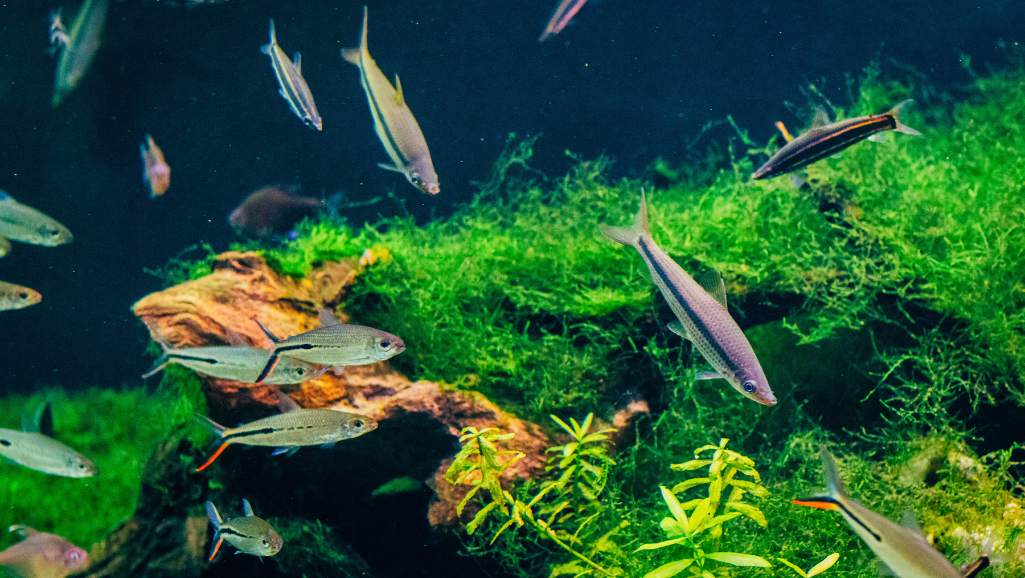
A school of tiny Pygmy Corydoras fish peacefully swimming in the midwater of a lush, planted aquarium. The fish gracefully glide through the water, their delicate fins and slender bodies catching the soft, diffused light filtering in from above. The scene is bathed in a warm, inviting glow, creating a serene and calming atmosphere. The middle ground is filled with a vibrant carpet of aquatic plants, their delicate leaves swaying gently in the current. In the background, a glimpse of the aquarium's rear wall can be seen, slightly blurred, adding depth and dimensionality to the composition. The overall mood is one of tranquility and natural beauty, perfectly capturing the peaceful schooling behavior of the Pygmy Corydoras.

Watch how this tiny school carves the middle space of the tank with graceful, synchronized motion. Their midwater swimming gives a planted aquarium life at eye level. At dusk they often become more active and curious, which is a great time to observe natural behaviors.

Midwater activity and surface gulps

Hovering and brief surface visits are normal — pygmy cory will sometimes dart up to gulp air. However, excessive surface breathing (repeated gasping across many fish) can signal low oxygen or water-quality problems. If you notice prolonged gasping, check temperature, aeration, and water chemistry immediately.

Choosing calm companions

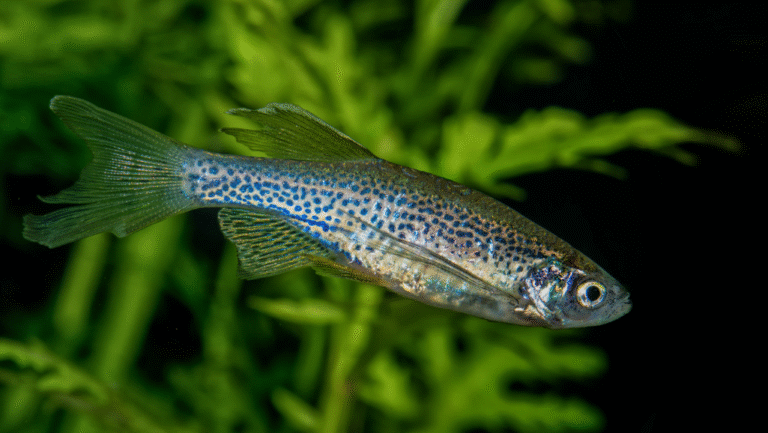
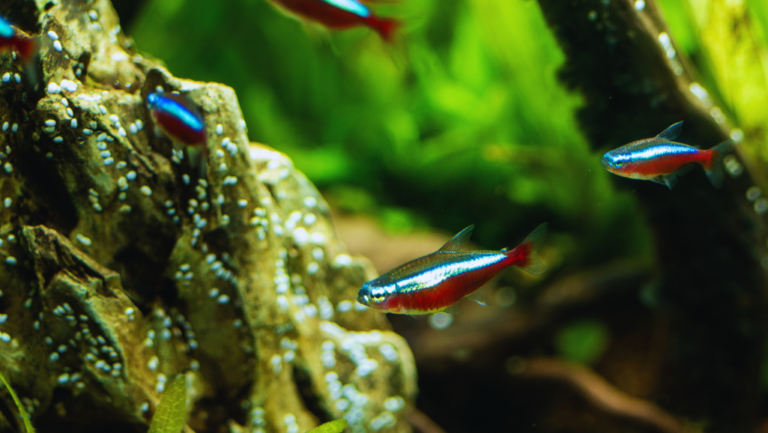
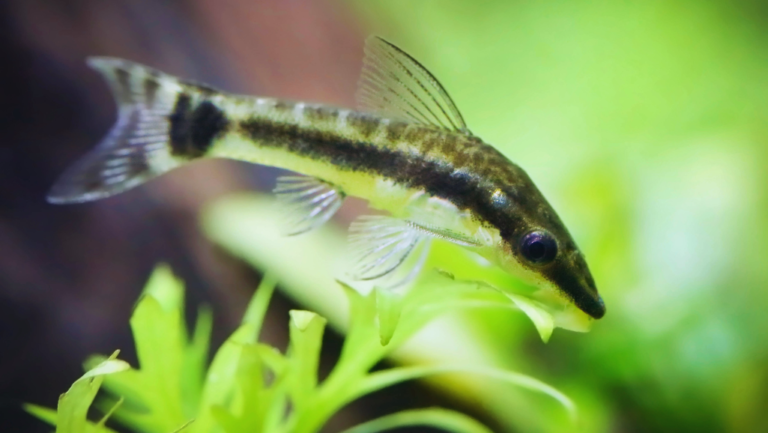
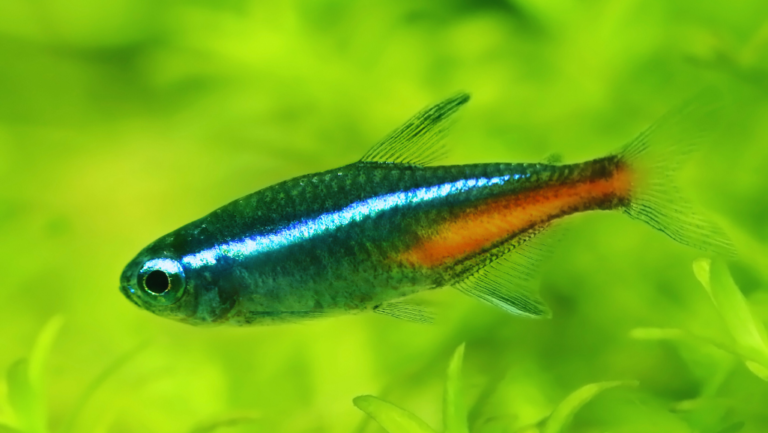
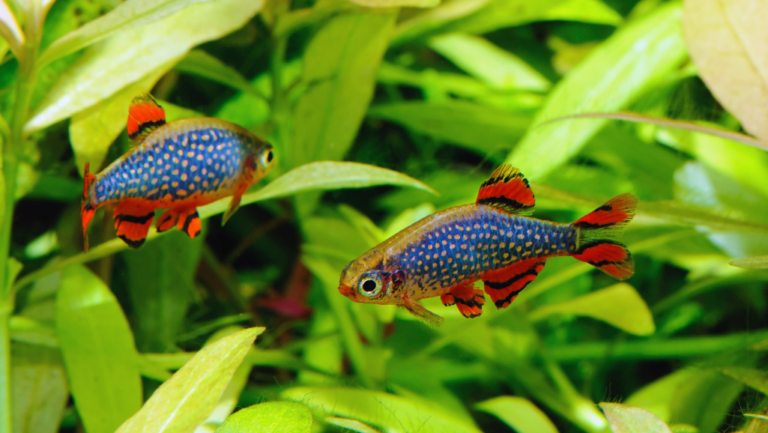
Pick peaceful community fish with similar water preferences: neon tetras, chili rasboras, celestial pearl danios, and otocinclus are common matches. A calm, non-aggressive betta may work if temperament is suitable. Avoid larger or boisterous species that can bully or eat small tank dwellers.

  • Keep a confident group: maintaining a steady school (8–12) unlocks bold, social behavior and reduces skittishness.
  • Shrimp and snails: nerite snails and some dwarf shrimp typically coexist well as cleaners; be aware that tiny shrimp fry may be eaten while adults are usually ignored. Consider Amano or larger shrimp varieties and provide dense cover if you plan shrimp breeders.
  • Provide cover: plants, driftwood, and leaf litter break lines of sight and reduce chasing, helping shy individuals feed and rest.
  • Multiple feeding spots: distribute food across the tank so slow or shy fish get their share when faster feeders are present.

Quick compatibility checklist (water overlap)

  • Neon tetra — pH ~6.5–7.5, temp 72–78°F: good match.
  • Chili rasbora — pH ~6.0–7.0, temp 72–78°F: excellent match for planted nano tanks.
  • Otocinclus — pH ~6.5–7.5, temp 72–78°F: great algae-eating companion if well-fed.
  • Avoid: large barbs, aggressive danios, or cichlids that may nip or eat pygmy corydoras.

“Measured stocking, kind neighbors, and thoughtful scaping produce a serene, endlessly watchable tank.”

Breeding Pygmy Corydoras in the Home Aquarium

Spawning in a home tank responds best to richer diets and a brief, slightly cooler water refresh that mimics seasonal changes. Condition a colony of six or more adults with protein-rich meals for 2–4 weeks. The day before you expect courtship, perform a partial water change with water 2–4°F (1–2°C) cooler than the tank to encourage receptivity in females and increased activity in males.

Preparing and triggering spawning

Feed small, frequent portions of high-quality live or frozen protein (daphnia, cyclops, baby brine shrimp) to improve egg condition. Provide fine-leaved plants such as Java moss or floating roots—these collect single sticky eggs, which females deposit one by one during mating.

Step-by-step breeding protocol (quick)

  • Weeks −4 to −2: Condition adults with frequent small protein feeds and stable water quality.
  • Week −1: Reduce feeding slightly, then perform a cooler partial water change (20–30% with water 2–4°F cooler) to trigger courtship.
  • Watch for courtship behavior and egg deposition on plants or smooth surfaces.
  • After eggs are laid: decide whether to remove parents or transfer eggs to a separate, well-aerated breeding container.

Egg care and hatching

Inspect eggs daily. Fertilized eggs remain translucent yellow-tan; infertile eggs turn opaque white and should be removed to prevent fungal spread. Many breeders transfer eggs to a separate container with gentle aeration and add a small amount of methylene blue as an antifungal precaution—if used, follow product dosages carefully. Natural alternatives include alder cones or activated carbon in a separate rearing tank to reduce fungus risk.

Raising the fry

Hatching typically occurs in 2–5 days depending on temperature. Start fry on microscopic foods such as infusoria or 5–50 micron prepared diets immediately after yolk-sac absorption. Within a few days introduce live baby brine shrimp as they grow, then progress to microworms and finely crushed gel or pellet foods.

“Tiny, consistent feedings and frequent small water changes protect water quality and speed healthy growth.”

  • Tip: Keep dense plants and Java moss in the rearing area to shelter eggs and supply microfauna for the fry.
  • Timeline (weeks 0–4): Days 0–3: infusoria/powdered feeds; Days 3–10: baby brine shrimp; Weeks 2–4: microworms and soft gels, gradually increasing portion sizes.
  • Water care: perform frequent small water changes (10–20% daily or every other day) during early rearing to maintain quality without shocking fry.
  • Goal: Move fry to larger space and larger foods once fully free-swimming and robust.

If you want a printable checklist and more detailed feeding charts, consider adding a dedicated breeding tank and following a stepwise plan to reduce stress on both adults and fry.

Health, Diseases, and Preventive Care

Spotting issues early preserves lives and protects overall water quality. Check your aquarium daily for behavior changes, appetite loss, flashing, clamped fins, or visible lesions so you can respond quickly.

Recognizing common illnesses

Ich typically appears as tiny white spots, increased flashing, and occasional labored breathing. Prompt treatment, combined with steady parameters and good oxygenation, improves recovery chances. “Red blotch” or bleeding patches can indicate bacterial infections (sometimes called Columnaris or other bacterial problems) often triggered by stress; improving water quality and reducing handling are first steps before medicating.

First-response checklist

  • Isolate affected individuals if possible (use a quarantine tank) to limit spread.
  • Test water immediately (ammonia, nitrite, nitrate, pH, temp) and correct any out-of-range values with partial changes.
  • Perform a 25% water change and increase gentle aeration while you investigate.
  • Photograph symptoms and consult reputable references or a fish vet before selecting medications.

Quarantine and safe medication

Quarantine new arrivals for 2–4 weeks to catch parasites early. During quarantine observe appetite, breathing, and feces; treat visible parasites or infections in the quarantine tank rather than the display. Use fish-safe medications and follow product instructions precisely—some treatments (e.g., certain copper compounds) can harm invertebrates and sensitive catfish. If in doubt, consult product documentation or a veterinarian experienced with aquarium fish.

Stress reduction and handling

Keep an appropriate school size so pygmy corydoras feel secure; avoid sudden parameter swings and move fish calmly. Minimize handling and netting, and acclimate new fish slowly to reduce stress-related disease risk.

Cleaning routines and egg protection

Do small, regular water changes to maintain steady quality and protect biofiltration—weekly 20–30% is a practical target for many nano aquariums. Vacuum substrate gently in sections to remove debris without disturbing the whole tank. During breeding, remove infertile eggs promptly to prevent fungus and consider a separate rearing container with gentle aeration for higher success rates.

“Consistency—steady water, measured cleaning, and calm handling—builds resilience in small community fish.”

Oxygenation and monitoring tips

  • Maintain moderate flow and surface agitation to improve oxygen exchange—sponge filters and gentle currents work well.
  • Watch for signs of low oxygen: rapid surface gasping across the group, lethargy, or frantic swimming.
  • Keep a basic test kit on hand and log readings to spot trends before they become crises.

Common Mistakes to Avoid

Small aquariums demand careful choices to keep tiny schooling fish healthy. Avoiding a few predictable errors saves time, money, and lives.

Avoid large or aggressive tank mates. Never mix species that are big enough to eat or intimidate pygmy corydoras—predatory or boisterous neighbors cause chronic stress and injury in a small tank.

  1. Relying on oversized treats: whole bloodworms or large frozen pieces can be too big — chop or rinse treats, or choose micro options like cyclops or tiny frozen morsels. If you overfeed, siphon uneaten food and do a partial water change.
  2. Irregular maintenance: skipping routine care destabilizes water quality. Fix: schedule small, regular upkeep (weekly checks and partial water changes) to protect stability.
  3. Understocking the school: too few pygmy corydoras leads to chronic timidity and poor display. Fix: aim for the recommended group size so social behavior develops.
  4. Wrong substrate choice: sharp gravel damages barbels. Fix: use fine, rounded sand to protect delicate mouthparts and reduce infection risk.
  5. Overfeeding or overcrowding: both accelerate water-quality decline and disease. Fix: portion small feedings, monitor bioload, and keep stocking appropriate for tank size.
  6. Leaving unfertilized eggs: they quickly become fungal sources. Fix: remove infertile eggs promptly during breeding to improve hatch rates.
  7. Strong filter flow: intense currents exhaust tiny catfish. Fix: soften flow with baffles or adjustable outputs to create calm lanes.
  8. Rough handling: fast nets and abrupt moves stress fish. Fix: acclimate slowly, use gentle nets, and minimize handling.
  9. Relying solely on cleanup crews: shrimp and snails help, but they don’t replace deliberate feeding plans. Fix: plan feeding so all fish get proper nutrition and monitor shrimp/snail populations.

“Thoughtful stocking, steady care, and the right foods turn a nano tank into a lasting joy.”

Quick emergency actions

  • Sudden ammonia/nitrite spike: perform an immediate 25–50% water change, reduce feeding, and check filter function.
  • Massive die-off or severe disease signs: isolate healthy individuals, photograph symptoms, and consult a vet or experienced keeper.

Conclusion

With simple, steady care, these tiny catfish reward patience with graceful swimming and lively group behavior.

The pygmy corydoras do best in a planted, stable freshwater nano aquarium where soft water, fine sand, and gentle flow create calm lanes and safe space for the school to roam. For display and reliable social behavior, aim for a group of 8–12—though a minimum functional group can be six, larger groups (8–12) produce the most confident, natural interactions; make sure you balance group size with tank size and filtration.

Feed soft, sinking foods and small live or frozen treats so every fish gets nutrition without excessive competition. If you attempt breeding, follow a patient process: condition adults with protein, provide fine-leaved plants for single sticky eggs, remove infertile eggs promptly, and start fry on microscopic foods before progressing to baby brine shrimp.

Give pygmy corydoras room to shoal, steady water quality, and calm tankmates like snails or small peaceful fish, and your aquarium will reward you daily with movement, charm, and connection to the aquarium hobby.

FAQ

What size tank and group size make these tiny catfish thrive?

Aim for at least a 10-gallon long tank as a practical minimum for a small school; larger footprints (15–20 gallon long) make maintenance easier and give room for fuller groups. Minimum functional group size can be six, but 8–12 pygmy corydoras is ideal for confident schooling and display.

How can I tell the different small Corydoras species apart?

Compare body shape, stripe or spot patterns, and adult size. Corydoras pygmaeus usually shows a thin, continuous horizontal stripe and midwater hovering; C. habrosus is more mottled with a broken stripe, and C. hastatus shows a prominent dark spot at the tail base. Cross-check photos on trusted sites (SeriouslyFish, FishBase) before purchasing.

What substrate and plants protect sensitive barbels?

Use fine, rounded sand or very fine gravel to prevent barbel injury. Dense carpeting plants, Java moss, and floating cover give soft foraging areas and shelter—plus driftwood and leaf litter can add tannins that mimic their natural habitat.

What filtration and flow work best without stressing the fish?

Sponge filters or canister filters with adjustable outputs provide biological filtration and gentle circulation. Aim for low to moderate flow so the school can hover in midwater without being pushed around; pre-filter intakes with sponge guards to protect small fish and fry.

How should I acclimate new arrivals to prevent shock?

Float the transport bag to equalize temperature, then drip in tank water slowly over 30–60 minutes. Transfer fish with a net rather than pouring bag water into the tank to limit pathogen introduction. Gentle acclimation reduces stress and helps them settle quickly.

What water parameters are ideal for comfort and breeding?

Keep temperature around 72–78°F, pH near neutral to slightly acidic (about 6.2–7.5), and aim for soft to mildly mineralized water depending on your source. Stability matters more than exact numbers; mild tannins from driftwood or leaf litter can encourage natural behavior and spawning.

How often should I perform water changes to maintain stability?

Perform weekly 20–30% water changes as a general guideline, adjusting frequency and volume based on bioload and tank size. Use dechlorinated, temperature-matched water and consider blending or using remineralizers if your tap water is hard.

What do these catfish eat daily and how to offer protein boosts?

Offer sinking wafers, nano pellets, and gel foods like Repashy as daily staples. Supplement 2–3× per week with small live or frozen items such as daphnia, cyclops, or baby brine shrimp for protein. Feed small amounts several times daily so bottom and midwater feeders can access food without being outcompeted.

Will they eat baby brine shrimp and are bloodworms safe to feed?

Yes—live baby brine shrimp are excellent for fry and adults as a digestible protein source. Frozen or live bloodworms can be offered occasionally but are often high in fat and may need chopping or careful portioning for tiny mouths.

Which tankmates are best for a peaceful community setup?

Choose small, non-aggressive species like ember tetras, chili rasboras, nerite snails, otocinclus, and dwarf shrimp (provide dense cover if you keep shrimp). Avoid larger or nippy fish that can stress or eat pygmy corydoras.

How do I condition adults for breeding at home?

Boost protein in the diet for 2–4 weeks and perform a slightly cooler partial water change (2–4°F / 1–2°C cooler) to mimic seasonal cues. Provide fine-leaved plants or Java moss for egg attachment and keep the group well-fed and calm to trigger courtship.

What is the egg-laying process and where are eggs usually placed?

Females attach single sticky eggs to plant leaves, glass, or other smooth surfaces. Eggs are small and translucent; infertile eggs turn opaque and should be removed to reduce fungus risk. Gentle filtration and low light help protect developing eggs.

How do I prevent fungus on eggs and ensure good hatch rates?

Remove infested eggs, keep water clean with light aeration, and consider moving eggs to a separate rearing container with sponge filtration. Some keepers use a small dose of methylene blue in a dedicated hatching container—always follow product instructions and consider natural options like alder cones.

What do fry eat once they hatch and how soon should I provide live food?

Start fry immediately on powdered infusoria or 5–50 micron prepared diets, then introduce live baby brine shrimp a few days later as they grow. Feed tiny, frequent portions and keep up with frequent small water changes to maintain water quality.

What signs indicate disease like Ich or red blotch early on?

Watch for white spots, flashing, clamped fins, lethargy, red patches, or loss of appetite. Early detection, improving water quality, quarantine, and targeted treatment greatly improve outcomes.

How can I reduce stress and keep my group healthy?

Maintain stable parameters, avoid sudden changes, provide hiding spots, and keep an appropriate group size. Regular gentle water changes, balanced diet, and calm handling help these small community fish thrive.

What common mistakes should I avoid when keeping these tiny catfish?
Don’t overcrowd, use abrasive substrate, or rely solely on occasional feeding. Avoid abrupt chemistry or temperature swings and keep aggressive tankmates away. Thoughtful setup and consistent care prevent most problems.
aquarium filter
Aquarium Filter Guide: Find the Perfect Filter for Your Tank
Find a clearer, calmer, more dependable home for your fish. This guide promises practical advice to match...
Fish Feeding Guide
Complete Fish Feeding Guide for Aquarium Owners
Proper fish nutrition is the foundation of a healthy aquarium. Whether you’re a beginner setting up your...
Boesemani Rainbow Fish
Care and Breeding of Boesemani Rainbow Fish
Meet the Boesemani Rainbow fish, one of the most striking freshwater species in the aquarium hobby. Valued...
Freshwater Fish
Discover the World of Freshwater Fish
Freshwater Fish: 10 Top Species for Home Aquariums — explore the amazing world of freshwater fish! There...
Water parameters testing kit
Aquarium Setup Guide for Beginners
Dive into the world of aquarium basics and begin your Aquarium Setup with confidence. Setting up your first fish tank is exciting — it brings a miniature underwater world into your home and teaches the essentials of water care and tank management. Choosing the right tank size matters: options range from a compact 5-gallon desktop tank to a large 45-gallon display. Keep in mind a full tank’s weight adds up quickly — water alone is roughly 8.34 pounds per gallon, so a 45-gallon tank plus gravel and stand can be several hundred pounds; pick a sturdy location and check floor or stand capacity. Start with the right equipment: a reliable filter, an appropriately sized heater and thermometer, and aquarium lighting. You’ll also need water conditioner, substrate or gravel, and a few decorations or rocks for hiding places and background interest. Adding live plants improves appearance and helps maintain water quality. Key TakeawaysAquariums commonly range from 5 to 45 gallons — choose by space, budget, and the fish you want Essential equipment includes a quality filter, heater, lighting, and water conditioner Allow at least 48 hours for initial water stabilization (filter, heater, and dechlorination) but plan for a full biological cycling period of several weeks before stocking Choose tank size and placement carefully — weight and nearby power outlets matter Live plants enhance aesthetics and contribute to water quality and biological filtrationIntroduction to the Fascinating World of Aquariums An Aquarium Setup brings a slice of the underwater world into your home and makes an inspiring, living focal point. Whether you want a relaxing hobby, a teaching tool, or a planted aquascape, understanding the basics will help you create a healthy aquarium that fits your space and lifestyle. What is an aquarium? An aquarium is a sealed or open container that holds water, fish, plants, and other aquatic life to create a small, balanced ecosystem. Aquariums come in many sizes — from tiny desktop tanks to large room-sized displays — and each size affects equipment, stocking, and maintenance needs. Benefits of keeping an aquarium Keeping an aquarium offers many benefits: it can reduce stress, improve mood, and add unique visual interest to your home. Learning water care and tank maintenance builds responsibility and an appreciation for aquatic environments, and watching fish can even have measurable calming effects. Types of aquariums Choose the type of aquarium based on your experience and goals. Freshwater aquariums are the most beginner-friendly and work well with community fish like guppies, tetras, and corydoras. Saltwater aquariums unlock colorful marine species and reef life but require more advanced water chemistry control. Planted aquariums focus on aquatic plants (Java fern, Anubias, Amazon sword) and create a lush, natural environment that supports biological filtration.Aquarium TypeDifficulty LevelSuitable ForFreshwater Beginner Tropical community fish, easy-care plantsSaltwater Advanced Marine fish, corals, invertebratesPlanted Intermediate Aquatic plants, small schooling fishFor most beginners, a 20–30 gallon freshwater aquarium is an excellent choice: it’s large enough to provide stable water conditions and room for a small community of fish while still being manageable for setup and maintenance. Remember that preparing a tank for fish includes a biological cycling period — typically 4–6 weeks — so plan your Aquarium Setup timeline accordingly. Choosing the Right Aquarium for Your SpacePicking the right tank means balancing size, location, and your lifestyle. Your choice affects how the aquarium looks in your home and how easy it is to maintain water quality and temperature for healthy fish. Understand the weight: water weighs about 8.34 pounds per gallon. Add substrate and decorations (roughly 1.5–2 pounds per gallon) plus the glass and stand—so a 45-gallon tank full of water and gravel can weigh several hundred pounds. Make sure the floor or stand can support the combined weight before you fill the aquarium. Location matters. Place the tank away from direct sunlight and heat sources to avoid temperature swings and algae problems. Most tropical freshwater fish do well between about 75° and 80°F, but always match temperature to the species you plan to keep. Plan equipment access: position the tank near a grounded outlet for filters, heaters, and lighting, and make sure there’s room to service the aquarium. Space and maintenance needs depend on the aquarium type. Freshwater setups are the easiest for beginners; popular starter fish include:Guppies Tetras Betta fish Corydoras catfish Zebra DaniosIf you move to saltwater later, consider hardy starter species like clownfish, damselfish, gobies, or blennies—saltwater tanks typically require tighter water chemistry control and more equipment. Essential Equipment for Your Underwater Ecosystem Creating a thriving aquarium requires the right equipment—choose gear that matches your tank size, the species you plan to keep, and how hands-on you want to be. The right setup makes maintaining water quality and a stable environment much easier. Filtration Systems Filtration systems remove physical debris, support beneficial bacteria, and help keep water chemistry stable. Aim for a filter that turns over the tank volume several times per hour—many hobbyists use a 3–5x turnover guideline for lightly stocked community tanks, while higher bio-loads may need faster turnover. For a 20-gallon tank this often translates to a filter rated around 60–100 gph; canister or hang-on-back filters are popular for larger tanks, while small internal filters suit desktop tanks.When to choose canister/external: larger tanks, heavy stocking, quiet operation. When to choose internal/hang-on-back: smaller tanks, budget setups, easier maintenance.Heaters and Thermometers Aquarium heaters keep the water within a stable temperature range. A common rule is 3–5 watts per gallon for tropical tanks as a starting point—adjust up if the room is cool or the tank is large. Always use a reliable thermometer and consider a heater with a built-in thermostat to avoid dangerous swings. Lighting Options Lighting showcases fish colors and supports plant growth. For basic fish-only tanks, modest LED fixtures are energy-efficient and low-heat. For planted tanks, focus on PAR (photosynthetically active radiation) or lumens suitable for your plant selection instead of relying solely on watts-per-gallon (the watts rule is outdated for modern LEDs). High-light planted tanks need stronger fixtures and possibly a CO2 system. Air Pumps and Decorations Air pumps and air stones increase surface movement and oxygen exchange—useful in heavily stocked tanks or where additional circulation is needed. Decorations—gravel or other substrate, rocks, driftwood, and background pieces—create hiding spots and visual depth. Use an appropriate substrate depth for plants and species (many hobbyists use 1–2 inches for basic setups, with about 1–2 lbs per gallon of substrate as a guideline), and position larger decorations toward the back to create a natural background and open swimming space up front.EquipmentRecommendationFilter Turnover several times/hour (3–5x for light loads; choose capacity by tank and stocking)Heater Start around 3–5 watts per gallon for tropical tanks; use thermostat controlLighting LED preferred; choose PAR/lumen level by plant needs rather than strict W/galSubstrate 1–2 lbs per gallon typical; deeper for rooted plantsUnderstanding Water Chemistry and Parameters Maintaining correct water chemistry is the foundation of a healthy aquarium. Key parameters to monitor are pH, ammonia, nitrite, nitrate, and water hardness (GH/KH). Regular testing lets you spot issues early and keep the aquarium environment stable for fish and plants. pH measures how acidic or alkaline the water is. Most common tropical freshwater species do well in a pH range near 6.5–7.5, but individual needs vary—research your chosen fish and plants and avoid sudden pH swings. Carbonate hardness (KH) acts as a buffer that helps hold pH steady. Ammonianitrite are toxic even at low concentrations. The safe target for both is 0 ppm; sustained measurable levels can damage gills and reduce oxygen transport. Nitrate is less toxic but should be kept low (many hobbyists aim for under ~20 ppm for sensitive communities) because high nitrate over time can stress fish and affect growth and breeding. Water hardnessParameterIdeal RangeEffectsAmmonia 0 ppm Toxic; causes gill and respiratory stressNitrite 0 ppm Impairs oxygen transport; toxicNitrate <20 ppm (target varies by species) Chronic stress, impacts growth and breedingpH 6.5–7.5 (species-dependent) Too high/low causes stress; match species needsGH 4–8 dGH (general guideline) Affects osmoregulation; varies by speciesHow to test and correct issues: use reliable test kits or strips for regular monitoring (weekly at minimum during setup or after changes). If ammonia or nitrite appears, perform partial water changes (10–20%) and reduce feeding; add biological enhancers (beneficial bacteria products) to speed recovery. To raise GH/KH, use aquarium-specific remineralizers; to lower hardness or pH slowly, use RO/DI water mixed with tap water or purpose-made buffers—always change parameters gradually and retest. Make sure you dose products according to instructions and consider the needs of both fish and live plants when adjusting levels. Aquarium Basics: Setting Up Your Tank Setting up your aquarium is the hands-on part of your Aquarium Setup — a few careful preparation steps will create a stable, attractive environment for fish and plants. Follow these steps to position, dress, and fill your new aquarium correctly. Preparing the Tank Start by rinsing the tank with warm water only — never use soap or household cleaners because residues can be toxic to fish. Place the tank in its final location on a sturdy, level stand that can support the filled weight. Make sure the floor and stand are rated for the combined weight of glass, water, substrate, and decorations. Double-check the place for nearby grounded outlets for the filter, heater, and lighting, and avoid spots with direct sunlight or large temperature swings. Adding Substrate and Decorations Choose substrate based on your goals: inert gravel or sand for community tanks, nutrient-rich substrate for planted aquariums. For a 20-gallon tank you’ll typically need about 30–40 pounds of substrate (the common guideline of ~1.5–2 lbs per gallon is a useful starting point) — rinse it thoroughly until the water runs clear to remove dust. Arrange larger items like rocks and driftwood toward the back to build a natural background and leave open swimming space in front. Use caves or plants to provide hiding spots. Place heavier decorations directly on the substrate and avoid sharp edges that could damage fish or silicone seams. Filling the Tank and Treating Water When you fill aquarium water, pour slowly onto a plate or saucer resting on the substrate to avoid disturbing the layout. Treat tap water with a quality water conditioner to remove chlorine and chloramine and to detoxify metals. Install the heater and thermometer, aim for a general starting temperature around 76–78°F for many tropical community fish (adjust for species), and make sure the heater is fully submerged and functioning before adding livestock.Clean tank thoroughly with warm water only Add substrate (≈1.5–2 lbs per gallon) and rinse well Position decorations for aesthetics and fish safety; create background depth Fill aquarium slowly onto a plate; treat water with conditioner Install filter, heater, and thermometer; verify operationWith equipment running and water treated, your tank is ready to begin the cycling process. For fishless cycling, add a source of ammonia (fish food or pure ammonia) and beneficial bacteria products to jump-start the nitrogen cycle — follow product instructions and monitor parameters closely during the several-week setup period. Cycling Your Aquarium: The Crucial First StepAquarium cycling establishes the beneficial bacteria colonies that convert toxic waste into less harmful compounds — the core of the nitrogen cycle. Ammonia (from fish waste and uneaten food) is converted to nitrite by one group of bacteria, and nitrite is then converted to nitrate by another group. Without a completed cycle, ammonia and nitrite can build up and harm fish. How long it takes: most new aquarium setups form a stable bacterial community in about 4–8 weeks, depending on temperature, stocking, and whether you seed the tank with bacteria. During cycling, maintain stable conditions (avoid big daily pH or temperature swings). Aim for comfortable tropical temperatures around 76–82°F for most setups — higher temperatures speed bacterial activity but can stress some fish and plants, so match the temperature to your target livestock. Testing schedule and safe thresholds: test ammonia, nitrite, and nitrate regularly — every few days during active cycling, then weekly once established. The safe targets are 0 ppm for ammonia and nitrite; nitrates will rise as the cycle completes and are ideally kept below ~20 ppm for sensitive communities. If ammonia spikes above ~0.25–0.5 ppm, perform a partial water change (10–20%) and reduce any sources of ammonia (feed less, remove decaying matter).ParameterAcceptable Range / GoalTesting Frequency (during cycle)Ammonia 0 ppm (action if >0.25–0.5 ppm) Every 2–3 daysNitrite 0 ppm (end goal) Every 2–3 daysNitrate Detectable during cycle; keep <20 ppm for sensitive tanks Every 3–7 daysTwo common cycling methods:Fishless cycling (recommended): add a controlled ammonia source (pure ammonia or a measured amount of fish food) and optionally a bottled beneficial bacteria product to establish bacteria without exposing fish to toxins. This method is kinder and allows you to bring ammonia/nitrite to measurable levels for bacteria to colonize safely. Fish-in cycling (less recommended for beginners): add a few hardy fish and monitor carefully. Keep feeding minimal, test frequently, and perform small, regular water changes to keep ammonia and nitrite in safe ranges.Practical timeline example (fishless): Day 0 — set up tank, add substrate, start filter and heater; Day 1 — dose ammonia or fish food and add bacteria starter; Week 1–2 — monitor levels, add bacteria as directed; Week 3–6 — watch ammonia and nitrite peak and fall; when ammonia and nitrite are consistently 0 and nitrates are present, the tank is cycled and ready for gradual stocking. Throughout, make sure you adjust only one parameter at a time, perform partial water changes as needed, and avoid rapid temperature swings. Selecting Fish for Your AquariumChoosing the right fish is vital to a healthy Aquarium Setup. Think about tank size, water parameters, temperament, and long-term adult size to create a compatible, low-stress community. Popular Beginner-Friendly Fish Species These species are forgiving and make great first fish for a freshwater aquarium:Guppies — colorful, livebearers, easy to feed Tetras (neon, cardinal) — small schooling fish that thrive in groups Bettas — bright and hardy, best kept singly or in carefully planned communities Corydoras catfish — peaceful bottom-dwellers that help clean the substrateFor saltwater beginners, hardy options include clownfish, damselfish, gobies, and blennies — but note that saltwater tanks generally require tighter water chemistry control. Compatibility Considerations — Do / Don’tDo check temperament: avoid mixing aggressive species with peaceful community fish. Do match water needs: schooling species prefer consistent temperatures and pH suited to their group. Do consider adult size: plan stocking around full-grown fish, not juvenile size. Don’t overcrowd: avoid impulse additions — add fish slowly over weeks to let filtration and bacteria adjust. Don’t mix very different water types (e.g., freshwater and saltwater species).Stocking Guidelines and Quick Reference Stock carefully — understocking is safer than overstocking. Here are common minimums and group suggestions for beginner species:Fish TypeMinimum Tank SizeGroup SizeGuppies 10 gallons 3–5Neon/Cardinal Tetras 20 gallons 6+Bettas (male) 5–10 gallons 1 (or community with compatible species)Goldfish (common) 20–50 gallons per fish 1–2 (varies by species)Quick match tip: guppies and tetras prefer similar warm, slightly acidic to neutral freshwater; corydoras like soft substrate and will appreciate a group; goldfish need much larger, cooler tanks and produce more waste. Before buying, make sure you research each species’ temperature, pH, and hardness needs and use a compatibility chart or tool to double-check pairings. Introducing Live Plants to Your Aquatic EnvironmentAdding live plants turns your aquarium into a living, breathing underwater garden. Plants uptake carbon dioxide and some nitrogenous waste, help stabilize water chemistry, provide shelter for fish, and improve the natural appearance of your tank while contributing to biological filtration. Choose plants based on light needs and maintenance level. Low‑light, easy-care options for beginners include Java fern and Anubias (attach to wood or rocks) and Cryptocoryne (rooted). For mid- to high-light setups, Amazon sword and stem plants grow faster and fill space quickly. Lighting for planted tanks should be matched to plant needs. LED fixtures are efficient and run cool; rather than relying only on watts-per-gallon (an outdated rule for modern LEDs), consider PAR or lumens and the plant types you want. As a general guideline, aim for 8–10 hours of light daily for many planted tanks, reducing hours slightly if you see algae problems or increasing light intensity for demanding species. Fertilizers keep plants healthy: choose substrate fertilizers for rooted plants, root tabs for heavy root feeders, or liquid fertilizers for regular dosing through the water column. If you want faster growth and a fuller planted look, consider CO2 injection (pressurized CO2) or liquid carbon products for lower-tech tanks — dose carefully and monitor water parameters.Improves water quality and oxygen dynamics Provides shelter and breeding sites for fish Enhances natural appearance and background depth Contributes to biological filtration and nutrient uptakeTiming and setup tips: allow planted layouts to settle before heavy stocking — many hobbyists wait 2–3 weeks after planting before adding fish, though longer is better if you’re establishing a robust plant system. Make sure you check pH, GH/KH, and nitrate levels before stocking and adjust slowly. To minimize algae, balance light, nutrients, and grazing pressure (snails or algae-eating fish) and avoid direct sunlight on the tank.Plant TypeLight RequirementGrowth RateDifficultyJava Fern Low to Medium Slow EasyAnubias Low to Medium Slow EasyAmazon Sword Medium to High Moderate ModerateCryptocoryne Low to Medium Slow EasyFeeding Your Fish: Proper Nutrition and SchedulesFeeding your fish the right foods on a consistent schedule is essential for a healthy aquarium. Overfeeding is one of the most common mistakes and leads to poor water quality, algae, and sick fish—so aim for measured, species-appropriate portions. Adult community fish typically do well with one feeding per day; younger or fast-growing fish may need 2–3 small feedings. Offer only what your fish can fully consume in about five minutes and remove uneaten food promptly to prevent ammonia spikes. Different species have different dietary needs: herbivores need more plant-based matter, omnivores benefit from a mix, and carnivores require protein-rich foods. As a starting guideline, many hobbyists feed roughly 1%–3% of a fish’s body weight per day (adjust by species and activity). For nocturnal species, feed in the evening when they are active. Provide nutritional variety: use quality flakes or pellets as a staple, supplemented with frozen or freeze-dried foods, algae wafers for herbivores, and occasional live or frozen protein treats. Tailor the feeding schedule to your tank’s inhabitants and observe appetite and waste as guides to adjust portions.Fish TypeFeeding FrequencyFood Amount / NoteGuppies Once daily Small portions; variety of flakes and micro pelletsTetras Once daily Consumed within ~5 minutes; feed in small amountsBettas Once daily (or 5x/week) Protein-rich pellets or frozen foods; avoid overfeedingYoung Fish / Fry 2–3 times daily Small, frequent portions; appropriate-sized foodDo not overfeed—it’s safer to underfeed than overfeed. Adult fish can sometimes tolerate a missed meal, but juveniles need more consistent feeding. Monitor your fish and tank parameters; if you see increased waste or rising ammonia/nitrite, reduce food immediately. With a good feeding schedule and balanced nutrition, your fish will thrive and your aquarium water will stay cleaner. Regular Maintenance and Care RoutinesConsistent maintenance keeps your aquarium healthy, your water clear, and your fish thriving. Use a simple calendar of daily, weekly, and monthly tasks to make upkeep manageable and ensure filtration and water chemistry stay stable. Maintenance calendar (quick)Daily: Check fish for unusual behavior, top off evaporated water, and make sure equipment (filter, heater, lights) is running. Weekly: Test water parameters (ammonia, nitrite, nitrate, pH) and remove 10–20% of the water for a partial change as needed; siphon the substrate to remove debris. Monthly: Rinse mechanical filter media in removed tank water, replace chemical media if required, trim plants, and deep-clean glass or background as needed.Water changes and substrate cleaning Regular partial water changes remove dissolved wastes and replenish trace elements. A common approach is 10–25% weekly or 20–25% every 2–4 weeks depending on stocking and nitrate levels—adjust to your tank’s needs. Use a gravel vacuum to remove uneaten food and waste from the bottom; make sure you vacuum gently around plants and avoid removing too much beneficial substrate if using planted or seeded media. Filter care and filtration tips Filters are the heart of aquarium filtration—maintain them to protect beneficial bacteria. Clean mechanical media (sponges, pads) in tank water you remove during a water change to avoid killing bacteria with chlorinated tap water. Replace chemical media (activated carbon, resins) on the schedule recommended by the manufacturer (commonly every 4–6 weeks). Biological media should usually be left alone unless damaged—keep it wet and in tank water while cleaning other parts. Monitoring fish health and environment Watch fish daily for appetite, unusual swimming, or visible signs of illness. Keep tank temperature steady (many tropical community fish do well between 74–82°F / 23–28°C) and check the thermometer after maintenance. Test water weekly with a reliable test kit and act quickly on out-of-range readings: partial water changes, reducing feeding, and checking filter flow are common corrective steps.Use a test kit weekly (API MASTER TEST KITS or similar) When cleaning filter media, rinse in removed aquarium water — never tap water Keep spare replacement media and basic supplies on hand (carbon, replacement pads, water conditioner) Make sure you verify heater and thermometer after major maintenanceRegular, predictable maintenance prevents most issues. By testing water, caring for filters, and observing fish behavior, you’ll maintain a stable home and reduce the chance of surprises. Troubleshooting Common Aquarium Issues Aquarium problems can occur even with careful care. The most important tool for prevention and diagnosis is regular testing of water parameters (pH, ammonia, nitrite, nitrate) and observing fish behavior. Below are common symptoms, likely causes, and clear actions to fix them.SymptomLikely CauseActionCloudy or green water Free-floating algae bloom (excess light or nutrients) Reduce lighting hours/intensity, cut feeding, perform a 20–30% water change, consider an algae-eating cleanup crew; test nitrates and phosphates.Brown film on glass or decorations Diatoms (common in new aquariums) Light scrubbing, regular water changes, and patience; diatoms often decline as the tank matures.Fish gasping at surface Low oxygen, high ammonia, or chlorine in tap water Test ammonia and nitrite immediately; increase surface agitation (filter/outflow), perform a partial water change, and make sure water was treated with conditioner to remove chlorine/chloramine.High ammonia or nitrite readings Incomplete cycle, overfeeding, or overstocking Do a 10–30% water change, reduce feeding, check filter function, add beneficial bacteria boosters if desired, and test daily until levels drop.Persistent algae on plants Light/nutrient imbalance or low plant competition Adjust light duration (try 7–8 hours), dose appropriate fertilizers carefully, add fast-growing plants or algae grazers, and avoid direct sunlight.Consolidated routine fixes and checks:Test water weekly (more often if issues arise) and record results to spot trends in levels. Perform partial water changes routinely—10–25% weekly is a common approach; adjust frequency based on stocking, nitrate readings, and tank demands. Quarantine new fish for 2–4 weeks in a separate tank to prevent introducing disease to your display. When treating problems, change only one variable at a time (e.g., light or feeding), and retest to assess the effect.If you see a problem, act quickly but calmly: test first, then apply the least invasive correction (partial water changes, reduce feeding, improve filtration). Make sure you document what you change so you can repeat successful fixes and avoid compounding issues. A stable environment and consistent care are the best defenses against most aquarium problems. Conclusion Starting the aquarium hobby brings a living piece of nature into your home and rewards careful planning and consistent care. Create a realistic action plan: choose an appropriate tank size, set up reliable equipment, and learn to manage water quality and stocking over time. Quick starter recommendations: for most beginners a 20–30 gallon freshwater aquarium is a practical balance of stability and manageability; a larger 55-gallon tank is also excellent if you have the space and support. When planning, account for glass, substrate, decorations, and water weight so your stand and floor can safely carry the load. Successful fish keeping depends on steady routines more than perfect knowledge: pick the right filters, maintain regular water testing and changes, and choose fish that match your tank’s conditions. Adding live plants improves the tank’s appearance and supports biological filtration, but plan their lighting, substrate, and nutrient needs before stocking heavily. Actionable next stepsChoose your tank size (20–30 gal recommended for beginners) and confirm the place and stand can support the filled tank. Gather essential equipment: filter sized for your tank, heater + thermometer, LED lighting, substrate, and a water test kit. Set up and start the tank, then cycle it (fishless cycling recommended) — expect 4–6 weeks for a stable bacterial community. Stock slowly, research each species’ adult size and water needs, and quarantine new fish before adding them to the display.FAQ (short answers) What is an aquarium? An aquarium is a contained aquatic environment for fish, plants, and other organisms — a small ecosystem you manage for health and balance. What types of aquariums are there? Common types are freshwater, saltwater (marine/reef), planted (focus on aquatic plants), and brackish; freshwater is best for most beginners. How do I pick size and location? Pick a size that fits your space, budget, and the fish you want. Place the tank away from direct sunlight, near a grounded outlet, and on a sturdy, level stand. What equipment do I need? Basic equipment includes a filter, heater, lighting, thermometer, and water testing kit; decorations like gravel and background items improve appearance and provide hiding places. Why is water chemistry important? Water chemistry (pH, ammonia, nitrite, nitrate, GH/KH) determines fish health; test regularly and correct issues gradually to avoid stress. How do I set up the tank? Clean and level the tank, add substrate and decorations, fill aquarium slowly with treated water, install equipment, and begin cycling before stocking. What is cycling? Cycling establishes beneficial bacteria that convert ammonia to nitrite and then nitrate; fishless cycling is recommended and typically takes 4–6 weeks. How do I choose fish? Match fish to tank size and water parameters, consider temperament and adult size, and add fish gradually to avoid overloading filtration. Should I add live plants? Yes—live plants add beauty and biological benefits, but select species appropriate for your lighting, substrate, and maintenance level. How do I maintain the tank? Follow a routine of daily checks, weekly testing and partial water changes, and monthly filter and substrate care to keep the environment stable. Ready to get started? Download our Aquarium Setup Checklist or shop a beginner starter kit to simplify your setup and make sure you have the right equipment and supplies for success....

Leave a Reply

Your email address will not be published. Required fields are marked *