Dutch Aquascape: The Ultimate Guide to Beautiful Aquariums

Creating a stunning underwater garden is an art form that combines creativity and precision. The Dutch style of aquascaping, originating in the 1930s, has become a timeless method for designing breathtaking aquariums. This approach focuses on lush, healthy plants arranged in meticulous groupings to create a visually striking display.

Rooted in the Netherlands, this style emphasizes the health and vibrancy of aquatic plants. By carefully selecting and arranging different species, you can achieve a balanced and harmonious look. The focal point of the design often features bold, colorful plants that draw the eye and add depth to the layout.

Beyond aesthetics, a well-designed aquarium also promotes a healthy ecosystem. This guide will walk you through the essentials, from equipment and layout techniques to plant selection and maintenance. Whether you’re a beginner or an experienced hobbyist, mastering the Dutch Aquascape style can transform your aquarium into a living masterpiece.

Key Takeaways

  • Dutch aquascaping focuses on lush, healthy plants and meticulous grouping.
  • Originating in the 1930s, this style has a rich history and refined techniques.
  • Creating a focal point with bold plants enhances visual appeal.
  • A balanced aquarium promotes both aesthetics and a healthy ecosystem.
  • This guide covers essential topics like equipment, layout, and plant care.

Introduction to Dutch Aquascaping and Aquarium Design

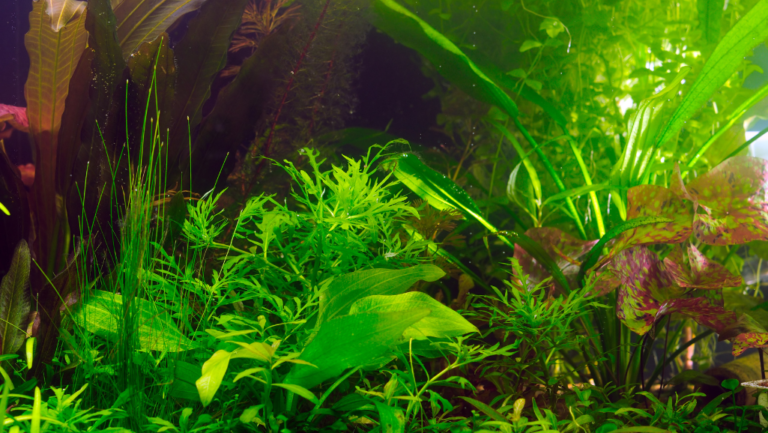
A lush aquarium is more than just a tank; it’s a living masterpiece of plant arrangement. This style focuses on creating a vibrant underwater garden where plants take center stage. Unlike other designs that rely on rocks or driftwood, this approach emphasizes the beauty of aquatic plants arranged in meticulous groups.

What is Dutch Aquascaping?

This style is defined by its detailed plant grouping and layout. Instead of using hardscapes like stones or wood, the focus is entirely on the plants. Each group is carefully chosen and placed to create a harmonious and balanced look. This method allows the plants to become the central design element, transforming the aquarium into a lush, green paradise.

The unique aesthetic of this style sets it apart from other aquascaping methods. By removing traditional hardscapes, the plants are given full attention, creating a striking visual impact. The result is a tank that feels like a natural underwater garden, filled with vibrant colors and textures.

Benefits of a Lush Underwater Garden

Cultivating a lush underwater garden offers more than just visual appeal. It promotes natural growth and maintains a healthy ecological balance. Plants work together in groups, creating harmony and contrast throughout the aquarium. This not only enhances the beauty of the tank but also supports a thriving ecosystem.

By focusing on plant arrangement, this style encourages creativity and precision. Each plant group is carefully selected to complement the others, resulting in a cohesive and stunning design. Whether you’re a beginner or an experienced hobbyist, this approach offers endless possibilities for creating a breathtaking underwater world.

History and Evolution of the Dutch Aquascape Style

aquascape history

The art of designing underwater landscapes has a rich history that dates back to the 1930s. This unique approach, rooted in the Netherlands, emphasizes lush plant arrangements and meticulous design. Over the decades, it has evolved into a refined method that continues to inspire hobbyists worldwide.

Origins and Early Pioneers

In the 1930s, the Dutch Society for Aquarists (NBAT) played a pivotal role in shaping this style. Early pioneers focused on creating vibrant underwater gardens using carefully selected plant species. Their goal was to achieve a harmonious balance that highlighted the natural beauty of aquatic plants.

The NBAT introduced guidelines to maintain the purity of this style. These rules emphasized the importance of grouping plants and avoiding excessive hardscapes. This approach allowed the plants to take center stage, creating a striking visual point in every aquarium.

Milestones and Changing Trends

Over the years, this style has seen significant milestones. The introduction of advanced CO₂ systems in the 1960s revolutionized plant growth, enabling hobbyists to cultivate more challenging species. Lighting technology also evolved, transitioning from T8 to T5HO fixtures to support higher light requirements.

Trends have shifted to incorporate new techniques and tools. For example, the careful selection of fish and invertebrates has become an essential part of the design process. These additions complement the plant arrangements, enhancing both aesthetics and ecological balance.

Today, this style remains a cornerstone of modern aquarium design. Its continual refinement ensures it stays relevant, offering endless possibilities for creating breathtaking underwater worlds.

Mastering the dutch aquascape: Principles and Techniques
aquascape principles

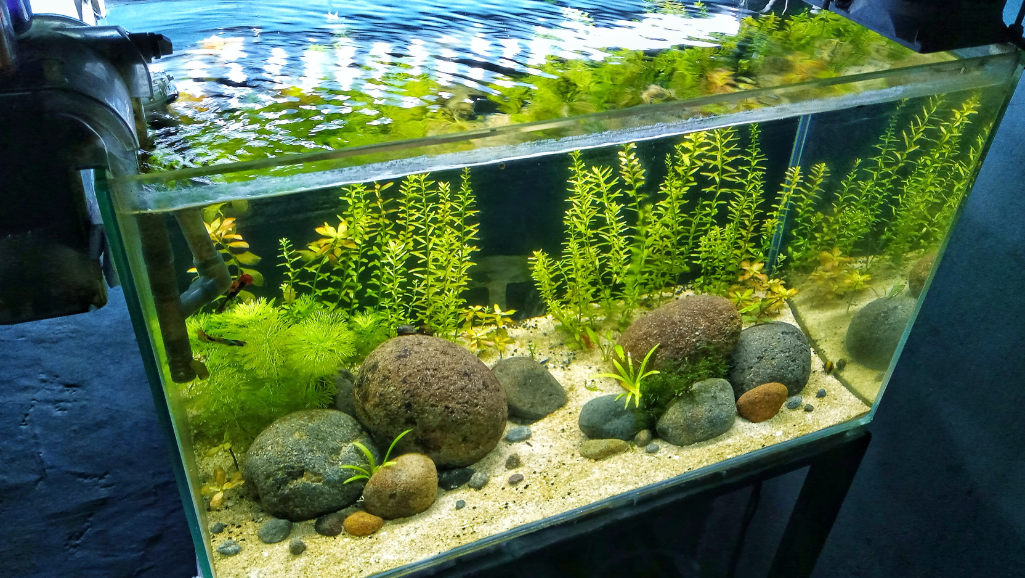
Achieving depth and contrast in an aquarium is both a science and an art. The key lies in mastering the principles of plant grouping and strategic placement. By focusing on these techniques, you can create a dynamic, multi-layered composition that captivates the eye.

Core Principles of Plant Grouping

Grouping aquatic plants is essential for building a visually appealing layout. Start by selecting stem plants that vary in height and texture. Place taller plants in the background and shorter ones in the foreground to create a sense of depth.

To avoid monotony, balance contrast within dense groupings. Combine plants with different leaf shapes and colors. For example, pair broad-leafed species with fine-textured ones to add visual interest.

While rocks can be used, they should be minimized or placed subtly. Their role is to support the natural layout without overshadowing the plants. This approach keeps the focus on the lush greenery.

Strategic Placement of Stem Plants

Stem plants are a cornerstone of this style. Their vertical growth helps establish depth and structure. Arrange them in clusters, leaving space between groups to enhance distinction and allow for growth.

Midground plants should be one-third to half the height of the tank. This placement creates a seamless transition between the foreground and background, adding to the overall harmony.

Balancing Contrast and Harmony

Contrast is vital for a striking design. Avoid symmetry and ensure each plant group stands out. Use the “20-foot Squint Eye Test” to assess visual distinction from a distance. This technique ensures clarity and balance in your layout.

Continuous trimming is crucial to maintain the intended design. Regular pruning prevents overcrowding and keeps the arrangement looking sharp and organized.

By following these principles, you can transform your aquarium into a breathtaking underwater garden. Focus on depth, contrast, and careful organization to achieve a cohesive and stunning design.

Selecting the Right Plants for a Lush Underwater Garden
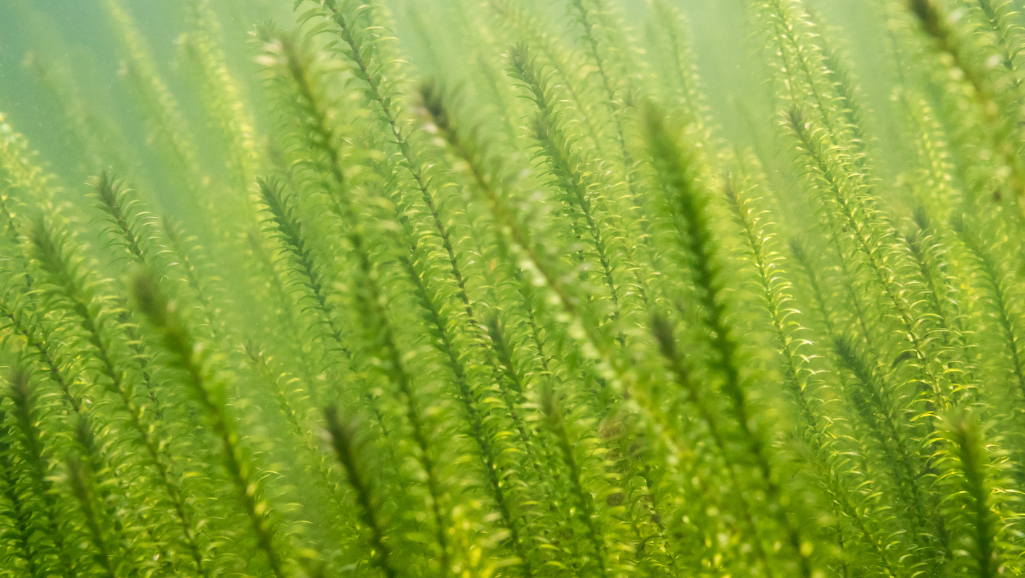
lush underwater garden

Designing a lush underwater garden starts with selecting the right plants for your layout. The key to success lies in choosing plant species that thrive densely and complement each other. By focusing on high-density planting and strategic grouping, you can create a vibrant and balanced aquarium.

High-Density Planting Strategies

High-density planting is essential for achieving a lush and vibrant look. Start by selecting fast-growing stem plants like Rotala rotundifolia or Hygrophila polysperma. These species grow quickly and densely, providing a rich backdrop for your aquarium.

Arrange plants in clusters to create distinct groupings. This approach enhances the layout and ensures each species stands out. Use taller plants in the background and shorter ones in the foreground to add depth and texture.

Regular trimming is crucial to maintain density and prevent overcrowding. Prune fast-growing plants to encourage bushier growth and keep the arrangement looking sharp.

Choosing Focal and Accent Species

Focal and accent plants play a vital role in defining the layout. Choose bold species like Cryptocoryne wendtii or Anubias barteri var. nana to create striking visual points. These plants add contrast and draw the eye to key areas of the tank.

For accents, consider rosette forms like Echinodorus tenellus or Glossostigma elatinoides. These species add texture and fill gaps between larger groupings. Their vibrant colors and unique shapes enhance the overall aesthetic.

Balance is key when selecting plants. Avoid overcrowding by limiting the number of focal species and ensuring each group has enough space to thrive. This approach ensures a lush and captivating display.

For more insights on creating stunning underwater gardens, explore this detailed guide on plant arrangement and design techniques.

Creating Depth and Contrast with Terracing Techniques
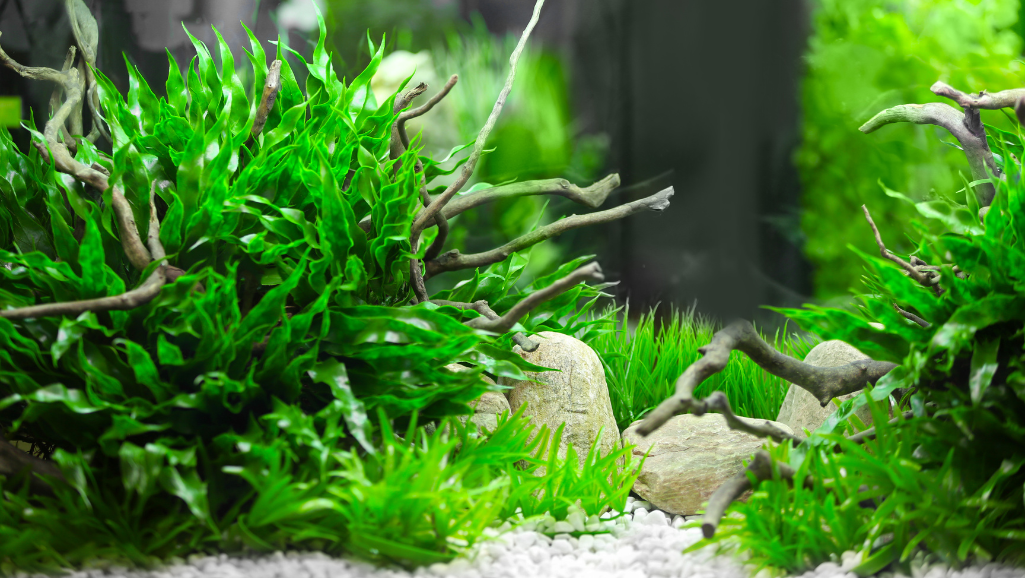
terracing techniques

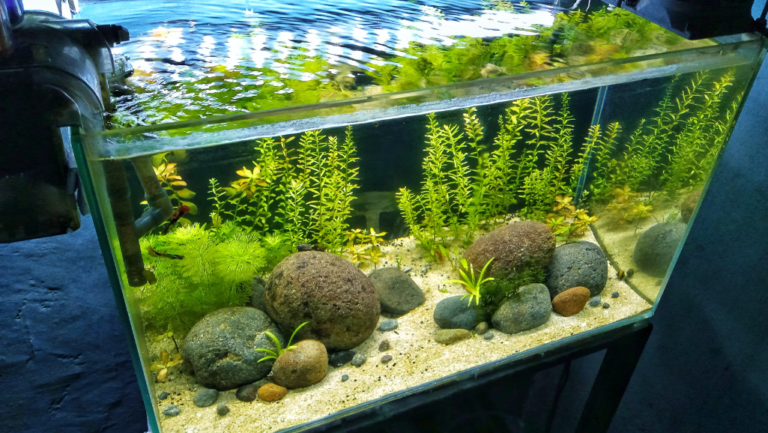
Transforming your aquarium into a multi-dimensional masterpiece requires strategic design techniques. One of the most effective methods is terracing, which creates a stepped, layered effect. This approach enhances visual depth and adds a dynamic quality to your underwater garden.

Terracing involves manipulating the substrate to form elevated areas and slopes. By varying the height of the substrate, you can create distinct levels for plant placement. This technique not only adds dimension but also supports healthy growth by allowing roots to spread naturally.

Implementing the Rule of Thirds

The rule of thirds is a fundamental principle in aquascaping. It involves dividing the tank into nine equal parts using two horizontal and two vertical lines. Positioning key elements at the intersections creates a balanced yet dynamic composition.

For example, place taller plants in the background and shorter ones in the foreground. This arrangement emphasizes depth and draws the viewer’s eye to focal points. The rule of thirds ensures your design feels harmonious and visually appealing.

Substrate variations play a crucial role in enhancing depth. Use finer gravel in the foreground and coarser materials in the background. This contrast mimics natural landscapes and accentuates the layered appearance of your aquarium.

Managing plant height is essential for maintaining a cohesive design. Regularly trim fast-growing species to prevent overcrowding and ensure each layer remains distinct. For more tips on creating stunning layouts, explore this guide on freshwater tank ideas.

By combining terracing, the rule of thirds, and strategic plant placement, you can achieve a breathtaking underwater garden. These techniques not only enhance aesthetics but also promote a thriving ecosystem.

Designing with Color, Texture, and Focal Points
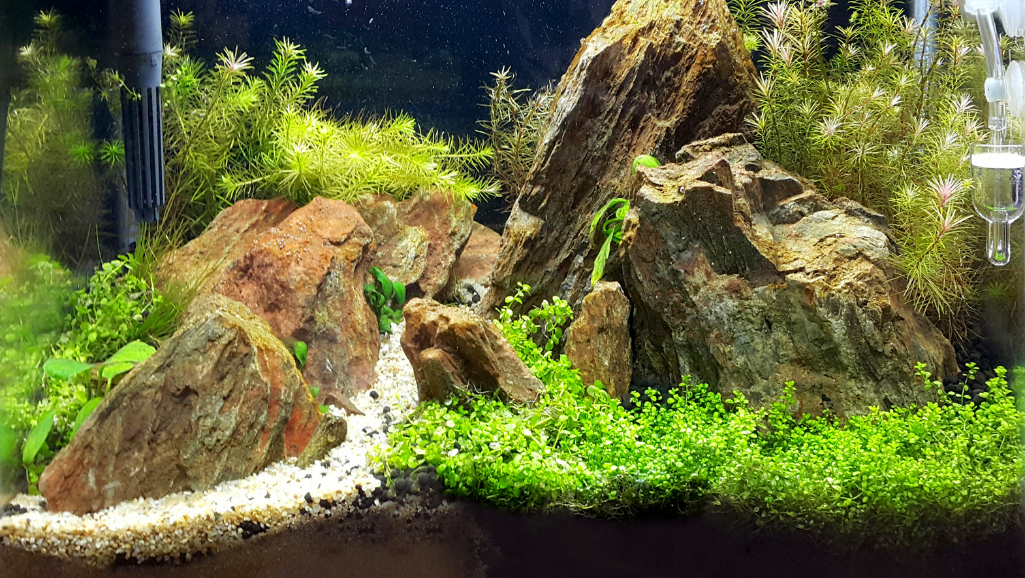
designing with color and texture

Crafting a vibrant underwater scene involves mastering the interplay of color, texture, and focal points. These elements work together to create a visually stunning and balanced aquarium. By understanding how to use them effectively, you can transform your tank into a captivating underwater garden.

Effective Use of Red and Dark Green Plants

Red and dark green plants are essential for creating contrast and depth. Their bold colors naturally draw the eye, making them ideal focal points. For example, Ludwigia repens and Cryptocoryne wendtii add striking accents to any layout.

When using these plants, follow the rule of balance. Avoid overloading one area with too much red or green. Instead, distribute them evenly to maintain harmony. This technique ensures your aquarium remains visually appealing without overwhelming the viewer.

Creating Visual Streets

A plant street is a pathway of plants that guides the eye through the tank. This technique involves arranging plants in a linear pattern, creating a sense of movement and direction. Use taller plants in the background and shorter ones in the foreground to enhance the effect.

For example, Rotala rotundifolia can form a vibrant green street, while Echinodorus tenellus adds texture to the foreground. This approach not only adds depth but also keeps the viewer engaged as their eye travels through the design.

Combining Sizes and Textures

Balancing plant sizes and textures is key to a cohesive design. Pair broad-leafed species like Anubias with fine-textured plants like Hemianthus callitrichoides. This contrast adds visual interest and prevents monotony.

Use the rule of thirds to position these elements strategically. Place focal plants at the intersections of imaginary lines dividing the tank. This technique ensures a balanced and harmonious layout.

Practical Tips for a Harmonious Layout

Avoid overusing any one color or element. Too much red can overpower the design, while too much green may lack contrast. Regularly trim fast-growing plants to maintain the intended structure.

Test your layout from a distance using the “20-foot Squint Eye Test.” This technique helps ensure clarity and balance in your design. By following these tips, you can create a visually stunning aquarium that captivates the eye and promotes a healthy ecosystem.

Essential Equipment and Maintenance for a Dutch Aquascape

Maintaining a thriving underwater garden requires the right tools and consistent care. The choice of equipment plays a critical role in ensuring healthy plant growth and vibrant aesthetics. From lighting to filtration, each component must work together to create a balanced ecosystem.

Lighting, CO₂, and Filtration Systems

Proper lighting is essential for photosynthesis and plant health. Opt for T5 or LED fixtures with a level of 2-4 watts per gallon. This ensures even illumination and supports the growth of diverse plant species.

CO₂ injection systems are another key component. Maintaining a level of 20-30 mg/L promotes vigorous growth and prevents nutrient deficiencies. Pair this with a high-quality canister filter to keep water clean and clear.

Filtration systems, such as the Fluval G6, are a practical choice for larger tanks. They ensure efficient water circulation and remove debris, maintaining optimal water quality.

Regular Trimming and Cleaning Practices

Regular maintenance is crucial for a healthy aquarium. Weekly trimming prevents overcrowding and encourages bushier growth. Fast-growing plants like Rotala rotundifolia may require pruning every 7-10 days.

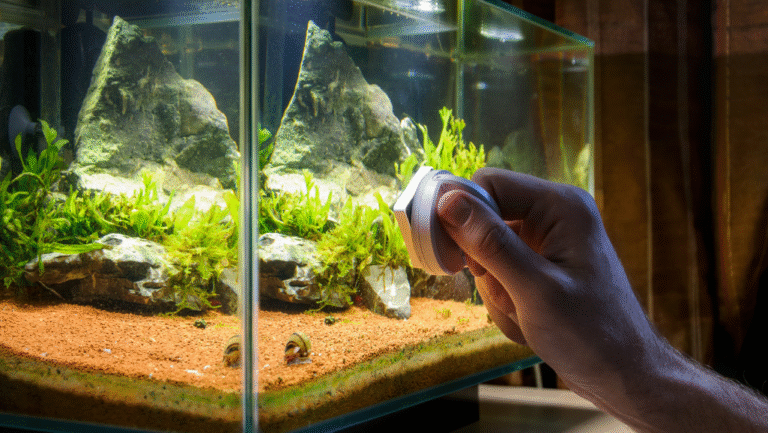
Cleaning routines should include water changes of 10-20% weekly. This helps remove excess nutrients and prevents algae buildup. Use specialized tools like pruning scissors and algae scrapers for precise care.

By following these practices, you can maintain a vibrant and balanced underwater garden. The sense of accomplishment from a well-maintained tank is unmatched.

“A well-designed aquarium is not just about beauty; it’s about creating a thriving ecosystem that supports both plants and aquatic life.”

  • Choose lighting systems that provide even illumination and support plant growth.
  • Maintain CO₂ levels between 20-30 mg/L for optimal nutrient uptake.
  • Invest in a reliable filtration system to ensure water clarity and quality.
  • Regular trimming and cleaning prevent overcrowding and debris accumulation.

Incorporating Fish and Invertebrates in Your Aquascape

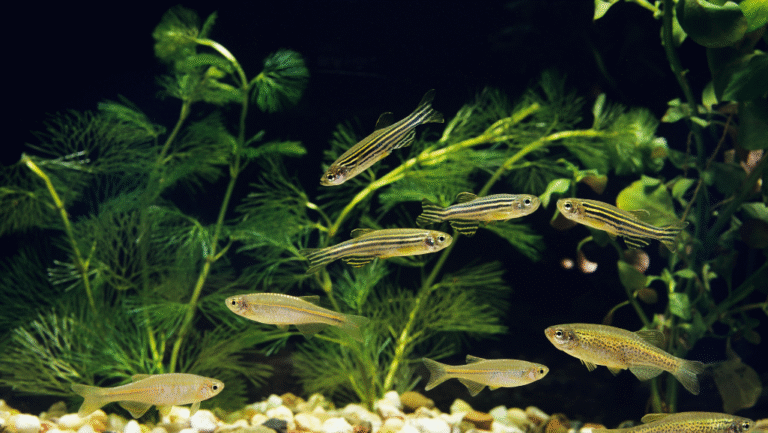
Adding fish and invertebrates to your underwater garden brings life and movement to the design. These creatures not only enhance the view but also contribute to the ecological balance of the tank. Their presence adds a dynamic texture to the layout, making the aquarium feel more natural and vibrant.

Small schooling fish like Neon Tetras or Cardinal Tetras are excellent choices. Their shimmering colors create a striking contrast against the lush greenery. Peaceful species such as Angelfish or Congo Tetras also blend well with dense plant groupings, adding depth to the view.

Fish play a crucial role in managing algae growth. Species like Otocinclus or Siamese Algae Eaters help keep the tank clean by feeding on unwanted algae. Additionally, their waste contributes to nutrient cycling, promoting healthy plant growth.

When selecting fish, consider their compatibility with the plants. Avoid species that may damage delicate texture or uproot plants. A balanced ecosystem ensures both aquatic life and plants thrive harmoniously.

Invertebrates like shrimp or snails are also valuable additions. They help clean the tank by consuming debris and algae. Their subtle movements add another layer of texture to the aquarium, enhancing its overall appeal.

Maintaining a balance between aquatic life and plant health is essential. Regular monitoring of water quality and nutrient levels ensures a thriving environment. For more insights on creating a balanced ecosystem, explore this detailed guide on plant arrangement and aquatic life integration.

By thoughtfully incorporating fish and invertebrates, you can transform your aquarium into a lively and balanced underwater world. Their presence not only enhances the view but also supports a healthy and thriving ecosystem.

Overcoming Common Challenges in Dutch Aquascaping

Keeping a vibrant underwater garden thriving requires addressing common challenges that can disrupt its balance. From algae outbreaks to nutrient imbalances, these issues can affect the health of your aquatic plants and the overall style aquascape. By understanding these challenges and implementing practical solutions, you can maintain a lush and harmonious aquarium.

Managing Algae Growth

Algae growth is one of the most common issues in densely planted tanks. It can quickly overtake your plant groups, blocking light and nutrients. To control algae, ensure your tank receives the right amount of light—typically 8-10 hours daily. Excessive light can trigger algae blooms, so consider using a timer to regulate exposure.

Introducing algae-eating species like Otocinclus or Siamese Algae Eaters can also help. These creatures naturally reduce algae levels while adding movement to your tank. Regular water changes of 10-20% weekly prevent nutrient buildup, which algae thrive on.

Finally, maintain a balanced fertilization regimen. Over-fertilization can lead to nutrient excess, promoting algae growth. Use a mix of macro and micronutrients, ensuring your aquatic plants remain healthy and competitive.

Balancing Nutrient Levels

Nutrient imbalances can stunt plant growth and affect the color and vibrancy of your aquarium. Start by testing water parameters regularly to monitor levels of nitrogen, phosphorus, and potassium. These nutrients are essential for healthy plant groups, but too much can harm the ecosystem.

Adjust fertilization based on plant response. Fast-growing species like Rotala rotundifolia may require more nutrients, while slower-growing plants need less. A balanced NPK ratio of 10-10-10 is a good starting point for general plant health.

CO₂ levels also play a crucial role. Maintain a concentration of 20-30 mg/L to support vigorous growth. Pair this with proper lighting and filtration to ensure your style aquascape remains vibrant and healthy.

  • Monitor light duration and intensity to prevent algae outbreaks.
  • Introduce algae-eating species for natural control.
  • Test water parameters regularly to maintain nutrient balance.
  • Adjust fertilization based on plant growth and needs.
  • Maintain CO₂ levels to support healthy aquatic plants.

By addressing these challenges with careful planning and consistent upkeep, you can preserve the beauty and health of your underwater garden. A well-maintained aquarium not only enhances the color and vibrancy of your plant groups but also creates a thriving ecosystem for all its inhabitants.

Tips for Sustainable Practices and Long-Term Aquarium Health

Ensuring the long-term health of your aquarium involves sustainable practices and careful attention to water quality. A well-maintained tank not only looks stunning but also supports a thriving ecosystem for both plants and aquatic life.

Effective Water Quality Management

Maintaining optimal water quality is essential for a healthy aquarium. Regular water changes of 10-20% weekly help remove excess nutrients and replenish essential minerals. This practice prevents algae growth and keeps the environment stable for your plants and fish.

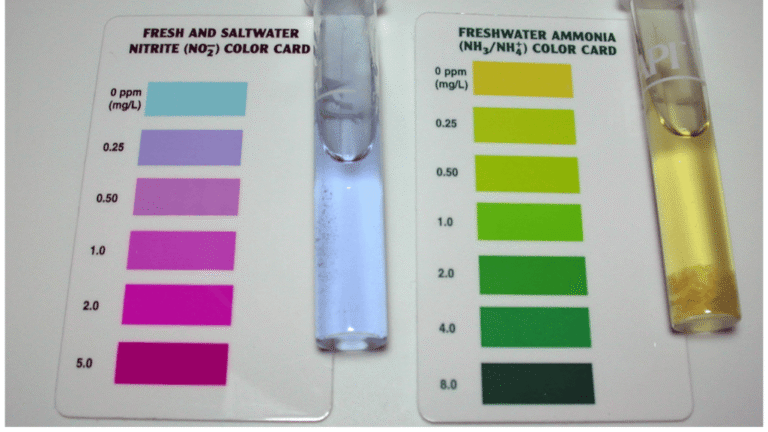
Testing water parameters like pH, ammonia, nitrite, and nitrate levels is crucial. Use reliable test kits to monitor these levels and adjust as needed. Proper filtration systems, such as canister filters, ensure water clarity and remove debris that can affect plant growth.

Sustainable Fertilization and CO₂ Dosing

Balanced fertilization is key to promoting natural plant growth. Use a mix of macro and micronutrients, adjusting based on plant response. Fast-growing species may require more nutrients, while slower-growing plants need less.

CO₂ dosing is another critical factor. Maintain a concentration of 20-30 mg/L to support vigorous growth. Pair this with proper lighting to ensure your plants thrive without promoting algae overgrowth.

Strategic Use of Background Plants

Background plants play a vital role in creating a balanced and stress-free environment. Taller species like Vallisneria or Amazon Swords add depth and provide shelter for fish. Their placement enhances the overall design while contributing to water quality by absorbing excess nutrients.

Regular pruning and trimming of these plants prevent overcrowding and maintain the intended structure. This practice ensures a harmonious layout and supports the health of your aquarium.

Regular Monitoring and Maintenance

Consistent monitoring of water parameters and nutrient levels is essential for long-term stability. Use tools like timers for lights to optimize energy use and reduce costs. Energy-efficient equipment, such as LED lighting, also supports sustainable practices.

For more insights on creating a thriving underwater environment, explore this guide on plants suitable for fish. By following these tips, you can ensure your aquarium remains vibrant and healthy for years to come.

Conclusion

The journey to creating a lush underwater garden is filled with both challenges and rewards. By focusing on core principles like plant grouping, depth, and contrast, you can achieve a balanced and visually stunning aquarium. Careful planning, thoughtful plant selection, and consistent maintenance are key to sustaining a thriving ecosystem.

Balanced aesthetics not only enhance the beauty of your tank but also promote a healthy environment for aquatic life. Sustainable practices, such as proper fertilization and CO₂ dosing, ensure long-term success. For inspiration, explore popular fish tank designs that showcase creativity and innovation.

Apply these insights to your own aquarium and experiment with different layouts and species. With dedication and ongoing learning, you can transform your tank into a captivating underwater paradise. Embrace the process and enjoy the rewards of your efforts.

FAQ

What is Dutch Aquascaping?

Dutch Aquascaping is a style of aquarium design that focuses on creating lush, densely planted underwater gardens. It emphasizes plant grouping, color contrast, and structured layouts to achieve a visually stunning tank.

What are the benefits of a lush underwater garden?

A lush underwater garden enhances the aesthetic appeal of your aquarium, provides a natural habitat for fish and invertebrates, and improves water quality by absorbing excess nutrients. It also creates a calming and therapeutic environment.

How do I choose the right plants for my aquarium?

Select plants based on their growth patterns, colors, and textures. Use high-density planting strategies and choose focal species like red or dark green plants to create visual interest. Ensure the plants are compatible with your tank’s lighting and nutrient levels.

What techniques can I use to create depth in my aquarium?

Use terracing techniques to create layers and implement the rule of thirds to arrange plants and hardscape elements. Position taller plants in the background and shorter ones in the foreground to enhance the sense of depth.

How do I manage algae growth in my aquarium?

Control algae by maintaining balanced nutrient levels, providing adequate lighting, and ensuring proper CO₂ levels. Regular trimming and cleaning practices also help prevent algae from overtaking your tank.

What equipment is essential for a Dutch Aquascape?

Essential equipment includes high-quality lighting, CO₂ systems, and efficient filtration. These tools support plant growth, maintain water clarity, and ensure a healthy environment for aquatic life.

How can I incorporate fish and invertebrates into my aquascape?

Choose species that complement your plant layout and thrive in similar water conditions. Small, colorful fish and shrimp add movement and vibrancy without disrupting the balance of your underwater garden.

What are some sustainable practices for long-term aquarium health?
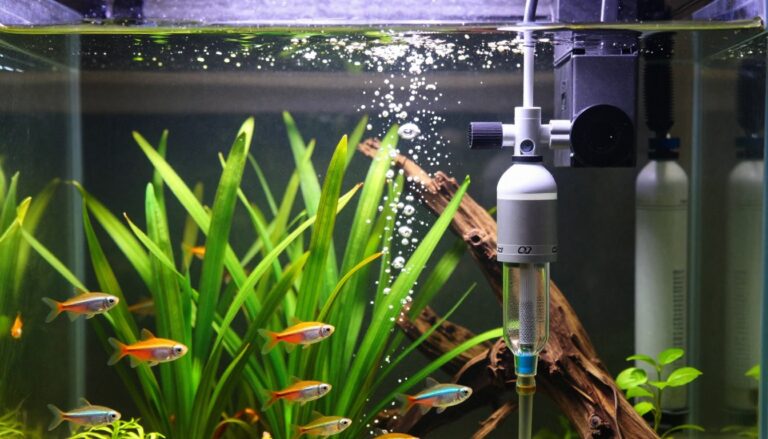
Focus on effective water quality management by performing regular water changes, monitoring nutrient levels, and avoiding overfeeding. Use eco-friendly products and maintain a balanced ecosystem for sustainable aquarium care.
aquarium co2 systems
Aquarium CO2 Systems: Boost Plant Growth & Fish Health
Healthy planted tanks start with balance. Aquatic plants need two basics: light and carbon. When those factors are out of sync, algae can take over and ruin the look and function of a planted aquarium. Injecting carbon helps plants grow fuller and bushier. It lets plants outcompete algae for nutrients and gives hobbyists more predictable results than hoping plants “take off.” This buyer’s guide will define what an aquarium co2 system is, compare real-world options, and explain essential parts. You’ll learn how to match a setup to tank size, goals, and budget. The core promise: when light, carbon, and nutrients work together you get better plant growth, steadier nutrient uptake, and clearer algae control. This approach works for low-light community tanks and high-demand aquascapes if tuned responsibly. Fish and shrimp safety stays front and center. We also cover price honestly—upfront cost versus refill value—so you can buy once and enjoy long-term stability. Key TakeawaysAquarium...
Community Aquarium
Community Aquarium Basics: Choosing Fish and Setting Up a Small Fish Tank
Starting a small community aquarium is an exciting and relatively easy way to get into the hobby. Choosing the right fish and understanding how adult size and temperament affect compatibility are the first steps to a thriving setup. Many species are well-suited for smaller tanks, but note that very small systems (like 5-gallon tanks) limit your choices and require extra attention to water quality and stocking. This guide covers practical tank setup, how to pick compatible fish, and the maintenance habits that keep a healthy freshwater aquarium. Whether you’re planning a 5‑gallon nano or a 20‑gallon community tank, you’ll get clear steps, species suggestions, and real-world tips to create a balanced, attractive display. Follow this guide to set up your first community aquarium confidently—whether you’re looking for a peaceful display of schooling fish or a mixed community with bottom dwellers. The sections below explain setup essentials, choosing friendly species, acclimation, maintenance, and when to upgrade as your skills grow. Key TakeawaysPick fish that will fit your tank at full adult size to avoid overcrowding. Focus on species that thrive in small community setups and get along well together. Proper setup and regular maintenance are essential—especially in smaller tanks where conditions change more quickly. Compatibility (size, temperament, and water needs) prevents conflict and stress among community fish. If you want a relatively easy start, choose hardy freshwater species and follow step-by-step care guidance in this content.Introduction to Aquarium Fish KeepingKeeping a community aquarium is a rewarding hobby that combines creativity, responsibility, and the simple pleasure of watching aquatic life thrive. Whether you’re attracted to the bright colors of tropical fish or the calm of a planted freshwater display, a well-planned fish tank can fit many lifestyles and living spaces. A community aquarium is a tank stocked with multiple compatible fish species that coexist peacefully — typically a mix of schooling mid‑water species, peaceful top swimmers, and bottom dwellers. Choosing the right species is the foundation: many beginners find livebearers like guppies to be one popular, hardy option because of their small adult size and adaptability. However, remember that nano tanks (5–10 gallons) limit options and need stricter water quality control. Proper care and routine water testing sustain a healthy environment. Local fish stores are valuable allies — ask them about water testing services, current stock levels, and species compatibility for the tank size you’re planning. If you’re just starting, look for hardy freshwater species and merchandise labeled “community” or “beginner‑friendly.” What begins as a casual interest can become a year‑round commitment to learning and improving your setup. From selecting compatible fish to mastering basic maintenance, the process is educational and enjoyable. If you’re looking for an in-depth, step-by-step walkthrough, see this step-by-step resource to get started. Setting Up Your Aquarium for SuccessCreating a thriving aquatic display begins with choosing the right tank and arranging the proper environment. The tank you pick affects water stability, filtration needs, and how comfortably your fish can live and grow. Thoughtful selection and setup reduce stress on livestock and make routine maintenance easier. Selecting the Right Tank Size and Environment The size of your tank directly influences water chemistry and fish growth. For many beginners, a 20-gallon tank is a practical sweet spot: it’s large enough to support a small community and more forgiving of maintenance mistakes than nano setups. Very small tanks (5–10 gallons) are possible but keep in mind they limit species choices and require more frequent attention to parameters. Larger tanks dilute pollutants more effectively and provide more stable conditions, which is why many hobbyists upgrade as they gain experience. Always keep the adult size of planned fish in mind when calculating stocking — small fish in number can still create a heavy bioload. Essential Equipment and Water Parameters Equip your fish tank with reliable basics: a filter sized to your tank’s flow needs, a heater appropriate for the volume and target temperature, a test kit, and lighting suited to your décor or plants. Rather than relying on a single rule, think in terms of flow and turnover: aim for a filter capable of roughly 3–5× the tank volume per hour (for many community setups, 4× is a good target). For example, for a 20-gallon tank aim for a filter that moves ~80 gallons per hour. Heater sizing is a guideline — older rules of thumb suggest about 5 watts per gallon, but modern heaters and well‑insulated tanks can vary. Use the wattage suggestion as a starting point and monitor water temperature with a reliable thermometer to fine-tune. Consistent water testing is vital: track ammonia, nitrite, nitrate, and pH during startup and regularly after stocking. Cycling a new tank builds beneficial bacteria and is essential before adding fish. While a natural cycle can take several weeks to a few months, using seeded media, filter media from an established tank, or commercial bacterial starters can shorten the process. You’ll know the cycle is complete when ammonia and nitrite test at 0 ppm and nitrate is detectable. Must-Have Setup ChecklistTank sized for your planned stocking (20 gallons recommended for most beginners) Filter rated for 3–5× turnover per hour (example: ~80 GPH for 20 gallons) Appropriate heater and reliable thermometer Water test kit (ammonia, nitrite, nitrate, pH) Substrate (consider 1.5–2 lb per gallon as a general guideline for gravel; adjust for planted/sand setups) Dechlorinator and basic maintenance tools (siphon, algae scrub)For a step-by-step setup walkthrough and product suggestions, see this step-by-step resource. Download our setup checklist to guide your first installation and keep important specs handy while you plan. Choosing Friendly Fish for Your Community AquariumSelecting the right aquatic companions is essential to building a peaceful, visually appealing community fish tank. The best combinations balance color, size, and temperament so that all inhabitants can get along and display natural behavior. Keep in mind your tank’s dimensions and the adult size of each fish when planning a stocking list. Color, Size, and Temperament Considerations Vibrant species like the neon tetra add instant color to a setup, while patterned mid‑water swimmers create movement and interest. However, aesthetics must be balanced with practicality: always check adult size to avoid overcrowding — many tetras reach roughly 1.2–1.8 inches, making them ideal for smaller tanks when kept in groups. Temperament matters just as much. Peaceful community fish such as corydoras or platies are beginner‑friendly and tend to coexist quite well with schooling mid‑water species. Avoid mixing known fin‑nippers or territorial species with long‑finned or timid fish. Understanding Fish Compatibility in a Community Tank Compatibility is largely about matching size, water requirements, and temperament. Small, non‑aggressive species are generally safer together; for example, tetras and guppies can get along because both are small and peaceful, but be sure their temperature and pH needs overlap. Group dynamics are important: many schooling fish show their best colors and behavior when kept in groups. Typical minimums to keep in mind: neon tetras — 6–8, rasboras — 6+, and corydoras — 4–6. Groups reduce bullying and help fish feel secure. Recommended Small‑Tank Pairings (compatibility matrix)Neon tetra + Corydoras + Small livebearer (e.g., guppy) — good for a 20-gallon community tank; schooling + bottom cleaners + colorful browsers. Pearl danios or celestial pearl danios + Otocinclus + small rasbora — peaceful schooling community for nano to small tanks. Platy + Corydoras + 6 small tetras — hardy, colorful community with varied levels occupied (top, middle, bottom).Red Flags & Quick Compatibility ChecklistFin‑nippers (some barbs) — avoid with long‑finned species. Large predatory or territorial species — don’t mix with small schooling fish. Mismatched water needs — temperate goldfish vs. tropical species is a no‑go. Single schooling species kept alone — always keep at least the species’ recommended minimum group size.When planning, research each species’ adult size, temperament, and specific water parameters. Prioritize peaceful community fish and smaller fish that get along, and you’ll build a harmonious display that’s enjoyable and stable. For more pairings and a printable compatibility chart, see the full fish compatibility chart. Freshwater Tropical, Coldwater, and Marine Options ExplainedChoosing between freshwater tropical, coldwater, or marine systems determines the types of fish you can keep, the equipment you’ll need, and the ongoing commitment required. A small freshwater community is often the most accessible path for beginners, while marine tanks offer a wider visual range of species but bring greater complexity and cost. Understanding these differences will help you pick the best match for your space and schedule. Pros and Cons of Tropical and Coldwater Fishes Freshwater tropical setups are popular because they support a huge variety of colorful fish — neon tetras, rasboras, and many livebearers provide vivid movement and pattern. Tropical systems usually require consistent water temperatures (commonly in the 72–82°F range for many tropical community species), so plan to include a reliable heater and thermometer. Coldwater tanks are sometimes simpler to run because they don’t require a heater for typical room temperatures, but that doesn’t mean they’re lower maintenance. Goldfish, a common coldwater choice, grow large and produce a heavy bioload, so they need much larger tanks than many beginners expect — they are not ideal for small 10–20 gallon setups despite being coldwater species. Starter Marine Fish Recommendations Marine aquariums display an incredible range of color and behavior, but saltwater systems demand stricter parameter control and additional equipment (protein skimmers, dosing systems, and accurate test kits). If you’re drawn to saltwater, consider starting with hardy, one popular beginner species such as clownfish or damselfish in a properly sized tank. Note that many marine hobbyists recommend starting with a 30+ gallon tank rather than very small nano systems to improve stability; nano marine tanks are possible but require advanced attention to water chemistry. Quick Pros & ConsFreshwater community: Relatively easy to start, wide variety of fish, good for small tanks when you choose smaller species. Coldwater: No heater needed in many homes, but species like goldfish need large tanks and produce more waste. Marine: Stunning diversity and colors, but higher complexity, cost, and equipment needs; better suited to hobbyists prepared for precise care.If you’re looking for straightforward success, a freshwater aquarium stocked with hardy, community‑minded species is often the best first choice. For deeper reading on which species fit each system, see this detailed guide and consider taking a short quiz to decide which tank type fits your lifestyle. Popular Species for Beginner Aquarists Diving into the world of aquatic pets offers endless opportunities for learning and enjoyment. Selecting the right species is the single most important decision for creating a thriving, low‑stress community. Below are beginner‑friendly fish that combine bright color, peaceful behavior, and relatively easy care. Top Freshwater Fish Selections These species are widely recommended for new hobbyists because they tolerate a range of conditions and are forgiving of small mistakes. Pay attention to adult size and group requirements when planning stocking for your tank. Guppy Guppies are one popular choice for beginners — colorful, small (about 1–2 inches), and hardy. Ideal tank: 10–20 gallons. Temperature: 72–82°F. Temperament: peaceful; do well in community tanks. Diet: flakes, frozen foods. Note: they breed easily — control numbers if you don’t want fry. Platy Platies are peaceful, easy care community fish that add bright color. Adult size: ~2–3 inches. Ideal tank: 20+ gallons. Temperature: 70–77°F. Temperament: calm and social. Diet: omnivorous — flakes and vegetable matter. Molly Mollies adapt to various water conditions and make hardy community members. Adult size: up to ~4–5 inches depending on variety. Ideal tank: 20+ gallons. Temperature: 72–78°F. Temperament: peaceful but can be slightly more active than platies. Note: some varieties prefer slightly higher hardness and salinity. Livebearers, Tetras, and Corydoras Highlights Combining mid‑water schooling fish with bottom dwellers creates a dynamic, balanced display that fills different levels of the aquarium. Neon Tetra Neon tetras are classic schooling schooling fish with vivid color. Adult size: ~1.2–1.8 inches. Keep in groups of 6–10 or more for best color and behavior. Ideal tank: 10–20 gallons (20+ preferred for larger groups). Temperature: 70–78°F. Temperament: peaceful; excellent for smaller community tanks. Corydoras (Cory Catfish) Cory catfish are ideal bottom tank cleaners and a peaceful community addition. Adult size: 1–3 inches depending on species. Keep in groups of 4–6+. Ideal tank: 10–20+ gallons. Diet: sinking pellets, wafers, and occasional frozen foods. They help keep substrate clean and display active social behavior. Pearl Danios / Celestial Pearl Danios Pearl danios and celestial pearl danios (smaller pearl types) are great for nano and small tanks due to their small size and schooling nature. Keep in groups of 6+. Ideal tank: 10–20 gallons. Temperament: peaceful and active; excellent in peaceful community setups. Small Community Stocking Ideas20-gallon community: 6 neon tetras + 4 corydoras + 3 platies — occupies top, middle, and bottom levels. Nano peaceful tank (10 gallons): small group of celestial pearl danios + 3–4 otocinclus (if tank is well cycled and planted). Beginner easy-care mix: guppies + corydoras + a small school of rasboras — hardy and visually varied.Warnings & Practical TipsLivebearer overpopulation: guppies and platies breed readily — plan for population control (separate breeding tank, remove fry, or keep only males). Avoid pairing fin‑nippers with long‑finned species (e.g., some tiger barbs with fancy guppies). Match temperature and pH preferences when pairing species — compatibility is more than temperament.“Choosing the right mix of species ensures a balanced and harmonious environment.”For a printable list of the best community species and quick compatibility checks, see the full guide on best freshwater fish. With thoughtful selection and proper tank sizing, even beginners can maintain a colorful, peaceful community aquarium. Expert Tips on Fish Introduction and AcclimationIntroducing new fish to your community tank is a critical moment — done right, it minimizes stress and disease risk; done poorly, it can cause major setbacks. Take your time, follow a reliable acclimation routine, and consider quarantining new additions when possible to protect your established stock. Steps to Properly Acclimate New Fish 1) Float the sealed bag in the tank for 15–20 minutes to equalize temperature. 2) Open the bag and, every 5 minutes, add a small cup of tank water to the bag (or use a slow drip) to gradually match water chemistry. Continue this for 45–60 minutes. 3) After parameters are close, gently net the fish and release them into the tank — avoid dumping bag water into your display to reduce risk of contamination. Monitor behavior closely for the first 24–48 hours. Signs like clamped fins, rapid gill movement, or erratic swimming indicate stress or incompatible conditions and may require water parameter checks or temporary isolation. Quick Acclimation ChecklistTemperature equalized (15–20 minutes) Drip or cup acclimation for 45–60 minutes Net and release — do not add bag water Observe for 24–48 hours; check filters and water parameters if stress appearsQuarantine and Alternatives Quarantining new additions for 7–14 days in a separate tank is the safest way to prevent disease introduction — observe for parasites, fungus, or unusual behavior before adding fish to your main display. If you lack a quarantine tank, be extra cautious with seller hygiene and monitor your main tank more frequently after introduction. Reducing Stress During Fish Transport During transport, keep fish in a sturdy, insulated container to maintain stable temperatures. Add a water conditioner (for example, API STRESS COAT™) to protect slime coats. Once home, it’s generally best not to feed new arrivals for 24 hours to allow them to recover from shipping stress and to avoid overloading the biological filter. Low‑Tech Acclimation Methods If you don’t have drip tubing, use the cup method: float the sealed bag, then pour small amounts of tank water into a clean container and transfer fish with a net when ready. Another simple way is adding a few tablespoons of tank water into the bag every 5 minutes until acclimated.“Careful acclimation is the key to long-term health and harmony in your tank.”By taking the time to acclimate and quarantining when possible, you’ll give new community fish the best chance to settle in and thrive. For convenience, download our step‑by‑step acclimation checklist PDF to keep near your aquarium during every introduction. Maintaining a Healthy Aquarium EnvironmentKeeping a stable, attractive tank takes consistent effort but becomes routine once you have a system in place. Regular maintenance protects water quality, reduces disease risk, and helps your fish show their best colors and behavior. Below are practical, easy‑to‑follow practices for weekly, monthly, and seasonal care. Effective Tank Maintenance and Water Testing Do basic upkeep weekly: clean the glass, vacuum substrate, and inspect equipment. Substrate recommendations vary by setup — for many gravel tanks, 1.5–2 lb per gallon is a common guideline, but planted or sand tanks require different depths and materials, so keep that in mind when planning. Water changes are the single most important maintenance task. Replace roughly 15–25% of the water every 1–2 weeks for typical community setups; heavily stocked tanks may need more frequent changes. Always treat tap water with a dechlorinator before adding it to your aquarium. Test water parameters regularly — at minimum weekly for ammonia, nitrite, nitrate, and pH during new setups and after changes. For established tanks, a consistent rhythm (weekly quick checks, monthly deeper tests) helps catch trends early. Aim for ammonia and nitrite at 0 ppm and keep nitrate low (many hobbyists target under 20–40 ppm depending on species sensitivity). Maintenance Calendar (quick view)Daily/Every other day: quick visual check — fish behavior, filter running, heater/temp stable. Weekly: 15–25% water change, glass cleaning, gravel vacuum, empty skimmer cup (if used). Monthly: clean filter media (in tank water), check equipment, full parameter test, replace light bulbs as needed.Essential Dietary and Care Practices A balanced diet is central to health. Feed small amounts twice a day, offering only what your fish can eat in about five minutes. Overfeeding leads to excess waste, poor water quality, and extra work. Use high‑quality staples (flakes or pellets) supplemented occasionally with frozen or live foods tailored to species. Bottom dwellers such as catfish (corydoras, larger catfish, and plecos) are valuable for algae control and substrate cleaning. Feed catfish sinking pellets or algae wafers and include some vegetable matter for species that require it. Keep catfish in appropriate group sizes and tank conditions — they often prefer softer substrate and plenty of hiding spaces. Monitor fish size and behavior over time. Juveniles may need more frequent feeding than adults; adjust portions and frequency as fish grow. Record measurements or photos occasionally to track growth and spot health issues early.“Consistent maintenance and proper care are the foundation of a thriving aquatic ecosystem.”By following a simple calendar and testing routine, you’ll keep water and conditions stable so your community tanks remain healthy and attractive. Want a ready plan? Download our 30‑day aquarium maintenance planner to get started with step‑by‑step tasks and checklists. Advanced Guidance for Future Tank Upgrades Upgrading your aquatic setup is a natural next step as your skills and ambition grow. Larger tanks give your fish more space to swim, improve water stability, and open up a wider range of species and aquascape possibilities. Thoughtful planning reduces stress on livestock and makes the transition smooth for both you and your aquatic community. When and How to Expand Your Aquarium Signs it’s time to upgrade: frequent territorial disputes, visibly crowded swimming space, or water quality that’s hard to maintain despite regular care. Moving up to a bigger size — for example, from a 20‑gallon to a 40‑gallon — often solves these issues because increased volume dilutes waste and provides more stable conditions. Plan equipment changes ahead: a larger tank will need a filter and heater rated for the new volume and possibly a stronger circulation system. When planning filtration, factor flow (turnover) and biological capacity rather than relying on simple “filter size” labels. Step‑by‑Step Upgrade ChecklistMeasure the space and confirm stand/room support and access for maintenance. Budget for a stronger filter, heater, and any new lighting or stands. Cycle the new tank before moving fish — use biomedia or filter media from your current tank to seed beneficial bacteria and speed up cycling. Move livestock in stages: transfer non‑territorial schooling fish first, then bottom dwellers, and finally larger or territorial adults to reduce stress. Monitor water parameters closely for several weeks after the move and be prepared to perform extra water changes as the new system stabilizes.Mini Case: Upgrading from 20 to 40 Gallons (Practical Timeline) Week 0: Set up the 40‑gallon with substrate, heater, filter, and decor; seed with existing filter media and start cycling. Week 1: Add plants and check daily parameters; perform small water changes if ammonia/nitrite spikes. Week 2: If ammonia and nitrite are at 0 ppm and nitrate is present, start moving peaceful schooling fish over in small groups. Week 3–4: Introduce bottom dwellers and any remaining species, observing interactions and water chemistry closely; plan equipment tweaks if needed. Balancing Older Adults with New Additions When adding smaller or younger fish to a tank with established adults, pay attention to temperament and feeding competition. Some adult species may not accept much smaller fish — angelfish, for instance, may not coexist quite well with tiny tetras when hungry or territorial. Introduce new fish slowly, provide hiding places, and consider using feeding rings or target feeding to ensure juveniles get food.“A well-planned upgrade enhances both the health and beauty of your aquatic ecosystem.”If you’re ready to expand, use an upgrade planner to map space, costs, and a staged transfer timeline. Upgrading your community tank is rewarding — it increases stability, gives fish more room to express natural behavior, and opens the door to new species and aquascaping ideas for committed hobbyists. Conclusion Building a thriving community aquarium starts with the right knowledge, equipment, and patience. From selecting compatible fish to sizing and setting up a balanced tank, each decision affects long‑term success. Maintain stable water conditions with a simple testing routine and a consistent maintenance plan to keep your aquatic companions healthy and vibrant. Visit a local fish store to see live examples of species like livebearers or catfish, ask about current stock and water testing services, and get product recommendations tailored to your tank size. A well‑kept aquarium is more than a hobby — it’s a living ecosystem that brings relaxation and ongoing learning. Remember: success comes with time and attention to detail. Whether you’re starting with a small nano or planning to expand to larger community tanks, use the step‑by‑step guidance in this guide to build confidence and avoid common mistakes. If you’re looking for quick next steps, download the setup checklist, the 30‑day maintenance planner, and the species compatibility chart to plan your first stocking.FAQWhat size tank is best for beginners? A 20‑gallon tank is a practical starting point for many beginners — it offers stable water conditions and room for a small community. Very small tanks (5–10 gallons) are possible but limit species choices and require closer attention. Which fish are easy to care for in a freshwater tank? Guppies, platies, neon tetras, and corydoras are commonly recommended for beginners. They are hardy, adapt well to community setups, and are known for being relatively easy to keep. How do I choose compatible fish for my aquarium? Match size, temperament, and water requirements. Prioritize peaceful community fish and schooling species, keep recommended group sizes (for example, neon tetras and pearl danios in groups of 6+), and avoid mixing aggressive species with smaller, timid fish. What equipment is essential for a beginner’s aquarium? A reliable filter, heater (for tropical setups), lighting, and a test kit for pH, ammonia, nitrite, and nitrate are must‑haves. Choose equipment rated for your tank’s volume and aim for appropriate filter turnover for community tanks. How often should I test water and perform maintenance? Quick checks for behavior and equipment daily. Test key parameters (ammonia, nitrite, nitrate, pH) weekly during and after setup; once stable, keep a regular rhythm (weekly spot checks, monthly in‑depth testing). Perform 15–25% water changes every 1–2 weeks depending on stocking and observed water quality. Can I keep goldfish in a tropical tank? No — goldfish are coldwater species and prefer cooler temperatures. They also produce a heavy bioload and need much larger tanks than similarly sized tropical fish. What are the benefits of livebearers like mollies and platies? Livebearers are hardy, colorful, and often one of the best community choices for beginners. Keep in mind they breed readily — plan for population control if you don’t want fry. How do I acclimate new fish to my aquarium? Float the sealed bag for 15–20 minutes to equalize temperature, then add small amounts of tank water over 45–60 minutes (cup or drip method). Net and release fish into the tank; observe them for 24–48 hours for signs of stress. When should I consider upgrading my tank? Consider an upgrade if your fish appear crowded, water quality is hard to maintain, or you want to keep a wider range of species. When upgrading, cycle the new tank (seed with biomedia from your current tank), transfer fish gradually, and monitor water parameters closely. If you’re ready to get started, pick a practical tank size for your space, choose peaceful community fish freshwater species that match each other’s needs, and plan slow, careful introductions. With consistent care and time, your community aquarium will become a rewarding, living centerpiece....
aquascape aquarium kit
Aquascape Aquarium Kit Guide for Beginners
Turn a glass tank into living art. An Aquascape Aquarium Kit makes it easier to transform glass, plants,...
Aquarium Water Testing Kits
Best Aquarium Water Testing Kits for Healthy Fish
Keeping your aquarium water clean is crucial for your fish’s health. You need a reliable best aquarium...
A large, meticulously detailed aquarium fills the frame, showcasing a comprehensive sizing guide. The glass tank dominates the foreground, its clean lines and seamless construction highlighting the impressive scale. Inside, a vibrant underwater ecosystem comes to life, with lush plants, colorful gravel, and a variety of ornaments strategically placed to demonstrate scale. The middle ground features a clean, minimalist background, allowing the aquarium to be the central focus. Soft, natural lighting filters through the water, creating captivating reflections and shadows that enhance the sense of depth. The overall mood is one of tranquility and sophisticated design, perfectly complementing the subject of "Stunning Large Aquarium Ornaments for a Captivating Display."
Stunning Large Aquarium Ornaments for a Captivating Display
Turn your fish tank into a gallery for the home. A single statement piece can guide the eye across flowing...
Forhadkhan
Forhadkhan
Articles: 255

Leave a Reply

Your email address will not be published. Required fields are marked *