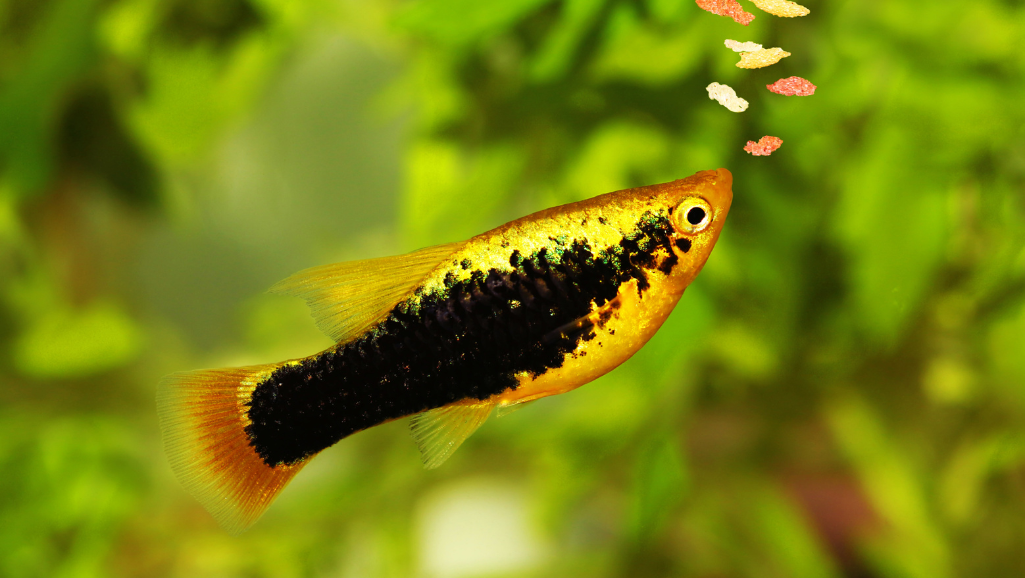
Proper fish nutrition is the foundation of a healthy aquarium. Whether you’re a beginner setting up your first tank or an experienced hobbyist refining routines, this fish feeding guide explains what to feed, how much, and when to feed so your fish stay healthy and vibrant.
This guide walks through balanced diets, how to choose high-quality fish food, and practical feeding tips you can use right away. You’ll learn simple rules—like matching food type to species and controlling portions—to give your fish the nutrients they need to thrive.
We also cover feeding frequency and portion control to help you avoid common problems like overfeeding and poor water quality. Special care needs for popular species (tropical fish, goldfish, and betta fish) are included so you can tailor your approach for each tank.
Follow these steps to build a reliable feeding schedule and improve your aquarium’s overall health. Quick example: for many small tropicals, feed a high-quality flake once in the morning and a small pellet or frozen treat in the evening—only what they can eat in about two to three minutes.
Key Takeaways
- Understand the nutritional needs of your feeding fish
- Choose high-quality fish food with balanced ingredients
- Establish a proper feeding schedule and practice strict portion control
- Adjust diets for different species and life stages
- Monitor fish health and behavior through eating habits
Understanding Fish Nutritional Needs
A balanced diet is essential for your fish’s growth, immunity, and long-term health. Different species have distinct dietary needs, so matching food and feeding routines to each fish’s natural diet helps prevent problems and supports vibrant colors and activity.
Types of Fish Diets
Fish diets generally fall into three categories—pick foods that reflect each group’s natural preferences:
- Herbivorous (plant-eaters): Examples include plecos and some tangs; they thrive on algae, blanched vegetables, and plant-based pellets.
- Carnivorous (meat-eaters): Examples include bettas and many predatory cichlids; these species need higher protein foods such as live/frozen brine shrimp, bloodworms, or meat-based pellets.
- Omnivorous (mixed diet): Examples include guppies and many tetras; they do well on a mix of flakes or pellets supplemented with occasional live or vegetable foods.
Importance of Balanced Nutrition
A complete diet supplies proteins, lipids (fats), carbohydrates, vitamins, and minerals. Each plays a role:
- Proteins: Primary building blocks for growth and tissue repair — carnivores typically require higher protein (often 30%+ in commercial feeds) while herbivores need less.
- Lipids: Concentrated energy source that also supports fat-soluble vitamin absorption.
- Carbohydrates: Energy and filler; digestibility varies by species.
- Vitamins and minerals: Micronutrients that support immune function, bone/scale health, and overall metabolism.
Common Nutritional Deficiencies
When diets lack key nutrients, fish show clear signs:
- Protein deficiency: Slow or stunted growth, loss of muscle tone, and weakened immunity.
- Vitamin C deficiency: Can cause poor wound healing and increased susceptibility to infection.
- Vitamin A deficiency: May lead to eye problems, reduced appetite, and skin/scale issues.
To lower the risk of deficiencies, choose high-quality food formulated for your species and life stage, and rotate foods (flakes, pellets, frozen/live) to supply a range of nutrients. Regular observation of behavior and body condition will help you spot problems early.
Choosing the Right Fish Food

the right fish food is one of the most important steps to keep your aquarium fish healthy. There are many food types and formulations—this section explains common forms, how to evaluate ingredients, and what to look for by species and mouth size so you can pick high-quality food that meets your fish’s nutritional needs.
Types of Fish Food Products
Fish food comes in several forms; match the format to the species and feeding habits:
- Flakes: Lightweight and easy to use—ideal for many tropical surface- and mid-water species like tetras and guppies.
- Pellets: Available in sinking and floating options and in multiple diameters—choose pellet size to match a fish’s mouth (micro pellets for small species, larger pellets for cichlids).
- Wafers and tablets: Designed for bottom-feeders (catfish, plecos) and grazers; they slowly dissolve and are rich in plant-based nutrition.
- Freeze-dried and frozen foods: Brine shrimp, bloodworms, and krill provide natural textures and higher nutrient levels—excellent as supplements or for carnivores.
Consider feeding behavior, tank level (top/mid/bottom), and species when selecting a food type. This guide offers further comparisons of fish food types for different species.
Evaluating Food Ingredients
Not all formulas are equal—use this quick ingredient checklist when reading labels:
- First ingredient should be a whole protein source (fish, shrimp, or other seafood) rather than unspecified “meat meal” or heavy fillers.
- Look for named proteins and minimal plant fillers for carnivores; herbivores should have higher plant content and fiber.
- Avoid excessive artificial colors, low-quality fillers, and unnecessary preservatives.
- Check guaranteed analysis for protein, fat, and fiber levels—higher protein for carnivores, moderate protein for omnivores, lower protein and more fiber for herbivores.
“The key to a healthy aquarium is providing your fish with a varied and nutritionally balanced diet.”
Brand Recommendations and Practical Tips
Several reputable brands consistently produce high-quality foods—always verify ingredient lists and match the formula to your species:
- New Life Spectrum: Premium pellets and flakes with good nutrient profiles for many species.
- Omega One: Known for whole-fish ingredients in some lines; good option for higher-protein needs.
- Hikari: Offers species-specific formulas, including high-protein feeds for bettas and cichlids.
Practical tips: choose pellet diameter to match mouth size, rotate foods (flake, pellet, frozen) to broaden nutrients, and use freeze-dried/frozen items as occasional high-value supplements. If you’re unsure which product to buy, pick a small package first and monitor your fish’s acceptance and condition.
Feeding Frequency and Portion Control
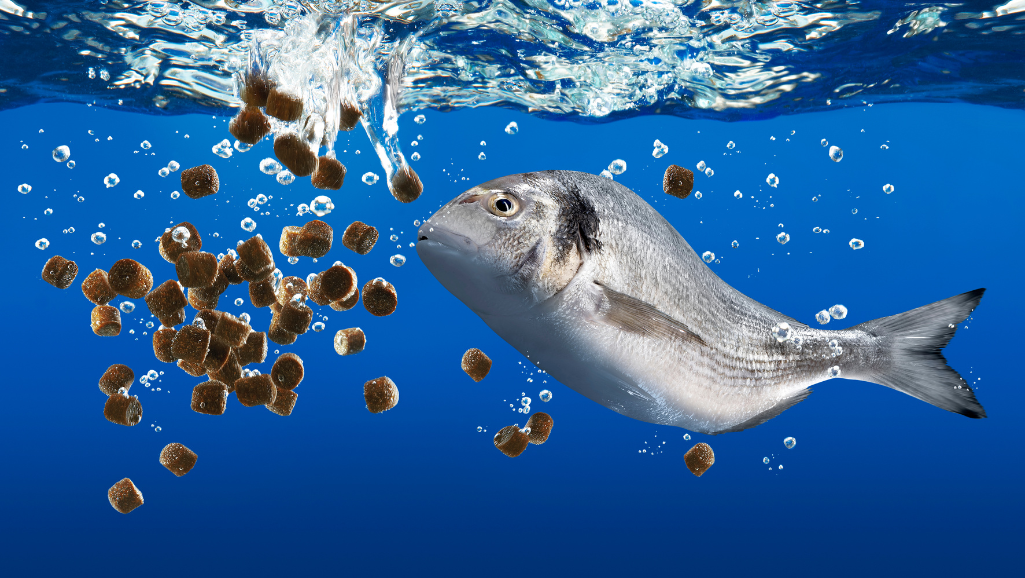
Feeding fish correctly protects their health and preserves aquarium water quality. Too much food raises ammonia and nitrate, stressing fish and encouraging algae; too little can slow growth and weaken immunity. Learn to match feeding frequency and amounts to your species, tank size, and life stage.
How Often to Feed Different Fish
Feeding frequency depends on species, age, and metabolism. As a guideline:
- Most adult tropical community fish: 1–2 times per day.
- Bettas and many carnivores: small meals 1–2 times daily, focusing on protein-rich foods.
- Goldfish and coldwater species: 1–2 feedings daily but adjust seasonally (slower in cooler water).
- Fry/juveniles: multiple small feedings per day (see the fry section).
Use species-specific guidance when available—these are general starting points, not hard rules.
Calculating Proper Portions
Portion control is simple to test: feed only what your fish can consume in roughly 2–5 minutes (start with two to three minutes for most small tropicals). Practical examples:
- Small tropicals (tetras, guppies): a pinch of flakes or a few micro-pellets per feeding.
- Medium fish (cichlids, gouramis): 1–3 appropriately sized pellets per fish.
- Large fish: several larger pellets or a small piece of frozen food per feeding.
For very small species, try crushed pellets or a grain-of-rice–sized portion. If uneaten food sinks to the bottom after five minutes, reduce the next feeding.
“The amount of food a fish needs depends on its size, species, and activity level. Overfeeding can lead to obesity and other health issues, so it’s important to be mindful of portion sizes.” – Dr. Eric Johnson, Aquatic Veterinarian
Signs of Overfeeding
Common signs that you’re feeding too much include:
- Uneaten food collecting on the substrate
- Cloudy or murky water and higher test kit readings
- Excessive algae growth
- Bloated, sluggish, or slow-swimming fish
If you spot these signs, reduce the daily amount by 25–50%, remove uneaten food, and test water parameters. Consider using quality pellets sized to your fish’s mouth and an automatic feeder for consistent portions when you’re away.
Practicing portion control and a sensible feeding schedule will improve water quality and keep your fish healthy—try a five-minute feeding test this week and adjust amounts based on what your fish actually eat.
Special Considerations for Different Species

Different species have distinct dietary needs — match food type, portion size, and feeding frequency to each species in your tank to support health and longevity. Below are practical, species-focused recommendations and short sample menus you can use as a starting point.
Feeding Tropical Fish
Tropical community fish (tetras, guppies, danios) are generally omnivores and do best on a mix of plant- and meat-based foods. Main diet: high-quality flakes or small pellets formulated for tropicals. Supplements: a frozen or live treat (brine shrimp or bloodworms) once or twice weekly and occasional blanched vegetables (spinach or zucchini) for added fiber.
Sample daily menu: morning — a pinch of flake (what they eat in ~2–3 minutes); evening — 3–5 micro-pellets or a small portion of frozen brine shrimp. Adjust portion sizes to fish size and school count.
Feeding Goldfish
Goldfish are omnivores with a digestive system that benefits from higher fiber and lower, moderate protein compared with strict carnivores. Use a goldfish-specific pellet or flake that lists whole fish or named proteins and includes plant matter and fiber. Feed small amounts 1–2 times per day and avoid overfeeding — goldfish are notorious grazers.
Treats: blanched peas (remove skins) or spinach can help prevent constipation. Sample feeding: one or two appropriately sized pellets per adult goldfish, given once in the morning; add a pea or two a couple times per week as needed.
“Remember, goldfish have a unique digestive system, so avoiding high-protein foods and providing ample fiber is key to preventing common health issues.”
Feeding Betta Fish
Betta fish are carnivorous and require protein-rich foods. Choose betta-specific pellets or wafers with clear animal protein sources, and supplement occasionally with frozen or freeze-dried bloodworms, daphnia, or brine shrimp. Because bettas have small stomachs, feed small portions — typically a couple of pellets — once or twice a day.
Sample feeding: morning — 2 small betta pellets; evening — one freeze-dried bloodworm or a tiny portion of frozen brine shrimp, offered sparingly. Monitor body condition and avoid overfeeding, which can lead to bloating and swim bladder issues.
Before changing diets, check what each species in your tank may need and size portions to individual fish. If you’re unsure, start small, observe appetite and body condition for a week, then adjust. Need more specific guidance for your species? Check your species’ care page to match food type and amounts precisely.
Feeding Young vs. Adult Fish
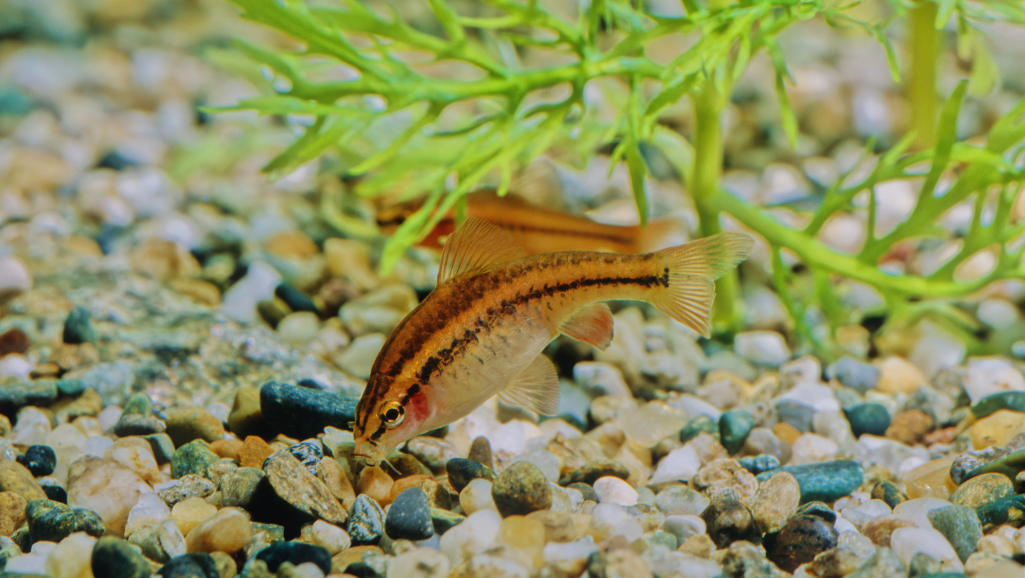
Feeding fish correctly at each life stage is critical. Young fish (fry) have much higher protein needs and faster metabolisms than adults, so their diet and feeding frequency should be adjusted as they grow.
Nutritional Needs of Fry
Fry require easily digestible, protein-rich foods to support rapid growth. Practical tips:
- Feed small meals frequently — typically 4–6 times per day for many species of fry.
- Use powdered or crushed starter foods formulated for fry, or provide microscopic live foods like infusoria, baby brine shrimp, and microworms.
- Ensure particle size is appropriate — food should be small enough to fit comfortably in the fry’s mouth.
How to prepare crushed feed: place pellets or flakes in a clean plastic bag and crush to a fine powder with a spoon, or grind briefly in a coffee grinder reserved for aquarium use. Offer tiny amounts and observe feeding to avoid fouling the water.
Best Practices for Growing Fish
As fry grow into juveniles, gradually change their food and schedule to match increasing size and changing nutritional needs:
- Increase particle size stepwise (powder → micro-pellets → small pellets/flakes).
- Introduce a variety of foods (pellets, flakes, frozen) to build a balanced diet and prevent nutrient gaps.
- Reduce feeding frequency as growth rate stabilizes — juveniles often do well with 3 meals per day.
- Monitor amounts closely and adjust based on appetite and body condition (lean but not emaciated).
“Growing fish need the right mix of food and care to do well in water.”
Adjusting Diets as Fish Mature
When fish reach adulthood, their focus shifts from rapid growth to maintenance and health. General guidance:
- Provide a balanced adult formula appropriate for the species and life stage (maintenance/conditioning).
- Feed less often than fry — many adults do well with 1–2 meals per day, or 2–3 smaller feedings for active species.
- Check body condition regularly; if fish look thin, increase amounts slightly; if they become bloated, cut back.
Sample growth-stage schedule you can adapt: Fry — 4–6 tiny meals/day; Juveniles — 3 meals/day; Adults — 1–2 meals/day. Always tailor frequency and amounts to the species and water temperature (metabolism slows in cooler water). Monitor growth rates and adjust food amounts so fish remain healthy without excess uneaten food.
The Role of Treats in Fish Feeding
Treats can make feeding time more interesting and provide nutritional variety when used correctly. Treated sparingly, they boost mental stimulation and fill nutrient gaps that a staple diet might miss. Below are the common treat options, safe usage tips, and a simple weekly plan you can try.
Types of Fish Treats
Treats come in two main categories:
- Commercial treats: Freeze-dried or dried options like bloodworms, krill, and brine shrimp. They’re convenient, shelf-stable, and easy to portion.
- Live food: Daphnia, baby brine shrimp, or microworms offer a natural hunting experience and often higher nutrient levels, but they carry a higher disease risk if not sourced carefully.
When to Offer Treats
Use treats as a supplement — not the main diet. Aim for treats to make up no more than about 10% of the total daily food to avoid nutritional imbalance. A good rhythm is one live-food session per week for species that benefit from it, and one or two small commercial treats mid-week.
Safety and Sourcing Tips
Because live foods can introduce parasites or poor microbes, buy from reputable suppliers or raise your own cultures. For freeze-dried options, rehydrate before feeding if recommended by the manufacturer to reduce digestive issues. Always observe how your fish react to a new treat and remove uneaten portions promptly to protect water quality.
Health Benefits of Treats
When used properly, treats can:
- Provide nutrient boosts (certain vitamins and trace minerals) that might be low in regular foods.
- Offer mental stimulation and encourage natural foraging behaviors, reducing stress.
- Add variety to prevent boredom and improve overall food acceptance.
Sample weekly treat plan: Monday — regular food only; Wednesday — a small freeze-dried bloodworm treat; Friday — a live or thawed frozen brine shrimp treat (if sourced safely); weekend — regular diet. Record how much your fish eat and any changes in behavior or water quality after treats so you can adjust the amount and frequency for best results.
Common Feeding Mistakes to Avoid
Feeding fish looks simple, but a few common errors can quickly harm fish health and destabilize the tank. Knowing these pitfalls and how to fix them keeps your aquarium healthy and your fish thriving.
Overfeeding and Its Effects
Overfeeding is the most frequent mistake. Excess food increases waste and triggers a chain reaction: uneaten food decomposes, ammonia and nitrite rise, water quality drops, and fish become stressed or sick. Specific consequences include:
- Digestive problems and obesity in individual fish
- Higher waste load leading to cloudy water and nutrient spikes
- Greater risk of disease due to weakened immunity
Fix it: cut portions by 25–50%, perform a partial water change (20–30%) if water tests show elevated ammonia/nitrate, and remove uneaten food with a net or siphon immediately after feedings.
Ignoring Water Quality
Feeding without monitoring water is risky because even a small amount of uneaten food can reduce water quality. Regular testing and maintenance are essential:
- Test ammonia, nitrite, and nitrate weekly when adjusting feedings.
- Do routine partial water changes (10–25% weekly, depending on bioload and test results).
- Ensure proper filtration and clean filter media per manufacturer guidelines to handle increased waste.
Regular water testing and maintenance, such as partial water changes and proper filtration, are essential to maintain a healthy aquatic environment.
Feeding Incompatible Species
Another common error is offering one type/amount of food to all tank inhabitants. Species have different diets and feeding methods—mixing herbivores with strict carnivores or top-feeders with bottom-feeders without accommodations can leave some fish hungry and others overfed.
Examples to watch for:
- Herbivore + carnivore: herbivores need plant matter; carnivores need high-protein foods—feeding only one type will shortchange one group.
- Surface feeders with bottom-feeders: fast surface eaters may take most of the food before bottom-dwellers get any.
Solutions: target-feed when possible (use feeding rings, pipettes, or sinking wafers for bottom-dwellers), separate incompatible feeders during meal times, and provide species-appropriate supplements so each fish gets what it needs.
In short, reduce uneaten food, test and maintain water regularly, and match foods to the species in your tank. These steps prevent many common feeding-related problems and keep your aquarium balanced.
Maintaining a Proper Feeding Schedule
A consistent feeding schedule helps your fish feel secure, supports efficient digestion, and makes it easier to control water quality in your aquarium. Feeding at predictable times reduces stress, curbs aggression around feeding, and helps you spot appetite changes quickly.
Benefits of Consistency
Feeding your fish at the same times every day trains their behavior and stabilizes metabolic rhythms. Regular meals improve nutrient uptake and make it simpler to judge portion sizes—if fish eagerly eat their normal ration, your amounts are likely correct; if they ignore food, it’s a sign to investigate.
Tools for Scheduling Feedings
Use simple tools to stay consistent:
- Phone alarms or calendar reminders — free and reliable for most hobbyists.
- Automatic feeders — convenient for travel. Choose the right type: auger/spiral feeders work well for pellets, gravity feeders for flakes (but may clump in humid conditions), and programmable dispensers offer multiple daily feedings.
- Feeding rings or target-feeding tools (pipettes/tongs) — useful for directing food to shy or slow-eating fish.
“Consistency is key when it comes to feeding your fish. A well-planned schedule ensures that your aquatic pets receive the nutrition they need to thrive.”
Adjusting Schedules for Busy Days
If you’ll be away, options include setting an automatic feeder (test it several days before travel) or asking a trusted friend to follow written instructions. For longer trips, combine an auto-feeder with pre-measured portions and consider reducing feeding frequency slightly—many adult fish tolerate a short period of reduced rations better than irregular overfeeding.
Sample routine to adapt: small tropical community tank — feed once in the morning and once in the evening; goldfish or coldwater tank — one to two feedings daily; fry/juveniles — multiple small feedings. Set reminders now and try a two-week routine to see how your fish respond.
Monitoring Fish Health Through Eating Habits
Watching how your fish eat is one of the fastest ways to gauge their health. Changes in appetite or feeding behavior often precede visible disease, so regular observation helps you spot problems early and protect water quality and tank mates. Recognize stress signs and behavioral shifts specific to your species.
Observing Fish Behavior
Healthy fish typically swim actively, respond to food, and accept their normal ration. During feedings, note who eats first, who’s left out, and any reluctance to approach food. If most fish eat normally but one or two do not, those individuals may be the first showing illness or stress.
Recognizing Signs of Stress
Common signs that something is wrong include:
- Loss of appetite or refusing food
- Reduced activity, hiding, or erratic swimming
- Rapid gill movement (labored breathing)
- Faded or blotchy colors, clamped fins, or visible lesions (white spots, frayed fins)
Stress can be caused by poor water quality, overcrowding, aggressive tankmates, or abrupt changes in environment. If you spot any of these signs, check water parameters first (ammonia, nitrite, nitrate, pH, and temperature) because many feeding-related problems are water-quality driven.
Quick Decision Flow: What to Do When Fish Won’t Eat
- Skip 1–2 feedings for adults (fasting can help clear mild digestive issues).
- Test water immediately for ammonia, nitrite, nitrate, pH, and temperature.
- If water tests are off, perform a 20–30% partial water change and address filtration or stocking issues.
- Inspect the individual for physical signs (spots, fin damage, bloating). Quarantine if you suspect contagious disease.
- If appetite doesn’t return within 48–72 hours or physical signs worsen, consult an aquatic veterinarian — your fish may need medication or diagnostic tests.
When to Consult a Veterinarian
Call a vet if you see persistent loss of appetite, white spots consistent with ich, severe breathing difficulty, large ulcers, or frayed fins that don’t improve after water corrections. A vet can recommend treatments, prescribe medications, and advise on quarantine procedures. Early intervention often improves outcomes.
Regularly recording feeding behavior (who eats, how much, and how quickly they accept food) helps you spot trends and respond quickly. If multiple fish suddenly eat less, start with water tests and maintenance; if only one fish is affected, prioritize isolation and veterinary advice.
FAQ
How often should I feed my fish?
What types of fish food are available?
How much food should I give my fish per feeding?
Can I feed my fish live food?
How can I tell if my fish is stressed or ill?
What should I do if I accidentally overfeed my fish?
How can I maintain a consistent feeding schedule for my fish?
Any quick tips on choosing food quality and amounts?