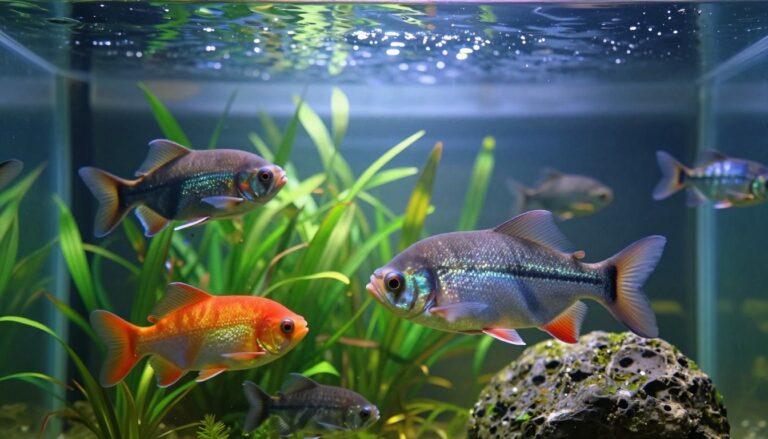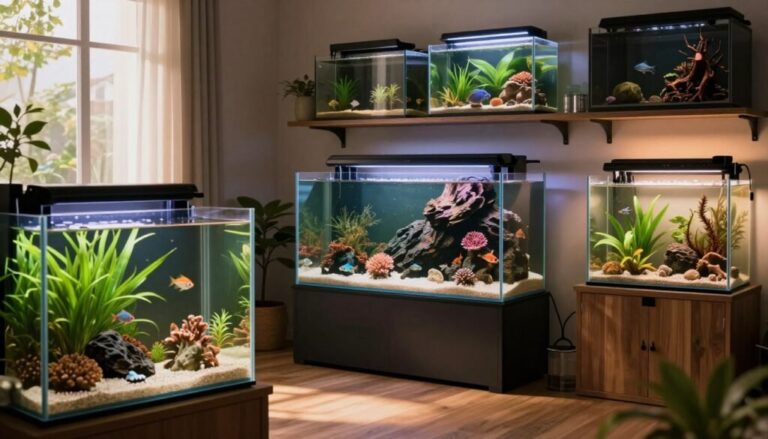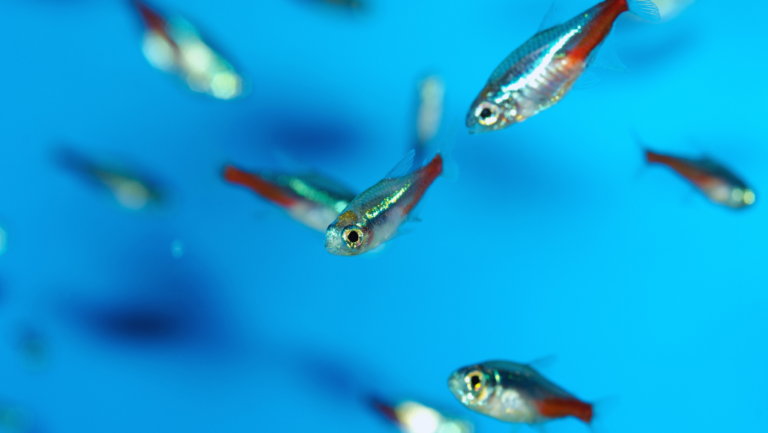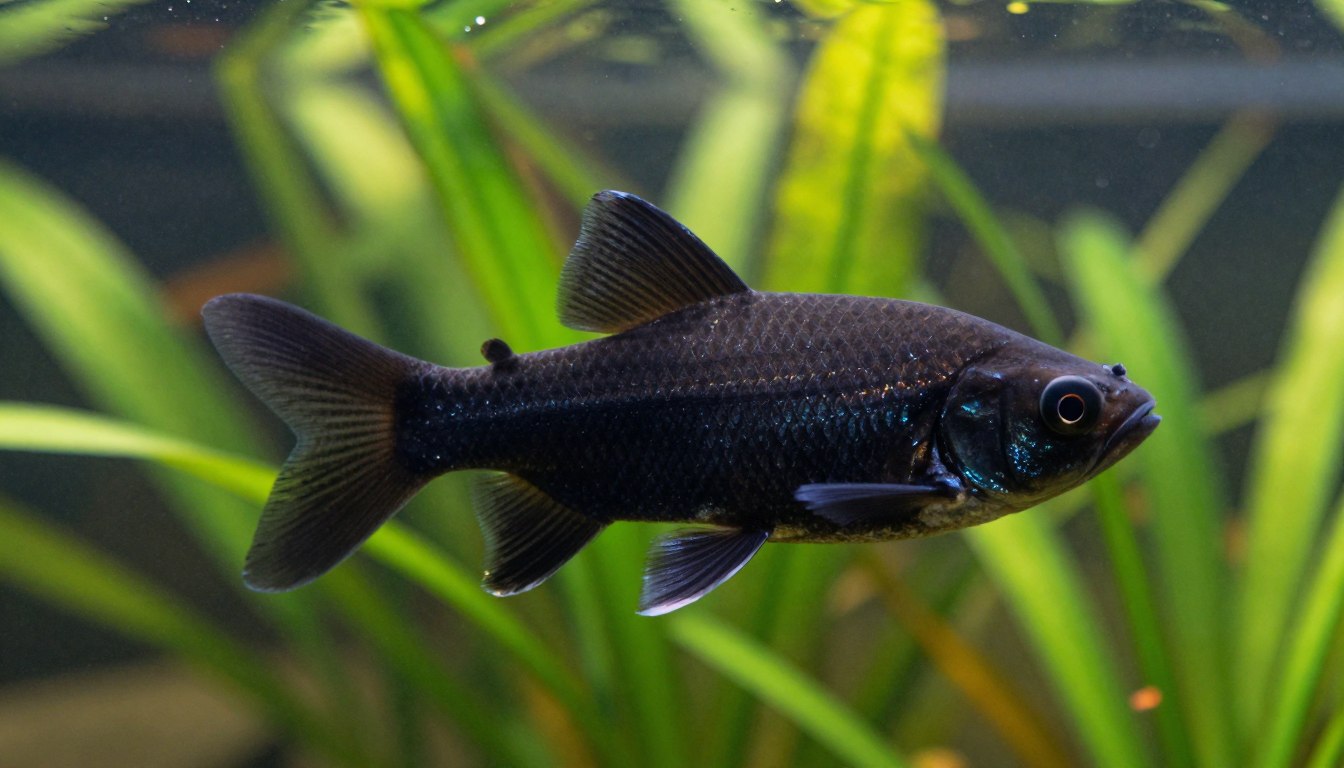
Imagine a blue-green tank where dark-bodied swimmers glide like living shadows, adding instant drama and focus to your setup.
True ebony coloration is rarer than most hobbyists expect, so choosing species and tweaking lighting is part of the fun. This guide highlights beginner-friendly picks—betta, black neon tetra, black molly, black moor goldfish, and red tail shark—each suited to a different tank size and vibe.
We use practical care ranges for U.S. keepers: gallons, °F, and pH are included to help you plan. Expect compatibility tips so you avoid impulse buys that outgrow or clash with your community.
Finally, get simple aquascaping ideas—dark substrate, driftwood, and lush green plants—to make these velvet movers pop in motion and light.
Key Takeaways
- Black Freshwater Fish.
- Dark-bodied species add instant visual drama to planted tanks.
- “True black” is uncommon; lighting and decor matter.
- Featured picks suit a wide range of tank sizes and care levels.
- Care guidance uses gallons, temperature, and pH for U.S. hobbyists.
- Plan aquascape and tankmates before buying to avoid problems.
Why Black Fish Create a Stunning Freshwater Aquarium Vibe
A dark-bodied centerpiece instantly turns a tank into a cinematic scene where every leaf and stone reads brighter. This is about composition: a single deep silhouette gives other colors room to shine.
Contrast that makes colors, plants, and hardscape pop
Think of the dark swimmer as negative space in a painting. Bright greens, reds, and textured stones look more saturated when set against a deep focal point. That contrast feels deliberate and polished.
How appearance shifts under different lighting
Color can change across a range of LEDs. Warm lights nudge tones toward charcoal and brown. Cool lights can bring out blue-black or metallic sheens. Observe specimens under store lights and imagine them under your own setup.
Small design choices deepen the effect. A black film background makes silhouettes bold, while a frosted backdrop adds soft depth and makes plants appear more dimensional.
- Darker focal species expand the styles that work, from minimalist rock layouts to lush planted scenes.
- Lighting and background change how a specimen reads across a lighting range.
- Plan layout so plants and hardscape feel intentional and dramatic.
What Counts as “Blackfish” and Why the Term Can Get Confusing
“Blackfish” is a casual label used across hobby forums, shops, and regional guides. It groups unrelated species that share a dark appearance, not a single taxonomic family. That mix-up can lead to buying the wrong animal for your tank.
Nicknames in the wider aquatic world
Common names like black ghost knifefish, Alaska blackfish, and black sea bass show how the nickname spans rivers, lakes, and oceans. Online searches often return mixed results because the term skips scientific clarity.
Why this guide stays freshwater-friendly
We focus on freshwater species because they tend to fit typical home setups and easier care ranges for U.S. hobbyists. Saltwater tanks demand precise salt mixing, reef-safe choices, and tighter parameter stability.
- Think of “blackfish” as a descriptive nickname, not a care guide.
- Verify scientific names before you buy to avoid surprises and premium pricing.
- Choosing clarity up front raises the odds of a healthy aquarium.
How to Choose black freshwater fish for Your Tank
Start by matching the adult size of your specimen to the actual swim space your tank provides. A small juvenile can mislead you; plan for the grown animal and the tank range (volume + footprint) it needs.
Match adult size to your aquarium range and swimming space
Rule #1: choose by adult size, not store appearance. Betta: min 5 gal. Black Neon Tetra: min 10 gal. Black Molly: min 29 gal. Black Moor Goldfish: min 20 gal. Red Tail Shark: min 55 gal.
Temperament check: peaceful community vs. territorial showpiece
Temperament shapes stocking. Bettas can be aggressive; tetras and goldfish are peaceful. Sharks are territorial and need space and hiding lanes.
Water quality targets: temperature and pH basics
Stable temperature and pH matter more than exact numbers. Aim for the species’ ranges: Betta 75–80°F, pH 6.5–8; Black Neon ~75°F, pH 5.5–7.5; Molly 70–79°F, pH 7–8.5; Moor 60–75°F, pH 7–7.5; Shark 72–79°F, pH 6.5–7.5.
Planted tank fit: which fish thrive with plants
Gentle, midwater schooling species pair best with a plant-forward aquascape. Territorial or fin-nipping types do better with sight breaks, strong hides, and open lanes so plants and inhabitants stay healthy.
“Pick your centerpiece first, then build the rest of the tank around it.”
- Plan aquascape before stocking: hides, sight breaks, and swim paths.
- Keep water quality steady to reduce stress and disease risk.
Black Betta Fish That Look Like Living Velvet
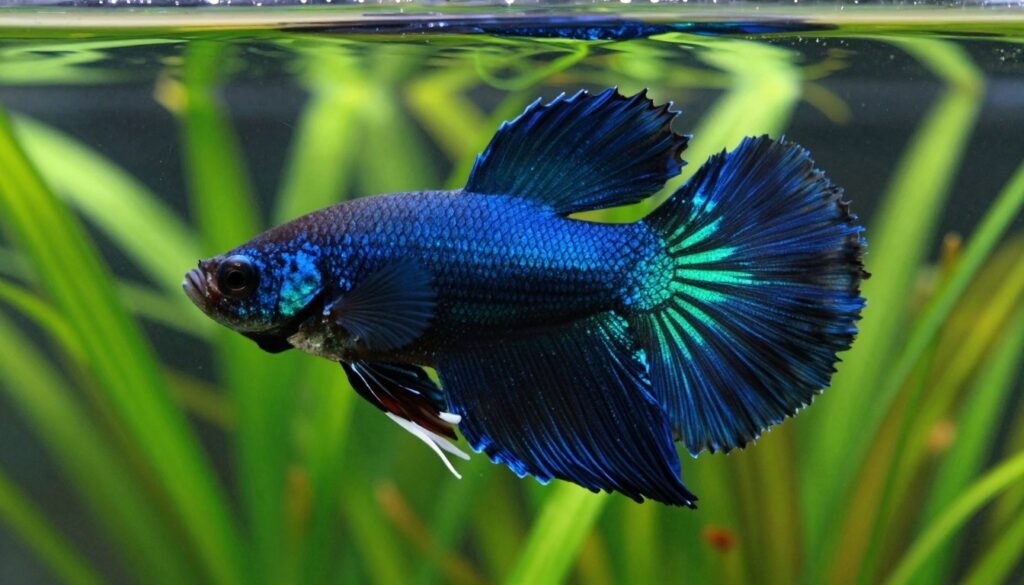
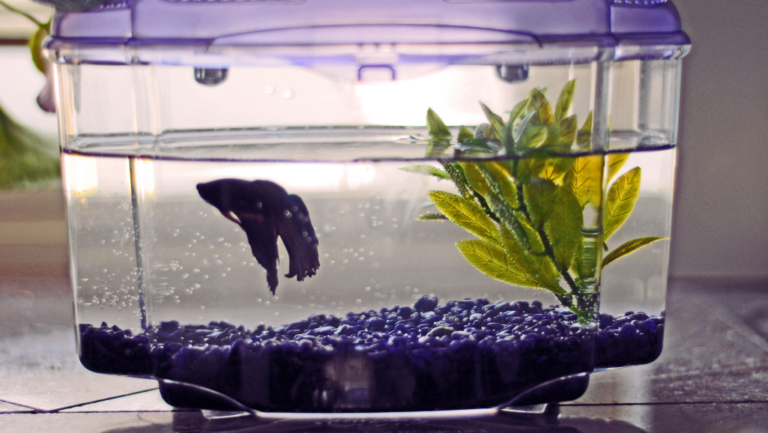
A velvety male betta can transform a small tank into an intimate stage of motion and shimmer.
Core care snapshot: adult size ~3 inches; minimum 5 gallons; temperature 75–80°F; pH 6.5–8. Bettas are aggressive and omnivorous, so tankmates must be chosen with care.
Varieties to know
Collectors prize several dark strains. Black Melano and Black Lace are sought after for deep tones. Other names to watch for include Orchid, Copper-based varieties, Super (ultra) black types, and dragonscale bettas with a bluish sheen. Designer lines can cost more due to rarity and breeding demand.
Planted display ideas
Keep the layout simple so the betta becomes the focal point. Use soft plant edges, shaded pockets, and a clean foreground. Broad leaves and gentle flow create restful spots where the fish can claim territory.
Food and daily rhythm
Feed a varied omnivore diet: high-quality pellets, occasional frozen or live treats, and small portions once or twice daily. A steady feeding plan preserves color and overall life quality without fouling water.
“Design for rest: broad leaves and hiding pockets let the betta thrive in small tanks.”
Black Neon Tetra for a Peaceful, Planted Community
Imagine soft silver flashes weaving calmly through dense green plants—subtle and refined.
Water preferences inspired by their soft, acidic origins
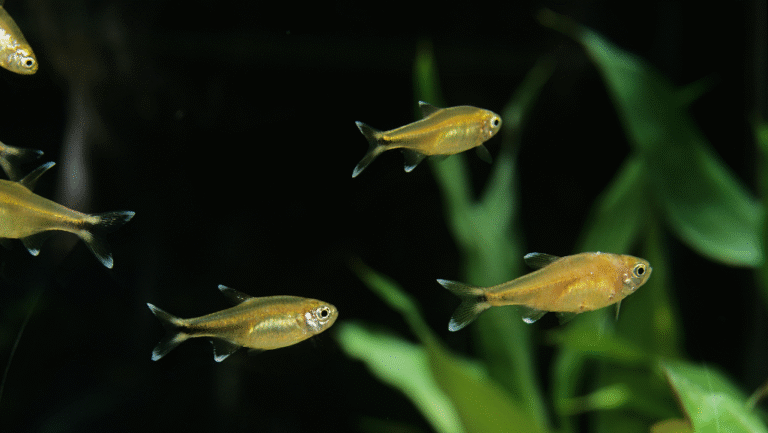
Hyphessobrycon herbertaxelrodi reaches about 1 inch as an adult and needs a minimum 10-gallon tank. Keep temperature near 75°F and pH in the 5.5–7.5 range. Stability across that range matters more than chasing exact numbers.
Schooling and tankmate pairing for a calm midwater look
These gentle swimmers are omnivorous and thrive in groups. A school of six to twelve creates a confident midwater ribbon that lifts the whole aquascape.
Choose calm community tankmates to avoid stress and fin-nipping. Fine-leaf plants and shaded zones let them show off natural behavior and richer contrast. Breeding is tricky, so most hobbyists enjoy them as a display school rather than a breeding project.
- Quiet luxury: subtle dark-and-silver tones that glide through plants.
- Stable water: soft, slightly acidic conditions suit their origin in Brazil.
- Schooling: more individuals improve presence and comfort.
- Tankmates: peaceful species only to preserve calm behavior.
“A tight school of these little swimmers turns plants and hardscape into a living stage.”
Black Molly for Motion, Personality, and Easy Care
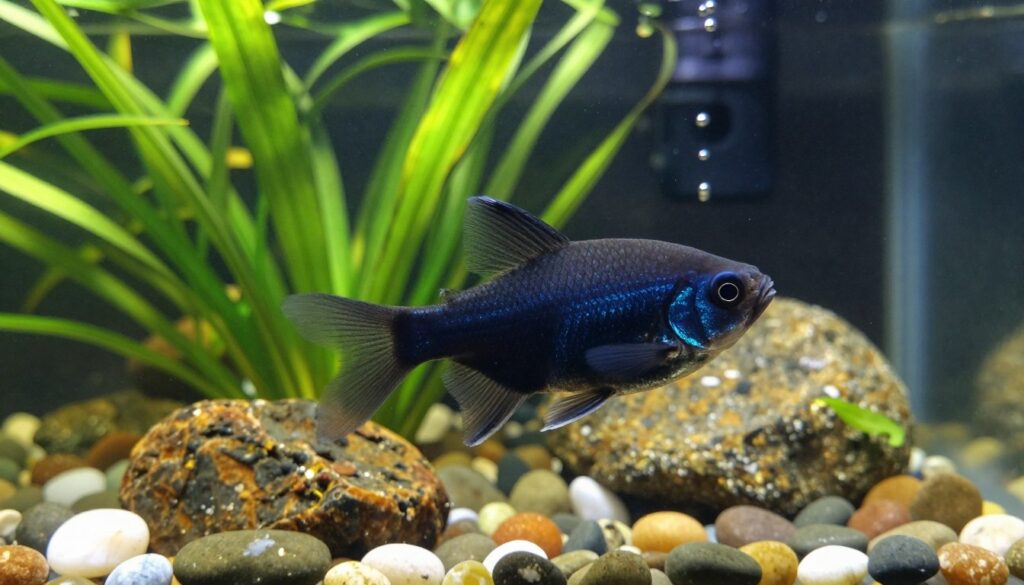
These lively livebearers inject motion and personality into planted setups. Poecilia sphenops grows to about 5 inches and needs at least a 29-gallon tank. Aim for 70–79°F and a pH of 7.0–8.5 for steady health.
Brackish flexibility and why a little salt helps
Mollies tolerate a wide salinity range, from plain freshwater to mildly brackish water. Many keepers add a small amount of aquarium salt to support osmoregulation and reduce external parasites.
Note: add salt slowly and avoid mixing with true marine species.
Diet, algae grazing, and a practical feeding plan
They are omnivores that accept pellets, flakes, and vegetable-rich treats. Their grazing helps control algae and keeps the tank cleaner when paired with regular maintenance.
Feeding plan: high-quality staple once or twice daily, plus a veggie item (blanched zucchini or spirulina) two to three times a week to sustain color and reduce nipping.
Breeding, community dynamics, and shrimp caution
Mollies are livebearers and will produce fry under good conditions. Provide extra cover or a separate grow-out if you want to raise young or prevent overpopulation.
Semi-aggressive tendencies mean watch for fin nips. Give them structure, hiding lanes, and ample swim space to reduce stress.
Shrimp note: small shrimp and juveniles can be vulnerable around opportunistic adults and hungry mouths.
- Personality pick: lively presence that enlivens medium-to-large ranges.
- Flexible care: tolerates mild brackish conditions with careful salt use.
- Diet advantage: omnivory and algae grazing support visual tank quality.
- Breeding: livebearers—plan for fry or provide refuges.
“A single active molly can change the energy of a tank—plan space and diet, and they’ll reward you with motion and character.”
Black Moor Goldfish for a Classic, Long-Life Centerpiece
With their protruding eyes and slow, deliberate glide, Moors feel like living sculpture.
Signature look and temperament
Carassius auratus carries a velvety body and the famous “dragon eye” silhouette. Adults reach about 6–8 inches and move with calm, social manners that suit a gentle display.
Tank, temperature, and care range
Plan for at least a 20-gallon start, but larger is better. They prefer a cooler range of 60–75°F and stable pH near 7.0–7.5. Cooler temps affect tankmate choice and heater needs, so pick companions that share this range.
Life commitment and aquascape tips
Expect a long life—commonly 20 years and often 25+ with strong care—so prioritize robust filtration and regular maintenance.
Use sturdy plants, protected planting zones, and smooth decor to avoid eye or fin damage. Favor open swim lanes and minimal clutter so the Moor reads like a gallery centerpiece.
“Think fewer companions and cleaner lines—let the Moor be the living work of art.”
- Peaceful, social temperament
- Plan beyond minimum tank size for waste and growth
- Prioritize filtration for long life
Red Tail Shark for Bold Contrast in Large Aquariums
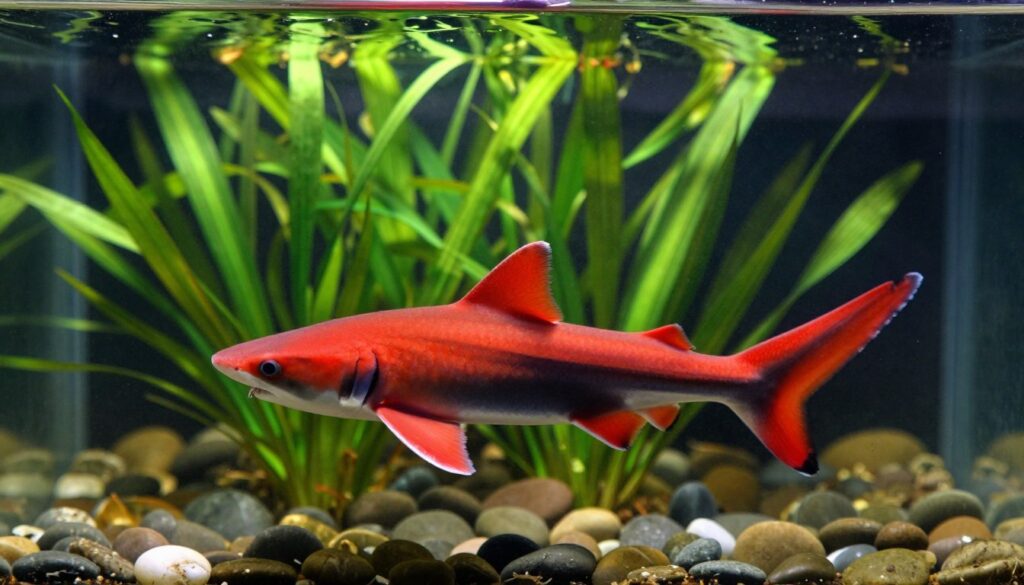
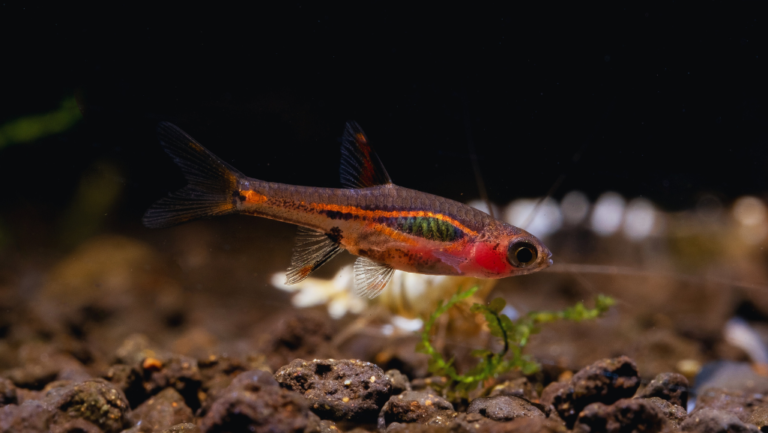
A single crimson tail cutting through dense greenery brings instant drama to a large planted tank. The red tail shark (Epalzeorhynchos bicolor) offers high contrast energy: a velvety dark body with an electric red tail that pops against green plants and pale sand.
Minimum tank size and why territory matters
Plan for at least 55 gallons and a roomy footprint. Adults reach about 4–6 inches, and cramped space turns patrol behavior into constant stress. Sight lines and swim lanes reduce conflict.
Compatibility: when to avoid community setups
Temperament is aggressive and territorial, and aggression often increases with age. Avoid bottom-dwelling or similarly shaped tankmates. Use wood, rock lines, and dense edges to create sight breaks and clear boundaries.
Feeding: omnivore variety for stable color and health
Offer a varied diet of quality pellets, algae wafers, and occasional frozen treats. Rotating staples helps maintain color and reduces boredom with food choices.
“Because wild populations face serious threats, prioritize reputable sourcing and avoid impulse buys.”
- High-contrast centerpiece for large planted setups.
- Territory is the core issue—give space and sight breaks.
- Rotate diet to support long-term health and color.
- Respect wild population range concerns when sourcing.
Building a Black-Themed Aquascape With Plants
Simple composition—clear lanes, layered depth, and subtle foliage—makes a dark centerpiece sing.
Plant choices that keep the focus on the centerpiece
Pick deep-green, fine-leaf species that read as texture rather than color fireworks. Mosses, vallisneria, and crypts create shadowed backgrounds.
Tip: use a single bright accent plant sparingly so the main silhouette stays dominant.
Using driftwood, rocks, and dark substrates for depth
Dark sand or gravel amplifies a velvet look and makes silhouettes pop. Place driftwood to create negative space and framed swim lanes.
Arrange rocks in thirds: darker rear, mid-depth structure, and lighter foreground accents to build a perceived range.
Keeping plants healthy while maintaining water quality
Balanced lighting and steady nutrients prevent algae that dull the scene. Moderate stocking and consistent maintenance help plants thrive.
“More cover reduces stress, supports natural movement, and keeps the tank calm but alive.”
- Frame the centerpiece with texture, not flashy color.
- Create clear swim lanes for confident movement.
- Use substrate and hardscape to add depth and drama.
- Keep plant care simple: stable light, gentle fertilization, regular trims.
Feeding Black Freshwater Fish: Food That Supports Color and Health
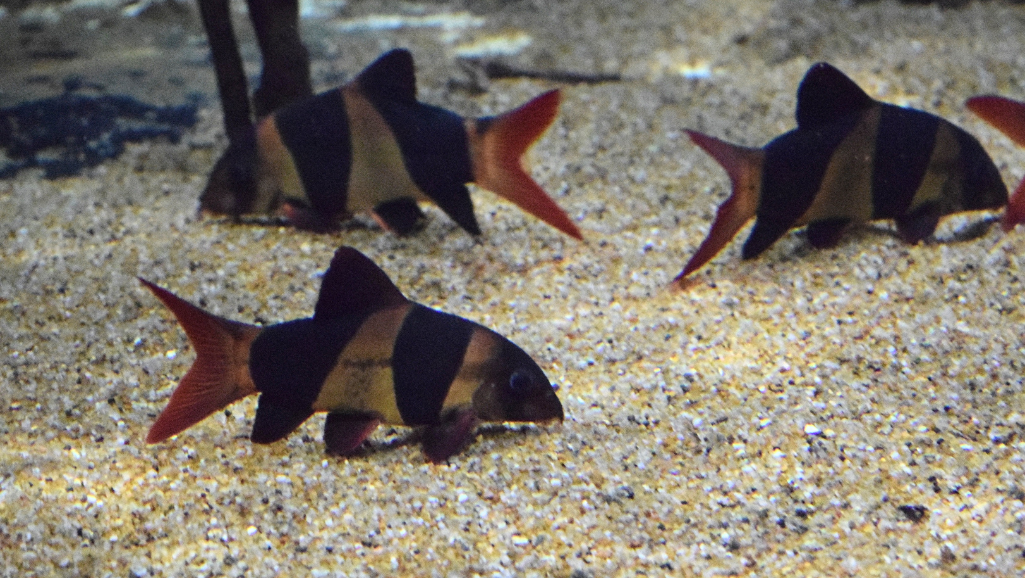
Match diet to biology and you’ll see brighter tones, livelier behavior, and clearer water.
Omnivores vs. protein-first diets
Know your species: omnivores need variety—pellets, vegetable matter, and occasional protein—while carnivore-leaning animals require a protein-forward staple to thrive.
A simple weekly rotation keeps nutrition balanced across a handy range: a pellet or flake base, two days of frozen meaty options, one algae/vegetable day, and occasional live treats.
Live and frozen treats: where shrimp fits
Frozen or live shrimp make excellent protein treats for some species, but they also trigger predatory hunting in others. Offer them sparingly and watch reactions closely.
Overfeeding and practical discipline
Overfeeding is the silent tank killer—leftover food raises waste, fuels algae, and destabilizes water chemistry. Feed small portions, remove uneaten bits, and keep a steady schedule.
“Disciplined feeding equals clearer water, healthier stock, and a display that looks intentional.”
- Match diet to biology for best color and vitality.
- Use a simple rotation: staple base + targeted add-ons.
- Assume any large-mouthed species may eat small shrimp—plan accordingly.
Water Quality Essentials for a Clear, Blue-Green Display
Clear, blue-green water is a sign of steady husbandry, not frantic adjustments. It means filtration is doing its job, stocking matches tank size, and routine care is consistent. These basics let colors read truer and movement look cinematic.
Temperature ranges to note
Keep species ranges in mind so you don’t mix coolwater goldfish with tropical swimmers. Typical ranges for the featured stock are:
- Bettas: 75–80°F
- Black Neon Tetras: ~75°F
- Mollies: 70–79°F
- Black Moor Goldfish: 60–75°F
- Red Tail Sharks: 72–79°F
pH and stability: avoid swings
Consistent pH within a safe range reduces stress far more than chasing an exact number. Aim for gradual adjustments if you must change parameters. Test weekly and treat only when levels drift out of the species’ acceptable range.
Filtration and maintenance habits
Right-size your filter for the tank’s range and stocking level. Prioritize steady flow over extreme turbulence so plants and animals feel comfortable.
- Do partial water changes (10–25%) weekly to biweekly depending on stock.
- Clean gravel with a siphon during changes; avoid replacing all filter media at once.
- Rinse mechanical media in tank water to preserve beneficial bacteria.
“Great water makes dark-toned specimens look richer, motion smoother, and the whole aquascape more cinematic.”
Bottom line: steady filtration, measured stocking, and a calm maintenance rhythm will keep that blue-green clarity and protect long-term health.
Tankmate Compatibility: Keeping the Peace in Mixed Community Tanks
Successful mixed setups prioritize swim zone, temperature, and temperament over visual matchups. Start by matching behavior and the tank’s physical range before you match color or rarity.
Peaceful pairings for tetras and mollies
Schooling species like tetras do best with calm, midwater companions. Keep them in groups so they feel secure and show natural schooling behavior.
Mollies can be semi-aggressive. Give them extra swim space, visual breaks, and dense edges to cut down on nipping.
Solo or species-first setups for bettas and territorial fish
Bettas and territorial bottom dwellers often succeed in solo or species-first displays. This approach values long-term success over risky community experiments.
Goldfish-specific considerations in community planning
Goldfish need cooler water and produce more waste. That temperature and bioload difference usually rules out tropical companions.
“Plan carefully, then watch—compatibility is partly design and partly observation over time.”
- Match temperament, temperature, and swim zone before matching color.
- Observe interactions for several days and be ready to separate if stress appears.
Keeping Shrimp With Black Fish: When It Works and When It’s Risky
Successful coexistence starts with honest risk assessment and habitat-first design.
Many hobbyists assume “peaceful” equals shrimp-safe. That expectation often leads to disappointment. Predation depends more on mouth size, hunting instinct, and feeding behavior than on a species label.
Predation realities and practical risk cues
Mouth size matters: large-mouthed species can swallow tiny invertebrates whole. Active hunters will probe leaf litter at night. Consider the adult size and feeding style to judge true risk within your tank’s range.
Small juveniles and shrimplets are almost always at risk. Adult shrimp may survive with calm, non-pursuing companions and abundant cover.
Design tricks that improve shrimp survival
Build complexity before adding visitors. Dense plants, moss carpets, and wood crevices break sight lines and give shrimp escape routes.
- Use mossy zones and leaf-litter structure to hide juveniles.
- Place driftwood and rock stacks to create layered refuges.
- Favor slow water flow and shaded pockets where shrimp can graze safely.
Design recommendation: adopt a “shrimp-first” layout—install plants and hides, let shrimp establish territories, then introduce any risk-prone tankmates.
“With thoughtful cover and a habitat built for them first, shrimp and contrasty residents can coexist beautifully.”
For step-by-step shelter ideas and setup guidance, see setting up a shrimp aquarium. With care and the right design, you can enjoy dramatic contrast and healthy invertebrate life together.
Beginner-Friendly vs. Advanced Black Fish: Set Expectations Early
Picking the right dark-toned swimmer starts with honest expectations about care and space.
Easy starters reward steady, simple husbandry: a cycled tank, reliable temperature, and routine maintenance. Bettas, black neon tetras, and mollies fit this category when kept in the proper tank range and community plan.
Easy starters for new hobbyists
Choose species that tolerate minor variation and show resilience to beginner mistakes.
- Betta: solitary or carefully chosen companions; small tanks okay.
- Black neon tetra: schooling, peaceful, needs group numbers.
- Molly: hardy and active; benefits from space and veggie foods.
Moderate-difficulty picks that need planning and space
Some attractive options are easy in temperament but demand infrastructure. Black moor goldfish are calm but need cooler water and heavy filtration for long lives.
The red tail shark moves into moderate difficulty because of territorial behavior, compatibility limits, and the need for a larger footprint. Pick the species that fits your routine, not just your aesthetic mood.
“Choose for lifestyle and long-term care—good design keeps both you and your stock happy.”
Beyond the Aquarium: “Black” Fish You’ll Hear About in the United States
Outside hobby circles, the phrase often points to sport and wild species rather than pets kept in glass.
In U.S. angling and ecology talks, “black” commonly references black bass—well-known game species prized for size and fight.
Black bass and related species: habitat and range snapshots
Largemouth Bass (Micropterus salmoides) favors warm, quiet waters with vegetation, docks, and structure. Spotted, Shoal, and Smallmouth bass occupy distinct ranges: shoal and smallmouth prefer rockier, flowing rivers and clearer streams in certain basins, while spotted bass and largemouth thrive in warmer reservoirs and lakes.
Why wild facts don’t always translate to home aquariums
Wild bass live in large systems with seasonal temperature swings, wide-ranging food webs, and room to migrate. Those conditions shape behavior, diet, and spawning patterns—especially spawning triggers in the 60s °F.
Why that matters: aquarium care should rely on captive husbandry data, not wild biology. Wild habitat notes help contextually, but tank plans must focus on space, temperature, and behavior that captive animals tolerate.
- Search caution: “Black” in U.S. contexts often leads to bass-related results, not aquarium species.
- Habitat note: largemouth—warm lakes; smallmouth—rocky rivers.
- Practical takeaway: stick to proven home-care guides for pet success.
“Wild range and behavior inform us, but they don’t replace species-specific captive husbandry.”
Conclusion
A well-chosen dark centerpiece can pull an entire aquascape into a cohesive, gallery-like display. The velvet betta, subtle tetra, lively molly, classic moor, and dramatic red tail shark each create a different mood. Together they show how tone and motion shape a tank’s character.
Decision checklist: match adult size to your tank range, confirm temperament, and keep water stable. Design the layout first; structure, shadows, and swim lanes let contrast read as art rather than stress.
Source responsibly and learn about local impacts—see the black acara risk summary for an example of ecological context in the United States.
Build for health, then beauty. With intentional choices your aquarium becomes a living gallery where each creature is the ultimate focal point.
FAQ
What makes a mostly dark-colored specimen a good choice for a planted aquarium?
How do I know if a “black” fish is truly freshwater and not saltwater?
What tank size and water parameters should I aim for when keeping velvety bettas and similar showpieces?
Are neon-type tetras with dark coloration suitable for planted community tanks?
Can mollies and similar livebearers live in both freshwater and brackish setups?
How should I feed velvety and dark-bodied species to support coloration and health?
Do black moor goldfish need special aquascapes or plants to thrive?
When is a Red Tail Shark a poor choice for a community aquarium?
Can I keep shrimp with dark-bodied fish, and what design tips improve survival?
How do I maintain water quality for a clear, blue-green display with dark fish in the foreground?
Which dark-hued species are best for beginners versus advanced hobbyists?
How does diet affect tank cleanliness and the overall ecosystem?