Starting your journey into fishkeeping can be exciting, but it’s important to make the right choices from the beginning. A well-chosen tank ensures stability and ease of maintenance, which are crucial for new hobbyists. Selecting the right size and type of setup can make all the difference in creating a thriving environment for your aquatic pets.
Many beginners find that a complete kit, like the Marina 20G LED Aquarium Kit, simplifies the process. These kits often include everything you need, from filtration to lighting, saving time and effort. Experts recommend starting with a larger tank, as it provides better water quality and more room for fish to thrive.
This guide draws from expert interviews and detailed product reviews to help you make informed decisions. Whether you’re setting up your first aquarium or looking for maintenance tips, we’ve got you covered. Stay tuned for comparisons, expert advice, and practical recommendations to ensure your setup is a success.
Key Takeaways
- Choosing the right size tank is essential for stability and ease of maintenance.
- Complete kits simplify the setup process and include necessary equipment.
- Larger tanks are recommended for better water quality and fish health.
- Expert reviews and interviews drive the top recommendations in this guide.
- best starter aquarium and maintenance are key to a thriving aquarium.
Introduction to Starter Aquariums
Proper housing for fish is essential to their health and happiness. A beginner-friendly setup is designed to simplify the process while ensuring a stable environment for aquatic life. For new hobbyists, this means choosing a fish tank that provides adequate space and includes the necessary equipment.
Even a modest fish tank, when equipped correctly, can offer long-term enjoyment. Experts recommend starting with a 10-gallon tank, as it provides enough room for fish to thrive and is easier to maintain. This size also allows for better water quality, which is crucial for the well-being of your aquatic pets.
Common beginner mistakes include overcrowding the tank or skipping essential equipment like filters and heaters. Proper planning avoids these issues and ensures a smooth start. For example, a betta requires a heater to maintain a consistent temperature, while a filter keeps the water clean and safe.
Setting up a fish tank is more than just filling it with water and adding fish. It involves understanding the needs of your aquatic pets and creating an environment that supports their health. By focusing on the right equipment and careful setup, you can enjoy a thriving tank for years to come.
Understanding the Benefits of a Starter Aquarium
A balanced water ecosystem is the foundation of a thriving fish habitat. Starter kits simplify this process by including all the essential components in one package. From filters to heaters, these kits ensure that your tank maintains optimal water quality, which is crucial for fish health.
One of the key advantages of a starter kit is its convenience. Instead of sourcing individual components, you get everything you need in one box. This not only saves time but also reduces the chance of errors during setup. For beginners, this is a game-changer.
The right size of your tank also plays a significant role. Larger tanks provide better water stability and allow for proper bacterial colonization. This creates a healthier environment for your fish and makes maintenance easier.
“Starter kits are a great way to ensure you have all the essentials without the guesswork,” says a seasoned aquarist.
In terms of cost, starter kits are often more affordable than buying components separately. They also eliminate the stress of figuring out what you need, making them ideal for new hobbyists. With a well-planned kit, you can focus on enjoying your aquatic pets rather than troubleshooting setup issues.
How to Choose the Best Starter Aquarium for Beginners
Selecting the right setup for your first fish tank can set the stage for a rewarding hobby. A good choice ensures a healthy environment for your aquatic pets and simplifies maintenance. Start by considering the size of the tank, as larger options like the Marina 20G LED Aquarium Kit provide better water stability and more room for fish to thrive.
Ease of feeding and care is another critical factor. Beginner-friendly kits often include filters and heaters, which are essential for maintaining water quality. For example, the Marina kit’s filter is praised for its ability to support beneficial bacterial colonies, making it a top choice for new hobbyists.
The right food and plant life also play a significant role in creating a balanced ecosystem. Live plants not only enhance the tank’s visual appeal but also help maintain water quality by absorbing excess nutrients. Pairing these with high-quality fish food ensures your pets stay healthy and vibrant.
Budget and available space are practical considerations. While kits like the Marina 20G are convenient, they may lack certain components like heaters. Adding an adjustable heater, such as the Eheim Jäger Thermostatic Aquarium Heater, can provide the flexibility needed for tropical setups.
Avoid common pitfalls like overcrowding or skipping essential equipment. Thoughtful choices in tank size, equipment, and setup lead to a thriving aquatic environment. With the right approach, your first tank can become a source of joy and relaxation.
Components of a Complete Aquarium Kit
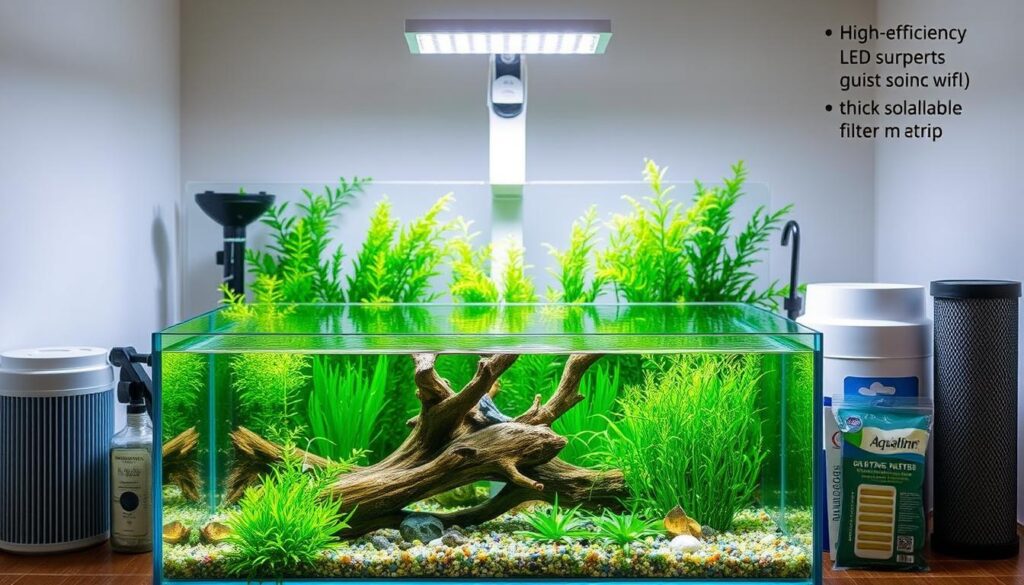
Creating a thriving aquatic environment starts with understanding the essential components of a complete setup. A quality kit includes everything you need to maintain a balanced ecosystem, from filtration to lighting. Each piece of equipment plays a vital role in ensuring the health and happiness of your fish.
Essential Equipment and Accessories
The foundation of any setup is the tank, which provides the space for your aquatic pets to thrive. A filter is crucial for maintaining water quality by removing debris and supporting beneficial bacteria. Heaters, like the Eheim Jäger Thermostatic Aquarium Heater, ensure the water stays at the right temperature for your fish.
Lighting is another key component. The right type of light supports plant growth and enhances the tank’s visual appeal. For example, LED lights are energy-efficient and customizable, allowing you to adjust the color to suit your preferences.
- Tank: Provides space for fish and plants.
- Filter: Keeps water clean and supports bacteria.
- Heater: Maintains consistent water temperature.
- Lighting: Supports plant growth and enhances aesthetics.
Additional Supplies for Customization
Beyond the basics, additional supplies like substrate and decorations allow you to personalize your setup. Substrate, such as gravel or sand, not only adds color but also supports plant roots and beneficial bacteria. Decorations, like rocks and driftwood, create hiding spots and add visual interest.
A proper stand is essential for stability and safety. It ensures your tank is securely positioned and can handle the weight of the water. For larger setups, a sturdy stand is a must to prevent accidents.
“The right combination of equipment and accessories ensures a balanced ecosystem for your fish,” says a seasoned aquarist.
For more detailed recommendations on essential components, check out this comprehensive guide. If you’re interested in saltwater setups, this complete kit overview is a great resource.
Top Starter Aquarium Kits We Recommend
Finding the right setup for your aquatic pets can make all the difference in their health and happiness. Two standout options for beginners are the Marina 20G LED Aquarium Kit and the Aqueon LED 20 Aquarium Kit. Both offer unique features that simplify maintenance and create a thriving environment for your fish.
Marina 20G LED Aquarium Kit Overview
The Marina 20G LED Aquarium Kit is a top pick for its versatility and ease of use. Its bright LED lighting enhances the tank’s visual appeal while supporting plant growth. The kit includes a robust filter that promotes beneficial bacterial colonies, ensuring better water quality.
One of the standout features is the size tank, which provides ample space for fish to thrive. This larger capacity also improves water stability, making it easier to maintain a healthy ecosystem. However, the kit lacks a heater, which is essential for tropical setups.
“The Marina kit’s filter is a game-changer for beginners, offering stability and ease of maintenance,” says a seasoned aquarist.
Aqueon LED 20 Aquarium Kit as a Runner-Up
The Aqueon LED 20 Aquarium Kit is another excellent choice, though it falls slightly behind the Marina kit. Its lighting is dimmer, which may limit plant growth, but it still provides adequate illumination for most setups. The filter is less powerful but still effective for smaller tanks.
Like the Marina kit, the Aqueon’s size tank offers sufficient space for fish to swim freely. This larger capacity also contributes to better water stability, reducing the need for frequent maintenance. While it’s a solid option, it may require additional equipment for tropical fish.
Both kits are excellent for beginners, but the Marina kit’s superior lighting and filtering make it the top choice. The Aqueon kit, however, remains a reliable runner-up for those seeking a more budget-friendly option.
Setting Up Your New Aquarium

Setting up your first fish tank is an exciting step into the world of aquatic care. A well-planned setup ensures a smooth start for your aquatic pets. Proper installation and safety measures are key to a successful tank setup.
Installation and Safety Tips
Begin by carefully unpacking your starter kit and ensuring all components are present. Place the tank on a flat, sturdy surface that can support its weight when filled. A proper stand is essential for stability and safety.
Install the filter according to the manufacturer’s instructions. A reliable filter is crucial for maintaining water quality and supporting beneficial bacteria. Double-check all connections to prevent leaks or malfunctions.
Safety is paramount during setup. Keep electrical cords away from water and ensure all equipment is properly grounded. Use a water conditioner, like Tetra® AquaSafe® Solution, to remove harmful chlorine and chloramine from tap water.
“Taking the time to set up your tank correctly ensures a healthy environment for your fish,” says a seasoned aquarist.
Optimal Tank Location and Stand Selection
Choosing the right location for your tank is just as important as the setup itself. Place it in an area with easy access to electrical outlets and water sources. Avoid direct sunlight, as it can cause algae growth and temperature fluctuations.
A solid stand is essential for larger tanks. For example, a 20-gallon tank filled with water and substrate can weigh over 200 pounds. Ensure the stand is level and capable of supporting the tank’s full weight.
Proper care during setup prevents accidents and ensures a thriving environment. For more detailed guidance, check out this beginner aquarium guide.
By following these steps, you’ll create a safe and stable home for your aquatic pets. A quality starter kit and thoughtful setup are the foundation of a successful fishkeeping journey.
Maintenance and Care for Your Aquarium
Maintaining a healthy aquatic environment requires consistent care and attention to detail. Regular tasks like water changes, cleaning, and equipment checks ensure your fish thrive. A well-planned routine prevents common issues and keeps your tank in top shape.
Routine Water Changes and Cleaning
Water changes are essential for maintaining water quality. Experts recommend replacing 15-25% of the tank water every 1-2 weeks. This helps remove toxins like ammonia and nitrates, keeping the environment safe for your fish.
Use a gravel vacuum to clean the substrate without disrupting beneficial bacteria. Avoid removing more than 25% of the water at once to maintain biological balance. Regular cleaning also includes wiping down the tank walls to prevent algae buildup.
Keeping Filters and Equipment in Top Shape
Your heater plays a crucial role in maintaining the right temperature, especially for tropical fish. Check it weekly to ensure it’s functioning properly and keeping the water between 75° and 80° Fahrenheit.
Proper light management supports plant growth and regulates fish behavior. Replace bulbs annually, even if they haven’t burned out, to maintain consistent lighting. Clean the light fixtures regularly to prevent dust buildup.
Monitor the gallon volume of your tank to ensure stability. Larger tanks are easier to maintain, but even smaller setups can thrive with regular care. Test water parameters monthly to check pH, ammonia, and nitrate levels.
Feeding your fish the right amount of fish food is equally important. Overfeeding can lead to water quality issues. Feed only what your fish can consume in one minute, and remove any uneaten food promptly.
“Consistent maintenance is the key to a thriving tank. A little effort goes a long way in ensuring your fish stay healthy and happy,” says a seasoned aquarist.
- Perform water changes every 1-2 weeks to maintain water quality.
- Check your heater weekly to ensure proper temperature control.
- Replace light bulbs annually for consistent illumination.
- Monitor gallon volume and water parameters monthly.
- Feed fish food in controlled amounts to prevent overfeeding.
Understanding Aquarium Tank Sizes and Shapes

Understanding the size and shape of your tank is crucial for creating a healthy aquatic environment. The dimensions of your setup directly impact water quality, fish behavior, and overall maintenance. Larger tanks, such as a 20-gallon setup, are often recommended for beginners due to their stability and ease of care.
Benefits of Larger Tanks for Stability
Larger tanks provide more space for fish to swim and reduce stress. They also support a more stable environment by promoting beneficial bacteria colonization. These bacteria break down waste, keeping the water cleaner and safer for your aquatic pets.
Over time, larger water volumes help buffer changes in water conditions. This means fewer fluctuations in temperature and pH, which can be harmful to fish. For example, a 20-gallon tank dilutes waste more effectively than a smaller setup, reducing the need for frequent water changes.
Choosing the right aquarium kit is essential for beginners. Kits designed for larger tanks often include filters and heaters, which are critical for maintaining water quality. A well-planned setup ensures a thriving ecosystem for your fish.
“Larger tanks offer better stability and make it easier to maintain a healthy environment for your fish,” says a seasoned aquarist.
When selecting a tank, consider the shape as well. Rectangular tanks provide more surface area for oxygen exchange, which is vital for fish health. Tall tanks, on the other hand, may look visually appealing but offer less swimming space.
By understanding the benefits of larger tanks and choosing the right setup, you can create a thriving aquatic environment. A well-planned aquarium kit and thoughtful design ensure your fish stay healthy and happy, day by day.
Choosing the Right Equipment: Heater, Filter, and Light
Creating a thriving aquatic environment requires the right equipment tailored to your tank’s needs. Heaters, filters, and lighting are essential components that ensure a stable and healthy habitat for your fish. Each piece of equipment plays a unique role in maintaining water quality, temperature, and overall ecosystem balance.
Top Heater and Filter Recommendations
For tropical fish, maintaining a consistent temperature is crucial. A reliable heater ensures the water stays within the ideal range of 75° to 80° Fahrenheit. The Eheim Jäger Thermostatic Aquarium Heater is a top option for its precision and durability. It’s suitable for both small and large tanks, making it a versatile choice for your home setup.
Filters are equally important for keeping the water clean and supporting beneficial bacteria. The Fluval FX4 Canister Filter is highly recommended for its efficiency and low energy consumption. It’s ideal for larger tanks and provides excellent filtration for tropical fish environments.
“Using multiple smaller heaters in larger tanks ensures even temperature distribution and reduces risks,” says a seasoned aquarist.
Customizable Lighting Options
Lighting not only enhances the visual appeal of your tank but also supports plant growth and regulates fish behavior. LED lights are a popular option due to their energy efficiency and customizable features. For example, the Finnex Planted+ 24/7 LED Light allows you to adjust the color and intensity to mimic natural daylight cycles.
For tanks with live plants, aim for 1.5 to 2 watts of light per gallon. This ensures sufficient light for photosynthesis without promoting excessive algae growth. Lighting duration should be around 8-10 hours daily for freshwater setups.
- Heaters: Maintain consistent water temperature for tropical fish.
- Filters: Keep water clean and support beneficial bacteria.
- Lighting: Enhance aesthetics and support plant growth.
By selecting the right equipment, you can create a balanced and thriving environment for your aquatic pets. For more detailed guidance on setting up your tank, check out this comprehensive guide.
Beginner Aquarium Design for Freshwater Tanks
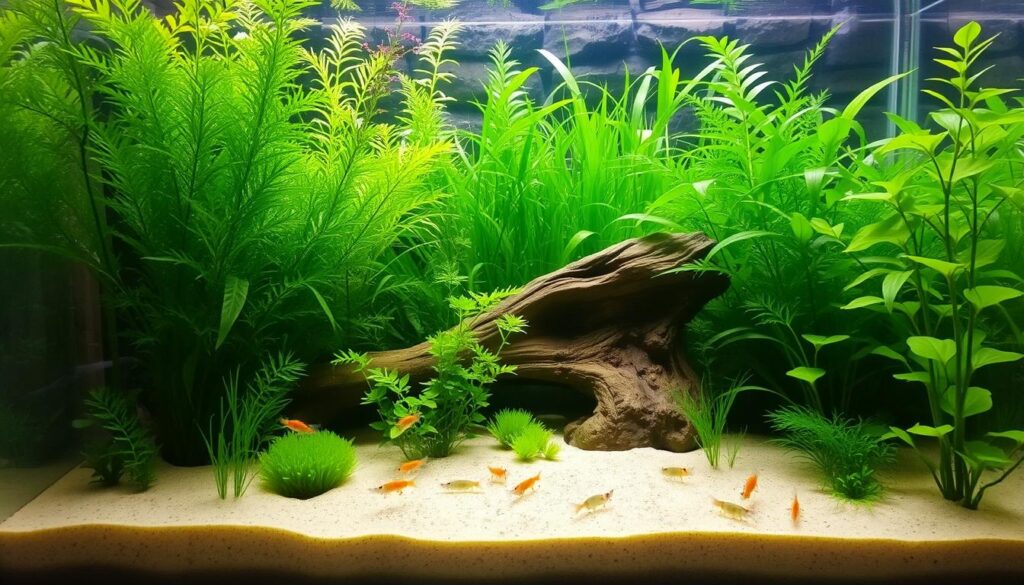
Designing a freshwater tank for beginners involves balancing aesthetics and functionality. A well-planned setup not only looks great but also makes maintenance easier. Key design principles include choosing the right materials, planning for plant growth, and ensuring long-term stability.
Deciding Between Glass and Acrylic Tanks
When selecting a tank, the choice between glass and acrylic is crucial. Glass tanks are known for their durability and scratch resistance. They also offer excellent clarity, making them a popular choice for beginners. However, they can be heavier and more prone to cracking if mishandled.
Acrylic tanks, on the other hand, are lighter and more impact-resistant. They provide greater flexibility in design, allowing for unique shapes and sizes. However, acrylic is more susceptible to scratches, which can affect its appearance over time. Cost-wise, acrylic tanks are often more expensive than glass options.
“For beginners, glass tanks are often the safer choice due to their durability and lower maintenance requirements,” says an experienced aquarist.
A well-designed starter setup enhances both aesthetics and functionality. For example, a 20-gallon glass tank with a sturdy stand and proper filtration creates a stable environment for fish and plants. Adding live plants not only improves water quality but also adds visual appeal.
Planning for long-term stability is essential. Over time, plants will grow and fill out the tank, so leave enough space for them to thrive. Using a substrate depth of 2-3 inches supports root growth and helps maintain water quality. Regularly testing water parameters ensures a healthy ecosystem.
By focusing on smart design choices and quality materials, beginners can create a freshwater tank that is both beautiful and easy to maintain. Whether you choose glass or acrylic, a well-planned setup ensures a rewarding experience for years to come.
Incorporating Aquascape and Live Plants
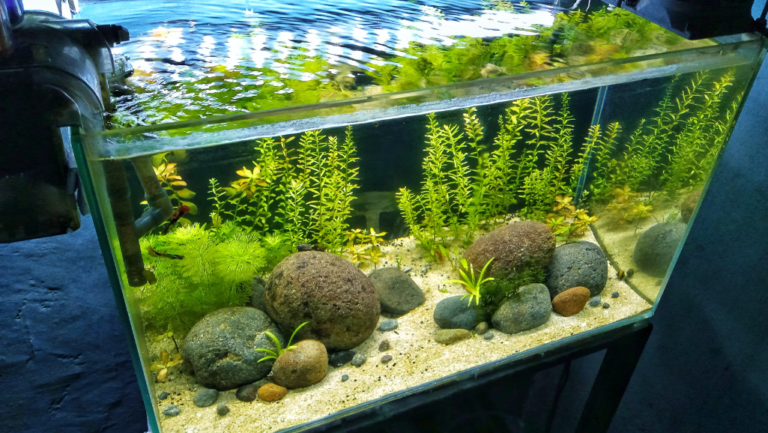
Adding live plants to your tank can transform it into a vibrant, natural ecosystem. Plants not only enhance the visual appeal but also provide a range of benefits for your aquatic pets. They help maintain water quality by absorbing excess nutrients and providing oxygen, creating a healthier environment for fish.
Easy-Care Plants and Their Benefits
For beginners, choosing low-maintenance plants is key. Java Fern and Anubias are excellent options. These plants are hardy, require minimal care, and thrive in a range of water conditions. They attach to rocks or driftwood, making them versatile for any setup.
Live plants also create hiding spots for fish, reducing stress and promoting natural behavior. They act as a natural filter, helping to keep the water clean and clear. For families, involving children in selecting and caring for plants can be a fun and educational experience.
Design Tips for a Natural Look
Creating a natural-looking aquascape involves thoughtful planning. Start by placing taller plants in the background and shorter ones in the front. This adds depth and ensures all plants receive adequate light. Use a substrate depth of 2-3 inches to support root growth.
“A well-designed aquascape not only looks beautiful but also supports a thriving ecosystem,” says an experienced aquarist.
Incorporate a range of textures and colors to add visual interest. For example, pair broad-leafed plants like Anubias with fine-textured plants like Java Moss. This contrast creates a dynamic and appealing layout.
Maintenance is simple with the right approach. Trim plants regularly to prevent overgrowth and remove any dead leaves. Use root tabs or liquid fertilizers to provide essential nutrients. With proper care, your planted tank will flourish, providing a stunning and healthy environment for your pets.
Tips for Involving Kids in Aquarium Keeping

Aquarium keeping can be a fun and educational activity for the whole family, especially for kids. It’s a great way to teach them about biology, responsibility, and patience while creating a thriving aquatic environment. By involving children in daily care routines, you can spark their curiosity and help them develop a deeper appreciation for nature.
Educational and Entertaining Aspects
One of the best ways to engage kids is by letting them observe the growth of alga and the clarity of tank water. These observations can be turned into mini science lessons. For example, explain how alga grows and why maintaining clean tank water is essential for fish health.
Simple tasks like feeding fish or helping with a water change can also be educational. Under supervision, kids can learn how to siphon water and replace it safely. This hands-on experience teaches them about the importance of regular maintenance and the balance of aquatic ecosystems.
“Involving kids in aquarium care not only teaches them responsibility but also fosters a love for science and nature,” says a family-friendly aquarium blog.
Here are some practical ways to involve children:
- Let them test tank water parameters using simple kits.
- Assign them the task of feeding fish in measured amounts.
- Encourage them to observe and document changes in alga growth.
- Supervise them during a water change to ensure safety.
Aquarium keeping can also be a tool for teaching patience. Watching fish swim or plants grow over time helps kids understand the value of consistency and care. For families, it’s a shared activity that brings everyone closer while creating a beautiful and healthy environment for aquatic pets.
By incorporating these tips, you can turn aquarium keeping into a rewarding and educational experience for your children. It’s a hobby that not only entertains but also teaches valuable life lessons.
Common Mistakes to Avoid When Starting Out
Avoiding common mistakes is crucial for a successful start in fishkeeping. Many beginners face challenges that can be easily avoided with the right knowledge. From choosing the wrong tank size to poor design choices, these errors can impact the health of your aquatic pets.
One of the most frequent mistakes is selecting a tank that’s too small. A tank size under 20 gallons can lead to rapid changes in water parameters, making it harder to maintain stability. Larger tanks, like a 20-gallon setup, provide better water quality and more room for fish to thrive.
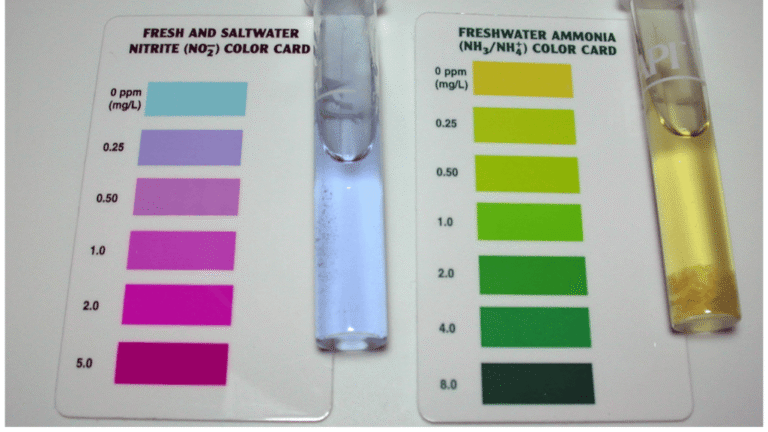
In freshwater setups, beginners often overlook the importance of cycling the tank. It typically takes 3-6 weeks for the nitrogen cycle to complete. Adding fish too soon can lead to toxic ammonia and nitrite levels, which are harmful to aquatic life. Patience is key during this phase.
Poor design choices can also cause problems. Overcrowding the tank with decorations or plants can limit swimming space and disrupt water flow. Aim for a balanced layout that provides hiding spots for fish while maintaining functionality. For example, place taller plants in the background and shorter ones in the front.
“A well-planned design not only looks great but also supports a healthy ecosystem,” says an experienced aquarist.
Another common issue is overfeeding. Fish should only be fed what they can consume in two minutes. Excess food pollutes the water and can lead to algae growth. Stick to a consistent feeding schedule to maintain water quality.
Here are some actionable tips to avoid these mistakes:
- Choose a tank size of at least 20 gallons for better stability.
- Cycle your freshwater tank before adding fish to establish beneficial bacteria.
- Plan your design carefully, balancing aesthetics and functionality.
- Feed fish in controlled amounts to prevent water pollution.
- Perform regular water changes to maintain healthy water parameters.
By learning from these common pitfalls, you can create a thriving environment for your aquatic pets. Thoughtful planning and proper care ensure long-term success in fishkeeping.
Budgeting Your Aquarium Setup
Budgeting for your first tank setup doesn’t have to be overwhelming if you plan wisely. Understanding the costs involved helps you make informed decisions and avoid overspending. Whether you’re setting up a freshwater or saltwater tank, a clear budget ensures you get the essentials without breaking the bank.
Cost Comparison: Kits vs. Individual Components
When starting out, you’ll face the choice between buying a complete kit or assembling individual components. Kits, like the Marina 20G LED Aquarium Kit, are convenient and often cost-effective. They include essentials like filters, lighting, and sometimes even substrate, saving you time and effort.
However, purchasing individual components allows for customization and potentially higher quality. For example, a separate heater like the Eheim Jäger Thermostatic Aquarium Heater offers precise temperature control. While this approach may cost more upfront, it can reduce future issues and maintenance expenses.
“Investing in quality equipment upfront can save you money in the long run,” says a seasoned hobbyist.
Common chemical treatments and maintenance supplies can add up over time. Water conditioners, test kits, and algae control products are recurring expenses. Budgeting for these ensures your tank stays healthy without unexpected costs.
Budgeting Tips for Beginners
Here are some practical tips to help every person enjoy a well-equipped tank without overspending:
- Start with a larger tank, as it’s easier to maintain and provides better water stability.
- Compare prices of kits and individual components to find the best value.
- Plan for recurring costs like chemical treatments and filter replacements.
- Look for sales or second-hand equipment to save money.
For more detailed guidance on budgeting, check out this beginner aquarium guide. It offers practical advice on selecting the right equipment and managing costs effectively.
By planning your budget carefully, you can create a thriving aquatic environment without financial stress. Whether you choose a kit or individual components, thoughtful decisions ensure long-term success in fishkeeping.
Conclusion
Embarking on the journey of fishkeeping requires thoughtful planning and the right tools for success. A well-planned setup ensures a thriving environment for your aquatic species, from freshwater to tropical tanks. Investing in quality equipment, like reliable filters and heaters, is essential for maintaining water stability and fish health.
Practical tips, such as cycling your tank before adding fish and performing regular water changes, can prevent common issues. A larger tank, like a 20-gallon option, provides better water quality and more space for your species to thrive. Thoughtful design choices, like incorporating live plants, enhance both aesthetics and functionality.
For new aquarists, seeking advice from experienced professionals and trusted guides is invaluable. Whether you’re setting up a freshwater or tropical tank, careful planning ensures long-term enjoyment. Explore detailed guides and product comparisons to make informed decisions and become a lifelong aquarist.
For more insights on choosing the right aquarium type, check out this comprehensive guide.
FAQ
What size tank is best for beginners?
A 20-gallon tank is ideal for beginners. It provides enough space for fish to thrive and is easier to maintain than smaller tanks.
What equipment is essential for a new tank?
Essential equipment includes a filter, heater, light, and a stand. These components ensure a healthy environment for your fish.
How often should I change the water in my tank?
Perform a 25% water change every two weeks to keep the water clean and maintain a healthy balance of bacteria.
Can I use tap water for my freshwater tank?
Yes, but treat it with a water conditioner to remove harmful chemicals like chlorine before adding it to the tank.
What type of fish is best for a beginner?
Betta fish, guppies, and tetras are great choices for beginners due to their hardiness and ease of care.
Do I need live plants in my tank?
Live plants are optional but beneficial. They improve water quality and provide a natural habitat for fish.
How do I choose the right location for my tank?
Place your tank in a stable, low-traffic area away from direct sunlight to prevent algae growth and temperature fluctuations.
What’s the difference between glass and acrylic tanks?
Glass tanks are more scratch-resistant, while acrylic tanks are lighter and offer more design flexibility.
How do I cycle a new tank?
Add a source of ammonia, like fish food, and let the tank run for 4-6 weeks to establish beneficial bacteria before adding fish.
What’s the best way to clean a tank?
Use a gravel vacuum to remove debris and wipe the glass with an algae scraper. Avoid using soap or harsh chemicals.
Can I customize my tank’s design?
Absolutely! Add decorations, plants, and substrate to create a unique and visually appealing environment for your fish.
How do I prevent algae in my tank?
Limit light exposure, avoid overfeeding, and perform regular water changes to keep algae under control.
What’s the cost difference between kits and individual components?
Kits are often more budget-friendly, but purchasing individual components allows for greater customization and quality control.
How can I involve kids in aquarium keeping?
Assign simple tasks like feeding fish or helping with water changes. It’s a great way to teach responsibility and foster a love for nature.