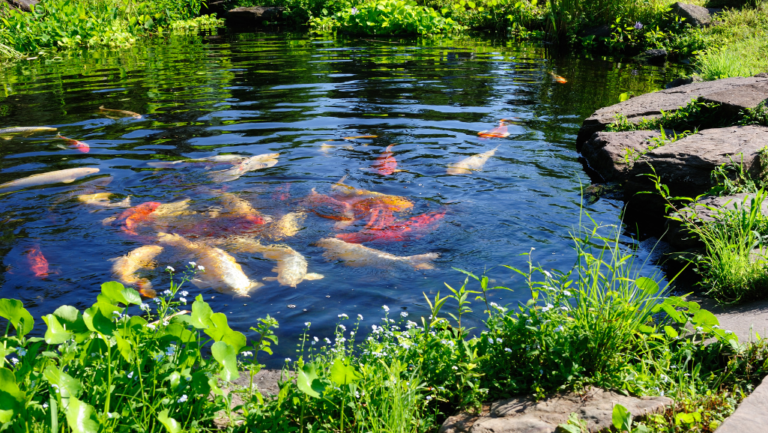
Goldfish care blends biology, tank setup, and simple routines into daily practice. This short guide opens a clear path for balanced feeding that protects water and keeps your pets lively.
Goldfish are natural omnivores that browse steadily. When feeding matches their anatomy and your aquarium conditions, they thrive and show vibrant behavior.
Experienced keepers favor split meals at morning and evening and suggest sinking food for many fancy varieties. This prevents gulping air and eases buoyancy problems.
Plan portions with your filter capacity and water change rhythm in mind. The goal is generous, well-managed nutrition that preserves clarity and filter performance.
Key Takeaways
- How Often to Feed Goldfish.
- Match feeding to fish biology and tank conditions for steady health.
- Split meals—morning and evening—use sinking food for fancy types.
- Set portions by filter strength and routine water changes.
- Rotate foods for a varied diet and better nutrition quality.
- Adjust timing and amount for different types and varieties.
Understanding goldfish feeding behavior and digestive systems
Watching tank behavior reveals much about feeding needs and digestive quirks in pet fish. Many common aquarium residents are true omnivores with no stomach, so digestion happens as food moves through the intestines. This affects portion size and meal rhythm.
Omnivores with no true stomach
Without a stomach, fish process food steadily. Their pharyngeal teeth grind plant and meat bits, so varied textures help digestion.
Large, infrequent portions can swell or pass too fast. Modest amounts more than one time per day ease intestinal transit and sustain energy.
Surface vs bottom browsing
Tank foragers sift substrate and nip at plants, decor, and leftovers. Some patrol the surface for scraps while others root the gravel.
- Match feeders and formats—flakes, pellets, wafers, gels—to where your fish eat.
- Include plant matter for fiber; it aids movement through digestive systems.
- Scale portions by size and appetite and watch which areas of the aquariums see the most activity.
How often to feed goldfish
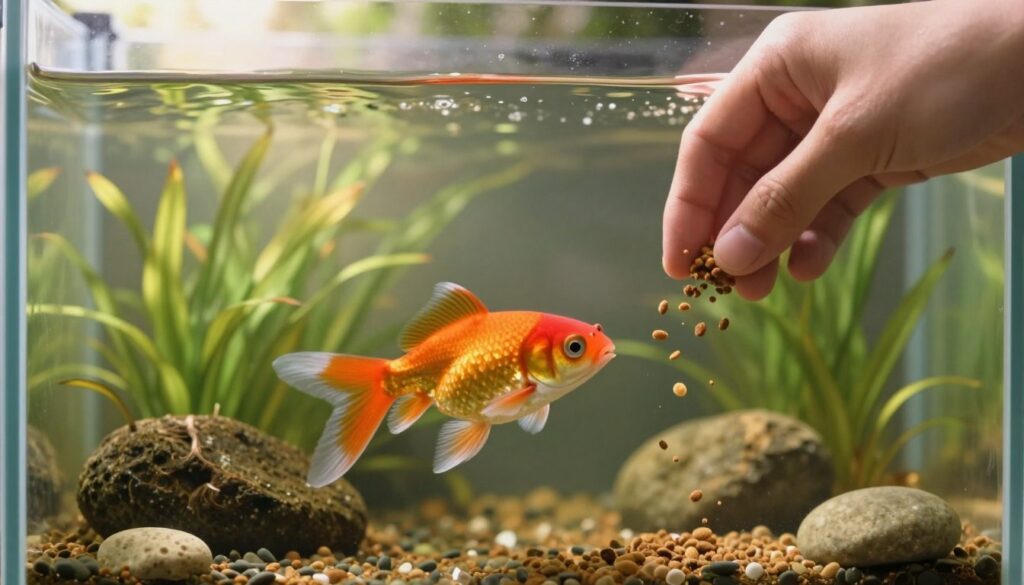
Set a simple, reliable routine. For most tanks, a baseline of one or two meals each day works well. Split those sessions into morning and evening so fish have energy when they are most active.
Keep portions short and watch timing. Offer only what your fish can finish in about two–three minutes. Start with a small amount, add a bit if they clear it fast, and remove any leftovers after five minutes.
The benefit of an occasional short fast
Build one rest day into the week. A fast helps clear the digestive tract and reduces risk of constipation. Many aquarists use a single day without food after a few richer feedings.
“Short, predictable sessions protect water quality and keep appetite steady.”
- Use a baseline: one or two times per day—morning and evening—for steady digestion and activity.
- Young, active fish do better with smaller, more frequent portions; larger, calmer fish can wait longer between meals.
- Match frequency to aquarium bio-load and filter capacity; new systems need lighter feeding while bacteria mature.
Always observe. If fish finish quickly and still search, raise portions slightly next time. If food lingers, scale back and remove uneaten bits. This keeps the tank clear and supports a balanced diet.
Tailoring your schedule to goldfish types, size, and temperature
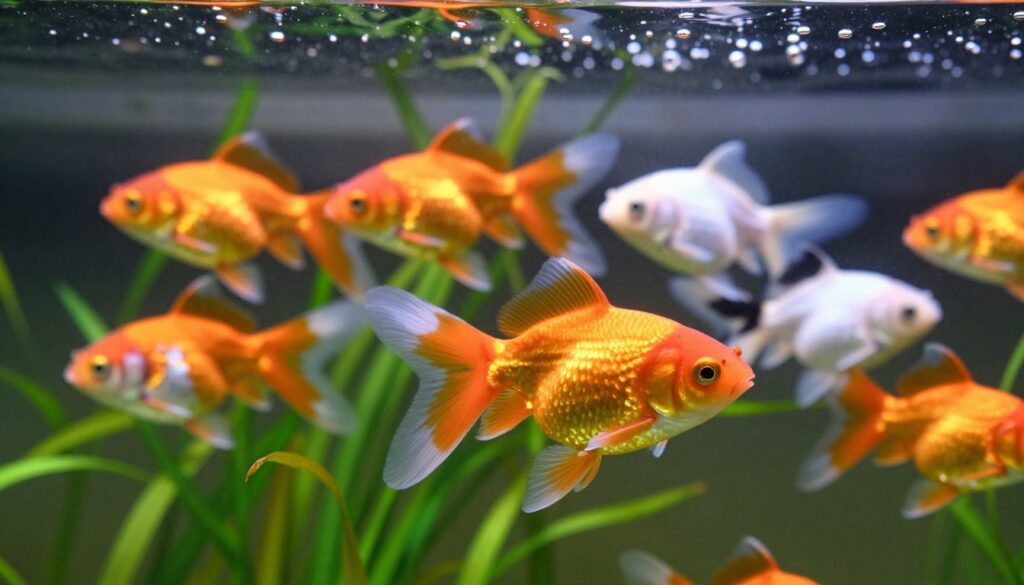
Different body plans and tank temperatures call for simple shifts in meal routines.
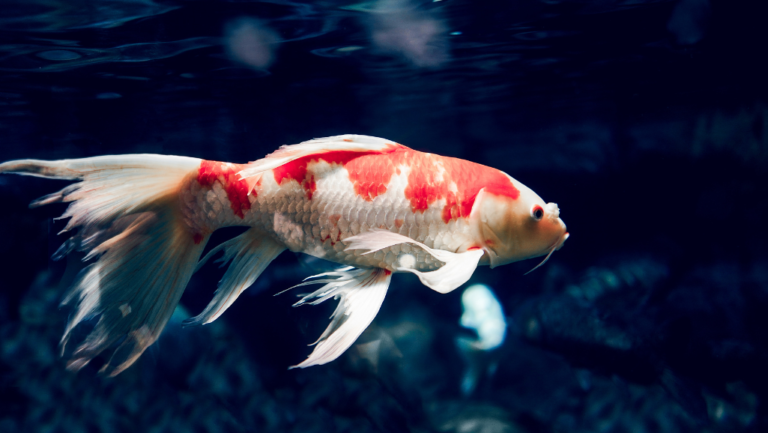
Fancy goldfish have compact bodies and are prone to buoyancy issues. Prioritize sinking pellets and pre-soak dry food briefly. This reduces swallowed air and swelling that can stress their swim bladders.
Body shape and pellet choice
Singletail varieties tolerate a wider menu, including occasional floating pellets. Their longer bodies help process varied textures without the same risk of bloating.
Size and life stage
Juveniles need smaller, more frequent portions for steady growth. Adults usually do well with a steady twice-daily routine that matches tank capacity and filter strength.
Water temperature and metabolism
As water cools, fish metabolism drops. At about 8°C (46°F) reduce or pause feeding to prevent slow digestion and gut issues.
- Practical tips: keep gentle flow in tanks with delicate fancies so shy fish can eat.
- Transition foods over several days and monitor stool and swimming for early signs of trouble.
- Use consistent time windows so every fish finds its share.
“Match portions and pellet type to body plan, size, and tank warmth for the healthiest results.”
How much to feed: minutes, amounts, and what to watch
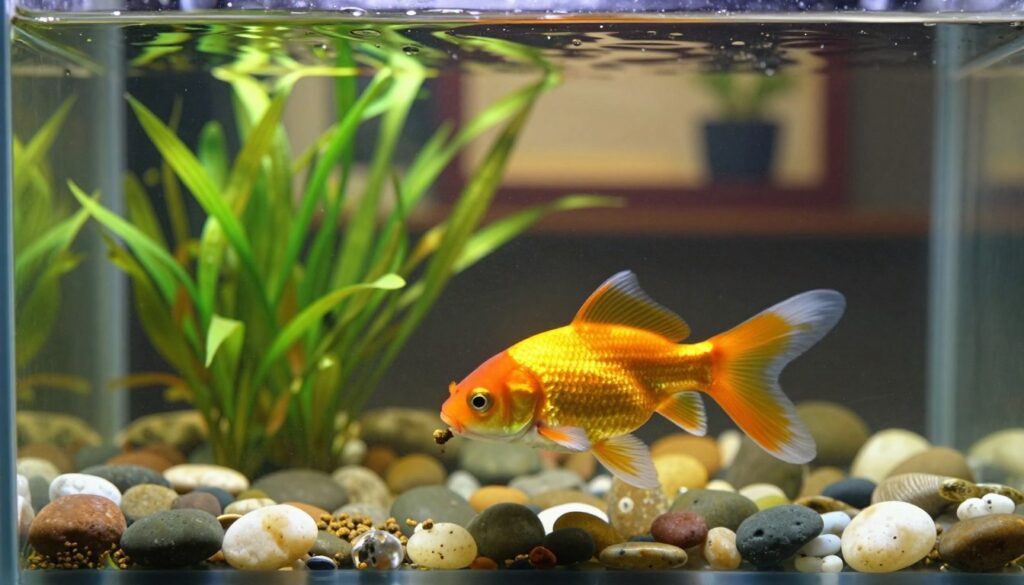
A clear routine built on short sessions prevents waste and supports vibrant stock. Use time as your guide: offer a measured portion and watch the response. A common baseline is what your fish clear within two–three minutes.
The two–three minute rule gives a simple starting point. Offer a small amount and let the school finish within that window. If the tank clears fast, add a bit next feeding. Remove any leftovers after five minutes to protect water quality.
The visual checks that matter
Watch body shape and activity. Rounded bodies and lively foraging mean the amount is near right. Sluggish movement or constant begging after quick cleanups suggests increase the ration slightly.
Inspect stool. Translucent, empty-looking casts can signal an undersized ration. Long, trailing strands often mean overfeeding or overly rich food.
Sample single-feed portions
- Large adults (~30 cm): about a teaspoon of pellets per fish.
- Also acceptable: two to three algae wafers, one small cube of thawed frozen food, or roughly four shelled peas.
- Spread feed across the aquarium so dominant fish cannot monopolize meals.
“Start small, time the bite, then record results for a week—this locks in the ideal serving for your setup.”
What to feed for a varied, high-quality diet
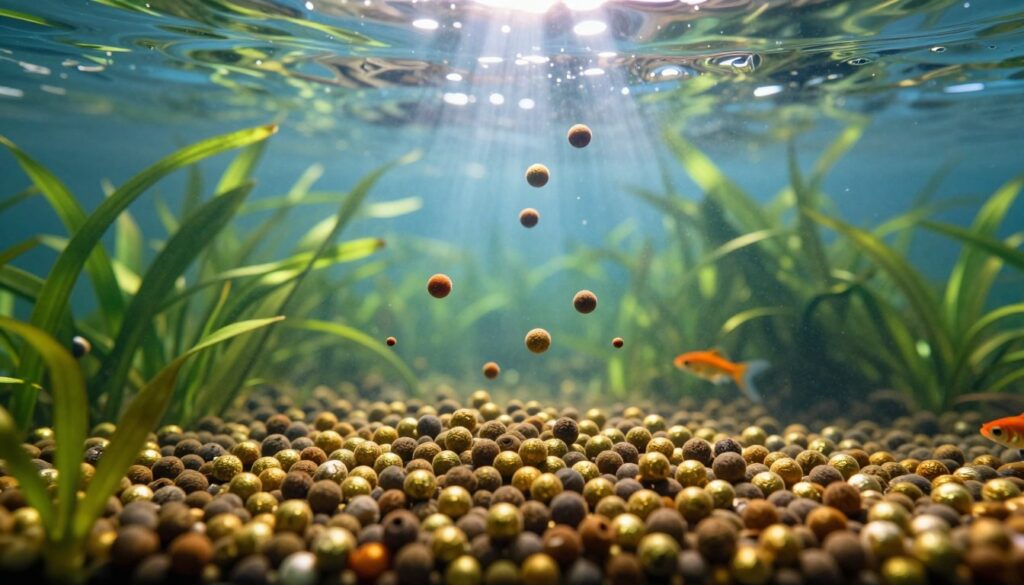
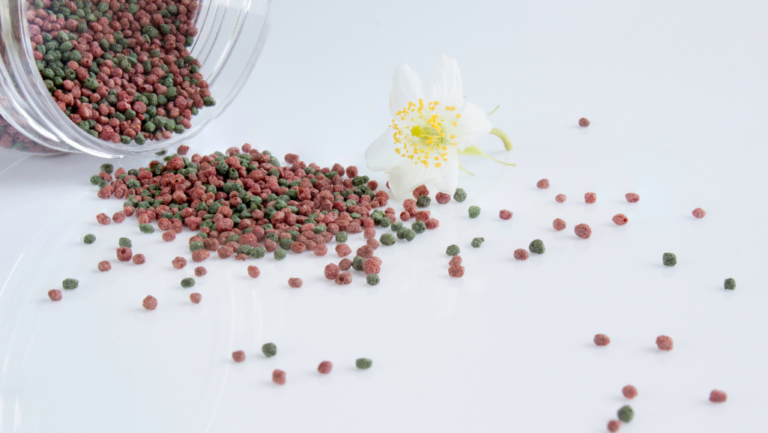
Start with a reliable core and add fresh textures for interest and health. Select good quality sinking pellets as the staple for compact varieties, with brands like Tetra, Hikari, and Dainichi widely used.
Use gel foods such as Repashy for balanced micronutrients and fewer float-related issues. Briefly soak dry pellets and flake when serving fancier, short-bodied fish; this cuts swallowed air and reduces swim-bladder stress.
Savory and plant choices
Add blanched spinach, broccoli florets, zucchini slices, and shelled peas for daily fiber. Include algae wafers and live plants like elodea so fish can graze between meals and maintain gut motility.
Protein and prep
Rotate in thawed frozen brine shrimp, daphnia, and bloodworms for animal protein. Thaw in tank water and rinse through a strainer before offering to keep water clear.
- Storage: store dry items cool and dry; discard open containers after a year.
- Avoid: mammalian fats (e.g., beef heart); fish digest aquatic proteins better.
- Variety: alternate pellets, gels, veggies, and frozen foods weekly for a vibrant diet.
“Build the menu around sinking pellets, then rotate textures for appetite, color, and vigor.”
Feeding without fouling: protecting water quality and filtration
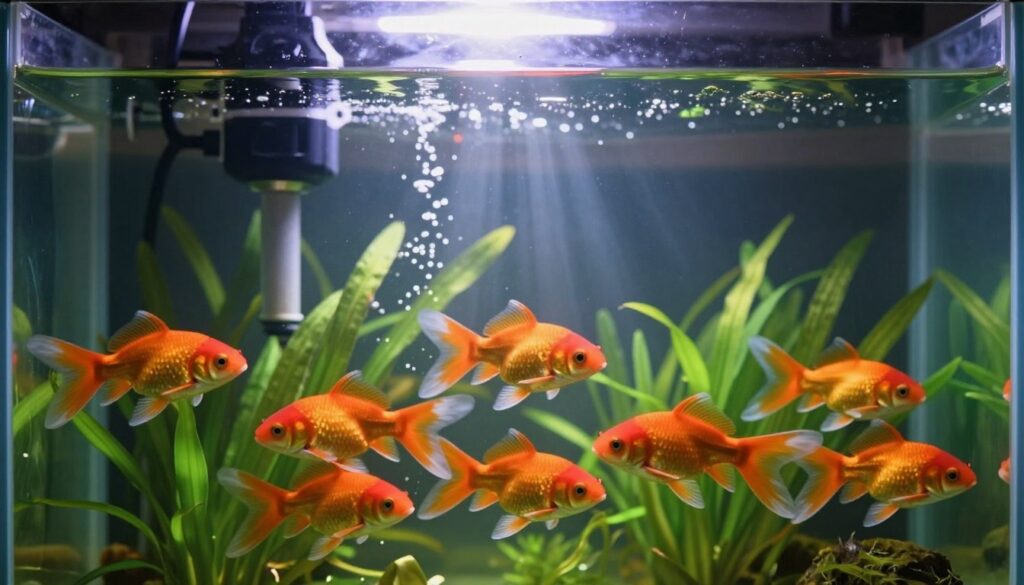
Keep a tight routine and measured portions so aquarium water stays clear and filters run efficiently. Small, deliberate changes prevent clouding and save time on maintenance.
Preventing overfeeding: the signs and quick fixes
Watch for warning signs: uneaten food after five minutes, cloudy aquarium water, foam on the surface, clogged filtration, and sudden algae growth.
If you spot any of these, siphon leftovers, lightly vacuum the gravel, and cut the next food amount by about 50% until readings calm down.
Placement and technique: target feeding surface, midwater, and bottom feeders
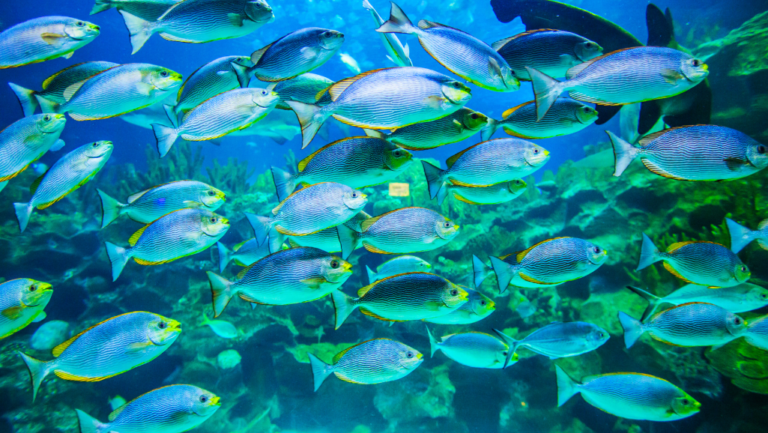
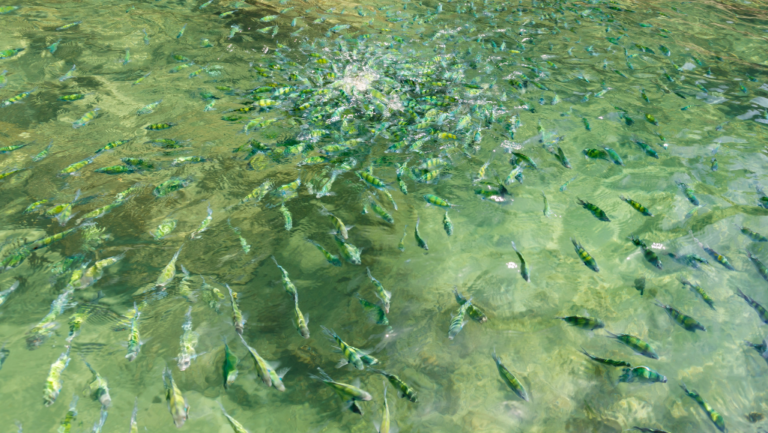
Deliver small portions at the surface and then at mid-depth. Finish with a few sinking bites for bottom feeders so every fish finds its share.
Pre-soak dry foods and feed slowly in multiple spots. This reduces waste and lowers ammonia spikes in aquarium water.
Maintenance synergy: water changes, ammonia control, and clean substrate
Keep weekly 10–25% water changes and vacuum the substrate. Rinse filter media in removed tank water to preserve beneficial bacteria.
- Track ammonia, nitrite, nitrate, and pH and act early.
- Use live plants to absorb excess nutrients and give fish browsing options.
- Ensure aeration and proper filtration for your tank bio-load.
“Siphon fast, cut rations, and restore steady maintenance—clear water follows consistent action.”
For practical routines and deeper care guidance, see goldfish care basics.
Conclusion
Simple rhythms and smart choices yield big rewards. A steady routine—one or two short sessions each day—measured by a two–three minutes guideline, keeps water clear and fish active.
Anchor your plan around observation. Rotate sinking pellets, blanched vegetables and frozen proteins for a broad variety. Fancy goldfish benefit from sinking formats that reduce buoyancy risk and preserve body shape.
Pair feeding with routine maintenance: clean filters, regular water changes, and live plants that absorb nutrients and offer grazing. Introduce new foods slowly, monitor response, and adjust portions as size and behavior change.
With timed meals, varied foods, and steady care, your aquarium will stay healthy and your fish will thrive for years.
FAQ
What is the baseline feeding schedule for most goldfish?
Why do goldfish need varied food types?
When should I give a short fast or rest day?
How do feeding needs change with temperature?
What differences matter between fancy goldfish and common or comet types?
How should I portion food using the two–three minute rule?
What visual cues show proper feeding amounts?
Which foods help digestion and reduce buoyancy problems?
How often should juveniles be fed compared with adults?
What proteins are safe and how should they be prepared?
How can I prevent overfeeding and protect water quality?
Where should I place food for mixed tanks with bottom and surface feeders?
How does substrate and live plants affect feeding habits?
How should I store and prepare dry and frozen foods?