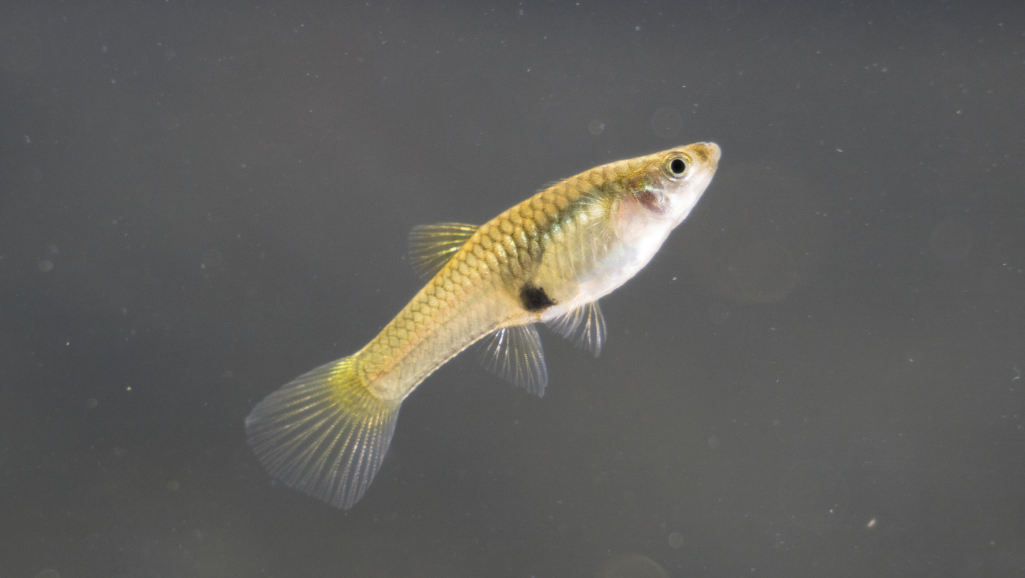
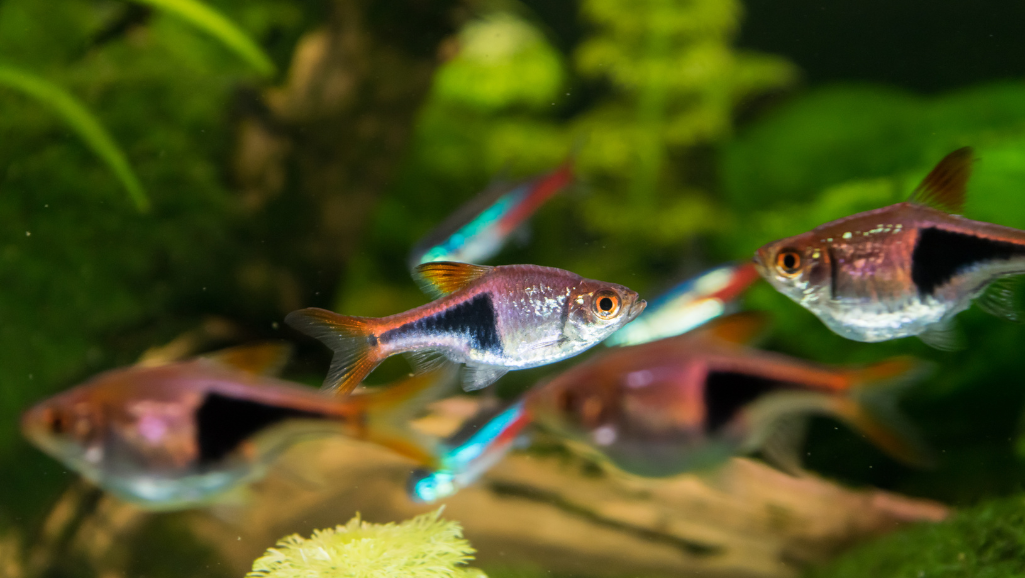
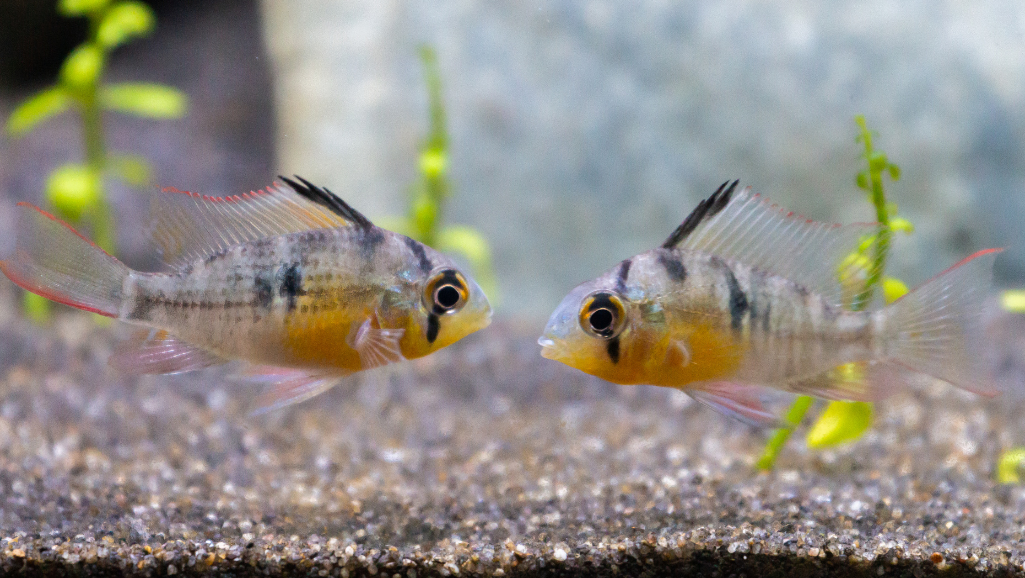
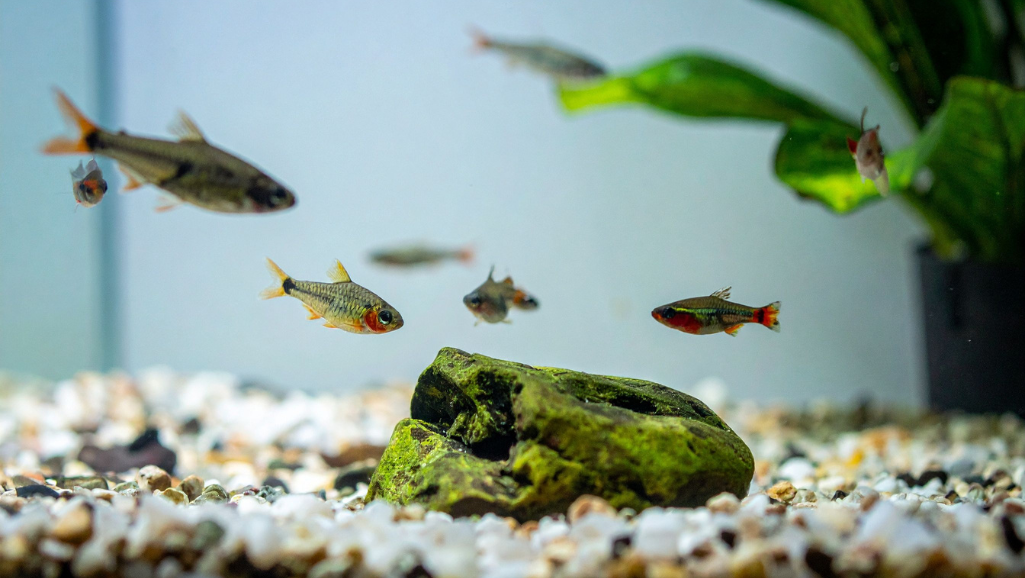
Endler’s Livebearer: A tiny, colorful superstar for your aquarium

Meet a tiny wonder for your home aquarium. Poecilia wingei brightens small tanks with dazzling colors and lively movement. These hardy, beginner-friendly livebearers thrive in typical room-temperature setups and make excellent choices for planted nano tanks and community aquaria.

The name honors john endler, who reintroduced the species from Venezuelan streams in 1975 (see specialty sources for lineage). Males remain slim at about 1 inch with showy fins and vivid patterns, while females grow larger—commonly near 1.5–1.8 inches—with rounder abdomens suited to carrying fry.

Endler’s Livebearer breed frequently—roughly every 20–30 days—so expect periodic batches of fry when you keep mixed groups. Maintain about one male per 2–3 females to reduce harassment, and aim for stable water chemistry (pH ~6.5–8.5) to keep colors bright and behavior calm.

For hobbyists and community tanks alike, these endler livebearers add energetic color without complex care. Note: they are a distinct species often confused with guppies—avoid mixing stocks if you want to preserve pure poecilia wingei lines.

Key takeaways

  • Endler’s Livebearer (Poecilia wingei) is a small, colorful species ideal for beginners and planted tanks.
  • John Endler reintroduced the fish to hobbyists in the 1970s; check lineage when buying.
  • Males ~1″ with flashy fins; females ~1.5–1.8″ and rounder-bodied.
  • Frequent breeders—plan for fry and use a 1:2–3 male:female ratio.
  • Tolerant of a range of water conditions (pH 6.5–8.5) but prefer stable parameters.

Start Here: How to Keep Poecilia wingei Thriving Right Now

Set stability first. Keep water chemistry steady (pH ~6.5–8.5) and avoid sudden temperature swings — stable conditions reduce stress and keep color and behavior lively for Endler livebearers.

Pick a tank that fits your goals: a 5–10 gallon tank works for a small starter group, while a 10–20+ gallon makes it far easier to manage rapid reproduction and maintain water quality as your colony grows.

Provide gentle surface movement for oxygenation. Use a quiet sponge filter to get filtration without strong currents; it protects fry and supports beneficial bacteria.

  • Temperatures: aim for a steady 72–78°F; room-temperature setups are fine if your room stays stable, but add a heater if nights dip into the high 60s °F.
  • Stocking: one male to 2–3 females reduces chasing and encourages natural behavior in a mixed group.
  • Routine: feed small portions twice a day, perform weekly 20–30% partial water changes (adjust by bioload), and test water parameters at the same time each week.

Daily checklist: observe surface activity, clarity, and social interactions; tidy uneaten food quickly. Small, early adjustments to flow, feeding, or water changes keep your fish healthy and your aquarium stable.

Know Your Fish: Identification, Types, and Names Hobbyists Use

— helpful for spotting male courtship displays and basic size differences.

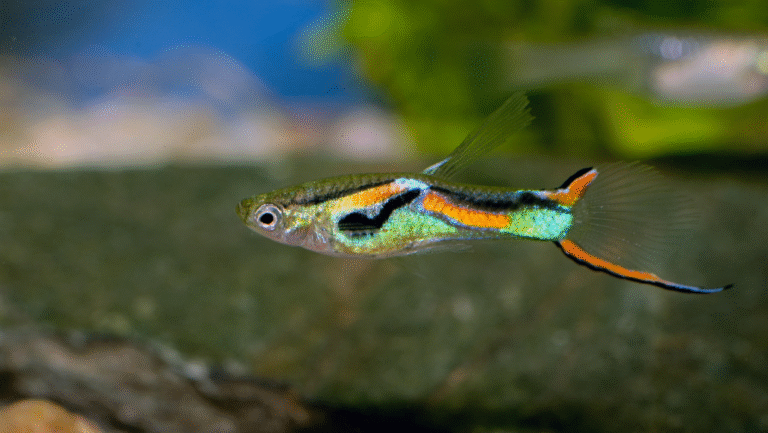
Recognizing different types and sexes helps you spot quality stock at a glance. Adult males are compact (around 0.8–1.0 inch), slim, and develop vivid coloration with ornate fins; females are noticeably larger (commonly 1.5–1.8 inches), rounder in the belly, and more muted in color.

Male coloration often begins at a few weeks of age (color deepens by maturity). Many males develop dark edging or a “sword-like” margin on the caudal fin used in courtship and dominance displays.

Hobbyists use the term class N to indicate documented purebred Endlers (pure poecilia wingei). By contrast, “endler guppy” usually refers to hybrids with Poecilia reticulata — know the distinction when buying to protect line history and breeding goals.

Popular varieties and quick facts

  • Patterns: black bar, tiger, cobra, El Silverado, and lime green are commonly used variety names among hobbyists.
  • Species facts: Poecilia wingei typically lives about 2–3 years with good care.
  • Tip: Colors and pattern placement vary by strain; always ask sellers for lineage or class N documentation if you want pure wingei traits.

“The name honors john endler, whose rediscovery brought wingei to hobbyists.”

Endler’s Livebearer Care Setup: Tank, Water, Plants & Equipment

Start with stability: the right tank volume, reliable equipment, and a few live plants make daily care straightforward and protect both color and health.

Tank size that grows with your population

Choose a tank based on your goals: a 5–10 gallon tank is fine for a small starter group, a 10-gallon comfortably houses a trio (one male, two females), and a 20+ gallon is much easier to manage as fish reproduce and fry accumulate.

Stable water parameters

Keep temperature steady (72–78°F is a safe target) and pH around 6.5–8.5. Endler’s livebearers tolerate a range of hardness, but stability matters more than hitting a single “perfect” number—use a heater for small tanks to avoid night-time dips.

Aquascaping that works

Leave open surface areas for feeding and swimming while adding dense planting and sight-breaks to lower stress. Useful plant choices: Java moss (easy), Amazon sword (moderate), and floating plants (for shade and fry cover).

Smart equipment choices

Prefer low-flow filtration to protect fry and preserve delicate fins. A sponge filter is ideal: gentle flow, excellent biofiltration, and safe for newborn fry. Pair it with a reliable thermometer and basic test kits (pH, ammonia, nitrite, nitrate).

“Build a system that’s beautiful and forgiving, so your livebearers flourish.”

  • Setup checklist: tank (5–20+ gal depending on goals), sponge filter, heater (72–78°F), thermometer, and test kits.
  • Plants: Java moss, guppy grass, hornwort, and floating species provide cover and biofilm for fry.
  • Priority: stable water chemistry and regular small maintenance beats flashy gear every time.

Stocking with Confidence: Ratios, Community Tank Mates, and Space Planning

A vibrant aquarium scene featuring a school of Endler's livebearers in a planted tank

Plan your stocking to support long-term harmony and to reduce chasing in mixed groups. Start with a clear ratio: one male to 2–3 females so energetic courting won’t overwhelm females and your community stays peaceful.

Use tank size to future-proof your plans: a 10-gallon works well for a trio; a 20-gallon comfortably supports a small colony (roughly 6–9 fish) as your population grows and fry accumulate.

Choose peaceful companions

Pick calm, small species that occupy different water levels to avoid competition. Good matches include neon tetras (mid-level schooling), harlequin rasboras (mid-level), zebra danios (active mid/surface), Corydoras catfish (bottom dwellers), and small plecos (algae control). Avoid large or fin-nipping species and keep guppies separate if you want to prevent hybridization with endler livebearers.

Manage fast-growing populations

Expect fry and plan for them from day one. Dense planting, floating cover, and spawning mops greatly increase fry survival when you want to grow your numbers. If you need to limit population growth, focus on ethical options: separate sexes, rehome juveniles to local hobbyists or clubs, or increase tank volume.

Be cautious with “biological controls.” While some keepers mention gentle predators (e.g., African dwarf frogs) to reduce fry, these choices can introduce other care needs and ethical concerns—only use them with full research and preparedness.

“Match numbers, mates, and layout to enjoy a calm, colorful display.”

  • Stocking rule: one male : 2–3 females for balance and reduced harassment.
  • Tank guidance: trio in 10-gallon; 6–9 fish in 20-gallon depending on plants and filtration.
  • Hybridization: keep guppies separate if you want to preserve pure poecilia wingei lines.
  • Population control: track additions and births; rehome or trade juveniles ethically rather than releasing them.

Feed for Color and Health: Daily Diets Endlers Devour

A colorful arrangement of high-quality fish foods to feed Endler's livebearers

Feed with purpose: small, varied portions support bright color and overall health. Endler livebearers accept quality flakes, micro pellets, Repashy gel foods, and daphnia—choices sized for surface feeders and occasional grazing.

Keep portions light and consistent: feed twice a day and stop once the fish finish within a few minutes to prevent excess waste and protect water quality.

Daily feeding example

Morning: a pinch of high-quality flakes or micro pellets (enough they finish in 2–3 minutes). Evening: a small serving of frozen/live treat (baby brine shrimp or daphnia) or a gel food portion to boost color and condition.

  • Staple rotation: rotate flakes, micro pellets, gel foods, and occasional daphnia to provide balanced nutrition.
  • Variety boosts color: include carotenoid-rich foods and live/frozen treats (baby brine shrimp, cyclops) weekly to intensify hues and improve immunity.
  • Fry care: feed powdered diets, infusoria, and crushed flakes or newly hatched brine shrimp multiple times daily until fry can accept larger foods.
  • Plants help: live aquarium plants provide biofilm and infusoria that supplement natural grazing for both adults and juveniles.

Foods to avoid & handling tips

Avoid oversized pellets, oily human foods, and overfeeding. Thaw frozen foods fully and rinse if they contain preservatives; keep a clean feeding routine to protect water.

“Let color and activity be your compass—when foods and variety are dialed in, colors pop and schooling feels alive.”

Breeding Made Simple: From Courtship to Raising Fry

A close-up shot of two endler livebearer fish in an aquarium, with the male fish courting the female in a flamboyant display. The male's vibrant colors shine under the soft, natural lighting, accentuating his fan-like fins and flowing tail. The female, her belly round with developing fry, watches the male's mesmerizing movements. The crystal-clear water and lush aquatic plants in the background create a serene, natural environment. The image captures the intimate moment of the courtship ritual, highlighting the beauty and simplicity of endler livebearer breeding.

With a few straightforward steps you can turn a standard tank into a safe maternity environment for poecilia wingei fry.

Timing matters. Expect females to drop fry about every 20–30 days; slightly warmer water shortens the interval. Track timing so you can free up space and food for the next batch.

Quick breeding timeline

  • Courtship & mating: males display colorful fins and chase; watch for frequent courting behavior.
  • Gestation: roughly 20–30 days (varies by temperature).
  • Birth: live young appear fully formed and active.
  • Fry care milestones: infusoria/powdered foods → crushed flakes/newly hatched brine → crushed micro pellets as they grow.

Maximizing fry survival

Stage the nursery using dense plants (Java moss, guppy grass, water sprite) and spawning mops; add a pre-filter sponge or use a breeder box to protect newborns from pumps and adult predation.

Quick fixes for common problems: if ammonia spikes after a birth, do small (20–30%) water changes and add extra surface aeration; if fry are disappearing, increase cover or temporarily move adults to another tank.

First foods for babies

Start fry on infusoria and powdered diets for the first days, then graduate to crushed flakes and newly hatched brine shrimp. Feed small portions multiple times daily to support rapid growth without fouling the water.

What to do with juveniles

Monitor growth; juveniles around 0.5–1 inch can be rehomed, sold, or shared with local hobbyists. Keep records—date of birth, parentage, and growth notes—to preserve line integrity and help others choose healthy stock.

Tip: Keep females well-fed and stress-free, maintain a 1:2–3 male:female ratio, and use gentle filtration to improve fry survival.

  • Expect a drop every ~20–30 days; monitor temperature and space.
  • Use plants, mops, and sponges to boost survival rates.
  • Rotate tiny foods as fry grow to build color and healthy fins.

Hardy Yet Precious: Health, Line Strength, and Conservation Today

Male Endler's Livebearer (Poecilia wingei) close-up

A calm aquarium and careful sourcing keep genetic lines robust and colors bright. Simple daily habits protect both your fish and the wild populations they represent.

Everyday care to prevent issues

Keep water clean, nitrates low, and chemistry steady. Test regularly and use small, frequent water changes to avoid large swings that stress fish and dull color.

  • Daily: observe behavior, remove uneaten food, and feed small portions.
  • Weekly: test pH and nitrates; perform a 20–30% partial water change as needed and trim plants.
  • Stocking: maintain recommended male-to-female ratios (1:2–3) to reduce stress and uncontrolled breeding.

In the wild and in our tanks

Poecilia wingei is native to Venezuela’s Paria Peninsula. Wild populations face serious threats from habitat loss, pollution, introduced species, and hybridization with released Poecilia reticulata. Check the latest IUCN and conservation sources for current status before citing a year-sensitive listing.

Ethical sourcing and genetics

Hobbyists and registries work to preserve pure lines (class N) and document variety names such as black bar. When buying, ask sellers for lineage documentation, avoid vague “mixed” stock, and keep guppies and endlers in separate tanks to prevent accidental hybridization.

“Your choices at home shape the genetic story future keepers inherit.”

  • How to buy ethically: request photos of parents, ask for class-N certification if available, and favor breeders who keep clear records.
  • Support conservation: join local clubs, report wild observations to appropriate groups, and rehome surplus juveniles rather than releasing them.

Conclusion

With steady habits and a well-planned tank, these tiny Endler livebearer fish return your effort with bright color and lively behavior.

Stabilize water, refine feeding, and provide protective plants so your aquarium stays calm and clear. Plan for regular batches of fry and choose companions that match temperament and space to keep the community balanced.

Honor genetics: source ethically to avoid guppy mixes, track lineage, and rehome surplus juveniles to local hobbyists or clubs rather than releasing them. Keep a simple journal or photo log of parameters and milestones to protect line integrity.

Small, hardy endlers can turn a compact aquarium into a daily source of wonder—trust clean water, routine care, and gentle observation to keep this vibrant livebearer thriving.

FAQ

How can I tell males and females apart?

Males are smaller (around 0.8–1.0 inch), more colorful, and show elongated fins and a gonopodium; females are larger (typically 1.4–1.8 inches), rounder, and more subdued. Males develop full color by maturity (several weeks to a few months).

Are these fish guppies or a separate species?

They are Poecilia wingei, a distinct species often confused with guppies (Poecilia reticulata). Hobbyists sometimes call hybrids “Endler guppy,” but purebred class N stock differs genetically and in typical size, pattern, and behavior from guppy mixes.

What tank size do they need?

A 5–10 gallon tank can host a small group or a single male; a 10–20+ gallon tank makes maintenance and population control easier. Larger volumes dilute waste, stabilize water, and allow room for plants and hiding spots.

What water parameters do they prefer?

They do well in roughly 72–78°F with pH about 6.5–8.5 and moderate hardness. Consistency is more important than any single ideal—avoid large swings in temperature or chemistry.

Which plants and layout work best?

Live aquarium plants like Java moss, guppy grass, hornwort, and floating species create cover for fry, add biofilm for grazing, and improve oxygenation. Leave open surface areas for feeding and use gentle water movement from a sponge filter.

How many males per female should I keep?

Aim for one male to 2–3 females to reduce constant courting stress on females. This ratio balances natural behavior and keeps the group peaceful.

What are good community tank mates?

Peaceful, small species such as neon tetras, harlequin rasboras, zebra danios, Corydoras, and small plecos pair well. Avoid large or aggressive fish that nip fins or prey on fry, and keep guppies separate if you want to prevent hybridization.

How often do they breed and how long until fry appear?

Females commonly give birth every 20–30 days; warmer water shortens the interval. A gravid female drops live young rather than laying eggs.

How do I improve fry survival?

Provide dense plants, spawning mops, or a breeder box and use pre-filter sponges to protect fry from pumps and adults. Separating newborns briefly or adding lots of cover dramatically raises survival.

What should I feed adult fish for best color?

Offer a varied diet: quality flakes, micro pellets, and gel foods plus frozen or live foods like daphnia and baby brine shrimp. A rotation that includes carotenoid-rich foods helps color and breeding condition.

How should I feed fry?

Feed tiny portions of infusoria, powdered diets, crushed flakes, or newly hatched brine shrimp multiple times daily to support rapid growth while minimizing water fouling.

How do I manage fast population growth?

Control numbers ethically by timing breeding, separating sexes if necessary, rehoming juveniles through local clubs or forums, or expanding tank space. Avoid releasing fish into the wild.

What common health issues should I watch for?

Watch for poor appetite, faded color, clamped fins, unusual spots, or lethargy. Maintain clean water, low nitrates, and stable chemistry. Quarantine new additions to avoid disease spread.

Are they endangered or at risk in the wild?

Wild populations of Poecilia wingei are vulnerable due to habitat loss, pollution, invasive species, and hybridization with released guppies. Support ethical sourcing and captive breeding of pure strains to help protect wild diversity.

How can I avoid creating hybrids accidentally?

Buy from reputable breeders who document class N strains, keep species separated, and label tanks clearly. Maintain records of parentage to preserve line integrity.

What equipment is essential for a beginner setup?

Start with a heater (72–78°F), a sponge filter for gentle filtration, a thermometer, and basic test kits for pH, ammonia, nitrite, and nitrate. Add live plants and a secure lid to prevent jumpers.

How often should I perform water changes?

Weekly 20–30% water changes are a good baseline to keep nitrates low and chemistry steady—adjust frequency based on bioload, plant density, and tank size.

Can I keep only one male in a tank?

Yes—one male in a species-only tank prevents harassment of females and suits display setups or small spaces. Provide hiding spots and avoid overcrowding.

What size do adults reach?

Adults remain small—males typically reach about 0.8–1.0 inch and females generally 1.4–1.8 inches. Their compact size is ideal for nano and planted aquaria.

Where can I find reputable breeders or resources?

Look for aquarium clubs, forums like FishLore and PracticalFishkeeping, and specialty breeders who document strain history. Favor sellers who list lineage and avoid vague hybrid claims.
stunning aquarium species
Colorful Aquarium Fish: Make Your Tank Pop
For both new and experienced aquarium lovers, a tank full of colorful aquarium fish is more than decoration — it’s a living centerpiece. Bright, healthy fish add visual interest and reflect careful husbandry: the right mix of species, water chemistry, and maintenance makes an aquarium thrive. Whether you keep a planted freshwater aquarium or a saltwater display, the wide range of colorful fish available means you can build everything from a peaceful community tank to a bold species-focused showcase. To help you choose, a list of the most colorful fish is ready — each entry below includes quick care notes so you can match color, behavior, and tank requirements. Key TakeawaysPick colorful fish that match your tank type: freshwater or saltwater, planted or minimalist. Vibrant fish indicate good care — proper water, diet, and space are essential. Learn species basics (size, temperament, water needs) to build a harmonious community or species tank. Read the species care sections below for practical tips and stocking ideas — then plan your tank around water parameters and compatible tank mates.Understanding the Appeal of a Colorful Aquarium A vibrant aquarium can transform a room into a living piece of art. Beyond looks, a well-planned display brings calm and focus — a visual retreat that fits any home or office. Whether you’re building a planted freshwater aquarium or a minimalist community tank, thoughtful design makes the difference. Setting up a tank requires planning: choose a cohesive palette, place aquatic plants and hardscape for depth, and arrange fish so colors and behaviors complement one another. For example, a deep blue background makes orange or red fish pop, while a lighter substrate highlights subtle pastel colors. Think of your aquascape like interior design. Color choices, lighting, and plant placement shape how your fish stand out — and how the tank fits the room. Make sure your layout also meets your fish’s needs for hiding spots, swim space, and compatible water conditions. The Role of Color in Aquatic Presentation Color theory helps when you plan a display: complementary colors (blue vs. orange) create striking contrast, while analogous schemes (blues and greens) deliver a calm, natural feel. Use aquatic plants like Java fern, Anubias, or Vallisneria to add texture and color contrast; driftwood and rock can provide warm neutrals to balance bright fish. Lighting is also key — full-spectrum or plant-friendly LEDs will enhance both plant growth and fish colors. Aim for a balance that shows off hues without stressing your fish. How Vibrant Tanks Improve Well-being Watching an aesthetic tank setup can help reduce stress and promote relaxation for many hobbyists. While individual results vary, the combination of movement, color, and natural elements often creates a soothing focal point. If mental well-being is a goal, design for gentle water flow, soft lighting, and a peaceful community of colorful fish. In short, blending art and aquarium science — the right fish, plants, lighting, and aquascape — results in a display that’s beautiful and livable. See the species sections below for placement tips and tank-specific advice to build a healthy, colorful aquarium. Guppy: A Rainbow of Varieties for Your TankGuppies (Poecilia reticulata) are one of the best-known freshwater fish species for home aquariums. Their bright, varied colors and flowing tails make them a favorite for both beginners and experienced hobbyists. Guppies are hardy, adaptable, and social — excellent choices for a peaceful community tank when paired with compatible species. Adults typically reach about 1.5–2 inches, so they don’t need huge tanks, but they do appreciate swimming space and stable water. They are livebearers and breed readily, so plan for population control and strong filtration if you add them to your freshwater aquarium. Quick care at-a-glanceFeatureDetailsMinimum Tank Size 5 gallons for a trio (larger tanks reduce aggression and breeding pressure)Temperature for Optimal Health 76–78°F (typical adult health; lifespan ~2–3 years under good care) 82°F can speed reproduction (may shorten average lifespan); cooler temps (~72°F) may slow reproduction and slightly extend lifespanFeeding Requirements Adults: 1–2 times daily with high-quality flake or pellet food; supplement with frozen brine shrimp or daphnia a few times weekly. Fry: 3–5 small feedings daily.Pricing Standard strains: around $2–$5; specialty or show strains: can be much higher.Guppies can reproduce frequently (often every few weeks under ideal conditions), so managing fry is important. Use a breeding box, a separate grow-out tank, or keep more females than males to reduce male harassment. Strong biological filtration and regular water changes help keep a guppy tank healthy and colorful.Males are slimmer and showier; they have a modified anal fin called a gonopodium used for mating. Females are rounder and larger-bodied and may carry fry internally for 21–30 days before giving birth.Because heavy selective breeding for color can increase susceptibility to some health problems, prioritize water quality and a varied diet. Feeding occasional meaty foods like frozen brine shrimp, daphnia, or finely chopped bloodworms will boost color and condition.Tip: Quarantine new guppies for at least 7–10 days and monitor water parameters closely — this prevents disease and gives you time to observe temperament and compatibility.Guppies are a joyful, colorful addition to many tank types. Match their needs to your aquarium size and community — and enjoy how these little swimmers make your tank come alive. Cardinal Tetra: Elegance in Aquatic Blue and Red The tropical aquarium fish Cardinal Tetra brings a striking ribbon of red and blue to any freshwater aquarium. These peaceful, schooling fish are prized for their vivid colors and graceful movement, making them a favorite for planted community tanks and species-focused displays alike. Cardinal Tetras (Paracheirodon axelrodi) are native to blackwater tributaries of the Amazon basin and do best in soft, slightly acidic to neutral water that mimics their natural habitat. Aim for stable temperatures around 75–82°F (24–28°C) and softer water to help keep their colors rich and behavior natural. Note: local wild populations can tolerate slightly different pH ranges, so target consistency and gradual changes rather than extreme values.CharacteristicDetailMax Size ~1.5 inches (3.8 cm)Coloration Bright red stripe with iridescent blue bodyDiet Omnivore — high-quality flakes, micro pellets; supplement with frozen brine shrimp, daphnia, and finely crushed frozen foodsSchool Size 6–10 as a minimum; larger schools (12+) show natural schooling and reduce stressWater Preferences Soft, slightly acidic to neutral water; stable temp 75–82°F (24–28°C)Habitat Amazon River Basin (blackwater tributaries)Care Level Intermediate — needs stable water and good water qualityCompatibility and Tank Setup Cardinals are shy and thrive in densely planted tanks with subdued lighting and plenty of mid- to upper-level swimming space. Suitable community fish include peaceful tetras, rasboras, and small catfish like Corydoras. Avoid large or aggressive tank mates that will stress or outcompete them for food. Feed a varied diet to maintain bright colors — a staple flake or micro pellet supplemented several times weekly with frozen brine shrimp or daphnia will boost red and blue pigmentation. Use gentle filtration and frequent small water changes to keep water quality high; cardinals respond poorly to abrupt parameter swings. With the right tank mates, plants, and consistent care, Cardinal Tetras transform a freshwater aquarium into a calm, colorful centerpiece that highlights the beauty of schooling fish. Embracing the Majesty of Discus in Freshwater Settings Discus (Symphysodon spp.) are among the most striking freshwater fish species you can keep. Known for their round bodies, vivid color varieties, and subtle social behaviors, discus make a breathtaking centerpiece in a well-maintained aquarium. Their beauty comes with precise care requirements, so plan your tank around stable water, consistent maintenance, and peaceful tank mates. Discus Care Tips for a Healthy Vibrant Showcase Water quality and temperature are critical to discus health and coloration. Aim for steady temperatures in the low-to-mid 80s°F (commonly 82–86°F), and prioritize consistent parameters over dramatic swings. Many hobbyists keep discus slightly warmer than typical community fish to support metabolism and color development. Target a slightly acidic to neutral pH (roughly 6.0–7.0 is commonly recommended for many discus strains) and soft to moderately soft water; the exact ideal varies with origin and strain, so research the line you keep. A large tank helps buffer parameter changes, so a minimum of 75 gallons for a small group is a good rule of thumb. For vibrant, stress-free discus, stock at least six individuals. A proper group reduces aggression and helps fish establish natural social dynamics, which shows in better color and behavior. Creating the Right Environment for Discus Design the tank to mimic slow-moving Amazonian waters: smooth sand or fine gravel substrate, scattered driftwood, and tall background plants like Amazon sword or Vallisneria for vertical structure. Use soft lighting and provide open mid-water swimming space along with planted areas for shelter. Reliable equipment matters: choose a well-sized heater with redundancy (or a quality heater and thermostat) and a gentle but efficient filtration system — canister filters or well-plumbed wet/dry setups are common. Maintain a strict water-change routine (many discus keepers do weekly 25–50% changes depending on stocking and bio-load) to keep nitrates low and water chemistry stable.ParameterRequirementOptimal Temperature 82–86°F (28–30°C)Minimum Tank Size 75 gallons (for a small group)Ideal Group Size At least 6pH Range ~6.0–7.0 (target stability)Suitable Tank Mates Peaceful species that prefer warmer water: Cardinal Tetras, Corydoras, some small peaceful rasborasFood and conditioning influence color and body condition. Feed a varied diet with high-quality discus pellets or flakes, supplemented with frozen meaty foods (brine shrimp, bloodworms) and occasional live or frozen treats to encourage natural feeding and enhance color. Monitor feeding closely — discus can be picky and do best with consistent routines. In summary, discus are a rewarding but advanced choice for freshwater hobbyists. They reward careful planning and daily observant care with exceptional colors and graceful behavior. Follow a discus-specific care checklist (tank size, stable warm water, gentle filtration, regular water changes, and compatible community fish) to create a healthy, vibrant showcase in your home. Awesome Aquarium Fish: German Blue RamIf you want a small, vividly colored centerpiece for a tropical aquarium, the German Blue Ram (Mikrogeophagus ramirezi) is a top choice. These charming cichlids bring iridescent blues and warm golds to a tank, adding life and color without needing huge space — but they do require stable water and good care. Quick careFeatureDetailsAdult Size About 2–2.5 inchesMinimum Tank Size 20 gallons for a small group or pair; larger tanks are better for community setupsTemperature 78–85°F (ideal stability; avoid rapid swings)Water & Hardness Soft to moderately soft water; low to moderate GH and low KH preferredCare Level Intermediate — needs stable water, clean conditions, and peaceful tank matesGerman Blue Rams do best in warm, stable water with gentle filtration and frequent, small water changes to maintain low nitrate levels. Use smooth substrate, some cave-style hiding spots, and fine-leaved plants to create sheltered territories without blocking open swimming areas. Pair them with peaceful community fish that share similar temperature preferences — small tetras, peaceful rasboras, and Sterbai Corydoras are common companions. Avoid large or aggressive tank mates that will outcompete or harass the rams. For breeding, keep water slightly acidic and soft (many breeders use a pH around 6.2–6.8) and provide a separate, well-monitored breeding tank of modest size (often 10–20 gallons) to protect fry and control conditions. Proper diet — high-quality cichlid pellets supplemented with frozen brine shrimp or bloodworms — supports color and conditioning. The German Blue Ram is a rewarding species for aquarists who can commit to steady maintenance and careful water management. In the right tank, they add unique color and personality to a vibrant freshwater community. The Unforgettable Display of Betta SplendensBetta splendens are among the most iconic and colorful freshwater fish. Known for dramatic tail shapes, iridescent body colors, and curious personalities, bettas can be a stunning focal point in a fish tank when given the right setup and care. They’re popular with hobbyists who appreciate both showy color and interesting behavior. Most common bettas are bubble‑nest builders (the male creates and guards a nest at the water surface). A single female can lay many eggs (reports often cite several hundred in a full spawn), but note that not all eggs will survive and breeding requires careful planning and experience. A handful of Betta species (other Betta relatives) display mouthbrooding behavior — these are different taxa and have distinct care needs.Egg CharacteristicsSizeColorHatching TimeStandard Betta Eggs (bubble‑nest) ~1 mm White or pale yellow ~2–4 days (development signs vary with temperature)Mouthbrooding Betta Eggs (other Betta spp.) 2–3 mm Similar pale tones but larger Carried by parent until release (species dependent)Male bettas are territorial and often aggressive toward other males; avoid housing males together. Female bettas can be kept in sororities (carefully introduced groups) if space, hiding spots, and monitoring are provided. Always provide access to the surface — bettas are labyrinth breathers and need to gulp air at the top. Betta Tank Setup & Care Basics Start with at least a 5‑gallon tank per betta to provide stable water conditions and room to explore. Use a tight‑fitting lid (bettas can jump) and a gentle filter to maintain water quality without creating strong currents. Ideal water temperature is generally 76–82°F (24–28°C) and a slightly acidic to neutral pH suits most captive bettas; consistency matters more than perfect numbers. Diet strongly affects color and body condition. Feed a high‑quality betta pellet as a staple and rotate in frozen or live meaty foods like brine shrimp and bloodworms a few times per week to boost vibrancy and health. Feed small portions 1–2 times daily and remove uneaten food to prevent water issues.Do not house two male bettas together — severe fighting can occur. Use live plants or silk décor for cover and reduced stress. Quarantine new fish and introduce tankmates slowly; compatible companions include peaceful bottom‑ or mid‑level species that won’t nip fins.With the right tank, diet, and attention to behavior, betta splendens can be a rewarding, colorful centerpiece in your freshwater aquarium, showing off dramatic tails and engaging personalities. Boeseman’s Rainbowfish: A Dazzling Speedster Boesemani rainbowfish (Melanotaenia boesemani) are beloved for their split-tone flash — vibrant blue fronts that fade into warm orange or yellow tails. These colorful freshwater fish make an energetic, eye-catching addition to community tanks and are especially striking in well-lit planted setups. Rainbowfish care centers on space and stability: they are active schooling fish that need room to cruise and a stable environment to show their best colors. Aim for a long tank (4 feet or longer is a practical guideline) with ample horizontal swimming area; a minimum volume of ~30–40 gallons is reasonable for small groups, but larger is better. Choosing Tank Mates for Rainbowfish Pick lively, peaceful companions that occupy different levels of the tank. Good tank mates include swordtails, platies, danios (like zebra danios), and other peaceful mid‑to‑upper level swimmers. Avoid slow, long‑finned species that rainbowfish might outcompete at feeding time. Maintaining a Colorful Community with Rainbowfish Keep rainbowfish in groups of at least 6–8 to encourage natural schooling behavior and reduce stress. Feed a varied diet: high‑quality flakes or micro pellets as a staple, supplemented several times weekly with frozen or live foods such as brine shrimp and daphnia to boost color and condition. Regular water changes and reliable filtration will help maintain stable water parameters and vibrant fish. Golden Wonder Killifish: A Hardy Choice for Vibrant TanksGolden Wonder Killifish are energetic, golden‑hued freshwater fish that bring motion and color to community tanks. They’re admired for hardiness relative to other killifish and for their warm yellow‑gold tones that contrast nicely with green plants and darker substrates. These freshwater fish are adaptable but do best when their water, temperature, and diet are kept consistent. A minimum tank of about 10 gallons suits a small group or pair, though larger systems make for a more stable environment and room for lively behavior.ParameterGolden Wonder Killifish RequirementsGeneral Tank ConditionsTemperature 72–82°F (22–28°C) 72–78°F (22–26°C)pH Level 6.0–7.0 (slightly acidic to neutral) 6.5–7.5Hardness (dGH) 5–10° dGH 5–15° dGHMinimum Tank Size 10 gallons (larger preferred for groups) Varies by speciesLifespan Up to ~3 years with good care Depends on speciesBehavior, Diet, and Tankmates Golden Wonder Killifish are active mid‑level swimmers and generally peaceful, but like many killifish they can show territorial displays during spawning. Feed a varied diet to maintain color and condition: high‑quality flakes or micro pellets as a staple, supplemented regularly with frozen brine shrimp, daphnia, or finely chopped meaty foods. Choose peaceful, active tankmates that occupy different niches — small tetras, danios, and non‑aggressive Corydoras make good companions. (Note: Cardinal Tetras are much smaller than 3 inches — they’re roughly 1.5 inches when fully grown, so verify companion sizes when planning a community.) For breeding, keep a separate, lightly planted tank with aged water and gentle conditions. Many killifish eggs benefit from calm water and stable parameters; provide appropriate live or frozen foods (brine shrimp for conditioning) to encourage spawning and healthy fry. All in all, Golden Wonder Killifish are an excellent choice for aquarists seeking colorful, hardy freshwater fish that add energy to planted or community tanks. With the right diet, stable water, and compatible companions, they offer reliable color and lively behavior for both new and experienced keepers. Cherry Barb: A Peaceful Addition to Any Communal Setup The Cherry Barb, commonly listed as Puntius titteya (sometimes placed in Pethia), is a small, colorful freshwater fish prized for peaceful behavior and striking male coloration. These community-friendly fish are a favorite for hobbyists building planted tanks or beginner setups because they are hardy and visually appealing. Quick tips for beginners Cherry Barbs do well in slightly acidic to neutral water and benefit from being kept in small groups to show natural schooling behavior and reduce stress. A 10–20 gallon tank is a comfortable home for a small school, and adding live plants gives them cover and makes their colors pop.Diet: small pellets, daphnia, and spirulina flakes; supplement occasionally with frozen brine shrimp or micro‑foods to boost color and condition. Tank size: 10–20 gallons works well for a group of 6–8 individuals.Males develop a deep cherry-red hue during breeding or when well conditioned; females are generally paler with a tannish-red tone. Cherry Barbs can breed in home tanks under the right conditions, producing eggs among plants and fine-leaved cover.CharacteristicDetailsTemperament PeacefulSize Up to ~2 inches (5 cm)Tank Size 10–20 gallons (for small schools)Diet Small pellets, daphnia, spirulina flakes; occasional frozen foodsColoration Males: deep cherry; Females: lighter tannish-redWater Conditions Slightly acidic to neutral pH; stable temperature ~72–78°FFor community tanks, pair Cherry Barbs with other peaceful mid‑level species such as small rasboras, peaceful tetras, and Corydoras catfish. They thrive in planted aquariums where plants provide hiding spots and reduce stress, helping both color and behavior to shine. If you’re starting your aquarium journey, Cherry Barbs are a reliable, colorful choice — forgiving of minor beginner mistakes but rewarded by vibrant males and engaging group behavior. Jewel Cichlid: Adding a Dash of African BeautyThe term “Jewel Cichlid” commonly refers to bright, colorful members of the Hemichromis group — small West African cichlids prized for blue‑green and gold iridescence. They add striking color to an aquarium but come with behavioral and setup considerations that make them best for aquarists who understand cichlid needs. Handling the Aggression of Jewel Cichlids Jewel Cichlids can be territorial and aggressive, especially during breeding or in cramped tanks. Signs of stress or aggression include fin nipping, chasing, and hiding. To reduce conflict, give them plenty of space, defined territories, and visual barriers (rocks, caves, and driftwood).Provide multiple hiding spots and caves to break lines of sight. Keep stocking densities moderate — overcrowding increases aggression. Avoid housing them with slow, docile, or very large species that they’ll harass or that may injure them in return.Tank Requirements for Healthy Jewel Cichlids Set up a tank that suits their territorial nature: a minimum of 40 gallons is recommended for a pair or small group, with larger systems preferred for mixed groups. Use a rocky aquascape with open swimming areas and caves so fish can claim and retreat to territories. Water quality must be excellent — aim for zero ammonia/nitrite and low nitrates with regular water changes. Jewel Cichlids tolerate a range of temperatures, but many keepers keep them around 79–82°F during conditioning and breeding. Moderate hardness and near‑neutral pH are generally acceptable, but check the needs of the specific Hemichromis strain you own.RequirementRecommendationMinimum Tank Size 40+ gallonsTemperature 79–82°F for conditioning/breedingWater Quality Zero ammonia/nitrite; low nitrate; regular changesDecor Rocks, caves, and sturdy décor for territoriesDiet and Breeding Tips Jewel Cichlids are carnivorous and thrive on protein‑rich diets. Feed quality pellets formulated for carnivores, and supplement with frozen or live meaty foods like brine shrimp and bloodworms to support color and breeding condition. For breeding, provide a separate tank if possible — it reduces stress on fry and lets you control water and diet more precisely. Quarantine new fish and monitor behavior closely when introducing tankmates. With the right planning — appropriate tank size, strong filtration, plenty of cover, and a protein-rich diet — Jewel Cichlids reward keepers with vivid color and lively behavior, bringing a distinctive African beauty to the aquarium. Electric Blue Acara: Strikingly Brilliant Aquatic Life Despite the name’s hint at saltwater brilliance, the Electric Blue Acara (Andinoacara pulcher) is a freshwater cichlid prized for an intense electric‑blue sheen that stands out in planted and community tanks. Their bold color makes them a favorite for aquarists who want a striking centerpiece without moving to a marine setup. These cichlids are generally peaceful for their size but can be semi‑territorial, especially during breeding. They respond well to steady care: high‑quality cichlid pellets as a staple, rotated with frozen or live meaty foods such as brine shrimp and bloodworms to enhance color and condition. Tank & setup essentials Electric Blue Acaras grow to roughly 6–8 inches, so plan a roomy aquarium — a 50‑gallon tank or larger is advised to provide swim space and reduce plant uprooting. Use sturdy, rooted plants (Anubias, Java fern) or robust artificial plants, and include rockwork and hiding spots to break lines of sight and reduce territorial conflicts. Maintain stable water between about 72–82°F (22–28°C) and use a reliable filter with moderate flow. A moderately decorated aquascape with open swimming areas and secure planting helps these fish feel comfortable and reduces stress-related color loss. Feeding & compatibility Feed twice daily in amounts they can consume in a few minutes: a base of quality cichlid pellets, plus regular servings of frozen brine shrimp, bloodworms, or other meaty foods to support vibrant color and growth. Monitor feeding to avoid overfeeding and water-quality issues. Electric Blue Acaras make good community members with similarly sized, non‑aggressive fish. Avoid tiny slow-moving species that may be outcompeted at feeding time and be cautious pairing them with very aggressive large cichlids. With the right tank size, stable water, and a protein-rich diet, Electric Blue Acaras offer dramatic electric blue color and calm presence — a visually rewarding choice for intermediate hobbyists building vibrant freshwater aquariums. Conclusion We’ve toured a wide selection of colorful aquarium fish and practical care tips to help you build a vibrant tank. Whether you favor a planted freshwater aquarium or a bold species-focused display, species like guppies, cardinal tetras, discus, and Electric Blue Acaras show how color and behavior combine to make any fish tank memorable. Good care is the foundation of color and health. Make sure you match each species to appropriate water, temperature, and tank size requirements, and follow a regular maintenance routine (water testing, weekly partial changes, and filter upkeep). For community tanks, plan compatible mixes so every fish can eat, hide, and thrive. If you’re starting out, choose hardy freshwater fish such as guppies, platies, or small peaceful tetras and begin with a stable 10–30 gallon setup depending on the species. Use this article’s species sections as care sheets — note size, temperament, diet, and ideal water parameters before stocking. With steady attention to water quality and thoughtful stocking, your aquarium will reward you for years. Ready to start? Pick one species to master first, set up the right tank and equipment, and expand to a community tank once parameters are stable. Happy fish keeping — the hobby brings color, calm, and a lively connection to the underwater world.FAQWhat makes a colorful aquarium fish ideal for my tank? Quick answer:Suitable size for your tank (match adult size to available space). Compatible temperament with existing community fish. Water-parameter compatibility (temperature, pH, hardness). Reasonable diet and care requirements you can meet consistently.Colorful fish add visual interest, but make sure their needs fit your tank before buying. How do I set up a tropical fish tank for maximal vibrancy? Quick tips:Choose either a planted freshwater aquarium or a saltwater setup — don’t mix types. Use full‑spectrum LEDs to enhance color without stressing fish. Pick substrates and backgrounds that contrast with your fish (e.g., dark background for neon/red fish). Provide stable filtration, a heater, and a regular water‑change schedule.See species sections above for specific placement and lighting suggestions. What are some of the best fish for beginners to add color to their tanks? Good starter choices:Guppies — colorful, small, and hardy. Cherry Barbs — peaceful and striking when males color up. Platies and swordtails — colorful livebearers with simple diets.These freshwater fish work well in community tanks when you match tank size and water conditions. What are the key aquarium fish care tips for maintaining vibrant colors? Actionable checklist:Feed a varied, high‑quality diet — include frozen brine shrimp or bloodworms for color and condition. Keep water clean with regular testing and scheduled partial changes. Provide hiding spots and compatible tank mates to reduce stress. Use appropriate lighting that highlights color without encouraging algae overload.How can I ensure that my tropical aquarium fish remain healthy and active? Follow these fundamentals:Right tank size for the species; avoid overcrowding. Stable temperature, pH, and low ammonia/nitrite — test regularly. Balanced diet and scheduled maintenance (filter cleaning, water changes). Quarantine new arrivals to prevent disease introduction.Can you combine freshwater and saltwater fish in the same tank? No. Freshwater and saltwater fish require very different salinity and water chemistry. Mixing them will harm or kill the fish. Set up a dedicated freshwater or saltwater aquarium depending on the species you choose. What should be considered when setting up a fish tank for exotic and colorful species? Key considerations:Research species-specific requirements (tank size, preferred water parameters, social behavior). Provide suitable substrate, plants, and decor to mimic natural habitat. Plan filtration and maintenance routines to support a higher bio-load for active or meaty-food-eating species. Be realistic about compatibility — exotic species may be territorial or have special diets.How can I create a well‑being‑enhancing environment in my colorful aquarium? Design for calm:Use live plants, gentle lighting, and subdued flow to create a relaxing scene. Include hiding spots and varied swim spaces to let fish express natural behaviors. Keep a stable, peaceful community of compatible species to maximize visual and mental benefits.What are some of the top freshwater fish for a vibrant aquarium? Top picks discussed in this guide:Discus — showy, advanced care required. German Blue Rams — colorful dwarf cichlids for warm water tanks. Cardinal Tetras — schooling color for planted tanks. Boesemani Rainbowfish — energetic, two‑tone color and schooling behavior.Choose based on your experience level and tank size. How do you care for saltwater aquarium fish with vibrant colors? Saltwater care basics:Maintain tight, stable water parameters and salinity; test frequently. Provide a varied diet tailored to species (many need meaty or reef‑safe formulations). Use appropriate live rock or coral setups if keeping reef or reef‑associated species. Regular maintenance and patience are vital — saltwater setups generally demand more monitoring than freshwater.Want more? See the individual species sections above for care sheets and stocking ideas — or download a beginner’s checklist to plan your first colorful, healthy aquarium....
Clown Loach Care
Clown Loach Care: Tips for a Thriving Aquarium
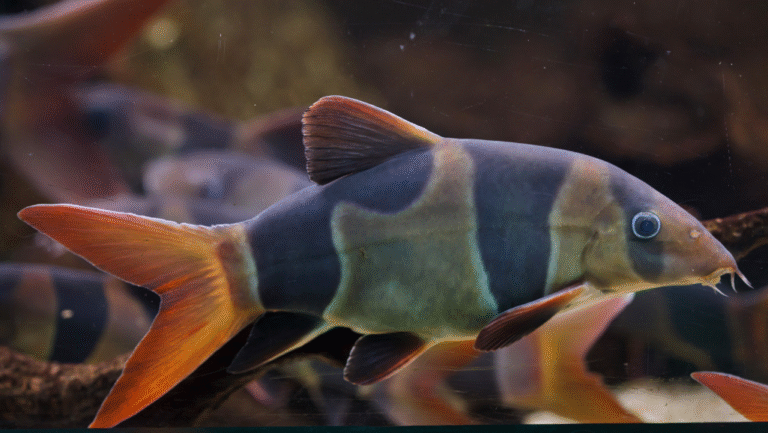
Clown Loach Care: Chromobotia macracanthus at a Glance — Meet Chromobotia macracanthus, a striking bottom-dwelling clown loach that brings bold black stripes and red-orange fins to the freshwater aquarium. This charismatic fish is beloved by hobbyists who love fish and enjoy lively community tanks, but it has long-term needs you should plan for. Adults typically reach about 12–13 inches, so map tank upgrades now rather than later; these loaches are not ideal for small, short tanks. They belong to the Botiidae family and are the sole member of their genus, making this species a special addition for keepers who value accurate information and stewardship. Expect playful, crepuscular behavior: soft clicking, synchronized chases, and occasional side-lying rests that can alarm new owners but are usually normal when water is stable. They’re most active at dawn and dusk — a great time to watch a confident school display natural behavior. Key TakeawaysCommon name: the Clown Loach (Chromobotia macracanthus). Appearance: a vivid freshwater species with three dark bands, bright orange-yellow body, and red-orange fins. Size planning: plan for adult size of about 12–13 inches and provide a robust aquarium long-term. Activity: crepuscular—most active at dawn and dusk. Care note: watch for barbels and small eye spines when handling; use soft nets and stable water. Reward: interactive and social, clown loaches give years of enjoyment to committed stewards.Start Here: Your How-To Roadmap to a Thriving Clown Loach AquariumBegin with stable water, warm temps, and plenty of hiding places to speed acclimation and reduce stress. This short guide gives practical, current steps you can use immediately to set up a healthy clown loach tank. What you’ll learn in this guide:How to maintain steady 82–86°F water and prevent temperature shocks using reliable heaters and backups (aim for 3–5 W per gallon as a rule of thumb). Quarantine steps to catch ich early and when to safely use treatments like Ich‑X or aquarium salt (follow product dosing instructions). Simple aquascape tips—soft plants, caves, and tannin sources like Indian almond leaves—that create calming cover and improve water quality.Quick-start checklist (Must do → Helpful):Must do: Set up a quarantine tank and test kits; maintain steady water temperature and stable parameters before adding fish. Must do: Start with at least a 55‑gallon tank for juveniles and plan upgrades as they grow; prioritize length over height for swimming room. Helpful: Add dither fish (rainbowfish, Congo tetras, tiger barbs) to encourage shy loaches to explore. Helpful: Equip the tank with robust filtration (aim for a filter turnover of ~4–6× tank volume per hour), sinking pellets and frozen worms for feeding, and Indian almond leaves for tannins. Supplies: reliable heater plus a backup, accurate thermometer, test kits, and spare filter media.Clown Loach Care and Behavior Quick ID: look for three bold black bands on a bright orange-yellow body, red-orange fins, and a pair of sensory barbels around the mouth. Some sources describe small, retractable eye spines—handle with care and soft nets to avoid injury. Behavior is part of their charm. Clown loaches are lively, social freshwater fish that make soft clicking noises during play or minor disputes. They sometimes rest on their side or appear upside down; when water quality and conditions are stable, this theatrical behavior is usually normal. Group dynamics and daily rhythm Clown loaches are crepuscular—most activity occurs at dawn and dusk—so you’ll see the best displays during low-light periods. Keep them in a group (aim for at least 4–6; six or more encourages exploration and reduces hiding). School hierarchies form naturally; while some hobby accounts report dominant females leading groups, leadership can vary by individual aquarium. Community compatibility and safety They do best with midwater, outgoing dither fish that reduce timidity. Good examples: rainbowfish, Congo tetras, and larger tetras. Avoid tiny tankmates (e.g., small rasboras or shrimp that can be eaten) and fin-nippers that stress loaches. Protect prized snails—many clown loaches will eat smaller pest snails and other small invertebrates.“Stable water, roomy hiding places, and a confident group make these fish lively, social stars of the aquarium.”Signs of normal behavior: synchronized foraging, soft clicking, short sparring bouts, and crepuscular bursts of activity. Signs of stress: prolonged hiding, faded color, erratic swimming, or persistent aggression—check water quality immediately. Care tip: provide plenty of hiding spots and caves so shy individuals can retreat and join the group when comfortable.How to Set Up the Tank and Water for Loaches That FlourishA thoughtfully arranged aquarium gives these active bottom-dwellers room to grow and show off their stripes. Space matters Do: start with at least a 55-gallon tank for juveniles and plan staged upgrades as they grow. Aim for a long tank (length matters more than height) so adults — which can reach 12–13 inches — have horizontal swimming room. Example milestone: move toward a 125–150+ gallon setup as your group approaches adult size. Adults can reach 12–13 inches, so map size milestones now and avoid last-minute moves that stress fish. Heat and stability Do: keep water steady at 82–86°F (28–30°C) and target pH 6.0–7.5 with moderate hardness (5–13 dGH). Stability is more important than hitting exact numbers—consistent heaters and gradual changes protect sensitive barbels. Do: use a reliable heater plus a backup, and an accurate thermometer. For power outages consider battery-powered air pumps or a UPS for critical equipment. Aquascape with purpose Do: choose a soft, sandy substrate (fine sand, 1–2 mm grain) and rounded decor to protect delicate barbels. Add driftwood, caves, and plenty of hiding places so shy individuals can retreat. Live plants such as Anubias, Java fern, and Vallisneria tolerate tannins and low light while providing cover. Do: provide gentle flow—avoid blasting resting spots—and arrange plenty of open bottom space for foraging. Lighting, tannins, and quarantine Do: use dimmer lighting cycles and add Indian almond leaves or driftwood to introduce calming tannins. Test kits, routine siphoning, and scheduled water changes keep water quality predictable. Do: quarantine all new arrivals—observe feeding, treat ich early with appropriate products (follow label directions), and never rush a transfer into the display tank.“Quarantine new arrivals: observe feeding, treat ich early with Ich‑X or salt, and never rush a transfer.”Do: keep an upgrade plan; track size and tank capacity over time and budget for filter capacity increases as biomass grows. Do: stock basic aquarium supplies—spare heater, thermometer, reliable filter with replacement media, and test kits. Don’t: place sharp rocks or coarse gravel that can damage barbels; avoid strong, direct flows that prevent bottom foraging.Feeding the Bottom Stars: Diet, Snail Control, and Daily CareFeed time is one of the best chances to watch behavior, assess health, and tune the diet for your bottom-dwelling clown loaches. Keep meals simple, frequent, and protein-focused to match their warm-water metabolism and promote bright color. Protein-forward menu Base most meals on quality sinking pellets and frozen or fresh protein: options like frozen bloodworms, defrosted tubifex (preferably sourced frozen to reduce parasite risk), and shelled mollusks supply essential amino acids. Rotate in a gel food such as Repashy Bottom Feeder formula and occasional blanched vegetables (zucchini, peas) to add fiber and variety. Sample feeding rhythm and portions Higher temperatures increase metabolism—offer small, frequent portions rather than one large feeding. A practical schedule: two to three small feedings per day, each amount the loaches can finish in 2–3 minutes. For pellets, feed roughly a fist-sized pinch per 4–6 medium juveniles and scale up as they grow; always observe bellies and adjust if fish look bloated or thin. Choose foods that sink quickly so bottom feeders get first access. Use feeding tongs for larger morsels and spread food across the substrate to reduce competition. Supplements and veggie matter Include a weekly vegetable offering (blanched zucchini, cucumber, or spinach) and occasional calcium-rich treats if you keep snails. Consider a marine-derived shellfish option once a week (e.g., mussel) for pigment and protein support. Clean-water routine and snail control Strong filtration and moderate flow reduce detritus and maintain bright fins—aim for effective mechanical and biological filtration and a turnover rate appropriate for your stock. Pre-rinse frozen foods to remove excess liquid and rotate food types to lower waste load. Clown loaches will eat many pest snails and can help reduce small snail populations, but they are not a guaranteed single-method control—do not keep prized snails with them. Combine natural predation with manual removal and good maintenance for best results.“Their lively meal ‘dance’ is a useful health check—use feeding times to spot issues early.”Keep a feeding log: note preferred foods, portion sizes, and responses to new items. Feeding troubleshooting: refusal to eat—check water quality and quaran­tine history; bloating—reduce portion size and add vegetable fiber; uneven feeding—increase feeding frequency or add more feeding spots. Stock supplies: quality sinking pellets (bottom-feeder formulas), frozen food trays, tongs, and a spare sponge filter for nitrate control. Habitat tip: add live plants and shaded zones so shy individuals can forage without being bullied.Breeding, Growth, and Long-Term PlanningLikelihood of success: low to moderate for most hobbyists. Clown loach breeding is possible in home aquaria but remains challenging; most successful reports come from large, well-conditioned groups or commercial farms that mimic seasonal cues. Expect patience, space, and careful conditioning before attempting breeding. Sexing is subtle and takes time. Males are often slimmer with brighter fins; females appear broader-bodied when carrying eggs. Verify sex over months as individuals mature and body shapes change. Sexing and seasonal cues Maturity matters: reports suggest fish older than three years and over about 4 inches are more likely to produce clutches. A typical conditioning protocol used by breeders:Increase high-quality protein feedings for 2–4 weeks (live/frozen meaty foods). Maintain warm conditioning temps (~82°F / 28°C) and stable pH near neutral. Simulate rainy-season triggers: perform larger, cooler water changes to drop temp to ~78°F (25–26°C) and slightly lower pH for a few days, then return to conditioning temps.Farms often use similar cues at scale; exact parameters vary, so track responses carefully and change one variable at a time. Reality check and fry care Eggs are scattered and receive no parental care—remove adults promptly to protect eggs. Use fine-leaved plants or a spawning grid to hold eggs in place. Expect eggs and fry to be delicate: keep excellent water quality and low flow. Fry rearing basics: provide a small separate rearing tank with gentle aeration, stable temps (around 78–82°F / 25–28°C), and frequent tiny feedings of live baby brine shrimp or microworms. Start with 5–10% daily water changes or careful slow exchanges to maintain pristine conditions.“Captive breeding is rare; most retail stock is wild-caught and captive-bred lines are usually pricier.”Have fry foods ready: live baby brine shrimp, microworms, and finely crushed high-quality micro diets. Plan long-term: clown loaches become large and need robust filtration, increasing tank size, and stronger equipment as they grow. Keep backup supplies (spare heaters, air pumps, extra filter media) during any breeding effort to avoid sudden losses.Ethics and sourcing: because captive breeding is uncommon, consider buying from reputable breeders or suppliers that disclose captive-bred vs. wild-caught origins. For more practical husbandry and sourcing information, see the linked care and breeding guide. Conclusion Small, steady improvements to water quality and hiding places yield big rewards in behavior and color. Keep water temperature steady in the 82–86°F (28–30°C) range, quarantine new arrivals, and plan tank upgrades by size so growth stays comfortable for adult clown loaches. Feed with intention: offer varied, protein-forward sinking foods and watch how the bottom of the aquarium responds. Good filtration, dimmer lighting, tannins from Indian almond leaves, and plenty of caves help shy individuals join a confident school. If you only do three things: quarantine new fish, maintain stable temperature and water quality, and keep a proper group size (4–6+ loaches). With consistent care and the right setup, clown loach and other loaches become lively, long-lived members of your freshwater tank that reward the time you invest.Top actions: 1) Quarantine and observe; 2) steady water and reliable heater/backup; 3) provide hiding spots and plan for larger tanks as they grow. Next steps: Consult the quick-start roadmap above or the FAQ for supplies and a simple maintenance checklist.FAQWhat is the best tank size to start with for a juvenile Chromobotia macracanthus?Quick answer: Start with at least a 55-gallon tank for juveniles. Why: clown loaches grow large (often 10–12+ inches as adults) and need horizontal swimming room to stay healthy. How to do it: choose a long tank rather than a tall one; plan staged upgrades (e.g., move toward 125–150+ gallons as the group approaches adult size).How many should I keep together for healthy group behavior?Quick answer: Keep a school of at least 4–6 clown loaches; six or more is better if your tank and budget allow. Why: These loaches are social—a proper group reduces stress, encourages natural behavior, and decreases hiding. How to do it: ensure plenty of hiding spots and increase tank size as group size grows to prevent aggression.What water temperature and chemistry do they prefer?Quick answer: Maintain steady 82–86°F (28–30°C), pH ~6.0–7.5, and moderate hardness (5–13 dGH). Why: warm, stable water supports metabolism, activity, and digestion in these freshwater fish. How to do it: use a reliable heater + backup, test kits, and weekly monitoring; stability is more important than exact numbers.What should I feed for optimal health and color?Quick answer: Offer a protein-forward diet: sinking pellets, frozen or live worms, mollusks, and occasional blanched vegetables. Why: warm-water clown loaches need higher protein for growth and color, with some fiber for gut health. How to do it: feed small, frequent meals using sinking foods so bottom feeders get first access; rotate foods and include Repashy or similar gel diets weekly.Do these fish control snails in my tank?Quick answer: They can reduce populations of many pest snails but are not a guaranteed sole control method. Why: clown loaches will eat small snails and other invertebrates as part of natural foraging. How to do it: combine loaches with manual removal and good maintenance; do not keep prized snails with a loach group.How do I design the aquascape for their wellbeing?Quick answer: Use a soft, sandy substrate, sturdy plants, driftwood, caves, and many hiding spots. Why: barbels are delicate and need soft substrate; tannins and shaded areas reduce stress and simulate habitat. How to do it: include Anubias and Java fern (plant-tolerant tannins), rounded decor, and open bottom space for foraging.Are they compatible with community tanks and which mates are safe?Quick answer: Yes—pair with peaceful, mid-to-large community fish that won’t nip fins. Why: fin-nippers stress clown loaches and tiny fish may be eaten. How to do it: good tankmates include rainbowfish and Congo tetras; avoid very small shrimp or tiny rasboras and aggressive barbs that nip fins.What common behaviors should I expect and when are they most active?Quick answer: Expect crepuscular activity—most movement at dawn and dusk—plus synchronized foraging, soft clicking, and occasional side-resting. Why: clown loaches are naturally more active in low light and display group behaviors that signal wellbeing. How to do it: observe during low-light periods and provide dimmer cycles to encourage natural rhythms.How do I prevent and handle common health issues?Quick answer: Quarantine new arrivals, monitor for ich and parasites, and keep water pristine with good filtration and regular water changes. Why: prevention (quarantine and stable water) is far easier than treating sick fish. How to do it: isolate sick fish, follow product dosing carefully, and keep backup heaters to maintain temperature stability.Can these fish be bred in home aquariums?Quick answer: Captive breeding is rare and challenging for hobbyists. Why: spawning often requires mature groups, careful conditioning, and seasonal cues similar to rainy-season changes. How to do it: condition adults on high-protein diets, then simulate cooler/wetter water changes to trigger spawning; be prepared with fry tanks and micro-foods.What daily and weekly maintenance keeps them healthy?Quick answer: Feed small, frequent meals; test water weekly; do partial water changes and clean filters as needed. Why: routine care prevents nitrate buildup and preserves bright fins and vibrant stripes. How to do it: keep a maintenance checklist—weekly water tests, 10–25% water changes as needed, and regular filter media swaps.How quickly do they grow, and what should I plan for long-term?Quick answer: Growth is steady over years; expect gradual increases and plan for adult size when budgeting tanks and filters. Why: diet, water conditions, and stocking density affect growth rate and final body size. How to do it: increase tank size and filtration as the group grows; track size milestones and upgrade before crowding occurs....
bristlenose pleco
Bristlenose Pleco Care: Tips for a Healthy, Happy Fish
Welcome to simple, reliable care for a popular freshwater species. These armored catfish make great cleanup...
starting fish tank
Starting Fish Tank: Tips for New Aquarium Owners
Setting up your first aquarium is both thrilling and steady work. Expect about one to two weeks to gather...
Aquarium lighting options
Aquarium Care and Maintenance: A Practical Guide
Welcome to the world of aquariums — compact, living ecosystems that bring color and motion to any room....

Leave a Reply

Your email address will not be published. Required fields are marked *