Category Community Fish

Community Fish

Neon Tetra Care

Neon Tetra Care: Tips for a Thriving Aquarium

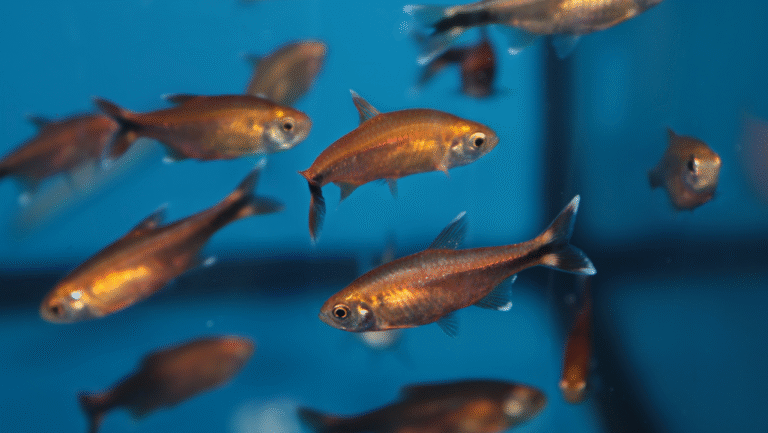
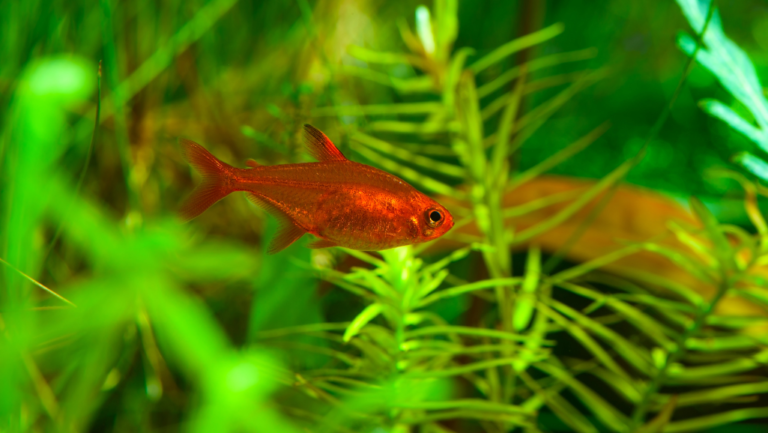
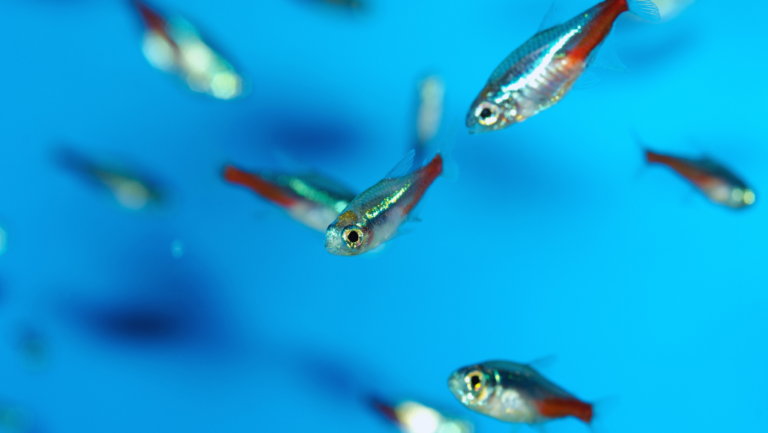
The Neon Tetra is one of the most recognizable freshwater fish, prized for its iridescent blue stripe and vivid red band. Native to the Amazon basin (rivers and tributaries in countries such as Colombia, Brazil, and Peru), these small, peaceful fish bring lively schooling behavior and bright color to planted aquariums. Caring for neon tetras means more than admiring their colors — it means building an environment that matches their natural habitat. That involves stable water chemistry, suitable tank size, compatible tankmates, and proper feeding so your neon tetras can thrive and display their best color. Neon tetras prefer soft, slightly acidic water; monitoring water parameters regularly helps prevent stress and disease. Choose calm, non-aggressive fish as companions, feed a varied diet, and provide planted, dimly lit spaces that mimic their blackwater With consistent care, neon tetras commonly live around 4–6 years in captivity; some individuals may reach longer lifespans with optimal conditions. Creating the right environment—temperature, pH, hardness, filtration, and group size—will maximize their health and longevity. Key Takeaways Neon Tetra Care: aim for a stable temperature (about 74–79°F / 23–26°C) and slightly acidic to neutral pH (around 5.5–7.0). Tank size: provide at least a 10–20 gallon (≈40–75 L) aquarium for a small school; larger tanks are better for visible schooling behavior. Water parameters and routine testing are essential—monitor pH, temperature, and hardness to keep your fish thriving. Diet: offer varied foods (quality flakes, occasional live/frozen brine shrimp and bloodworms) to keep colors vibrant. Group neon tetras in schools (6+ individuals) so they feel secure and show natural schooling behavior. Recreate blackwater-like conditions (plants, driftwood, subdued lighting) when breeding is the goal. Protect their wild habitat: conservation of Amazonian ecosystems supports this species in the wild. Understanding the Neon Tetra: An Introduction Neon tetras (Paracheirodon innesi) are one of the most popular small freshwater fish because of their striking iridescent blue stripe and bright red band. These tetras are a schooling species that display graceful, synchronized swimming when kept in groups — a major reason hobbyists add neon tetras to planted community tanks. The Mesmerizing Appearance of Neon Tetras…
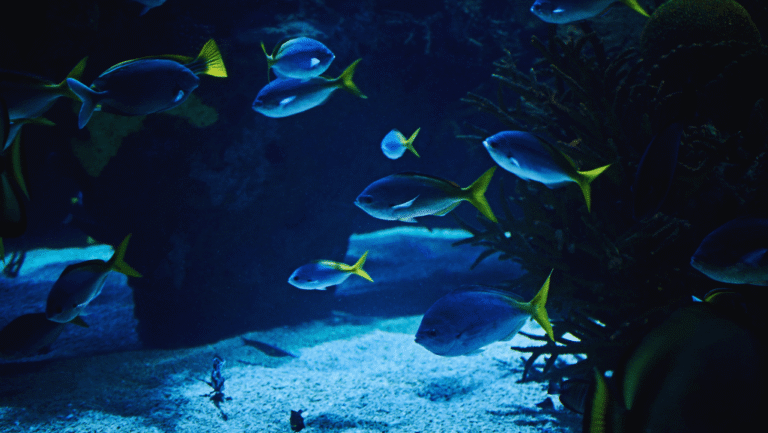
stunning aquarium species

Colorful Aquarium Fish: Make Your Tank Pop

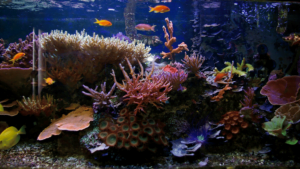
For both new and experienced aquarium lovers, a tank full of colorful aquarium fish is more than decoration — it’s a living centerpiece. Bright, healthy fish add visual interest and reflect careful husbandry: the right mix of species, water chemistry, and maintenance makes an aquarium thrive. Whether you keep a planted freshwater aquarium or a saltwater display, the wide range of colorful fish available means you can build everything from a peaceful community tank to a bold species-focused showcase. To help you choose, a list of the most colorful fish is ready — each entry below includes quick care notes so you can match color, behavior, and tank requirements. Key Takeaways Pick colorful fish that match your tank type: freshwater or saltwater, planted or minimalist. Vibrant fish indicate good care — proper water, diet, and space are essential. Learn species basics (size, temperament, water needs) to build a harmonious community or species tank. Read the species care sections below for practical tips and stocking ideas — then plan your tank around water parameters and compatible tank mates. Understanding the Appeal of a Colorful Aquarium A vibrant aquarium can transform a room into a living piece of art. Beyond looks, a well-planned display brings calm and focus — a visual retreat that fits any home or office. Whether you’re building a planted freshwater aquarium or a minimalist community tank, thoughtful design makes the difference. Setting up a tank requires planning: choose a cohesive palette, place aquatic plants and hardscape for depth, and arrange fish so colors and behaviors complement one another. For example, a deep blue background makes orange or red fish pop, while a lighter substrate highlights subtle pastel colors. Think of your aquascape like interior design. Color choices, lighting, and plant placement shape how your fish stand out — and how the tank fits the room. Make sure your layout also meets your fish’s needs for hiding spots, swim space, and compatible water conditions. The Role of Color in Aquatic Presentation Color theory helps when you plan a display: complementary colors (blue vs. orange) create striking contrast, while analogous schemes (blues and greens) deliver a calm, natural feel. Use aquatic plants like Java fern, Anubias, or Vallisneria to add texture and color contrast; driftwood and rock can provide warm neutrals to balance bright fish. Lighting is also key — full-spectrum or plant-friendly LEDs will enhance both plant growth and fish colors. Aim for a balance that shows off hues without stressing your fish. How Vibrant Tanks Improve Well-being…

Clown Loach Care

Clown Loach Care: Tips for a Thriving Aquarium

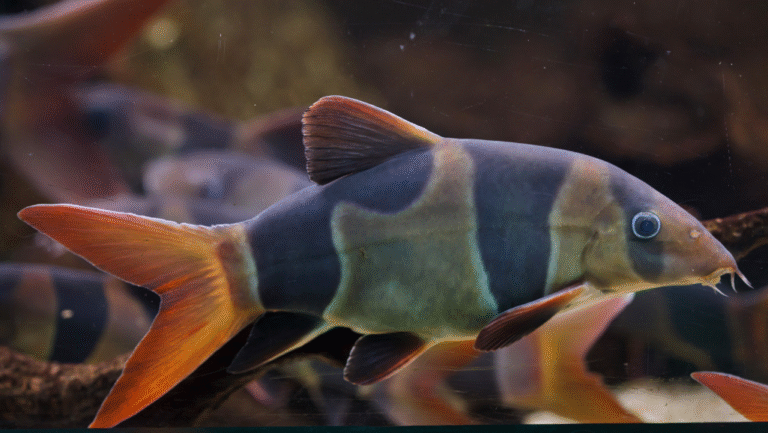
Clown Loach Care: Chromobotia macracanthus at a Glance — Meet Chromobotia macracanthus, a striking bottom-dwelling clown loach that brings bold black stripes and red-orange fins to the freshwater aquarium. This charismatic fish is beloved by hobbyists who love fish and enjoy lively community tanks, but it has long-term needs you should plan for. Adults typically reach about 12–13 inches, so map tank upgrades now rather than later; these loaches are not ideal for small, short tanks. They belong to the Botiidae family and are the sole member of their genus, making this species a special addition for keepers who value accurate information and stewardship. Expect playful, crepuscular behavior: soft clicking, synchronized chases, and occasional side-lying rests that can alarm new owners but are usually normal when water is stable. They’re most active at dawn and dusk — a great time to watch a confident school display natural behavior. Key Takeaways Common name: the Clown Loach (Chromobotia macracanthus). Appearance: a vivid freshwater species with three dark bands, bright orange-yellow body, and red-orange fins. Size planning: plan for adult size of about 12–13 inches and provide a robust aquarium long-term. Activity: crepuscular—most active at dawn and dusk. Care note: watch for barbels and small eye spines when handling; use soft nets and stable water. Reward: interactive and social, clown loaches give years of enjoyment to committed stewards. Start Here: Your How-To Roadmap to a Thriving Clown Loach Aquarium Begin with stable water, warm temps, and plenty of hiding places to speed acclimation and reduce stress. This short guide gives practical, current steps you can use immediately to set up a healthy clown loach tank. What you’ll learn in this guide: How to maintain steady 82–86°F water and prevent temperature shocks using reliable heaters and backups (aim for 3–5 W per gallon as a rule of thumb). Quarantine steps to catch ich early and when to safely use treatments like Ich‑X or aquarium salt (follow product dosing instructions).…