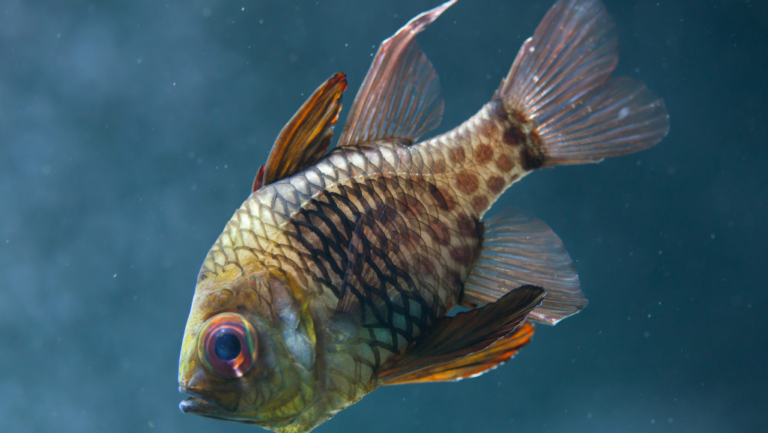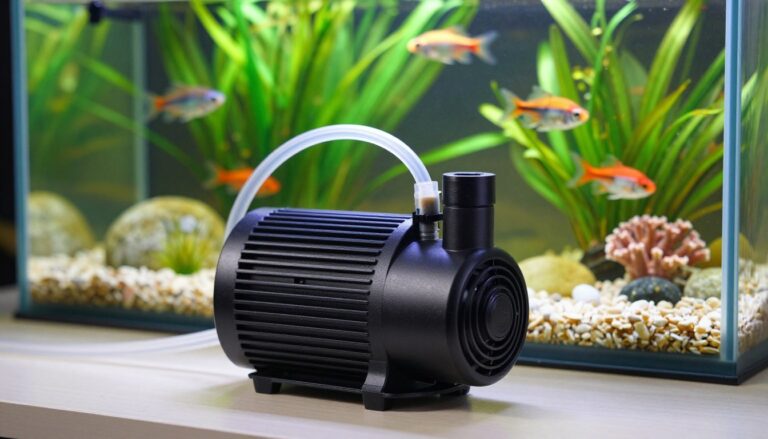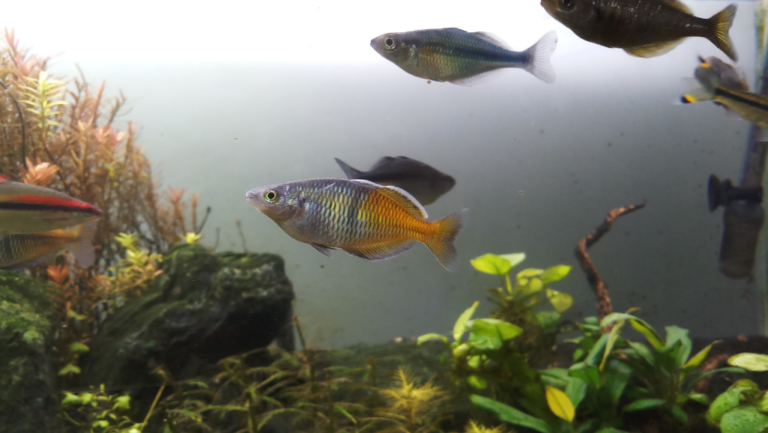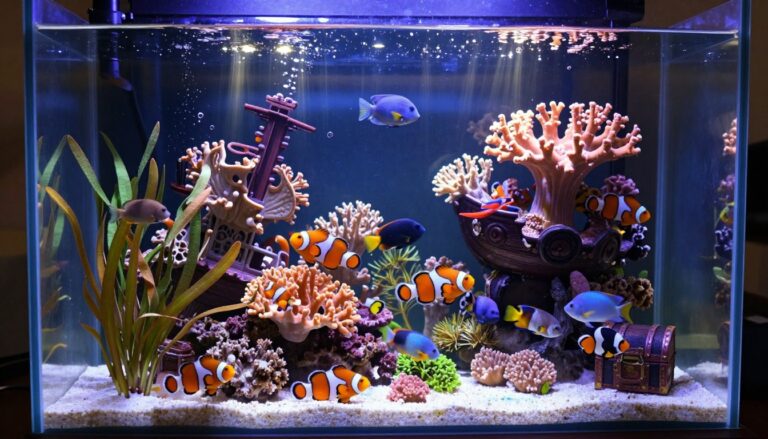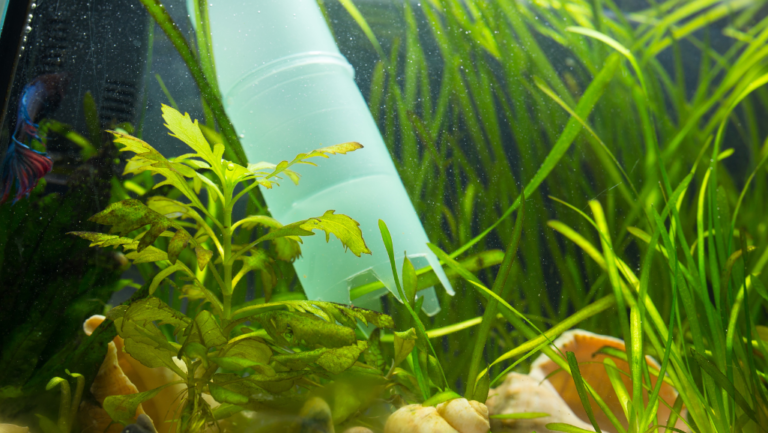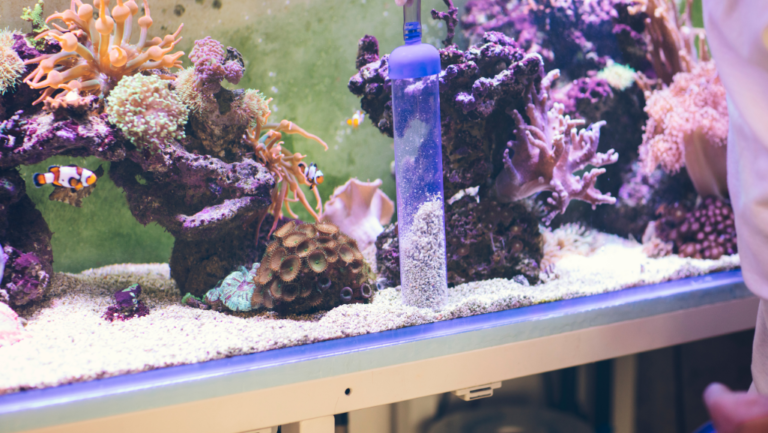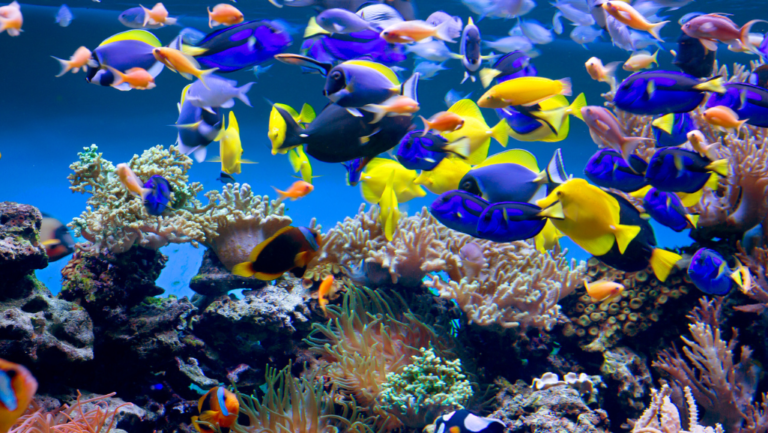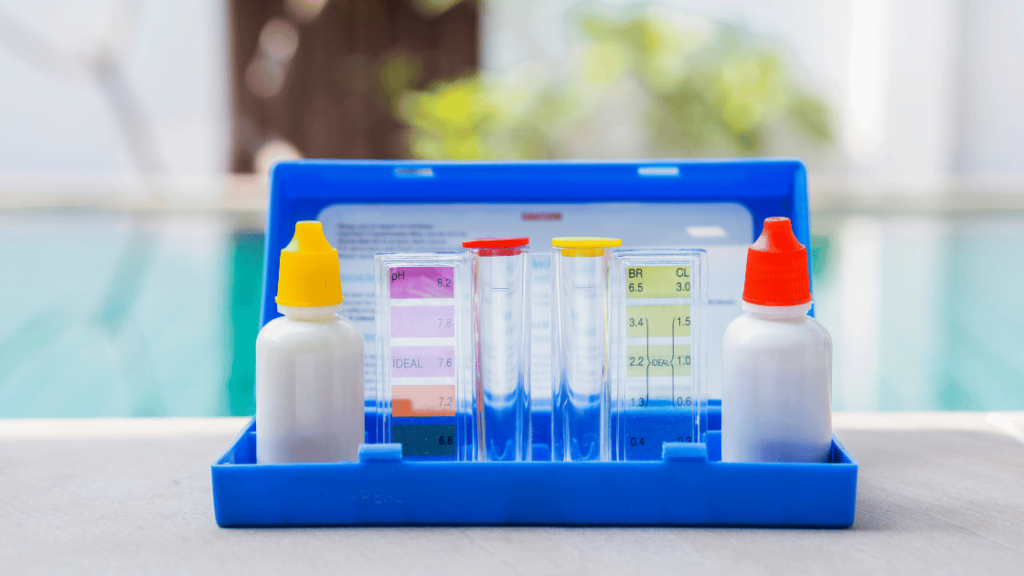
Dive into the world of aquarium basics and begin your Aquarium Setup with confidence. Setting up your first fish tank is exciting — it brings a miniature underwater world into your home and teaches the essentials of water care and tank management.
Choosing the right tank size matters: options range from a compact 5-gallon desktop tank to a large 45-gallon display. Keep in mind a full tank’s weight adds up quickly — water alone is roughly 8.34 pounds per gallon, so a 45-gallon tank plus gravel and stand can be several hundred pounds; pick a sturdy location and check floor or stand capacity.
Start with the right equipment: a reliable filter, an appropriately sized heater and thermometer, and aquarium lighting. You’ll also need water conditioner, substrate or gravel, and a few decorations or rocks for hiding places and background interest. Adding live plants improves appearance and helps maintain water quality.
Key Takeaways
- Aquariums commonly range from 5 to 45 gallons — choose by space, budget, and the fish you want
- Essential equipment includes a quality filter, heater, lighting, and water conditioner
- Allow at least 48 hours for initial water stabilization (filter, heater, and dechlorination) but plan for a full biological cycling period of several weeks before stocking
- Choose tank size and placement carefully — weight and nearby power outlets matter
- Live plants enhance aesthetics and contribute to water quality and biological filtration
Introduction to the Fascinating World of Aquariums
An Aquarium Setup brings a slice of the underwater world into your home and makes an inspiring, living focal point. Whether you want a relaxing hobby, a teaching tool, or a planted aquascape, understanding the basics will help you create a healthy aquarium that fits your space and lifestyle.
What is an aquarium?
An aquarium is a sealed or open container that holds water, fish, plants, and other aquatic life to create a small, balanced ecosystem. Aquariums come in many sizes — from tiny desktop tanks to large room-sized displays — and each size affects equipment, stocking, and maintenance needs.
Benefits of keeping an aquarium
Keeping an aquarium offers many benefits: it can reduce stress, improve mood, and add unique visual interest to your home. Learning water care and tank maintenance builds responsibility and an appreciation for aquatic environments, and watching fish can even have measurable calming effects.
Types of aquariums
Choose the type of aquarium based on your experience and goals. Freshwater aquariums are the most beginner-friendly and work well with community fish like guppies, tetras, and corydoras. Saltwater aquariums unlock colorful marine species and reef life but require more advanced water chemistry control. Planted aquariums focus on aquatic plants (Java fern, Anubias, Amazon sword) and create a lush, natural environment that supports biological filtration.
| Aquarium TypeDifficulty LevelSuitable For | ||
| Freshwater | Beginner | Tropical community fish, easy-care plants |
| Saltwater | Advanced | Marine fish, corals, invertebrates |
| Planted | Intermediate | Aquatic plants, small schooling fish |
For most beginners, a 20–30 gallon freshwater aquarium is an excellent choice: it’s large enough to provide stable water conditions and room for a small community of fish while still being manageable for setup and maintenance. Remember that preparing a tank for fish includes a biological cycling period — typically 4–6 weeks — so plan your Aquarium Setup timeline accordingly.
Choosing the Right Aquarium for Your Space
Picking the right tank means balancing size, location, and your lifestyle. Your choice affects how the aquarium looks in your home and how easy it is to maintain water quality and temperature for healthy fish.
Understand the weight: water weighs about 8.34 pounds per gallon. Add substrate and decorations (roughly 1.5–2 pounds per gallon) plus the glass and stand—so a 45-gallon tank full of water and gravel can weigh several hundred pounds. Make sure the floor or stand can support the combined weight before you fill the aquarium.
Location matters. Place the tank away from direct sunlight and heat sources to avoid temperature swings and algae problems. Most tropical freshwater fish do well between about 75° and 80°F, but always match temperature to the species you plan to keep.
Plan equipment access: position the tank near a grounded outlet for filters, heaters, and lighting, and make sure there’s room to service the aquarium.
Space and maintenance needs depend on the aquarium type. Freshwater setups are the easiest for beginners; popular starter fish include:
- Guppies
- Tetras
- Betta fish
- Corydoras catfish
- Zebra Danios
If you move to saltwater later, consider hardy starter species like clownfish, damselfish, gobies, or blennies—saltwater tanks typically require tighter water chemistry control and more equipment.
Essential Equipment for Your Underwater Ecosystem
Creating a thriving aquarium requires the right equipment—choose gear that matches your tank size, the species you plan to keep, and how hands-on you want to be. The right setup makes maintaining water quality and a stable environment much easier.
Filtration Systems
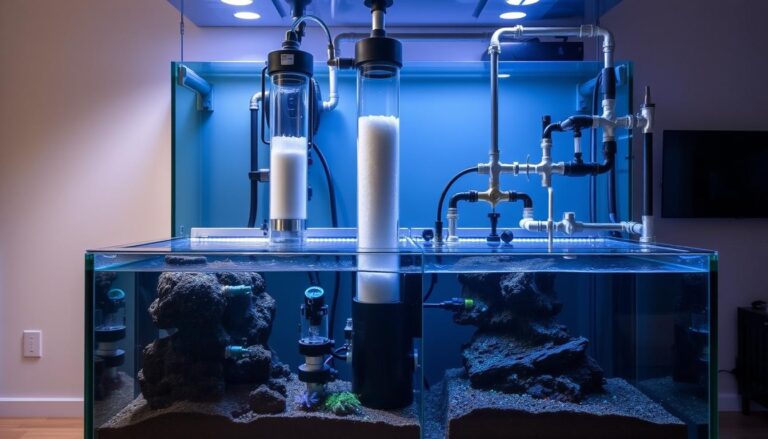
Filtration systems remove physical debris, support beneficial bacteria, and help keep water chemistry stable. Aim for a filter that turns over the tank volume several times per hour—many hobbyists use a 3–5x turnover guideline for lightly stocked community tanks, while higher bio-loads may need faster turnover. For a 20-gallon tank this often translates to a filter rated around 60–100 gph; canister or hang-on-back filters are popular for larger tanks, while small internal filters suit desktop tanks.
- When to choose canister/external: larger tanks, heavy stocking, quiet operation.
- When to choose internal/hang-on-back: smaller tanks, budget setups, easier maintenance.
Heaters and Thermometers
Aquarium heaters keep the water within a stable temperature range. A common rule is 3–5 watts per gallon for tropical tanks as a starting point—adjust up if the room is cool or the tank is large. Always use a reliable thermometer and consider a heater with a built-in thermostat to avoid dangerous swings.
Lighting Options
Lighting showcases fish colors and supports plant growth. For basic fish-only tanks, modest LED fixtures are energy-efficient and low-heat. For planted tanks, focus on PAR (photosynthetically active radiation) or lumens suitable for your plant selection instead of relying solely on watts-per-gallon (the watts rule is outdated for modern LEDs). High-light planted tanks need stronger fixtures and possibly a CO2 system.
Air Pumps and Decorations
Air pumps and air stones increase surface movement and oxygen exchange—useful in heavily stocked tanks or where additional circulation is needed. Decorations—gravel or other substrate, rocks, driftwood, and background pieces—create hiding spots and visual depth. Use an appropriate substrate depth for plants and species (many hobbyists use 1–2 inches for basic setups, with about 1–2 lbs per gallon of substrate as a guideline), and position larger decorations toward the back to create a natural background and open swimming space up front.
| EquipmentRecommendation | |
| Filter | Turnover several times/hour (3–5x for light loads; choose capacity by tank and stocking) |
| Heater | Start around 3–5 watts per gallon for tropical tanks; use thermostat control |
| Lighting | LED preferred; choose PAR/lumen level by plant needs rather than strict W/gal |
| Substrate | 1–2 lbs per gallon typical; deeper for rooted plants |
Understanding Water Chemistry and Parameters
Maintaining correct water chemistry is the foundation of a healthy aquarium. Key parameters to monitor are pH, ammonia, nitrite, nitrate, and water hardness (GH/KH). Regular testing lets you spot issues early and keep the aquarium environment stable for fish and plants.
pH measures how acidic or alkaline the water is. Most common tropical freshwater species do well in a pH range near 6.5–7.5, but individual needs vary—research your chosen fish and plants and avoid sudden pH swings. Carbonate hardness (KH) acts as a buffer that helps hold pH steady.
Ammonianitrite are toxic even at low concentrations. The safe target for both is 0 ppm; sustained measurable levels can damage gills and reduce oxygen transport. Nitrate is less toxic but should be kept low (many hobbyists aim for under ~20 ppm for sensitive communities) because high nitrate over time can stress fish and affect growth and breeding.
Water hardness
| ParameterIdeal RangeEffects | ||
| Ammonia | 0 ppm | Toxic; causes gill and respiratory stress |
| Nitrite | 0 ppm | Impairs oxygen transport; toxic |
| Nitrate | <20 ppm (target varies by species) | Chronic stress, impacts growth and breeding |
| pH | 6.5–7.5 (species-dependent) | Too high/low causes stress; match species needs |
| GH | 4–8 dGH (general guideline) | Affects osmoregulation; varies by species |
How to test and correct issues: use reliable test kits or strips for regular monitoring (weekly at minimum during setup or after changes). If ammonia or nitrite appears, perform partial water changes (10–20%) and reduce feeding; add biological enhancers (beneficial bacteria products) to speed recovery. To raise GH/KH, use aquarium-specific remineralizers; to lower hardness or pH slowly, use RO/DI water mixed with tap water or purpose-made buffers—always change parameters gradually and retest. Make sure you dose products according to instructions and consider the needs of both fish and live plants when adjusting levels.
Aquarium Basics: Setting Up Your Tank
Setting up your aquarium is the hands-on part of your Aquarium Setup — a few careful preparation steps will create a stable, attractive environment for fish and plants. Follow these steps to position, dress, and fill your new aquarium correctly.
Preparing the Tank
Start by rinsing the tank with warm water only — never use soap or household cleaners because residues can be toxic to fish. Place the tank in its final location on a sturdy, level stand that can support the filled weight. Make sure the floor and stand are rated for the combined weight of glass, water, substrate, and decorations.
Double-check the place for nearby grounded outlets for the filter, heater, and lighting, and avoid spots with direct sunlight or large temperature swings.
Adding Substrate and Decorations
Choose substrate based on your goals: inert gravel or sand for community tanks, nutrient-rich substrate for planted aquariums. For a 20-gallon tank you’ll typically need about 30–40 pounds of substrate (the common guideline of ~1.5–2 lbs per gallon is a useful starting point) — rinse it thoroughly until the water runs clear to remove dust.
Arrange larger items like rocks and driftwood toward the back to build a natural background and leave open swimming space in front. Use caves or plants to provide hiding spots. Place heavier decorations directly on the substrate and avoid sharp edges that could damage fish or silicone seams.
Filling the Tank and Treating Water
When you fill aquarium water, pour slowly onto a plate or saucer resting on the substrate to avoid disturbing the layout. Treat tap water with a quality water conditioner to remove chlorine and chloramine and to detoxify metals. Install the heater and thermometer, aim for a general starting temperature around 76–78°F for many tropical community fish (adjust for species), and make sure the heater is fully submerged and functioning before adding livestock.
- Clean tank thoroughly with warm water only
- Add substrate (≈1.5–2 lbs per gallon) and rinse well
- Position decorations for aesthetics and fish safety; create background depth
- Fill aquarium slowly onto a plate; treat water with conditioner
- Install filter, heater, and thermometer; verify operation
With equipment running and water treated, your tank is ready to begin the cycling process. For fishless cycling, add a source of ammonia (fish food or pure ammonia) and beneficial bacteria products to jump-start the nitrogen cycle — follow product instructions and monitor parameters closely during the several-week setup period.
Cycling Your Aquarium: The Crucial First Step
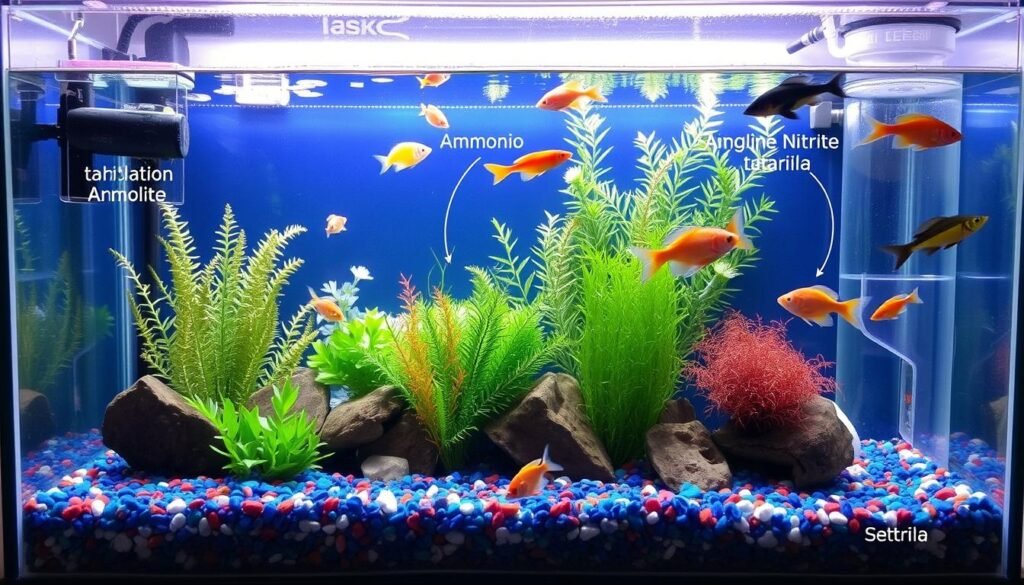
Aquarium cycling establishes the beneficial bacteria colonies that convert toxic waste into less harmful compounds — the core of the nitrogen cycle. Ammonia (from fish waste and uneaten food) is converted to nitrite by one group of bacteria, and nitrite is then converted to nitrate by another group. Without a completed cycle, ammonia and nitrite can build up and harm fish.
How long it takes: most new aquarium setups form a stable bacterial community in about 4–8 weeks, depending on temperature, stocking, and whether you seed the tank with bacteria. During cycling, maintain stable conditions (avoid big daily pH or temperature swings). Aim for comfortable tropical temperatures around 76–82°F for most setups — higher temperatures speed bacterial activity but can stress some fish and plants, so match the temperature to your target livestock.
Testing schedule and safe thresholds: test ammonia, nitrite, and nitrate regularly — every few days during active cycling, then weekly once established. The safe targets are 0 ppm for ammonia and nitrite; nitrates will rise as the cycle completes and are ideally kept below ~20 ppm for sensitive communities. If ammonia spikes above ~0.25–0.5 ppm, perform a partial water change (10–20%) and reduce any sources of ammonia (feed less, remove decaying matter).
| ParameterAcceptable Range / GoalTesting Frequency (during cycle) | ||
| Ammonia | 0 ppm (action if >0.25–0.5 ppm) | Every 2–3 days |
| Nitrite | 0 ppm (end goal) | Every 2–3 days |
| Nitrate | Detectable during cycle; keep <20 ppm for sensitive tanks | Every 3–7 days |
Two common cycling methods:
- Fishless cycling (recommended): add a controlled ammonia source (pure ammonia or a measured amount of fish food) and optionally a bottled beneficial bacteria product to establish bacteria without exposing fish to toxins. This method is kinder and allows you to bring ammonia/nitrite to measurable levels for bacteria to colonize safely.
- Fish-in cycling (less recommended for beginners): add a few hardy fish and monitor carefully. Keep feeding minimal, test frequently, and perform small, regular water changes to keep ammonia and nitrite in safe ranges.
Practical timeline example (fishless): Day 0 — set up tank, add substrate, start filter and heater; Day 1 — dose ammonia or fish food and add bacteria starter; Week 1–2 — monitor levels, add bacteria as directed; Week 3–6 — watch ammonia and nitrite peak and fall; when ammonia and nitrite are consistently 0 and nitrates are present, the tank is cycled and ready for gradual stocking. Throughout, make sure you adjust only one parameter at a time, perform partial water changes as needed, and avoid rapid temperature swings.
Selecting Fish for Your Aquarium
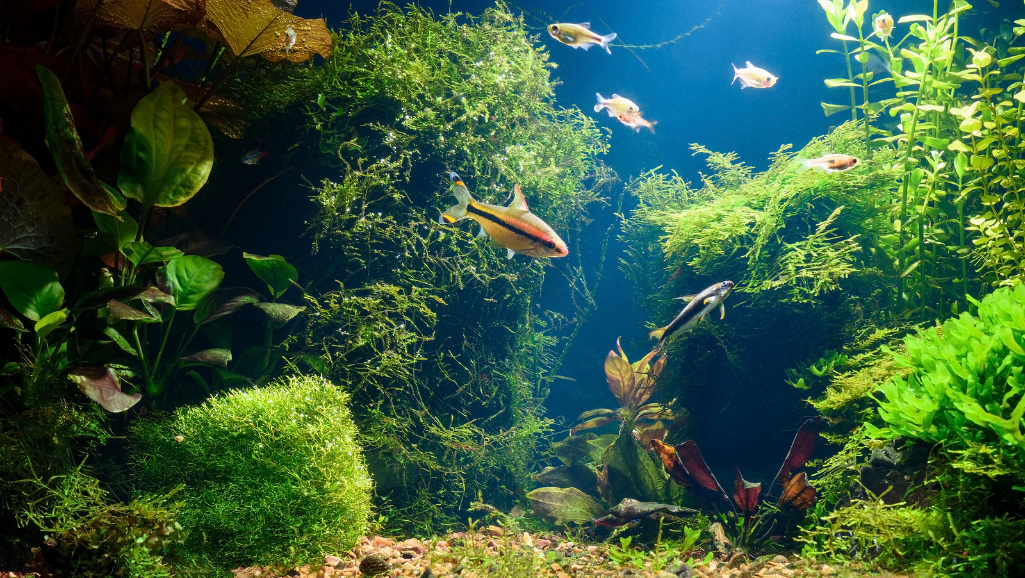
Choosing the right fish is vital to a healthy Aquarium Setup. Think about tank size, water parameters, temperament, and long-term adult size to create a compatible, low-stress community.
Popular Beginner-Friendly Fish Species
These species are forgiving and make great first fish for a freshwater aquarium:
- Guppies — colorful, livebearers, easy to feed
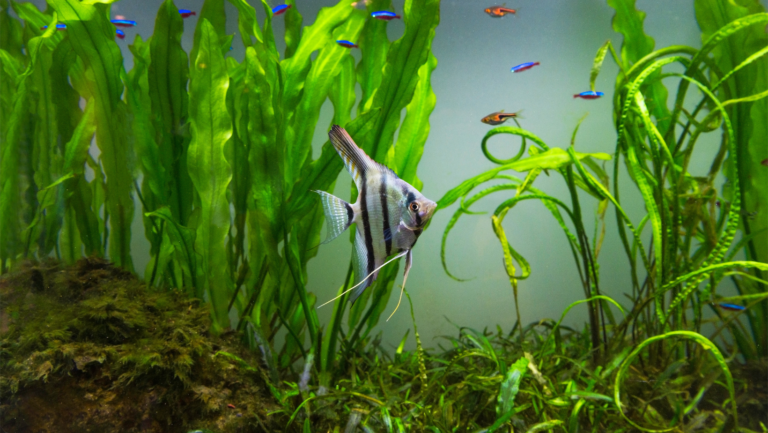
- Tetras (neon, cardinal) — small schooling fish that thrive in groups
- Bettas — bright and hardy, best kept singly or in carefully planned communities
- Corydoras catfish — peaceful bottom-dwellers that help clean the substrate
For saltwater beginners, hardy options include clownfish, damselfish, gobies, and blennies — but note that saltwater tanks generally require tighter water chemistry control.
Compatibility Considerations — Do / Don’t
- Do check temperament: avoid mixing aggressive species with peaceful community fish.
- Do match water needs: schooling species prefer consistent temperatures and pH suited to their group.
- Do consider adult size: plan stocking around full-grown fish, not juvenile size.
- Don’t overcrowd: avoid impulse additions — add fish slowly over weeks to let filtration and bacteria adjust.
- Don’t mix very different water types (e.g., freshwater and saltwater species).
Stocking Guidelines and Quick Reference
Stock carefully — understocking is safer than overstocking. Here are common minimums and group suggestions for beginner species:
| Fish TypeMinimum Tank SizeGroup Size | ||
| Guppies | 10 gallons | 3–5 |
| Neon/Cardinal Tetras | 20 gallons | 6+ |
| Bettas (male) | 5–10 gallons | 1 (or community with compatible species) |
| Goldfish (common) | 20–50 gallons per fish | 1–2 (varies by species) |
Quick match tip: guppies and tetras prefer similar warm, slightly acidic to neutral freshwater; corydoras like soft substrate and will appreciate a group; goldfish need much larger, cooler tanks and produce more waste. Before buying, make sure you research each species’ temperature, pH, and hardness needs and use a compatibility chart or tool to double-check pairings.
Introducing Live Plants to Your Aquatic Environment

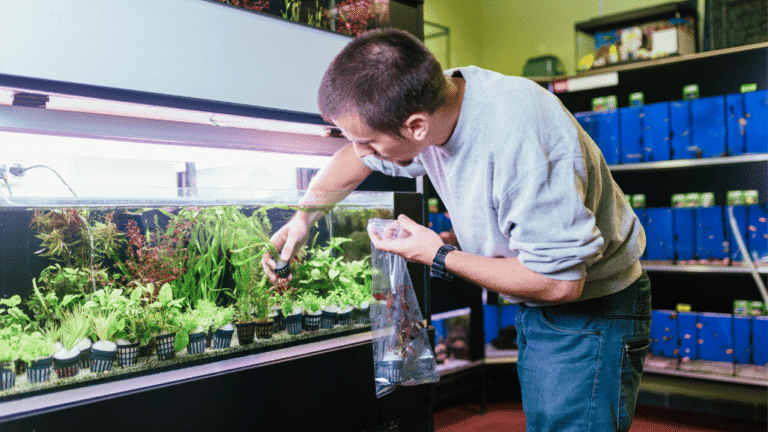
Adding live plants turns your aquarium into a living, breathing underwater garden. Plants uptake carbon dioxide and some nitrogenous waste, help stabilize water chemistry, provide shelter for fish, and improve the natural appearance of your tank while contributing to biological filtration.
Choose plants based on light needs and maintenance level. Low‑light, easy-care options for beginners include Java fern and Anubias (attach to wood or rocks) and Cryptocoryne (rooted). For mid- to high-light setups, Amazon sword and stem plants grow faster and fill space quickly.
Lighting for planted tanks should be matched to plant needs. LED fixtures are efficient and run cool; rather than relying only on watts-per-gallon (an outdated rule for modern LEDs), consider PAR or lumens and the plant types you want. As a general guideline, aim for 8–10 hours of light daily for many planted tanks, reducing hours slightly if you see algae problems or increasing light intensity for demanding species.
Fertilizers keep plants healthy: choose substrate fertilizers for rooted plants, root tabs for heavy root feeders, or liquid fertilizers for regular dosing through the water column. If you want faster growth and a fuller planted look, consider CO2 injection (pressurized CO2) or liquid carbon products for lower-tech tanks — dose carefully and monitor water parameters.
- Improves water quality and oxygen dynamics
- Provides shelter and breeding sites for fish
- Enhances natural appearance and background depth
- Contributes to biological filtration and nutrient uptake
Timing and setup tips: allow planted layouts to settle before heavy stocking — many hobbyists wait 2–3 weeks after planting before adding fish, though longer is better if you’re establishing a robust plant system. Make sure you check pH, GH/KH, and nitrate levels before stocking and adjust slowly. To minimize algae, balance light, nutrients, and grazing pressure (snails or algae-eating fish) and avoid direct sunlight on the tank.
| Plant TypeLight RequirementGrowth RateDifficulty | |||
| Java Fern | Low to Medium | Slow | Easy |
| Anubias | Low to Medium | Slow | Easy |
| Amazon Sword | Medium to High | Moderate | Moderate |
| Cryptocoryne | Low to Medium | Slow | Easy |
Feeding Your Fish: Proper Nutrition and Schedules
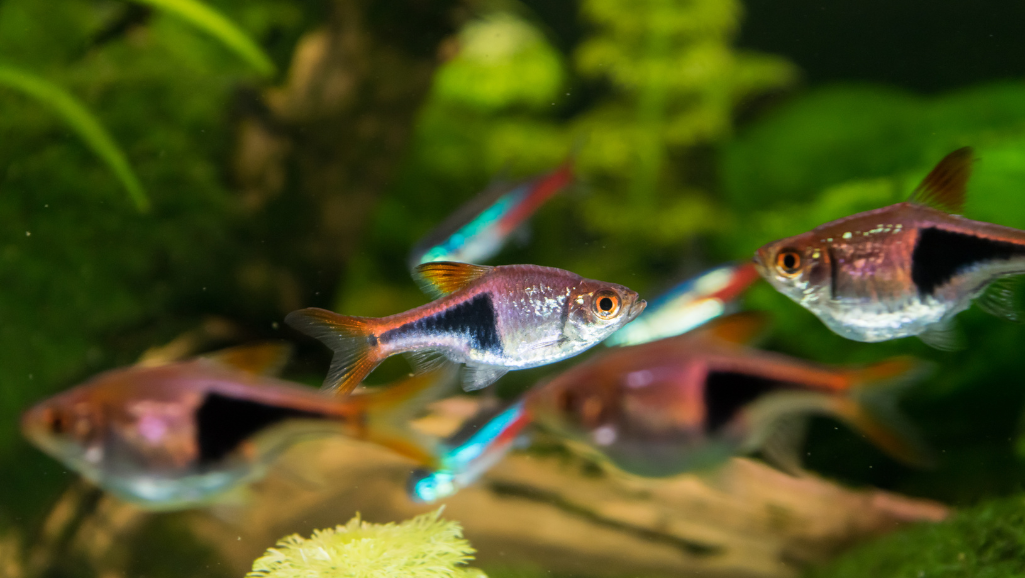
Feeding your fish the right foods on a consistent schedule is essential for a healthy aquarium. Overfeeding is one of the most common mistakes and leads to poor water quality, algae, and sick fish—so aim for measured, species-appropriate portions.
Adult community fish typically do well with one feeding per day; younger or fast-growing fish may need 2–3 small feedings. Offer only what your fish can fully consume in about five minutes and remove uneaten food promptly to prevent ammonia spikes.
Different species have different dietary needs: herbivores need more plant-based matter, omnivores benefit from a mix, and carnivores require protein-rich foods. As a starting guideline, many hobbyists feed roughly 1%–3% of a fish’s body weight per day (adjust by species and activity). For nocturnal species, feed in the evening when they are active.
Provide nutritional variety: use quality flakes or pellets as a staple, supplemented with frozen or freeze-dried foods, algae wafers for herbivores, and occasional live or frozen protein treats. Tailor the feeding schedule to your tank’s inhabitants and observe appetite and waste as guides to adjust portions.
| Fish TypeFeeding FrequencyFood Amount / Note | ||
| Guppies | Once daily | Small portions; variety of flakes and micro pellets |
| Tetras | Once daily | Consumed within ~5 minutes; feed in small amounts |
| Bettas | Once daily (or 5x/week) | Protein-rich pellets or frozen foods; avoid overfeeding |
| Young Fish / Fry | 2–3 times daily | Small, frequent portions; appropriate-sized food |
Do not overfeed—it’s safer to underfeed than overfeed. Adult fish can sometimes tolerate a missed meal, but juveniles need more consistent feeding. Monitor your fish and tank parameters; if you see increased waste or rising ammonia/nitrite, reduce food immediately. With a good feeding schedule and balanced nutrition, your fish will thrive and your aquarium water will stay cleaner.
Regular Maintenance and Care Routines

Consistent maintenance keeps your aquarium healthy, your water clear, and your fish thriving. Use a simple calendar of daily, weekly, and monthly tasks to make upkeep manageable and ensure filtration and water chemistry stay stable.
Maintenance calendar (quick)
- Daily: Check fish for unusual behavior, top off evaporated water, and make sure equipment (filter, heater, lights) is running.
- Weekly: Test water parameters (ammonia, nitrite, nitrate, pH) and remove 10–20% of the water for a partial change as needed; siphon the substrate to remove debris.
- Monthly: Rinse mechanical filter media in removed tank water, replace chemical media if required, trim plants, and deep-clean glass or background as needed.
Water changes and substrate cleaning
Regular partial water changes remove dissolved wastes and replenish trace elements. A common approach is 10–25% weekly or 20–25% every 2–4 weeks depending on stocking and nitrate levels—adjust to your tank’s needs. Use a gravel vacuum to remove uneaten food and waste from the bottom; make sure you vacuum gently around plants and avoid removing too much beneficial substrate if using planted or seeded media.
Filter care and filtration tips
Filters are the heart of aquarium filtration—maintain them to protect beneficial bacteria. Clean mechanical media (sponges, pads) in tank water you remove during a water change to avoid killing bacteria with chlorinated tap water. Replace chemical media (activated carbon, resins) on the schedule recommended by the manufacturer (commonly every 4–6 weeks). Biological media should usually be left alone unless damaged—keep it wet and in tank water while cleaning other parts.
Monitoring fish health and environment
Watch fish daily for appetite, unusual swimming, or visible signs of illness. Keep tank temperature steady (many tropical community fish do well between 74–82°F / 23–28°C) and check the thermometer after maintenance. Test water weekly with a reliable test kit and act quickly on out-of-range readings: partial water changes, reducing feeding, and checking filter flow are common corrective steps.
- Use a test kit weekly (API MASTER TEST KITS or similar)
- When cleaning filter media, rinse in removed aquarium water — never tap water
- Keep spare replacement media and basic supplies on hand (carbon, replacement pads, water conditioner)
- Make sure you verify heater and thermometer after major maintenance
Regular, predictable maintenance prevents most issues. By testing water, caring for filters, and observing fish behavior, you’ll maintain a stable home and reduce the chance of surprises.
Troubleshooting Common Aquarium Issues
Aquarium problems can occur even with careful care. The most important tool for prevention and diagnosis is regular testing of water parameters (pH, ammonia, nitrite, nitrate) and observing fish behavior. Below are common symptoms, likely causes, and clear actions to fix them.
| SymptomLikely CauseAction | ||
| Cloudy or green water | Free-floating algae bloom (excess light or nutrients) | Reduce lighting hours/intensity, cut feeding, perform a 20–30% water change, consider an algae-eating cleanup crew; test nitrates and phosphates. |
| Brown film on glass or decorations | Diatoms (common in new aquariums) | Light scrubbing, regular water changes, and patience; diatoms often decline as the tank matures. |
| Fish gasping at surface | Low oxygen, high ammonia, or chlorine in tap water | Test ammonia and nitrite immediately; increase surface agitation (filter/outflow), perform a partial water change, and make sure water was treated with conditioner to remove chlorine/chloramine. |
| High ammonia or nitrite readings | Incomplete cycle, overfeeding, or overstocking | Do a 10–30% water change, reduce feeding, check filter function, add beneficial bacteria boosters if desired, and test daily until levels drop. |
| Persistent algae on plants | Light/nutrient imbalance or low plant competition | Adjust light duration (try 7–8 hours), dose appropriate fertilizers carefully, add fast-growing plants or algae grazers, and avoid direct sunlight. |
Consolidated routine fixes and checks:
- Test water weekly (more often if issues arise) and record results to spot trends in levels.
- Perform partial water changes routinely—10–25% weekly is a common approach; adjust frequency based on stocking, nitrate readings, and tank demands.
- Quarantine new fish for 2–4 weeks in a separate tank to prevent introducing disease to your display.
- When treating problems, change only one variable at a time (e.g., light or feeding), and retest to assess the effect.
If you see a problem, act quickly but calmly: test first, then apply the least invasive correction (partial water changes, reduce feeding, improve filtration). Make sure you document what you change so you can repeat successful fixes and avoid compounding issues. A stable environment and consistent care are the best defenses against most aquarium problems.
Conclusion
Starting the aquarium hobby brings a living piece of nature into your home and rewards careful planning and consistent care. Create a realistic action plan: choose an appropriate tank size, set up reliable equipment, and learn to manage water quality and stocking over time.
Quick starter recommendations: for most beginners a 20–30 gallon freshwater aquarium is a practical balance of stability and manageability; a larger 55-gallon tank is also excellent if you have the space and support. When planning, account for glass, substrate, decorations, and water weight so your stand and floor can safely carry the load.
Successful fish keeping depends on steady routines more than perfect knowledge: pick the right filters, maintain regular water testing and changes, and choose fish that match your tank’s conditions. Adding live plants improves the tank’s appearance and supports biological filtration, but plan their lighting, substrate, and nutrient needs before stocking heavily.
Actionable next steps
- Choose your tank size (20–30 gal recommended for beginners) and confirm the place and stand can support the filled tank.
- Gather essential equipment: filter sized for your tank, heater + thermometer, LED lighting, substrate, and a water test kit.
- Set up and start the tank, then cycle it (fishless cycling recommended) — expect 4–6 weeks for a stable bacterial community.
- Stock slowly, research each species’ adult size and water needs, and quarantine new fish before adding them to the display.
FAQ (short answers)
What is an aquarium?
An aquarium is a contained aquatic environment for fish, plants, and other organisms — a small ecosystem you manage for health and balance.
What types of aquariums are there?
Common types are freshwater, saltwater (marine/reef), planted (focus on aquatic plants), and brackish; freshwater is best for most beginners.
How do I pick size and location?
Pick a size that fits your space, budget, and the fish you want. Place the tank away from direct sunlight, near a grounded outlet, and on a sturdy, level stand.
What equipment do I need?
Basic equipment includes a filter, heater, lighting, thermometer, and water testing kit; decorations like gravel and background items improve appearance and provide hiding places.
Why is water chemistry important?
Water chemistry (pH, ammonia, nitrite, nitrate, GH/KH) determines fish health; test regularly and correct issues gradually to avoid stress.
How do I set up the tank?
Clean and level the tank, add substrate and decorations, fill aquarium slowly with treated water, install equipment, and begin cycling before stocking.
What is cycling?
Cycling establishes beneficial bacteria that convert ammonia to nitrite and then nitrate; fishless cycling is recommended and typically takes 4–6 weeks.
How do I choose fish?
Match fish to tank size and water parameters, consider temperament and adult size, and add fish gradually to avoid overloading filtration.
Should I add live plants?
Yes—live plants add beauty and biological benefits, but select species appropriate for your lighting, substrate, and maintenance level.
How do I maintain the tank?
Follow a routine of daily checks, weekly testing and partial water changes, and monthly filter and substrate care to keep the environment stable.
Ready to get started? Download our Aquarium Setup Checklist or shop a beginner starter kit to simplify your setup and make sure you have the right equipment and supplies for success.