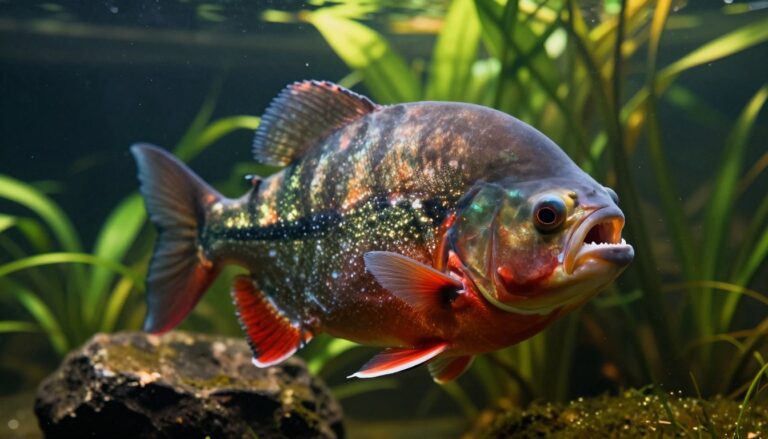
Aggressive Freshwater Fish: A Guide to Identifying and Caring for Them
Welcome. This guide frames the term aggressive freshwater fish as a description of natural behavior, not a moral judgment. We explain how the name covers a range of actions, from territorial displays to true attacks. This piece serves curious beginners and confident keepers who want a more challenging lineup. You will learn how to spot early warning signs and build systems that help each species thrive long term. Expect clear profiles, real tank guidelines, and step-by-step care tips you can apply today. A strong aquarium plan begins with adult needs, not the fish’s size at the store. With the right setup and steady observation, many once-problem individuals become manageable. Key Takeaways “Aggressive” refers to behavior patterns, not bad temperament. Learn early signs to prevent problems before they escalate. Design tanks around adult needs, not juvenile size. Profiles and care steps help with species selection and planning. Observation and proper setup make keeping these fish practical. Why “Aggressive” Fish Can Be the Most Rewarding Aquarium Species Bold personalities in the tank often reward careful keepers with unforgettable behavior. Two common types of aggression show up in tanks: social bullies that harass and injure tankmates, and predators that see smaller tankmates as food. Recognizing these types helps you plan space, decor, and stocking. Labeling a species as aggressive fish should mean “needs a plan,” not “avoid.” With the right layout and filtration, many become reliable centerpiece animals that anchor an aquascape. Experienced aquarists love strong characters for their big personalities, intelligent interactions, and bold feeding responses. These behaviors turn a simple hobby into a living study of instinct. Understand the difference between bullying and predation.…