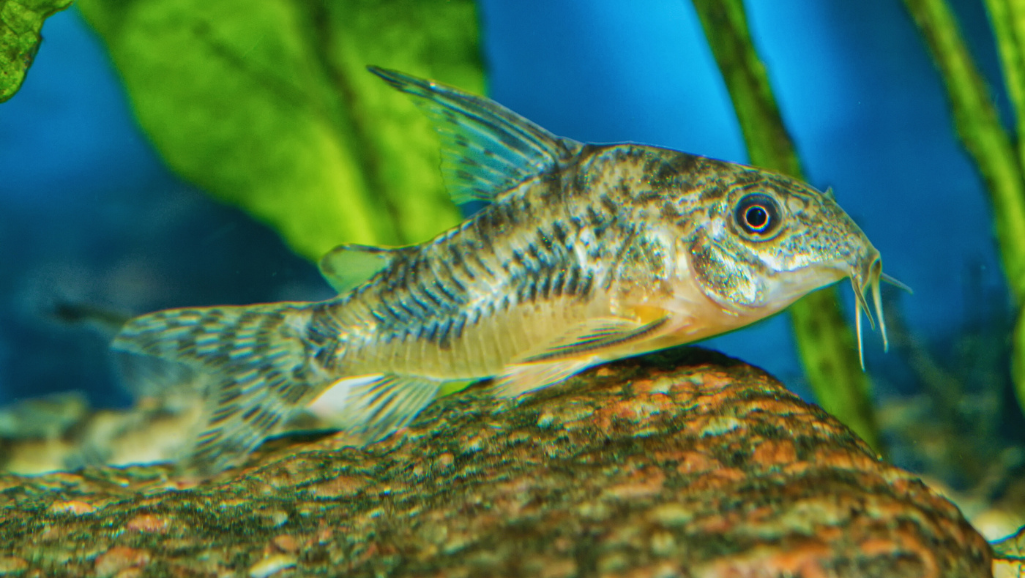
Meet the little armored bottom-dwellers many hobbyists call the perfect community addition: lively, social South American Corydoras that brighten a freshwater aquarium with constant foraging and shoaling behavior.
Most commonly kept corydoras catfish reach about 1–3 inches (2.5–7.6 cm) in length in captivity and wear protective bony plates. They also have sharp fin spines that can irritate skin when the fish is stressed, so avoid handling them with bare hands and use careful netting during transport or tank work.
Beginner-friendly care centers on consistent conditions: a cycled tank, reliable filtration, and regular maintenance. Cory catfish are hardy for their size but thrive only when stocking is thoughtful and water parameters stay steady.
This guide—your Corydoras Catfish Care resource—walks through choosing species and types, building the right tank, feeding for growth and color, and basic breeding. Use the table of contents or jump to “Choose the Right Cory Species” to match species to tank goals and get started.
Key Takeaways
- Corydoras Catfish: small, armored, and ideal community bottom dwellers.
- Keep them in groups—social schooling reduces stress and encourages natural behavior.
- Armored anatomy (bony plates and fin spines) means careful handling and netting.
- Typical size ~1–3 inches (2.5–7.6 cm) influences stocking and layout choices.
- Consistent, cycled water in an established aquarium is more important than perfect numbers.
- This guide previews species selection, tank setup, feeding, and breeding basics for confident care.
Choose the Right Cory Species for Your Aquarium Goals
Your aquarium goals should determine which corydoras catfish you keep: do you want a tiny, bustling school in a small tank or a few showy individuals for a planted display? Pick species that match your tank size, desired look, and the level of activity you prefer.
Popular types to know
Bronze cory and albino cory are widely available, hardy, and excellent for community tanks. Panda corys are popular for their contrast markings, while emerald green types bring vivid color that stands out over sand and aquarium plants. Pygmy Corydoras (very small species) stay the smallest and can sometimes use midwater more than larger species—plan open lanes in planted setups so they can shoal naturally.
Top beginner-friendly species (quick list)
Bronze cory — hardy, adaptable, good for 20+ gallon tanks. Albino cory — similar hardiness and visibility in groups. Panda cory — striking contrast, comfortable in planted tanks. Pygmy cory — smallest option, suited to 10–20 gallon setups. Emerald cory — colorful display fish for larger, planted aquariums. Sable cory — peaceful, attractive patterns and good community members.
Size and daily activity
Adult sizes for commonly kept corys generally fall near 1–3 inches (2.5–7.6 cm), though pygmy species may be smaller. Most species show lively foraging during the day with activity peaks at dawn and dusk; some pygmy types may venture higher in the water column than larger bottom-dwelling corys.
Species-selection checklist
Match these four items when choosing a species: 1) Tank size (example: pygmy → 10–20 gal; bronze/panda → 20–30+ gal), 2) Group size (keep at least six of the same species), 3) Substrate preference (sand or fine gravel for barbels), and 4) Temperature range — verify species-specific needs (many do well around mid-70s°F / mid-20s°C).
Buying healthy fish
- Check barbels for completeness and no erosion—damaged barbels indicate poor substrate, infection, or stress.
- Look for clear eyes and intact fins and tail, with no white spots or fraying.
- Choose active, alert individuals and avoid tanks with lethargic fish or obvious fin-nippers.
Tip: Buy a proper group of the same species from the start — social security is the secret to bold, natural activity. For more buying and care details, see the cory cat care guide.
Set Up a Thriving Corydoras Catfish Tank
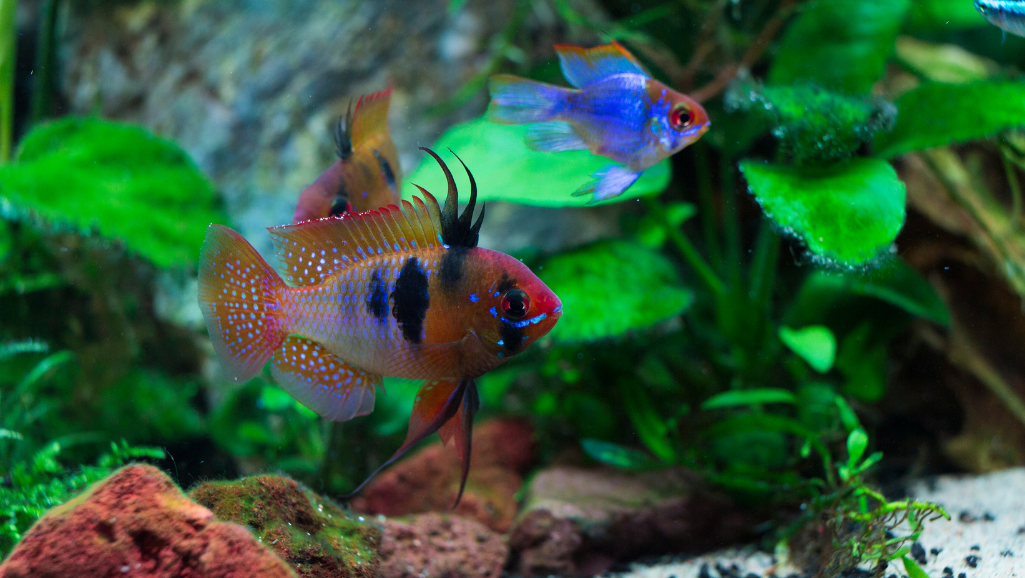
A well-planned tank gives these small bottom dwellers room to forage, shoal, and show off natural behaviors. Match tank size to your goals: dwarf corys can thrive in 10 gallons (≈38 L), most common corydoras do best in 20+ gallons (75+ L), and 30 gallons (≈114 L) or larger provides extra stability and room for planted aquascapes.
Stocking and social needs
Safety in numbers: keep a group of six or more of the same species to reduce stress and encourage natural schooling. Larger groups recreate wild behaviors and make the bottom crew more active and confident; avoid mixing similar-looking species if you want distinct shoaling patterns.
Water, temperature, and maintenance
Aim for stable temperatures—many captive-bred corydoras prefer about 74–80°F (23–27°C), with an acceptable species-dependent range roughly 72–82°F (22–28°C). Stability is the priority: pH commonly ranges from 6.5 to 7.8 for most aquarium-kept types, but consistency matters more than chasing perfect numbers.
Cycling checklist (quick): do not add corys to a brand-new tank. Wait until ammonia and nitrite read zero and nitrates are low. Test water with reliable test kits, ensure biological filtration is established, and perform a conservative water-change routine while stocking up slowly.
- Filter: choose a reliable filter with strong biological capacity but gentle flow—corys prefer low to moderate current near the bottom (canister filters with adjustable outflow or sponge filters are good options).
- Water changes: start with 10% weekly or 20–25% every two weeks depending on stocking and waste load; always dechlorinate replacement water (example product: Aqueon Water Conditioner).
- Monitor: track ammonia, nitrite, nitrate, pH and temperature regularly; consistency beats perfection for long-term care.
Substrate and layout
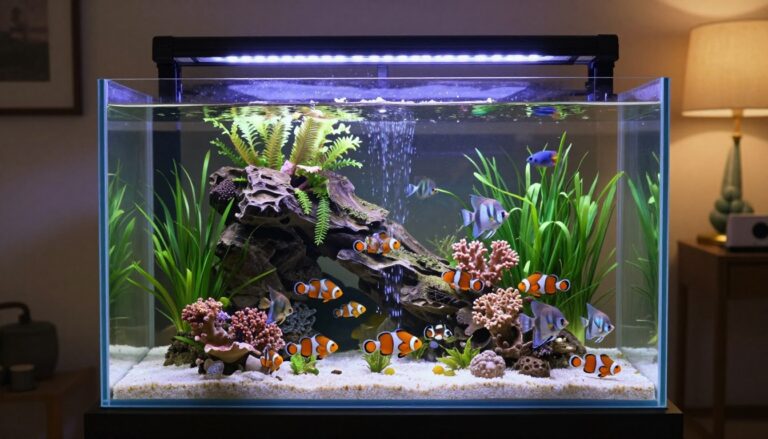
Choose fine, rounded substrate—sand or very smooth gravel—so barbels can sift without abrasion. A common pattern that works well is open foreground lanes for foraging and planted or decorative zones at the back and sides for shelter. Use live aquarium plants (anubias, Java fern) to create cover and natural hiding spots while keeping open bottom areas for the school to search for food.
Substrate options: natural river sand and very smooth, round aquarium gravel minimize barbel damage. Avoid coarse, sharp gravel that can erode barbels and increase infection risk.
Tank levels and aquarium plants
Corydoras occupy the lower levels of the tank but benefit from a multi-level layout—midwater plants and dimmer upper light let them feel secure. Live aquarium plants help with water quality, provide spawning sites, and offer refuge; pair dense planting with open foraging zones for the best behavior.
Watch surface behavior
Occasional surface dashes to gulp air are normal—corys can gulp air to supplement oxygen. Repeated gasping or prolonged surface time indicates low oxygen or poor water quality: check filtration, aeration, and test water parameters immediately to protect your school.
Support Natural Behavior in a Peaceful Community
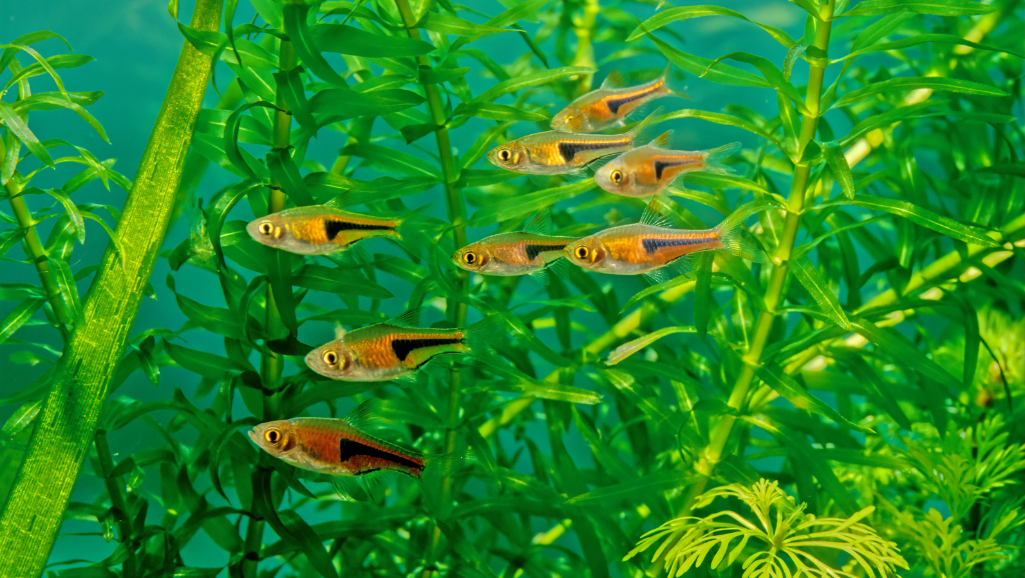
A peaceful community tank gives small, shoaling bottom dwellers room to be bold and social. When the lower tier feels safe, corydoras forage openly and show lively group behavior that enriches the entire aquarium.
Why they make ideal community members
Low aggression and steady motion make Cory catfish excellent additions: they occupy the bottom levels without bullying midwater or surface residents, adding continuous activity and interest without stressing other fish.
Smart tank mates and what to avoid
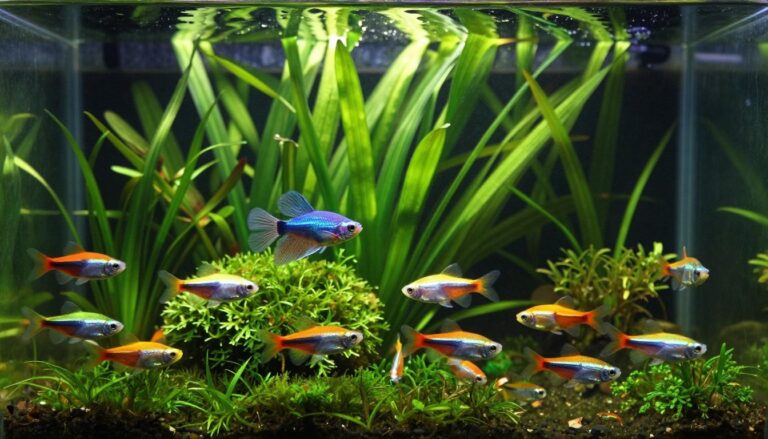
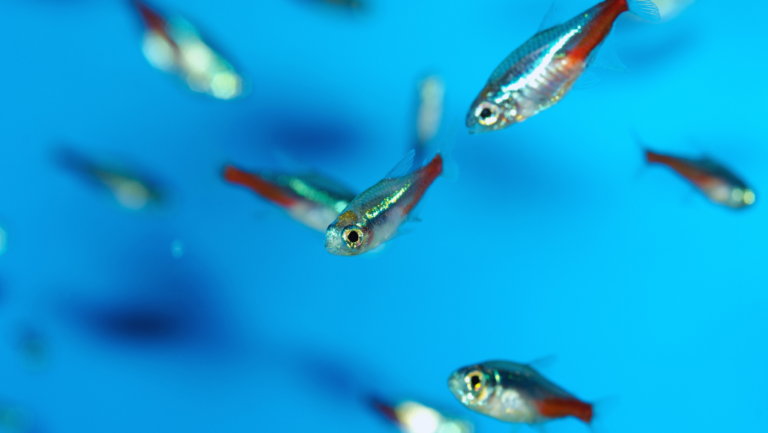
Choose calm midwater species such as neon tetras or harlequin rasboras and a mellow centerpiece like a honey gourami—these pairings keep stress low and let the school explore. Peaceful shrimp and common aquarium snails also work well in most setups where tank mates are not predatory.
- Avoid large predators and aggressive species that may swallow or harass small fish.
- Avoid fin-nippers (e.g., tiger barbs, some barbs) that can damage barbels and fins.
- Skip crayfish and many large cichlids; they can injure or kill bottom dwellers.
Good mates / Bad mates (quick reference)
Good mates: neon tetra, cardinal tetra, harlequin rasbora, endlers, small gouramis (non-aggressive). Bad mates: tiger barbs, large cichlids, crabs/crayfish, overly aggressive barbs.
Why fin-nippers are a problem: barbels are sensory whiskers corys use to find food; repeated nipping or rough substrate can erode barbels and lead to infection. Watch for shortened or frayed barbels and increased flashing as early warning signs.
Myth-buster: they are not a cleaning crew
Reframe the “scavenger” label: corydoras will pick at leftover food and contribute to substrate turnover, but they do not replace regular cleaning or careful feeding. Use a proper feeding routine and siphon the substrate as part of maintenance to keep the tank healthy.
Practical tips for harmony
- Keep groups of the same species to encourage natural shoaling and lower stress.
- Provide open foreground lanes for foraging and dense planting at the back for shelter.
- If keeping shrimp, choose peaceful species (e.g., cherry shrimp) and large-enough tanks so both shrimp and corys can coexist without predation pressure.
- Monitor interactions after adding new tank mates—early intervention prevents long-term injuries to barbels and fins.
Integrating corydoras properly enhances the entire aquarium community: they add life to the bottom level while staying peaceful with well-chosen tank mates and good husbandry.
Feeding Cory Cats for Growth, Color, and Long-Term Health

A thoughtful feeding plan unlocks brighter color, steady growth, and lively behavior in your school.
What they need: Corydoras catfish are omnivores that do best on a varied diet: sinking wafers and bottom-feeder tablets, tropical granules, and shrimp pellets as staples, supplemented several times a week with protein-rich treats to support color and breeding condition.
Staples and high-impact favorites
Staple foods: sinking wafers, bottom-feeder tablets and small granules reliably deliver balanced nutrition and are easy to portion for groups. High-impact favorites include live blackworms, frozen bloodworms, and high-quality gel foods (e.g., Repashy-style gels) or premium pellets—these add protein and color-enhancing nutrients. Gel foods that settle on sand or fine substrate let the whole group access them easily.
Prevent slow starvation in busy communities
Make sure your bottom dwellers are fed directly—corys are not reliable algae eaters. In tanks with fast midwater species, shy bottom fish can be outcompeted and underfed.
Practical tactics: feed after lights dim when corys are most active; use feeding tongs or a turkey baster to place small portions on the substrate; distribute food to several spots so timid individuals can find a share. For large or heavily stocked aquariums, consider spot-feeding or a dosing tube that drops food directly at the bottom.
A feeding rhythm that works
Feed small portions once or twice daily, rotating foods across the week. A useful rule: offer only what the school consumes in about 2–3 minutes—this minimizes uneaten food and helps preserve water quality. Tie feeding to your maintenance schedule: more frequent or larger feedings require more frequent water changes.
Portion guide (example for a group of 6–10 corys)
- Daily staple: one or two small sinking wafers or a few pellets split between two feedings.
- Twice-weekly treat: a small portion of frozen or live worms (blackworms, bloodworms) to condition and boost color.
- Weekly: a gel feeding or vegetable supplement (blanched zucchini or spirulina-based foods) for variety.
Quality and safety notes: source frozen/live foods from reputable suppliers and thaw/prepare them safely. Rinse or thaw frozen items before feeding to reduce water contamination. If using branded foods (Hikari, Repashy), confirm current formulations suit bottom-feeding freshwater catfish.
Rotate foods to prevent dietary gaps and watch body condition—plump, active corys with clear barbels and bright coloration are a sign of proper feeding. Remove uneaten food promptly and maintain your water-change routine to prevent nutrient spikes.
Breed Corydoras in Home Aquariums Without Stress
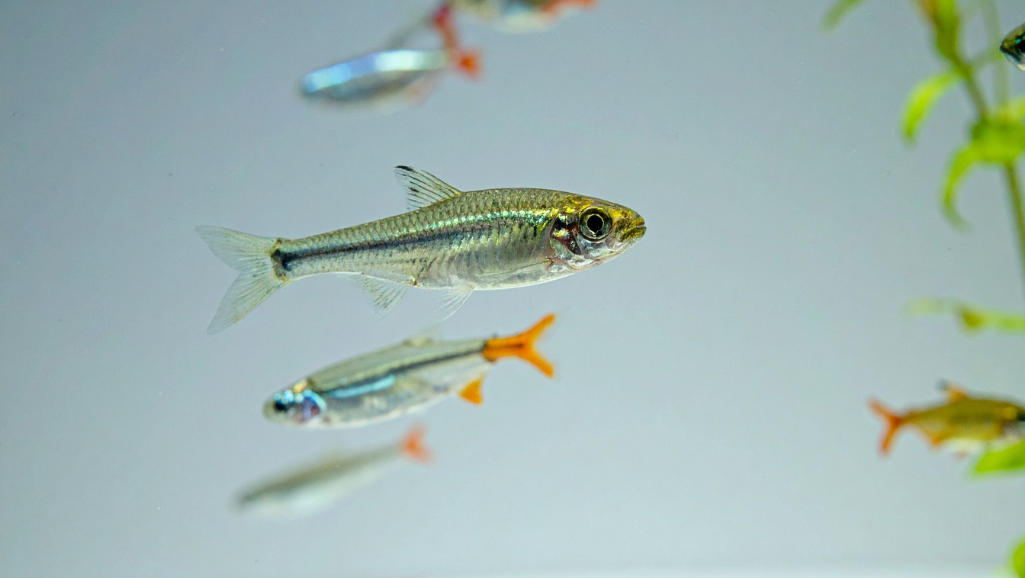
With healthy adults and a gentle routine, breeding Corydoras in a home tank is predictable and rewarding.
Sexing and conditioning: Females appear rounder and fuller when carrying eggs; males remain slimmer. Condition prospective breeders for 1–2 weeks with protein-rich foods—small portions of live blackworms, frozen bloodworms, or other high-quality frozen foods—to improve egg development and spawning readiness (see Feeding section for details).
Spawning triggers and safe temperature changes
Many hobbyists trigger breeding by mimicking a rainy-season pulse: perform one or two water changes with slightly cooler water (drop about 2–4°F / 1–2°C) and add fresh, well-oxygenated water. Maintain stable chemistry while making these changes—slow, modest drops are less stressful and often prompt courtship.
Egg placement, protection, and disease prevention
Corydoras are egg depositors: adhesive eggs stick to glass, plant leaves, and decor. Because adults or tankmates may eat eggs, plan protection early. Two common options: leave eggs in a densely planted area (java fern, moss) for natural cover, or carefully move clutches to a small breeder tank.
If moving eggs, use clean, dedicated tools (a small plastic card or sanitized tweezers) and avoid bare fingers to reduce contamination. Quarantine the breeder/breeding tank if possible and maintain gentle filtration (sponge filter) and frequent small water changes to keep water pristine.
Raising fry: timing and food
Eggs typically hatch in 3–7 days depending on temperature and species. Newly hatched fry feed on their yolk for the first day or two and then accept infusoria or liquid fry foods. After several days, transition to newly hatched baby brine shrimp and then to finely crushed high-quality flakes or micro-pellets as they grow.
- Time-to-hatch: expect 3–7 days (species-dependent).
- First foods: infusoria or specially prepared liquid fry food, then baby brine shrimp.
- Rearing notes: use gentle filtration, small frequent water changes, and feed tiny amounts 3–6 times daily to support growth without fouling water.
Quick breeding checklist
- Condition adults with protein-rich foods for 7–14 days.
- Perform gentle, slightly cooler water changes to trigger spawning (2–4°F / 1–2°C drop).
- Provide flat surfaces or dense plants for egg deposition.
- Protect or move eggs to a breeder tank using clean tools.
- Feed fry appropriate microfoods and maintain excellent water quality.
Breeding Corydoras can be straightforward when you follow gentle, repeatable steps. Patience and clean conditions yield healthy eggs, robust fry, and more confident cory catfish in your community tank.
Conclusion
Success comes from a simple, repeatable routine: keep water clean, choose the right cory catfish species, provide a soft substrate, and maintain a steady feeding plan.
Consistency matters more than chasing perfect numbers. Regular maintenance, stable water parameters, and calm group living let natural behavior shine. Over time, these practices produce lively schooling, confident foraging, and a healthier freshwater aquarium.
Use this guide as a practical checklist when adding new stock or troubleshooting shy individuals. With steady care you may also enjoy surprise breeding events and healthy clutches of eggs that bring baby corys into your home tank.
Final note: patient observation and small, regular steps reward you with vibrant, active fish and a peaceful community — the real joy of Corydoras Catfish Care.
FAQ
What size tank do I need for a small group of bottom-dwelling fish?
How many should I keep together to reduce stress?
What substrate is safest for their sensitive barbels?
Which water parameters should I target for long-term health?
How often should I change water and maintain filtration?
What do these fish eat and how do I prevent slow starvation?
Can they live with shrimp and snails?
How do I tell males from females when breeding?
What triggers spawning in a home aquarium?
Where are eggs laid and how can I protect them?
What should fry eat after hatching?
Are frequent surface dashes for air normal?
How do I choose healthy specimens at the store?
Do plants help in a tank with these bottom feeders?