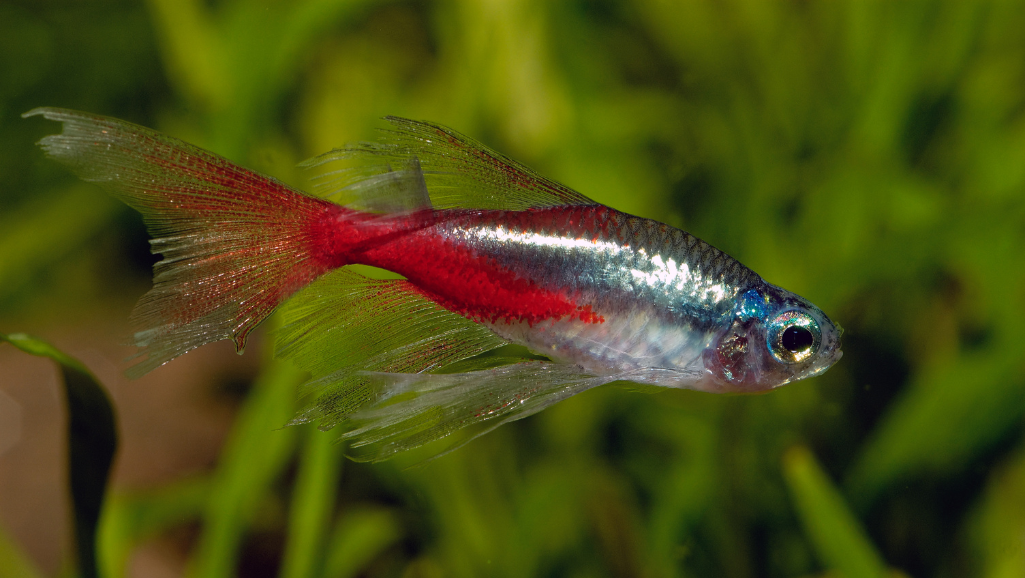
Discover Cardinal Tetra Care & Habitat Tips

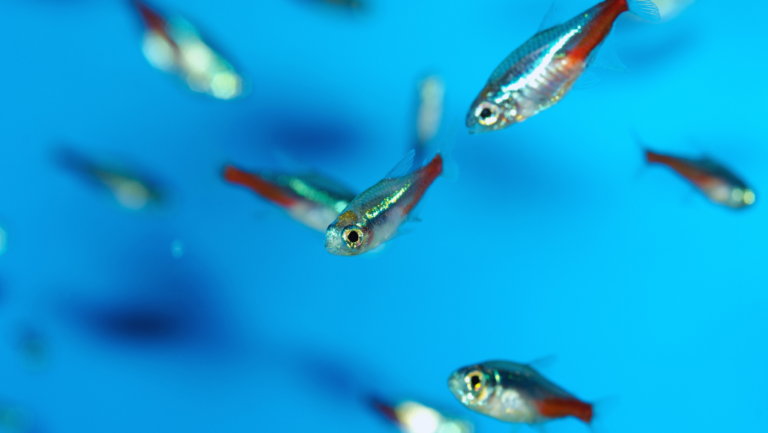
Cardinal Tetras are stunning with their cardinal red and iridescent blue stripes. They come from the slow-moving rivers of South America, like Brazil, Venezuela, and Colombia. These fish are the highlights of any freshwater aquarium. To enjoy their beauty, it’s key to know how to care for them.

With the right care, Cardinal Tetras can live longer than they do in the wild. Learning about Cardinal Tetra care and tropical fish needs is important. It keeps these fish healthy and adds life to your aquarium.

Key Takeaways

  • Cardinal Tetras come from South America’s Orinoco and Rio Negro rivers.
  • They are a big hit in the aquarium trade, with millions sold every year.
  • They need a pH of 4.5-7.5, temperatures of 73-86 °F, and up to 4 dGH hardness.
  • To breed them, create a rainy season-like environment with soft, acidic water and dim light.
  • Keeping a group of at least 10 Cardinal Tetras helps them stay healthy and colorful.
  • They should eat a mix of small crustaceans, insects, and plant bits for their health.
  • New breeding methods have made Cardinal Tetras easier and cheaper to get for aquarium fans.

Introduction to Cardinal Tetra

The Cardinal Tetra, known as Paracheirodon axelrodi, is loved by many for its bright colors and schooling behavior. This Cardinal Tetra schooling fish is a favorite among freshwater fish lovers. It adds beauty to home aquariums, showing the diversity of South America freshwater fish.

What is a Cardinal Tetra?

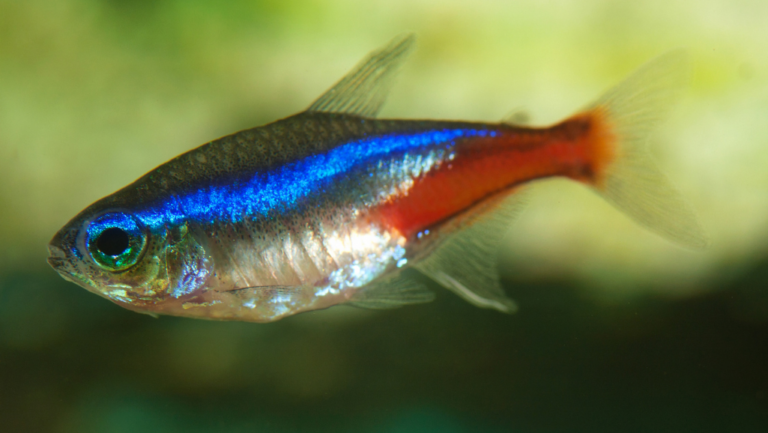
Cardinal Tetras are small, colorful fish with a blue line from nose to tail and a red belly. They grow up to two inches and do well in clean aquariums. Their peaceful nature and bright colors make them a popular choice for adding color and life to tanks.

Origin and Habitat in the Wild

The Paracheirodon axelrodi comes from the Amazon Basin in South America. This includes Colombia, Venezuela, and Brazil. They live in dark, plant-filled waters with soft, acidic conditions, just like their natural home.

In the wild, Cardinal Tetras hide in shaded creeks and rivers. This helps them avoid predators. Knowing their natural habits and habitats is key to keeping them happy and healthy in your tank.

Ideal Tank Conditions for Cardinal Tetras
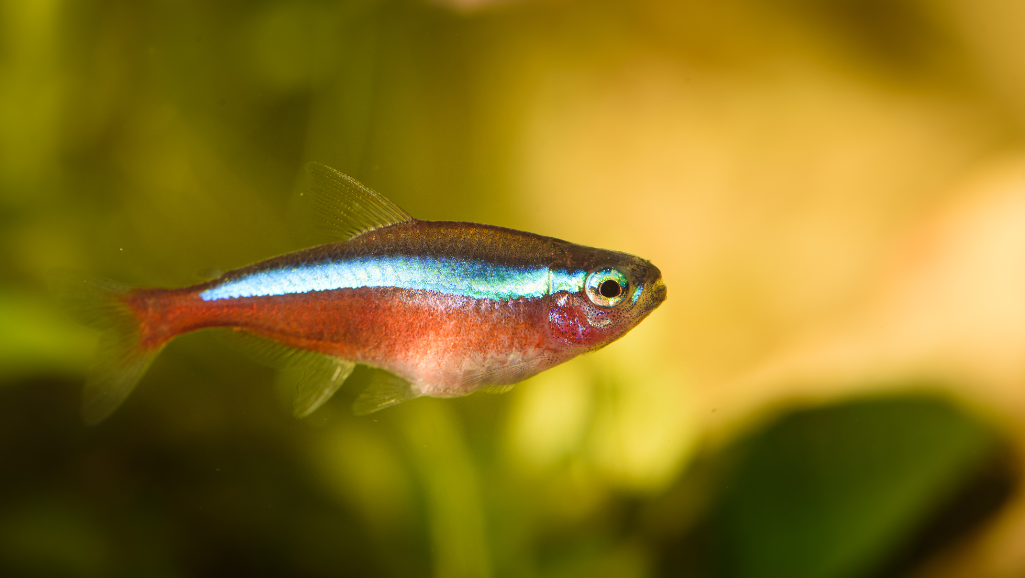
Cardinal Tetra in aquarium

Setting up the perfect aquarium setup for Cardinal Tetra needs careful attention. It should match their natural tropical fish habitat. Keeping the right freshwater aquarium conditions is vital for their health and beauty in your aquarium.

Optimal Water Temperature and Parameters

Cardinal Tetras prefer specific water conditions, like their South American rivers. Keep the water between 73-84°F (23-29°C). The pH should be slightly acidic to neutral, from 5.0 to 7.0.

Soft to moderately hard water, with 1 to 5 dGH hardness, is best for them.

Tank Size Recommendations

These active swimmers need plenty of space. A 10-gallon tank is a minimum, but 15-20 gallons is better for a school. This size helps them swim well and form a school, which is important for their social life.

For more tips on keeping Cardinal Tetras and creating their natural home, check out Aquarium Co-Op.

Substrate and Decor Choices

Use dark, fine-grained substrate to mimic a riverbed. Add driftwood, rocks, and live plants like Java Fern and Anubias. These not only look good but also give hiding spots, reducing stress and making the tank feel like their natural home.

By understanding and following these guidelines, you can create a sanctuary for these beautiful tropical fish. This will help them stay healthy, live longer, and behave naturally.

Feeding Your Cardinal Tetras
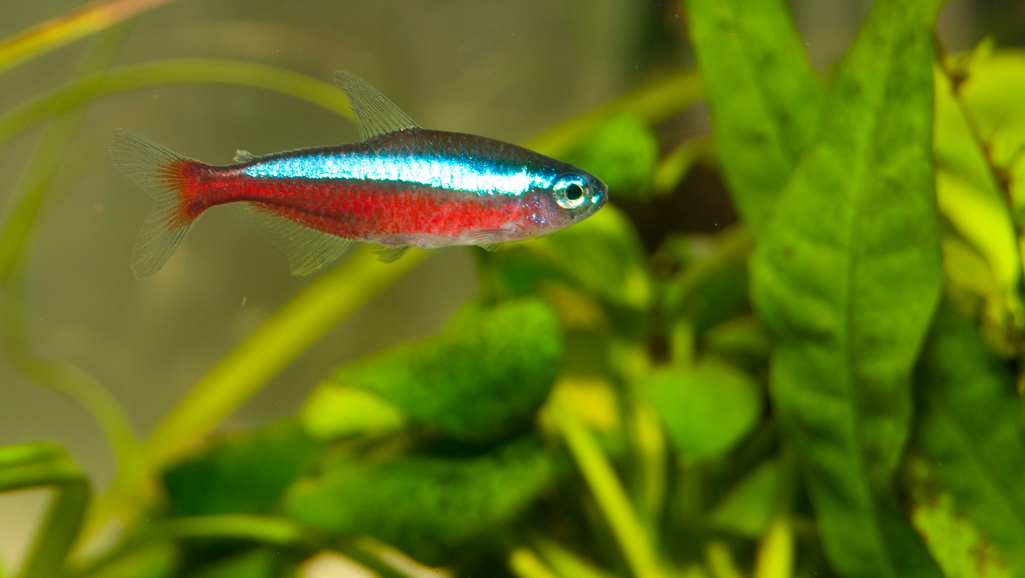
Cardinal Tetra Diet

Keeping Cardinal Tetras healthy and colorful is all about good food. They don’t fuss over their meals, but a varied diet makes them pop. This is key to making them as vibrant as their Amazonian home.

Best Food Options for Health

For a balanced diet, mix dry and live foods. Cardinal Tetras love:

  • Crushed flakes
  • Nano pellets
  • Freeze-dried tubifex worms
  • Live foods like baby brine shrimp

Offering different foods keeps them interested and healthy. Don’t forget to add spirulina flakes and frozen beef heart for extra nutrition.

Feeding Frequency and Portions

Feeding them right is important. Cardinal Tetras need small meals twice a day. This keeps them active and fed like they would in the wild.

Each meal should last three minutes. Make sure they eat everything to avoid mess and keep the tank clean.

Following these tips will keep your Cardinal Tetras happy and healthy. A well-fed tetra will show off its bright colors, making your tank a beautiful sight.

Social Behavior and Compatibility
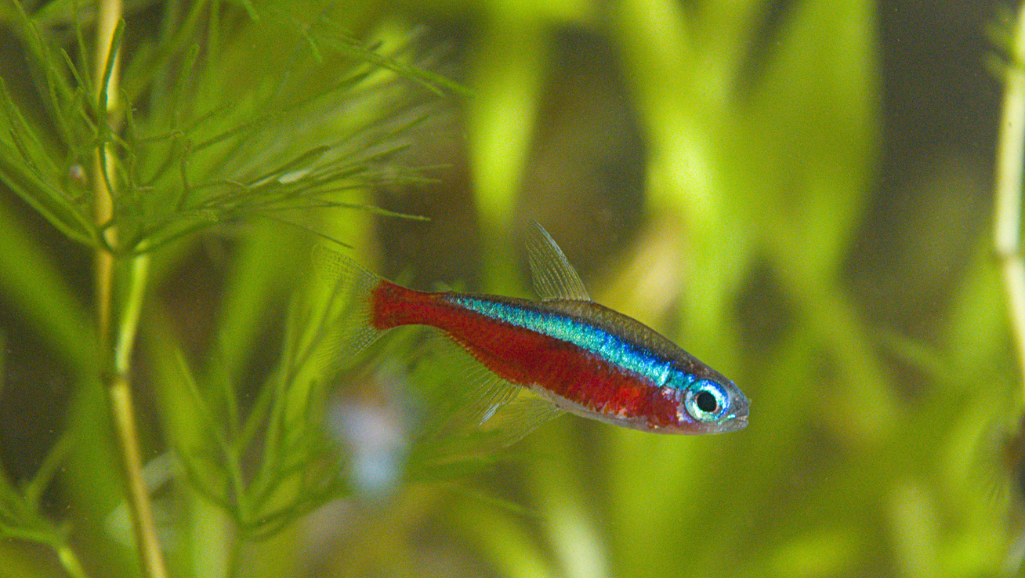
breeding Cardinal Tetras

Knowing how Cardinal Tetras behave and who they get along with is key to a freshwater aquarium community thriving. These colorful fish are not just a joy to watch. They also help keep the tank balanced.

Ideal Tank Mates for Cardinal Tetras

Choosing the right Cardinal Tetra tank mates is important. Look for fish that like the same water and are calm. Good friends include Corydoras Catfish, Harlequin Rasboras, and small, peaceful characins. Even bigger, calm fish like discus and some Betta species can live with them if they have enough room and places to hide.

  • Pencilfish and hatchetfish are great mid-water friends that don’t bother Tetras.
  • Bottom dwellers like Kuhli Loaches and Otocinclus Catfish keep the tank clean without stressing Tetras.

Schooling Habits and Group Size

Cardinal Tetras are amazing to watch because they swim together. They do best in groups of six or more. This helps them stay healthy and look even more beautiful.

  1. A group of 8-10 is best for a beautiful display and more social interaction.
  2. Make sure they have enough space to swim. This helps them stay stress-free and healthy.

In short, Cardinal Tetras are great for a colorful and peaceful aquarium. By picking the right friends and making sure they have enough space, you can create a happy home for all your fish.

Breeding Cardinal Tetras

Starting to breed Cardinal Tetras is both exciting and challenging. It needs careful tank adjustments and a deep understanding of Cardinal Tetra reproduction.

Signs of Breeding Readiness

First, you need to spot when they’re ready to breed. Look for full-bodied females and brightly colored, thin males. These signs help you know when to start the breeding process.

Care for Eggs and Fry

After breeding starts, focus on the care of the eggs and the fry. Eggs hatch in 1-3 days in the right water—slightly acidic with a pH of 6 and a temperature of 27-29°C. It’s key to remove any unfertilized eggs to keep the fry healthy.

After hatching, the fry are very fragile. They need special food like infusoria or liquid fry food at first. As they grow, switch to baby brine shrimp. This diet is important for their growth and should be paired with careful water quality checks to avoid disease.

If you want to get better at breeding tips for tropical fish, like Cardinal Tetras, use a separate breeding tank. This tank should closely match their natural habitat. Use peat extract and demineralized water, as aquarium guides suggest.

Remember, successful breeding needs the right conditions, patience, and attention to the Cardinal Tetras’ needs during this important time.

Common Health Issues in Cardinal Tetras
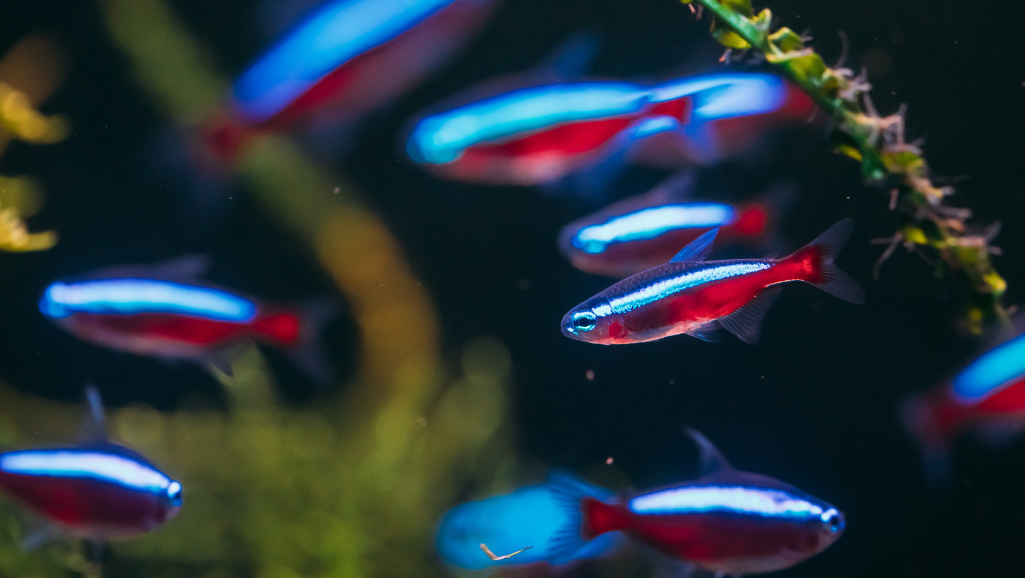
Cardinal Tetra Health Issues

Keeping Cardinal Tetras healthy means knowing about common diseases and caring for them well. These small, colorful fish are more than just decorations. They need constant care to stay healthy.

Recognizing Signs of Stress or Disease

Look out for signs like clamped fins, being very tired, losing color, and swimming oddly. These signs often mean a bigger problem is coming. Also, watch for fast gill movement, swollen bodies, or parasites.

Spotting these signs early can stop diseases from getting worse. It keeps your aquarium’s delicate balance safe.

Preventative Care Tips

Preventing health issues is key to keeping Cardinal Tetras healthy. Start with good aquarium care:

  • Check the water often: Keep the temperature, pH, and water clean to avoid stress and sickness.
  • Feed them right: Give them a balanced diet to boost their immune system and fight off diseases.
  • Make their tank right: Create a natural habitat with plants, the right substrate, and shaded spots.
  • Watch them closely: Look for any signs of trouble or illness to catch problems early.

Following these steps helps your Cardinal Tetras live longer and be happier. A healthy environment means fewer illnesses. This means less stress for these sensitive fish.

By being careful and attentive, you can create a thriving home for your Cardinal Tetras. Your aquarium will become a vibrant and resilient showcase.

Conclusion and Final Thoughts

We’ve explored the world of Cardinal Tetra care in depth. To keep them thriving, we must understand their natural needs. These fish need more than just water; they need a community that meets their needs.

As enthusiasts, we must care for them with precision. This ensures their longevity and vibrancy.

Summary of Essential Care Tips

For your Cardinal Tetras to thrive, start with water quality. They prefer a pH of 5.0-7.5 and water hardness of 2-6 KH. A varied diet, including bloodworms and brine shrimp, is key to their health.

These peaceful fish need friends. A school of 6-8 is best for their social behavior. A tank of 20 gallons for a school or up to 55 gallons for a community is ideal.

Encouragement to Create a Thriving Environment

Our journey into Cardinal Tetra care has shown their beauty and the responsibility involved. Creating their environment is an art that mimics nature. It’s not just a hobby; it’s a way to preserve biodiversity.

By doing this, you’ll enjoy a dynamic underwater scene. You’ll also help preserve freshwater habitats. Stay updated and join discussions to improve your skills. This dedication is what makes successful Cardinal Tetra keeping.

FAQ

What is a Cardinal Tetra?

The Cardinal Tetra is a small, colorful freshwater fish. It has bright red and blue stripes. It’s loved by many aquarium fans.

Where do Cardinal Tetras originate from?

They come from slow-moving rivers in South America. Places like Brazil, Venezuela, and Colombia are their home. They like areas with lots of plants and shade.

What are the optimal water parameters for Cardinal Tetras?

They need water with a pH of 4.0 to 7.5. The water should be soft to moderate. The best temperature is between 73–84°F (23–29°C).

What tank size is recommended for Cardinal Tetras?

You’ll need a tank of at least 15-20 gallons for 8-10 Cardinal Tetras. This size lets them swim and live well together.

What should I feed my Cardinal Tetras?

Feed them a mix of crushed flakes, nano pellets, and live baby brine shrimp. Give them small amounts they can eat quickly.

Who makes ideal tank mates for Cardinal Tetras?

Good tank mates are peaceful fish like pencilfish and corydoras catfish. Calm bettas and discus also work well. Make sure there are places for them to hide.

What are the signs of breeding readiness in Cardinal Tetras?

Female Tetras will look full when they’re ready to breed. Males will show bright colors and be slender.

How do you take care of Cardinal Tetra eggs and fry?

Keep the eggs safe in a separate tank. Use infusoria or micro-foods for the fry at first. Later, add baby brine shrimp as food.

How do I recognize signs of stress or disease in Cardinal Tetras?

Watch for signs like being tired, losing color, or swimming wrong. Keep an eye on their health closely.

What are some preventative care tips for Cardinal Tetras?

Keep the water clean and stable. Feed them well and do regular tank checks. Avoid sudden changes to keep them healthy.
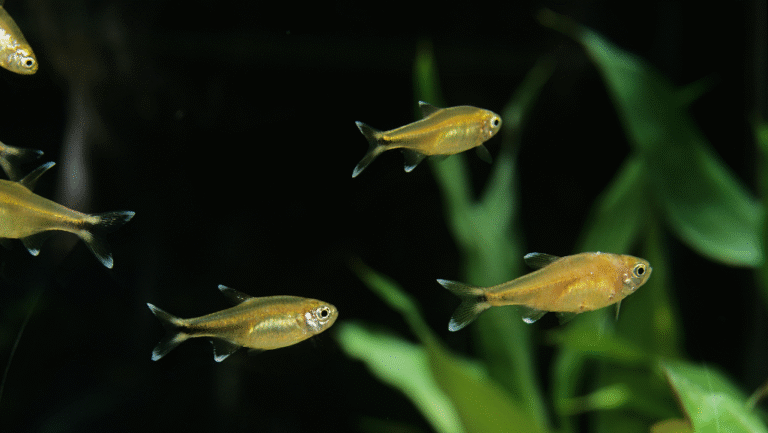
Neon Tetra Care
Neon Tetra Care: Tips for a Thriving Aquarium
The Neon Tetra is one of the most recognizable freshwater fish, prized for its iridescent blue stripe and vivid red band. Native to the Amazon basin (rivers and tributaries in countries such as Colombia, Brazil, and Peru), these small, peaceful fish bring lively schooling behavior and bright color to planted aquariums. Caring for neon tetras means more than admiring their colors — it means building an environment that matches their natural habitat. That involves stable water chemistry, suitable tank size, compatible tankmates, and proper feeding so your neon tetras can thrive and display their best color. Neon tetras prefer soft, slightly acidic water; monitoring water parameters regularly helps prevent stress and disease. Choose calm, non-aggressive fish as companions, feed a varied diet, and provide planted, dimly lit spaces that mimic their blackwater/clearwater origins. With consistent care, neon tetras commonly live around 4–6 years in captivity; some individuals may reach longer lifespans with optimal conditions. Creating the right environment—temperature, pH, hardness, filtration, and group size—will maximize their health and longevity. Key TakeawaysNeon Tetra Care: aim for a stable temperature (about 74–79°F / 23–26°C) and slightly acidic to neutral pH (around 5.5–7.0). Tank size: provide at least a 10–20 gallon (≈40–75 L) aquarium for a small school; larger tanks are better for visible schooling behavior. Water parameters and routine testing are essential—monitor pH, temperature, and hardness to keep your fish thriving. Diet: offer varied foods (quality flakes, occasional live/frozen brine shrimp and bloodworms) to keep colors vibrant. Group neon tetras in schools (6+ individuals) so they feel secure and show natural schooling behavior. Recreate blackwater-like conditions (plants, driftwood, subdued lighting) when breeding is the goal. Protect their wild habitat: conservation of Amazonian ecosystems supports this species in the wild.Understanding the Neon Tetra: An IntroductionNeon tetras (Paracheirodon innesi) are one of the most popular small freshwater fish because of their striking iridescent blue stripe and bright red band. These tetras are a schooling species that display graceful, synchronized swimming when kept in groups — a major reason hobbyists add neon tetras to planted community tanks. The Mesmerizing Appearance of Neon Tetras Neon tetras are instantly recognizable: a slender body with a shimmering electric-blue stripe from snout to adipose fin and a vivid red stripe along the lower half of the body. Adults typically reach about 1.2–1.5 inches (3–3.8 cm) in length. Those visual cues — the blue “neon” line and red tail area — are what make neon tetras so eye-catching under subdued aquarium lighting. Origins and Natural Habitat of Neon Tetras The natural Neon Tetra habitat is the blackwater and clearwater tributaries of the Amazon Basin in South America (places in Colombia, Brazil, and Peru). In the wild they live in soft, acidic water shaded by dense vegetation and leaf litter; reproducing those conditions in the tank (soft water, tannin-rich driftwood, lots of plants, low light) helps neon tetras feel secure and show their best color. For further reading, see Keeping Tropical Fish. Social and Behavioral Aspects of Neon Tetras Neon tetra behavior is strongly social: they are true schooling fish and should be kept in groups. A minimum school size of six is often recommended for visible schooling and reduced stress, though larger groups (10+) produce more natural behavior and a striking visual effect. With consistent care and stable water conditions, neon tetras commonly live about 4–6 years in captivity; a few well-cared-for individuals may live longer. Routine maintenance — regular water changes, monitoring of water parameters, and gentle filtration — keeps neon tetras healthy and reduces the chance of disease. Helpful maintenance tips and cleaning tools can be found at Aqua Joy Life. Creating the Perfect Neon Tetra EnvironmentNeon tetras do best in aquariums that recreate their Amazonian home: soft, slightly acidic water, gentle currents, abundant plants and shaded areas. Getting the water parameters, tank layout, and filtration right gives your neon tetras the stable environment they need to thrive and display vivid color. Essential Aquarium Setup for Neon Tetras Start with the right tank size and equipment. A planted community aquarium of at least 10–20 gallons (≈40–75 L) is appropriate for a small school (6–10 fish); if you want more dramatic schooling behavior, choose a larger tank. Use a gentle, reliable filter (hang-on-back or canister with adjustable flow) to maintain water quality without creating a strong current that stresses these small fish. Provide plenty of mid-level swimming space and calm zones using driftwood, rock caves, and floating plants. Water Parameters: Achieving the Ideal ConditionsMaintain stable parameters: temperature around 74–79°F (23–26°C), pH roughly 5.5–7.0 (slightly acidic to near-neutral), and soft to moderately soft hardness (GH ~1–8 dGH). Test your water regularly — frequent monitoring prevents sudden swings that can harm neon tetras. For breeding, slightly softer, more acidic water (pH near 5.0–6.0) and lower hardness are often used to mimic blackwater conditions. Neon Tetra Tank Decorations and Plant Recommendations Live plants improve water quality and comfort. Choose low- to medium-light species that tolerate soft water, such as Java Fern, Anubias, Cryptocoryne, Java Moss, and Amazon sword. Arrange dark substrate (fine sand or dark aquarium gravel) and add driftwood or leaf litter to release tannins and create a subdued, blackwater-like tone that helps neon colors pop. Keep lighting moderate to low—this reduces stress and mirrors their shady natural habitat. Match decorations and plants with the needs of your species selections: understory plants and hiding spots benefit timid schooling fish and reduce aggression from more boisterous tankmates.Fish TypeCompatibility with Neon TetrasAverage CostGold Neon Tetra High $2 – $3Long-finned Tetra High $2.50Diamond Neon Tetra High $3Filtration, Flow, and Maintenance Choose filtration that provides biological and mechanical filtration with gentle flow—sponge filters, hang-on-back units with flow controls, or canister filters with adjustable outputs work well. Aim for low to moderate water movement; neon tetras prefer calm midwater lanes. Perform regular maintenance: 20–30% weekly water changes (or as needed based on testing), vacuum the substrate lightly, and monitor ammonia, nitrite, nitrate, pH, and hardness using a reliable water test kit. Checklist: Quick Setup SummaryTank: minimum 10–20 gallons (40–75 L) for a small school; larger for more fish. Temp: 74–79°F (23–26°C). pH: 5.5–7.0; breeding may require ~5.0–6.0. Hardness: soft to moderately soft (GH ~1–8 dGH). Filtration: biological + mechanical, gentle flow (sponge, HOB, or canister with flow control). Substrate & decor: dark substrate, driftwood/leaf litter, plenty of plants (Java Fern, Anubias, Crypts, Java Moss). Group size: 6+ neon tetras; 10+ preferred for natural schooling.Following these setup and water parameters recommendations helps neon tetras stay healthy, reduces stress, and increases the likelihood of breeding in a planted home aquarium. For step-by-step product suggestions (filters, test kits, plant packages), consider a starter bundle linking tested equipment and plant lists to get your tank stable quickly. Feeding Your Neon Tetra: A Balanced DietA balanced diet is one of the easiest ways to keep neon tetras healthy and colorful. These small omnivores do best on a mix of high-quality dry foods plus occasional live or frozen treats to supply protein, vitamins, and variety that support vibrant color and overall health. Food Varieties and Nutritional Needs for Neon Tetras Offer a base diet of quality flake or micro-pellets formulated for small tropical fish. Look for products with a good mix of protein and plant matter (many hobbyists use flakes or pellets with roughly 30–40% protein—avoid extremely high-protein specialist feeds meant for larger carnivores). Supplement the dry foods several times a week with live or frozen options such as brine shrimp, daphnia, microworms, and bloodworms to enhance color and vitality.Variety is key in the Neon Tetra diet—alternate flakes/pellets with live/frozen foods. Introduce live foods like brine shrimp and bloodworms periodically to boost color and natural foraging behavior. Include small amounts of plant matter (blanched spinach or crushed peas) occasionally for fiber.Feeding Frequency and Portion Sizes Feed small amounts 1–2 times per day or offer several very small feeds throughout the day. A useful rule: only provide what the school consumes within 2–3 minutes. Overfeeding leads to poor water quality, which directly harms neon tetras. Practical portion guideline: for a small school (6–10 neon tetras), a pinch of flakes or a few micro-pellets per feeding is usually enough; adjust by observing how quickly the food is eaten. If uneaten food remains after 3 minutes, reduce the next feeding.Tip: feed complete meals in short bursts—this reduces waste, stabilizes water parameters, and encourages natural schooling feeding behavior.Supplements, Treats, and Food Preparation Supplements are optional but can help recovery or coloration after illness. Use vitamin-enriched flakes or occasional immune-boosting supplements when recommended by a vet or experienced hobbyist. Treats like frozen daphnia or thawed brine shrimp are safe and attractive to neon tetras—thaw frozen foods in tank water and strain excess liquid to avoid contaminating the tank. If you culture live foods (e.g., brine shrimp nauplii or microworms), ensure hygiene to prevent introducing parasites. Avoid feeding citrus fruits; small amounts of blanched peas are a safer plant-based treat. Keeping feeding consistent and monitoring nitrate levels with a reliable test kit helps maintain a healthy environment. For supplies, check trusted sources for flakes, pellets, and live/frozen brine shrimp products. Following these feeding guidelines will help your neon tetras maintain bright colors and stay active for years with proper overall care. The Social Community: Choosing Compatible Tank Mates for Neon TetrasNeon tetras are peaceful, visual schooling species that do best in calm community aquariums. When selecting tankmates, match water parameters (temperature, pH, hardness), temperament, and swimming level so all fish can thrive. Choosing non-aggressive, small-bodied companions helps neon tetras feel secure and reduces stress-related color loss or illness. Consider the specific needs of potential tank mates neon candidates: some bottom-dwellers need fine substrate and hiding places; midwater swimmers require open lanes; and all should tolerate soft, slightly acidic water common for neon tetras. Examples and general notes on common companions:SpeciesGroup SizeWater PreferenceCompatibility NoteZebra Danios At least 5 Temperate to warm, pH 6.5–7.5 Active but generally peaceful; can be more boisterous—monitor compatibility in smaller tanksHarlequin Rasboras 6 or more Slightly acidic to neutral, 72–79°F Peaceful, visually complementary; excellent midwater companionsOtocinclus Catfish 3 to 5 Soft, slightly acidic, similar temp Great algae eaters; peaceful bottom dwellers that help keep the tank cleanCherry Barbs 5 to 6 (more females) Slightly warmer, adaptable Generally compatible if stocking favors more females to limit male aggressionKuhli Loaches 3–6 Soft, slightly acidic Nocturnal, peaceful bottom dwellers that won’t disturb midwater neon tetrasDo / Don’t Checklist for Tankmate SelectionDo choose small, peaceful, non-aggressive fish that share similar tank conditions (temp ~74–79°F / pH ~5.5–7.0). Do add companions in suitable group sizes—many community species are schooling themselves and appreciate company. Don’t add large or aggressive fish that may bully or eat neon tetras (cichlids, large barbs, aggressive gouramis). Don’t mix species with very different water parameter needs (e.g., very hard/alkaline water species).Three Safe Community Layout Examples10–20 gallon tank: 8–10 neon tetras + 3 Otocinclus + 1–2 kuhli loaches (plenty of plants and hiding spots). 20–40+ gallon planted tank: 12–15 neon tetras + 6 Harlequin Rasboras + 3 Corydoras (ample midwater and bottom structure). Larger community (40+ gallons): 20 neon tetras + small school of Celestial Pearl Danios or peaceful small rasboras + 4–6 shrimp or Otos for algae control (ensure shrimp compatibility and plenty of cover).Other good companions sometimes recommended include Dwarf Gouramis (monitor for male aggression), Celestial Pearl Danios, and small peaceful catfish. Always research each species’ specific conditions (pH, temperature, diet) before adding them to the tank. Choosing the right freshwater fish species and matching parameters ensures your neon tetras and their tankmates will thrive together. For an easy decision, try a compatibility chart or quiz to match species by temperament and water needs before you buy. Conclusion Caring for Neon Tetra is a rewarding mix of simple daily routines and attention to water chemistry and community dynamics. These colorful freshwater fish come from the Amazon Basin, where soft, tannin-rich waters and dense plant cover shape their behavior and needs. Recreating those stable conditions in your tank will keep neon tetras healthy, colorful, and active. Quick Reference: Verified Care ParametersParameterRecommended RangeTemperature 74–79°F (23–26°C)pH 5.5–7.0 (breeding often uses ~5.0–6.0)Hardness (GH) Soft to moderately soft: ~1–8 dGHTank size Minimum 10–20 gallons (40–75 L) for a small school; larger preferred for visible schoolingGroup size 6+ (10+ recommended for best schooling)Diet High-quality flakes/pellets + occasional live/frozen brine shrimp, daphnia, bloodwormsLifespan Commonly 4–6 years in captivity; some may live longer with excellent careSigns of Illness & First-Aid Steps Common issues include stress-related color loss, fin rot, ich, and bacterial infections (often grouped under “neon tetra disease” in hobbyist resources). Watch for faded color, clamped fins, lack of appetite, erratic swimming, or white spots. If you spot symptoms:Check water parameters immediately and perform a partial water change (20–30%). Quarantine sick fish when possible to prevent spread. Adjust temperature and maintain stable conditions; treat diagnosed diseases with targeted medication per label instructions. Address root causes: poor water quality, overcrowding, or incompatible tankmates.Breeding Overview Breeding neon tetras requires blackwater-like conditions: dim light, soft acidic water (pH ≈5.0–6.0), and fine-leaved plants or spawning mops. Use a separate breeding tank to protect eggs and fry; parents may eat their own eggs. Maintain very gentle filtration and keep water spotless during the spawning and rearing period. Final Notes & Resources Consistent care—stable water parameters, a balanced food plan, proper tank size, and suitable tank mates neon—is the key to healthy neon tetras. For a printable checklist (“Everything you need to know”) and a shopping bundle (test kit + recommended filter + plant list), consider linking to trusted suppliers and community guides. Protecting their Amazonian home matters too: conservation of wild habitats helps sustain neon tetra populations and the ecosystems they depend on. Frequently Asked Questions Q: How do I properly care for Neon Tetras? A: Maintain stable water (74–79°F / 23–26°C; pH 5.5–7.0), soft-to-moderate hardness, weekly partial water changes, gentle filtration, varied diet, and schools of 6+. Monitor water parameters regularly and avoid overcrowding. Q: What does a Neon Tetra’s natural habitat look like? A: They originate from shaded, tannin-stained streams and tributaries of the Amazon Basin (places in Colombia, Brazil, and Peru) with soft, slightly acidic water and heavy plant cover. Q: Can you describe the typical behavior of Neon Tetras? A: Neon tetras are peaceful, schooling tetras that prefer midwater lanes. They are shy but active in groups and rarely aggressive when kept with compatible species. Q: What’s the lifespan of a Neon Tetra in captivity? A: Expect 4–6 years on average with good care; exceptional individuals may live longer under ideal conditions. Q: What is the ideal tank setup for Neon Tetras? A: A planted 10–20+ gallon tank with dark substrate, driftwood/leaf litter for tannins, moderate lighting, gentle filtration, and room for schooling movement is ideal. Q: How do breeding conditions differ for Neon Tetras? A: Breeding uses softer, more acidic water (pH ~5.0), dim lighting, and a separate breeding tank to protect eggs and fry. Q: What decorations are best for a Neon Tetra tank? A: Live plants (Java Moss, Anubias, Java Fern, Cryptocoryne), driftwood, leaf litter, and smooth rocks—avoid sharp decor that can damage fins. Q: What are the ideal diet and feeding guidelines for Neon Tetras? A: Feed quality flakes or micro-pellets as a staple, supplement with brine shrimp, daphnia, or bloodworms occasionally, and provide small portions that are consumed within 2–3 minutes to prevent overfeeding. Q: How should supplements and treats be used in a Neon Tetra’s diet? A: Use fortified flakes or occasional vitamin supplements when recovering from illness or to enhance color; rely mostly on a balanced diet and fresh/frozen treats for variety. Q: What are some compatible tank mates for Neon Tetras? A: Compatible companions include small, peaceful species such as harlequin rasboras, otocinclus, corydoras, and other non-aggressive schooling fish—avoid large or aggressive species....
Black Neon Tetra
Black Neon Tetra Care: Tank Setup & Breeding Guide
Bright contrast and calm behavior make this small characin a favorite for planted aquaria. The species...
A vivid close-up of a chili rasbora (Boraras brigittae), a small, brightly-colored freshwater fish. The subject is centered in the frame, its vibrant red and orange fins contrasted against a softly blurred, aquamarine background that suggests an aquarium setting. The lighting is natural and diffused, creating subtle highlights and shadows that accentuate the fish's delicate features and intricate scale patterns. The depth of field is shallow, allowing the viewer to focus intently on the mesmerizing details of this tiny, captivating creature.
Care Guide for Chili Rasbora in Nano Tanks
Meet the chili rasbora — Boraras brigittae — a tiny jewel for your nano tank that turns a small setup...
how often to feed goldfish
How Often to Feed Goldfish: The Definitive Guide
Goldfish care blends biology, tank setup, and simple routines into daily practice. This short guide opens...
Lambchop Rasbora Care
Lambchop Rasbora Care Guide & Tips
Meet a vibrant, peaceful fish that brings a copper-orange glow and a bold black lambchop mark to planted...
Forhadkhan
Forhadkhan
Articles: 253

Leave a Reply

Your email address will not be published. Required fields are marked *