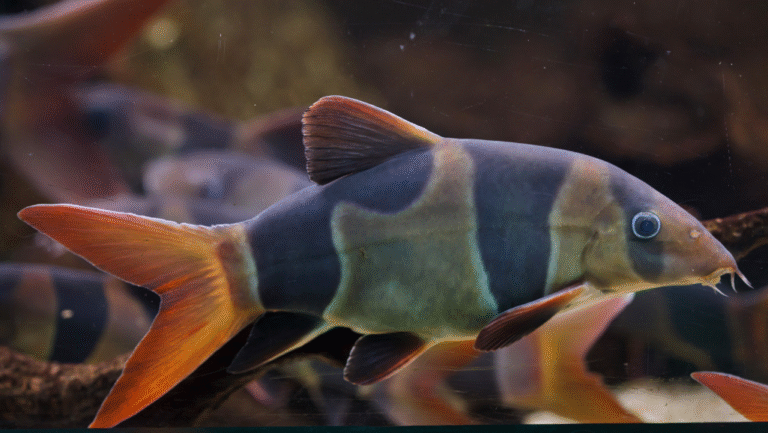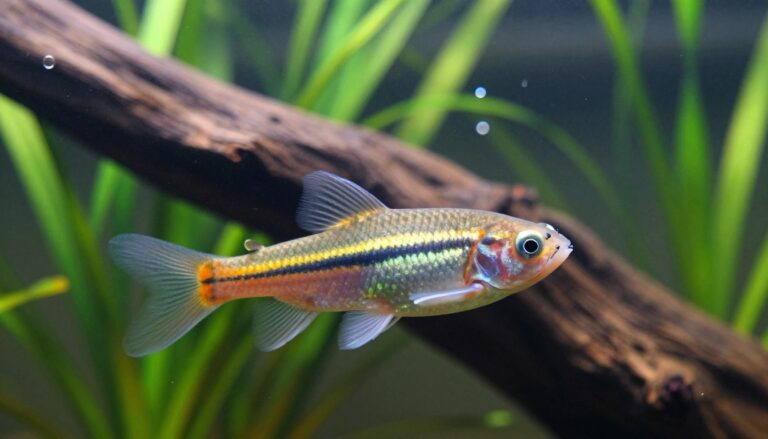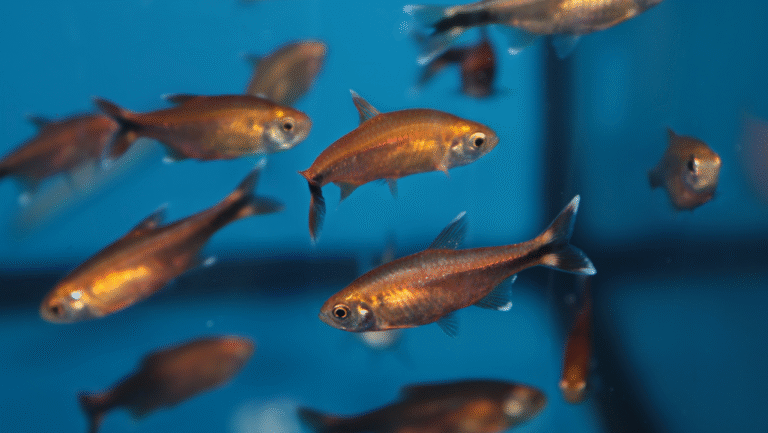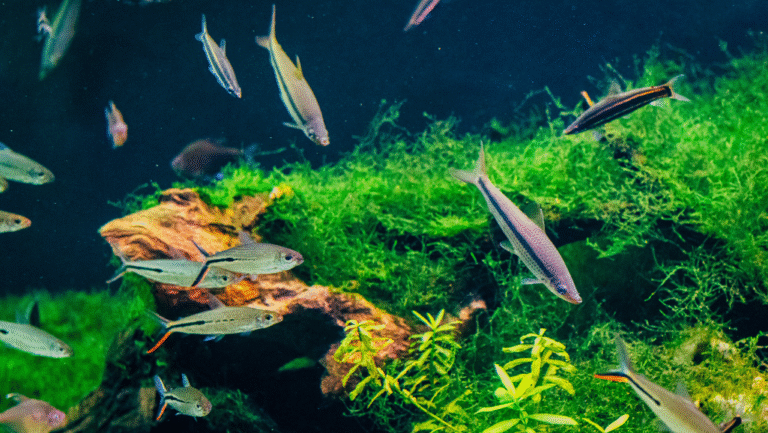
Colorful Aquarium Fish: Make Your Tank Pop
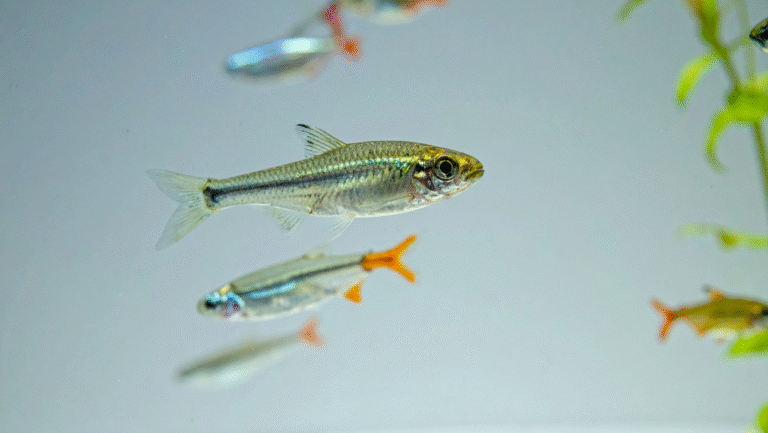
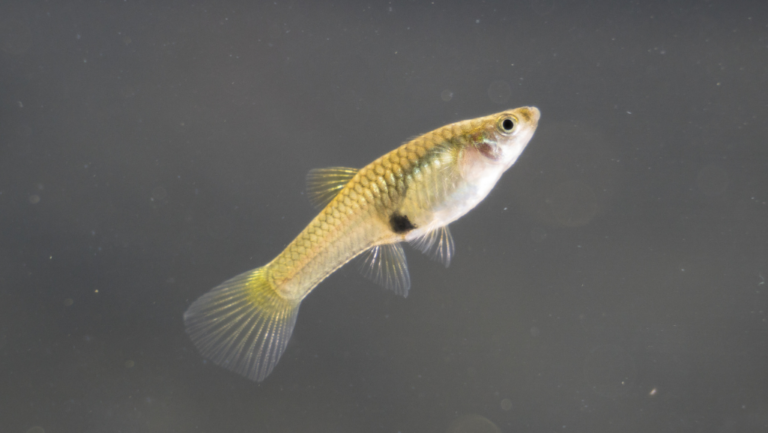
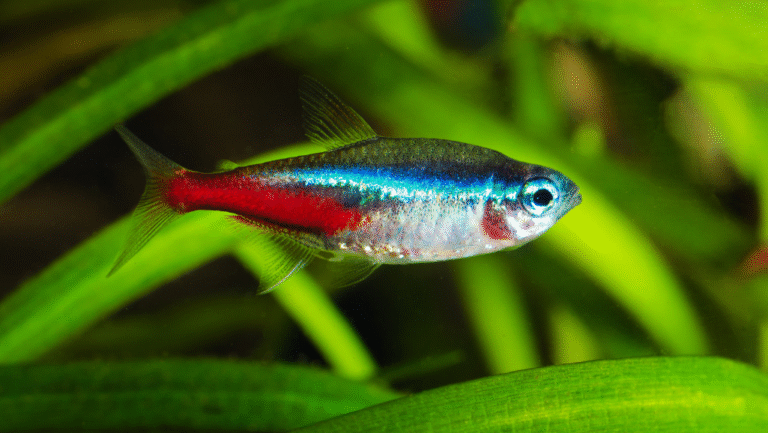
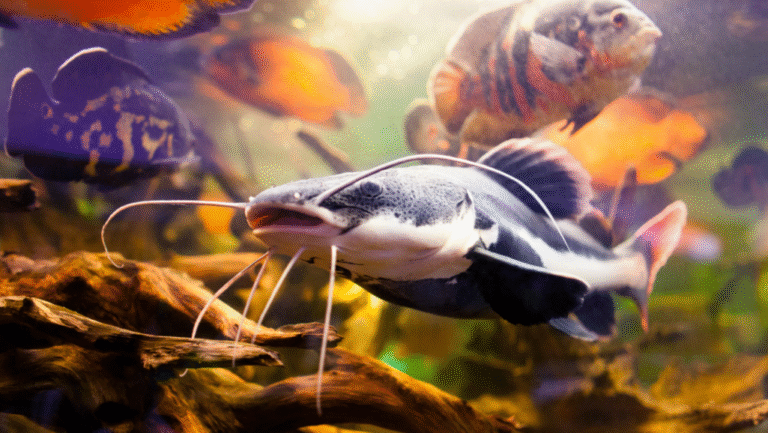
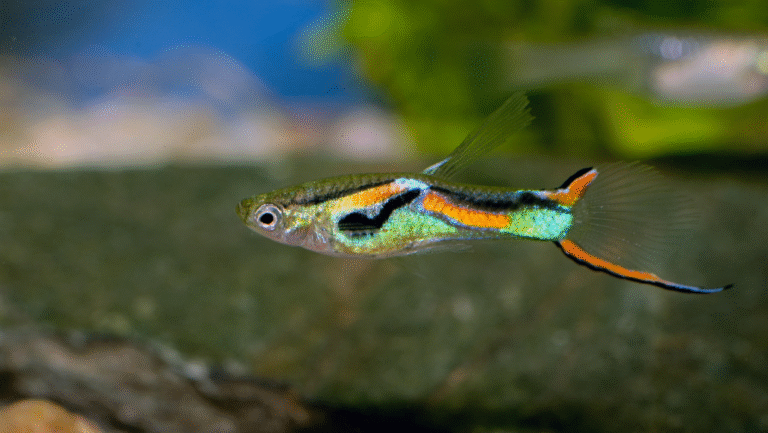
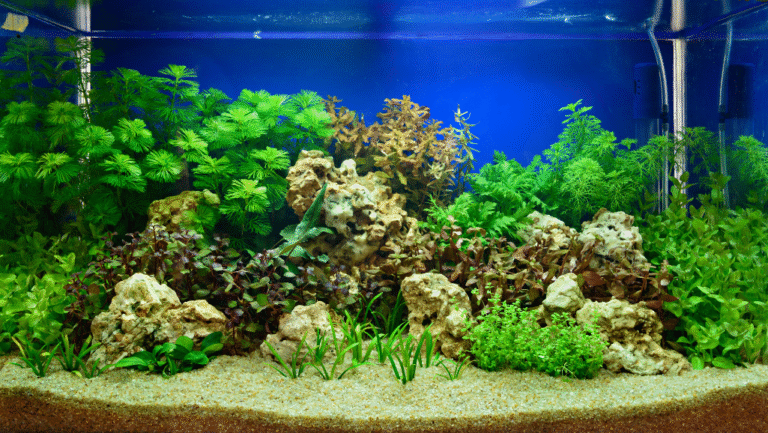
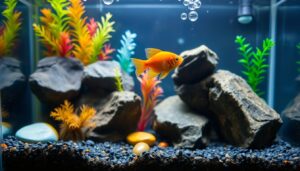
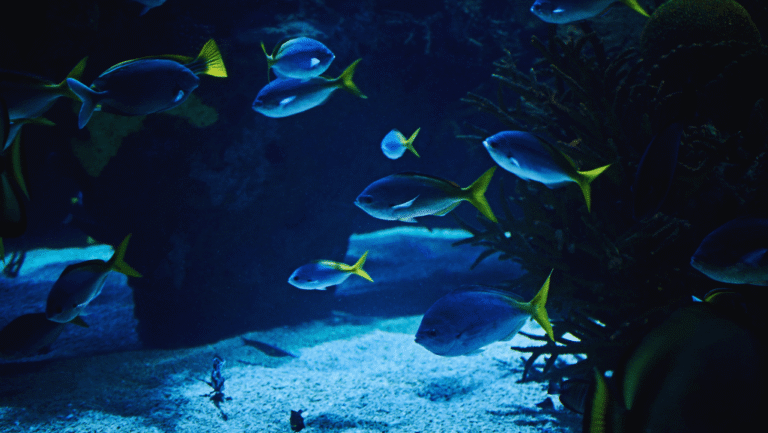
For both new and experienced aquarium lovers, a tank full of colorful aquarium fish is more than decoration — it’s a living centerpiece. Bright, healthy fish add visual interest and reflect careful husbandry: the right mix of species, water chemistry, and maintenance makes an aquarium thrive. Whether you keep a planted freshwater aquarium or a saltwater display, the wide range of colorful fish available means you can build everything from a peaceful community tank to a bold species-focused showcase. To help you choose, a list of the most colorful fish is ready — each entry below includes quick care notes so you can match color, behavior, and tank requirements. Key Takeaways Pick colorful fish that match your tank type: freshwater or saltwater, planted or minimalist. Vibrant fish indicate good care — proper water, diet, and space are essential. Learn species basics (size, temperament, water needs) to build a harmonious community or species tank. Read the species care sections below for practical tips and stocking ideas — then plan your tank around water parameters and compatible tank mates. Understanding the Appeal of a Colorful Aquarium A vibrant aquarium can transform a room into a living piece of art. Beyond looks, a well-planned display brings calm and focus — a visual retreat that fits any home or office. Whether you’re building a planted freshwater aquarium or a minimalist community tank, thoughtful design makes the difference. Setting up a tank requires planning: choose a cohesive palette, place aquatic plants and hardscape for depth, and arrange fish so colors and behaviors complement one another. For example, a deep blue background makes orange or red fish pop, while a lighter substrate highlights subtle pastel colors. Think of your aquascape like interior design. Color choices, lighting, and plant placement shape how your fish stand out — and how the tank fits the room. Make sure your layout also meets your fish’s needs for hiding spots, swim space, and compatible water conditions. The Role of Color in Aquatic Presentation Color theory helps when you plan a display: complementary colors (blue vs. orange) create striking contrast, while analogous schemes (blues and greens) deliver a calm, natural feel. Use aquatic plants like Java fern, Anubias, or Vallisneria to add texture and color contrast; driftwood and rock can provide warm neutrals to balance bright fish. Lighting is also key — full-spectrum or plant-friendly LEDs will enhance both plant growth and fish colors. Aim for a balance that shows off hues without stressing your fish. How Vibrant Tanks Improve Well-being…